
Latest News
DOE Closes $1 Billion Loan for Three Mile Island Restart, Powering Microsoft’s Data Centers
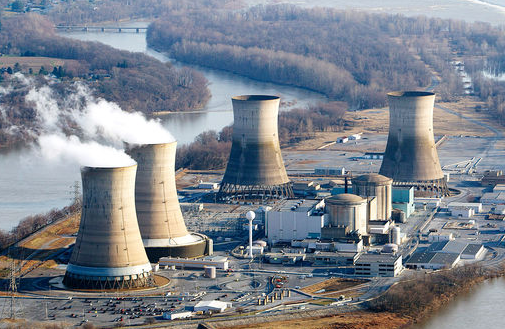
On November 18, 2025, the US Department of Energy’s Loan Programs Office (LPO) closed a USD 1 billion loan to Constellation Energy to restart the 835 MW Three Mile Island Unit 1 reactor in Pennsylvania, now renamed the Crane Clean Energy Center. The plant, shut down in 2019 for economic reasons, is slated to return to service in 2027 and supply carbon-free electricity to Microsoft data centers in the PJM region under a 20-year power purchase agreement.
1. The Deal: A First-of-Its-Kind Close
The transaction marks the first time in LPO history that a conditional commitment and a financial close were announced at the same moment. The loan was made through the Energy Dominance Financing Program and is guaranteed by Constellation’s own balance sheet—a structure LPO head Greg Beard says protects taxpayers if the project does not succeed. Beard noted that Constellation, the largest nuclear operator in the United States with 21 reactors across 15 sites, is an established investment-grade borrower that "could have obtained a bank loan even without government assistance." The loan’s role, then, is to lower the cost of financing and help leverage private investment into the restart. Reported pricing is roughly 0.375% above US Treasury rates, and Constellation shares rose about 5% on the announcement.
2. From Shutdown to Restart: What It Takes
The reactor being restarted is Unit 1—the unit that closed in 2019 for economic reasons, not Unit 2, which suffered the 1979 partial meltdown and is being decommissioned. Constellation and Microsoft signed the contract backing the restart in 2024, with the total restart cost estimated at around USD 1.6 billion; the federal loan covers most startup costs, with the first advance due in the first quarter of 2026.
The physical work is well underway: major equipment has been ordered, more than 500 employees hired—over 80% of planned staffing—and infrastructure inspections completed. Before the plant can produce electricity, it still needs a refurbished cooling tower, a new main power transformer and refueling, plus approval from the US Nuclear Regulatory Commission and water-related permits.
The schedule moved forward in June 2025, when PJM accelerated its review process for connecting the project to the grid, allowing Constellation to pull the restart target forward to 2027.
3. Nuclear and AI: Demand Rebound Meets Baseload Supply
The restart is happening against the backdrop of the first sustained increase in US power demand since the 1990s, driven in large part by AI and data centers. For companies with constant power needs and climate commitments, nuclear energy—with virtually no carbon emissions—has become a credible option. Critics, however, point out that the United States has still not found a permanent solution for radioactive waste.
The commercial logic is clear: a long-term offtake agreement with a hyperscaler converts a decommissioned plant into bankable infrastructure. And for the wider energy stack, nuclear restarts and energy storage are complements rather than competitors—baseload generation on one side, flexibility on the other—both of which a grid absorbing gigawatts of AI load will need.
4. The Broader Push: $250 Billion and Counting
Beard said the LPO holds more than USD 250 billion in lending authority under the 2025 spending law. "We expect a large part of this to be used to reinvigorate large-scale reactor development," he said. Energy Secretary Chris Wright has said most LPO funds will go to nuclear projects, framed around grid reliability, affordability and winning the AI race.
The economic stakes extend beyond the plant itself: a Brattle Group study projects roughly 3,400 direct and indirect jobs, USD 16 billion added to Pennsylvania’s GDP and more than USD 3 billion in tax revenue. The Crane loan is the third LPO deal closed under the current administration—and the clearest signal yet that the United States is mobilizing federal credit to rebuild its nuclear fleet around AI’s power needs.
Source material: Reuters and US Department of Energy Loan Programs Office announcements
Sign up for our free monthly newsletter to stay informed about the Chinese energy storage market.