
Latest News
ESIE | 2027 Debuts AIDC Energy Storage Section, Targeting the New Blue Ocean of Data Center Energy Storage
As one of the world's largest energy storage exhibitions, ESIE has witnessed and continues to lead the innovation and development of the global energy storage industry through fourteen editions of heritage.
The 15th Energy Storage International Summit and Exhibition (ESIE 2027), organized by the China Energy Storage Alliance, the China Energy Research Society, and the Institute of Engineering Thermophysics of the Chinese Academy of Sciences, will be held on March 16-19, 2027 at the Capital International Convention & Exhibition Center in Beijing.
ESIE 2027 Debuts
the AIDC Energy Storage Section
An Exploding New Storage Track
ESIE 2027 debuts its AIDC Energy Storage section precisely against the backdrop of this track's explosive growth.
March 2026 - "Computing-electricity coordination" was written into the Government Work Report for the first time, becoming an important lever for the deep integration of computing power and electricity.
April 2026 - The Action Plan on Promoting Two-Way Empowerment Between Artificial Intelligence and Energy explicitly encourages computing facilities to be equipped with grid-forming energy storage, enabling computing facilities to participate in grid operations as flexible, adjustable load-side resources.
June 2026 - The 15th Five-Year Plan for Building a New Energy System calls for promoting direct green power supply projects for computing centers and "strengthening computing with electricity and promoting electricity through computing".
July 2026 - In its reply to a National People's Congress proposal, the National Energy Administration noted that pilot programs will give key consideration to AIDC energy storage application scenarios, and the first-set-of-equipment selection will consider supporting technical equipment for AIDC energy storage application scenarios.
On the market side, according to National Energy Administration data, total electricity consumption of computing centers nationwide reached 170 billion kWh in 2025, and computing electricity consumption at the eight hub nodes of the national integrated computing power network grew at an average annual rate of about 39.5% over the past three years. During the 15th Five-Year Plan period, national computing electricity consumption is expected to grow by more than 100 billion kWh per year on average, reaching an estimated 800 billion kWh by 2030.
The explosive growth in computing demand not only calls for higher power supply reliability, but also raises brand-new requirements for data centers' energy costs, green power consumption, and computing dispatch. AIDC energy storage is precisely the key carrier connecting computing loads, green power supply, and grid regulation.
But Amid High Growth,
AIDC Energy Storage Still Faces Several Practical Problems
Technology routes still evolving. UPS, HVDC, and SST routes coexist, and solutions differ widely between vendors. Many companies remain at the "selling batteries" stage, lacking integrated solution capabilities from rack-level backup power to campus-level energy storage.
Cost and return out of balance. AIDC supporting energy storage carries high initial investment and a long payback period. Current returns rely mainly on peak shaving/valley filling and backup power assurance; value-added revenue channels such as green power trading, demand response, and ancillary services remain underdeveloped.
Missing standards. Technical standards, acceptance specifications, and safety requirements for AIDC energy storage are still being drafted. High-rate cells, BBUs, and liquid cooling integration lack unified standards, leaving poor product compatibility and no basis for procurement and acceptance.
Insufficient supply-demand matching. Energy storage companies do not understand computing, and cloud vendors do not understand energy storage; both sides lack an effective exchange platform. Information gaps persist between the real needs of the three major telecom operators, cloud vendors, and IDC operators on one side, and the product capabilities of energy storage companies on the other.
The 15th Energy Storage International Summit and Exhibition
Debuts the AIDC Energy Storage Section for the First Time
Exhibition + Matchmaking + Launches + Forums in One
1. Exhibition: The Full Chain of Computing Power Supply
AIDC Energy Storage Panorama Exhibition - all technology routes in one visit:
• Rack-level backup power: high-rate BBU cells, supercapacitors (EDLC), hybrid backup solutions
• Data hall-level power supply: lithium battery UPS systems, HVDC high-voltage DC systems, SST solid-state transformers, grid-forming PCS
• Thermal management systems: cold plate liquid cooling, immersion liquid cooling
• Campus-level energy storage: C&I energy storage cabinets, large-scale storage containers, grid-forming energy storage systems
• Software & platforms: AIDC energy storage EMS, computing-electricity coordination dispatch platforms, digital twin O&M systems
• From millisecond-level power support to hour-level energy regulation - every level in a single visit
2. Matchmaking: Onsite Exchange with Domestic and International Buyers
• Domestic: representatives of the three major telecom operators, domestic cloud providers such as Tencent Cloud, and IDC operators such as Chindata and VNET share data center energy storage practices and procurement needs
• International: overseas cloud providers and IDC operators including Amazon, Google, and Meta join the exchange
3. Launches: Global First Releases of AIDC New Products
The hottest technology directions in AIDC energy storage, with concentrated first launches:
• SST solid-state transformers: core equipment of the 800 V high-voltage DC power supply architecture, the next-generation direction of data center power supply transformation
• High-rate BBU cells: 50C+ discharge, millisecond-level response, a must-have for GPU cluster backup power
• Immersion liquid cooling: single-phase and two-phase routes, the required solution for rack power density above 30 kW
• HVDC high-voltage DC: next-generation power supply technology, 2-3 percentage points more efficient than traditional UPS
• Campus-level energy storage systems: AIDC supporting energy storage with multiple revenue streams from peak shaving/valley filling, green power consumption, and demand response
• Multiple industry-first products make their debut, targeting the most cutting-edge technology directions
4. Forums: Computing-Electricity Coordination Thematic Exchanges
A forum series running alongside the exhibition for in-depth discussion of core AIDC energy storage topics:
• Policy interpretation: top-level design and market mechanisms of computing-electricity coordination, and how they affect energy storage returns
• Technology routes: comparison of UPS, HVDC, and SST power supply architectures and selection logic
• Deployment scenarios: rack-level, data hall-level, and campus-level technical requirements and applicable scenarios
• Business models: revenue models and investment return analysis for peak shaving/valley filling, demand response, green power trading, and virtual power plants
• Operators, cloud vendors, IDC operators, and energy storage companies in dialogue to promote supply-demand matching
5. Going Global: International Market Connections
• International buyer delegations: representatives of cloud vendors, IDC operators, EPC contractors, and infrastructure funds from North America, Europe, Southeast Asia, the Middle East, and elsewhere for onsite matchmaking
• Overseas market sessions: the global AIDC energy storage market landscape and regional opportunities; international certification paths such as UL/CE/IEC and AIDC-specific requirements such as NVIDIA BESS certification; overseas project implementation models and profit paths; and localization compliance requirements to help energy storage companies expand into overseas computing markets
Only 30% of Booths Remain
ESIE 2027: Six Major Sections
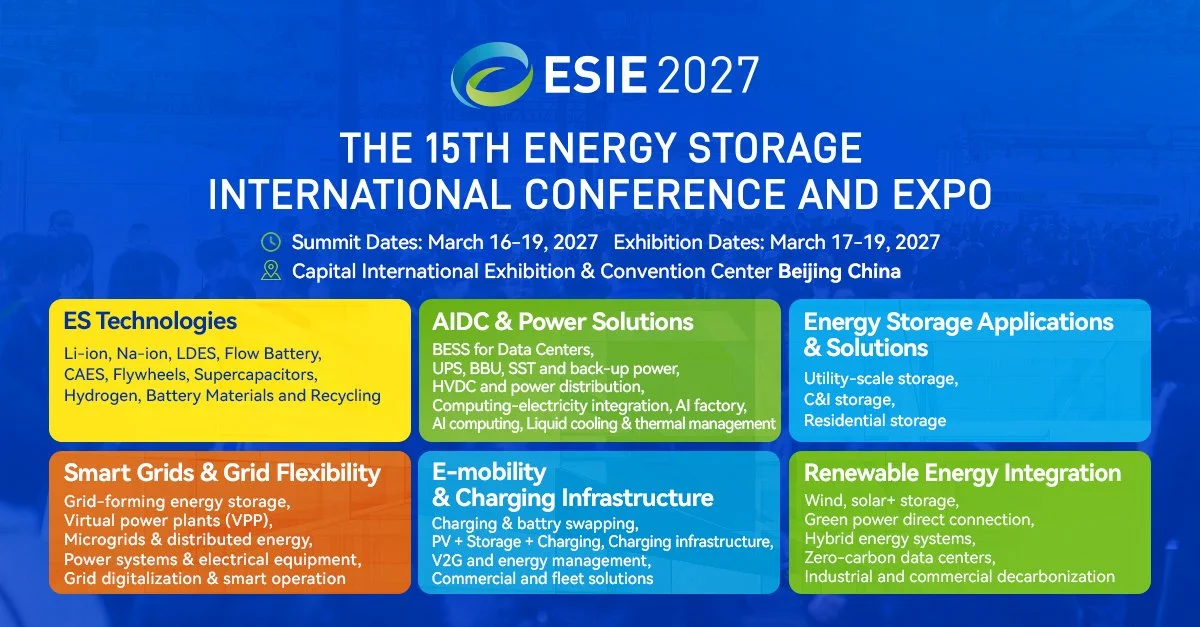
01 New Energy Storage
A panorama of the full technology roadmap of new energy storage, covering frontier technologies such as lithium, sodium, flow batteries, solid-state batteries, compressed air, flywheel, and hydrogen. Frontier technology conferences led by academicians and global first-release events for new energy storage products help companies debut next-generation energy storage technology products.
02 AIDC Energy Storage
The first AIDC display section in a professional energy storage exhibition, focusing on rack-level backup power, data hall-level power supply, power supply architecture upgrades, and thermal management, covering the full chain of BBUs, high-rate cells, UPS, SST, and more. High-value buyers from the three major telecom operators, cloud vendors, and IDC operators in attendance.
03 Full-Stack Energy Storage Solutions
Covering residential, C&I, and utility-scale scenarios, showcasing a complete product matrix from cells and core components to systems, and from hardware and software to operations. Multiple international business matchmaking sessions help companies go global.
04 Smart Grid
Focusing on grid adaptation technologies under high renewable penetration, showcasing grid-forming energy storage, flexible transmission, virtual power plants, and smart microgrids. Professional buyers from grid companies, power design institutes, and renewable plant owners in attendance.
05 Transportation-Energy Integration
Covering charging piles, battery-swap stations, integrated PV-storage-charging stations, V2G bidirectional charging/discharging systems, shore power for ships, port energy storage, and regenerative braking energy storage for rail transit - complete solutions for bidirectional vehicle-grid interaction. Cross-sector buyers from automakers, charging operators, mobility platforms, and transport infrastructure investors in attendance.
06 Green Energy
Around scenarios such as direct green power supply, large energy bases, zero-carbon parks, and integrated energy services, presenting zero-carbon solutions from renewable energy development and power trading to end-use energy. High-value buyers from industrial park owners, local governments, high-energy-consuming enterprises, power retail companies, and integrated energy service providers in attendance.
The World's Largest Energy Storage Exhibition
ESIE 2027: Six Core Advantages
01 Industry Leaders Gathered
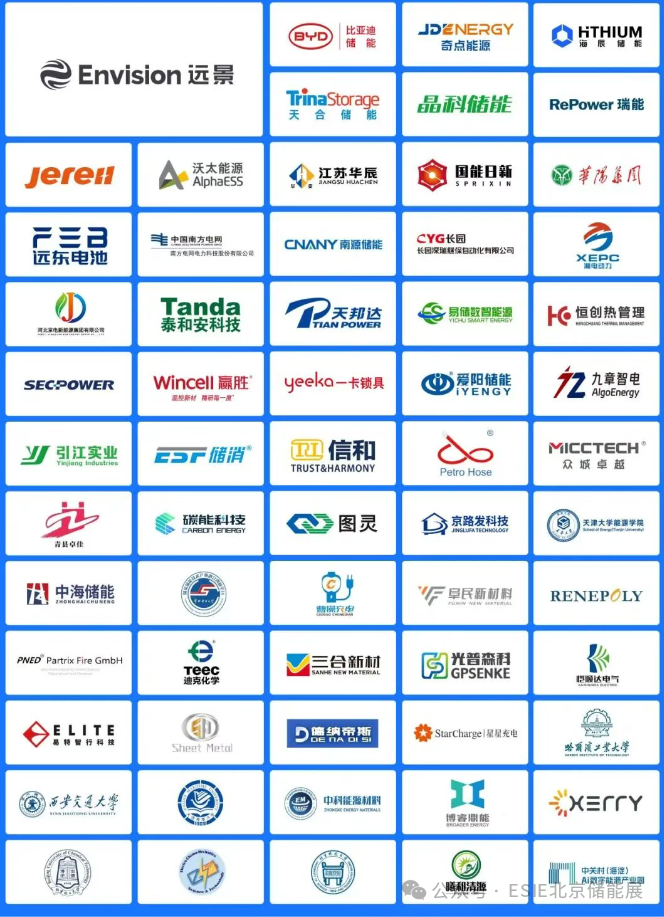
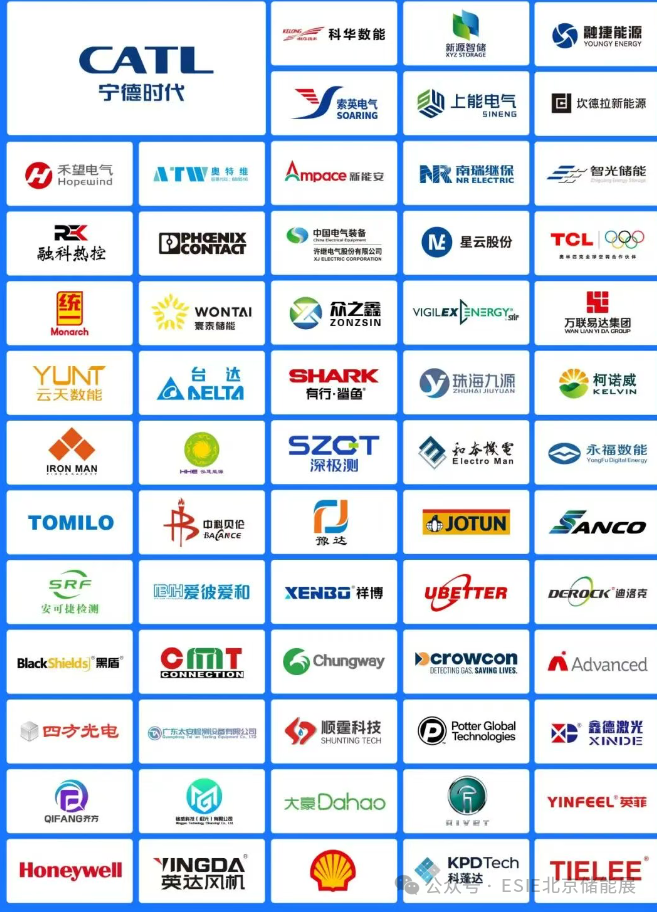
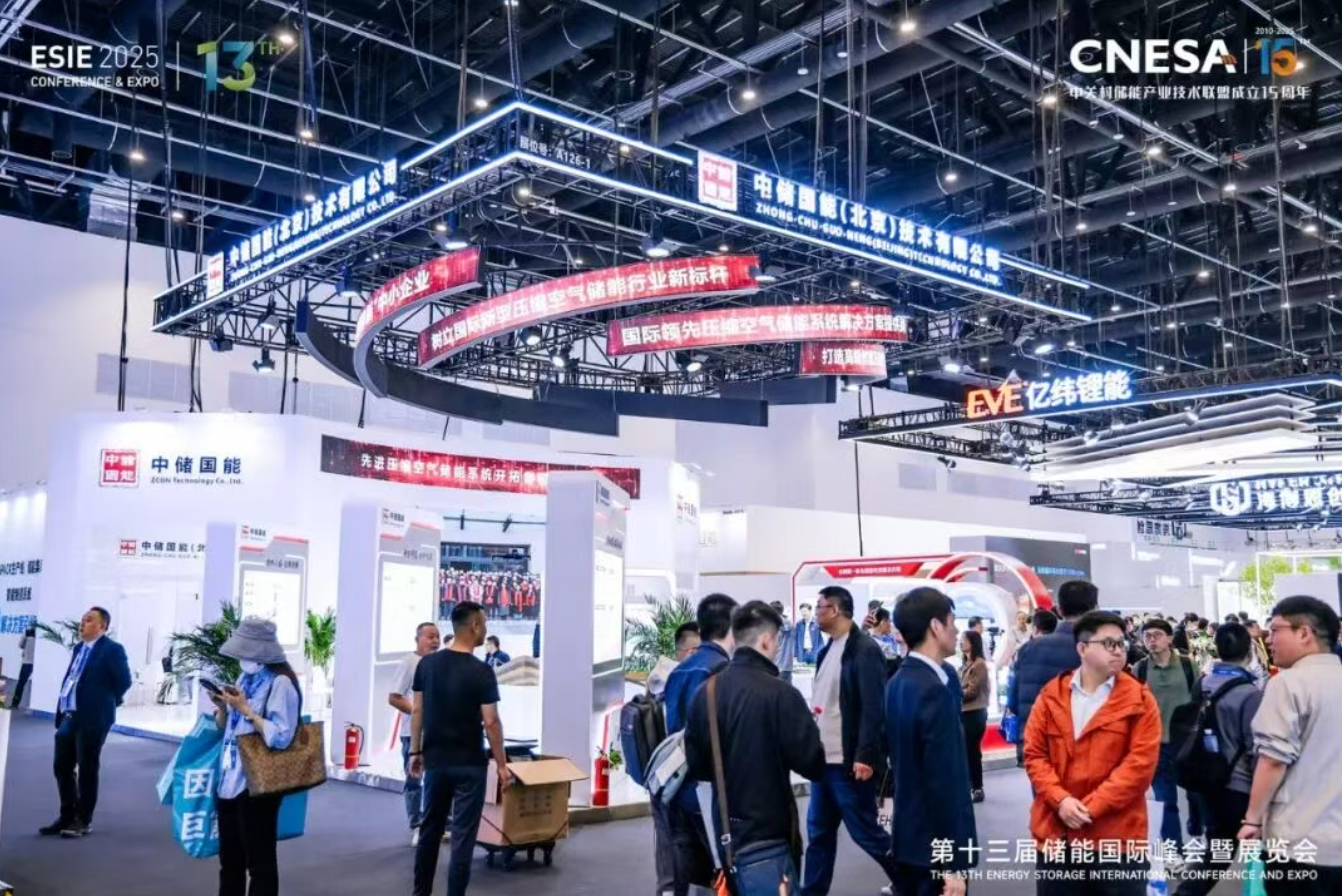
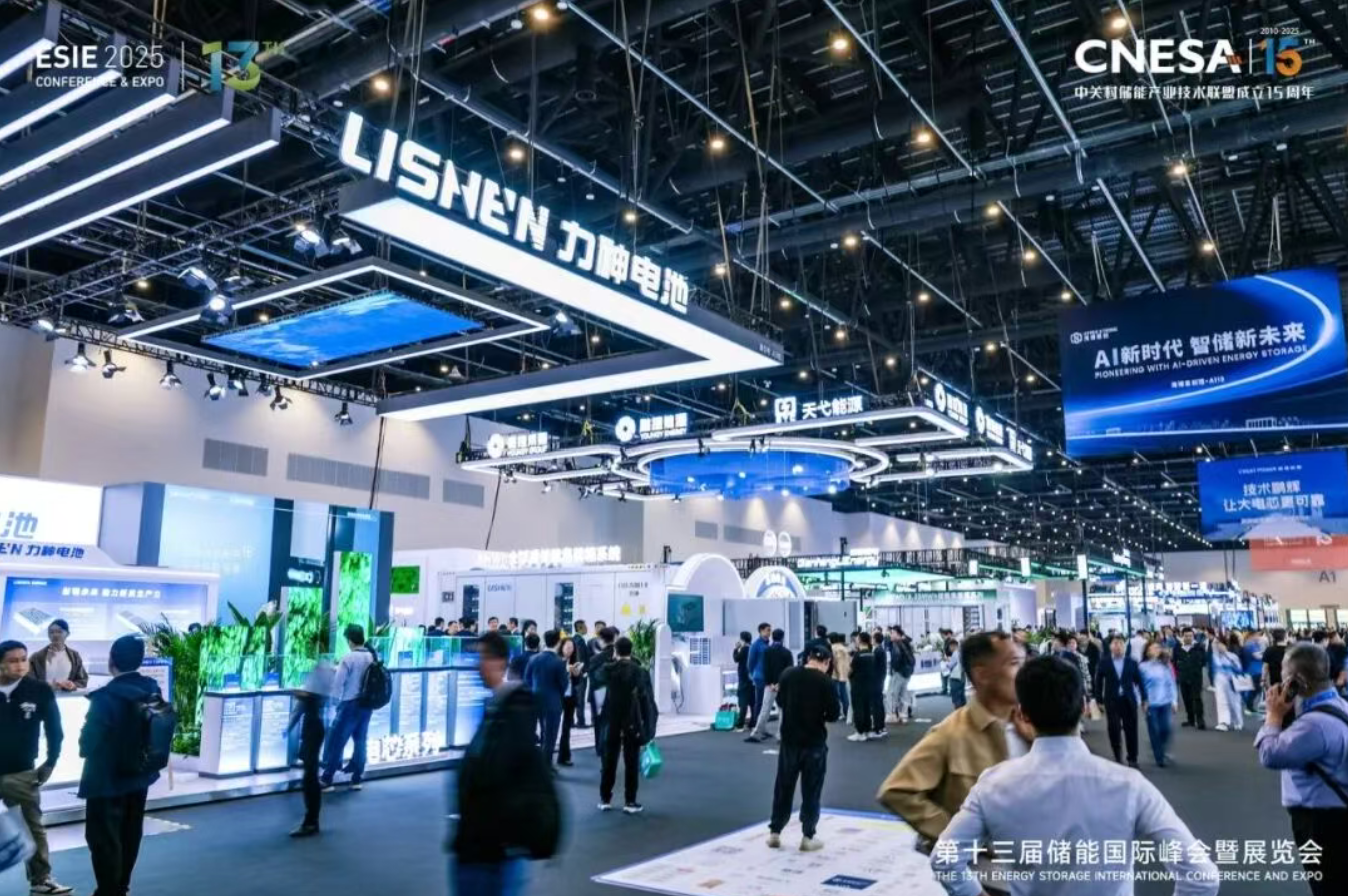
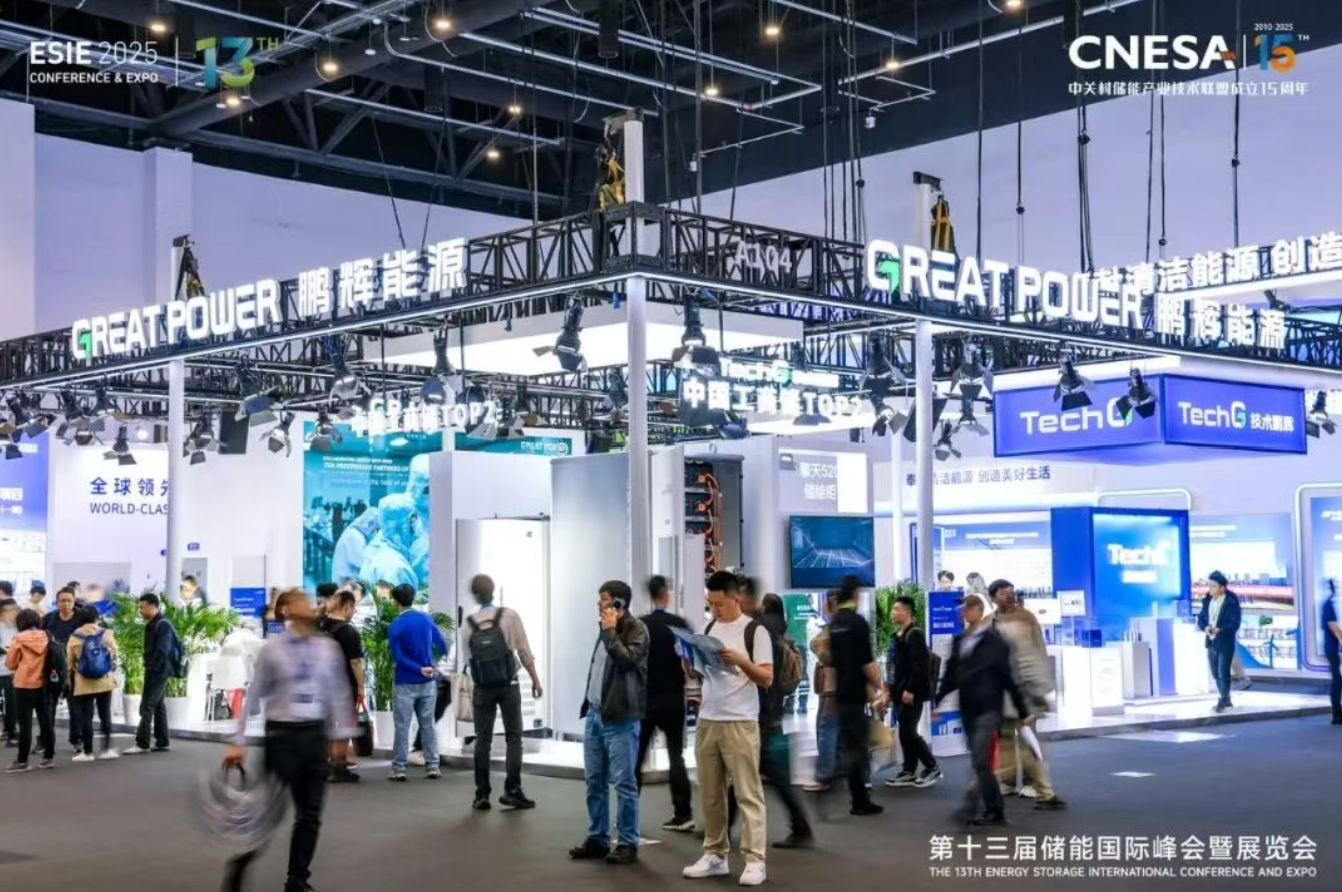
• Selected past exhibitors
02 Global Cooperation
• International buyers from 90+ countries and regions, covering core markets in Europe, Southeast Asia, the Middle East, and Africa;
• 4 international business matchmaking sessions for precise supply-demand matching.
03 Efficient Matchmaking
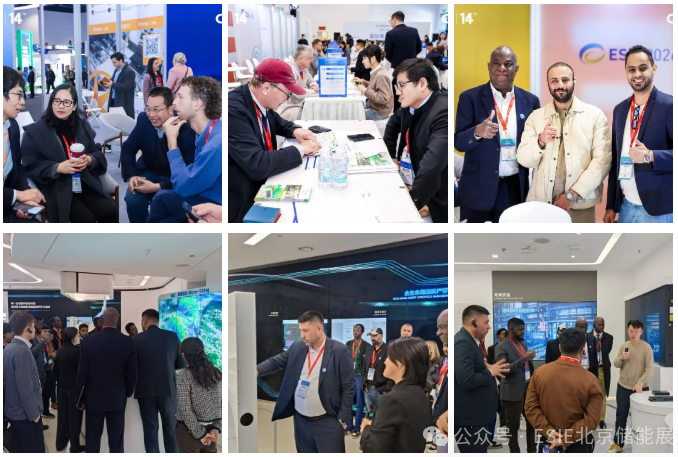
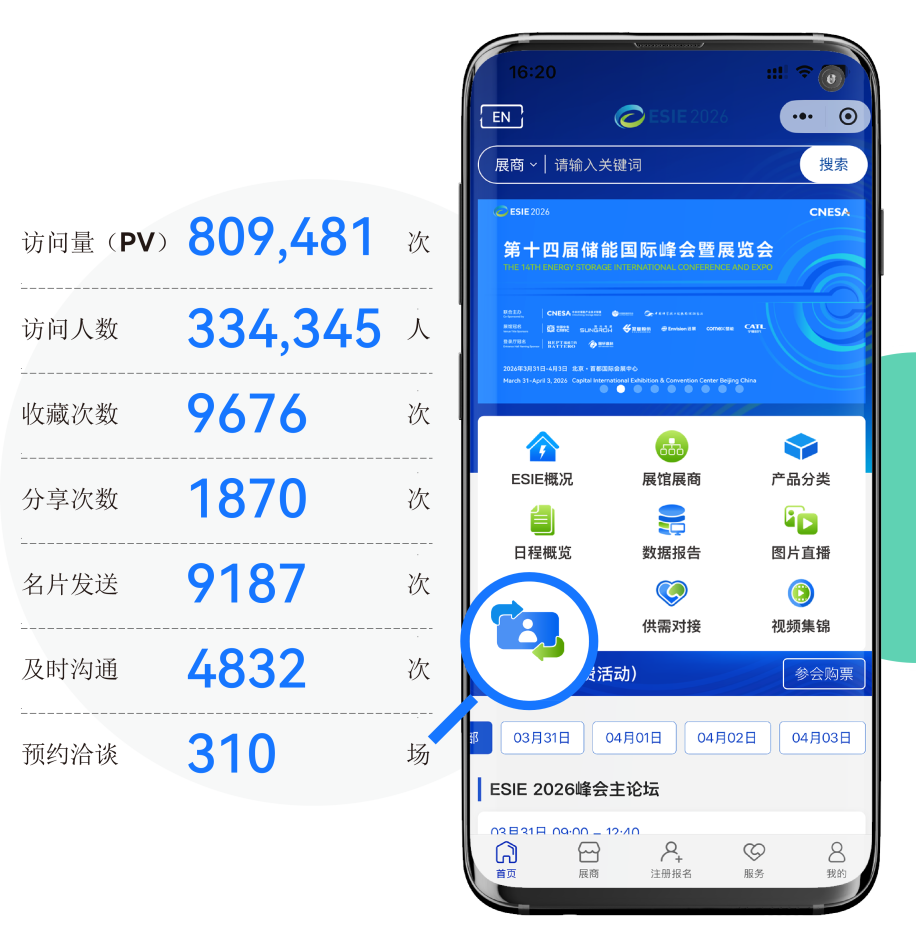
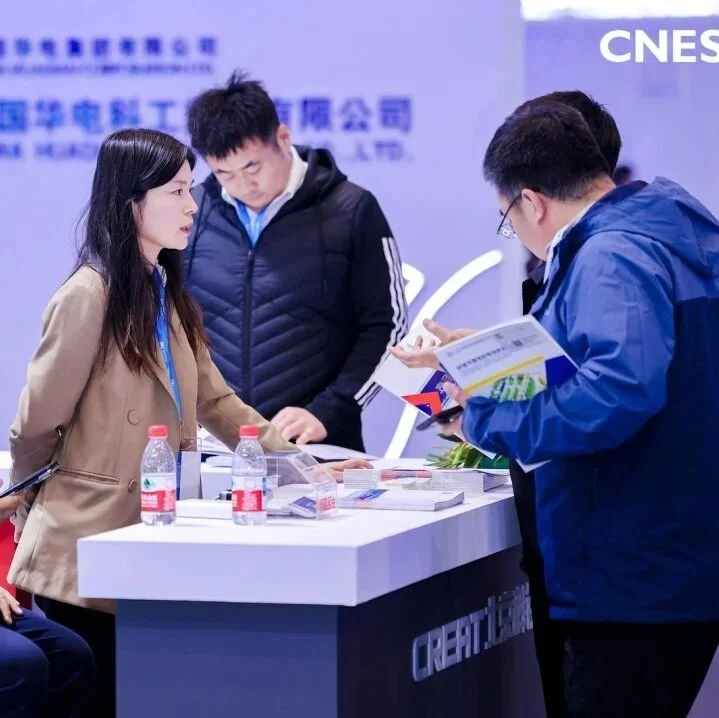
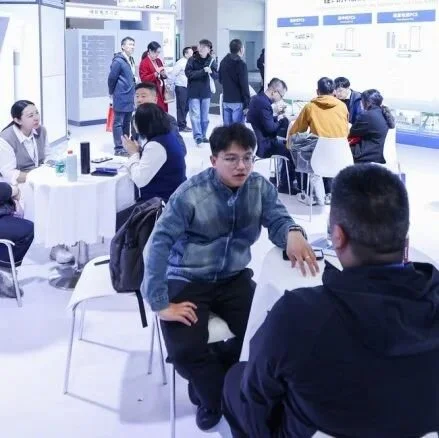
• Professional exhibition tour groups covering professional buyers such as central and state-owned energy groups, AIDC operators, and C&I park owners;
• Online smart matching plus offline supply-demand exchange to shorten the matchmaking process.
04 Authoritative Leadership
• Government and energy authorities, State Grid, China Southern Power Grid, and power generation groups in attendance.
• Leaders of top energy storage companies engage in deep dialogue on strategic development directions for the new cycle.
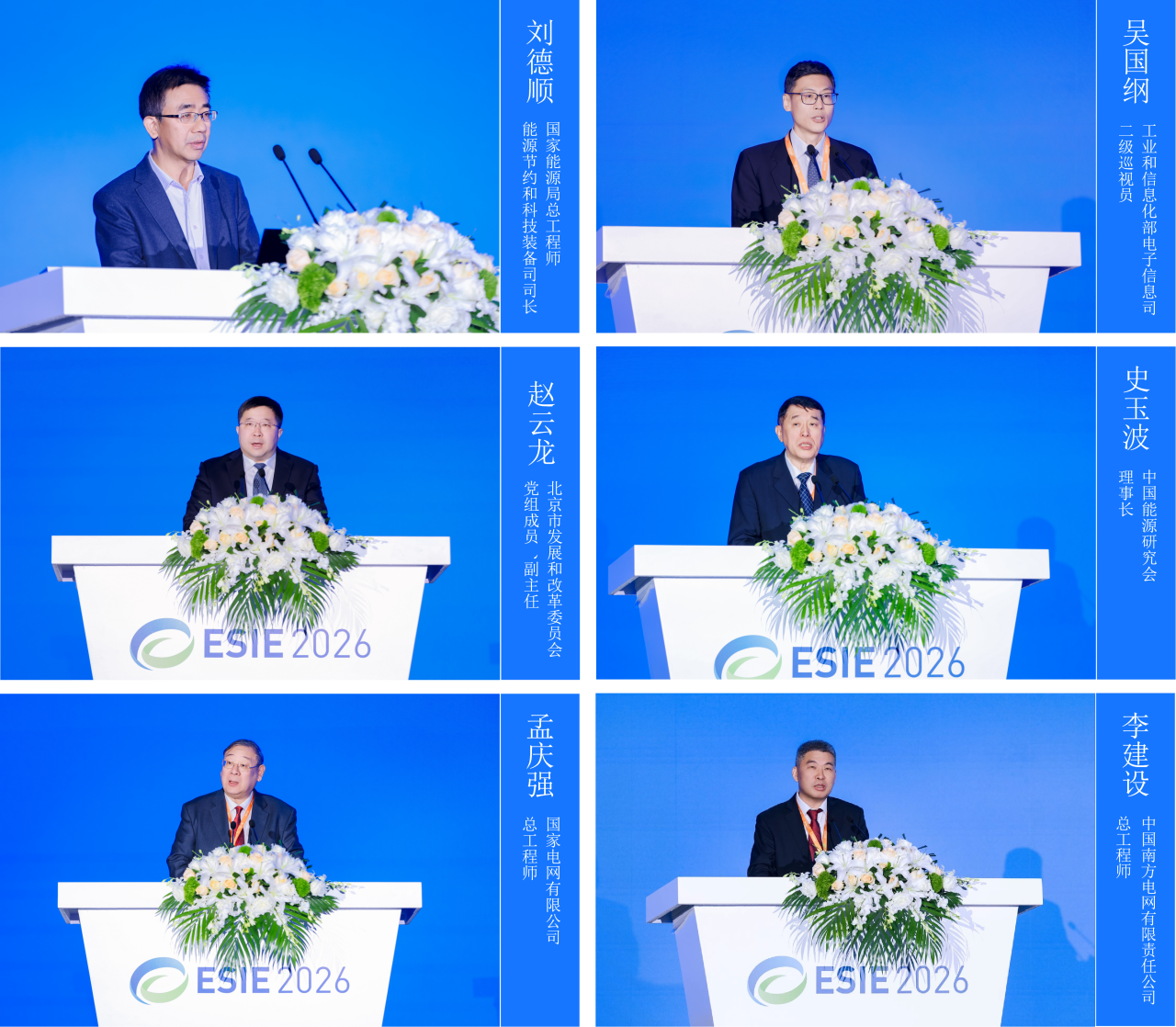
• Selected past guests
05 Technology Leadership
• More than ten academicians of the two academies in attendance;
• Assessment of the development status and future trends of frontier technologies such as hydrogen, long-duration energy storage, short-duration high-frequency energy storage, and grid-forming energy storage;
• Companies' annual blockbuster products make their global debuts here.
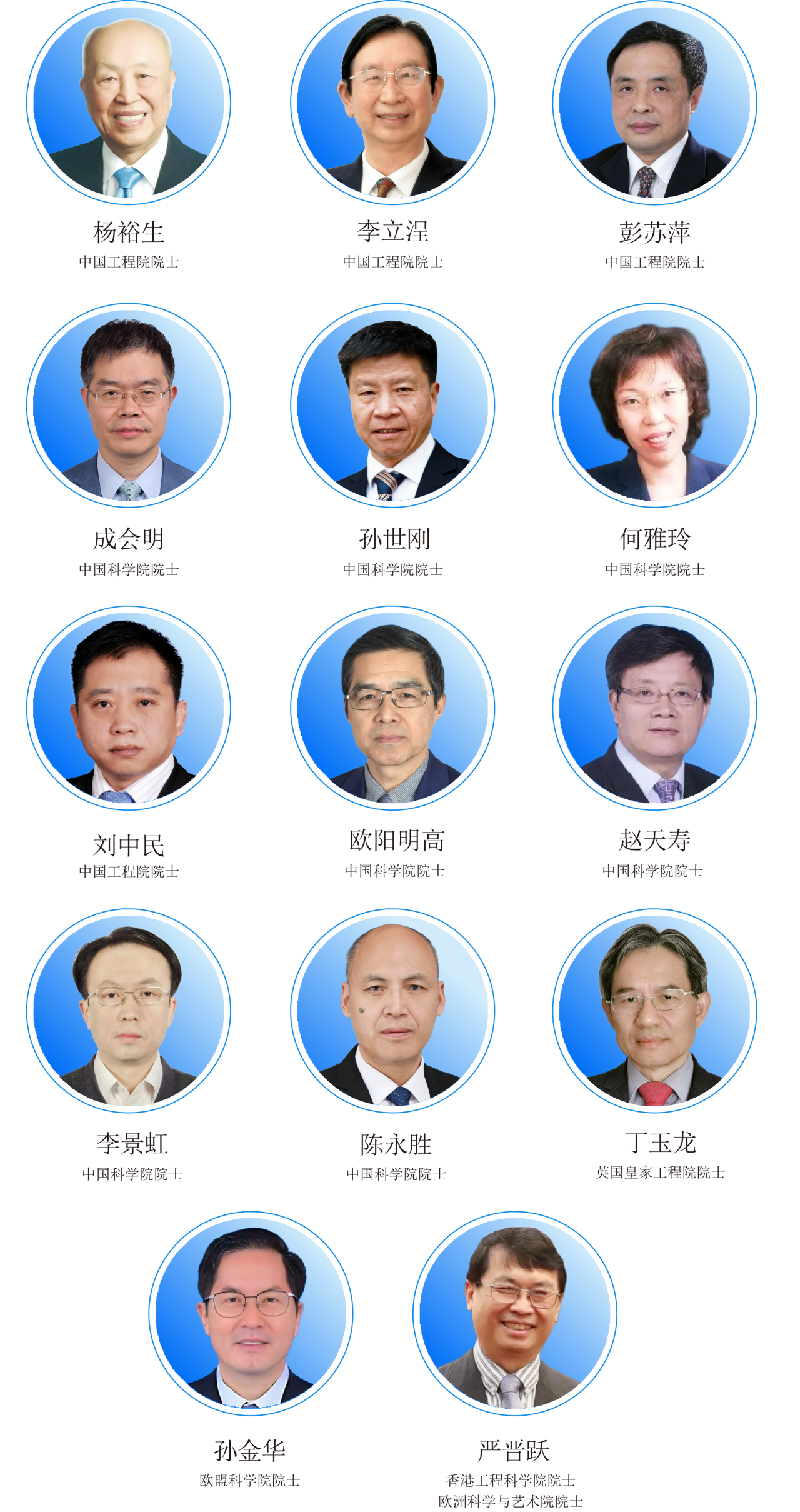
• Selected past guests
06 Industry-Academia-Research-Finance Synergy
• 40+ thematic forums with 400+ industry leaders taking the stage;
• Core topics from policy outlook, market mechanisms, and technology trends to industry-finance matchmaking, building a high ground for thought exchange in the energy storage industry.
March 16-19, 2027
Beijing - Capital International Convention & Exhibition Center
ESIE 2027 cordially invites colleagues from the global energy storage community to reunite.
Together, let us build a new future of high-quality development for new energy storage!
Two Japan AI Compute Deals in One Day: Osaka's KIX15 Breaks Ground, Tokyo's TOK1 Adds USD 1 Billion
On October 7, Japan's AI compute market saw two investments land in a single day: MC Digital Realty started construction of the KIX15 data center in Osaka, and AirTrunk added USD 1 billion to the TOK1 campus east of Tokyo for liquid cooling deployment. The two projects differ in scale and route, yet both treat liquid cooling as the foundational solution for high-density AI workloads. Energy storage is becoming part of the supporting infrastructure of AIDC.
1. KIX15: Liquid Cooling Reserved at the Design Stage of a New Campus
On October 7, MC Digital Realty, a 50/50 joint venture between Digital Realty and Mitsubishi Corporation, officially started construction of the KIX15 data center at its KIX campus in Ibaraki City, Osaka Prefecture. With an IT capacity of 24 MW, the project is scheduled for commissioning in Q4 2028. As the fifth data center at the KIX campus, KIX15 will bring the joint venture's data centers operating in Japan to ten, with a combined IT capacity of about 220 MW. The project adopts a hybrid air- and liquid-cooling scheme, with liquid cooling reserved at the design stage to accommodate mid- and long-term AI compute expansion. Included in the "Kansai AI Infrastructure Co-Creation Project", it serves hyperscale cloud providers, cloud service providers, and enterprises building their own AI compute capacity. With relatively ample land and power resources, the Kansai region has become the main landing point for foreign capital building compute clusters in western Japan.

2. TOK1: Liquid Cooling Retrofit for an Existing Hyperscale Campus
On the same day, AirTrunk, backed by Blackstone, announced an additional investment of USD 1 billion in its TOK1 campus in Inzai City, Chiba Prefecture, to deploy liquid cooling systems supporting high-density AI compute loads. TOK1 has a total capacity of more than 300 MW. The investment is matched by a USD 1 billion green loan led by Sumitomo Mitsui Banking Corporation, MUFG Bank, and United Overseas Bank. AirTrunk CEO Robin Khuda said TOK1 aims to become Japan's first large-scale AI compute campus; driven by geopolitical factors, a growing number of North Asian customers are choosing to locate their compute capacity in Japan.
3. Two Construction Routes, One Shared Signal
The two projects represent two approaches to building compute capacity in Japan. KIX15 is a greenfield campus with liquid cooling reserved from the design stage for long-term expansion; TOK1 is a retrofit of an existing campus, where liquid cooling upgrades will convert data halls originally serving general cloud business into AIDC, putting built assets to use and shortening the time to service. Different routes, one shared signal: as rack power density keeps rising, traditional air cooling can no longer support large-scale GPU clusters, and liquid cooling is shifting from an optional extra to a threshold requirement for high-density AIDC.
4. Japan as a North Asian Compute Node: Opportunities and Constraints
Japan is fast becoming an important alternative node for compute in North Asia. In the past, overseas cloud providers and compute service providers expanding in Asia preferred Singapore and Malaysia; today, geopolitics, compliance, and low seismic risk are steadily raising Japan's appeal. But the flip side of capital inflows is real constraint: Japan faces its own pressures on power supply, energy consumption approvals, and land costs. New AI compute projects generally need more than two years of construction; when this batch of projects comes online around 2028, the market's supply-demand landscape will change markedly.
5. CNESA Observation: Beyond Cooling, Power Supply and Backup Needs Rise in Tandem
Liquid cooling addresses thermal management, but high-density AI data halls are raising requirements for power supply reliability, emergency backup, and green power support at the same time, needs that energy storage is positioned to serve. UPS-integrated storage, data center backup power, and battery energy storage systems that participate in grid regulation are gradually becoming part of the supporting infrastructure of AIDC; with power supply tight in Japan, the urgency is even greater. For China's industries, both the liquid cooling and energy storage supply chains stand to win follow-on orders from the wave of overseas compute construction.
LG Electronics Wins 5 GW Chiller Framework Deal in North America: Data Center Cooling Enters Full-Chain Competition
On October 5, LG Electronics announced a long-term chiller supply framework agreement with North American infrastructure platform AIR Control Concepts, covering large AI data center projects in the United States and Canada with a combined capacity of more than 5 GW. This is not a single-site equipment order but a supply arrangement spanning multiple projects and multiple years. The China Energy Storage Alliance (CNESA) notes that rapid GPU power iterations are turning data center cooling from a supporting function into a capacity constraint for AI infrastructure, and thermal management and energy storage are rising in tandem within AIDC infrastructure.
1. What 5 GW Means
Measured against the 50-100 MW IT loads of medium-sized AI data centers in China, 5 GW equates to the cooling capacity of fifty to sixty, or even over a hundred, medium-sized data halls, close to the cooling volume of a core-city compute cluster. The partner, AIR Control Concepts, is a North American infrastructure platform spanning HVAC, electrical, and controls businesses, integrating more than 50 operating companies and over 3,500 technical staff, with long-standing involvement in North America's core data center clusters and top-tier global operators among its customers. A long-term framework agreement with such a platform marks the formal entry of LG chillers into North America's mainstream AI data center supply chain. The order momentum is backed by figures: in the first half of 2026, LG's data center cooling solution orders reached USD 428 million, and the company expects total orders for the year to reach the "billions of dollars" level; the earlier target of KRW 1 trillion (about USD 680 million) in chiller revenue for 2027 is likely to be met ahead of schedule at the current pace.

2. Where the Heat Comes From: Chip Power Pushes Air Cooling to Its Limit
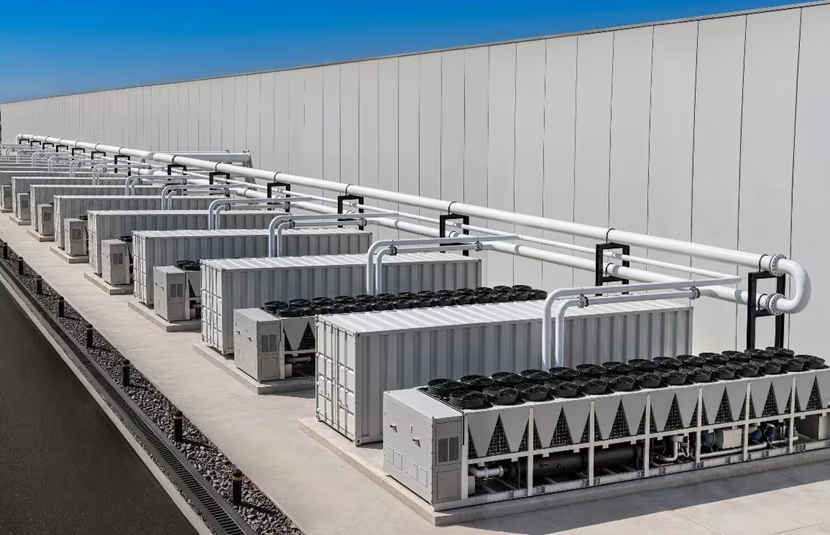
The North American data center cooling market is about USD 9.35 billion in 2026, close to 40% of the global total; within it, the AI thermal management segment is growing at a compound annual rate of about 22%, among the fastest in the data center industry. The root cause is chip power: a single Blackwell-architecture GPU now has a thermal design power (TDP) of 1,000 W, and the next generation could approach 1,400 W. Once rack power density exceeds 200 kW, traditional air cooling can no longer hold, and liquid cooling moves from an option to a must. For liquid cooling to scale, retrofitting campus chiller plants is an unavoidable prerequisite: of the roughly USD 725 billion in combined 2026 capital expenditure by the four major North American cloud providers, about 75% is going to AI infrastructure, and cooling is a hard requirement within it. The division of labor is clear: chillers are the campus-level source of cooling, producing chilled water and ultimately rejecting heat outdoors, while CDUs (coolant distribution units) are the rack-level hub, connecting the chiller's chilled-water loop on one side and server cold plates on the other, precisely controlling the temperature, pressure, and flow of the coolant on the chip side.
3. LG's Three Steps
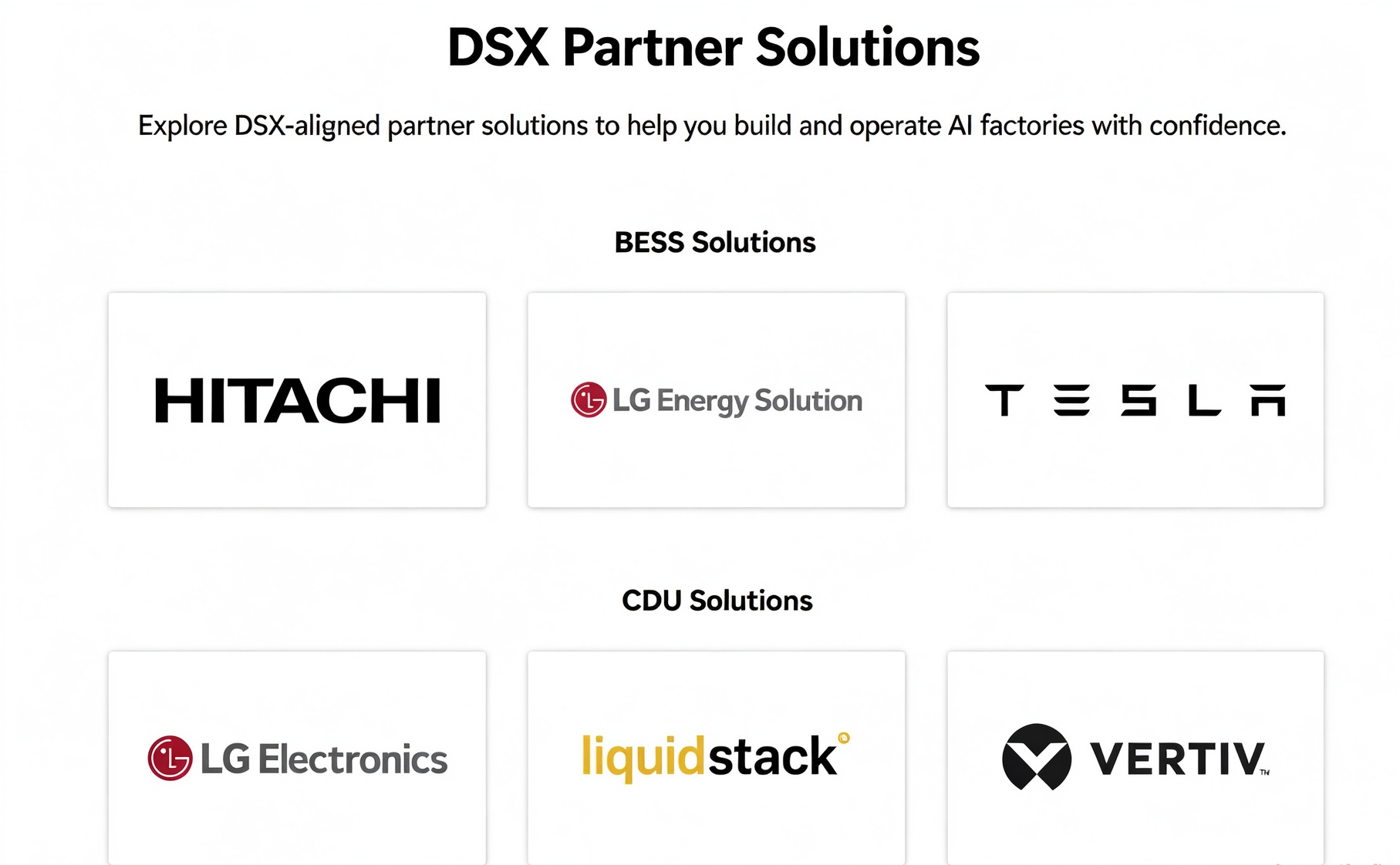
First, aligning with chipmakers' standards. This year, LG's 600 kW, 1 MW, and 2.6 MW CDUs successively passed NVIDIA infrastructure qualification, and the 2.6 MW CDU entered the first batch of the NVIDIA DSX Ready list, effectively NVIDIA's official entry threshold for AI factory infrastructure, granting seamless integration with NVIDIA compute cluster reference architectures. Verification of the 4 MW CDU is underway, and LG has also become a preferred partner for NVIDIA power and cooling solutions.
Second, moving capacity forward. On October 1, LG announced a new chiller and CDU production base in Virginia, USA, alongside capacity expansion at its Changwon and Pyeongtaek plants in Korea, forming a three-base layout across the US and Korea to shorten delivery cycles for North American projects and meet local supply chain requirements.
Third, expanding its footprint. Beyond North America, data center cooling projects in the Middle East and Indonesia are advancing in parallel; drawing on synergies across the group's electronics, HVAC, and energy divisions, LG aims to move from a single-product supplier to an end-to-end data center thermal management solution provider.
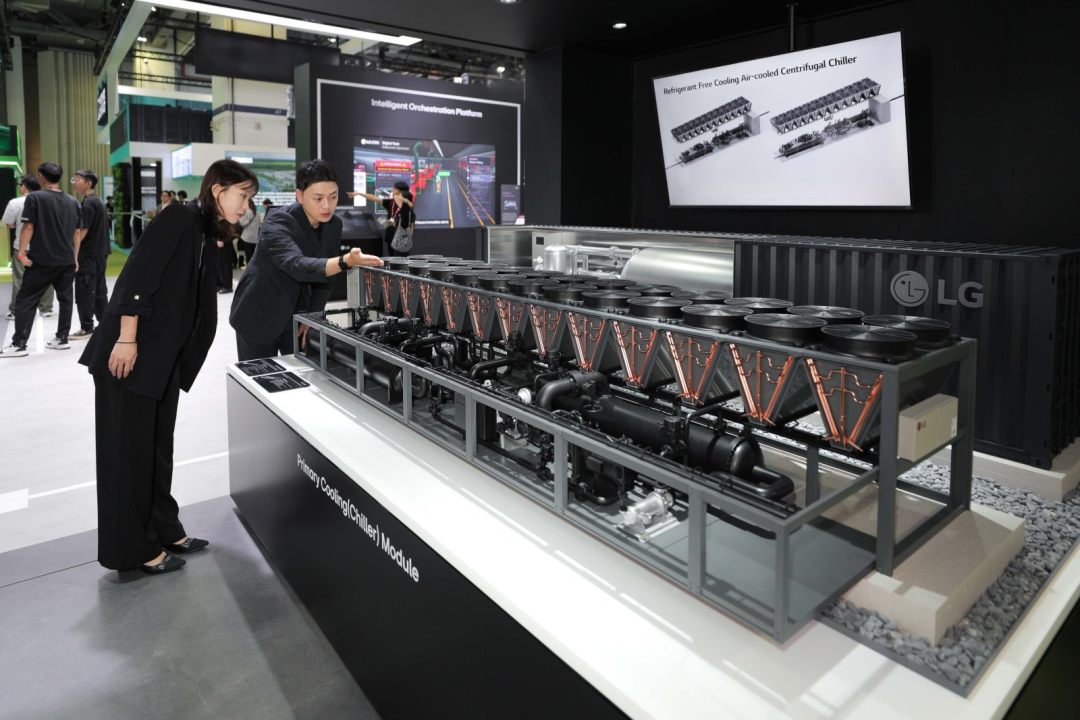
4. The Logic of the Cooling Business Has Changed: From Support to Capacity (CNESA Observation)
A few years ago, data center cooling was a supporting business where vendors competed on energy efficiency ratio, price, and delivery time. That logic is being rewritten: whether a vendor can keep pace with GPU power iterations, align with chipmakers' standards, and withstand heat densities of several hundred kilowatts per rack is now the ticket to entry. Customers no longer ask for single products but for complete solutions from chip cold plates to campus chiller plants, making full-chain integration the dividing line. Notably, LG appears in both the energy storage and CDU columns of the NVIDIA DSX Ready partner list: power supply and cooling are equally hard requirements for high-density AIDC, and cooling and energy storage are both becoming capacity constraints in AI infrastructure. Only vendors whose capacity and service networks span the global market can capture this wave of demand.
BDx Breaks Ground on 640 MW AI Campus in Indonesia: With Hydro Power and Liquid Cooling, Power-First Becomes the Main Line of Southeast Asia's Compute Race
On September 22, Singapore-based data center operator BDx Data Centers held a groundbreaking ceremony in West Java, Indonesia, for its 640 MW CGK4 AI campus. The project's significance goes beyond its scale: 845 MVA of grid capacity secured in advance, a hydro power arrangement being pursued with a state-owned water company, and direct-to-chip liquid cooling supporting racks of up to 500 kW - in Southeast Asia's AI infrastructure race, power supply capability is replacing land and site selection as the first precondition.
1. Project Profile: Six Buildings, About Three Years to Complete
The CGK4 (AI Campus 2) Jatiluhur campus is located in Purwakarta, about 5 km from the Jatiluhur Dam and about a two-hour drive from the capital, Jakarta. The project has secured 845 MVA of grid capacity from state utility PLN, and construction of the first of six planned buildings has begun; the campus is expected to be developed over about three years. The first 120 MW building is planned to enter service in early 2027, providing 120 MW of IT capacity in phases. The project adopts direct-to-chip liquid cooling designed to support racks with power demands of up to 500 kW, and holds certification under the NVIDIA DGX-Ready Managed Data Center program (April 2025). On the latest developments: Indonesian outlet Selular reported in October 2026 that West Java Governor Dedi Mulyadi requested construction be paused until approvals such as the AMDAL environmental impact analysis and the PBG building permit are complete; BDx said it is cooperating with the government, and the early-2027 target for the first phase is unchanged.
2. Power First: Grid Capacity and Hydro Supply
BDx is advancing a hydro power arrangement with state-owned water company Perum Jasa Tirta II as part of its efforts to secure low-carbon electricity for the campus. Across its three AI-focused campuses in Indonesia (CGK3/3A, CGK4, CGK5), the company has secured more than 1.2 GVA of grid capacity in total, and in 2026 obtained a USD 320 million loan facility to support its Indonesian expansion. The expansion comes as Indonesia seeks to attract more data center investment and build AI and cloud computing capabilities, with operators competing for land, power, and connectivity, especially in and around Jakarta.
3. Demand Signals and Official Statements
BDx Data Centers CEO Mayank Srivastava said Indonesia is entering a new phase of digital and AI development, and CGK4 is a long-term investment in the infrastructure this phase requires. BDx Indonesia CEO Agus Hartono Wijaya said the project will enable local companies, government agencies, and developers to run advanced AI workloads domestically. According to BDx, CGK4 has attracted interest from hyperscale cloud service providers, technology companies, AI cloud providers, and enterprises, though the company has not disclosed customers or contract values.
4. CNESA Observation: With Power as the Constraint, Space for Storage Opens Up
From the storage industry's perspective, the project sends three signals. First, 845 MVA locked in advance and more than 1.2 GVA across three campuses show that the primary constraint in campus competition is power, not land - stable supply capability directly determines whether a project can land and come online on schedule. Second, hydro direct supply is a low-carbon power path, but hydro output fluctuates seasonally, amplifying the role of campus-level storage in peak regulation and backup. Third, 500 kW racks and direct-to-chip liquid cooling mean supply reliability and thermal management requirements are rising together, making backup storage demand a certainty. For Chinese companies, the accelerating AIDC buildout in Southeast Asia opens a window for the storage and liquid cooling supply chains to go overseas; BDx has not disclosed its equipment suppliers, which is a potential entry point. As campus competition shifts from "site selection" to "power access", the toolkit for stable supply and green power assurance - storage, hydro supply, and liquid cooling - is becoming the hard requirement of AIDC infrastructure.
Source material: public information from BDx Data Centers and reports by DatacenterDynamics, Selular, and other media
Sign up for our free monthly newsletter to stay informed about the Chinese energy storage market.