
2026 Sodium-Ion Battery Industry Chain and Standards Development Forum Held in Zigong, Sichuan
From September 21 to 22, 2026, the Sodium-Ion Battery Industry Chain and Standards Development Forum was held in Zigong, Sichuan Province. Now in its fourth edition, the forum was themed “Salt Converges in the Salt Capital; Sodium Energizes Sodium Batteries.” Hosted by the China Electronics Standardization Institute (CESI) and the China Energy Storage Alliance (CNESA), it brought together government, industry, academia, research, and end users to jointly advance sodium-ion battery standards and industrialization.
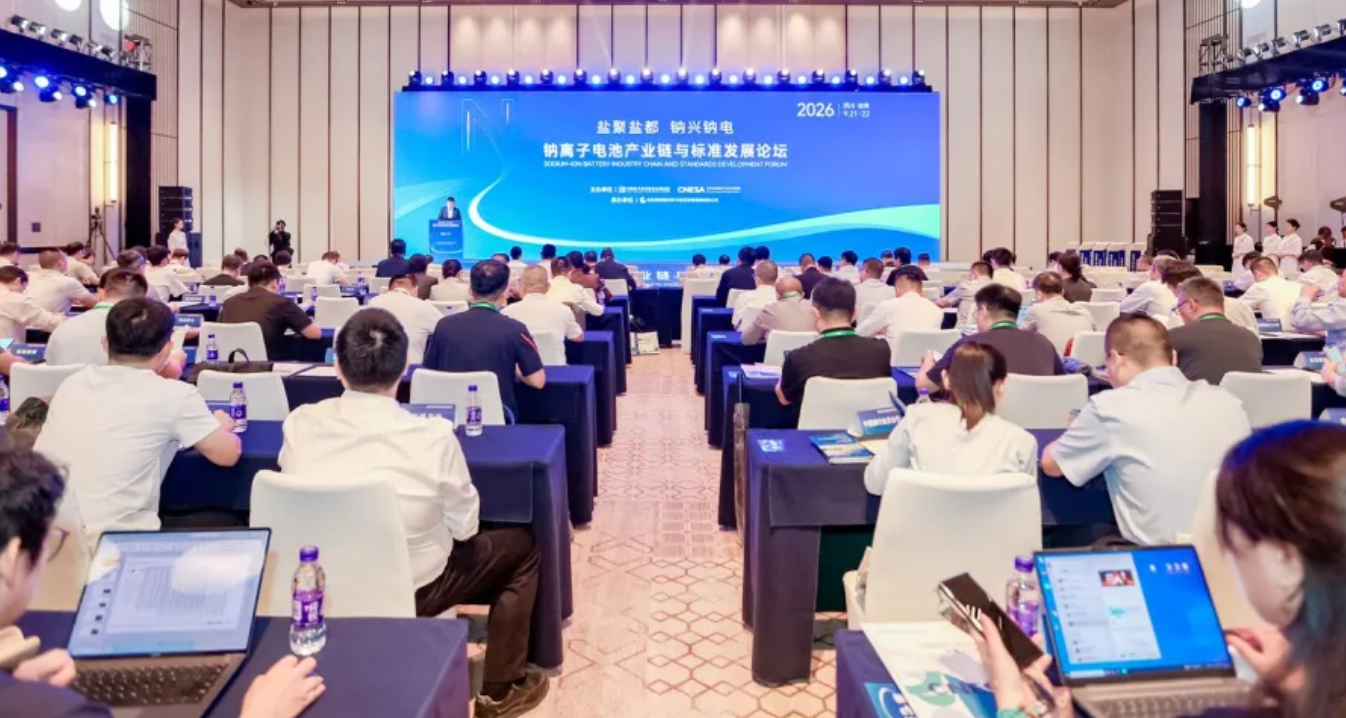
The forum featured an opening ceremony, sub-forums, a tour of sodium battery production lines and energy storage projects, the release of the first batch of sodium-ion battery nail penetration test results, and signing ceremonies for industry chain enterprises. It also held the annual meeting of the MIIT Working Group on Standards for Lithium-Ion Batteries and Similar Products and a standards discussion session, with in-depth exchanges on standards system development, key technology breakthroughs, and multi-scenario applications. At the opening ceremony, representatives of the Zigong municipal government and the Department of Electronic Information of the Ministry of Industry and Information Technology (MIIT), Li Yuhong, Director of the Dangerous Goods Center of the China Academy of Civil Aviation Science and Technology, and Guo Nan, Vice President of CESI, delivered remarks. A Zigong industrial promotion session followed.
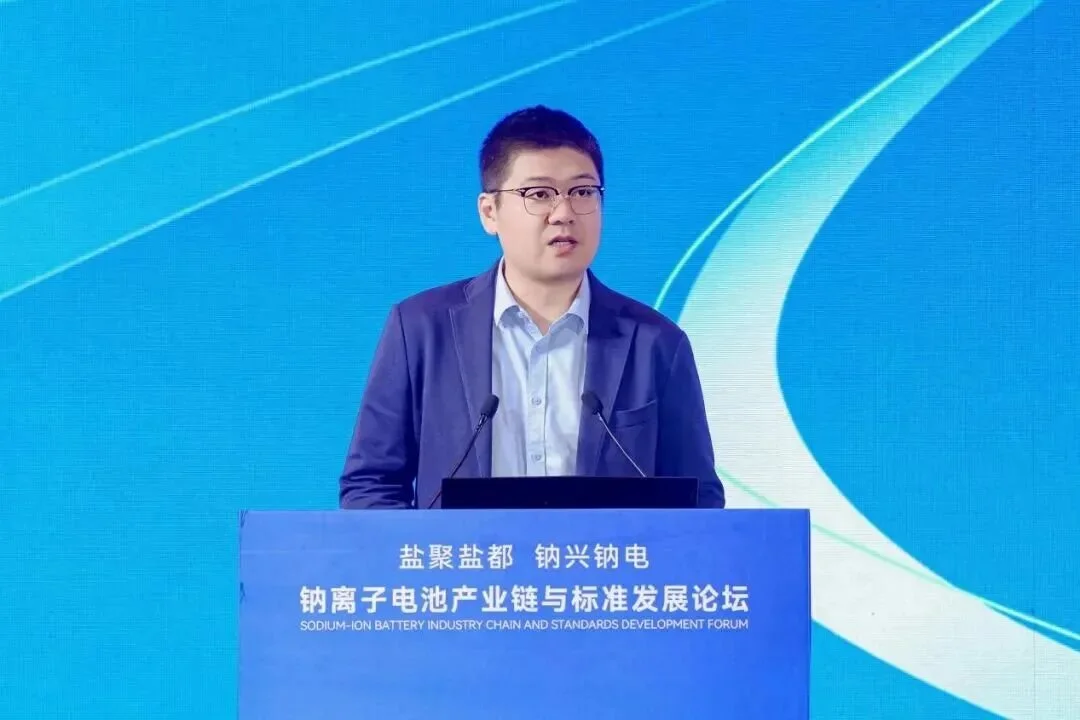
Remarks by the Department of Electronic Information, MIIT
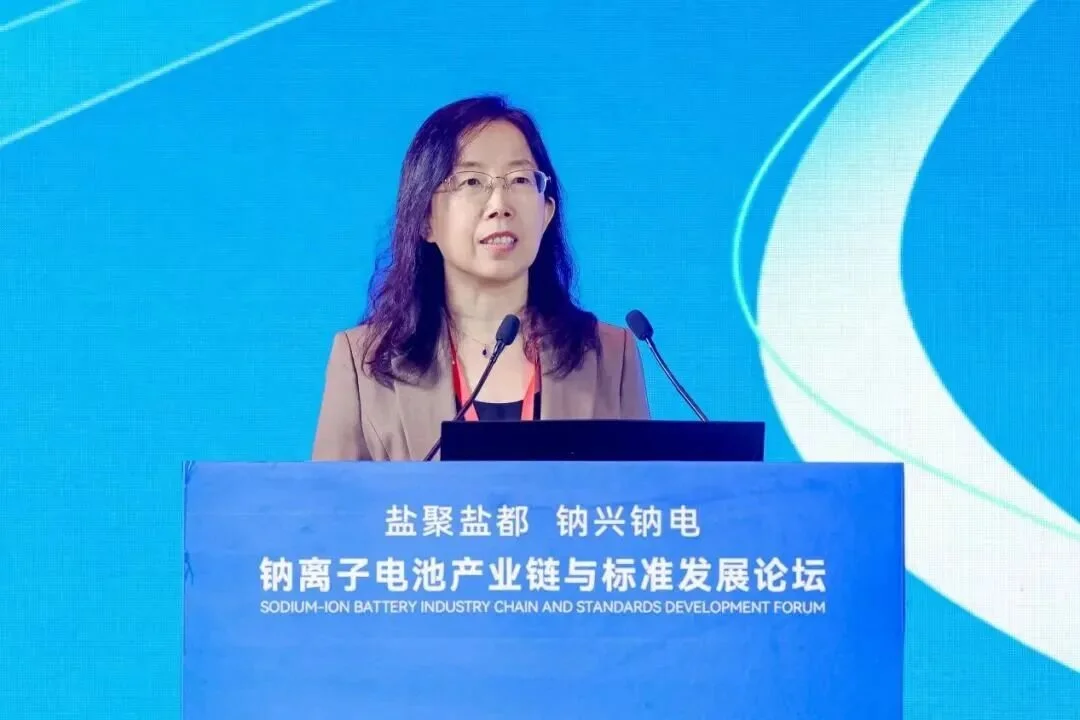
Li Yuhong, Director of the Technical Standards Office, Dangerous Goods Center, China Academy of Civil Aviation Science and Technology
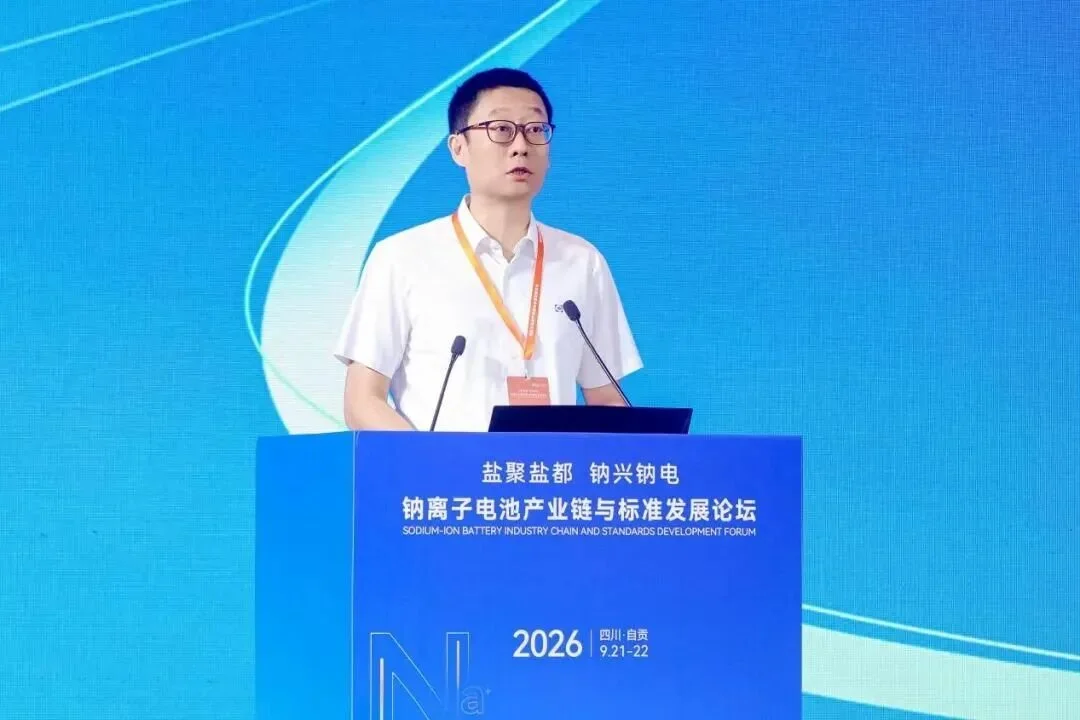
Guo Nan, Vice President, China Electronics Standardization Institute
Academician Report
New Energy Storage Trend Outlook and Sodium Battery Development Opportunities
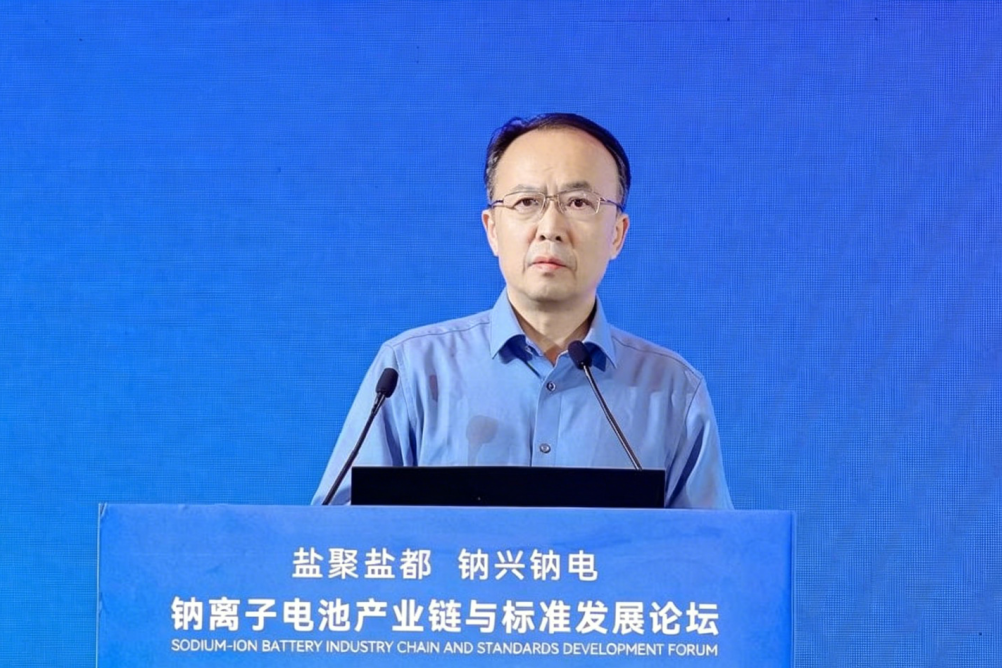
Academician of the Chinese Academy of Sciences Li Jinghong, Professor, Tsinghua University
Li Jinghong, academician of the Chinese Academy of Sciences and professor at Tsinghua University, said in his report “Current Status and Trends of the New Energy Storage Industry” that 2026 marks the first year of large-scale sodium-ion battery development. The 15th Five-Year Plan has made energy a pillar industry of the future — a major strategic industrial adjustment. China’s new energy storage industry will maintain annual growth above 30%. Looking back, 2010–2015 was an exploratory period, 2016–2020 a supporting development period, and the 14th Five-Year Plan period brought independent rapid growth, with domestic new-type storage installations growing 45-fold. The industrial structure has fundamentally changed: at the end of the 13th Five-Year Plan period, pumped hydro accounted for 68% and new-type storage only 8%, whereas new-type storage now accounts for 68.7%. Lithium-ion storage currently holds 97.5%, and the market share of sodium-ion and other new battery technologies is expected to keep rising during the 15th Five-Year Plan period. China’s dependence on imported lithium resources is as high as 72%; sodium batteries, with advantages in temperature adaptability and safety, can complement lithium batteries across scenarios. China’s storage industry chain is complete and holds a dominant position in the world.
Keynote Reports
Key Material Innovation and Industrialization
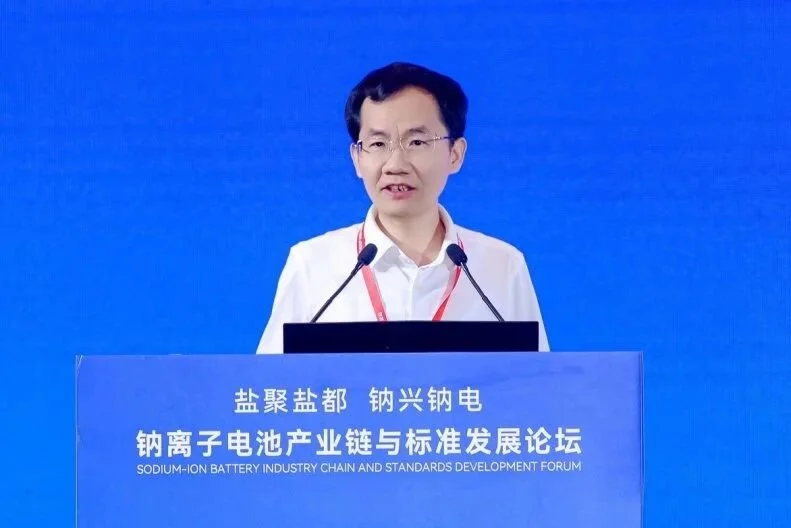
Researcher, Institute of Physics, Chinese Academy of Sciences
Hu Yongsheng, Chairman, HiNa Battery Technology
Hu Yongsheng, researcher at the Institute of Physics of the Chinese Academy of Sciences and chairman of HiNa Battery Technology, said in his report “Sodium-Ion Batteries: A Single Spark Can Start a Prairie Fire” that sodium is abundant, easy to extract, and low-cost, and can address the resource bottleneck of the storage industry at its root — yet commercialization still faces multiple technical challenges. Layered oxide sodium-ion cells have reached an energy density of 165Wh/kg, with 180Wh/kg as the next target, but raising charging voltage triggers phase transitions and interfacial side reactions — a key technical difficulty. He noted that with the 2026 consumption tax policy adjustment, the industry has only a two-year policy window and must seize the opportunity to push sodium-ion batteries toward large-scale commercialization. On industrialization, HiNa has built a 10,000-tonne cathode and anode material production line in Taiyuan and a 1GWh cell line in Fuyang, with 28 demonstration projects in storage; it is also expanding distinctive application scenarios leveraging the fast-charging and wide-temperature advantages of sodium batteries, partnering with King Long and Jiefang in heavy trucks and mining trucks, with strong real-world vehicle performance and successful entry into the MIIT catalog. After 15 years of fundamental research and 10 years of engineering development, sodium-ion batteries have finally reached the eve of commercialization. A single spark can start a prairie fire!
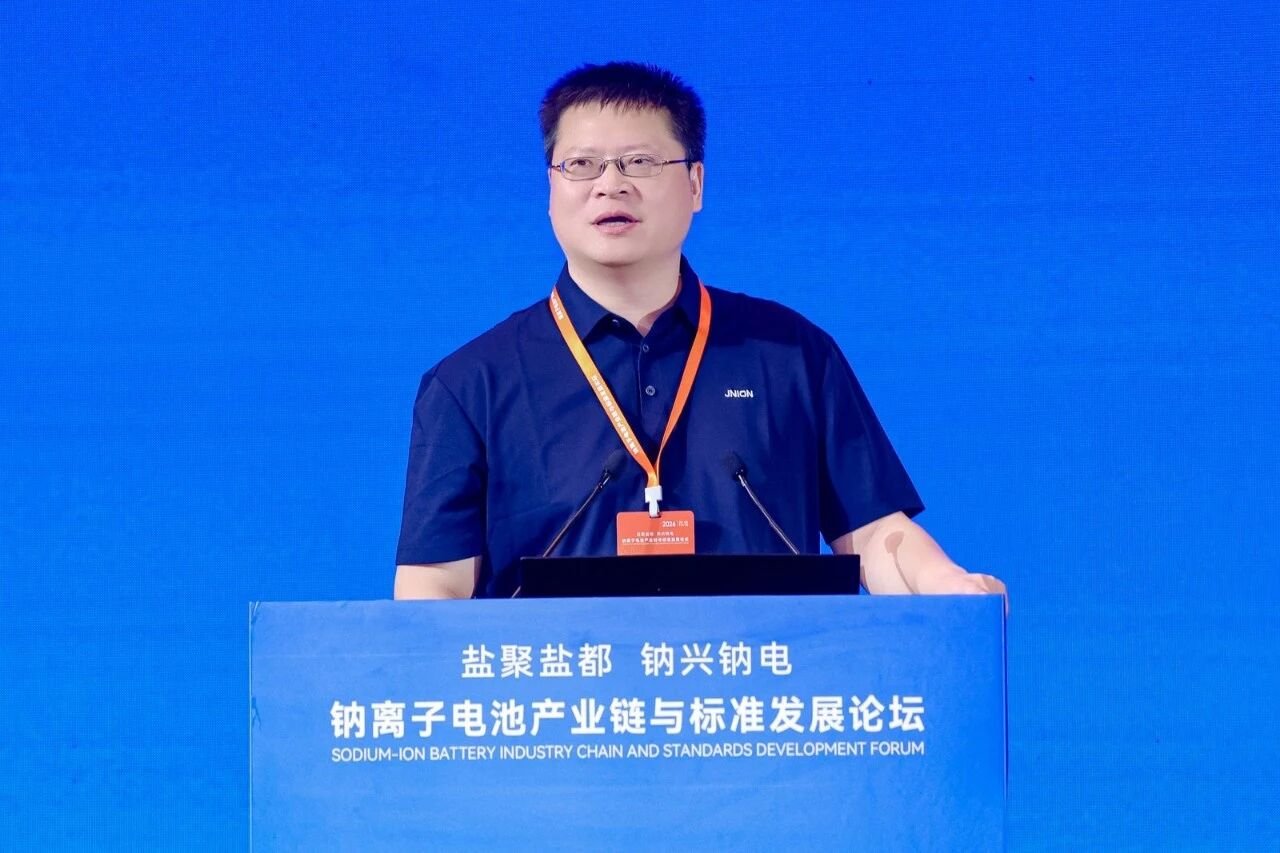
Cao Yuliang, Professor, Wuhan University
Cao Yuliang, professor at Wuhan University, said in his report “Opportunities and Challenges of Phosphate Polyanion Sodium-Ion Batteries” that the layered oxide, polyanion, and Prussian blue routes each have strengths and weaknesses. Polyanion materials offer long cycle life, high stability, and excellent high- and low-temperature performance, making them highly suited to storage scenarios; at scale, sodium cell costs could fall below RMB 0.3 per watt-hour. The cost model is clear: with cathode, anode, and electrolyte prices controlled at RMB 20,000 per tonne, plus optimization of auxiliary materials such as casings and organic solvents, there is ample room for further cell cost reduction. Jiana Energy focuses on polyanion sodium battery materials and completed the world’s first 10,000-tonne polyanion cathode line at the end of 2024, making it the industry’s first enterprise to mass-produce 20,000-tonne-class polyanion sodium cathode materials and holding 70% of China’s polyanion materials market.
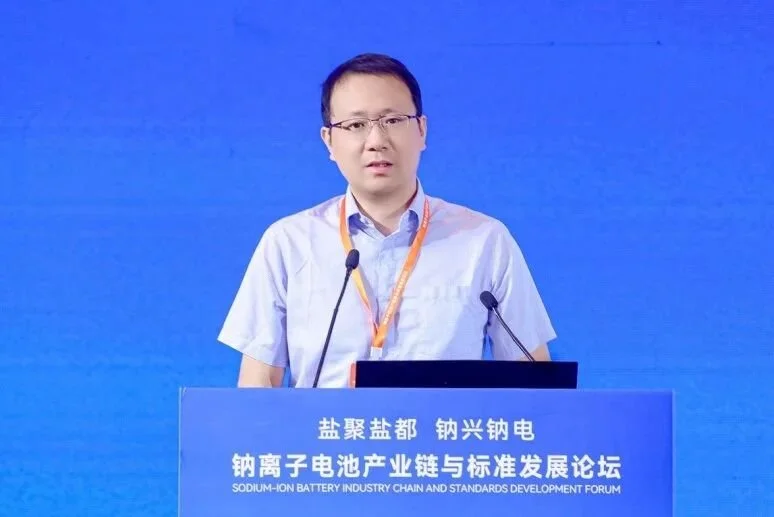
Yang Chenghao, Professor, South China University of Technology
Yang Chenghao, professor at South China University of Technology, said in his report “Bamboo-Based Hard Carbon Anode Materials” that hard carbon is the ideal anode for sodium-ion batteries, biomass is the most promising precursor, and the coal-based route also has potential. To address the restricted sodium-ion diffusion and low first-cycle coulombic efficiency caused by closed pores in biomass hard carbon, his team miniaturized closed pores and created open pores, effectively improving sodium-ion transport efficiency and cycling stability, with low-temperature performance also improved. Rongna New Energy has built full-chain production lines from pre-carbonization and purification to high-temperature carbonization, with 10,000-tonne lines in Sichuan and Fujian, and is laying out a high-temperature carbonization line in Zigong using local bamboo resources. In products, the RN5-X series has exceeded 10,000 cycles in customer tests with over 90% capacity retention and over 80% capacity retention at minus 40°C; the RN5-F1 series has been verified by third parties for over 4,000 cycles with over 95% capacity retention. Biomass products currently on sale reach about 330mAh/g, with the next generation targeting 360–380mAh/g; coal-based products have exceeded 350mAh/g, covering small power, storage, and low-temperature start-stop scenarios.
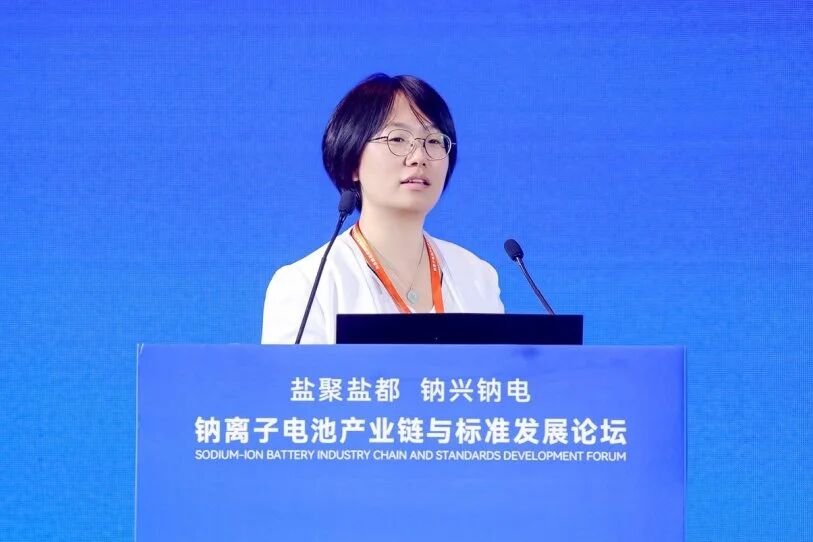
EVE Energy Co., Ltd.
Zhao Ruirui, President, Central Research Institute
Zhao Ruirui, president of the Central Research Institute of EVE Energy Co., Ltd., said in his report “Research Progress on the Characteristics of Sodium-Ion Batteries” that sodium batteries feature high-temperature tolerance, long cycle life, and a wide temperature range; however, high costs, consistency affected by the stability of material sources, and incomplete industry application standards hinder large-scale adoption, and the industry must work on cost reduction and standards improvement. Taking electric two-wheelers as an example, dedicated standards could be developed to leverage sodium batteries’ advantages of ultra-long cycle life, high safety, over-discharge tolerance, and wide temperature range, advancing vehicle-battery integration and solving safety issues caused by irregular power use at the source.
Sub-forum
Sodium-Ion Storage Technology and Multi-Scenario Applications
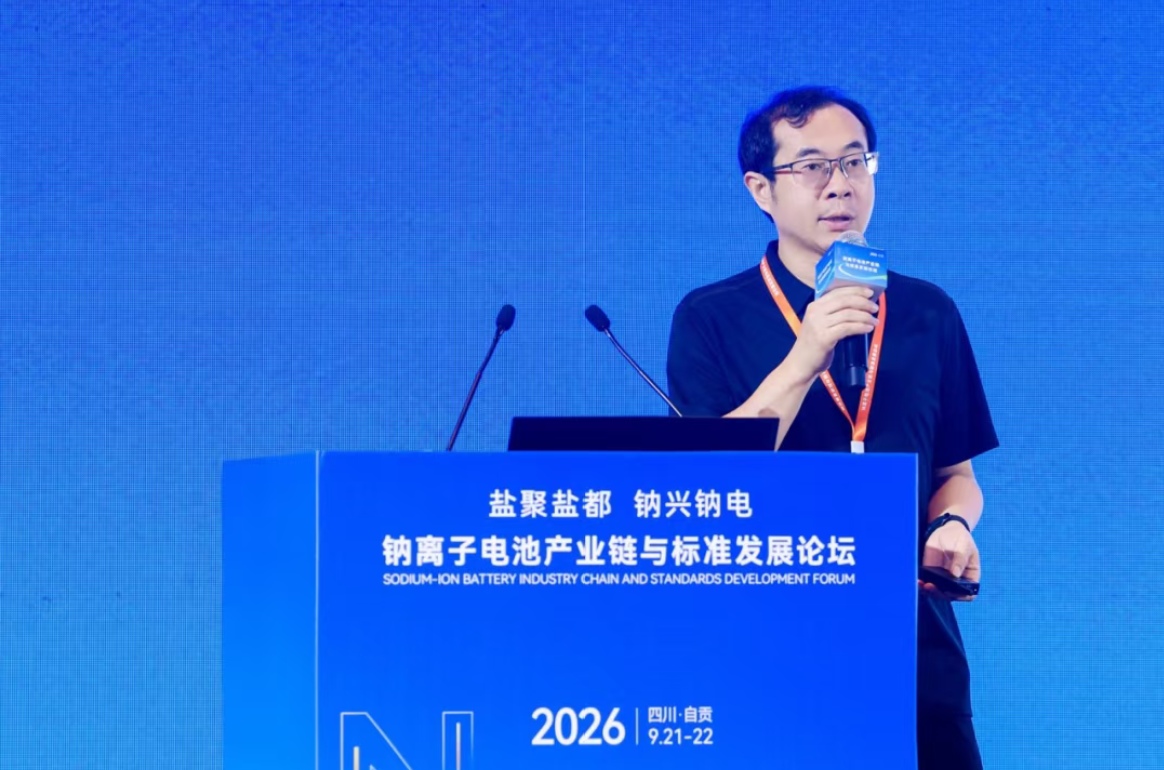
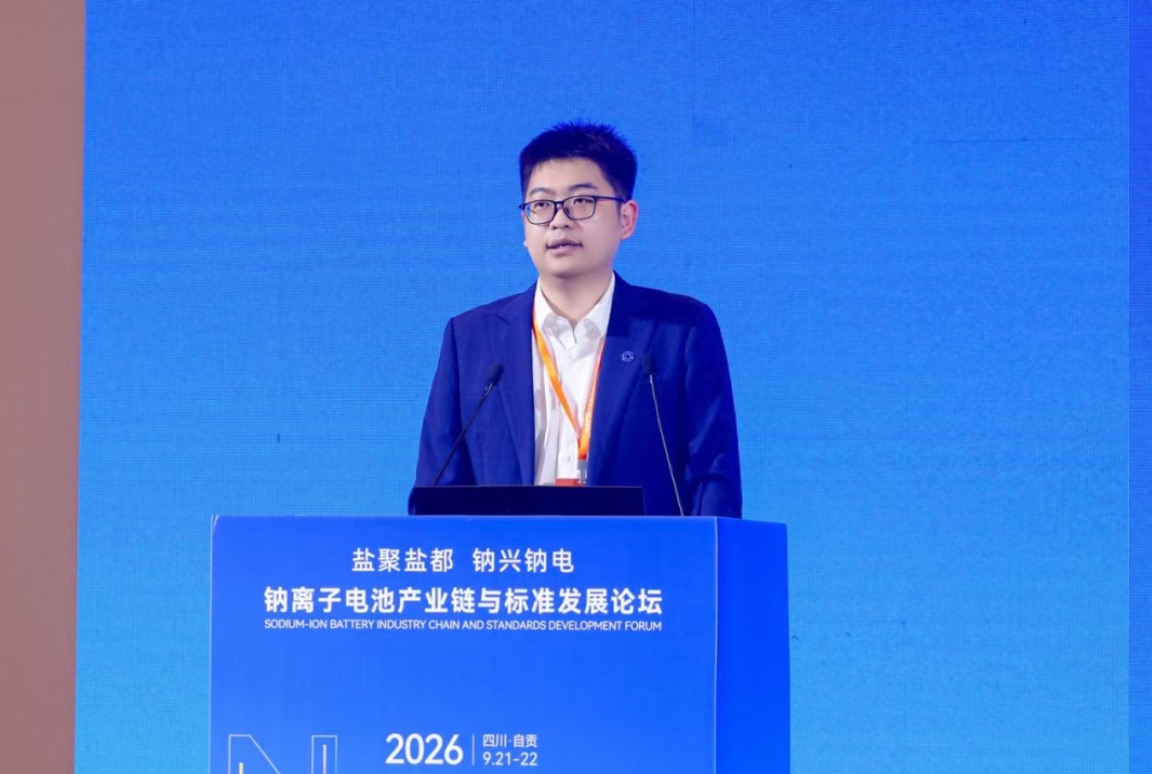
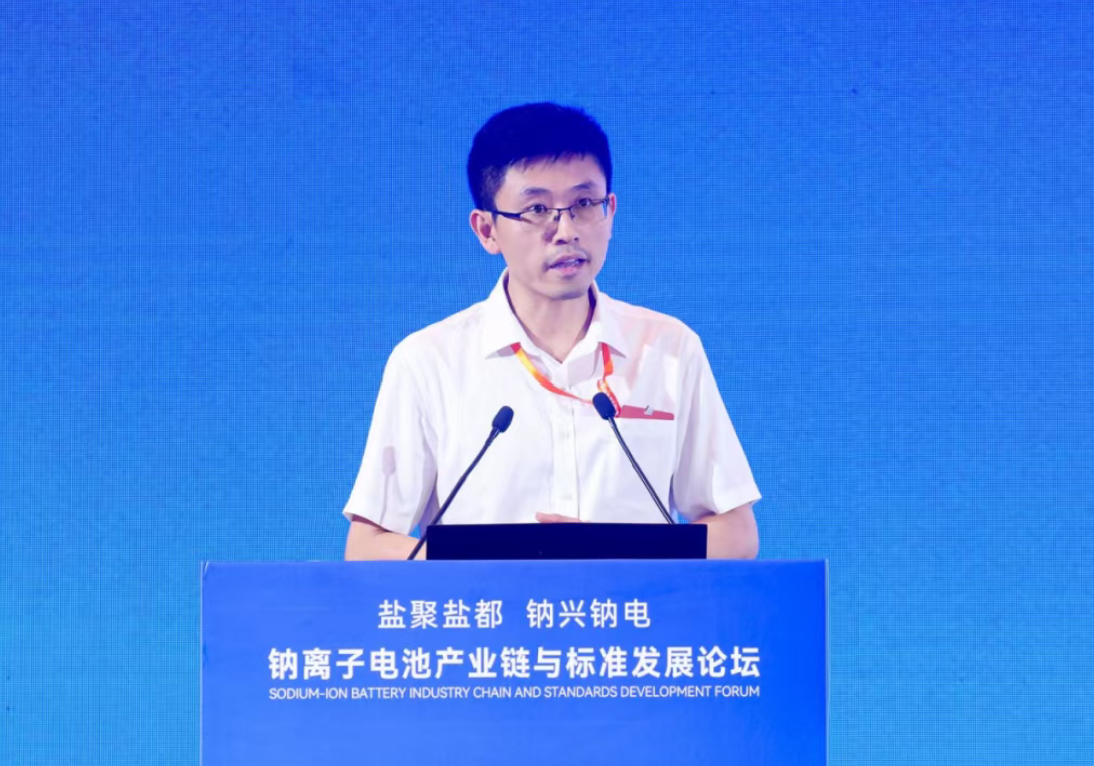
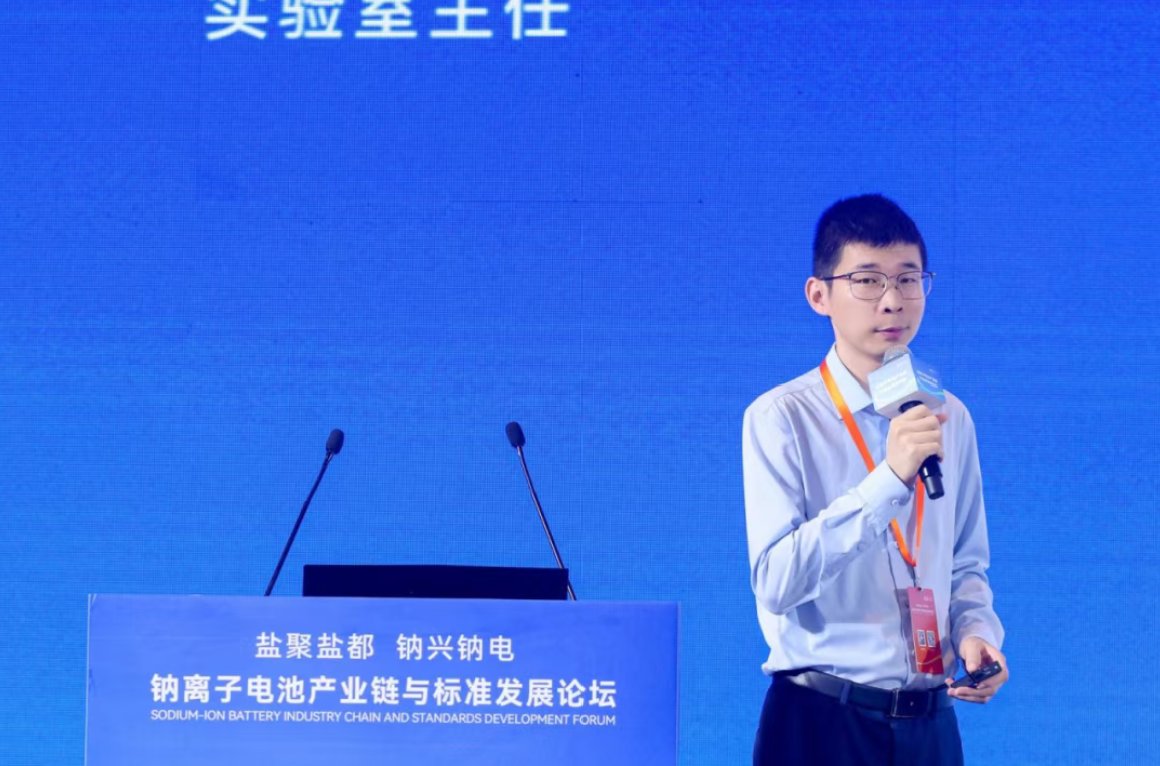
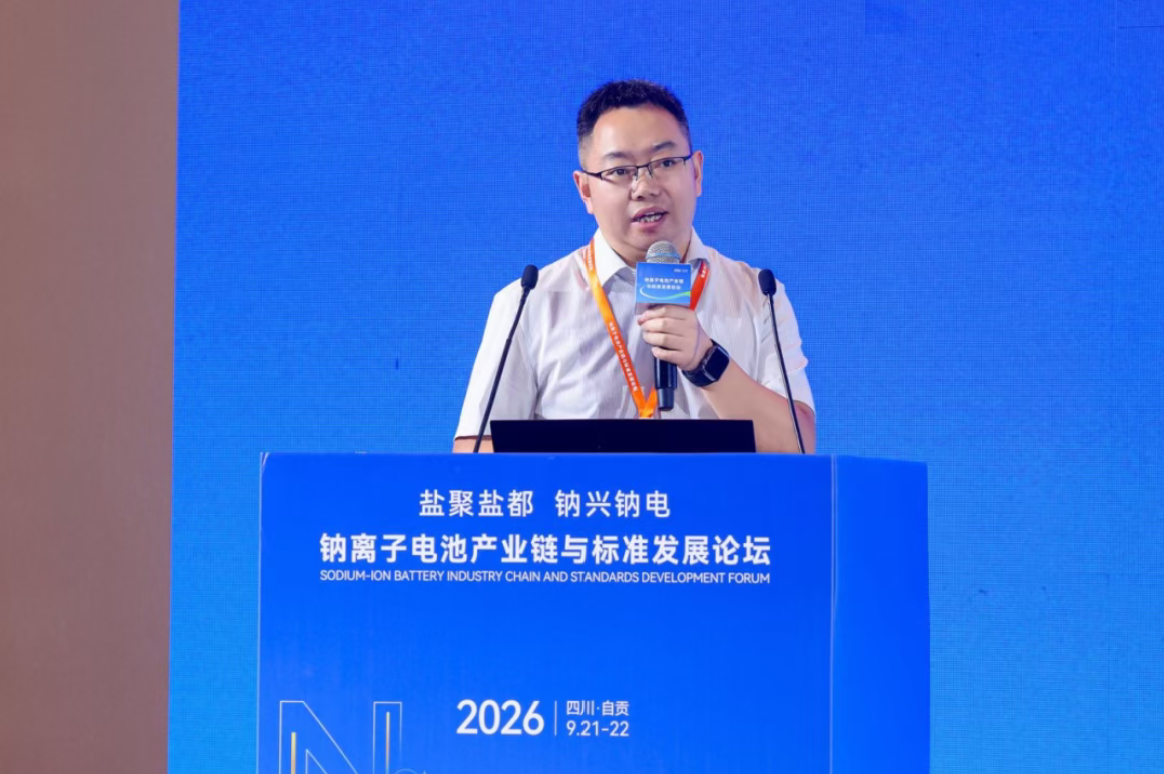
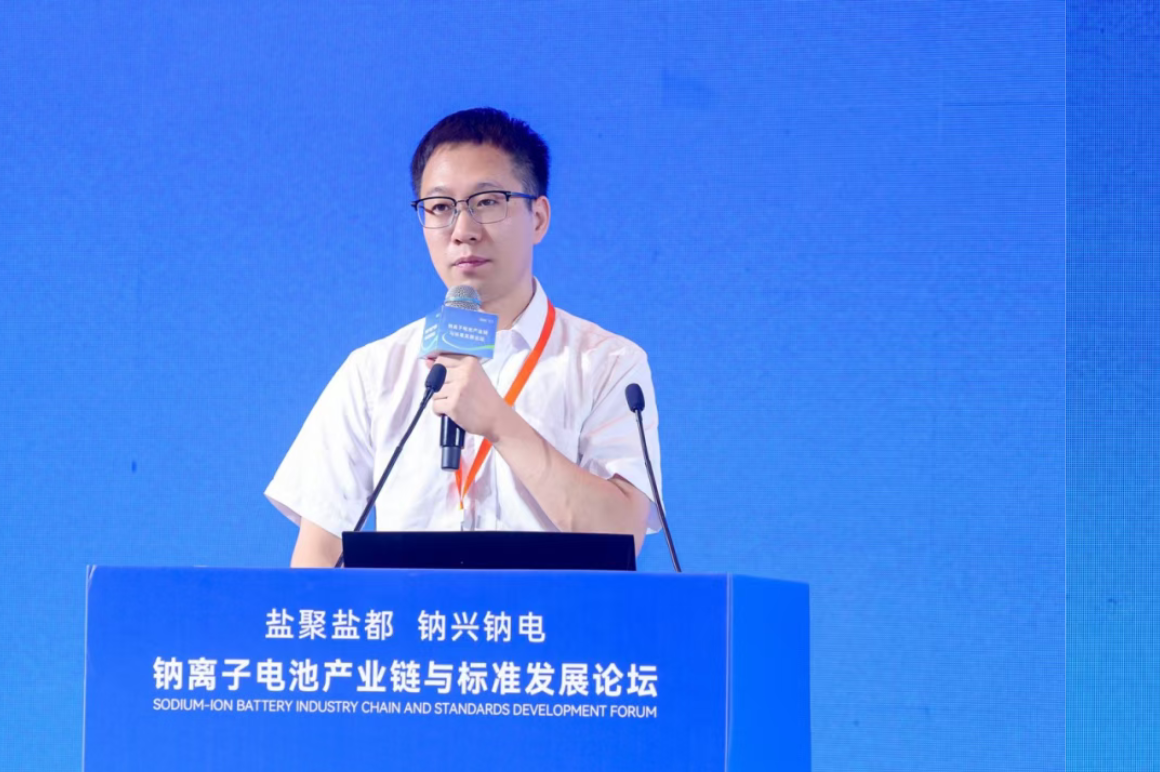
The sub-forum focused on sodium-ion battery storage technology and multi-scenario applications. Expert representatives from China Southern Power Grid Energy Storage, CATL, Shenzhen Power Supply Bureau, HITHIUM, Huaneng Clean Energy Research Institute, China Tower, Xibei Power, Huayang New Material Technology Group, and Xingchu Century delivered special reports on large-capacity sodium-ion storage research, grid-side sodium storage applications, telecom base station applications, and industrialization.
Industry Tour
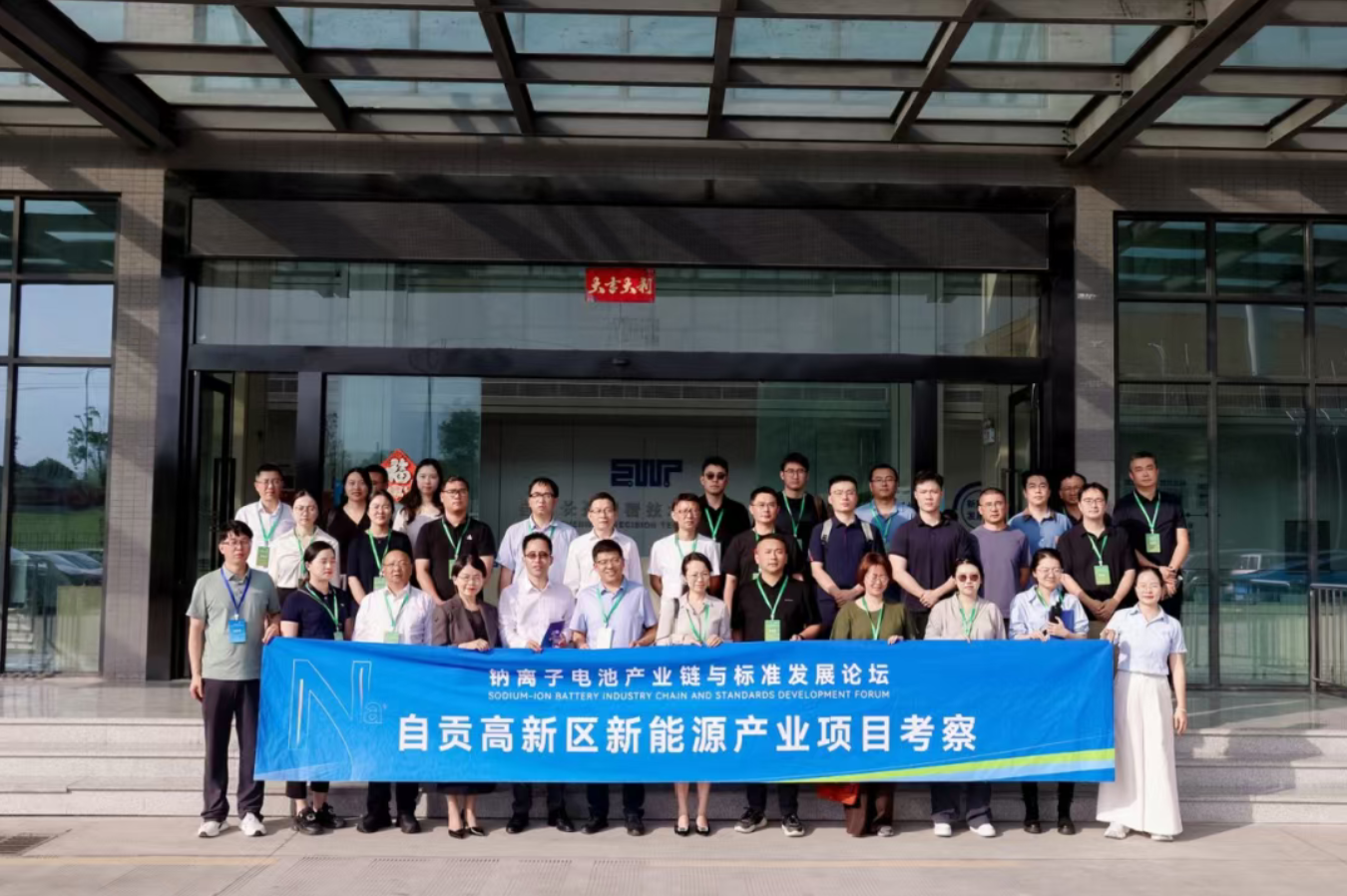
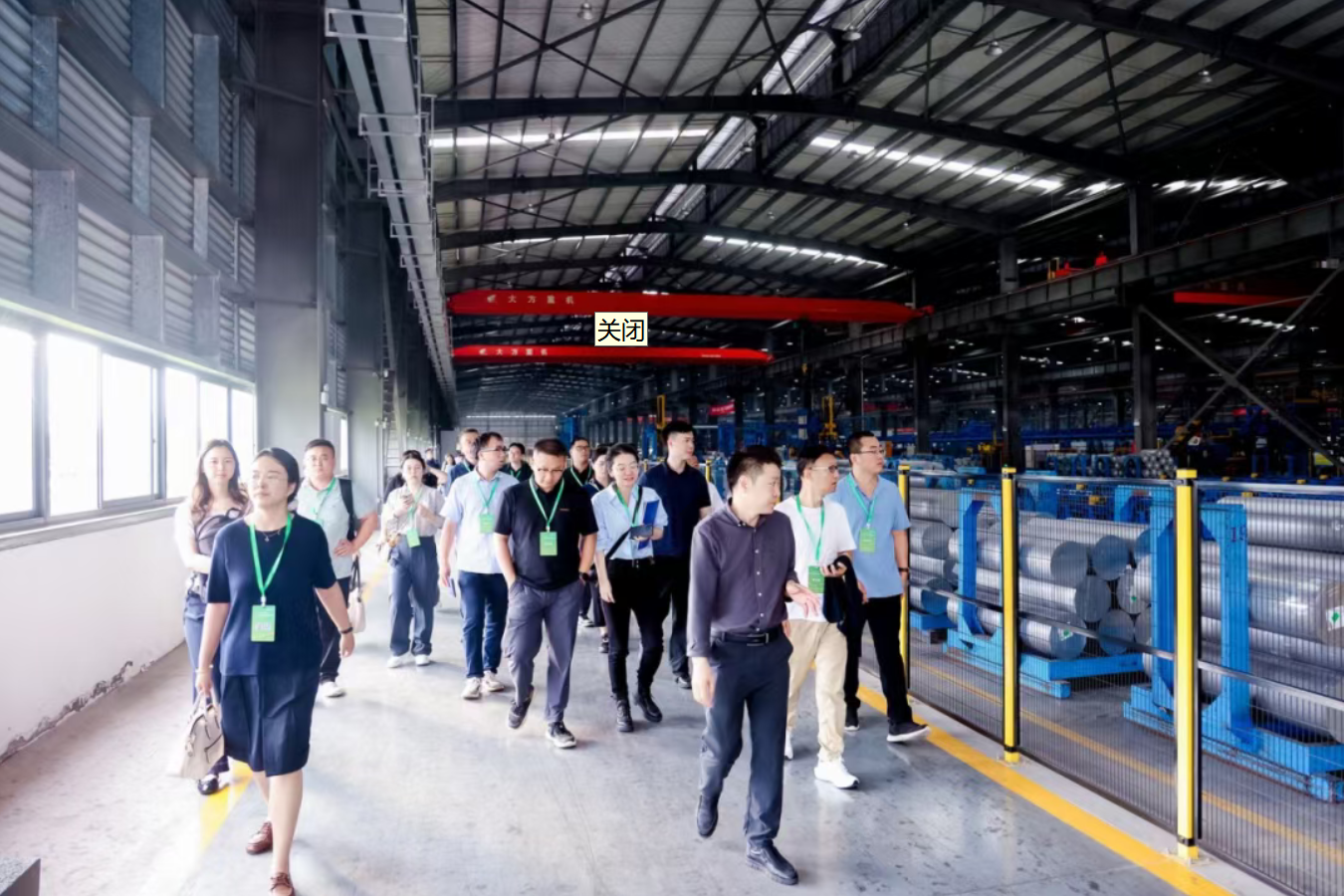
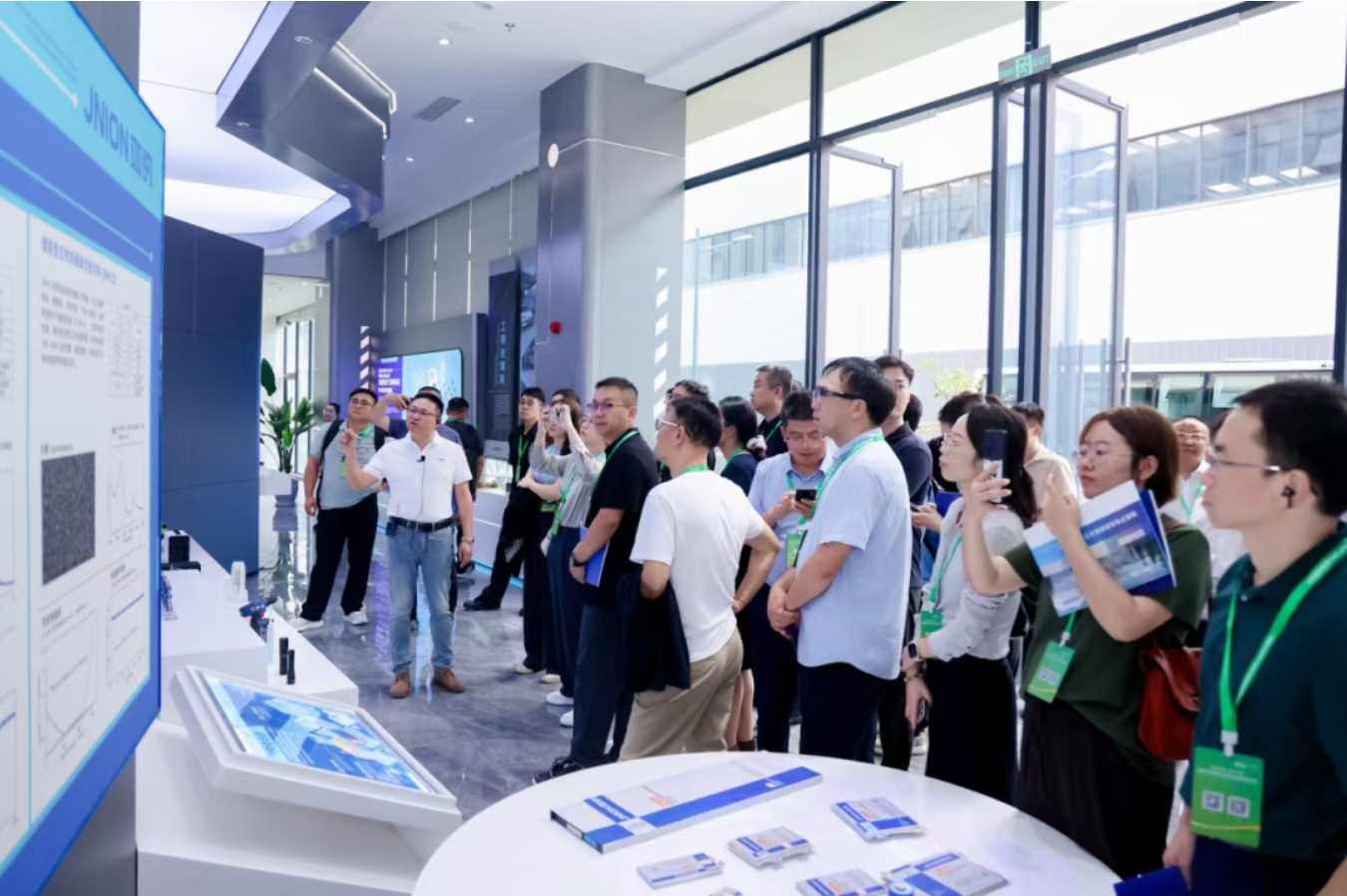
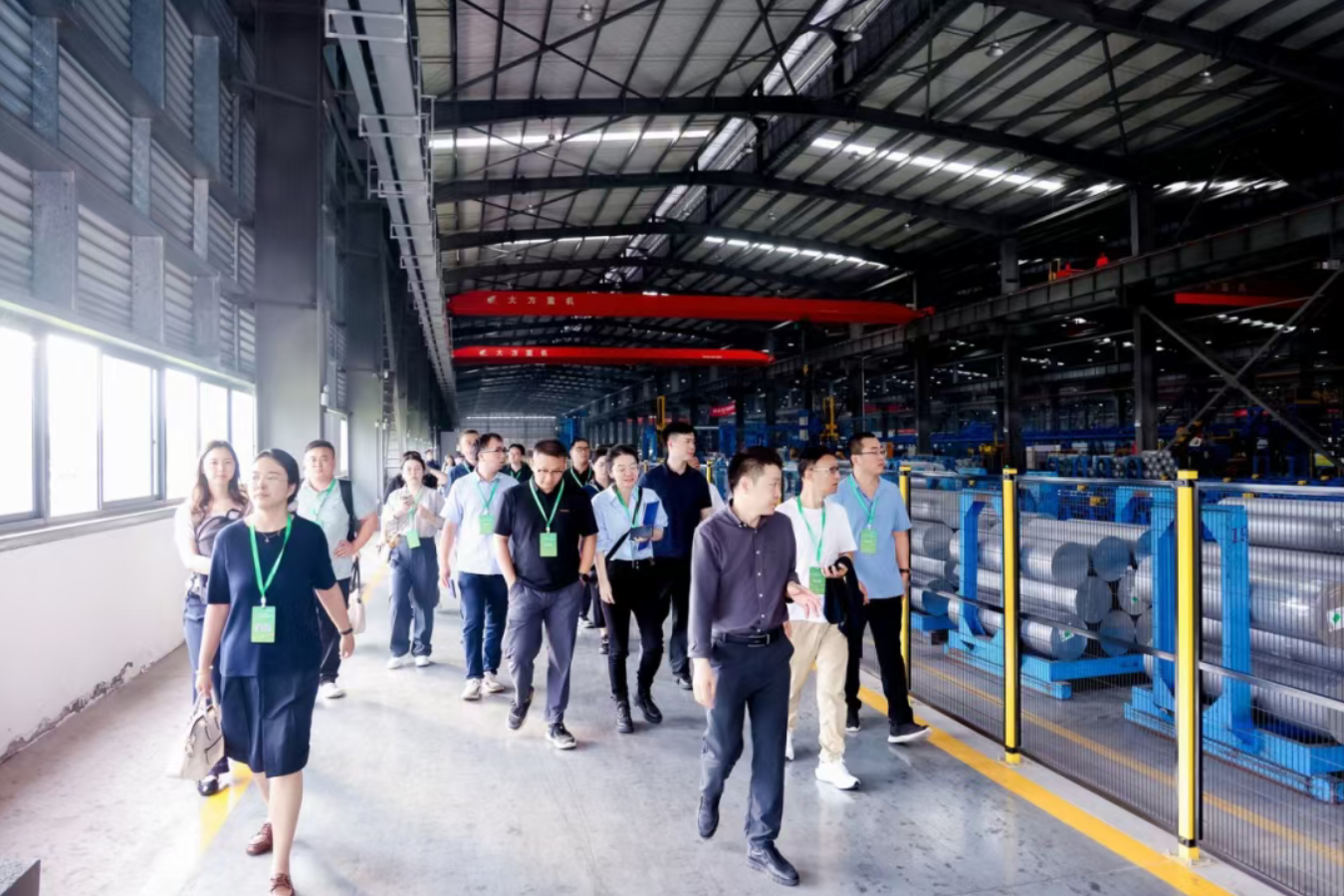
On-Site Tour of Zigong’s Sodium Battery Industry Chain
During the forum, delegates visited Zigong sodium battery enterprises including Jiana New Materials, Rongna New Energy, Xingchu Century, and Everwin Precision, covering the full chain of cathode materials, hard carbon anodes, storage cells, system integration, and precision structural components, observing production line construction and industrialization achievements up close.
Results Release
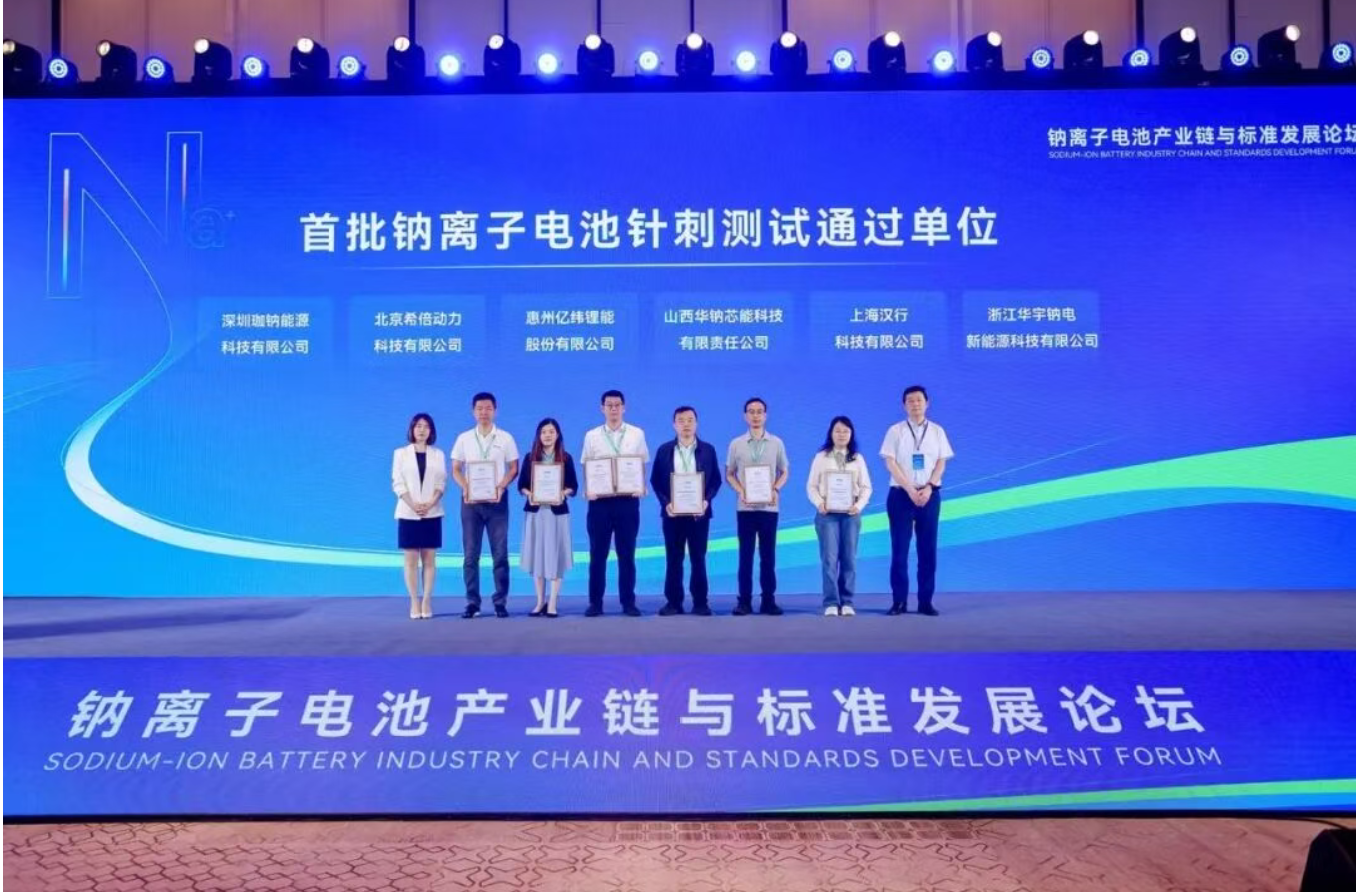
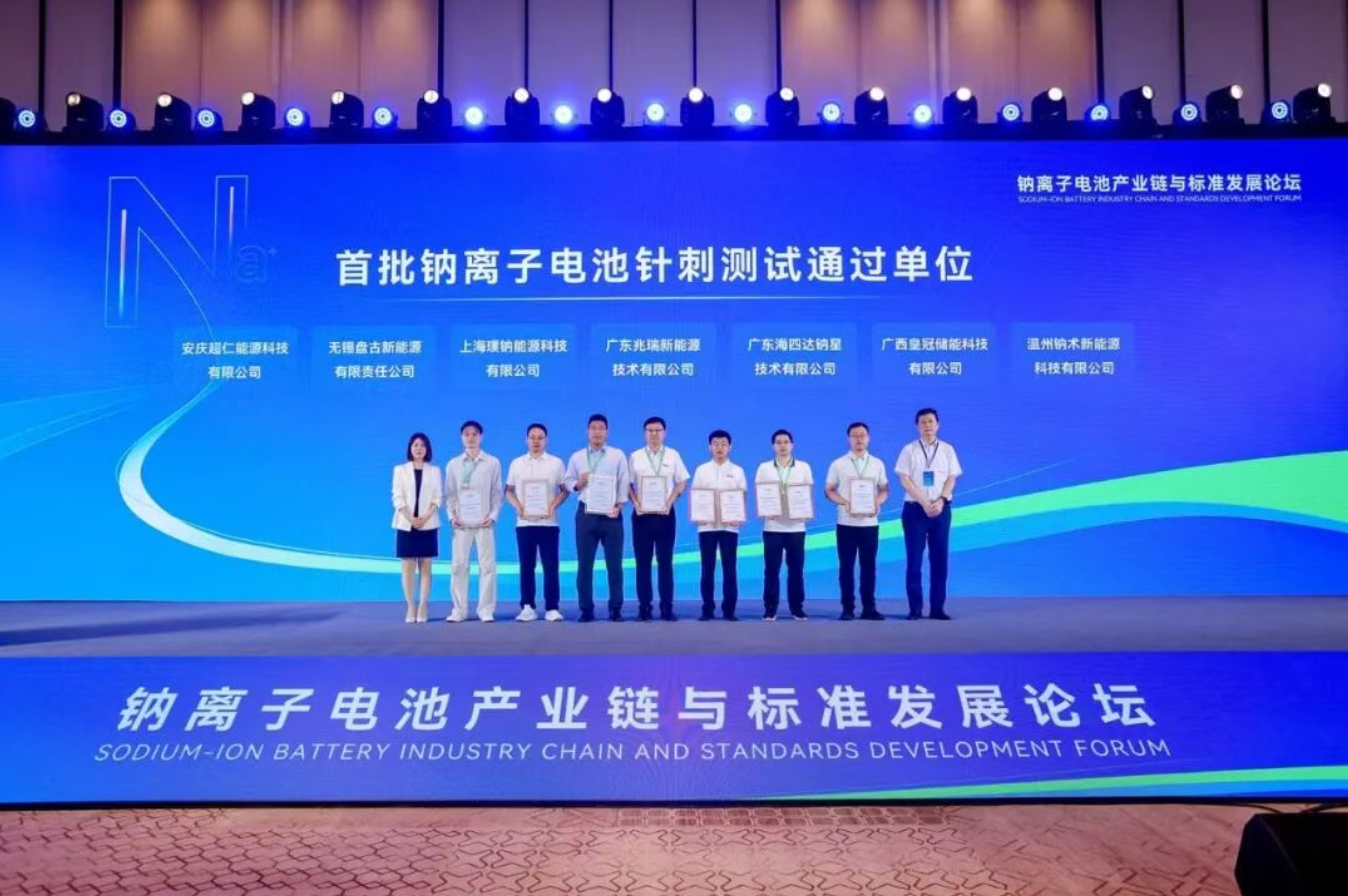
First Batch of Sodium-Ion Battery Nail Penetration Test Results Released
The list of the first batch of products passing the sodium-ion battery nail penetration test was released on site — 16 products from 13 companies, including Jiana Energy, Xibei Power, EVE Energy, Huana Xineng, Hanxing Technology, Huayu Sodium, Anqing Chaoren Energy, Pangu New Energy, Puna Energy, Zhaorui New Energy, Highstar Sodium Star, Crown Energy Storage, and Nashu New Energy. He Penglin, Deputy Director of CESI, and Liu Wei, Secretary-General of CNESA, presented the test results to the companies.
Signing Ceremony
Upstream-Downstream Industry Chain Signings
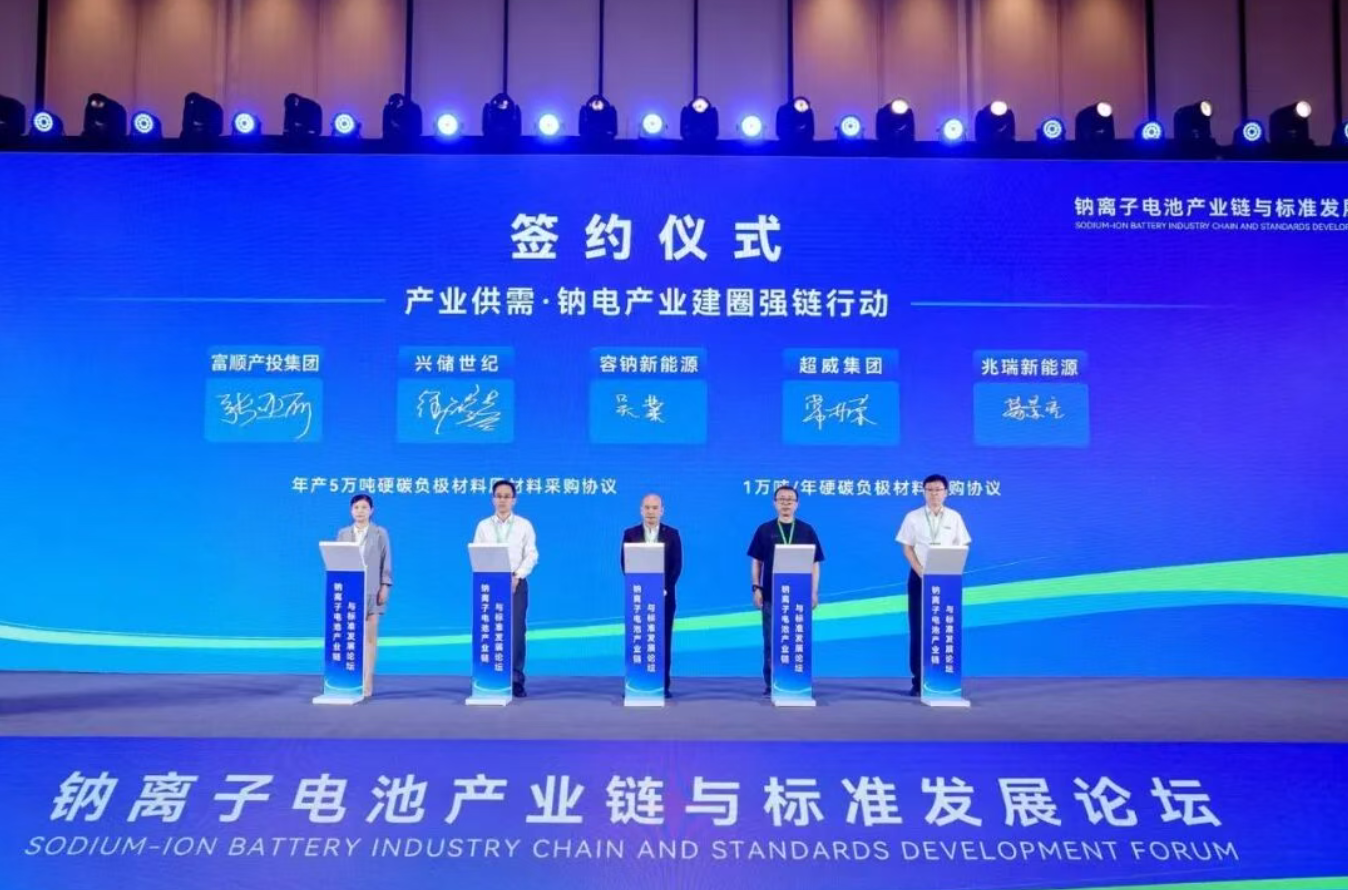
Industry Supply-Demand — Sodium Battery Ecosystem Building and Chain Strengthening Action: Jiana Energy, EVE Energy, Chilwee Group, Highstar Sodium Star, Xingchu Energy, Veken Battery, Yuheng Battery, Transart Sodium Battery, Namei New Energy, Rongna New Energy, Zhaorui New Energy, Fushun Industrial Investment Group, Xibei Power, and Sida Lvdao signed cooperation agreements covering cathode materials, hard carbon anodes, storage cells, and liquid-cooled supercharging along the industry chain.
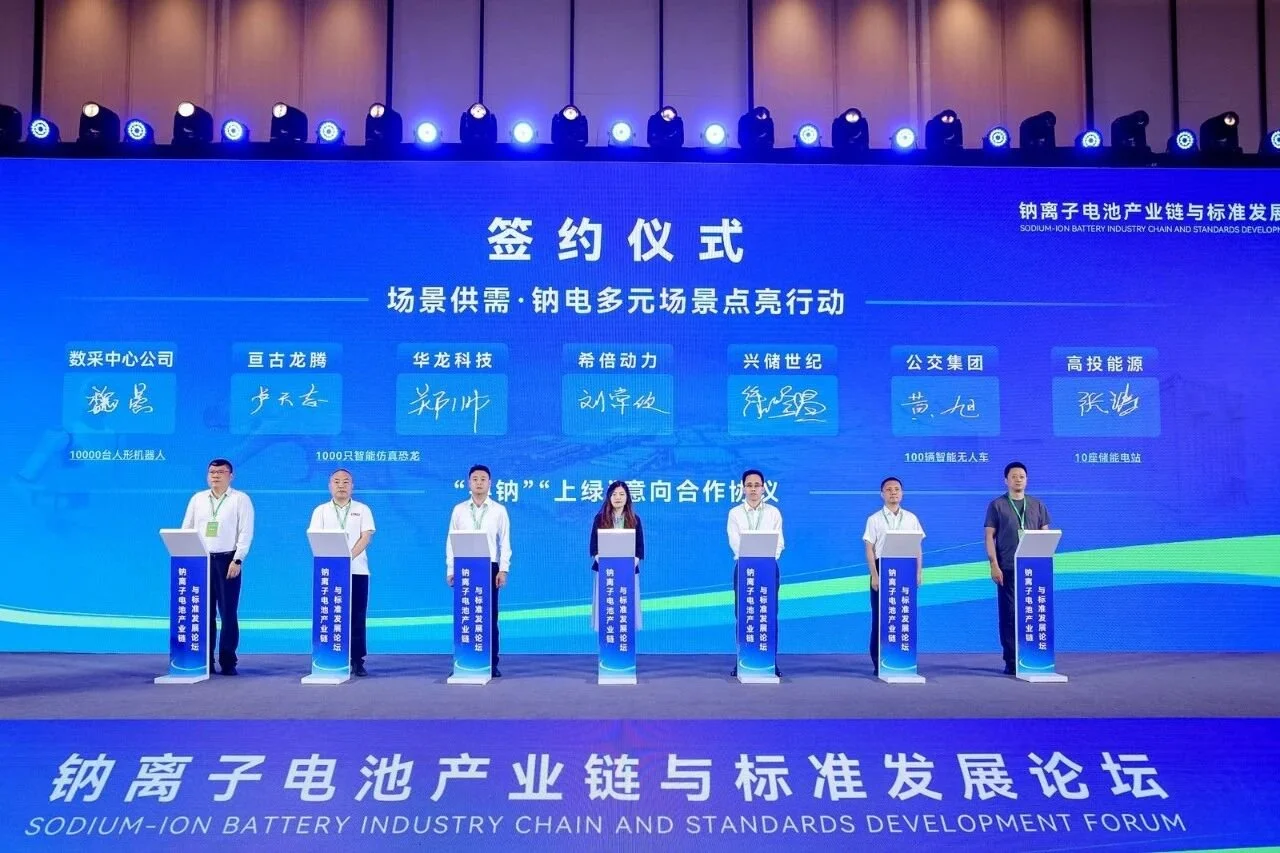
Scenario Supply-Demand — Sodium Battery Multi-Scenario Light-Up Action: Xibei Power, Xingchu Century, the Sichuan Humanoid Multimodal Data Acquisition and Testing Center, Zigong Gengu Longteng Technology, Zigong Hualong Technology, Zigong Public Transport Group, and Zigong Gaotou Comprehensive Energy signed cooperation agreements on humanoid robots, intelligent simulated dinosaurs, intelligent unmanned vehicles, storage power stations, and other multi-scenario applications.
Standards Workshop
Four Sodium-Ion Battery Standards Discussed
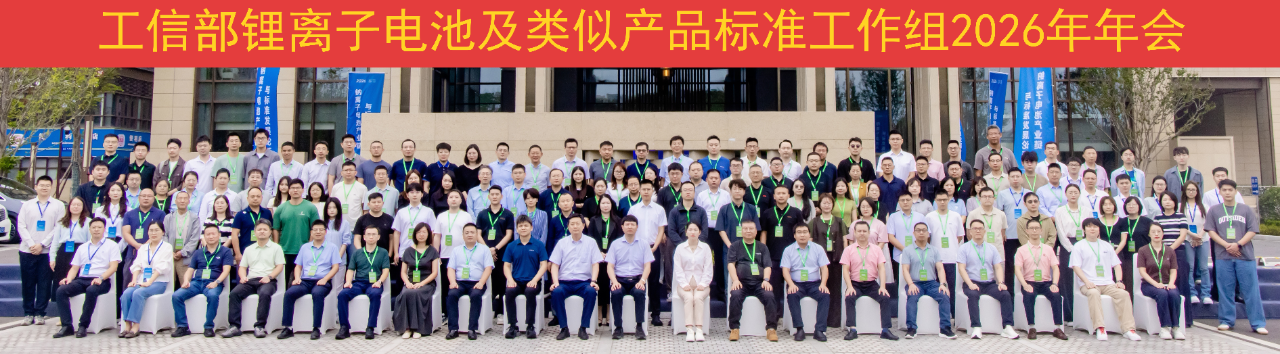
During the forum, the MIIT Working Group on Standards for Lithium-Ion Batteries and Similar Products held its annual meeting and a sodium-ion battery standards discussion session, attended by nearly 150 expert representatives from more than 120 enterprises and institutions in the sodium-ion battery field. The session discussed two international standards and two industry standards for sodium-ion batteries.
The forum built an exchange platform for joint standard development, technology sharing, and industry-demand matching in sodium-ion batteries. Sodium-ion batteries, with abundant resources, great cost-reduction potential, and broad application scenarios, are among the competitive directions of the global energy electronics field. China’s collaborative innovation across industry, academia, research, and application continues to deepen, with breakthroughs in key materials, an initial industry chain ecosystem, and accelerating industry standards; yet the industry remains at a critical climbing stage, and performance-cost optimization and industry chain innovation still have a long way to go. Going forward, the industry will stay committed to technology innovation, standards leadership, and application-driven development — deepening core technology breakthroughs, improving the full-chain standards system, cultivating diverse application scenarios, and standardizing industry order to promote the steady, long-term development of China’s sodium-ion battery industry.
