
Latest News
CATL Signs 2GWh Sodium-ion Energy Storage Agreement with Solarpro to Accelerate Deployment in Europe
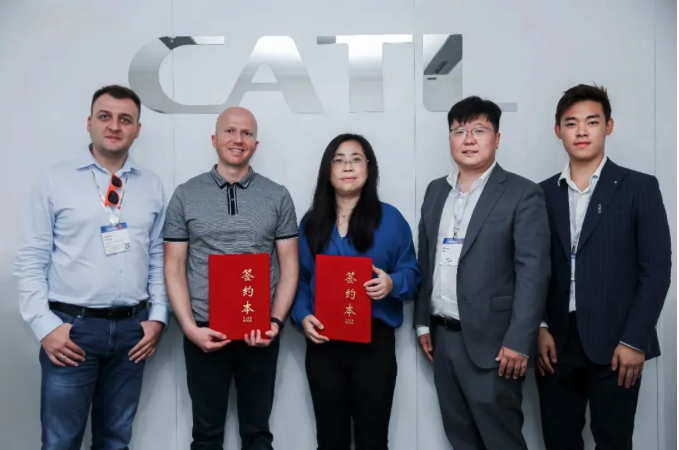
CATL has signed a 2GWh sodium-ion energy storage agreement with Solarpro to deploy Central and Eastern Europe’s first large-scale sodium-ion battery energy storage project, marking another milestone in the commercialization of sodium-ion storage technology in Europe.
CATL announced on July 21 that it has signed a 2GWh agreement with leading Central and Eastern European renewable energy company Solarpro for the deployment of its TENER Sodium energy storage system. The two companies plan to jointly deliver the region’s first large-scale sodium-ion battery energy storage project later this year, accelerating the commercialization of next-generation energy storage technologies across Europe.
The agreement follows CATL’s recently announced 5GWh sodium-ion energy storage partnership with Dutch energy solutions provider Alfen, highlighting the company’s rapid expansion of sodium-ion battery deployments in the European market.
The project will utilize CATL’s TENER Sodium battery energy storage system, which offers a cycle life of up to 15,000 cycles and is designed to operate reliably for 25 to 30 years. The system also delivers outstanding low-temperature performance, maintaining 92% capacity retention at -20°C, making it well suited for the harsh winter conditions commonly experienced across Central and Eastern Europe.
CATL and Solarpro first established their strategic partnership in 2024, when they deployed a 150MWh EnerC+ liquid-cooled battery energy storage system in Bulgaria. In May 2026, the companies successfully commissioned a 602MWh TENER lithium battery energy storage project, which increased Bulgaria’s total installed energy storage capacity by approximately 10%. The latest agreement extends the partnership into the commercialization of sodium-ion battery technology.
As Europe continues to expand renewable energy deployment, demand for safe, long-life and climate-resilient energy storage solutions is increasing. Sodium-ion batteries are attracting growing industry attention due to their excellent low-temperature performance, long cycle life and the use of more abundant raw materials compared with lithium-based chemistries.
The latest agreement represents another important milestone for CATL’s sodium-ion battery commercialization strategy and reflects growing market confidence in sodium-ion technology as a promising solution for future utility-scale energy storage applications.

COP30 Sends a Strong Signal: Trillions of Dollars Flowing In, Marking the “Acceleration Moment” for Global Energy Storage Deployment
Source: CNESA
The 30th UN Climate Change Conference (COP30), formally the 30th Conference of the Parties to the UN Framework Convention on Climate Change (UNFCCC), was held from November 10-21, 2025, in Belém, the capital of Pará in Brazil’s Amazon rainforest region. It is also the first multilateral climate governance conference since the signing of the Paris Agreement ten years ago.
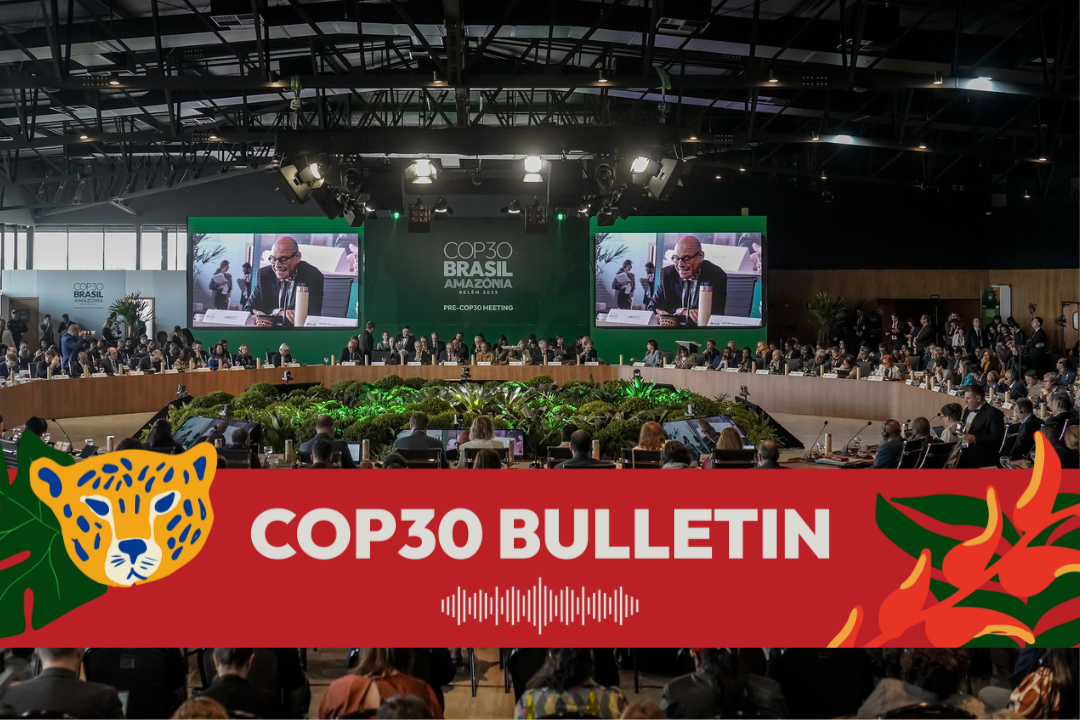
Against the backdrop of an increasingly severe global climate crisis, COP30 clearly established the strategic importance of energy storage technologies in the global energy transition. The conference not only reaffirmed emissions-reduction goals but also provided institutional and financial recommendations to support the large-scale deployment of energy storage, strengthen international cooperation, and address key development barriers.
Bottlenecks in the Clean Energy Transition and the Urgent Need for
Energy Storage
At the “World Climate Action Leaders Summit,” held on November 6-7, UN Secretary-General António Guterres emphasized that achieving the core mission of “accelerating the phase-out of fossil fuels” requires implementing five priority actions. Among them, “expanding investments in grids, storage, and efficiency to ensure infrastructure keeps pace with the rapid growth of renewable energy” was identified as a critical component. This elevated energy storage from a mere technological option to an indispensable prerequisite for achieving global climate goals.
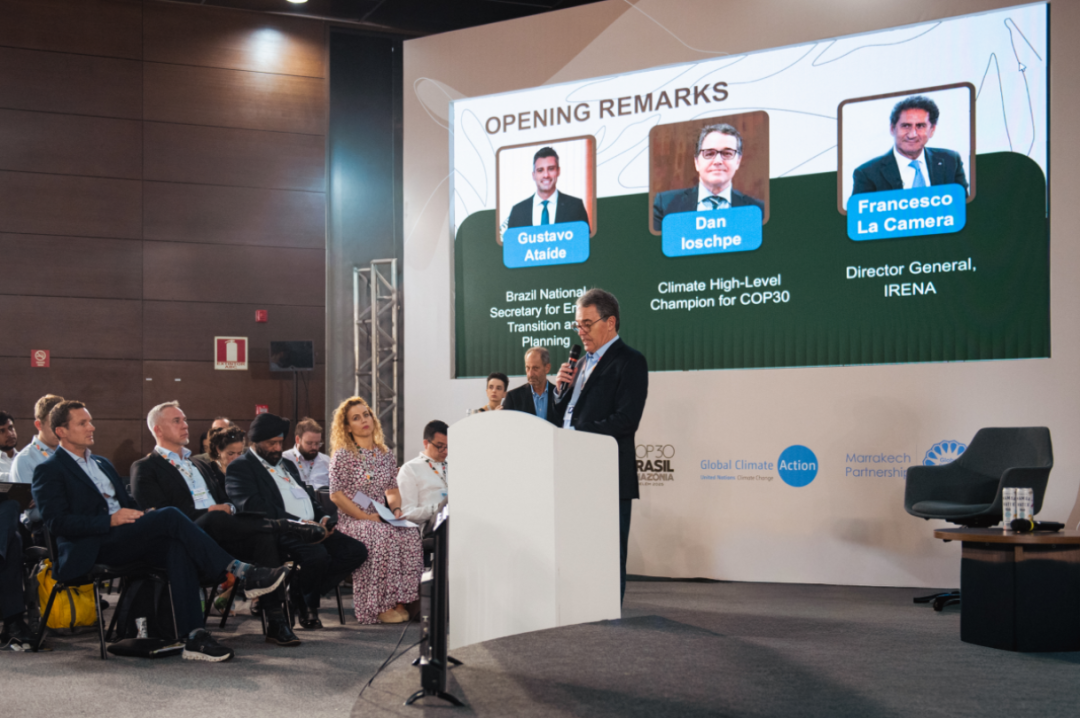
This strategic consensus was quickly reinforced with concrete technical elaboration in subsequent sessions. On Friday, November 14, Brazil's Secretary of State for Energy Transition and Planning, Gustavo Ataíde, stressed that expanding grid and energy storage capacity is essential for global electrification: “The growth in demand is outpacing grid expansion. Without transmission, there is no transition.”
From the Secretary-General's macro-level call to the host country minister's technical articulation, COP30 formed a high-level consensus early in its first week: Energy storage is the key solution to the biggest bottleneck in integrating renewable energy and unlocking the global energy transition.
Breakthrough Mechanisms: Paving the Way for Global Energy Storage
Deployment
November 14 (Friday), the fifth day of COP30, became a pivotal moment for the energy storage agenda. During the High-Level Ministerial Meeting on Grids and Storage, participants reached several major agreements:
(1) Grids and Storage Implementation Coordination Council
COP30 formally announced the launch of the Grids and Storage Implementation Coordination Council, a new international mechanism aimed at accelerating global action on power grids and energy storage, and advancing the “COP30 Action Plan on Accelerating Grid Expansion and Resilience,” led by the Green Grids Initiative (GGI).
For years, countries have pursued storage deployment independently, lacking unified technical standards, interoperability rules, and cross-border coordination mechanisms. This has hindered seamless integration of storage systems with large-scale grids and limited the potential for regional power balancing and optimization.
The new Council is expected to provide a high-level international platform to coordinate policies, technical standards, market mechanisms, and cross-regional energy storage projects, ultimately helping build more resilient, intelligent, and efficient global energy systems - making energy storage a true “core enabler” of large-scale renewable integration.
(2) Investable Project Framework
To address financing challenges in developing countries, COP30 released the Investable Project Framework, designed to translate national climate goals into investment-ready projects, especially in emerging markets.
Energy storage - particularly large grid-scale storage, pumped hydro, and long-duration systems - generally requires high capital investment and sophisticated commercial and risk assessment models. Many developing countries have strong demand and ambition for storage deployment but lack the ability to design “bankable” storage projects that meet international financing standards.
The Framework is expected to significantly enhance the bankability of storage projects, channeling trillions of climate-related dollars into the “last mile” of the global storage market, enabling large-scale storage infrastructure in emerging economies, and making storage a key destination for global climate finance flows.
Trillions in Investment Commitments: Strong Momentum for Energy
Storage
On November 18, 2025, COP30 delivered its strongest financial signal yet as governments, development banks, and industry representatives announced tens of billions of dollars in new commitments for grids and storage.
The Utilities for Net Zero Alliance (UNEZA) confirmed an annual expenditure plan of USD 148 billion, opening a USD 1 trillion investment pathway for grid and storage expansion. By 2030, members aim to more than triple their renewable power capacity compared to 2023 levels, while undertaking major grid expansion, upgrades, and storage deployment.
Other significant commitments included:
— The Asian Development Bank, World Bank Group, and ASEAN jointly pledged over USD 12 billion under the ASEAN Power Grid Financing Initiative.
— Germany committed EUR 15 million through the Inter-American Development Bank Group to establish a new Transmission Acceleration Platform for Latin America and the Caribbean.
— UK utility SSE plc announced a fully funded GBP 33 billion, five-year investment plan to modernize national power infrastructure.
— The Global Grids Catalyst initiative, launched this year, secured USD 50 million in initial funding plus USD 2 million for an innovation incubation fund.
These commitments underscore that global financial institutions and governments have shifted their investment focus squarely toward energy storage and grid modernization - removing bottlenecks that impede the clean energy transition.
Industry Voice at Side Events: Chinese Companies Showcase
Technologies and Cooperation
Beyond the main agenda, numerous side events highlighted the dynamism of the energy storage industry and China's technological contributions.
On November 13, CATL (Contemporary Amperex Technology) held a side event titled “Driving System Transformation: Co-Creating a Zero-Carbon Future” at the COP30 China Pavilion. Gustavo Ataíde, Brazil's Secretary of State for Energy Transition and Planning, noted in his remarks: “Energy storage is strategic infrastructure for today's energy transition - critical for enhancing flexibility, stability, efficiency, and enabling large-scale renewable integration.”
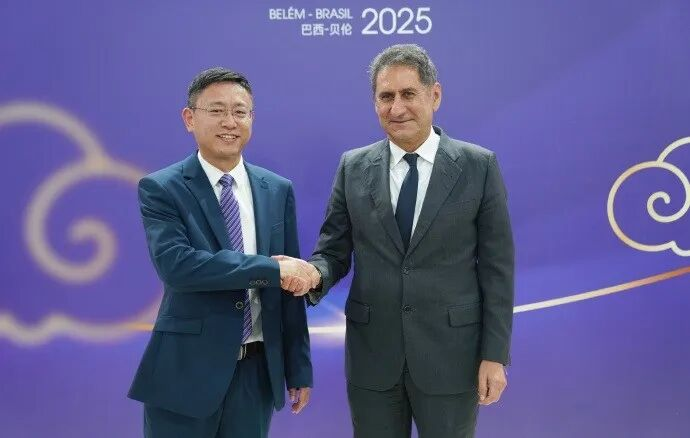
During the event, CATL and IRENA released their report Solar PV and Storage for Energy Transition, which identified lithium-ion battery storage as the most cost-effective storage technology and “solar + storage” as the most economical clean energy combination.
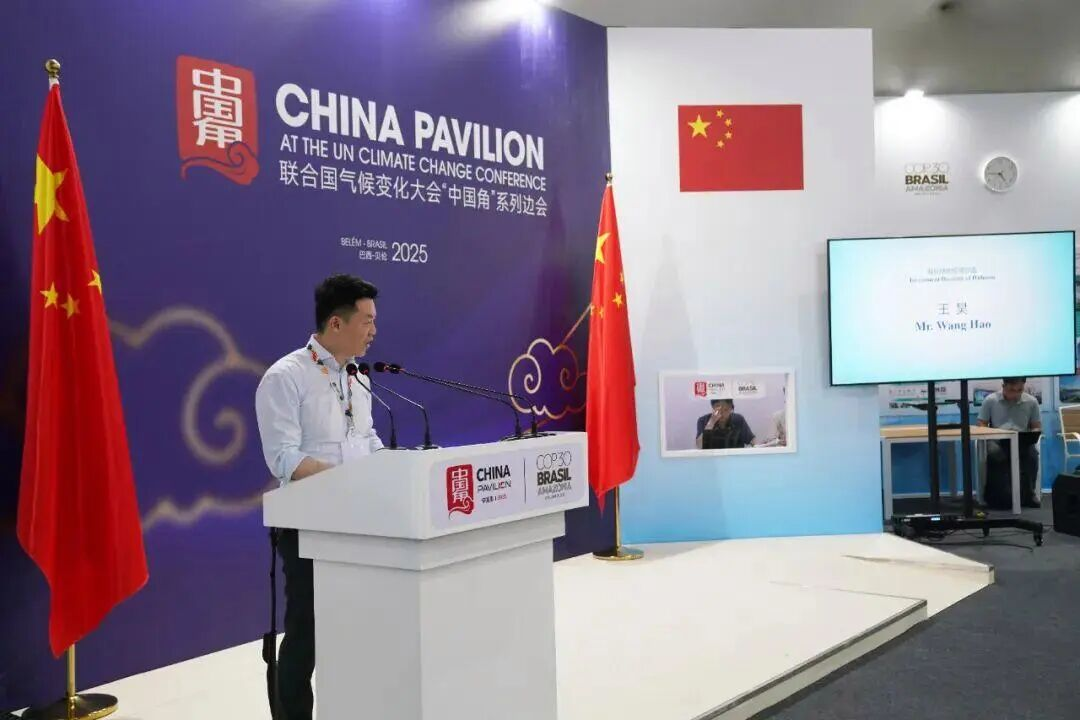
On the same day, the China Investment Association and several partners hosted a side event titled “Driving Global Low-Carbon Development through Renewable Energy under Climate Change.” In a roundtable session, Hithium Energy Storage delivered a speech titled Innovation and Local Practice for Joint Global Green Transition, reaffirming its commitment to innovation, localization, open collaboration, and global partnership in advancing energy transition.
Diverse Technology Pathways and Global Cooperation Outlook
Throughout COP30, various technological routes and international cooperation models were also showcased.
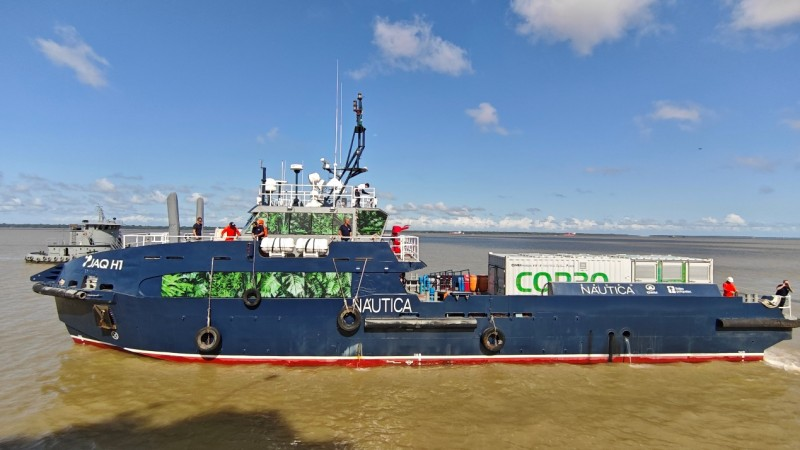
FTXT Energy Technology Co.,Ltd. under the China Great Wall AMC (International) Holdings Co., Ltd. presented its “Explorer H1” hydrogen-powered research vessel - the first deployment of China's hydrogen fuel cell technology in marine applications in Latin America.
Thiago Prado, President of Brazil's Energy Research Office (EPE), told Sina Finance that as wind and solar continue to grow, pumped hydro and battery storage have become critical issues for Brazil's power system. He expressed hope to learn from China's leading experience in both technologies to accelerate storage integration into Brazil's grid.
In addition, State Grid Corporation of China, Trina Solar, LONGi Green Energy, and others held exhibitions showcasing renewable energy and storage technologies.
Energy Storage: The “Engine of Acceleration and Implementation” at
COP30
The clearest message emerging from COP30 is that global climate governance has shifted from abstract commitments to concrete actions focused on “acceleration and implementation.” At this turning point, energy storage has become the key element enabling the rapid rollout of renewables and the realization of climate goals.
The Grids and Storage Implementation Coordination Council and the Investable Project Framework together provide the institutional and financial foundation needed for global storage deployment.
After COP30, energy storage will no longer be a supporting component of the energy system - it will become the core strategic engine of the global energy transition, driving humanity toward a cleaner, more stable, and more sustainable future.

CENSA Upcoming Events:
1. Dec.4-5 | 2025 China Energy Storage CEO Summit | Xiamen, Fujian
Register Now to attend
Read more: http://en.cnesa.org/new-events-1/2025/12/4/dec4-5-2025-china-energy-storage-ceo-summit

2. Apr. 1-3, 2026 | The 14th Energy Storage International Conference & Expo
Register Now to attend, free before Oct 31, 2025.

Sign up for our free monthly newsletter to stay informed about the Chinese energy storage market.