
Latest News
ESIE | 2027 Debuts AIDC Energy Storage Section, Targeting the New Blue Ocean of Data Center Energy Storage
As one of the world's largest energy storage exhibitions, ESIE has witnessed and continues to lead the innovation and development of the global energy storage industry through fourteen editions of heritage.
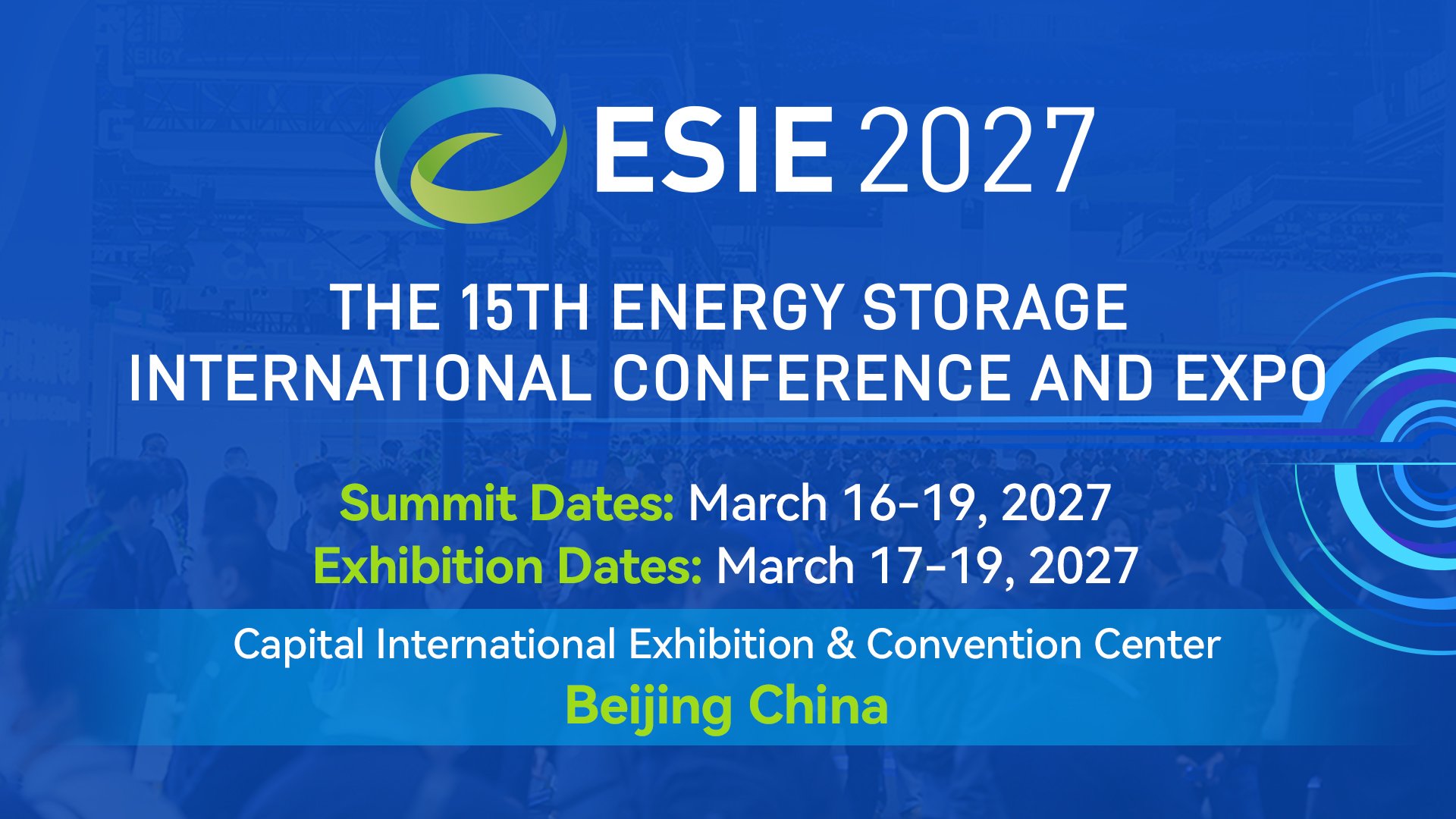
The 15th Energy Storage International Summit and Exhibition (ESIE 2027), organized by the China Energy Storage Alliance, the China Energy Research Society, and the Institute of Engineering Thermophysics of the Chinese Academy of Sciences, will be held on March 16-19, 2027 at the Capital International Convention & Exhibition Center in Beijing.
ESIE 2027 Debuts
the AIDC Energy Storage Section
An Exploding New Storage Track
ESIE 2027 debuts its AIDC Energy Storage section precisely against the backdrop of this track's explosive growth.
March 2026 - "Computing-electricity coordination" was written into the Government Work Report for the first time, becoming an important lever for the deep integration of computing power and electricity.
April 2026 - The Action Plan on Promoting Two-Way Empowerment Between Artificial Intelligence and Energy explicitly encourages computing facilities to be equipped with grid-forming energy storage, enabling computing facilities to participate in grid operations as flexible, adjustable load-side resources.
June 2026 - The 15th Five-Year Plan for Building a New Energy System calls for promoting direct green power supply projects for computing centers and "strengthening computing with electricity and promoting electricity through computing".
July 2026 - In its reply to a National People's Congress proposal, the National Energy Administration noted that pilot programs will give key consideration to AIDC energy storage application scenarios, and the first-set-of-equipment selection will consider supporting technical equipment for AIDC energy storage application scenarios.
On the market side, according to National Energy Administration data, total electricity consumption of computing centers nationwide reached 170 billion kWh in 2025, and computing electricity consumption at the eight hub nodes of the national integrated computing power network grew at an average annual rate of about 39.5% over the past three years. During the 15th Five-Year Plan period, national computing electricity consumption is expected to grow by more than 100 billion kWh per year on average, reaching an estimated 800 billion kWh by 2030.
The explosive growth in computing demand not only calls for higher power supply reliability, but also raises brand-new requirements for data centers' energy costs, green power consumption, and computing dispatch. AIDC energy storage is precisely the key carrier connecting computing loads, green power supply, and grid regulation.
But Amid High Growth,
AIDC Energy Storage Still Faces Several Practical Problems
Technology routes still evolving. UPS, HVDC, and SST routes coexist, and solutions differ widely between vendors. Many companies remain at the "selling batteries" stage, lacking integrated solution capabilities from rack-level backup power to campus-level energy storage.
Cost and return out of balance. AIDC supporting energy storage carries high initial investment and a long payback period. Current returns rely mainly on peak shaving/valley filling and backup power assurance; value-added revenue channels such as green power trading, demand response, and ancillary services remain underdeveloped.
Missing standards. Technical standards, acceptance specifications, and safety requirements for AIDC energy storage are still being drafted. High-rate cells, BBUs, and liquid cooling integration lack unified standards, leaving poor product compatibility and no basis for procurement and acceptance.
Insufficient supply-demand matching. Energy storage companies do not understand computing, and cloud vendors do not understand energy storage; both sides lack an effective exchange platform. Information gaps persist between the real needs of the three major telecom operators, cloud vendors, and IDC operators on one side, and the product capabilities of energy storage companies on the other.
The 15th Energy Storage International Summit and Exhibition
Debuts the AIDC Energy Storage Section for the First Time
Exhibition + Matchmaking + Launches + Forums in One
1. Exhibition: The Full Chain of Computing Power Supply
AIDC Energy Storage Panorama Exhibition - all technology routes in one visit:
• Rack-level backup power: high-rate BBU cells, supercapacitors (EDLC), hybrid backup solutions
• Data hall-level power supply: lithium battery UPS systems, HVDC high-voltage DC systems, SST solid-state transformers, grid-forming PCS
• Thermal management systems: cold plate liquid cooling, immersion liquid cooling
• Campus-level energy storage: C&I energy storage cabinets, large-scale storage containers, grid-forming energy storage systems
• Software & platforms: AIDC energy storage EMS, computing-electricity coordination dispatch platforms, digital twin O&M systems
• From millisecond-level power support to hour-level energy regulation - every level in a single visit
2. Matchmaking: Onsite Exchange with Domestic and International Buyers
• Domestic: representatives of the three major telecom operators, domestic cloud providers such as Tencent Cloud, and IDC operators such as Chindata and VNET share data center energy storage practices and procurement needs
• International: overseas cloud providers and IDC operators including Amazon, Google, and Meta join the exchange
3. Launches: Global First Releases of AIDC New Products
The hottest technology directions in AIDC energy storage, with concentrated first launches:
• SST solid-state transformers: core equipment of the 800 V high-voltage DC power supply architecture, the next-generation direction of data center power supply transformation
• High-rate BBU cells: 50C+ discharge, millisecond-level response, a must-have for GPU cluster backup power
• Immersion liquid cooling: single-phase and two-phase routes, the required solution for rack power density above 30 kW
• HVDC high-voltage DC: next-generation power supply technology, 2-3 percentage points more efficient than traditional UPS
• Campus-level energy storage systems: AIDC supporting energy storage with multiple revenue streams from peak shaving/valley filling, green power consumption, and demand response
• Multiple industry-first products make their debut, targeting the most cutting-edge technology directions
4. Forums: Computing-Electricity Coordination Thematic Exchanges
A forum series running alongside the exhibition for in-depth discussion of core AIDC energy storage topics:
• Policy interpretation: top-level design and market mechanisms of computing-electricity coordination, and how they affect energy storage returns
• Technology routes: comparison of UPS, HVDC, and SST power supply architectures and selection logic
• Deployment scenarios: rack-level, data hall-level, and campus-level technical requirements and applicable scenarios
• Business models: revenue models and investment return analysis for peak shaving/valley filling, demand response, green power trading, and virtual power plants
• Operators, cloud vendors, IDC operators, and energy storage companies in dialogue to promote supply-demand matching
5. Going Global: International Market Connections
• International buyer delegations: representatives of cloud vendors, IDC operators, EPC contractors, and infrastructure funds from North America, Europe, Southeast Asia, the Middle East, and elsewhere for onsite matchmaking
• Overseas market sessions: the global AIDC energy storage market landscape and regional opportunities; international certification paths such as UL/CE/IEC and AIDC-specific requirements such as NVIDIA BESS certification; overseas project implementation models and profit paths; and localization compliance requirements to help energy storage companies expand into overseas computing markets
Only 30% of Booths Remain
ESIE 2027: Six Major Sections
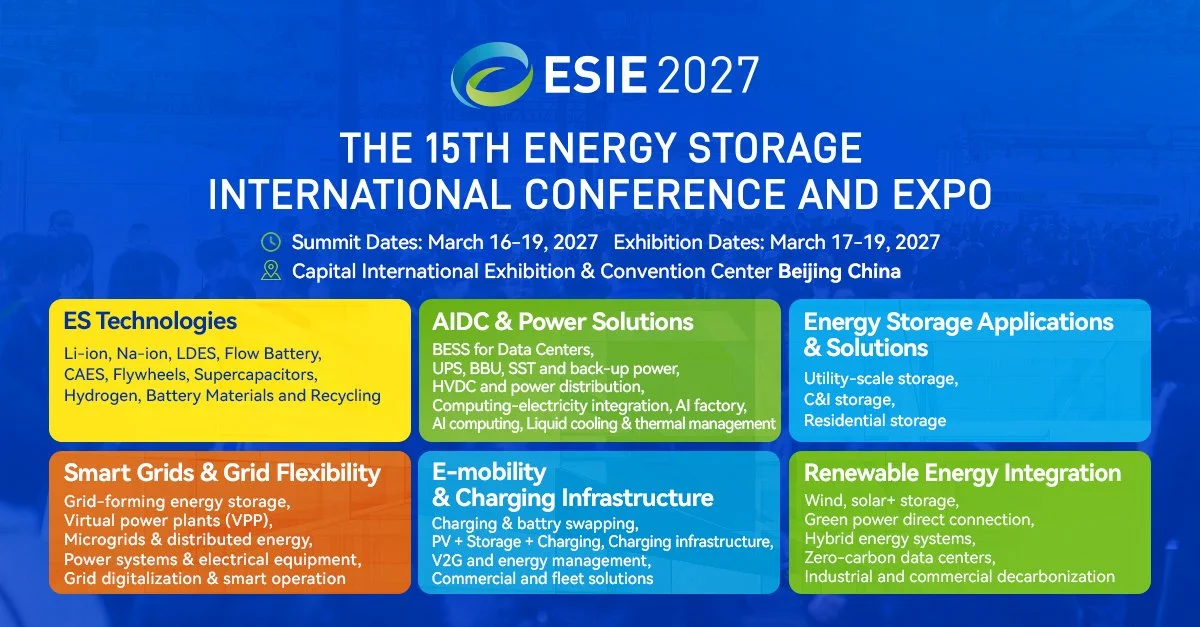
01 New Energy Storage
A panorama of the full technology roadmap of new energy storage, covering frontier technologies such as lithium, sodium, flow batteries, solid-state batteries, compressed air, flywheel, and hydrogen. Frontier technology conferences led by academicians and global first-release events for new energy storage products help companies debut next-generation energy storage technology products.
02 AIDC Energy Storage
The first AIDC display section in a professional energy storage exhibition, focusing on rack-level backup power, data hall-level power supply, power supply architecture upgrades, and thermal management, covering the full chain of BBUs, high-rate cells, UPS, SST, and more. High-value buyers from the three major telecom operators, cloud vendors, and IDC operators in attendance.
03 Full-Stack Energy Storage Solutions
Covering residential, C&I, and utility-scale scenarios, showcasing a complete product matrix from cells and core components to systems, and from hardware and software to operations. Multiple international business matchmaking sessions help companies go global.
04 Smart Grid
Focusing on grid adaptation technologies under high renewable penetration, showcasing grid-forming energy storage, flexible transmission, virtual power plants, and smart microgrids. Professional buyers from grid companies, power design institutes, and renewable plant owners in attendance.
05 Transportation-Energy Integration
Covering charging piles, battery-swap stations, integrated PV-storage-charging stations, V2G bidirectional charging/discharging systems, shore power for ships, port energy storage, and regenerative braking energy storage for rail transit - complete solutions for bidirectional vehicle-grid interaction. Cross-sector buyers from automakers, charging operators, mobility platforms, and transport infrastructure investors in attendance.
06 Green Energy
Around scenarios such as direct green power supply, large energy bases, zero-carbon parks, and integrated energy services, presenting zero-carbon solutions from renewable energy development and power trading to end-use energy. High-value buyers from industrial park owners, local governments, high-energy-consuming enterprises, power retail companies, and integrated energy service providers in attendance.
The World's Largest Energy Storage Exhibition
ESIE 2027: Six Core Advantages
01 Industry Leaders Gathered
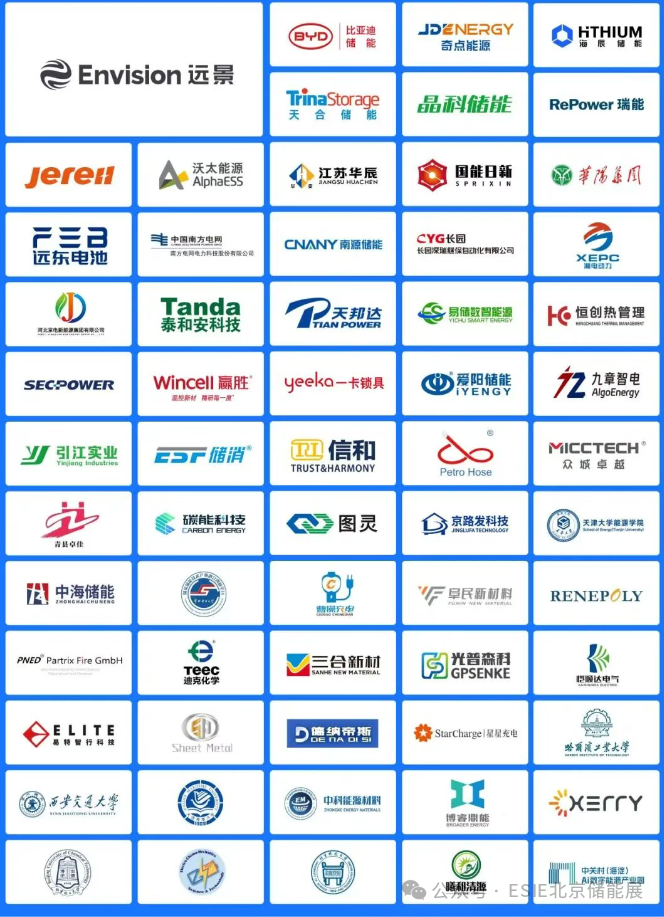
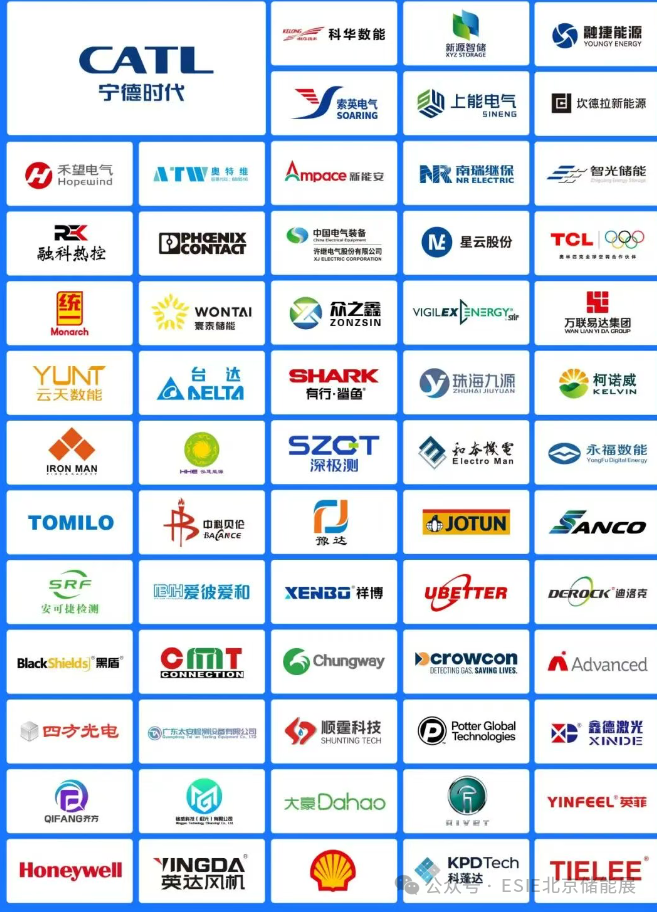
• Selected past exhibitors
02 Global Cooperation
• International buyers from 90+ countries and regions, covering core markets in Europe, Southeast Asia, the Middle East, and Africa;
• 4 international business matchmaking sessions for precise supply-demand matching.
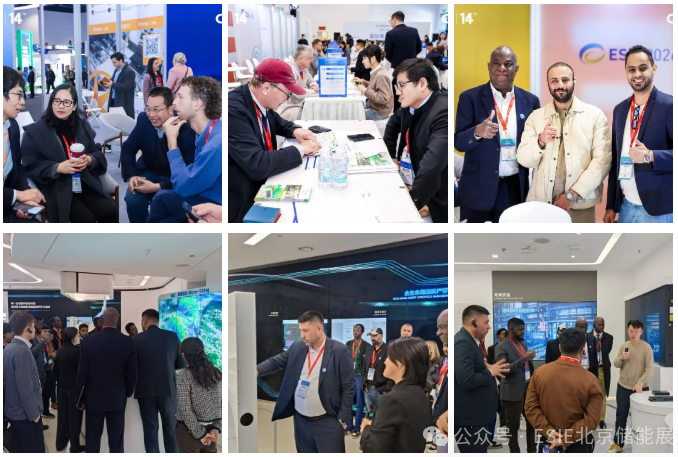
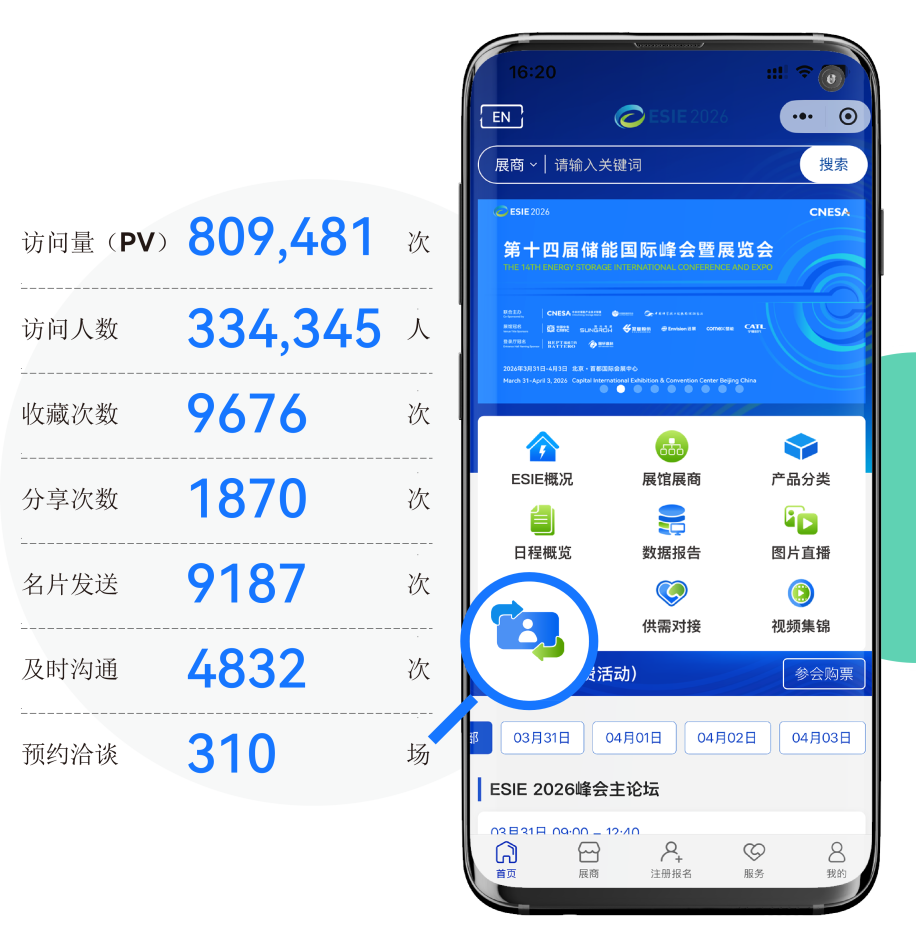
03 Efficient Matchmaking
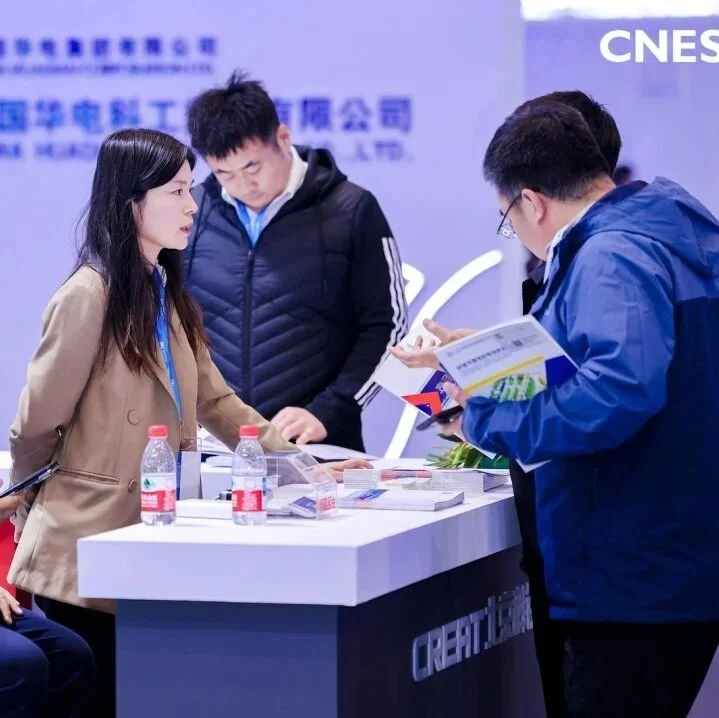
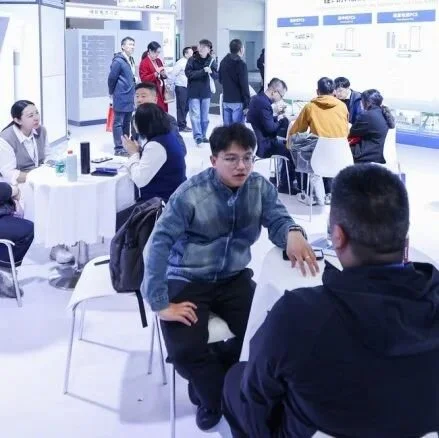
• Professional exhibition tour groups covering professional buyers such as central and state-owned energy groups, AIDC operators, and C&I park owners;
• Online smart matching plus offline supply-demand exchange to shorten the matchmaking process.
04 Authoritative Leadership
• Government and energy authorities, State Grid, China Southern Power Grid, and power generation groups in attendance.
• Leaders of top energy storage companies engage in deep dialogue on strategic development directions for the new cycle.
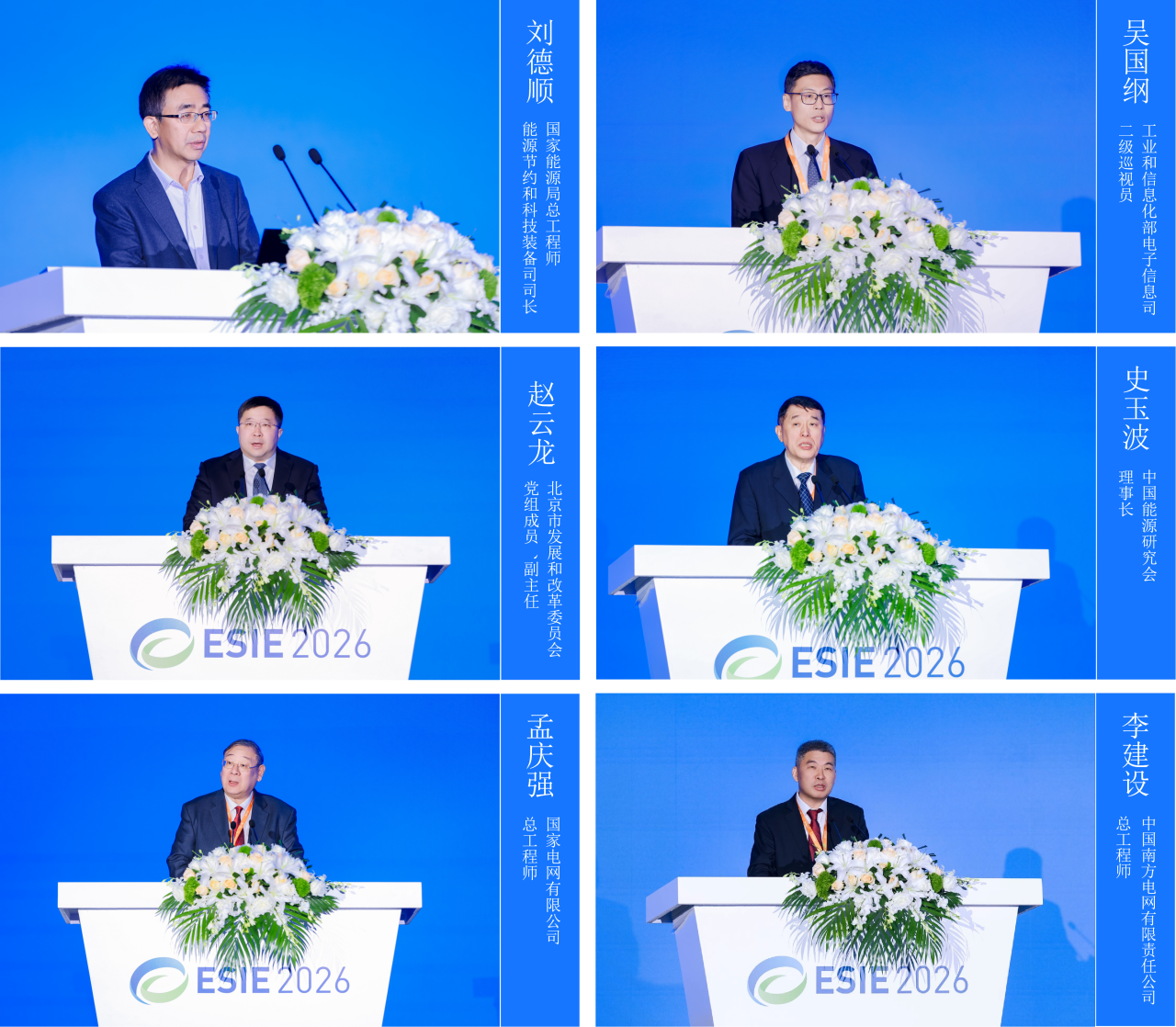
• Selected past guests
05 Technology Leadership
• More than ten academicians of the two academies in attendance;
• Assessment of the development status and future trends of frontier technologies such as hydrogen, long-duration energy storage, short-duration high-frequency energy storage, and grid-forming energy storage;
• Companies' annual blockbuster products make their global debuts here.
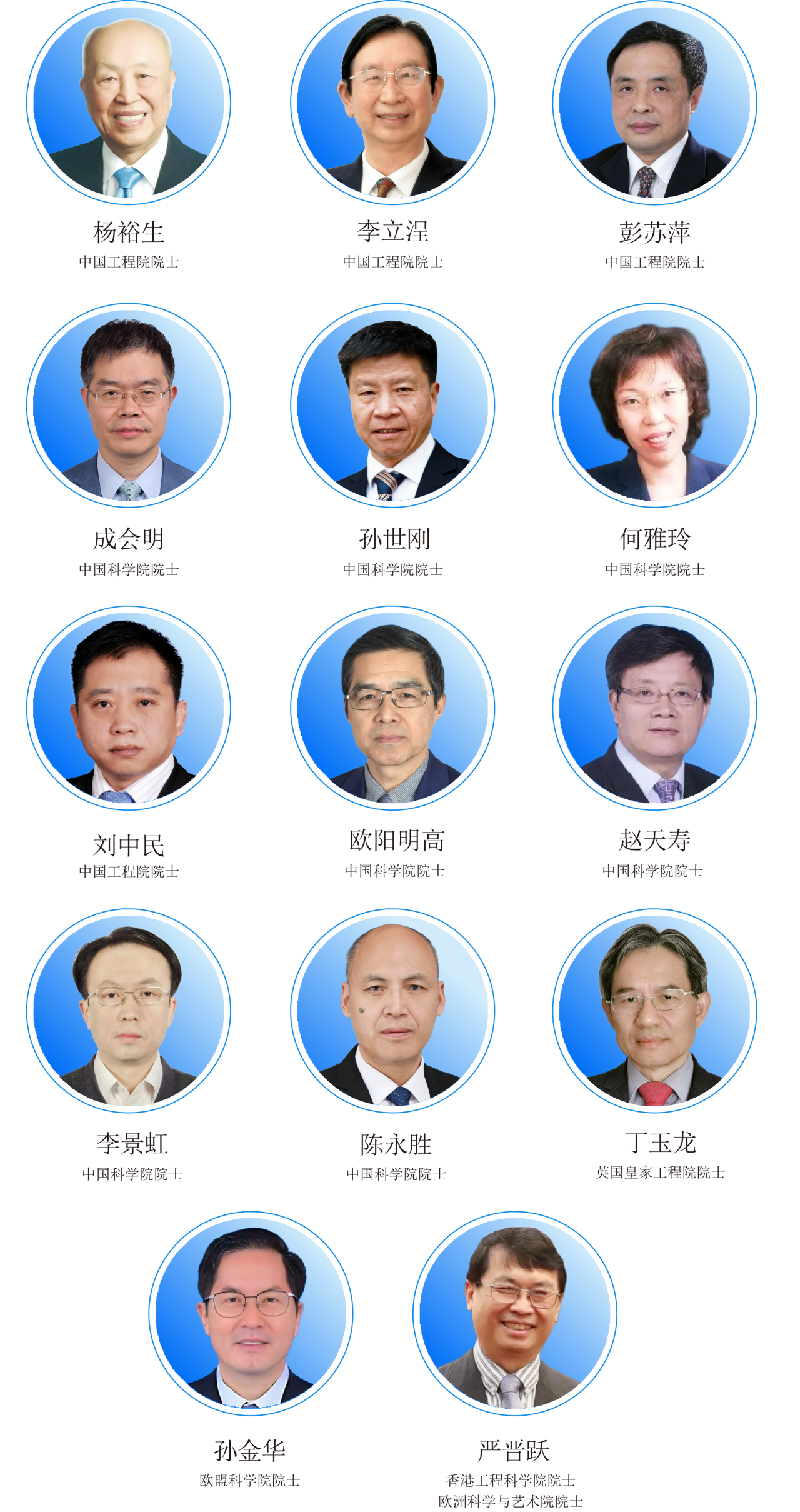
• Selected past guests
06 Industry-Academia-Research-Finance Synergy
• 40+ thematic forums with 400+ industry leaders taking the stage;
• Core topics from policy outlook, market mechanisms, and technology trends to industry-finance matchmaking, building a high ground for thought exchange in the energy storage industry.
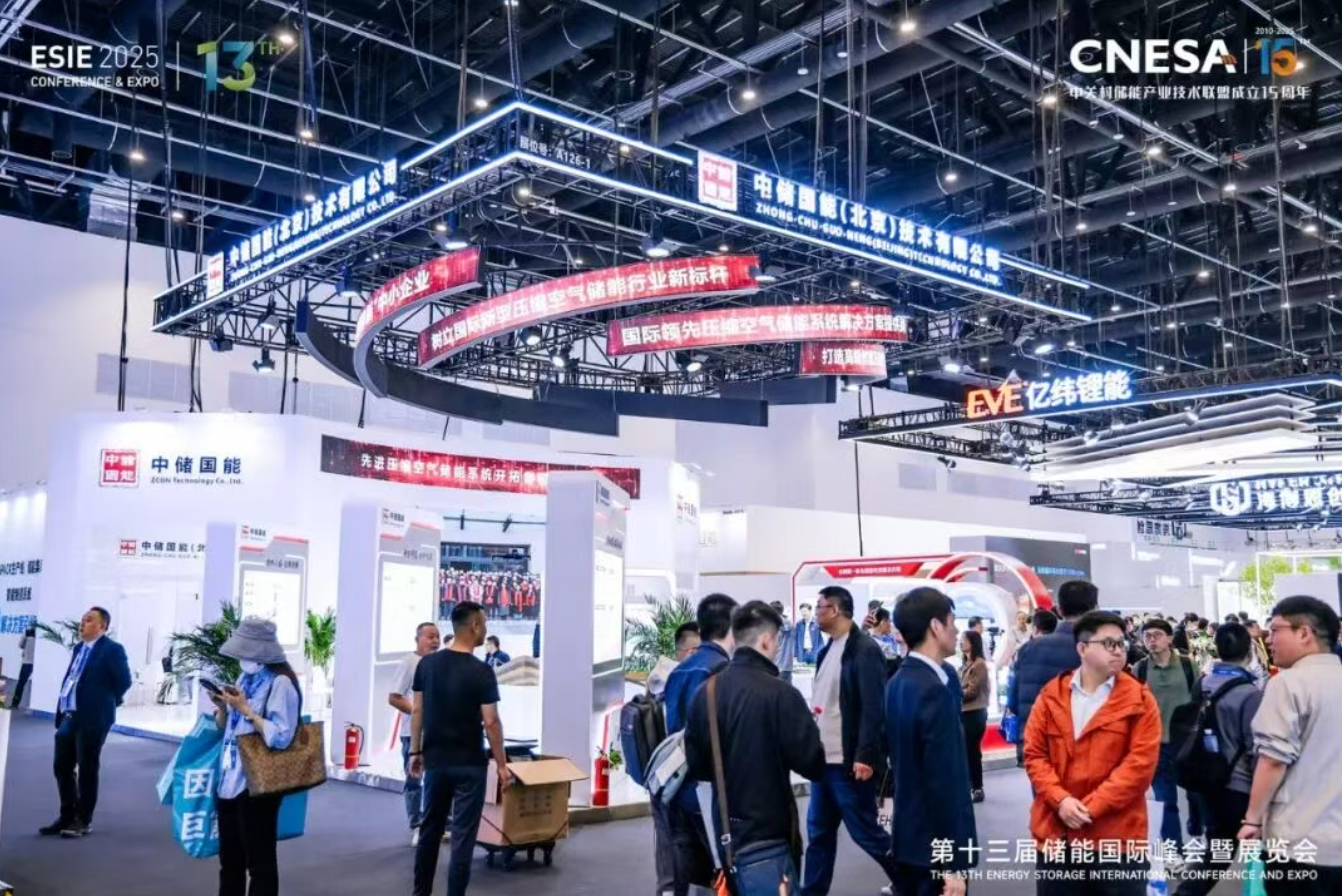
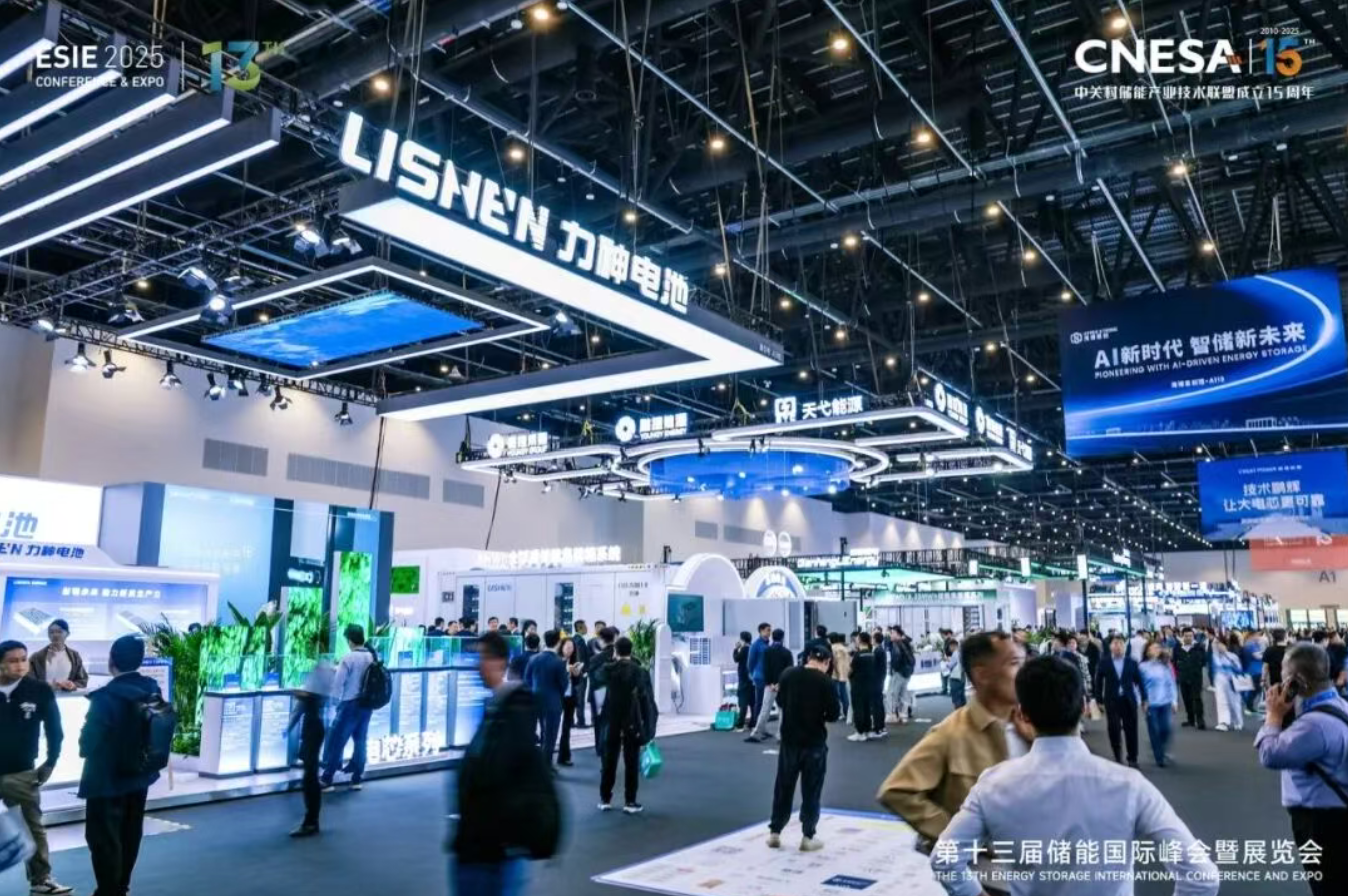
March 16-19, 2027
Beijing - Capital International Convention & Exhibition Center
ESIE 2027 cordially invites colleagues from the global energy storage community to reunite.
Together, let us build a new future of high-quality development for new energy storage!
10C Ultra-High Rate + Extreme Fire Test: Shuangdeng DP60 AIDC Lithium System Launched Overseas
Shuangdeng Group has confirmed its participation in the 15th Energy Storage International Summit and Exhibition (ESIE 2027). The company will present its annual new products and full-scenario solutions, and cordially invites industry colleagues to gather for the annual global energy storage event!
As the global AI computing wave surges forward, high pulse load impacts, high-density rack deployment, and 24/7 uninterrupted computing output mean that the demands of AIDC scenarios on backup power storage have long surpassed basic stable power supply, forcing the industry to redefine the safety boundaries and performance ceilings of systems.
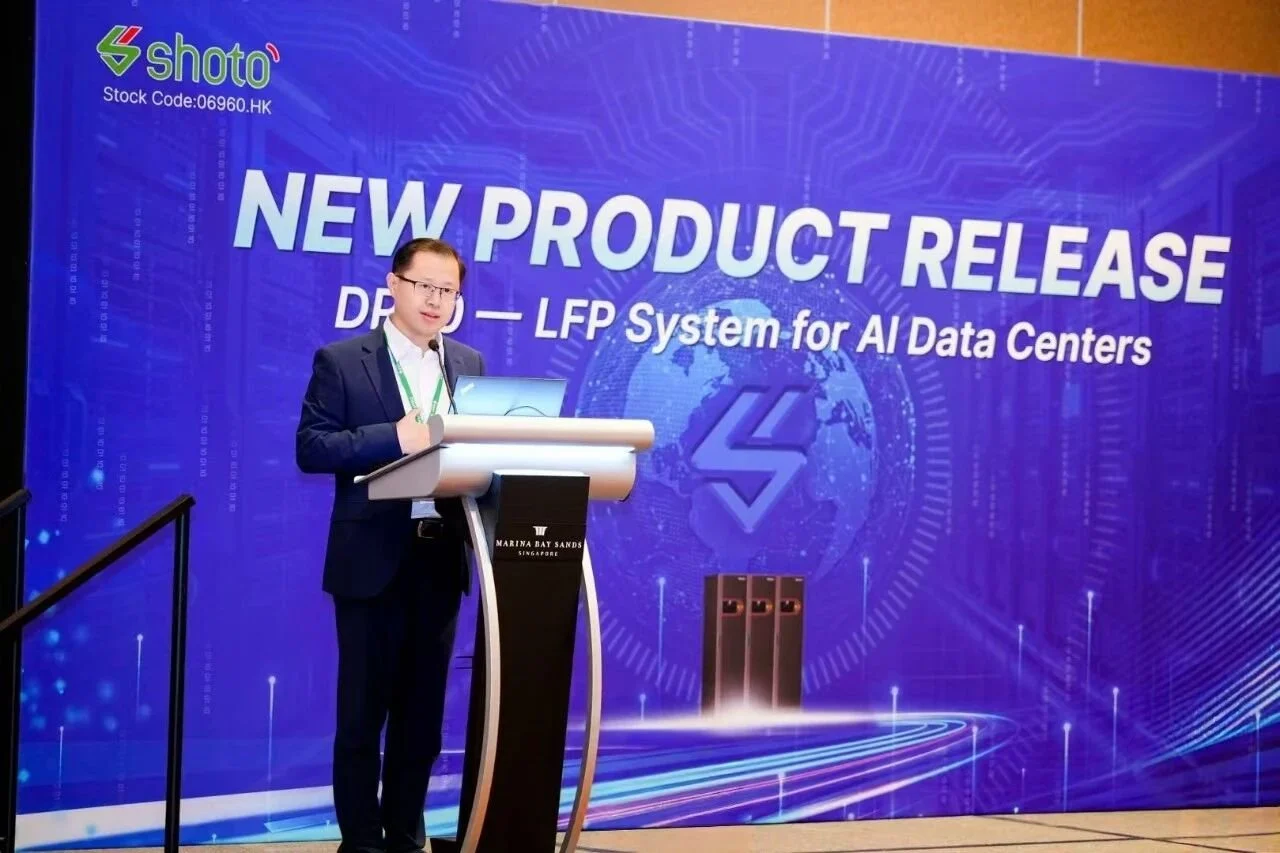
On September 30, Shuangdeng Group officially launched the DP60 high-rate AIDC lithium system overseas. As a new-generation high-power energy storage backup product built for AI computing centers, DP60 relies on a full-chain safety architecture and breakthrough extreme performance to build a solid, reliable energy foundation for AIDC computing-electricity coordination.
Safety is the bottom line of computing energy storage, and the core origin of DP60's development.
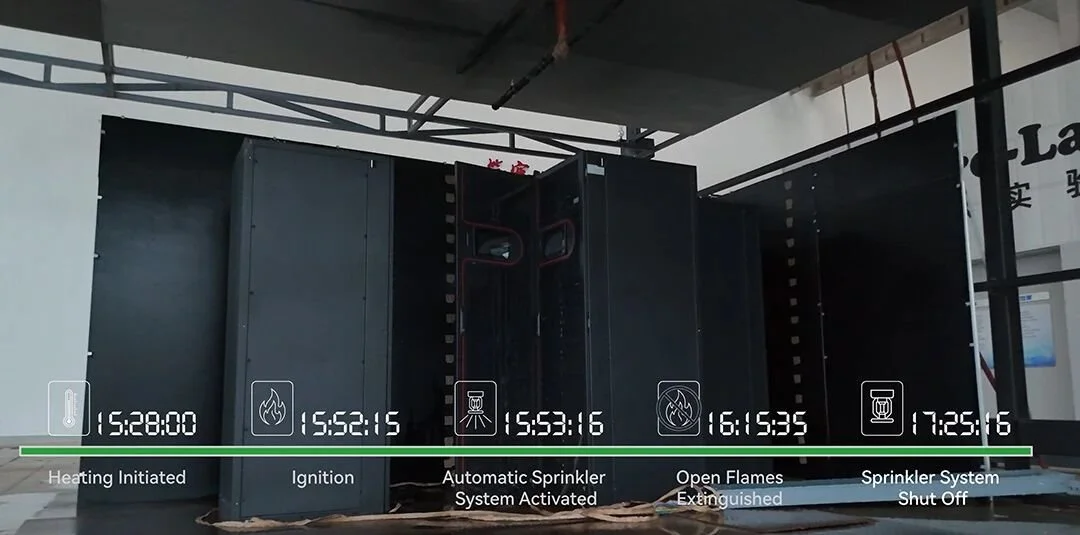
At the launch event, Shuangdeng publicly presented the results of an extreme large-scale fire test of the DP60 system under the UL 9540A framework. The test abandoned ideal laboratory conditions, reproducing 1:1 real boundary conditions of a machine room - 100% SOC fully charged, zero-spacing dense rack arrangement, and enclosed heat accumulation - and fully reproducing the complete thermal runaway process of the cells. The measured results showed that thermal runaway and open flames were strictly confined within a single cabinet, with no cross-cabinet fire spread, no explosion risk, no high-voltage arcing, and no re-ignition after the test; all assessment indicators passed in one go.
Beyond safety, DP60 comprehensively resets the performance benchmark of AIDC energy storage backup, achieving coordinated breakthroughs in three dimensions - power, space, and lifecycle:
10C ultra-high-rate discharge: millisecond-level response to computing power spikes
The system responds at the millisecond level to pulsed high-power loads brought by large model training, withstands instantaneous power impacts, keeps computing clusters continuously online under drastic load fluctuations, and easily adapts to the dynamic power throughput characteristics of AI business.
Extreme power density: releasing core space value of the machine room
A single cabinet occupies only 0.48 square meters, with a maximum output power of 630 kW and a power density of 1,312.5 kW per square meter. In intelligent computing machine rooms where space is at a premium, it sharply compresses the area taken by backup power systems, freeing more cabinet resources for computing deployment and effectively reducing data center infrastructure investment.
Ultra-high power and simplified link design: long-term stable operation
The system adopts large-capacity ultra-high-rate single cells and simplified series-parallel links, reducing electrical connection nodes, lowering system failure probability, and improving on-site integration and O&M efficiency. It matches the development needs of computing business over the long term, maximizing the full-lifecycle value of the equipment.
From the foundation of telecom energy storage to the main track of AIDC energy storage, Shuangdeng insists on starting from real scenarios rather than conceptual technology deductions, putting products through validation under extreme operating conditions. Every fire test and every round of reliability validation is, in essence, a solemn commitment to the safety of customer assets.
In the computing era, the reliability of the energy foundation determines the ceiling of the digital world. The DP60 high-rate AIDC lithium system integrates safety, power, and space efficiency, providing global intelligent computing centers with energy storage backup solutions that combine high performance and high safety, and supporting the high-quality deployment of green computing infrastructure.
At the launch site, the Shuangdeng team held in-depth exchanges with overseas customers, design institutes, and system integrators, conducting focused discussions on core topics such as global AIDC safety compliance standards, localization adaptation of overseas projects, and optimization of computing-storage coordination architectures, working with industry partners to empower the sustainable development of AIDC energy.
In the future, Shuangdeng will continue to deepen its presence in the AIDC energy storage track, leveraging full-industry-chain self-developed manufacturing capabilities to continuously refine product safety and performance, and building a safe, efficient, and sustainable computing-storage ecosystem with industry partners.
6 GWh Saudi Storage Order! Gotion High-tech Secures Its Largest Single Energy Storage Contract
Gotion High-tech has confirmed its participation in the 15th Energy Storage International Conference and Expo (ESIE 2027), where it will present its latest annual products and full-scenario solutions. We cordially invite industry peers to join us for this annual gathering of the global energy storage community!
Saudi Arabia's first batch of large-scale battery energy storage projects has recently been officially launched and entered the substantive construction phase.
Leveraging its solid product and technology capabilities in energy storage and its global service strengths, Gotion High-tech has secured the core 6 GWh energy storage order for the projects and will provide full energy storage solutions for Saudi Arabia's three major storage sites. This marks Gotion High-tech's formal breakthrough into the high-end energy storage market in the Middle East, and a key step for Chinese energy storage enterprises to participate deeply in the region's new energy transition and help build a new landscape for the global energy storage industry.
The Middle East presents a demanding climate, with extreme aridity, frequent sandstorms and sharp day-night temperature swings. The projects also adopt a BOO (build-own-operate) long-term operation model, which sets extremely high technical requirements on the reliability, durability and sustainability of energy storage products. In response to the extreme local working conditions and the core needs of long-term operation, Gotion High-tech has tailored an integrated, full-scenario energy storage system solution for the projects.
At the heart of the solution is Gotion's proprietary Qianyuan Smart Storage system, which offers high integration, large capacity and long cycle life. Supported by core technologies including modular integration, precise thermal management and intelligent battery management, the equipment operates stably across an ultra-wide temperature range of -30°C to 55°C. Dedicated high-temperature and sandstorm protection schemes further enhance the stability and reliability of the storage system in complex environments, providing all-round assurance for the safe, stable and long-term operation of Saudi Arabia's first large-scale battery projects.
Once completed and put into operation, the projects will store surplus photovoltaic power during the day and discharge it in an orderly manner during peak demand hours. This will effectively bridge the time mismatch between renewable generation and electricity demand, significantly strengthen the Saudi grid's ability to absorb renewable energy and its flexible regulation capability, and provide solid support for the stable operation of the region's new-type power system.
As benchmark energy storage projects continue to be delivered worldwide, Gotion High-tech is accelerating its value upgrade from “Made in China” to “Chinese technology + global services”. Going forward, Gotion High-tech will keep deepening its presence in the global new energy market and, together with regional industry partners, steadily deliver highly reliable energy storage technologies and full-stack solutions, injecting solid industrial momentum into the global energy transition and green, low-carbon development.
How to Sell Energy Storage Systems into AIDC? Understand the White, Gray, and Black Zones First
Demand for energy storage in AIDC (AI data centers) is shifting from “whether to install” to “where to install it and what problem it solves.”
At the roundtable “Storage-Computing Convergence: Technical and Commercial Practices of Power-Computing Coordination for Data Centers in the Era of Large Models” at the recently held 11th Western Energy Storage Forum, front-line speakers from data center operators and energy storage companies pointed out that, from the campus-level energy foundation to the rack side close to GPUs, different time scales correspond to completely different storage technology routes, and no single product fits all scenarios.
The forum was hosted by the China Energy Research Society, Lanzhou University, and the China Energy Storage Alliance (CNESA). Tang Liang, Deputy Secretary-General of CNESA, moderated the dialogue, joined by Chen Shengjun, Senior Vice President of Chindata Group; Qi Yebai, Senior Vice President and Head of Energy Planning of VNET Group; Ma Jiaxin, Director of Energy Storage Solutions of Shuangdeng Group; and Zhang Kexin, Senior Manager of Policy Research of HyperStrong.
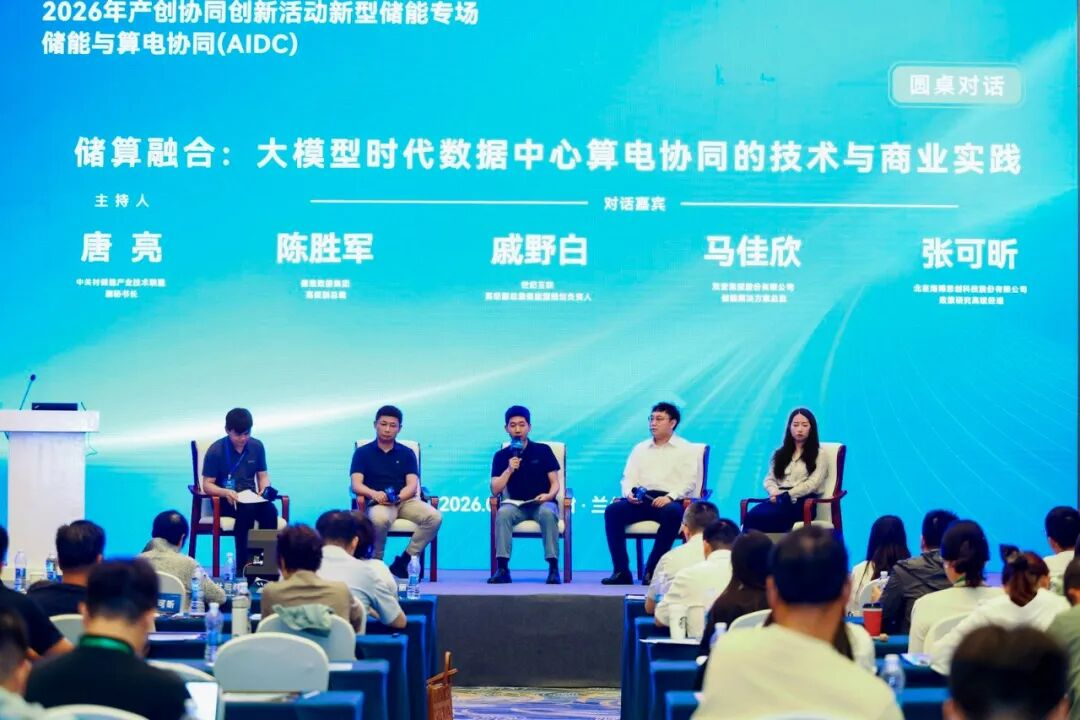
Value Ranking of Energy Storage in AIDC
Deploying energy storage in AIDC must follow the basic logic of “demand driving technology and product selection.” In other words, storage at different levels must first answer what the user’s real pain points are, rather than discussing how much revenue it can bring.
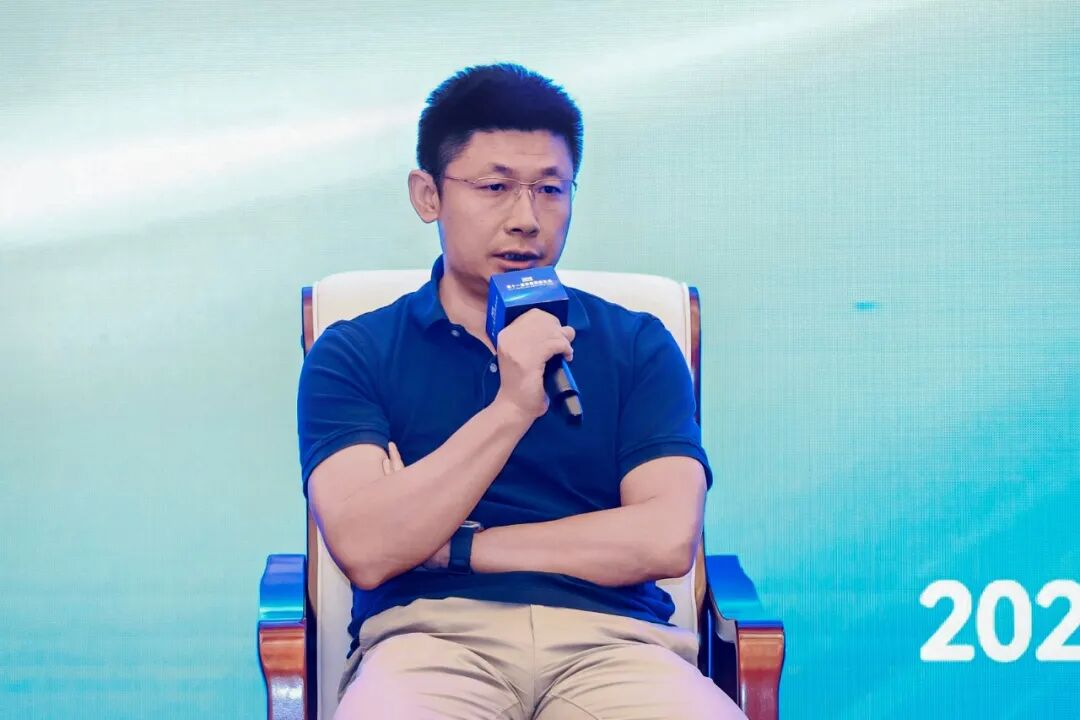
Chen Shengjun, Senior Vice President of Chindata Group, divides the value of energy storage into four levels.
The first is CAPEX (capital expenditure) — whether upfront development and O&M costs can be reduced. If a suitable storage and power supply scheme can cut related capital input, its value first shows at the initial investment stage.
The second is avoiding SLA penalties. For critical business, the value of a stable power supply far exceeds electricity price differentials. Once supply continuity is affected, penalties faced by a data center can reach hundreds of millions of yuan.
The third is reducing OPEX (operating expenditure), including daily operating costs such as electricity bills.
Only the fourth is the additional revenue gained from deploying storage. Chen stressed that simply emphasizing “how much money storage can make for me” is not the first concern of data center owners.
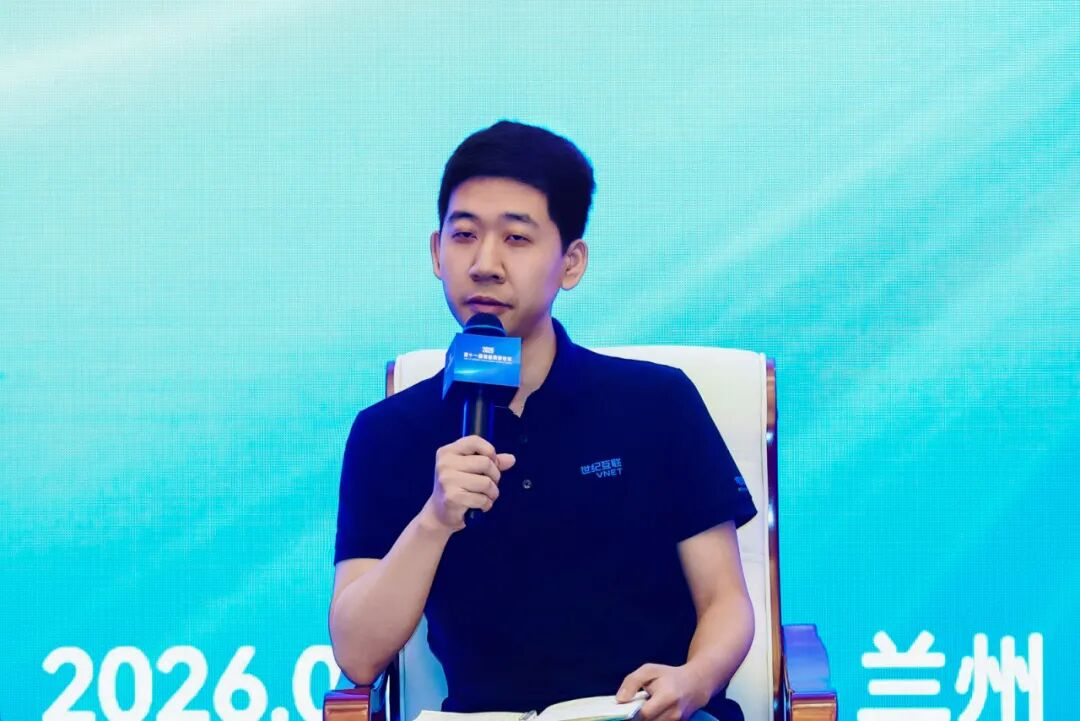
Qi Yebai, Senior Vice President and Head of Energy Planning of VNET Group, also said that the necessity of storage entering AIDC can be summarized in two points: first, making a real contribution to the power supply by providing power support, instantaneous supply, and reliability assurance; second, gaining verified economics. At present, however, the electricity costs saved by storage through peak-valley arbitrage and demand management account for at most 5%–10% of total OPEX — a value mismatch compared with the hundreds of billions of yuan of computing assets that need protection. The value of storage should therefore be measured not by “how much electricity was saved” but by “how much assets were safeguarded.”
Technology Routes of AIDC Energy Storage
For AIDC loads, the core of storage technology routes lies not in one battery type covering everything, but in matching capabilities across different zones and time scales. Chen Shengjun summarizes this as differentiated configuration across the white zone, gray zone, and black zone.
White Zone: Second- and Millisecond-Level Response to Power Transients
The “white zone” refers to the computer room area housing IT equipment — where server cabinets actually compute and power is directly supplied to computing — and also to the low-voltage supply area from inside the cabinet down to the chip level (generally within 48V). It is where power consumption of the entire data center is most concentrated and most volatile. During AI training, GPU load can jump from idle to full load within milliseconds, easily causing voltage sag or false triggering of overload protection.
The “white zone” therefore emphasizes power-type storage with second- or even millisecond-level response, aiming mainly to stabilize power fluctuations, suppress peaks, and reduce demand charges. To meet this need, technologies such as capacitors, supercapacitors, and high-rate lithium batteries in BBUs are more targeted.
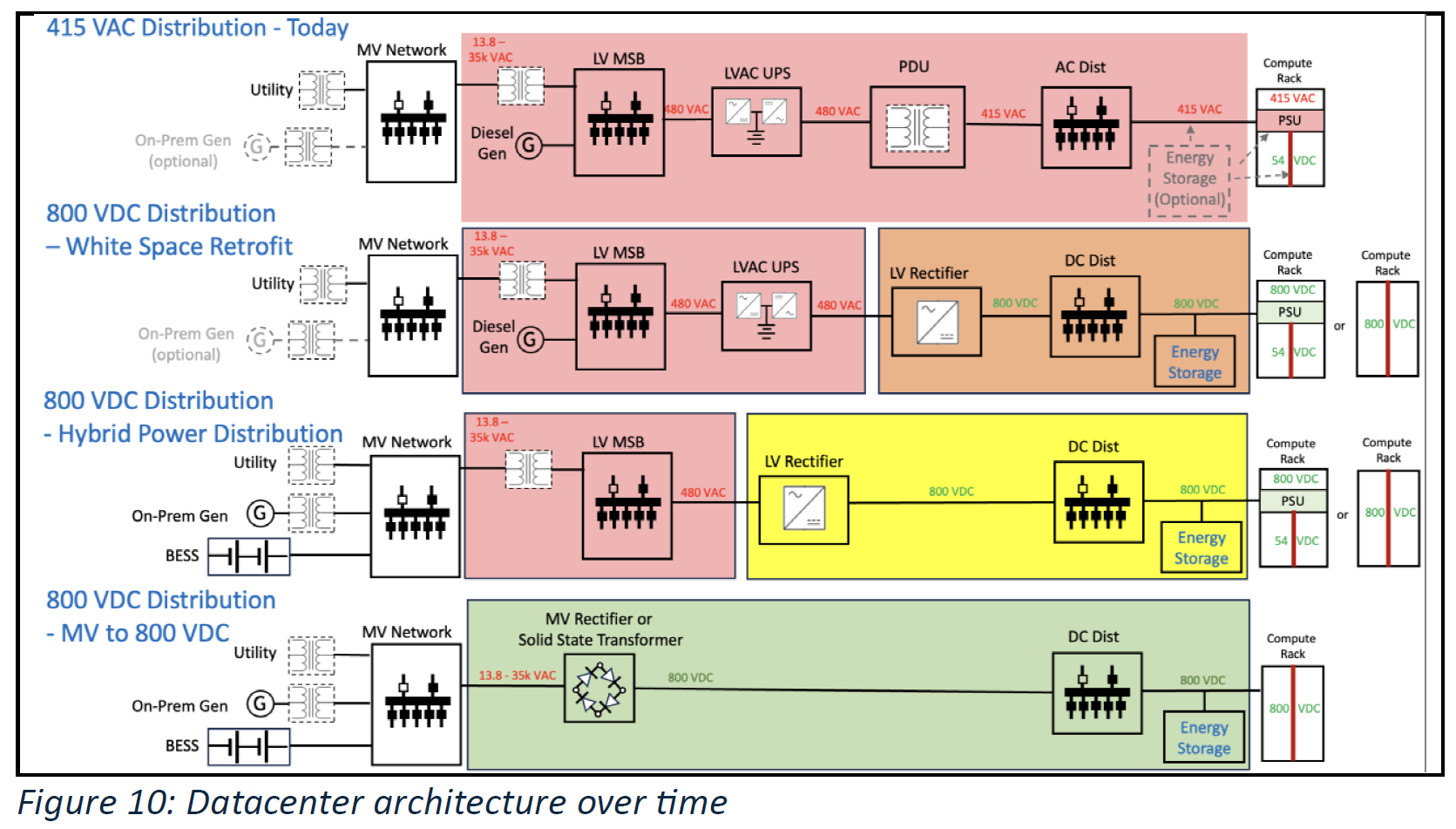
Gray Zone: Minutes to Hours, Driving SST and High-Rate Battery Demand
The “gray zone” refers to the area housing back-end infrastructure such as electrical and mechanical equipment, providing power supply, cooling, and other supporting functions. As cabinet power density rises, supply voltage is being upgraded from traditional AC to 800V or even higher-voltage DC to reduce line losses. SST (solid-state transformer) is seen as the key technology for gray-zone transformation: it can step down voltage directly from the high-voltage grid and output high-voltage DC matching the cabinets, simplifying the gray-zone structure and achieving AC/DC compatibility.
Compared with the white zone, the gray zone operates on longer time scales, typically from minutes up to an hour. Lead-acid batteries in traditional UPS will not be fully replaced in the short term, but options such as sodium-ion, high-rate LFP, and supercapacitors are entering retrofits and comparisons. For scenarios converting general-purpose computing rooms into intelligent computing rooms, adding high-power compensation in the gray zone is also a technology path suited to local conditions.
Black Zone: Long-Duration Storage Demand Emerges
The “black zone” refers to the connection point between the bulk grid and the behind-the-meter microgrid, covering utility access, transformers, storage, backup power, and microgrid dispatch — a critical area for ensuring supply continuity and power-computing coordination. Closer to the high-voltage side and the power source side, the black zone can also be planned in a unified way with direct green power connections. Here, long-duration storage can serve as the energy foundation and long-term backup, with demand for 6-hour, 8-hour, and even longer durations becoming evident. For scenarios combining a high share of renewables with a high share of power-electronic loads, grid-forming storage can provide regulation capability and reduce major losses from risks such as wideband oscillation.
Solution Selection for AIDC Energy Storage
Qi Yebai believes that for data centers, different technology routes suit different risk types. Meanwhile, technology routes should not be viewed statically: technology is advancing and customer awareness is changing too.
Qi also pointed out that campus-type wholesale IDC and urban retail IDC follow different logic: for the former, large customers come first and the campus is built afterwards, with customers directly setting the technical standards; for the latter, the computer room is built first and customers are found later. Since a single project of a large customer can reach hundreds of megawatts, storage solutions must be highly customized and cannot be configured along the standardized product logic of traditional utility-scale storage.

Zhang Kexin of HyperStrong noted that on the AIDC computer-room side, HyperStrong is also developing solid-state transformer (SST) products, with releases planned before the end of this year. On the energy foundation side, where wider power access and system regulation must be considered, HyperStrong proposes a “lithium-sodium synergy” approach: sodium-ion batteries handle short-duration shocks, fluctuations, and switching, while lithium-ion batteries handle longer-duration regulation and peak shaving — matching AIDC’s multi-timescale needs through a division of labor between different electrochemical systems.
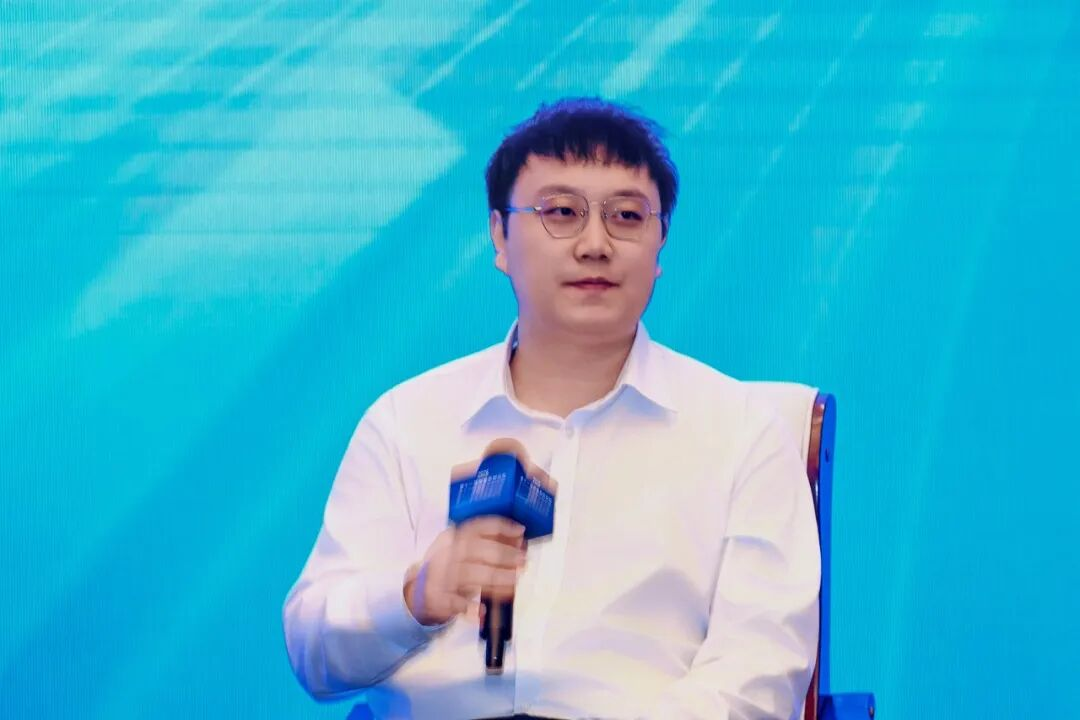
Ma Jiaxin, Director of Energy Storage Solutions of Shuangdeng Group Co., Ltd., said that AIDC customers’ customization needs are completely different, with a “disruptive” impact on storage products, especially in the North American market. On one hand, cells must withstand short-duration, high-frequency, high-current discharge while also meeting long-duration operation and lifetime requirements; on the other, AIDC’s requirement for SOH (state of health) estimation accuracy may rise from the industry-common 5%–6% to 2%–3%.
Moreover, the integration of backup power and energy storage means control strategies cannot remain static: as battery capacity degrades, the system must dynamically adjust the capacity allocated to backup versus economic operation according to SOH, and thermal management strategies differ under different operating conditions. For PCS, grid-following, grid-forming, off-grid operation, and smooth switching capabilities are required.
AIDC Energy Storage Market Size
Zhang Kexin of HyperStrong looked ahead to future development models. Today’s mainstream power-computing coordination is a one-way, downstream-to-upstream demand model: computing companies demand from AIDC, and AIDC demands from the power supply. In the future it may evolve into two-way regulation between computing and power, as AIDC advances from traditional cabinet rental and server rental models into a “Token factory,” requiring more adjustable resources and giving energy storage much larger room to play.
Ma Jiaxin believes AIDC energy storage is about to enter an explosive growth period — but only after market acceptance, demonstration projects, and testing and certification of new products all run smoothly, after which development will accelerate rapidly. At the same time, overseas policy risks deserve attention: recent US bans targeting energy storage systems and related equipment will have some impact on Chinese companies entering the North American market.
Qi Yebai of VNET Group raised a neglected incremental scenario. He believes storage vendors’ thinking should not just circle between the two ends of “macro (source side)” and “micro (inside the computer room)”; in between lies a “mesoscopic” level: can Phase I and Phase II of the same customer be bridged? Can adjacent data centers be linked, using storage for DC transfer? Viewed from a broader perspective, some more differentiated value points can actually be matched. He encouraged companies to break out of inertial thinking and actively explore.
Chen Shengjun of Chindata Group stressed that next year is critical. Whether storage companies can deliver truly valuable products for data centers in 2027 will determine how large the storage market in the AIDC track can grow and how far it can go. Chen also revealed that from the end of this year into next year, new electrical architectures will be released one after another, and storage may be embedded within them.
The 15th Energy Storage International Conference and Expo (ESIE 2027) will be held on March 16–19, 2027 at the Beijing Capital International Convention and Exhibition Center. For the first time, the expo will feature an AIDC Energy Storage section, showcasing the complete AIDC storage industry chain, from high-rate cells, BBU backup power, UPS, and HVDC to solid-state transformers (SST) and complete system solutions.
China’s three major telecom operators, cloud service providers such as Tencent Cloud, third-party IDC operators such as Chindata and VNET, and leading overseas computing and cloud companies such as Amazon, Google, and Meta will gather at the event to share their on-the-ground practices in data center energy storage.
The expo will also set up an AIDC Energy Storage New Product Launch Zone, supporting companies to debut innovative products and technical solutions in the AIDC storage field. Whether entering the new AIDC storage track, launching annual innovative products, or connecting with upstream and downstream partners across the industry chain, ESIE 2027 is the industry’s key matchmaking platform.
Sign up for our free monthly newsletter to stay informed about the Chinese energy storage market.