
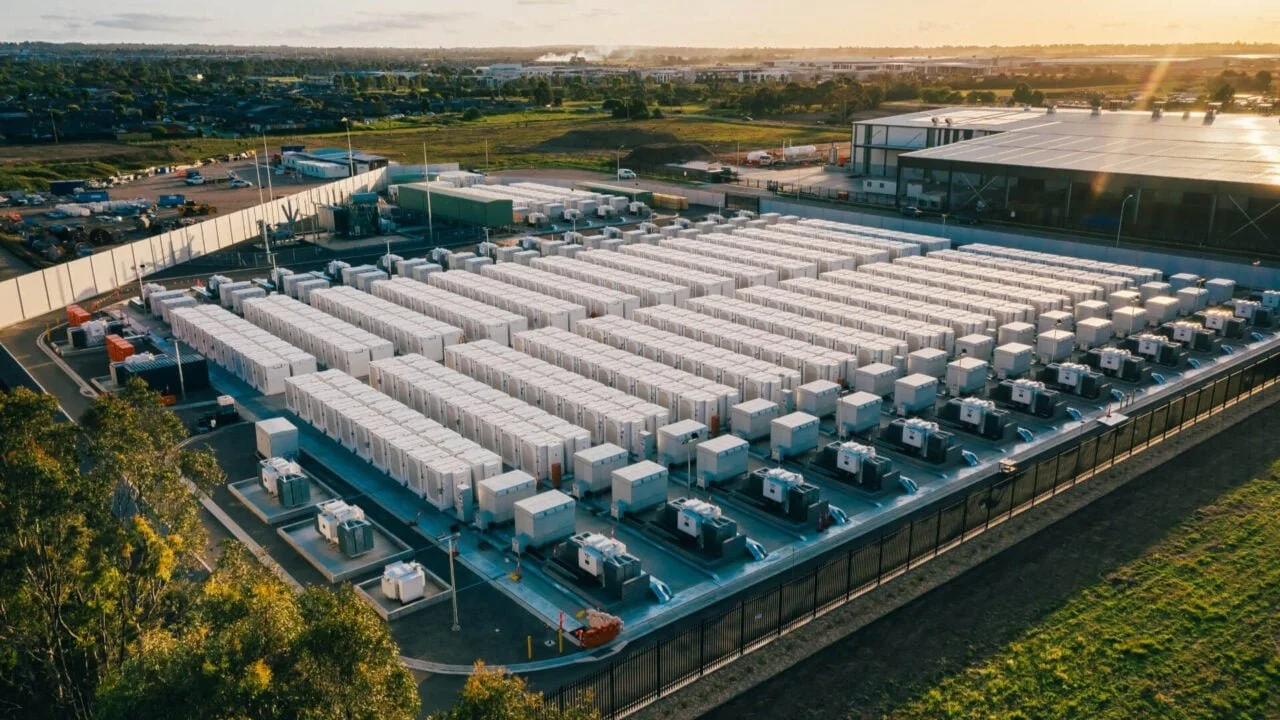
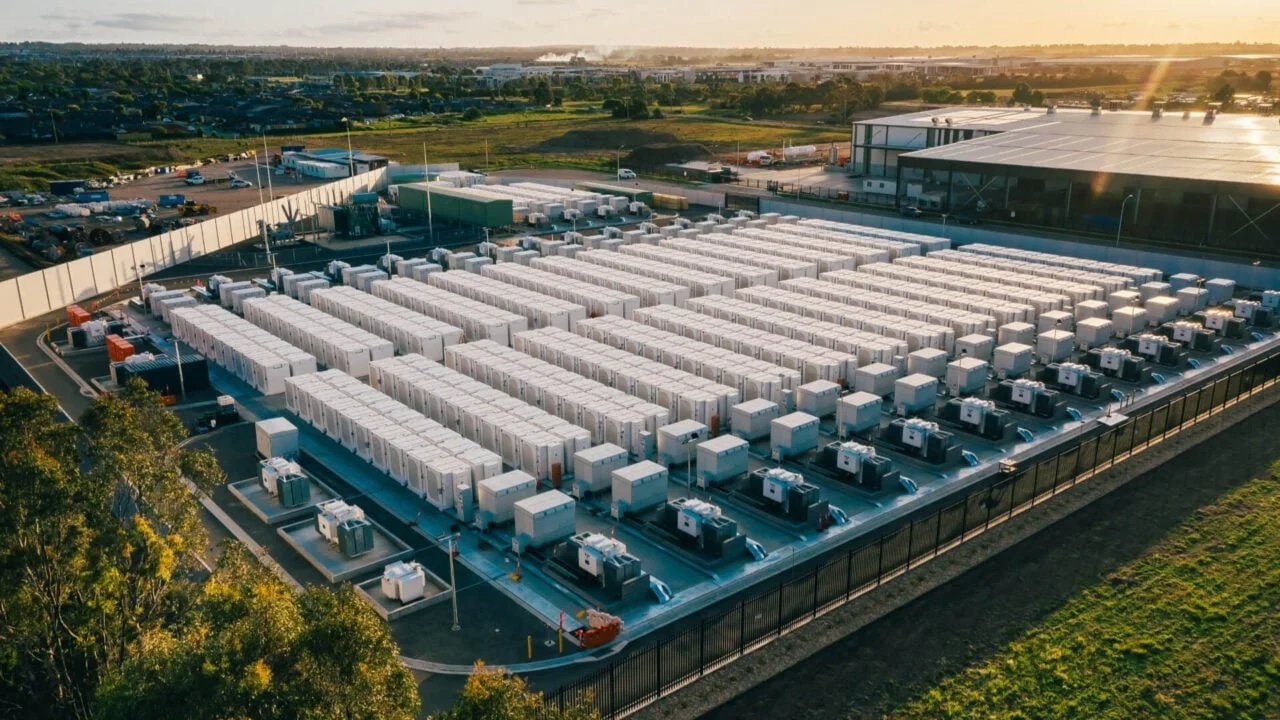
The report states that ARENA is well-placed to support energy storage technologies. Image: Eku Energy.
Australia’s Department of Climate Change, Energy, the Environment and Water has released the draft National Electricity Market (NEM) Review, signalling significant reforms aimed at integrating more renewable energy while safeguarding grid stability. Led by Associate Professor Tim Nelson, the independent review panel identifies energy storage as essential to managing a grid increasingly dominated by variable renewable energy (VRE). The report highlights risks of supply shortfalls in South Australia and New South Wales from 2026–28, underscoring the need for large-scale solutions like the 850MW Waratah Super Battery and long-duration energy storage (LDES) systems. Central to the proposals is an Electricity Services Entry Mechanism (ESEM), designed to provide long-term investment certainty for renewable and firming projects by targeting financial risks in later project years, integrating with derivatives markets, and embedding the scheme permanently in the National Electricity Law.
According to the draft, reforms should also boost participation in Essential System Services (ESS) such as frequency control and voltage regulation, traditionally supplied by fossil-fuel plants. The review recommends market designs, pricing mechanisms, and regulatory changes to enable batteries, pumped hydro, and other zero-emissions firming technologies to deliver these services. The Australian Renewable Energy Agency (ARENA) is flagged as well-positioned to accelerate deployment of scalable, low-emissions storage solutions, with immediate government action urged to bridge funding gaps. To improve market efficiency, the report proposes a permanent Mandatory Market Making Obligation (MMO) to enhance liquidity and price transparency in NEM derivatives, benefiting smaller retailers and supporting long-term investment signals in renewables and storage.
The draft also addresses the growing influence of flexible demand and “hidden” resources like rooftop solar on price formation and system stability, calling for reforms to improve visibility, bidding practices, and market price setting. Consultation closes 17 September 2025, with the final report expected by year’s end, according to the department.