
Latest News
How to Sell Energy Storage Systems into AIDC? Understand the White, Gray, and Black Zones First
Demand for energy storage in AIDC (AI data centers) is shifting from “whether to install” to “where to install it and what problem it solves.”
At the roundtable “Storage-Computing Convergence: Technical and Commercial Practices of Power-Computing Coordination for Data Centers in the Era of Large Models” at the recently held 11th Western Energy Storage Forum, front-line speakers from data center operators and energy storage companies pointed out that, from the campus-level energy foundation to the rack side close to GPUs, different time scales correspond to completely different storage technology routes, and no single product fits all scenarios.
The forum was hosted by the China Energy Research Society, Lanzhou University, and the China Energy Storage Alliance (CNESA). Tang Liang, Deputy Secretary-General of CNESA, moderated the dialogue, joined by Chen Shengjun, Senior Vice President of Chindata Group; Qi Yebai, Senior Vice President and Head of Energy Planning of VNET Group; Ma Jiaxin, Director of Energy Storage Solutions of Shuangdeng Group; and Zhang Kexin, Senior Manager of Policy Research of HyperStrong.
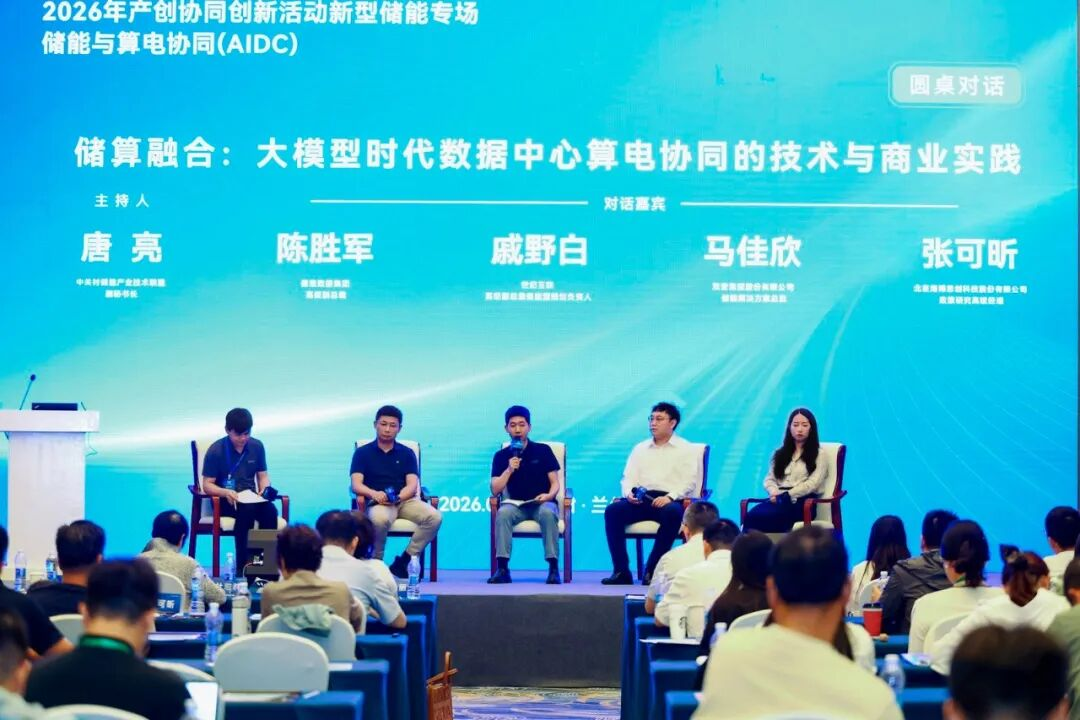
Value Ranking of Energy Storage in AIDC
Deploying energy storage in AIDC must follow the basic logic of “demand driving technology and product selection.” In other words, storage at different levels must first answer what the user’s real pain points are, rather than discussing how much revenue it can bring.
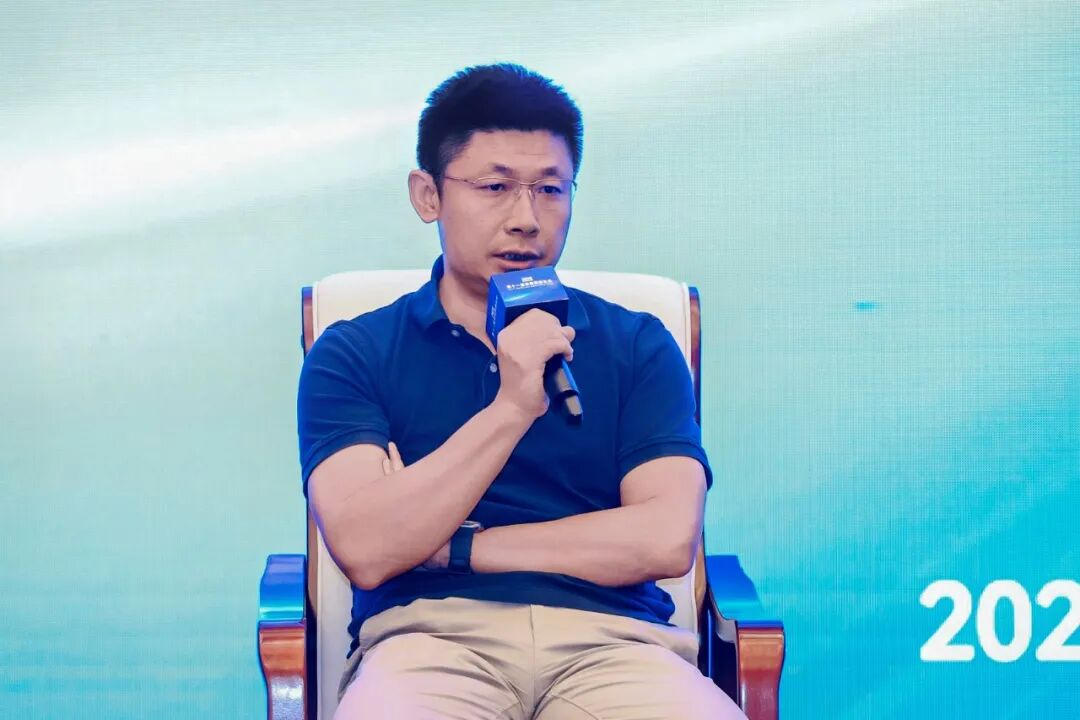
Chen Shengjun, Senior Vice President of Chindata Group, divides the value of energy storage into four levels.
The first is CAPEX (capital expenditure) — whether upfront development and O&M costs can be reduced. If a suitable storage and power supply scheme can cut related capital input, its value first shows at the initial investment stage.
The second is avoiding SLA penalties. For critical business, the value of a stable power supply far exceeds electricity price differentials. Once supply continuity is affected, penalties faced by a data center can reach hundreds of millions of yuan.
The third is reducing OPEX (operating expenditure), including daily operating costs such as electricity bills.
Only the fourth is the additional revenue gained from deploying storage. Chen stressed that simply emphasizing “how much money storage can make for me” is not the first concern of data center owners.
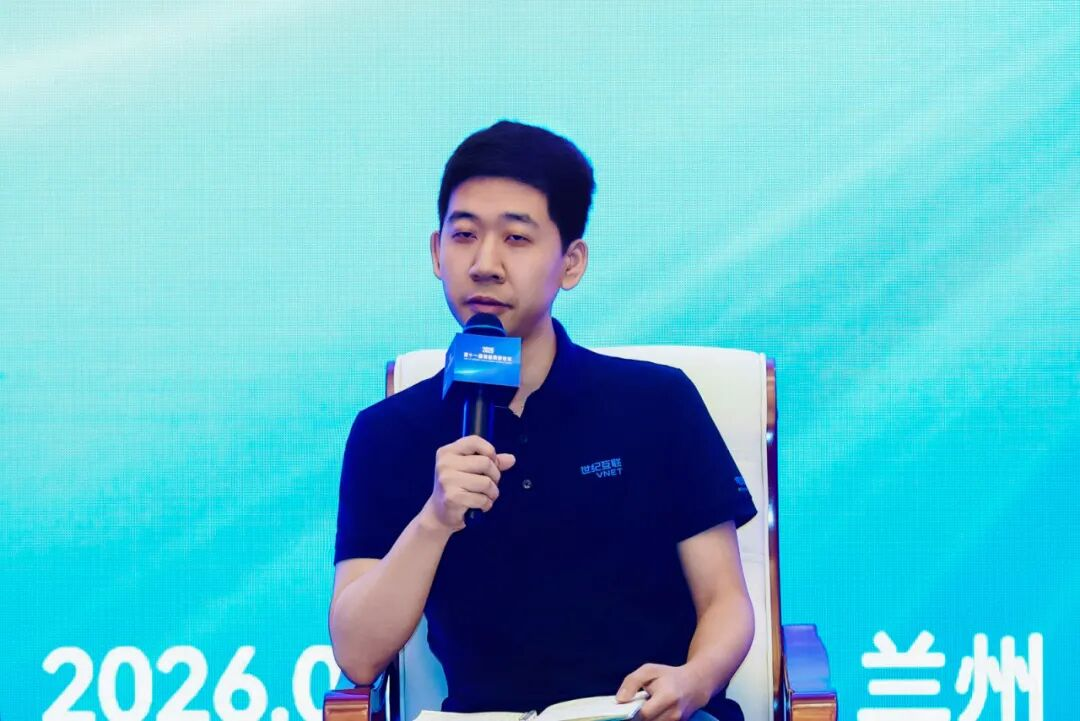
Qi Yebai, Senior Vice President and Head of Energy Planning of VNET Group, also said that the necessity of storage entering AIDC can be summarized in two points: first, making a real contribution to the power supply by providing power support, instantaneous supply, and reliability assurance; second, gaining verified economics. At present, however, the electricity costs saved by storage through peak-valley arbitrage and demand management account for at most 5%–10% of total OPEX — a value mismatch compared with the hundreds of billions of yuan of computing assets that need protection. The value of storage should therefore be measured not by “how much electricity was saved” but by “how much assets were safeguarded.”
Technology Routes of AIDC Energy Storage
For AIDC loads, the core of storage technology routes lies not in one battery type covering everything, but in matching capabilities across different zones and time scales. Chen Shengjun summarizes this as differentiated configuration across the white zone, gray zone, and black zone.
White Zone: Second- and Millisecond-Level Response to Power Transients
The “white zone” refers to the computer room area housing IT equipment — where server cabinets actually compute and power is directly supplied to computing — and also to the low-voltage supply area from inside the cabinet down to the chip level (generally within 48V). It is where power consumption of the entire data center is most concentrated and most volatile. During AI training, GPU load can jump from idle to full load within milliseconds, easily causing voltage sag or false triggering of overload protection.
The “white zone” therefore emphasizes power-type storage with second- or even millisecond-level response, aiming mainly to stabilize power fluctuations, suppress peaks, and reduce demand charges. To meet this need, technologies such as capacitors, supercapacitors, and high-rate lithium batteries in BBUs are more targeted.
Gray Zone: Minutes to Hours, Driving SST and High-Rate Battery Demand
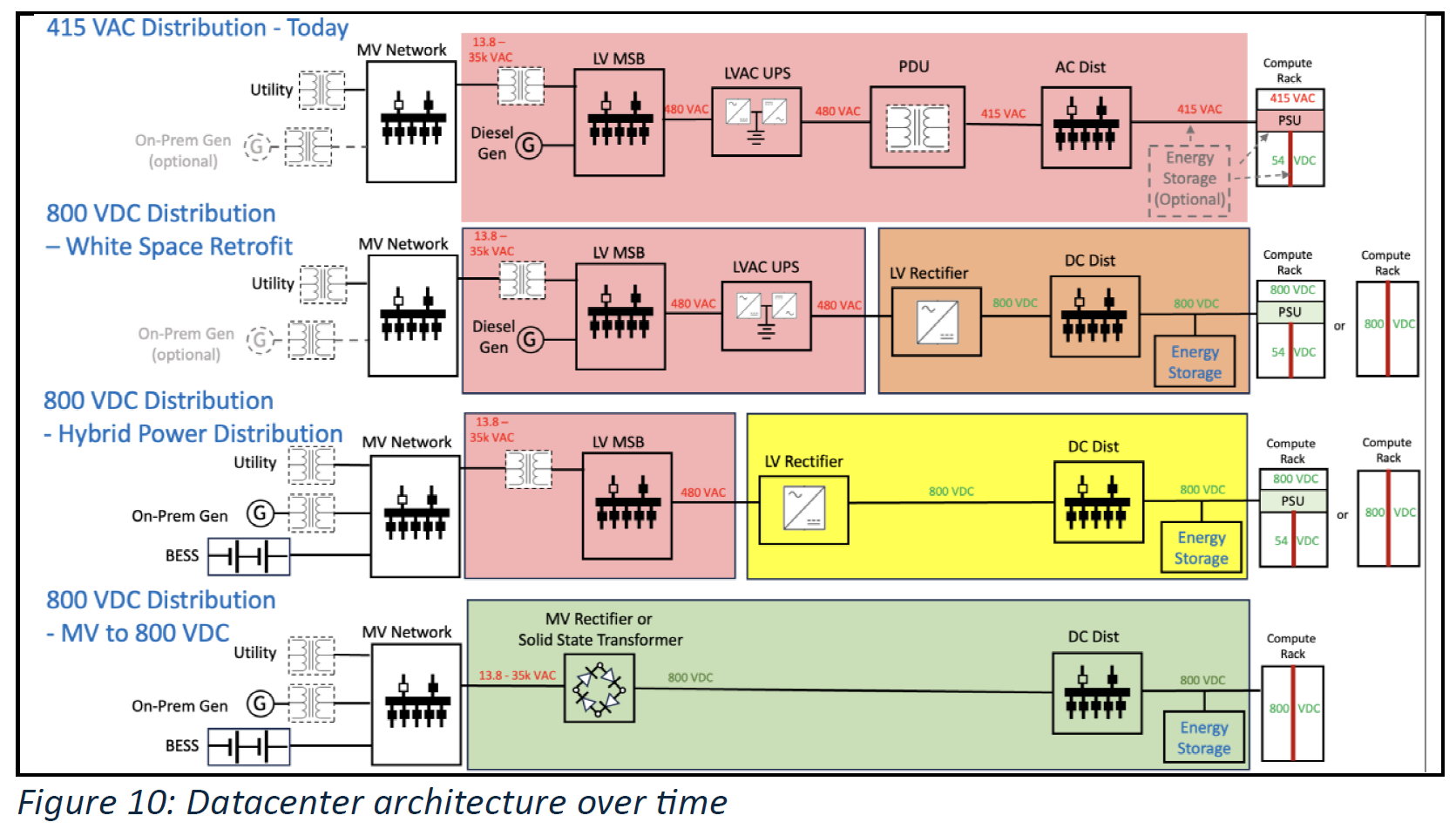
The “gray zone” refers to the area housing back-end infrastructure such as electrical and mechanical equipment, providing power supply, cooling, and other supporting functions. As cabinet power density rises, supply voltage is being upgraded from traditional AC to 800V or even higher-voltage DC to reduce line losses. SST (solid-state transformer) is seen as the key technology for gray-zone transformation: it can step down voltage directly from the high-voltage grid and output high-voltage DC matching the cabinets, simplifying the gray-zone structure and achieving AC/DC compatibility.
Compared with the white zone, the gray zone operates on longer time scales, typically from minutes up to an hour. Lead-acid batteries in traditional UPS will not be fully replaced in the short term, but options such as sodium-ion, high-rate LFP, and supercapacitors are entering retrofits and comparisons. For scenarios converting general-purpose computing rooms into intelligent computing rooms, adding high-power compensation in the gray zone is also a technology path suited to local conditions.
Black Zone: Long-Duration Storage Demand Emerges
The “black zone” refers to the connection point between the bulk grid and the behind-the-meter microgrid, covering utility access, transformers, storage, backup power, and microgrid dispatch — a critical area for ensuring supply continuity and power-computing coordination. Closer to the high-voltage side and the power source side, the black zone can also be planned in a unified way with direct green power connections. Here, long-duration storage can serve as the energy foundation and long-term backup, with demand for 6-hour, 8-hour, and even longer durations becoming evident. For scenarios combining a high share of renewables with a high share of power-electronic loads, grid-forming storage can provide regulation capability and reduce major losses from risks such as wideband oscillation.
Solution Selection for AIDC Energy Storage
Qi Yebai believes that for data centers, different technology routes suit different risk types. Meanwhile, technology routes should not be viewed statically: technology is advancing and customer awareness is changing too.
Qi also pointed out that campus-type wholesale IDC and urban retail IDC follow different logic: for the former, large customers come first and the campus is built afterwards, with customers directly setting the technical standards; for the latter, the computer room is built first and customers are found later. Since a single project of a large customer can reach hundreds of megawatts, storage solutions must be highly customized and cannot be configured along the standardized product logic of traditional utility-scale storage.

Zhang Kexin of HyperStrong noted that on the AIDC computer-room side, HyperStrong is also developing solid-state transformer (SST) products, with releases planned before the end of this year. On the energy foundation side, where wider power access and system regulation must be considered, HyperStrong proposes a “lithium-sodium synergy” approach: sodium-ion batteries handle short-duration shocks, fluctuations, and switching, while lithium-ion batteries handle longer-duration regulation and peak shaving — matching AIDC’s multi-timescale needs through a division of labor between different electrochemical systems.
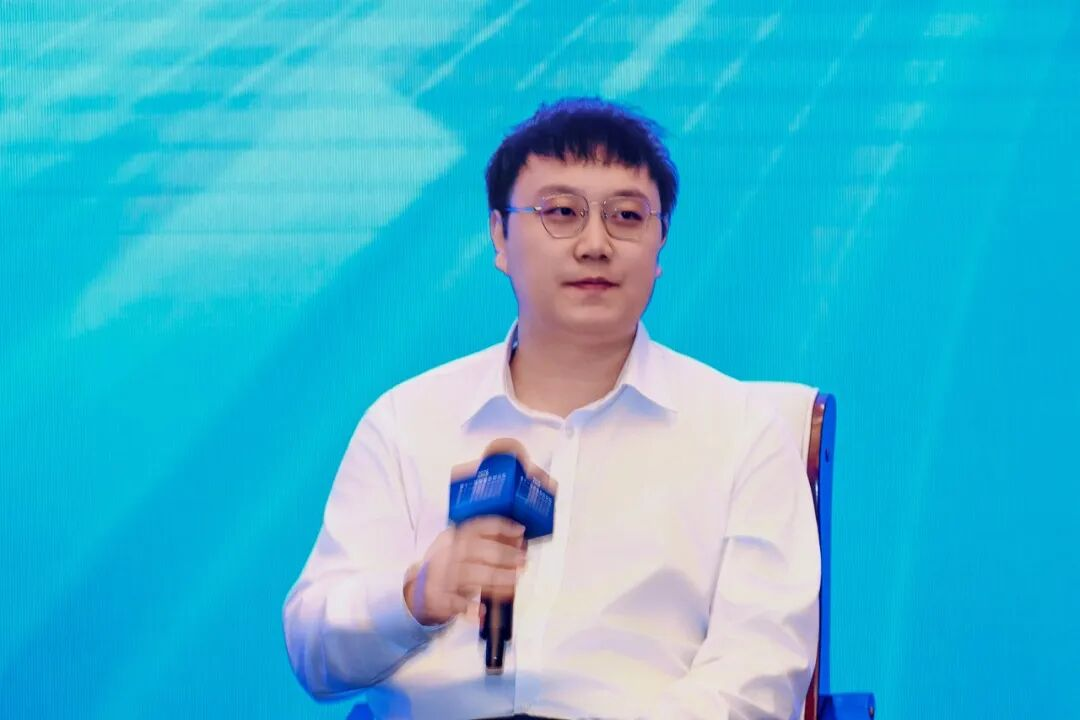
Ma Jiaxin, Director of Energy Storage Solutions of Shuangdeng Group Co., Ltd., said that AIDC customers’ customization needs are completely different, with a “disruptive” impact on storage products, especially in the North American market. On one hand, cells must withstand short-duration, high-frequency, high-current discharge while also meeting long-duration operation and lifetime requirements; on the other, AIDC’s requirement for SOH (state of health) estimation accuracy may rise from the industry-common 5%–6% to 2%–3%.
Moreover, the integration of backup power and energy storage means control strategies cannot remain static: as battery capacity degrades, the system must dynamically adjust the capacity allocated to backup versus economic operation according to SOH, and thermal management strategies differ under different operating conditions. For PCS, grid-following, grid-forming, off-grid operation, and smooth switching capabilities are required.
AIDC Energy Storage Market Size
Zhang Kexin of HyperStrong looked ahead to future development models. Today’s mainstream power-computing coordination is a one-way, downstream-to-upstream demand model: computing companies demand from AIDC, and AIDC demands from the power supply. In the future it may evolve into two-way regulation between computing and power, as AIDC advances from traditional cabinet rental and server rental models into a “Token factory,” requiring more adjustable resources and giving energy storage much larger room to play.
Ma Jiaxin believes AIDC energy storage is about to enter an explosive growth period — but only after market acceptance, demonstration projects, and testing and certification of new products all run smoothly, after which development will accelerate rapidly. At the same time, overseas policy risks deserve attention: recent US bans targeting energy storage systems and related equipment will have some impact on Chinese companies entering the North American market.
Qi Yebai of VNET Group raised a neglected incremental scenario. He believes storage vendors’ thinking should not just circle between the two ends of “macro (source side)” and “micro (inside the computer room)”; in between lies a “mesoscopic” level: can Phase I and Phase II of the same customer be bridged? Can adjacent data centers be linked, using storage for DC transfer? Viewed from a broader perspective, some more differentiated value points can actually be matched. He encouraged companies to break out of inertial thinking and actively explore.
Chen Shengjun of Chindata Group stressed that next year is critical. Whether storage companies can deliver truly valuable products for data centers in 2027 will determine how large the storage market in the AIDC track can grow and how far it can go. Chen also revealed that from the end of this year into next year, new electrical architectures will be released one after another, and storage may be embedded within them.
The 15th Energy Storage International Conference and Expo (ESIE 2027) will be held on March 16–19, 2027 at the Beijing Capital International Convention and Exhibition Center. For the first time, the expo will feature an AIDC Energy Storage section, showcasing the complete AIDC storage industry chain, from high-rate cells, BBU backup power, UPS, and HVDC to solid-state transformers (SST) and complete system solutions.
China’s three major telecom operators, cloud service providers such as Tencent Cloud, third-party IDC operators such as Chindata and VNET, and leading overseas computing and cloud companies such as Amazon, Google, and Meta will gather at the event to share their on-the-ground practices in data center energy storage.
The expo will also set up an AIDC Energy Storage New Product Launch Zone, supporting companies to debut innovative products and technical solutions in the AIDC storage field. Whether entering the new AIDC storage track, launching annual innovative products, or connecting with upstream and downstream partners across the industry chain, ESIE 2027 is the industry’s key matchmaking platform.

Year-End Review 2025 | Chen Haisheng: China's New-Type Energy Storage Installed Capacity Surpasses 100 GW - How to Move from “Scale Expansion” to “High-Quality Development”?
Source: Economic View

Chen Haisheng
Director, Energy Storage Specialized Committee, China Energy Research Society
Chairman, China Energy Storage Alliance (CNESA)
Director, Institute of Engineering Thermophysics, Chinese Academy of Sciences
According to data from the National Development and Reform Commission (NDRC), China's nationwide installed capacity of new-type energy storage has exceeded 100 GW, more than 30 times the level at the end of the 13th Five-Year Plan period.
Driven by Three Forces, the Energy Storage Market Reaches
a New Milestone
This development is the result of the combined effects of multiple key factors, including market demand, technological breakthroughs, and policy support.
First, rigid demand from the energy transition. Driven by China's “dual carbon” goals, installed capacity of renewable energy such as wind and solar has grown rapidly. Due to the intermittency and instability of renewables, their high penetration has significantly increased pressure on grid integration. As a key solution for renewable energy grid connection, energy storage has therefore seen a sharp rise in market demand.
Second, continuous breakthroughs in energy storage technologies. After a long period of accumulation, decisive breakthroughs have been achieved over the past five years. Lithium-ion battery technologies have continued to advance, enabling large-scale production of storage batteries. System performance has improved significantly while costs have continued to decline. At the same time, other technology pathways such as compressed air energy storage and flow batteries are gradually being commercialized, laying a solid foundation for large-scale deployment.
Third, strong support from the policy framework. At the national level, a series of major policies have been introduced to support industry development. These include the Guiding Opinions on Accelerating the Development of New Energy Storage issued by the NDRC and the National Energy Administration, and the Opinions on Improving the Price Governance Mechanism issued by the General Office of the CPC Central Committee and the State Council. By advancing and refining pricing mechanisms and market rules, these policies provide a clearer market environment for energy storage projects. Local governments have also introduced specific market and pricing policies tailored to their development characteristics, greatly stimulating the enthusiasm of market participants.
Based on current trends, the author believes that over the next three to five years, both the pace and scale of development of the new-type energy storage market will continue to increase significantly.
First, demand for energy storage will continue to rise. As renewable energy installations keep expanding, the role of energy storage will become increasingly prominent, driving rapid growth in demand.
Second, policy support will remain strong. A series of national policies have been introduced to promote the development of the energy storage industry. The Action Plan for the Large-Scale Construction of New-Type Energy Storage (2025-2027) proposes that by 2027, China's installed capacity of new-type energy storage will exceed 180 GW, driving approximately RMB 250 billion in direct project investment. This has effectively boosted market expectations. In addition, in September this year, China announced a new round of Nationally Determined Contribution (NDC) targets, clearly stating that by 2035, total installed capacity of wind and solar power will exceed six times the 2020 level, with a target of reaching 3.6 TW. To meet these goals, strong national support for energy storage is expected to continue.
Third, technological progress and cost reductions will continue. With ongoing innovation and scaling-up of energy storage technologies, new technologies and products will continue to emerge, while there remains room for further cost reductions at the system level.
Fourth, business models will gradually mature, with diversified revenue streams including capacity payments, spot market arbitrage, and ancillary services.
Fifth, overseas market demand remains strong. As the share of renewable energy generation continues to increase globally and supportive policies are introduced in many regions, further improvements in the economics of energy storage are expected to drive continued expansion of overseas markets.
According to forecasts by the Zhongguancun Energy Storage Industry Technology Alliance, new-type energy storage will reach the next “100 GW” milestone in 2027-2028, with China's installed capacity reaching 200 GW. Around 2030, China is expected to reach the third “100 GW” milestone, with cumulative installed capacity reaching 300 GW.
How to Shift from “Scaled Deployment” to “High-Quality Operation”?
However, to achieve a transition to high-quality operation over the next one to two years, concentrated breakthroughs are still needed in key areas such as market mechanisms, technological optimization, safety risk prevention, and full life-cycle management.
In terms of market mechanisms, it is necessary to gradually improve market and pricing mechanisms for new-type energy storage, promote the business model of “capacity payments + energy arbitrage + ancillary services,” appropriately expand spot price spreads, incorporate new types of ancillary services-such as ramping, inertia, reserves, and black start-into the pricing mechanism, and promote linkage between green power trading and energy storage discharge volumes to realize explicit monetization of environmental attributes.
In terms of safety risk prevention, a solid safety defense must be built from three aspects: monitoring and early warning, protection mechanisms, and standards and regulations. A unified system of safety technical standards should be established rapidly, clearly defining safety indicators for equipment selection, installation and commissioning, operation, and maintenance of energy storage power stations. Research should also be conducted on implementing a battery traceability system to ensure accountability for safety responsibilities.
In terms of technological R&D, first, continued strong development of lithium batteries is needed, with further optimization of the operation and application of existing lithium-based energy storage systems. Second, priority should be given to promoting demonstration and application of long-duration energy storage technologies such as variable-speed pumped storage, compressed air energy storage, and flow batteries. Greater efforts should also be made to advance R&D and validation of new technologies such as solid-state batteries, sodium-ion batteries, and grid-forming energy storage, fostering a development pattern in which multiple storage technologies progress in coordination.
In terms of industrial coordination, efforts should be made to enhance self-sufficiency in key materials. Targeting weak links such as core materials for energy storage cells and key equipment for long-duration storage, breakthroughs should be pursued through industry-university-research innovation consortia. Industrial development order should be standardized by curbing inefficient and repetitive construction through dynamic monitoring of project filings, and guiding capital toward projects with high utilization rates and high safety performance.
To promote the healthy and sustainable development of the industry, the author believes that further policy efforts are needed. First, market-based revenue policies should be improved by further refining energy storage pricing mechanisms, clarifying pricing calculation rules for different regions and application scenarios, expanding revenue channels from ancillary services, and smoothing cost-sharing mechanisms for such services, while continuing to promote business models involving capacity prices, energy prices, and ancillary services.
Second, full-chain safety policies should be strengthened by improving safety standards and regulations, refining safety supervision processes, implementing regular safety inspection systems, and clearly defining safety acceptance standards for all stages of energy storage power stations, from design and construction to operation and maintenance.
Third, research on energy storage pricing should be conducted by promoting cost tracking for major mainstream energy storage technologies, studying cost structures across key segments of energy storage systems, and guiding the industry toward rational assessments of energy storage costs.
Finally, industry self-regulation should be promoted by strengthening dynamic monitoring of data such as energy storage output, continuously paying attention to industry development issues, advancing technological iteration and safety performance upgrades of energy storage products, supporting industry-led self-regulatory initiatives, and guiding the sector toward a virtuous development path that emphasizes safety performance and value creation.
CENSA Upcoming Events:
Apr. 1-3, 2026 | The 14th Energy Storage International Conference & Expo
Register Now to attend, free before Dec 31, 2025.

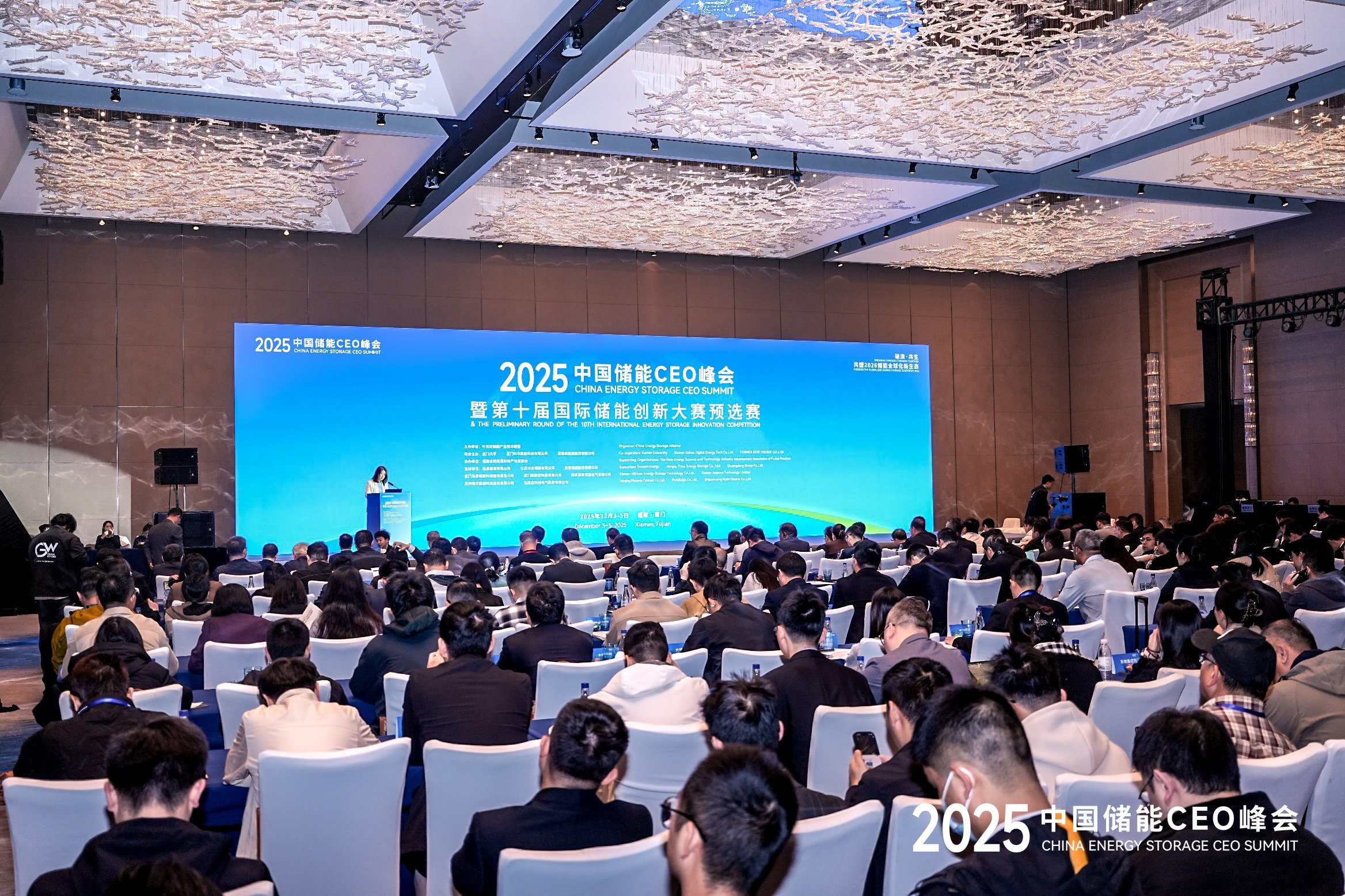
2025 China Energy Storage CEO Summit & Preliminary Round of the 10th International Energy Storage Innovation Competition Successfully Held in Xiamen
Source: CNESA
On December 4, 2025, the 2025 China Energy Storage CEO Summit & Preliminary Round of the 10th International Energy Storage Innovation Competition, hosted by the China Energy Storage Alliance (CNESA) and co-organized by Xiamen University, Kehua Digital Energy, and Cornex New Energy, was successfully held in Xiamen, China.
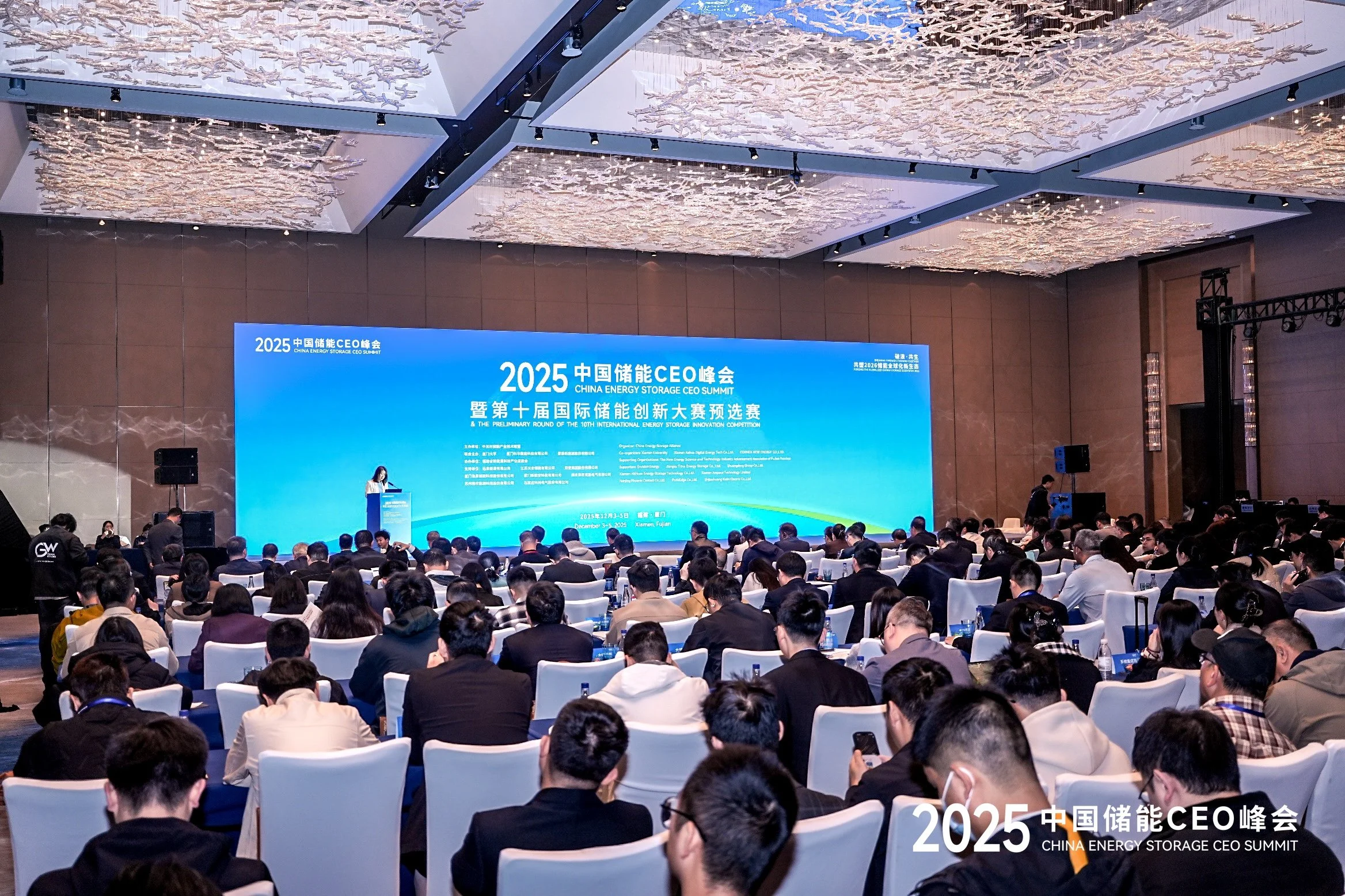
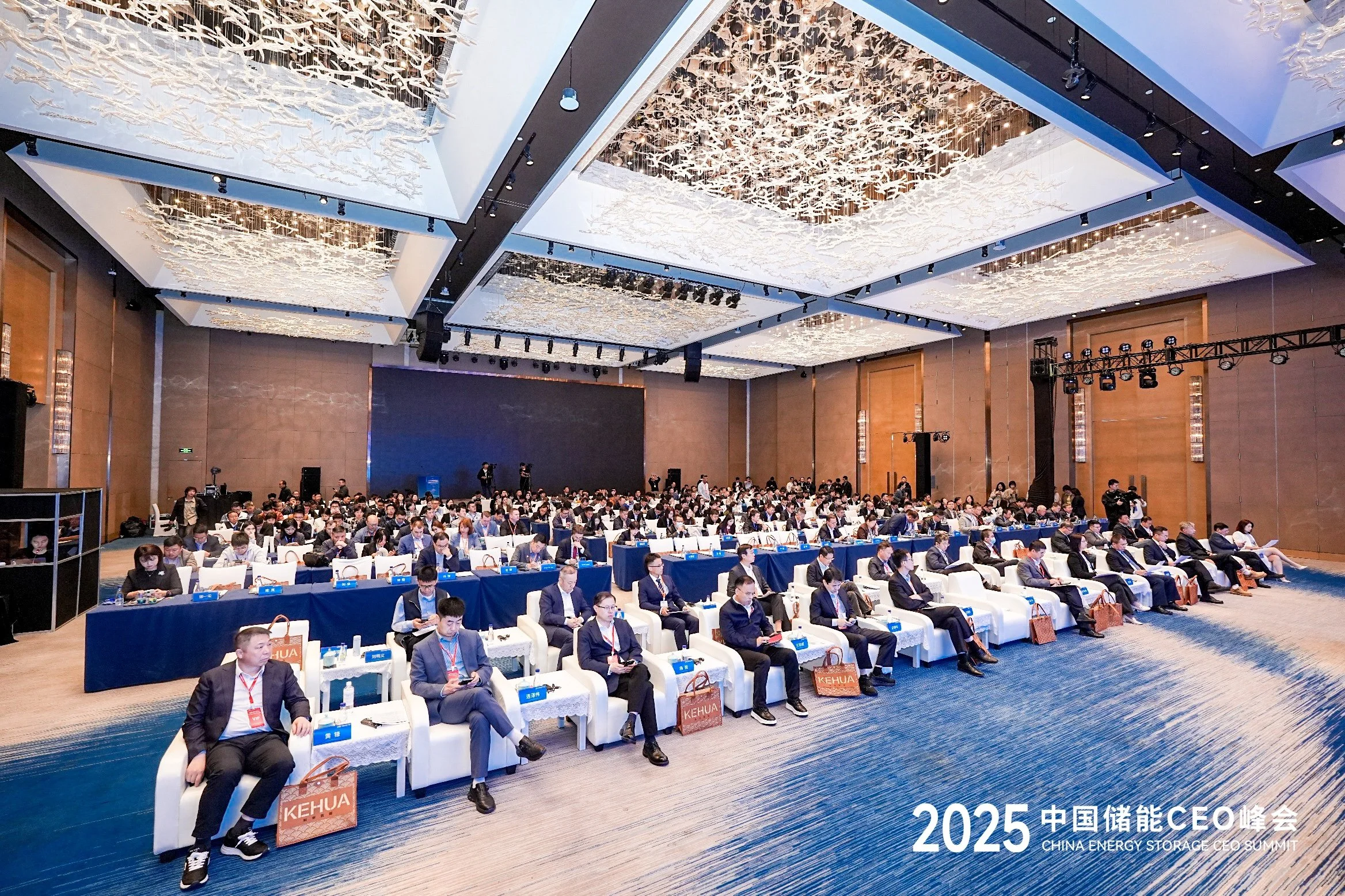
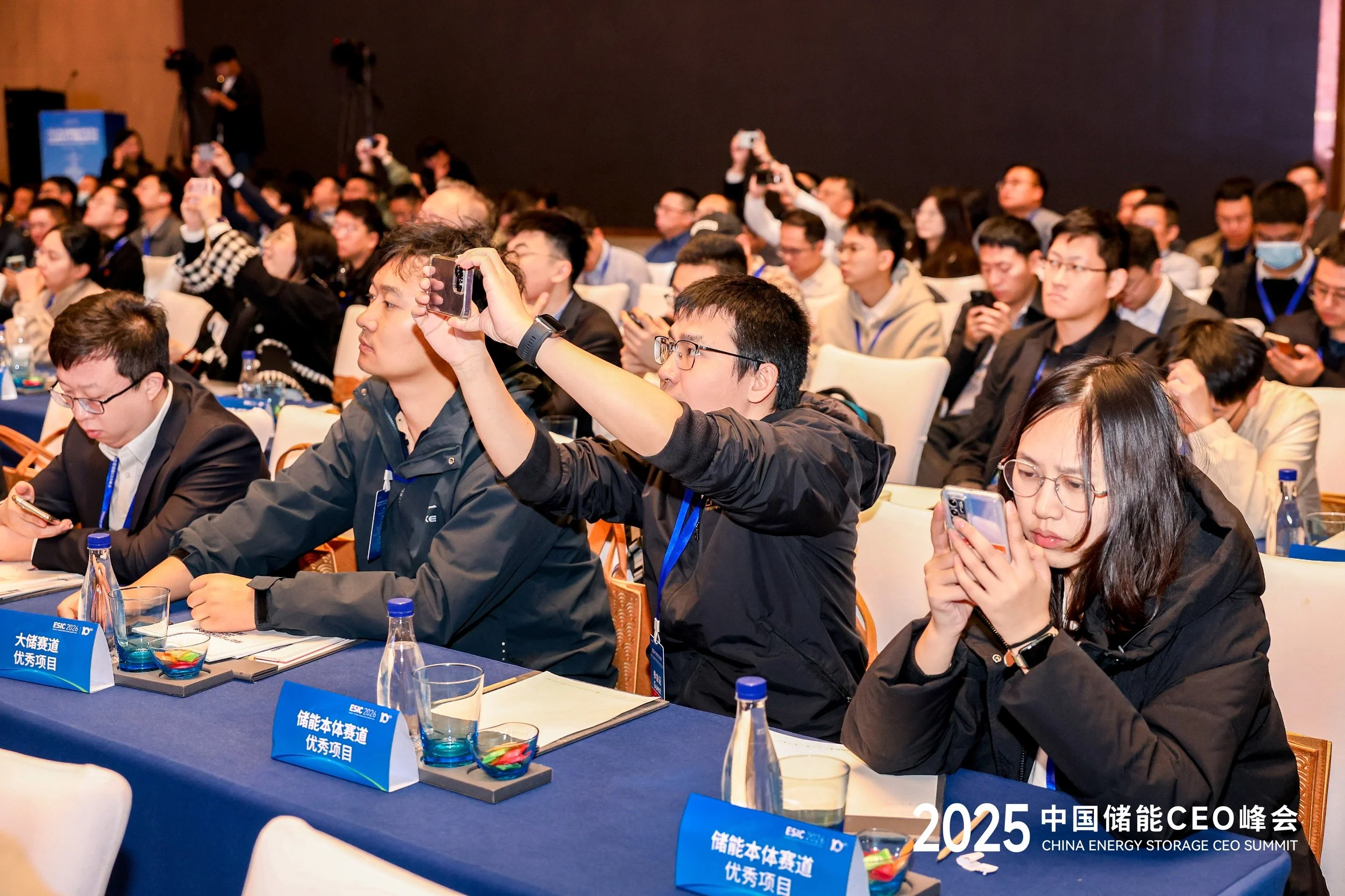
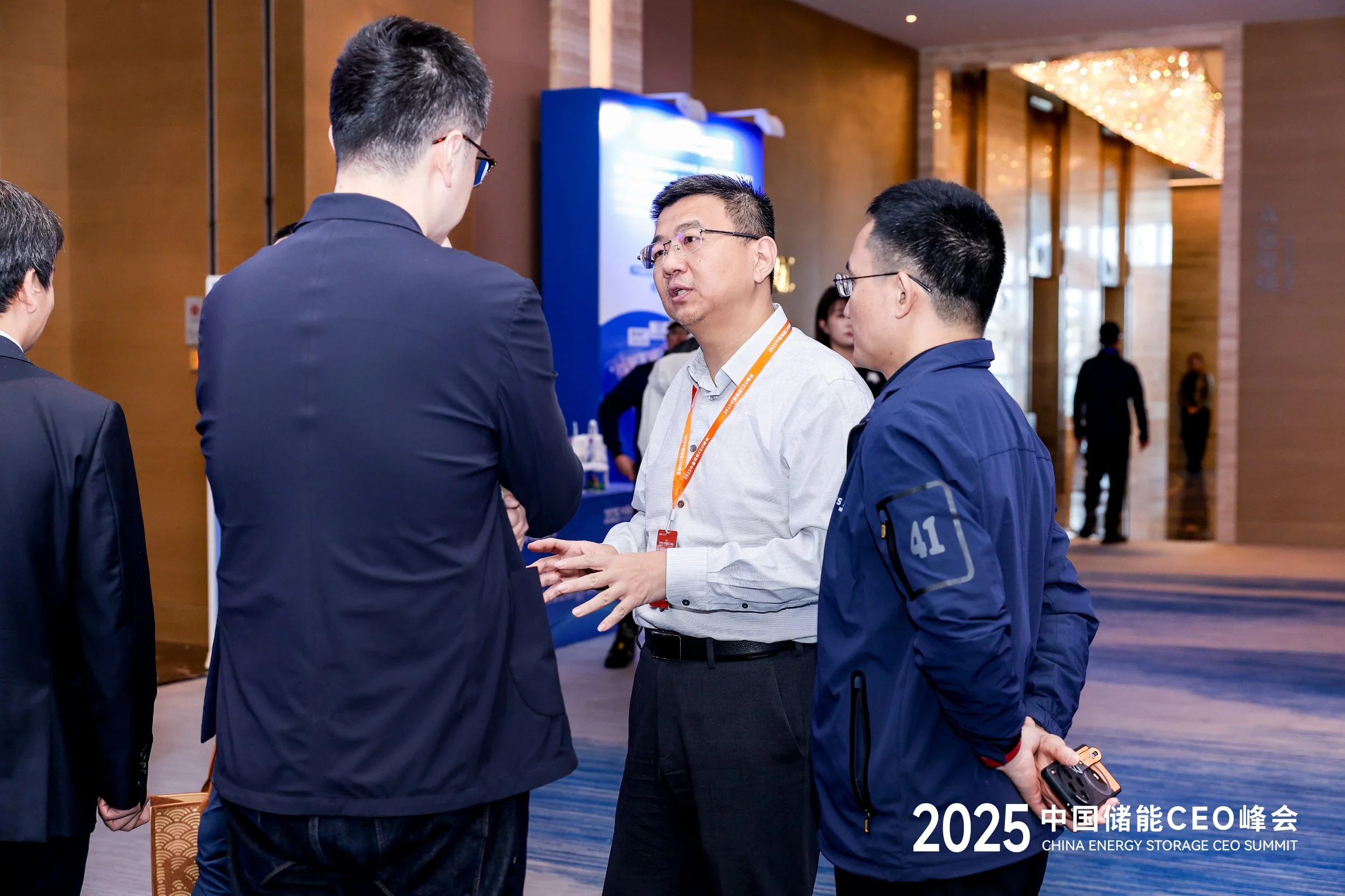
As CNESA's final flagship event of the year, the Summit took Southeast China - an important strategic gateway to global markets - as its anchor and adopted the theme “Breaking Waves · Coexistence - Co-Creating a New Globalized Ecosystem for Energy Storage 2026.” The event gathered government officials, academicians, industry leaders, and corporate executives to review China's industry landscape in 2025, explore the development path toward 2026 and the longer-term 15th Five-Year Plan period, and jointly seek new pathways for the high-quality and global advancement of energy storage.

The opening ceremony was hosted by Liu Wei, Secretary-General of CNESA.
Distinguished speakers and guests included:
Prof. Zheng Nanfeng of Xiamen University; leaders from Xiamen Municipal Bureau of Commerce, Xiamen Municipal Bureau of Science and Technology, and Xiamen Municipal Development and Reform Commission; Chen Haisheng, Chairman of CNESA and Director of the Institute of Engineering Thermophysics, Chinese Academy of Sciences; Chen Chenghui, Chairman of Kehua Data; Huang Feng, President of Cornex New Energy; Wang Shunchao, Deputy Director of the International Consulting & Design Institute of the China Electric Power Planning and Engineering Institute; Zheng Yaodong, Honorary Chairman of the Energy Storage Team of China Southern Power Grid; Wen Zhaoyin, Researcher of the Shanghai Institute of Ceramics, Chinese Academy of Sciences; Prof. Yang Yong of Xiamen University; Huang Junhui, former Deputy Director of the Jiangsu Institute of Economic Research, State Grid, and senior technical expert, among others.
Also present were CNESA Vice Chairs and representatives: Yu Zhenhua, Executive Vice Chairman of CNESA; Yang Bao, President of Trina Storage; Gao Xinhua, Chief Engineer of China Southern Power Grid Technology; Yang Rui, Chairman of Shuangdeng Group; Cui Jian, President of Kehua Digital Energy; Tian Qingjun, Senior VP of Envision Energy & President of Envision Storage; Lian Zanwei, Chairman of XYZ Storage; Liu Mingyi, Director of Energy Storage Technology, Huaneng Clean Energy Research Institute; Yu Jianhua, VP of Narada; Lv Lin, GM of TBEA Xi'an, and many other industry leaders.
The Summit also received strong support from co-organizer Fujian New Energy Technology Industry Promotion Association and supporting partners including Envision Energy, Trina Storage, Shuangdeng, HyperStrong, Ampace, Phoenix Contact, Potisegde, and KE Electric, jointly presenting a high-level industry event.
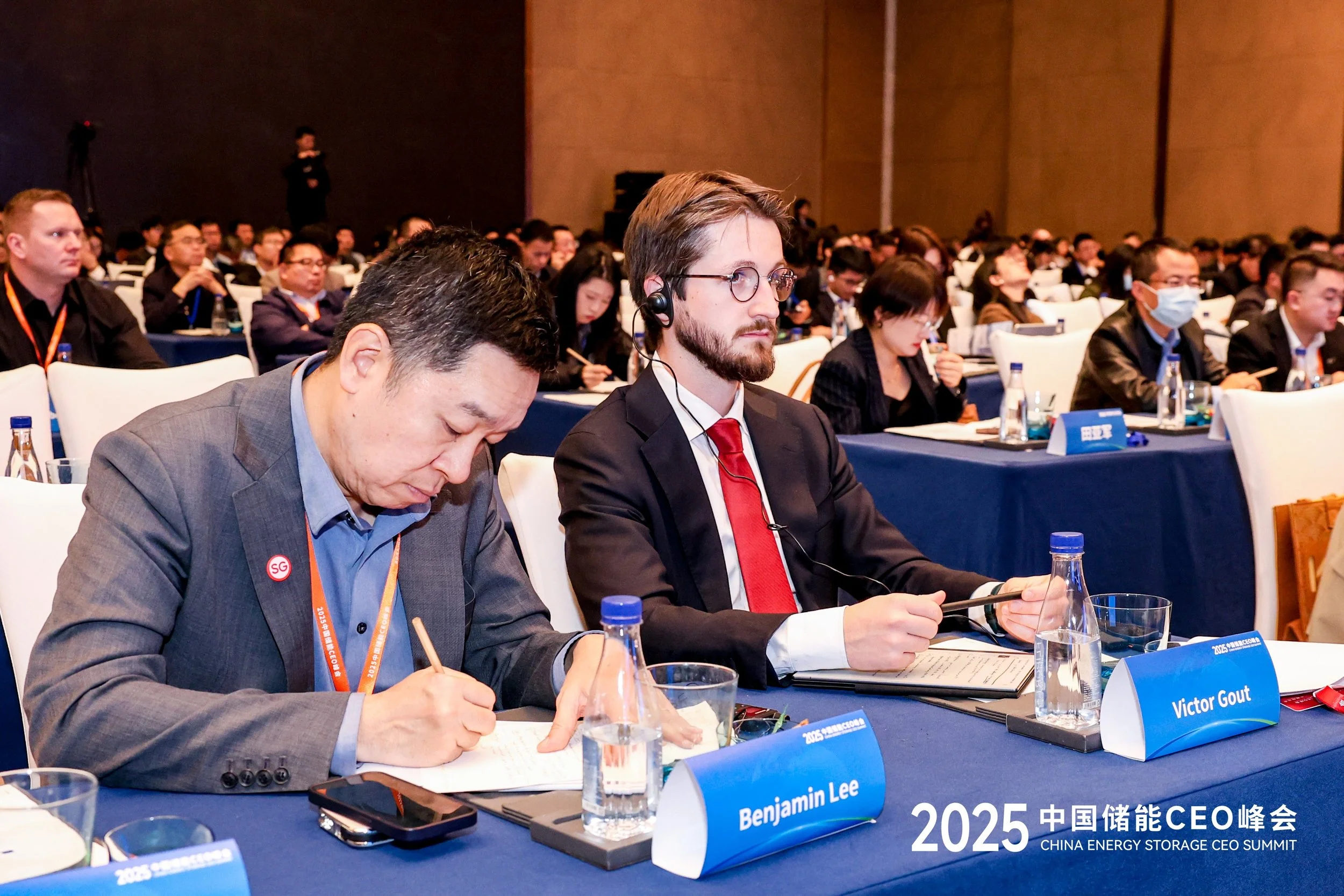
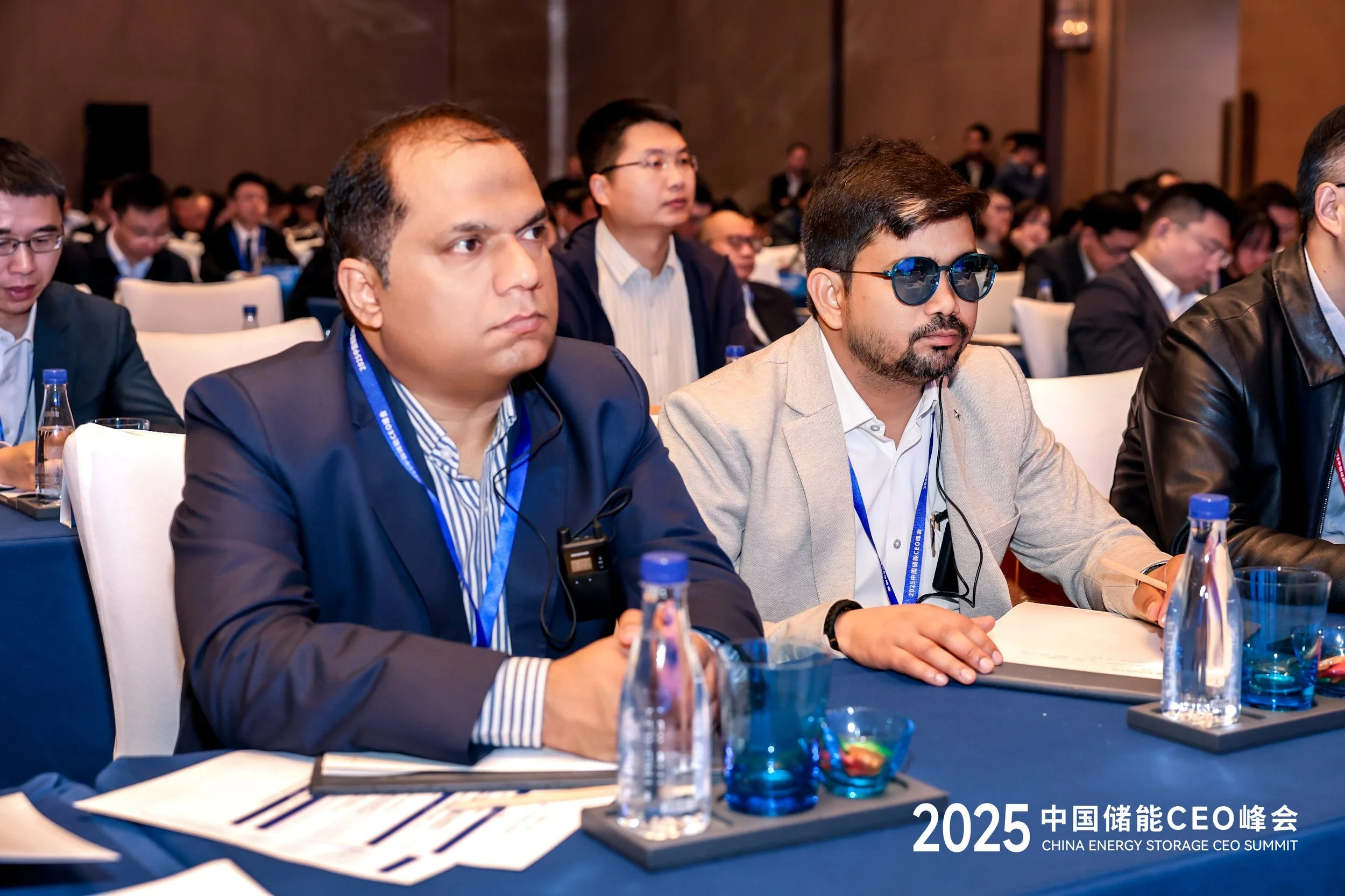
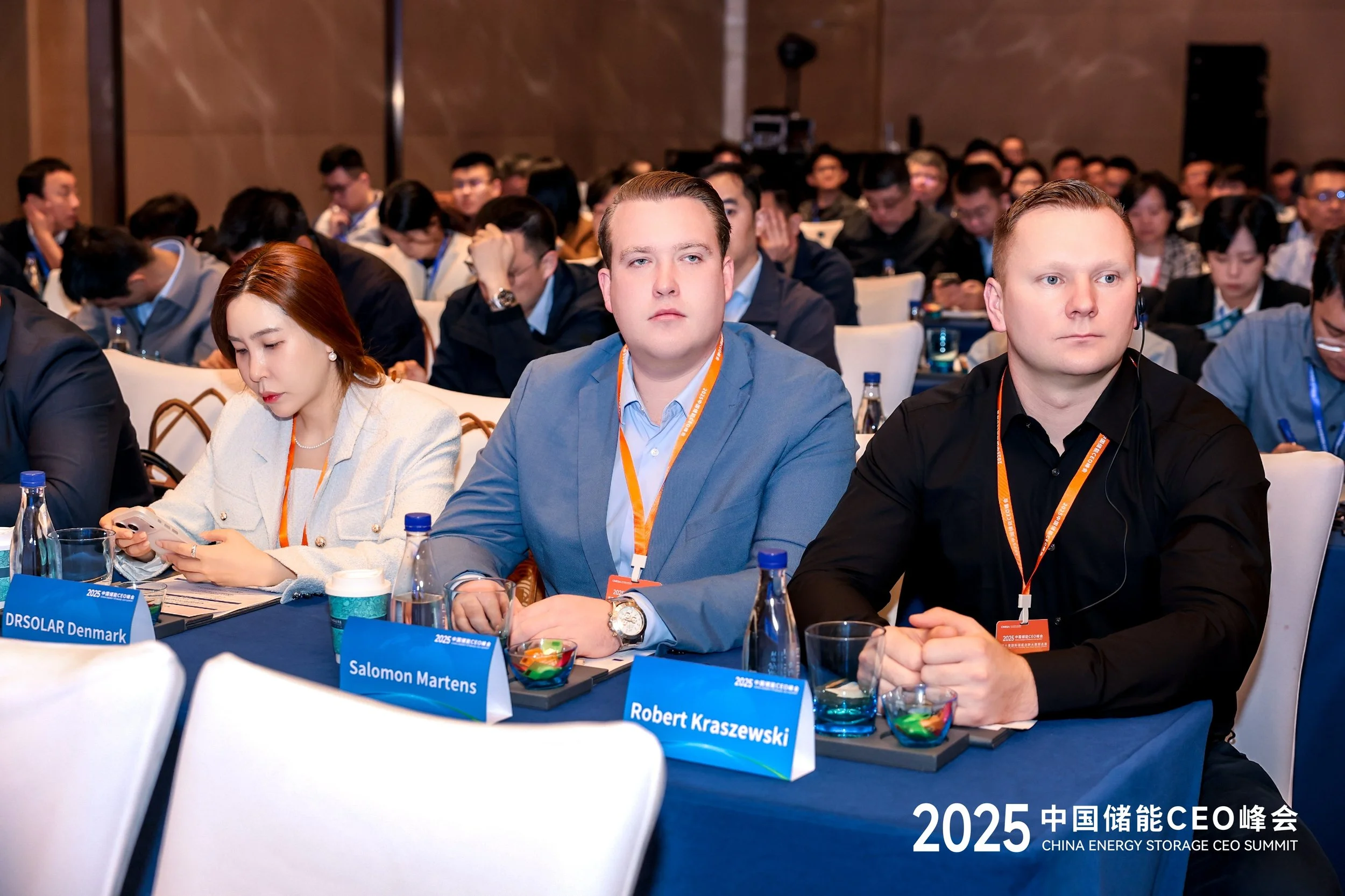
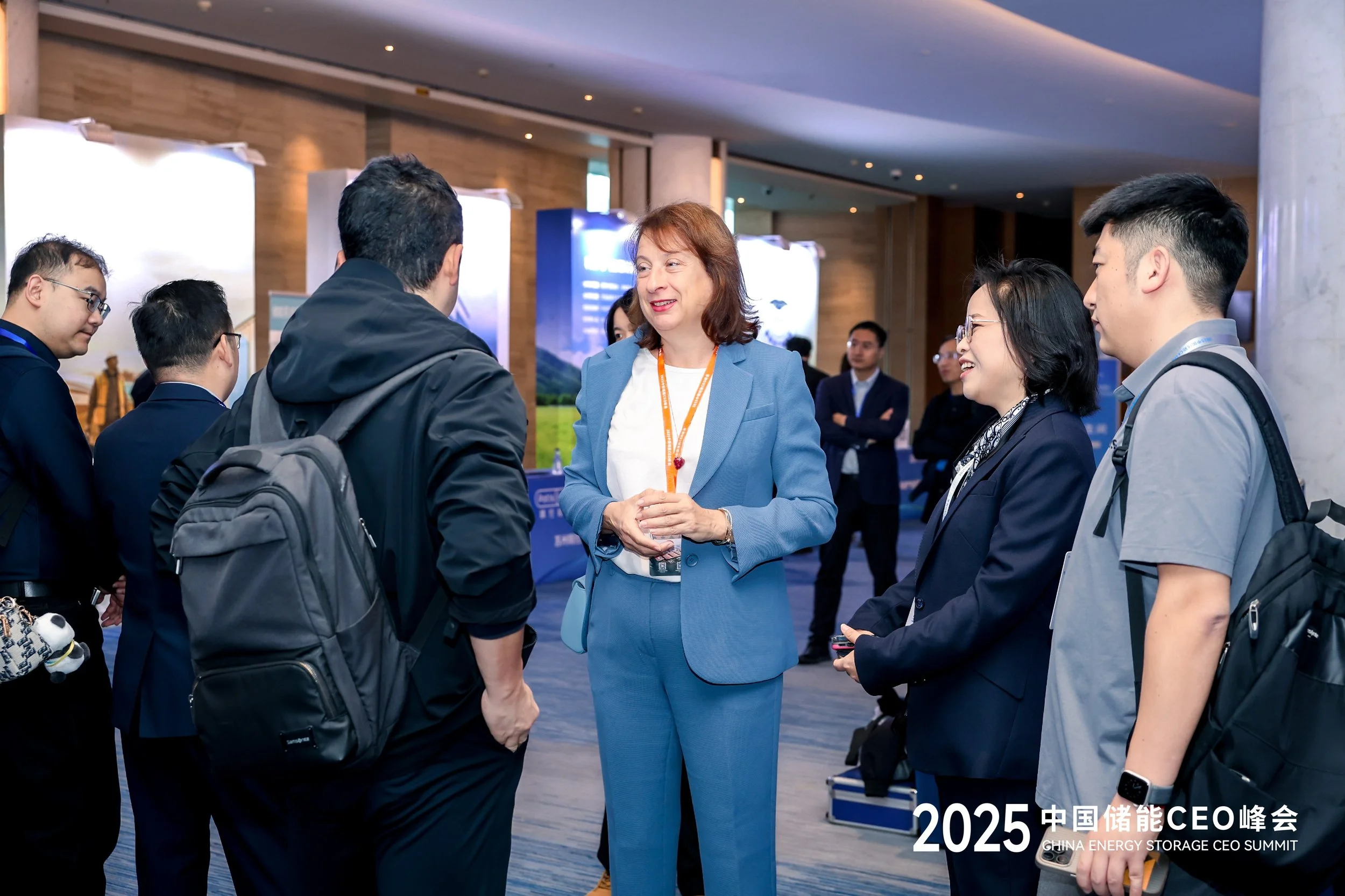
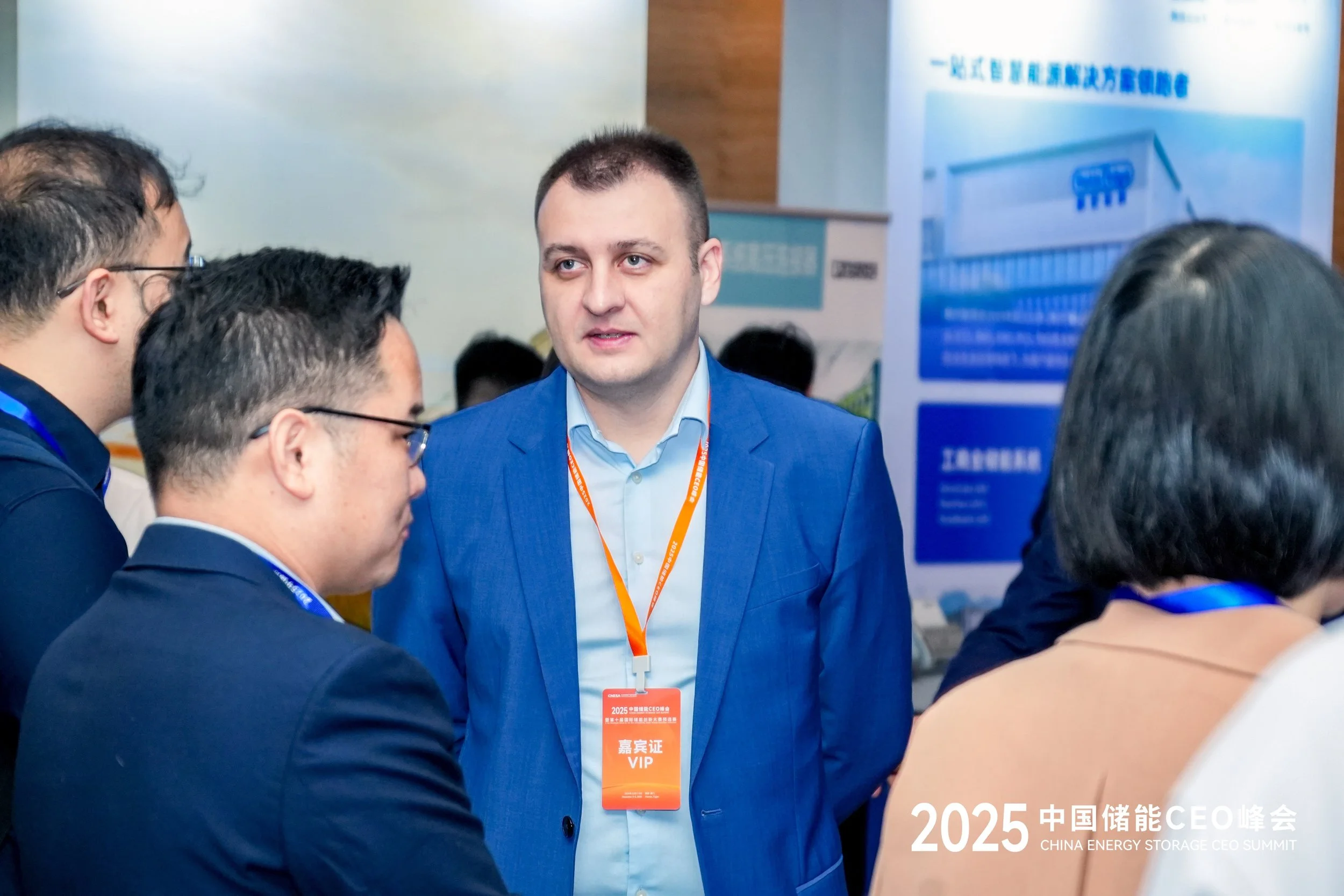
This year's Summit featured an impressive international lineup, gathering energy asset owners and project developers from key global regions including Denmark, Austria, Bulgaria, India, Saudi Arabia, Singapore, Australia, Malaysia, and France. Special invited foreign guests included Li Yilin, Deputy Director of Enterprise Singapore (South China), and Victor Gout, Deputy Representative for Alternative Energy, French Atomic Energy and Alternative Energies Commission (CEA)-Representative Office in China.
This strong participation across the entire value chain created an efficient and pragmatic bridge connecting Chinese and international enterprises.
High-Level Speeches
Driving High-Quality Development and Co-Shaping a New
Global Energy Storage Ecosystem
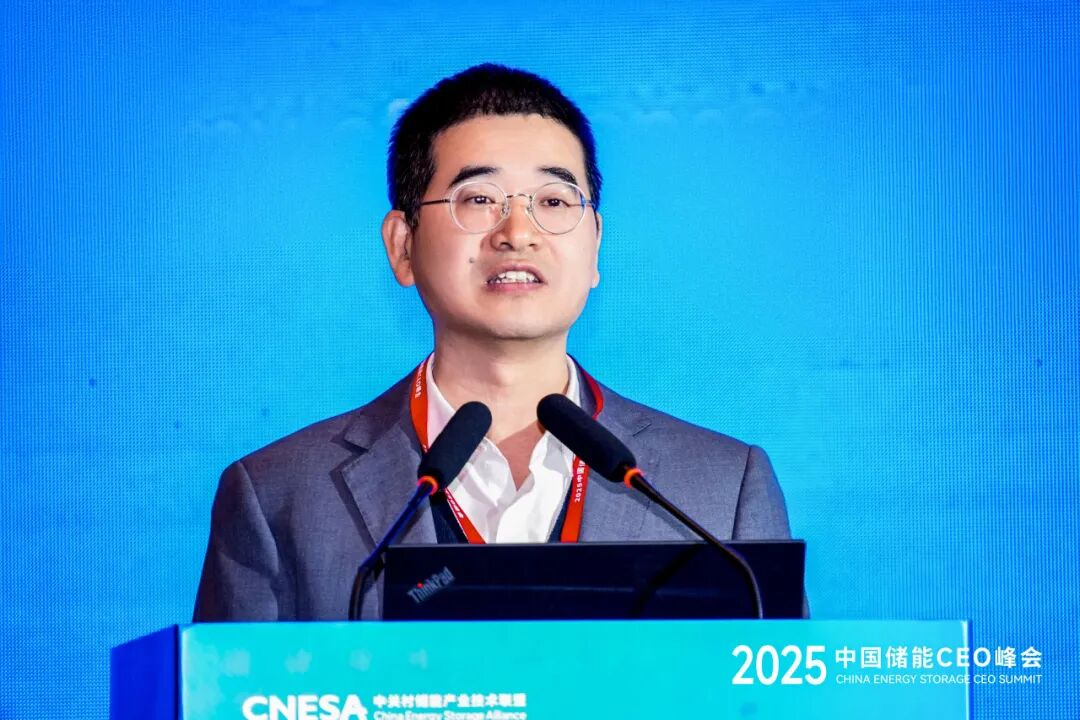
Zheng Nanfeng - Professor, Xiamen University
Prof. Zheng Nanfeng, Dean of the School of Energy, Xiamen University, and Director of the Jiageng Innovation Laboratory, emphasized China's remarkable progress in renewable energy, with total installed capacity exceeding 1,700 GW. Despite challenges such as higher curtailment rates in western regions, the new 2035 targets indicate vast application opportunities for energy storage.
He stressed that Xiamen University, as a “Double First-Class” institution, is committed to breaking barriers between scientific research and industrial innovation, exploring new models for integrating education, research, and industry. The university will continue working with all sectors to focus on technological breakthroughs, talent development, and solutions for scaling up and commercializing energy storage, strengthening the foundation for global energy transition.
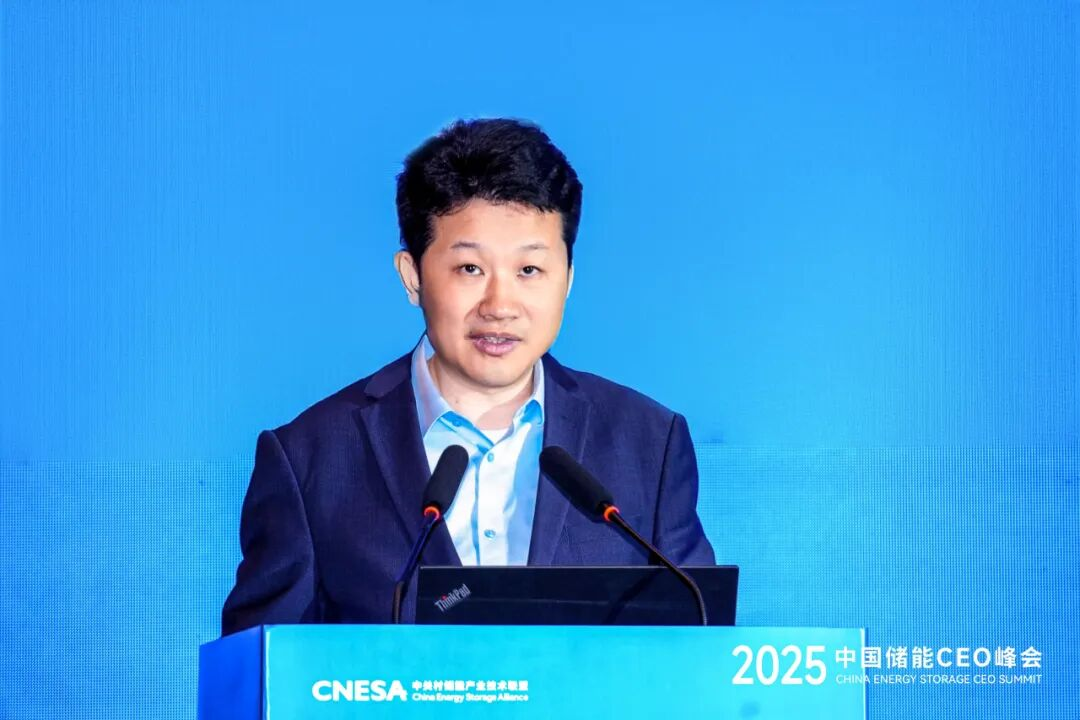
Chen Haisheng - Chairman, CNESA
Chairman Chen Haisheng noted that China's energy storage industry is undergoing a profound shift from rapid expansion to high-quality development. This is reflected in China's global leadership in installed capacity, significant improvement in application performance, diversified technological pathways, and a shift in market mechanisms from mandatory allocation to market-driven deployment.
He highlighted globalization as a key agenda, with Chinese companies accelerating their overseas strategy based on strong technological and supply chain advantages. CNESA will continue building platforms to support global deployment, promote technological ecosystem restructuring, and strengthen China's high-quality “going global” process.
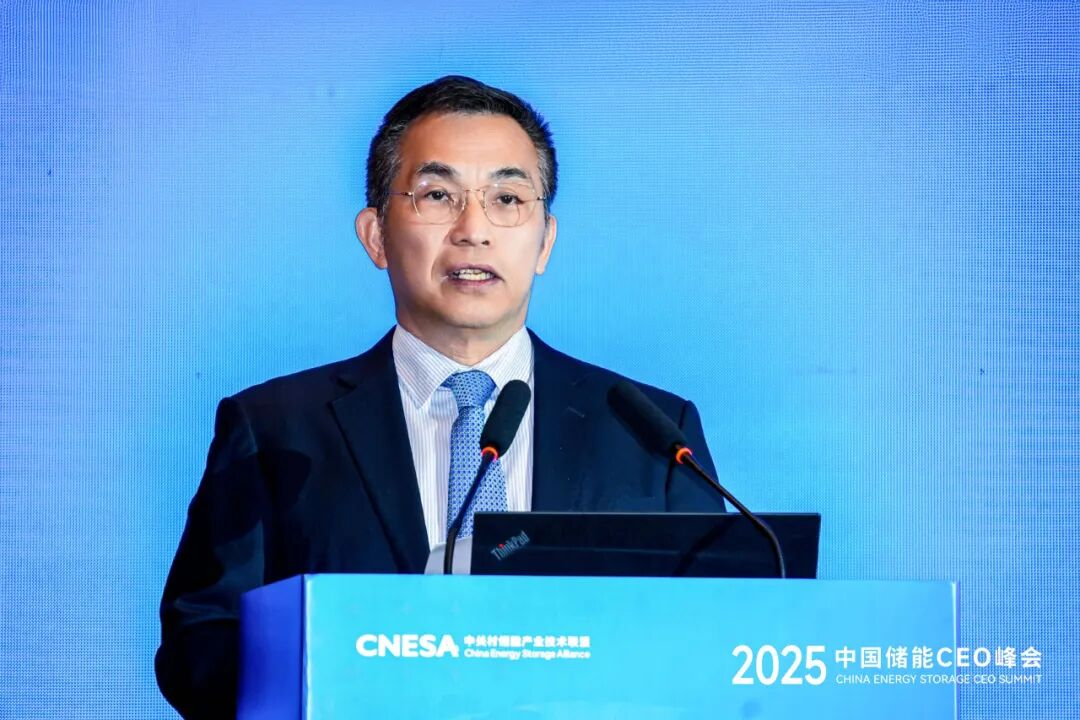
Chen Chenghui - Chairman, Kehua Data
Chairman Chen Chenghui emphasized that energy storage is the “accelerator” of the new power system and a key enabler of the global low-carbon transition, with China increasingly providing “Chinese approach” to the world.
He introduced Kehua's innovation-driven approach, focusing on grid-forming energy storage and full-scenario solutions, and noted the company's collaboration with central SOEs on world-first projects. Internationally, Kehua follows a strong localization strategy, with business presence in over 100 countries. He called for building resilient global supply chains and advancing open collaboration to accelerate global energy transformation.
Keynote Reports
Deepening Industry-Research Integration and Jointly Planing
Global Deployment
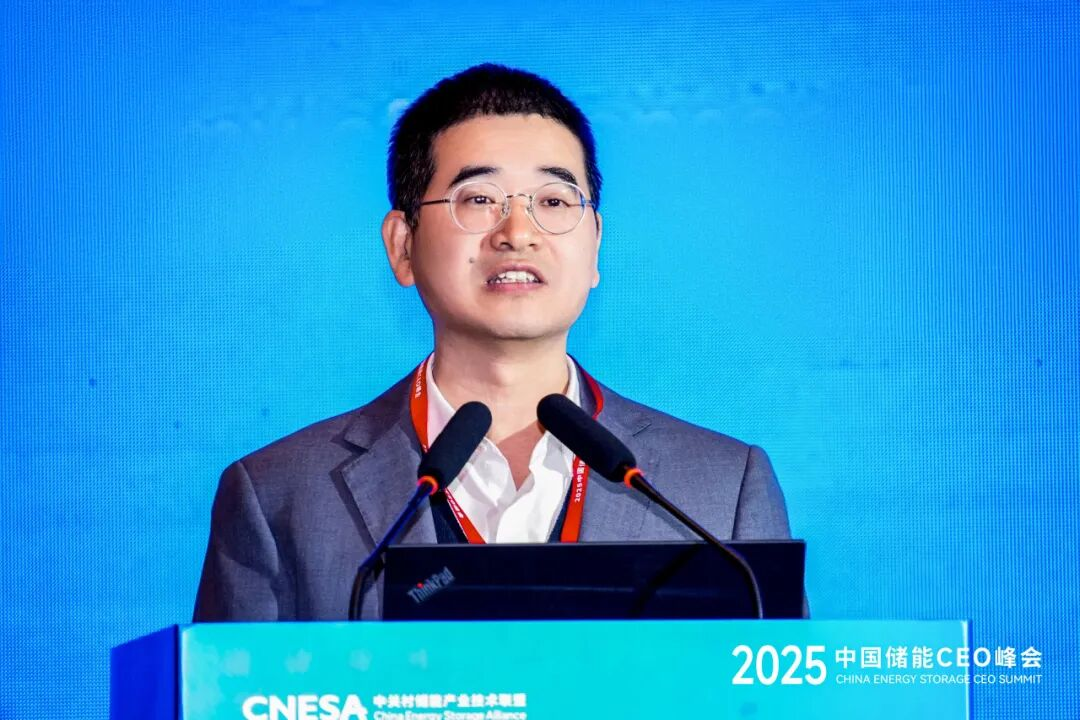
Zheng Nanfeng - Professor, Xiamen University
In his keynote “From Free Exploration to Dual Empowerment: Integrating Basic Research with Industrial Innovation,” Prof. Zheng outlined the two-way empowerment mechanism of “research serving industry” and “industry boosting research”: Relying on the Jiageng Innovation Laboratory, actively explore a new system of "combination of allocation and investment" and "fiscal funds + market-oriented operation", and achieve the deep integration of technology and industry by breaking the single academic evaluation orientation.
The Jiageng Lab focuses on low-carbon energy, high-efficiency storage, and next-generation displays, establishing public validation platforms to accelerate commercialization. He advocated integrated development of university campuses, science parks, and industrial parks to transform the high-failure-rate path of innovation into a new norm of high-quality industrial growth.
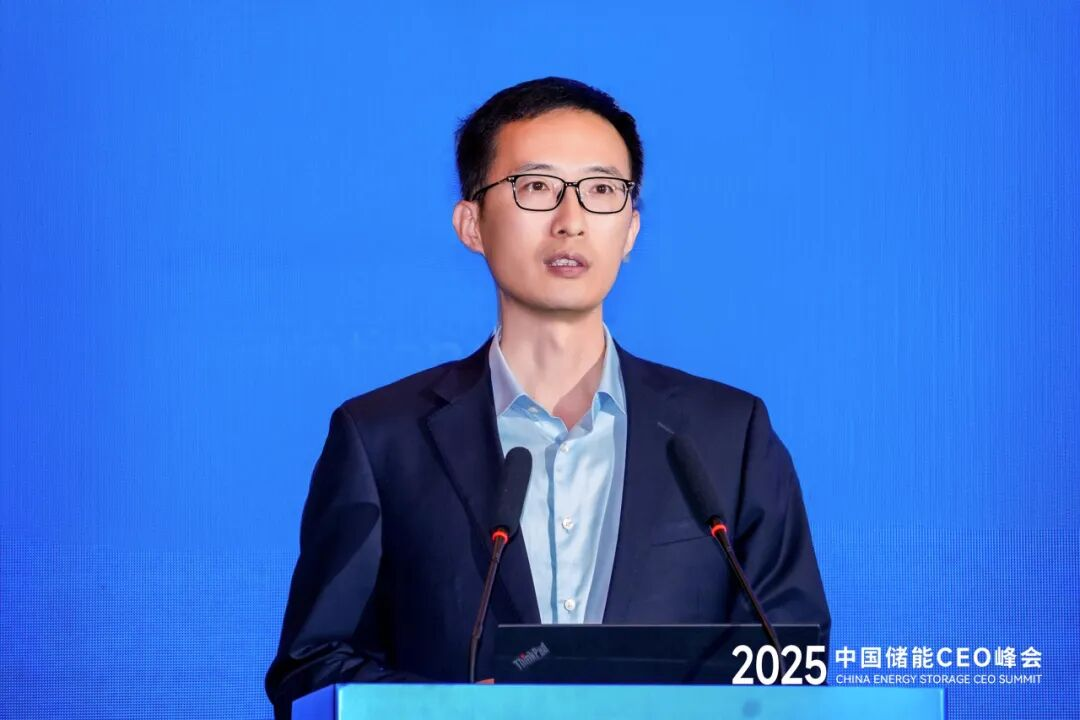
Wang Shunchao - Deputy Director, International Energy Consulting Institute, EPPEI
Dr. Wang Shunchao delivered a keynote titled “Green Power Planning for Overseas Markets.”
He emphasized the rapid growth of clean energy demand along the Belt and Road, contrasted with weaker power system foundations, making power system planning increasingly critical. He introduced EPPEI's modeling and simulation experience as well as insights from international power system planning projects.
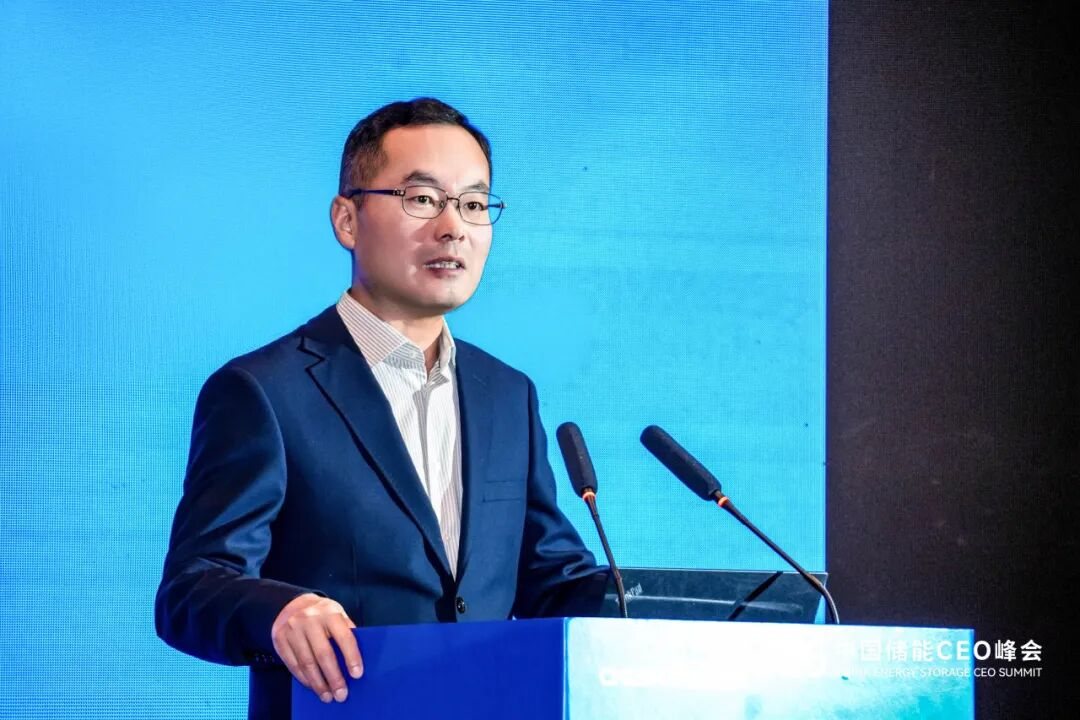
Tian Qingjun - Senior VP, Envision Energy
Tian Qingjun highlighted that Chinese energy storage companies are “born global,” and internationalization has become an imperative.
He stressed the need to move from simply “going out” to deeply “integrating in,” with local operations, local talent, and long-term value creation. He called for ecosystem collaboration, avoidance of harmful price competition, and positioning Chinese companies as global enablers and ecosystem co-builders.
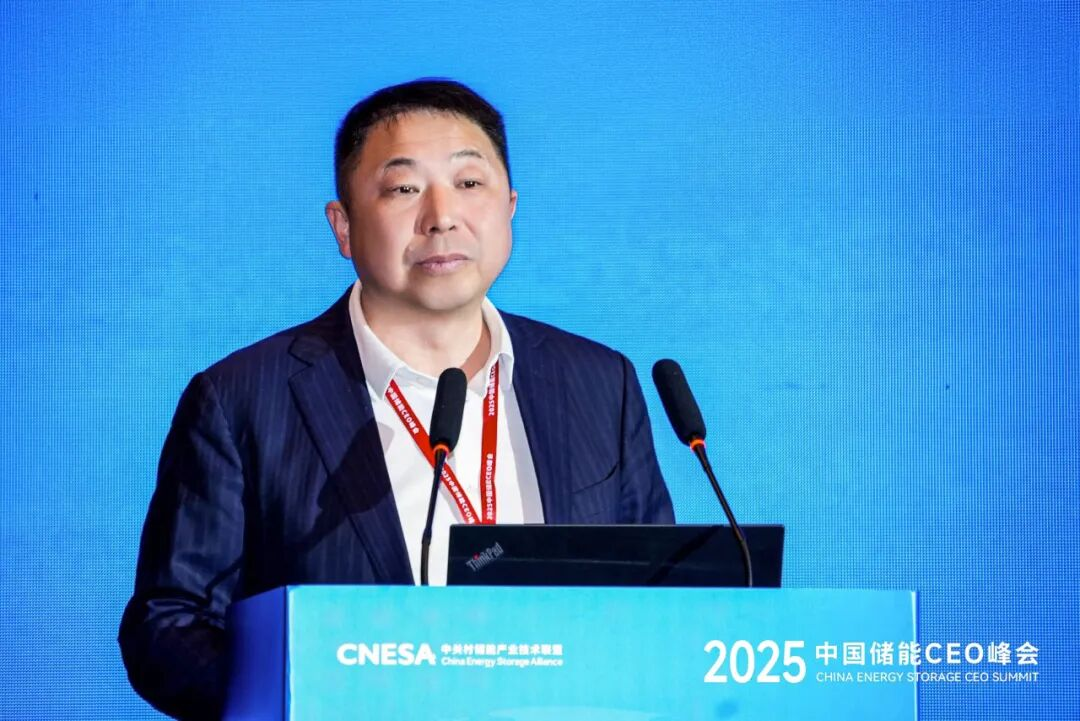
Huang Feng - President, Cornex New Energy
President Huang Feng noted that the industry faces both fierce competition and supply shortfalls, yet remains in a golden period of rapid growth. He forecasted global energy storage installations reaching 550-600 GWh in 2025, with overseas markets surpassing China for the first time.
He explained the company's “four-circle growth model,” evolving from market entry to customer trust, and then to domestic-global parallel expansion, positioning Cornex as a rising force shaping future industry ecosystems.
10th International Energy Storage Innovation Competition
A Decade of Excellence: Recognizing Industry Benchmarks
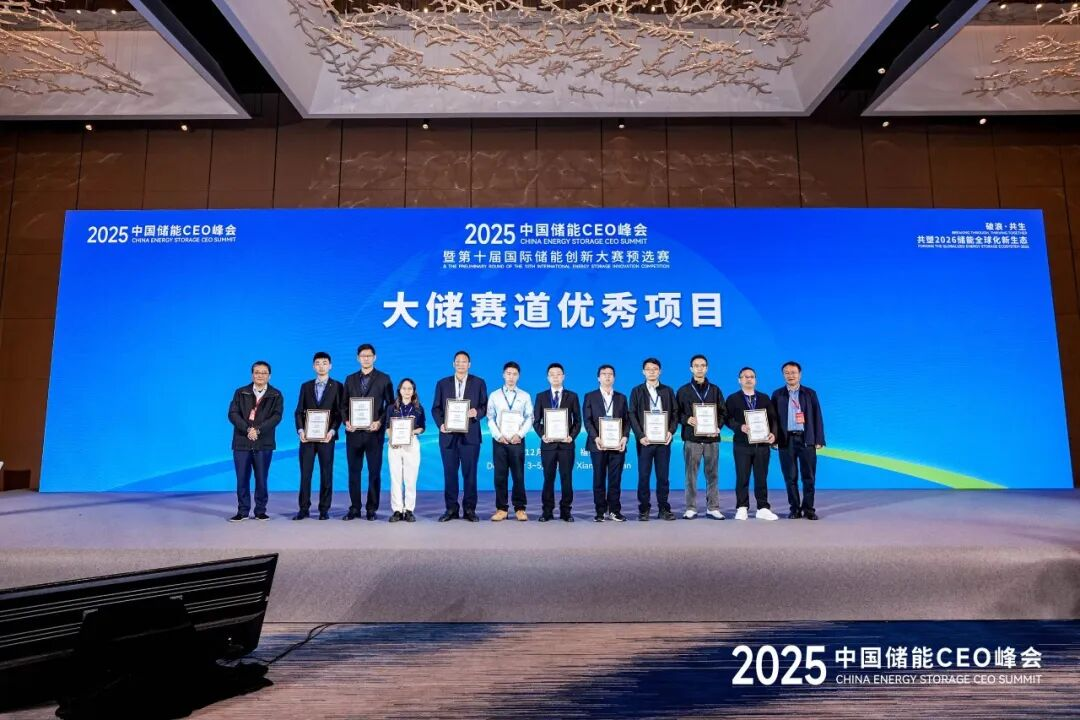
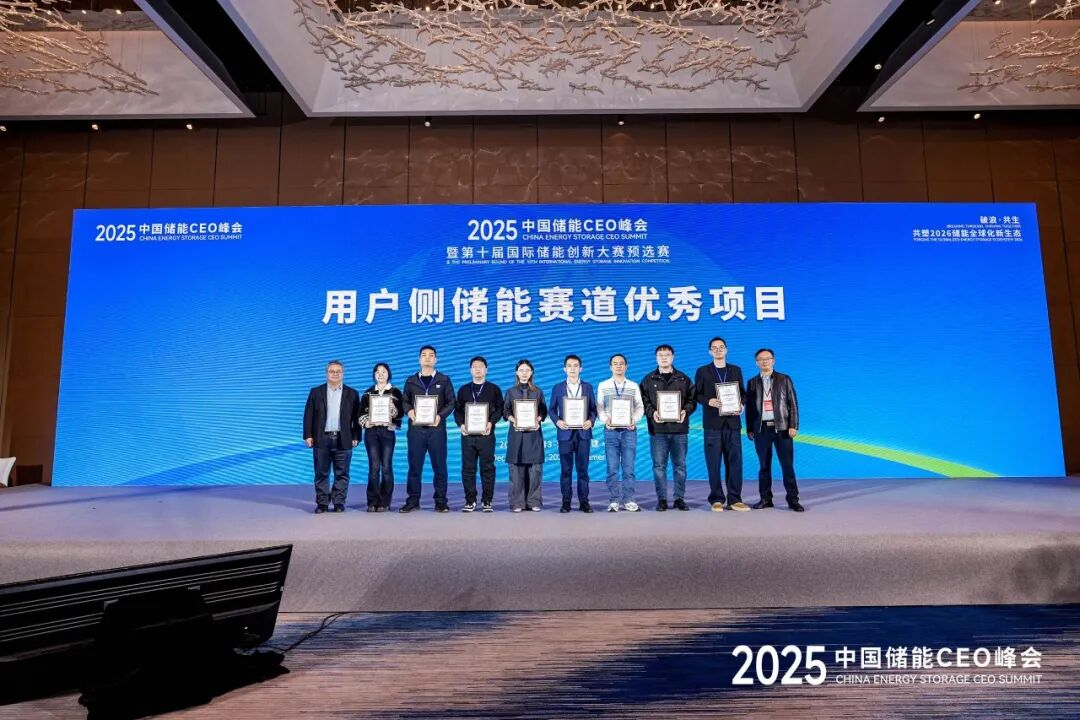
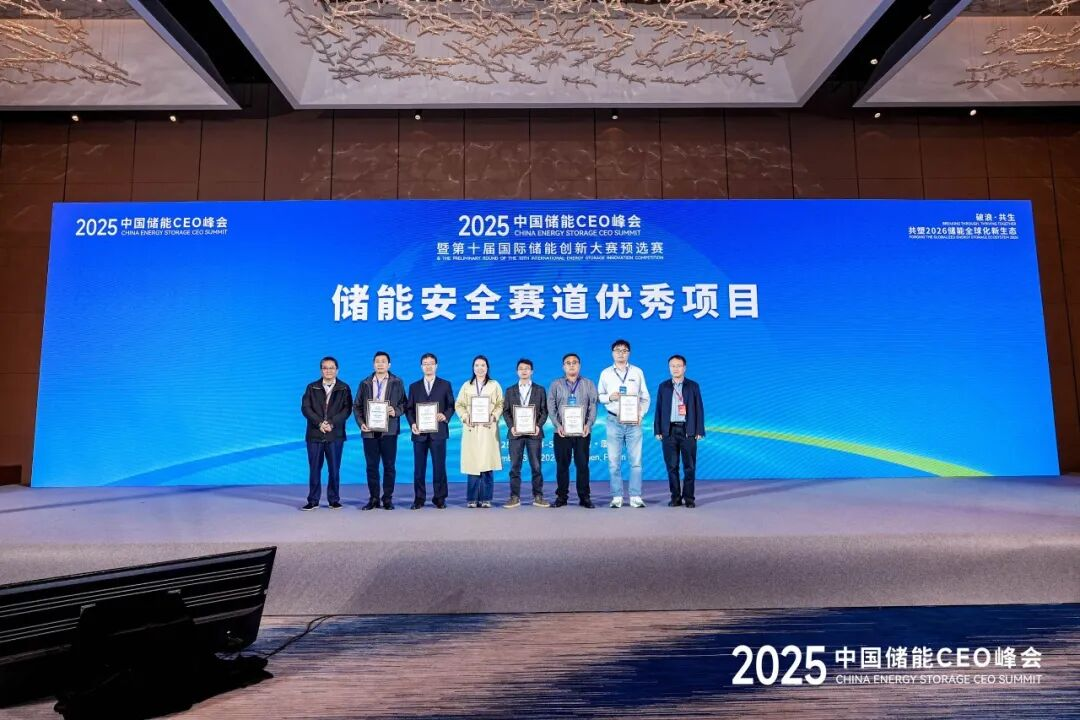
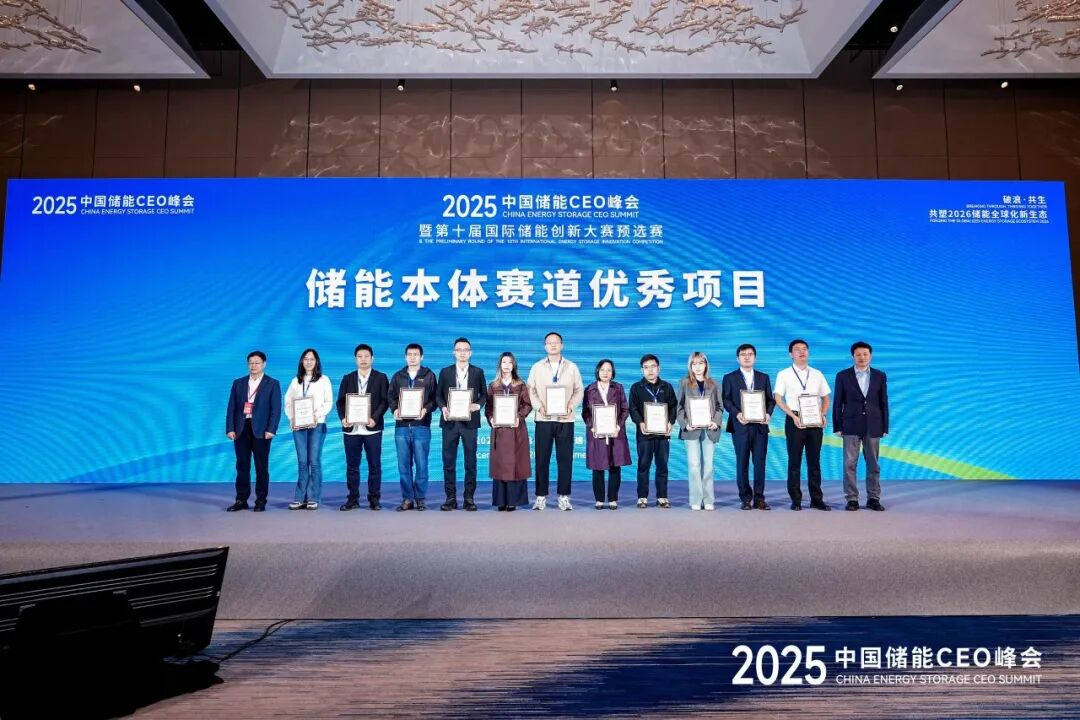
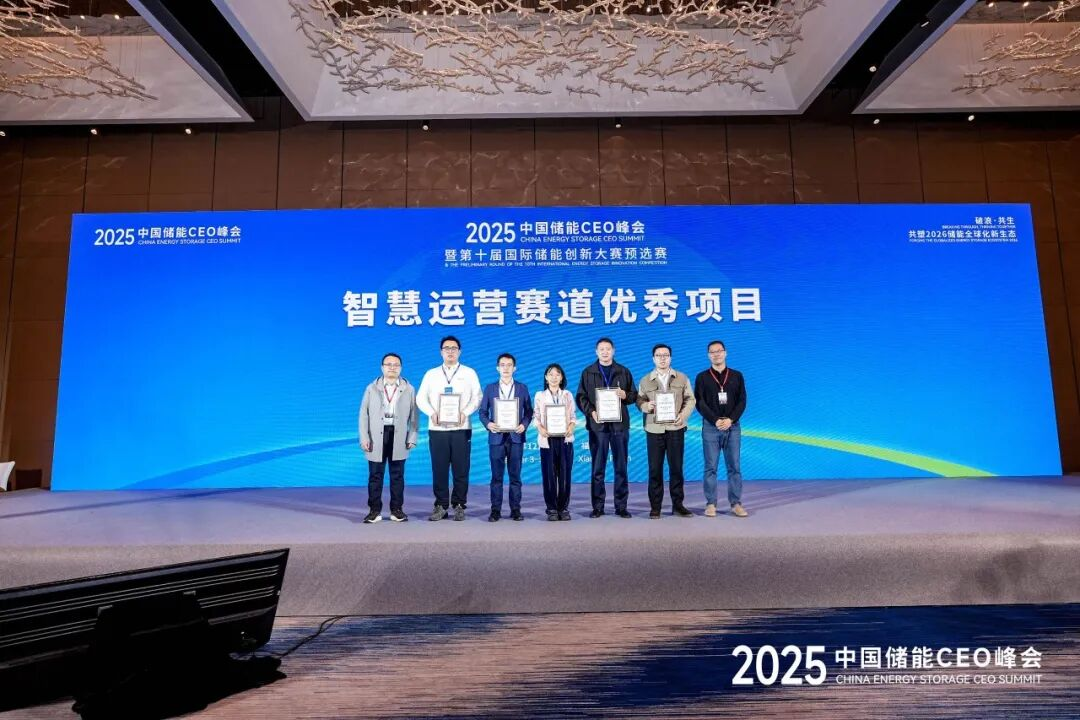
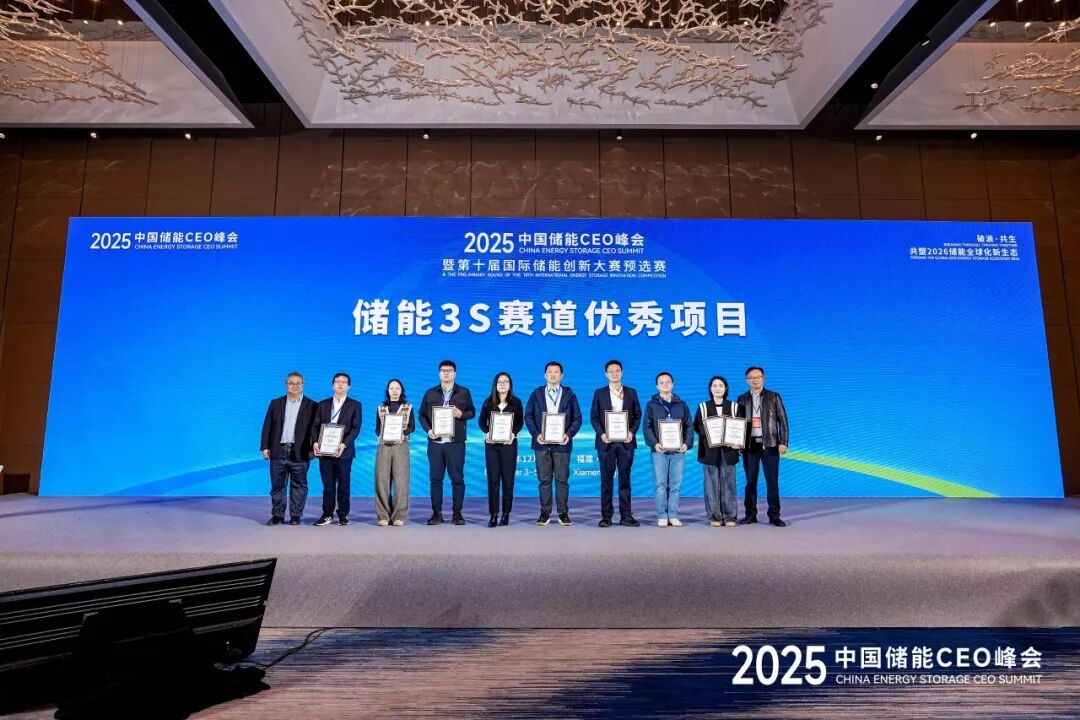
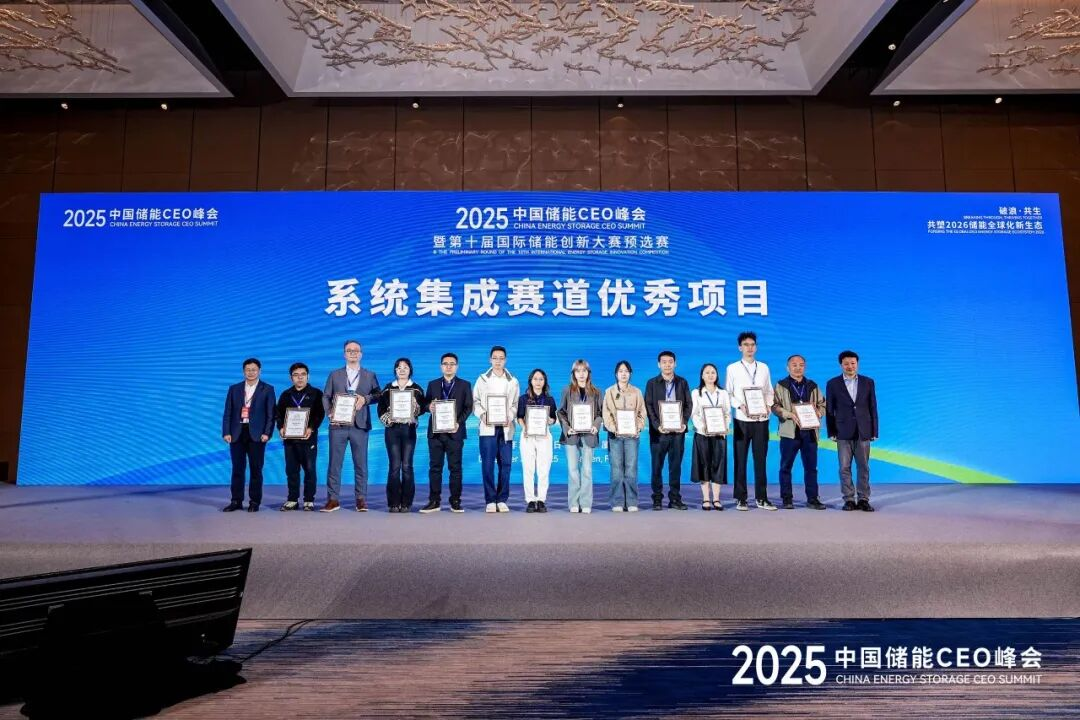
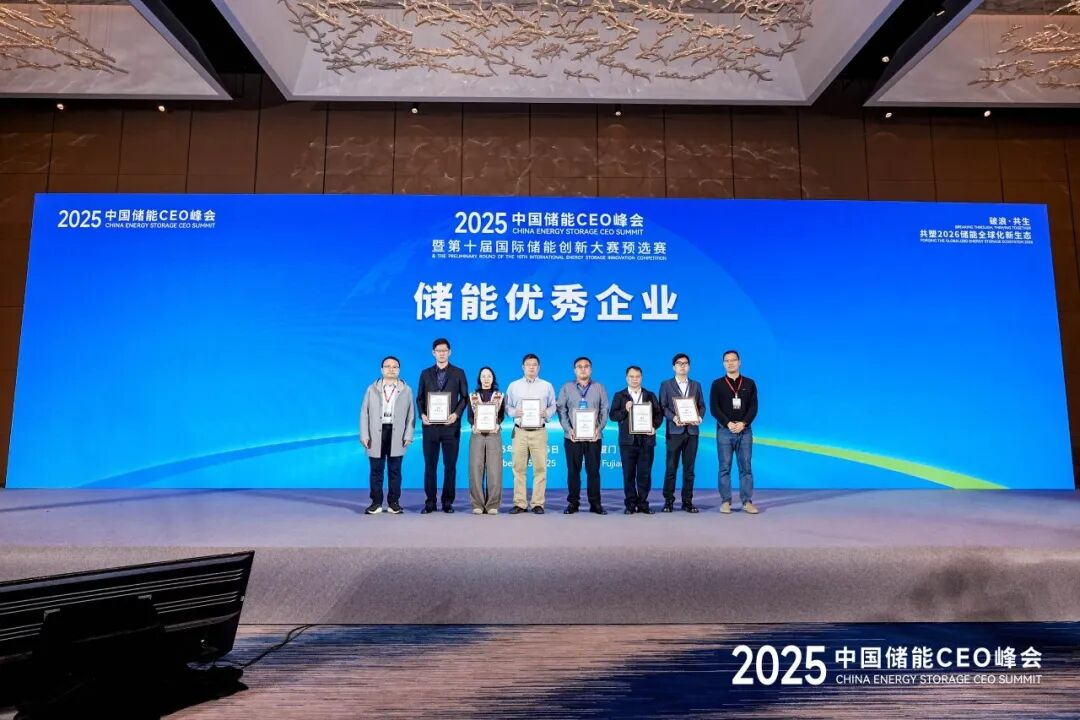
The preliminary awards ceremony of the 10th International Energy Storage Innovation Competition was held during the opening ceremony. Out of 183 project applications, 129 advanced to the preliminary round, and after rigorous review, 77 projects won the Outstanding Project Award.
Over the past decade, the competition has witnessed every major technological iteration and set recognized benchmarks for the industry. The winning projects will advance to the annual finals to compete for the highest honors.
CEO Roundtable
Toward 2030: Reshaping the Global Energy Storage Ecosystem
In 2025, industry reshuffling intensified amid complex global trade dynamics. The CEO roundtable - “Toward 2030: Synergy & Prospect Between China's Energy Storage and the Global Industrial Ecosystem” - became a highlight of the Summit.
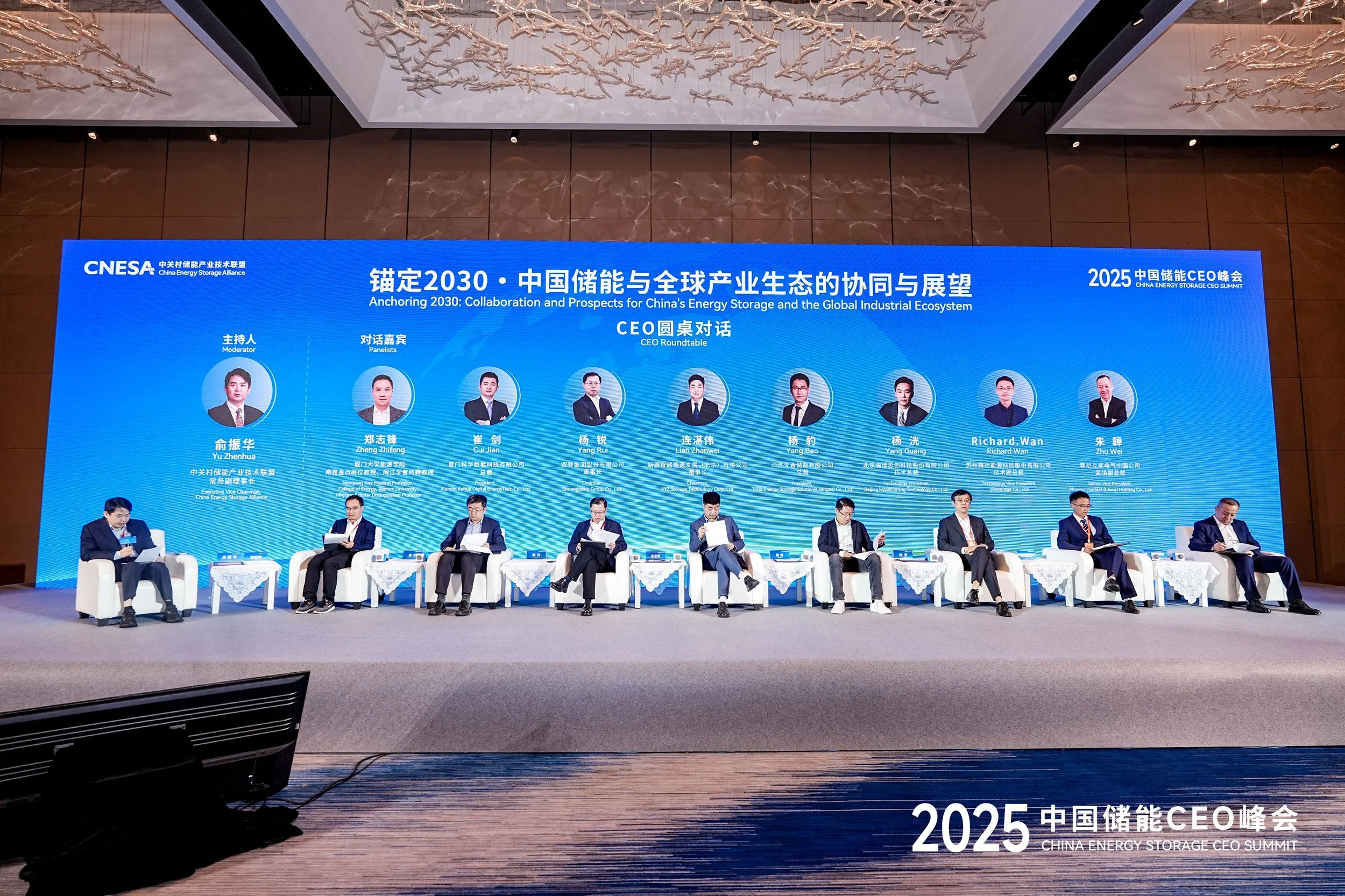
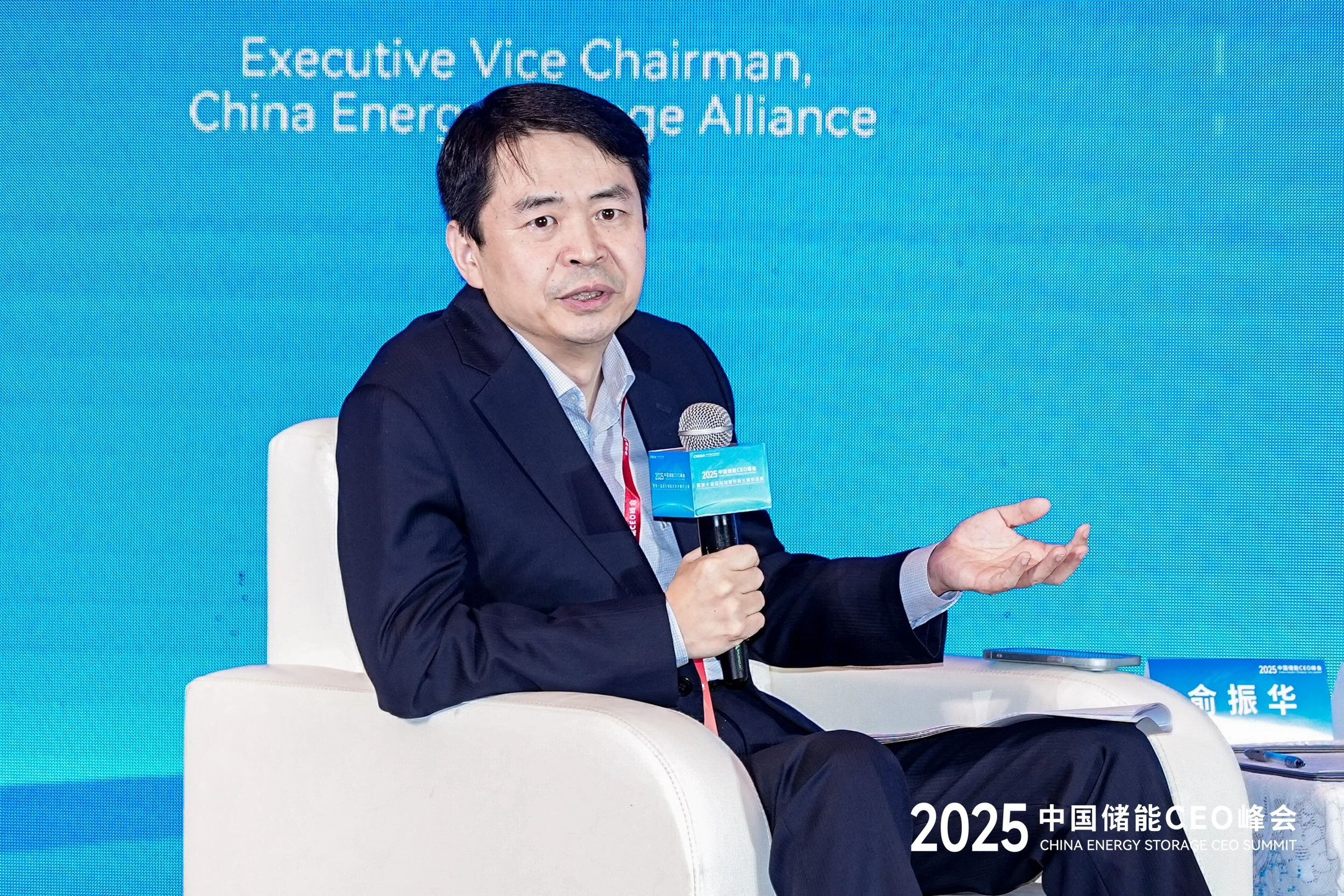
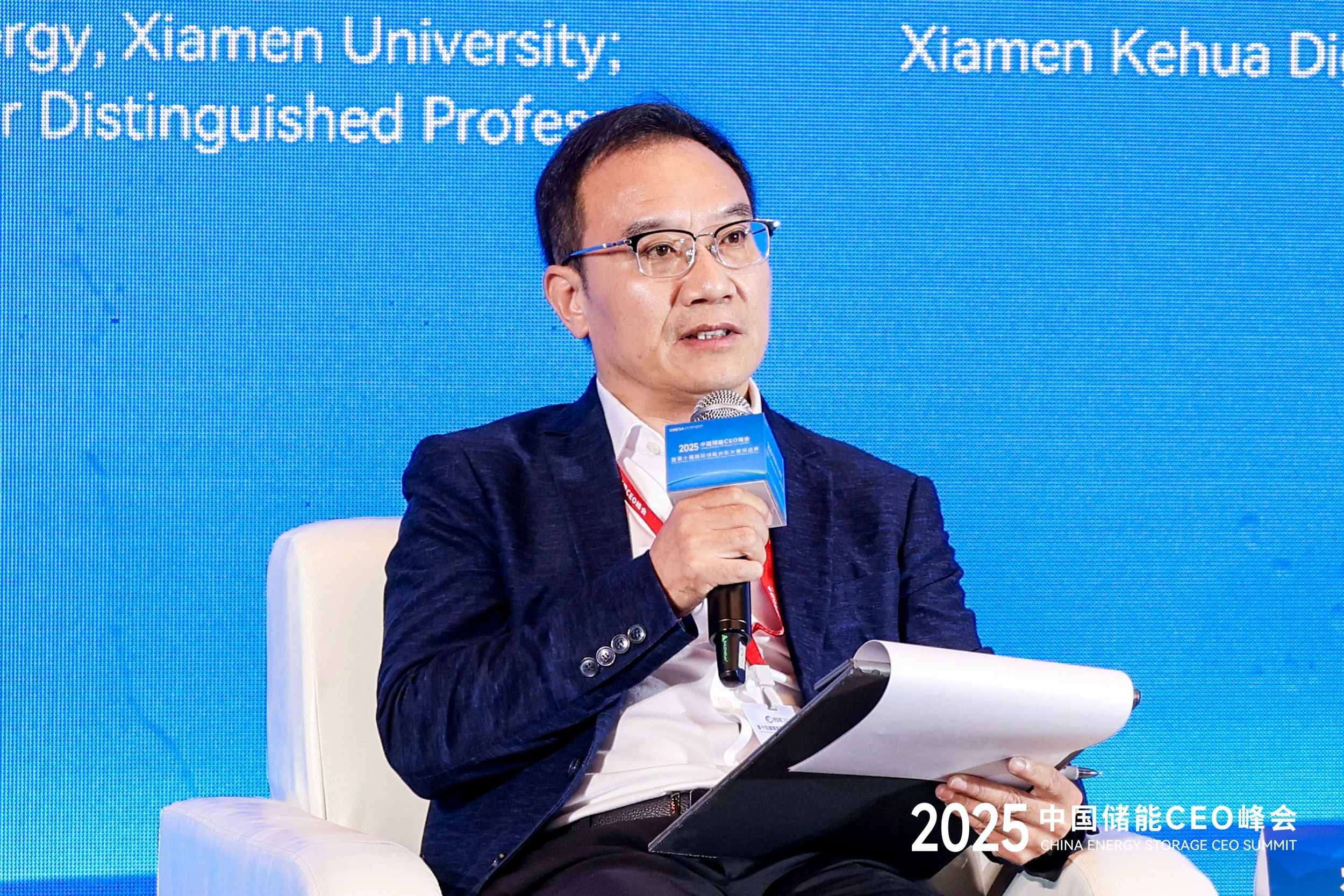
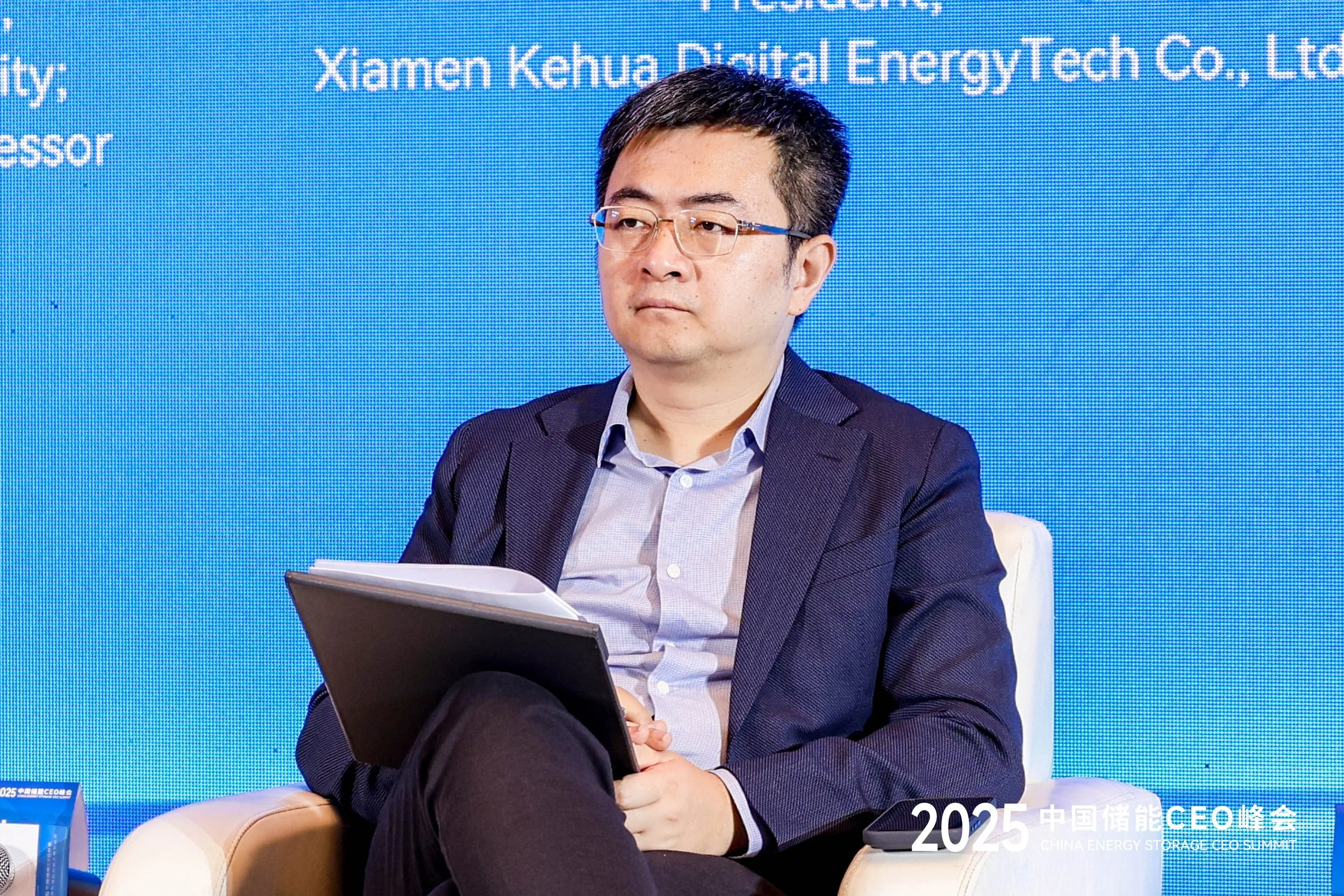
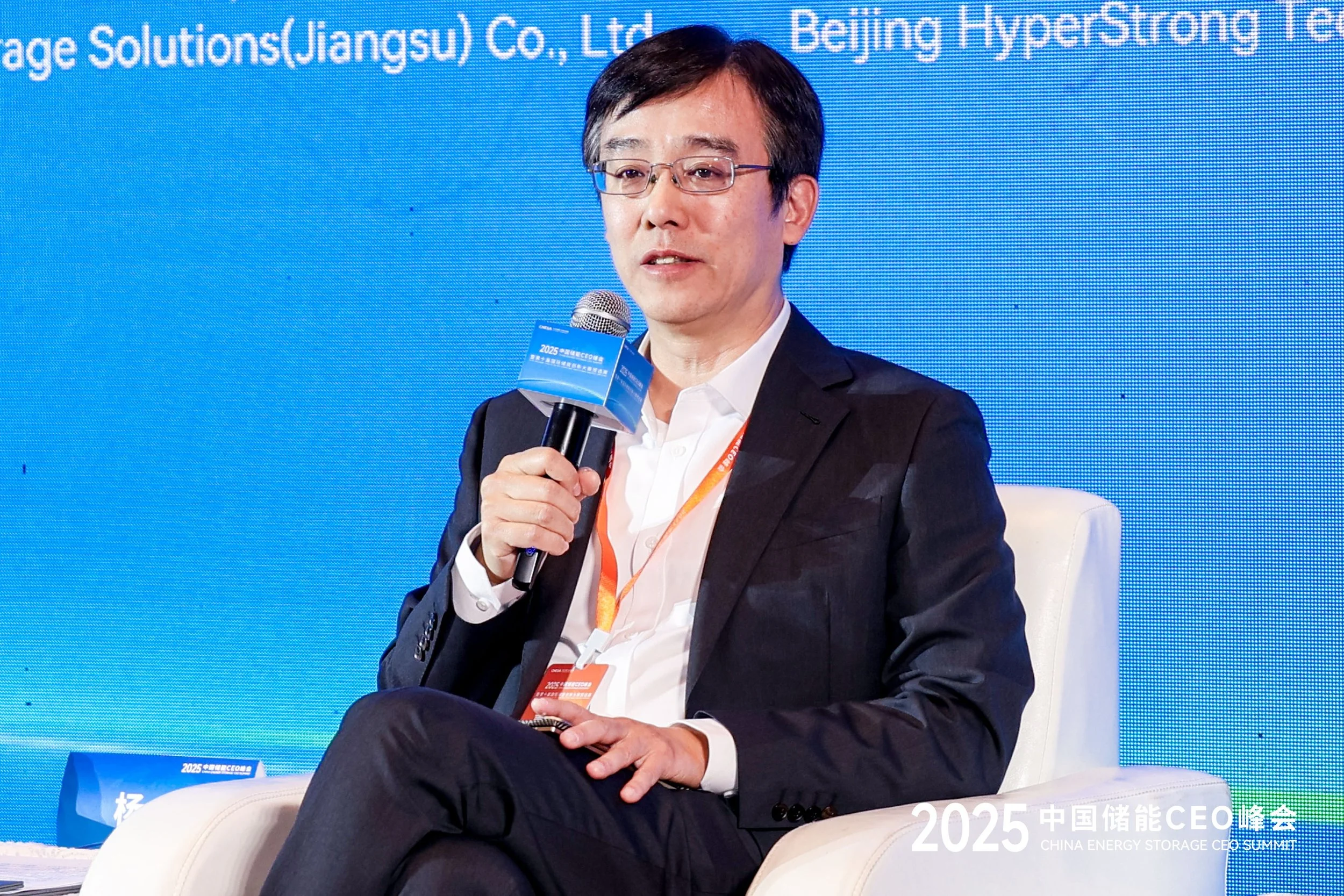
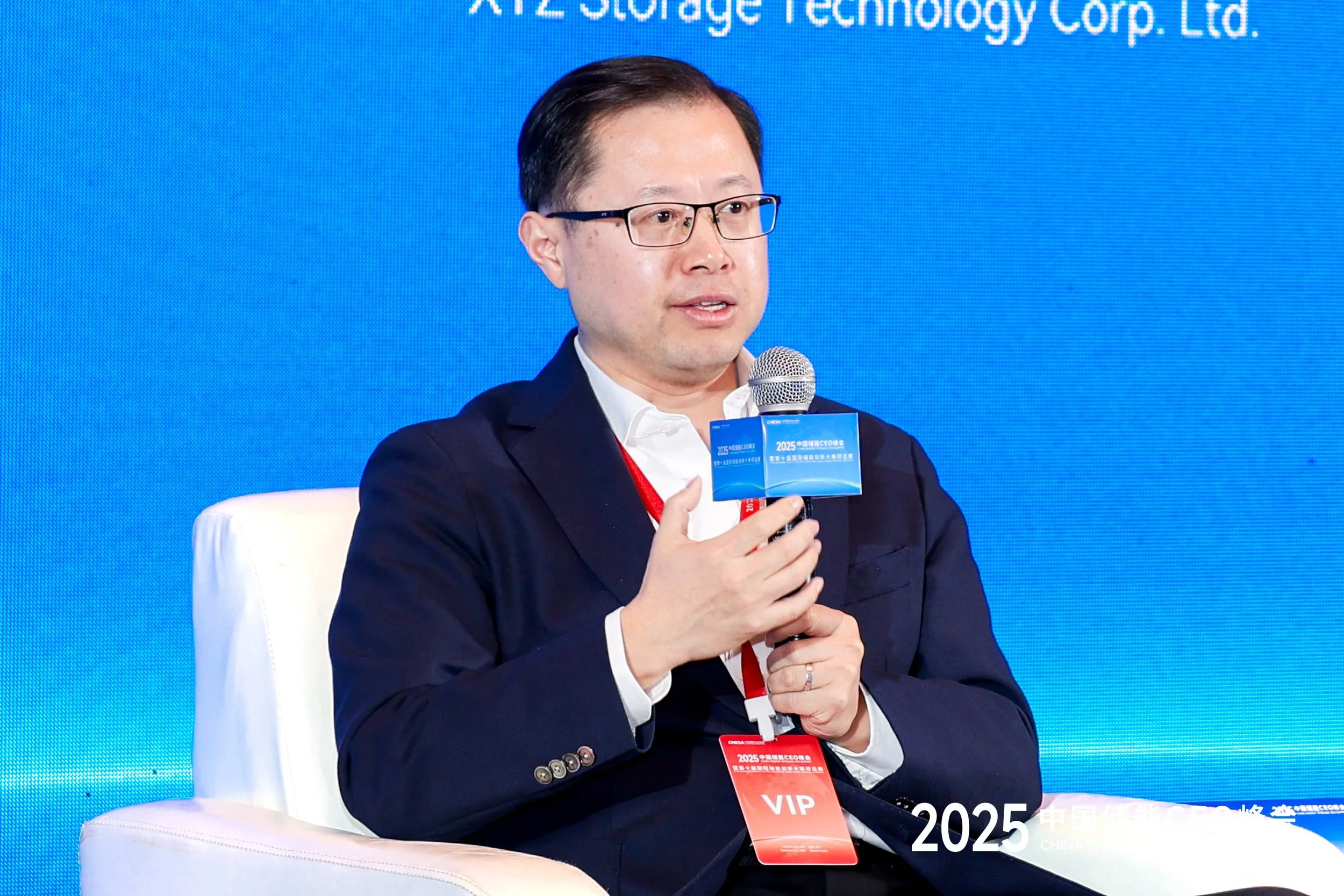
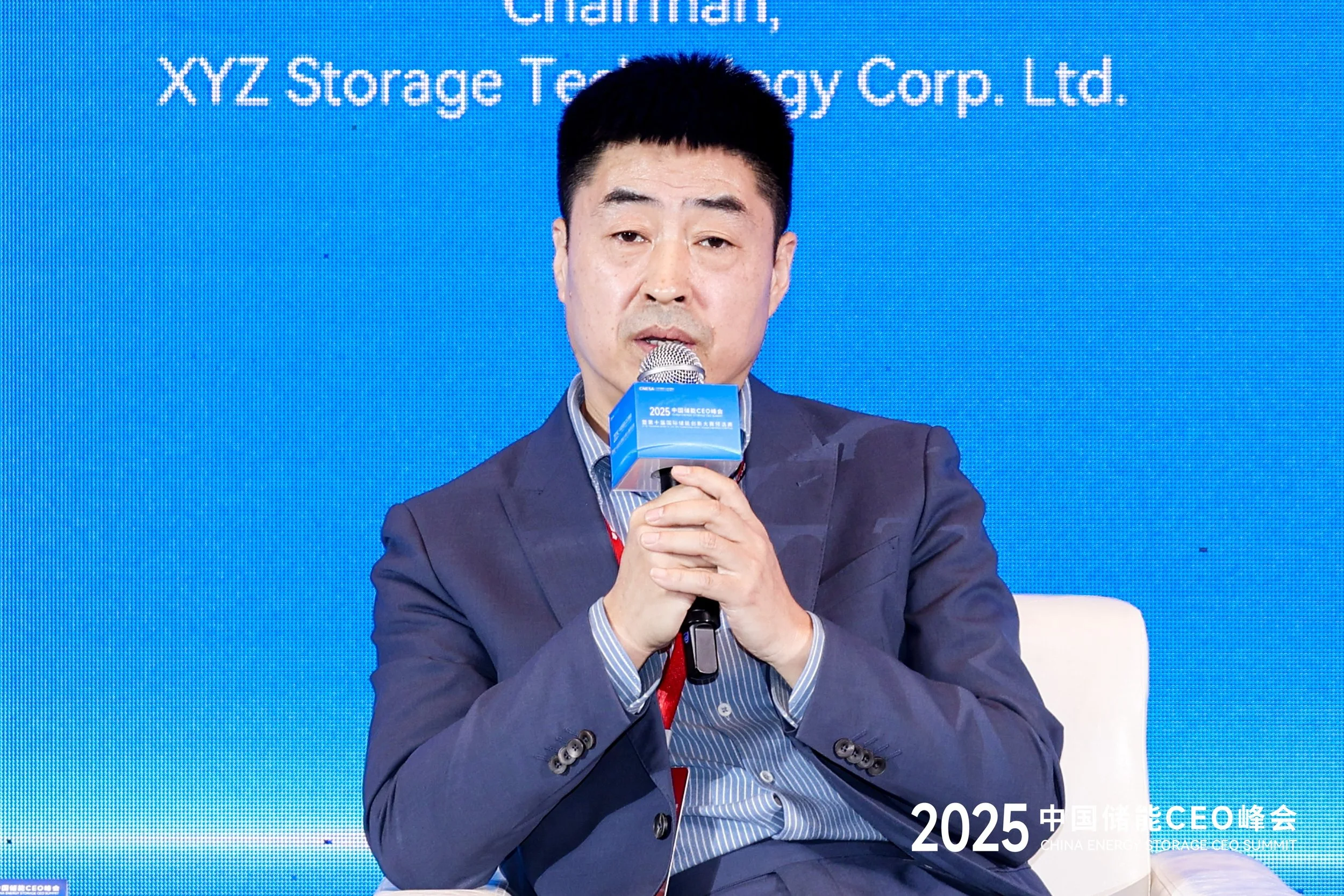
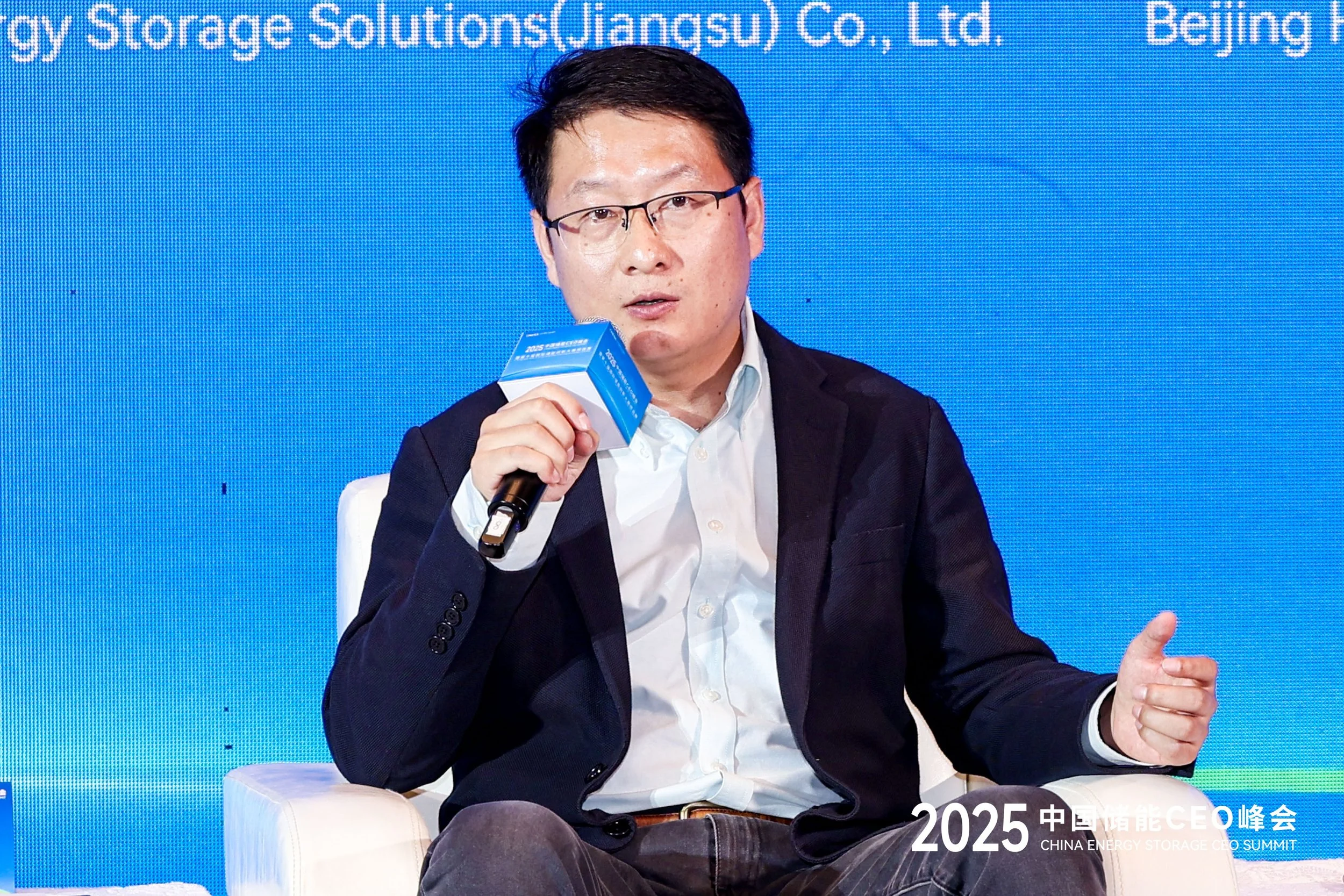
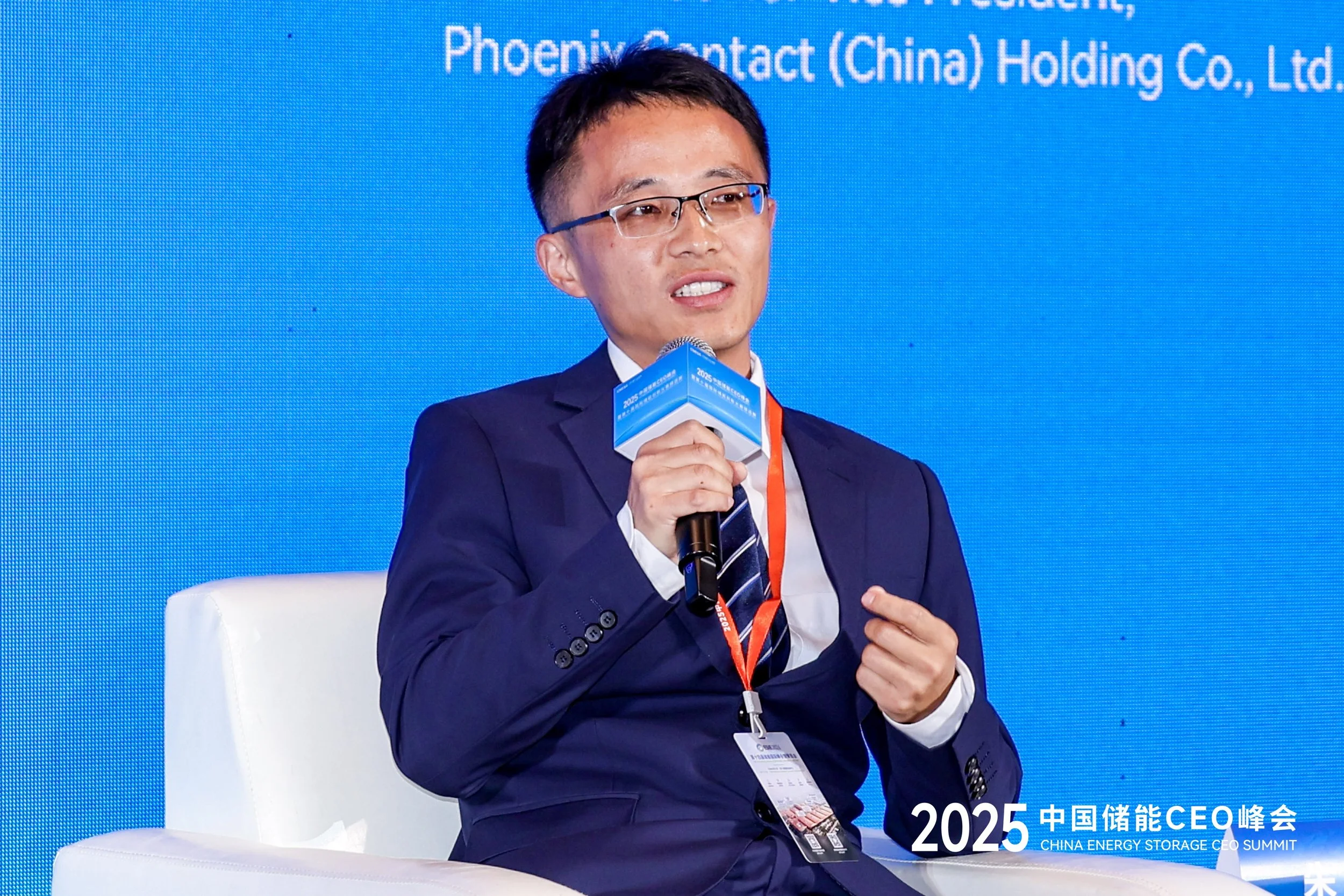
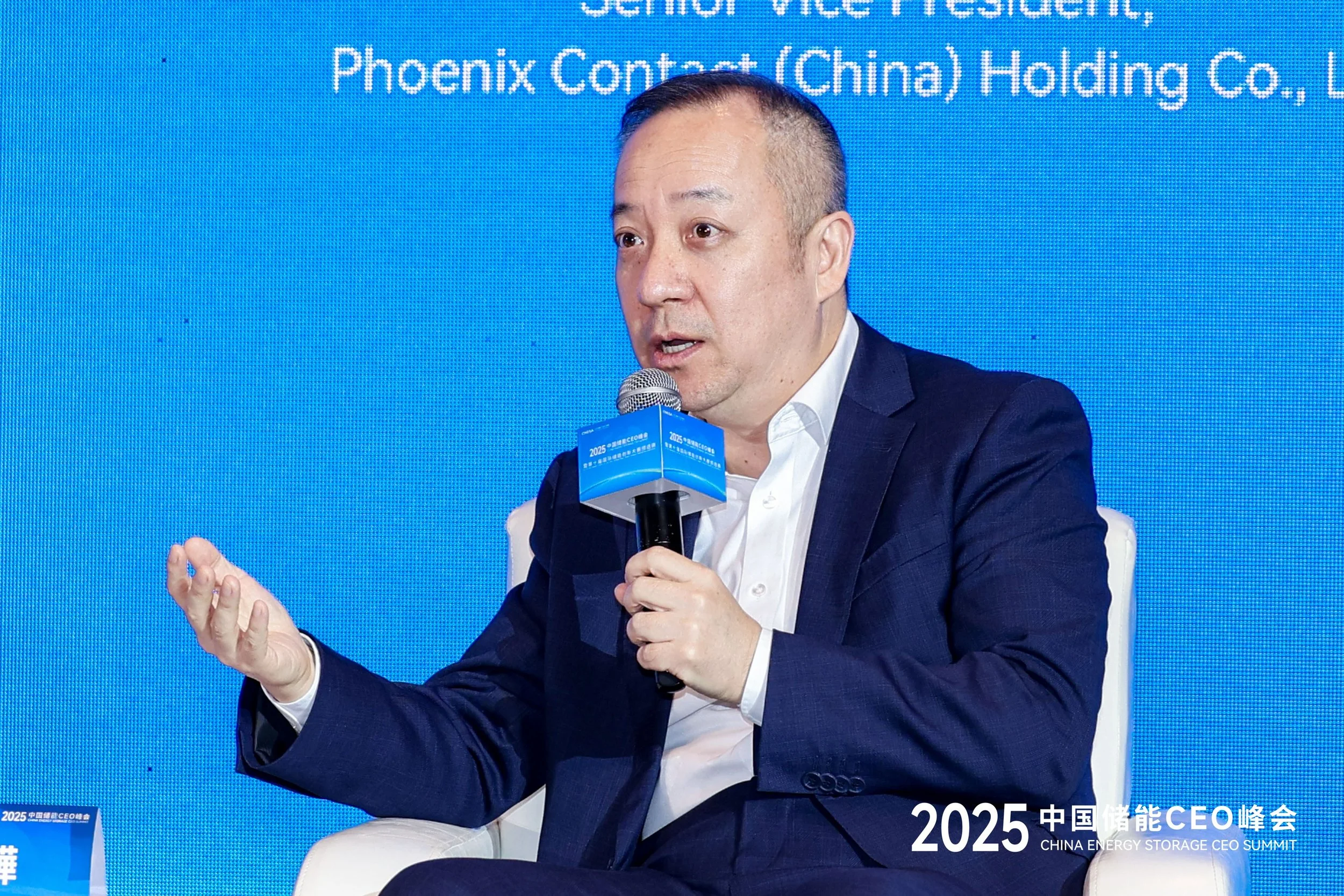
The CEO roundtable was hosted by Yu Zhenhua, Executive Vice Chairman of CNESA, participants included: Prof. Zheng Zhifeng (College of Energy, Xiamen University), Cui Jian (President of Kehua Digital Energy), Yang Guang (CTO, HyperStrong), Yang Rui (Chairman, Shuangdeng Group), Lian Zhanwei (Chairman, XYZ Storage), Yang Bao (President, Trina Storage), Richard Wan (VP, Potisegde), Zhu Wei (SVP, Phoenix Contact China), etc.
Discussions centered on global strategy, supply-chain collaboration, ecosystem development, and technology innovation as the core driving engine for 2030 competitiveness.
Three Parallel Sessions
Overseas Markets • Technology Innovation • Computing Power
+ Energy Storage
Session 1: Overseas Energy Storage Opportunities & Business Models
Hosted by Richard Wan (VP, Potisegde), experts from academia and industry - including Prof. Chen Haoyong (South China University of Technology), Liu Yudong (Senior Solutions Director, Kehua Digital Energy Overseas), Li Zhongli (VP, HyperStrong Europe),Richard Wan (VP, Potisegde), Alessandro Wei (Engineering Director, Green Gold Energy), Salomon Martens (CEO, DRSOLAR Denmark ApS) and others - shared insights on grid-forming storage, battery intelligence, grid-structured energy storage technology, ultra-safety systems, and commercial opportunities across Europe and Australia.
The International Roundtable 1 focused on “Overseas Energy Storage Opportunities and Ecosystem Collaboration.” Under the moderation of Prof. Chen Haoyong, South China University of Technology (part-time professor, Universiti Tunku Abdul Rahman), the discussion brought together Sun Rongtao, President of Strategic Investments, China, Saudi Aramco; Salomon Martens, CEO of DRSOLAR Denmark; Alessandro Wei (Wei Xiaowei), Engineering Director of Green Gold Energy; Wang Yichao, Deputy General Manager of XYZ Storage; and Shi Wenbo, President of the Hisense Network Energy and Vice Chairman of KE Electric. They engaged in an in-depth exchange on strategies for overseas market expansion and ecosystem collaboration.
Session 2: Advanced Energy Storage Technology & Solutions
Hosted by Huang Junhui, former Deputy Director of SGCC Jiangsu Institute of Economic Research, Lin Jinshui, senior expert in energy storage solutions of Kehua Digital Energy; Li Ming, global product management head of Trina Storage; Yang Xinyu, market development manager of Ampace; Li Bingzhang, director of energy storage technology of Zhuzhou CRRC Times Electric; Tan Cheng, industry manager of Phoenix Contact; Wu Junjie, marketing manager of Prima Power Sheet Metal Equipment (Suzhou); Kalina Pelovska, chief investment officer of Renalfa IPP; Robert Kraszewski, CEO of RJS Construction; and Fu Chungui, industry director of Hymson Laser Technology shared insights on grid-forming storage, AIDC applications, full life cycle safety protection and intelligent upgrade of production lines under Document 136, and BESS commercial applications in Eastern Europe.
The International Roundtable 2 focused on “the demand distribution and potential of emerging energy storage markets”. Under the moderation of Wendy Wen (Wen Mingyuan), the discussion brought together Kalina Pelovska, chief investment officer of Renalfa IPP GmbH (Austria/Bulgaria); Gabriel Nenov, head of the energy storage division (eastern Europe) of Solarpro Technology AD; Robert Kraszewski, COO (Denmark) of RJS construction ApS; andLi Fengzhi, general manager of overseas marketing team of SAV Digital Power. They engaged in an in-depth exchange on opportunities and challenges in the global energy storage market.
Session 3: Energy Storage + Data Centers (AIDC)
Hosted by Zhang Jianing, senior policy research manager of CNESA, Zhong Yihua, VP of Shuangdeng Group; Li Yusheng, deputy director of the information energy innovation center of China Mobile Group Design Institute; Peng Huana, deputy chief engineer of Fujian Yongfu Power Engineering; Li Xu, technical expert of the power solutions department of Vertiv; Luo Guirong, former technical director of Kehua Data; Lu Zongshuo, product marketing manager of Ampace; Ding Changfu, senior product manager of Hithium Energy Storage; Zhang Wenjian, director of TAOS Data; Yang Qian, senior solution expert in the energy industry of Inspur KaiwuDB. They engaged in an in-depth exchange on the deep integration of "energy storage + computing power", high-rate and high-safety lithium battery solution empowering AIDC and green construction practice under the synergy of computing and electricity, and further explored how time series data and multimodal AI unlock the value of data assets in the energy industry.
The 2025 CEO Summit brought together the core strengths of the energy storage ecosystem to envision new scenarios, new landscapes, and new growth paths. Standing at the year's end and looking toward the future, we firmly believe that energy storage is not only a support technology for power systems but also a key engine driving global green transformation.
Toward 2030, let us take this Summit as a new starting point - strengthening collaboration, embracing open innovation, accelerating global supply-chain development, and co-building a win-win ecosystem.
With joint efforts across domestic and international markets, the industry will shift from rapid expansion to high-quality growth and inject strong, certain “Chinese contribution” into global energy security and a net-zero future.
A new journey begins - let us advance together, break the waves, and co-create a zero-carbon future.
CENSA Upcoming Events:
Apr. 1-3, 2026 | The 14th Energy Storage International Conference & Expo
Register Now to attend, free before Dec 31, 2025.

Sign up for our free monthly newsletter to stay informed about the Chinese energy storage market.