
Latest News
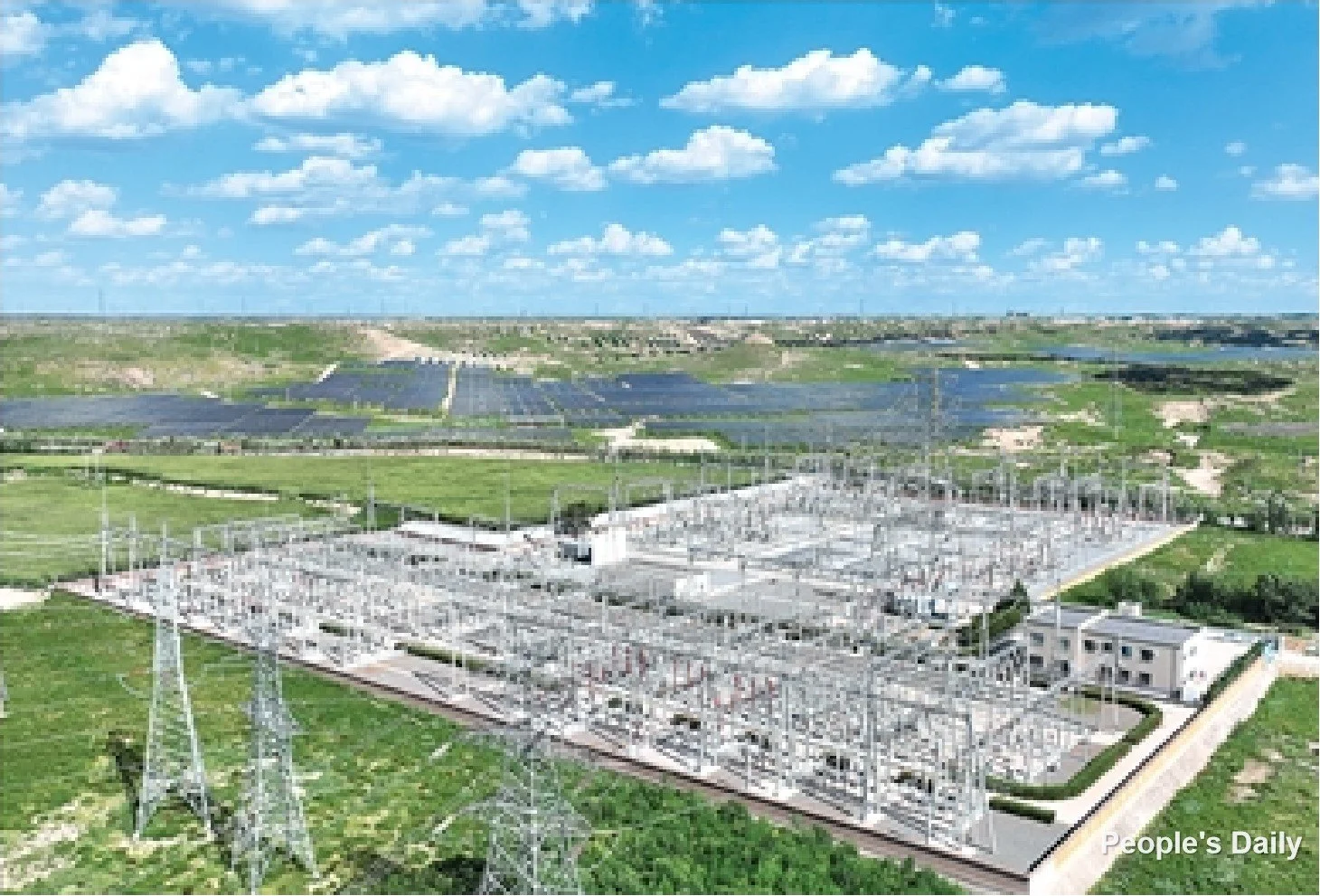
Thirtyfold Growth in Five Years! From China to the World, New Energy Storage Unlocks a Trillion-Yuan Market
Source: China Electric Power News
From China to the World
New Energy Storage Unlocks a Trillion-Yuan Market
As the “China International Import Expo 2025” unfolds, a green revolution driving the global energy transition is simultaneously taking shape.
On November 5, as a key session of the 8th Hongqiao International Economic Forum, the Parallel Forum on “Promoting High-Quality Development of New Energy Storage to Accelerate the Global Energy Transition” attracted global attention.
According to information shared at the forum, by the end of September 2025, China’s new energy storage installed capacity had reached 103 GW, over 30 times higher than at the end of the 13th Five-Year Plan, accounting for more than 40% of the global total, ranking first in the world.
As China’s new energy storage industry moves from initial commercialization to large-scale development, what opportunities and challenges lie ahead? And how will the acceleration of the “China Program” reshape the global energy storage ecosystem?
Balancing domestic demand with global expectations, this “Shanghai dialogue” on new energy storage is writing the next chapter of the world’s energy transition story.
China’s New Energy Storage Drives Trillion-Yuan Industrial Investment
New energy storage is a key technology in building a new energy system and a modern power system, and an essential driver of global green transformation. From being written into China’s 2024 Government Work Report to continuous new project commissioning in 2025, the industry’s growth has clearly accelerated.
“By the end of September this year, China’s new energy storage capacity exceeded 100 GW, becoming an integral part of the new power system.”
—— Song Hongkun
Member of the Party Leadership Group and Deputy Director of the NEA
By province, Inner Mongolia and Xinjiang both exceeded 10 GW, ranking first nationwide. By region, North China accounted for 31.18 GW, or 30.4% of the national total. In terms of scale, installations above 100 MW made up over two-thirds, showing a strong trend toward large-scale development.
As installed capacity rises, China’s energy storage dispatch and operational performance continues to improve. NEA data show that during the first three quarters of 2025, average utilization hours reached 770, up by 120 hours year-on-year, with strong performance in provinces such as Yunnan, Zhejiang, and Jiangsu.
During the peak summer months of July and August - when electricity demand repeatedly surpassed 1 trillion kWh - new energy storage played a vital role. In the State Grid operating area, the maximum dispatchable storage power exceeded 64 GW, with real-time discharge peaking at 44 GW, providing robust support for power supply security.
At the industrial level, China’s innovative practices in new energy storage have also driven significant upgrades across the supply chain. By September, lithium-ion batteries remained dominant, accounting for 96.1% (98 GW) of total capacity. Compared with 2022, EPC tender prices fell by 40% and cell prices by 60%, significantly reducing costs and accelerating exports.
In 2024, Chinese-made storage batteries accounted for over 93.5% of global shipments, with the world’s top eight suppliers all from China. Laureano Ortega Murillo, Adviser to the President of Nicaragua, revealed that the country had begun preliminary cooperation with Huawei in energy storage.
“China has become the world’s largest producer and exporter of lithium batteries. High-quality Chinese energy storage products are now exported to the Americas, Europe, the Middle East, and Oceania, earning widespread recognition from overseas users.”
—— Xiao Lu
Deputy Director-General of the Department of Foreign Trade, Ministry of Commerce
China is now using its technological innovation and manufacturing strength to provide high-performance products to the world - injecting “Eastern Contribution” into the global energy transition.
Unlocking the Full Value of New Energy Storage
With the rapid integration of renewable energy, balancing electricity supply and maintaining grid stability have become key challenges. Diverse storage technologies are now serving as flexible resources that can handle intraday, inter-day, seasonal, and regional energy transfers.
Since 2024, multiple 300 MW compressed air, 100 MW flow battery, and MW-class flywheel storage projects have entered operation. Several grid-forming energy storage projects have also been implemented, and innovative technologies such as gravity storage and CO2 compression storage are being rapidly deployed.
Lithium-ion storage continues to evolve toward high-capacity cells and large-scale integration. Flow battery installations have reached 1.15 GW, about 30 times higher than in 2020, while compressed-air storage achieved a “zero-to-one” breakthrough during the 14th Five-Year Plan, now reaching 830 MW. Solid-state and hydrogen storage technologies are also progressing rapidly, marking the rise of a diversified storage landscape.
In January 2025, China’s landmark Policy Document No. 136 (Notice on Deepening Market-Based Pricing Reform for Renewable Energy and Promoting High-Quality Development) provided a clearer market pathway for monetizing storage services such as peak shaving and frequency regulation.
By June, 194 new energy storage power stations (totaling 20.59 GW) in the State Grid area had participated in market transactions, accounting for 27% of total installations - mainly in peak regulation - showing steady growth in both scale and impact.
However, many experts at the forum noted that the full market value of new energy storage remains underdeveloped.
“Currently, standalone storage only participates in the day-ahead market; access to the real-time market remains limited. Ancillary service markets lack diversity and sufficient compensation, which fails to reflect the full value of storage in fast frequency response, ramping, capacity, inertia, and black-start services.”
“China has yet to introduce a capacity compensation mechanism for energy storage or policies allowing utilities to recover alternative storage costs through transmission and distribution tariffs. This reflects a lag in both understanding and technical capability amid the increasing complexity of the power system.”
“When pricing systems can better reflect true value, market forces will play their proper role.”
Meng Qingqiang also pointed out that China has yet to introduce a capacity compensation mechanism for energy storage or policies allowing utilities to recover alternative storage costs through transmission and distribution tariffs.
Strengthening Technological and Industrial Cooperation
How can China and the world further accelerate the high-quality development of new energy storage and achieve carbon-peak goals on schedule? Forum participants reached a common consensus: “Accelerate innovation and strengthen international cooperation.”
The recently released 15th Five-Year Plan Proposals emphasize the need to “build a new energy system, continuously increase renewable energy’s share, advance the safe and orderly replacement of fossil fuels, and vigorously develop new energy storage.”
“The next phase will involve coordinated planning for the 15th Five-Year period, accelerating the improvement of market mechanisms, advancing technology R&D, and deepening international collaboration. We will strengthen enterprises’ roles in innovation, improve lithium-ion storage quality and performance, and promote breakthroughs in promising emerging technologies. Meanwhile, following the principles of complementarity and mutual benefit, we will enhance bilateral and multilateral cooperation to jointly advance technological progress and industrial development.”
—— Bian Guangqi
Deputy Director of the Department of Energy Conservation and Technology Equipment, NEA
“Continuing institutional reforms to strengthen storage’s role as an independent market entity, enabling participation in energy, ancillary service, and cross-province trading markets, while fostering new business models such as leasing and capacity compensation.”
—— Wang Shaomin
Deputy General Manager of State Power Investment Corporation (SPIC)
“By 2030, China’s new energy storage capacity could reach 260 GW, continuing to lead global development.”
—— Steven Chu
Nobel Laureate in Physics and former U.S. Secretary of Energy
According to the China Energy Storage Industry White Paper 2025, under a conservative scenario, China’s cumulative new energy storage capacity will reach 236.1 GW by 2030, representing a 20.2% CAGR (2025–2030); under an optimistic scenario, it could reach 291.2 GW, with a 24.5% CAGR.
“After the rapid growth of the 14th Five-Year period, the new energy storage sector will accelerate again during the 15th Five-Year Plan, expanding applications, innovating business models, and unleashing new momentum.
China’s energy storage business model has shifted toward value-driven growth. Products with superior technical performance, higher safety, and optimized costs will gain stronger competitiveness, steering the industry toward high-quality development - from ‘price competition’ to ‘value competition.”
—— Yu Zhenhua
Founder and Executive Vice Chairman of the CNESA (China Energy Storage Alliance)
(By Yi Yuntong)
CENSA Upcoming Events:
1. Dec.4-5 | 2025 China Energy Storage CEO Summit | Xiamen, Fujian
Register Now to attend
Read more: http://en.cnesa.org/new-events-1/2025/12/4/dec4-5-2025-china-energy-storage-ceo-summit

2. Apr. 1-3, 2026 | The 14th Energy Storage International Conference & Expo
Register Now to attend, free before Oct 31, 2025.

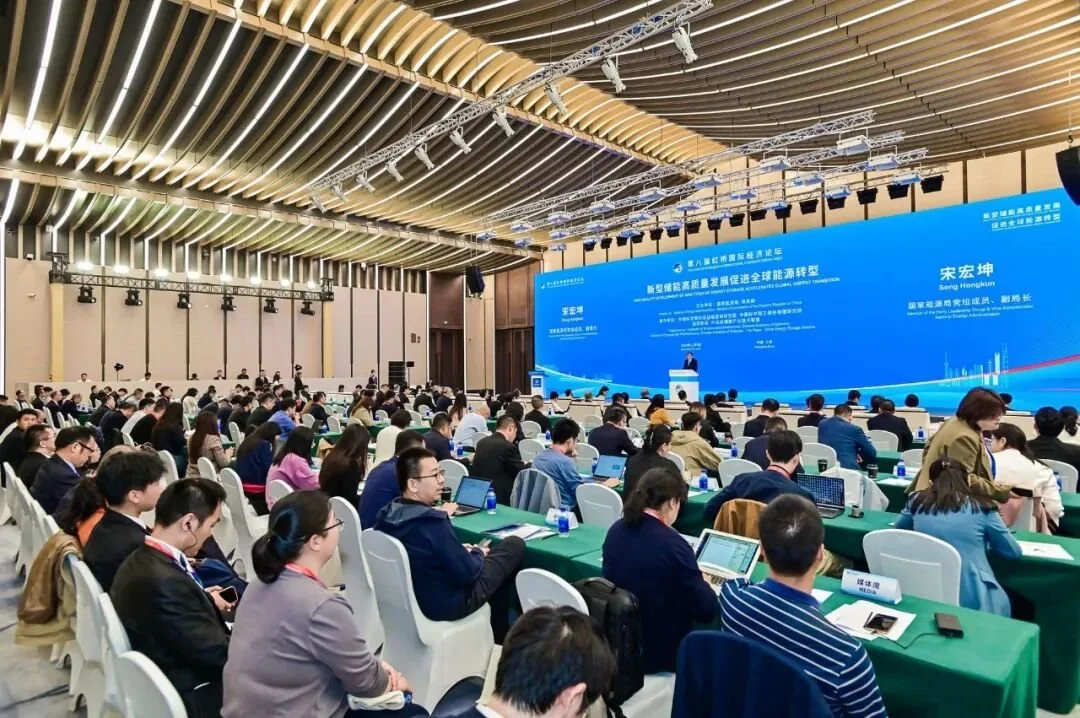
The 8th Hongqiao International Economic Forum’s Parallel Forum on New Energy Storage Held in Shanghai
"Those who share the same aspirations will not be kept apart by mountains and seas."
On November 5, 2025, the 8th China International Import Expo (CIIE) opened as scheduled. As one of its key supporting events, the Hongqiao International Economic Forum focuses on major global economic issues. This year, a Parallel Forum on New Energy Storage was held, reflecting the world’s shared attention to energy transition and sustainable development.
On the afternoon of November 5, the Parallel Forum on “Promoting High-Quality Development of New Energy Storage to Accelerate the Global Energy Transition”, jointly hosted by the National Energy Administration (NEA) and the Ministry of Commerce (MOFCOM), was successfully held at the National Exhibition and Convention Center (Shanghai). The event was co-organized by the Institute of Science and Development, Chinese Academy of Sciences (CASISD), the Institute of Engineering Thermophysics, CAS, The Paper, and the China Energy Storage Alliance (CNESA).
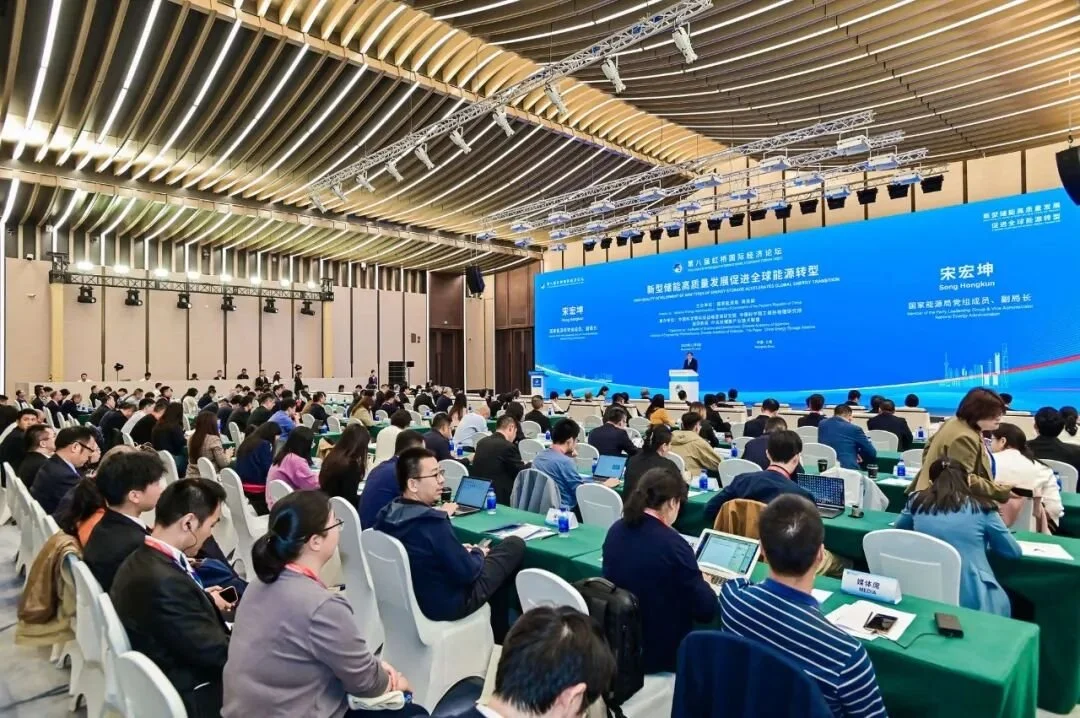
The forum brought together high-level guests from across China and abroad. Notable participants included Mr. Song Hongkun, Member of the Party Leadership Group and Deputy Director of the NEA; Ms. Xiao Lu, Deputy Director-General of the Department of Foreign Trade, MOFCOM; Mr. Zheng Deyan, Deputy Secretary of the Party Leadership Group and Deputy Director of the Shandong Provincial Development and Reform Commission, and Director of the Provincial Energy Bureau; Mr. Yang Yang, Director of the Xinjiang Uygur Autonomous Region Energy Bureau; Mr. Meng Qingqiang, Chief Engineer of the State Grid Corporation of China; Mr. Wang Shaowu, Deputy General Manager of China Southern Power Grid; Mr. Wang Shaomin, Deputy General Manager of State Power Investment Corporation (SPIC); Prof. Xia Qing from Tsinghua University; Mr. Pan Jiaofeng, President of CASISD; Mr. Yu Zhenhua, Executive Vice Chairman of CNESA; and Mr. Chen Xiang, Senior Vice President of EVE Energy and Head of EVE Energy Storage.
International guests included Mr. Laureano Ortega Murillo, Advisor to the President of the Republic of Nicaragua for Investments, Trade and International Cooperation, and Mr. Adam Bralczyk, Consul General of the Republic of Poland in Shanghai.
Dr. Steven Chu, Nobel Laureate in Physics and former U.S. Secretary of Energy, joined the event via video link.
The forum attracted extensive participation across the energy storage ecosystem, highlighting a shared commitment to high-quality development and open collaboration.
Leaders from the National Development and Reform Commission, the Ministry of Industry and Information Technology, and provincial energy authorities from Liaoning, Hebei, Jiangxi, Guangdong, Sichuan, Yunnan, Inner Mongolia, Hunan, Guangxi, and Gansu attended.
Executives from major state-owned enterprises such as State Grid, China Southern Power Grid, Huaneng, Datang, Huadian, SPIC, China Three Gorges Corporation, China Energy, POWERCHINA, Energy China, CGN, Inner Mongolia Energy Group, and Guangxi Energy Group were also present.
Representatives from leading enterprises, research institutes, and financial institutions participated, alongside international delegates from the Embassy of the French Republic, the Consulate General of the Republic of Finland in Shanghai, and the German Chamber of Commerce Abroad – Greater China (AHK), reflecting strong global consensus and cooperation toward energy transition.

The session was moderated by Mr. Liu Deshun, Director-General of the Department of Energy Conservation and Science & Technology Equipment at the NEA.
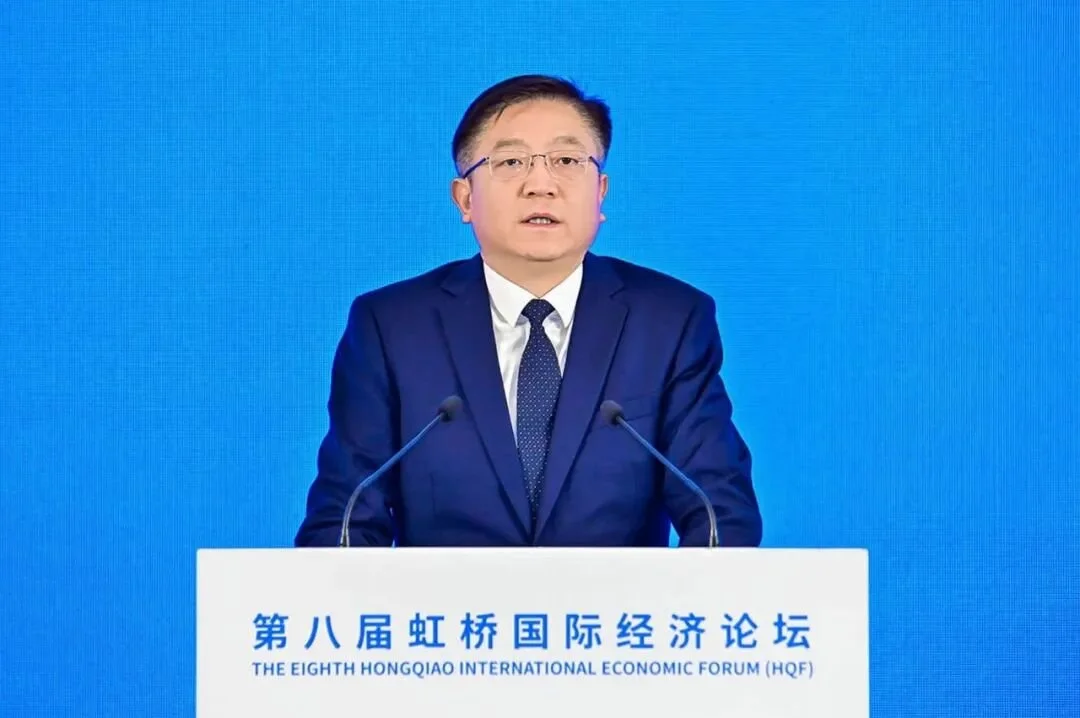
In his opening address, Deputy Director Song Hongkun emphasized that, marking the 10th anniversary of the Paris Agreement, the NEA continues to implement the “Four Revolutions, One Cooperation” energy security strategy, building the world’s largest and fastest-growing renewable energy system and a complete new energy industry chain.
As a key enabler of China’s new power system, new energy storage has achieved remarkable progress — reaching over 100 GW of installed capacity by September 2025 — and has become essential for renewable integration and energy security.
Since the start of the 14th Five-Year Plan, China’s new energy storage has directly driven over 200 billion yuan in project investment and over 1 trillion yuan across the industrial chain, supplying high-performance products globally and contributing to the energy transition. Looking ahead to the 15th Five-Year Plan, the NEA will continue promoting innovation, improving market mechanisms, and fostering new productivity in the energy sector to ensure the carbon peak goal is met on schedule.
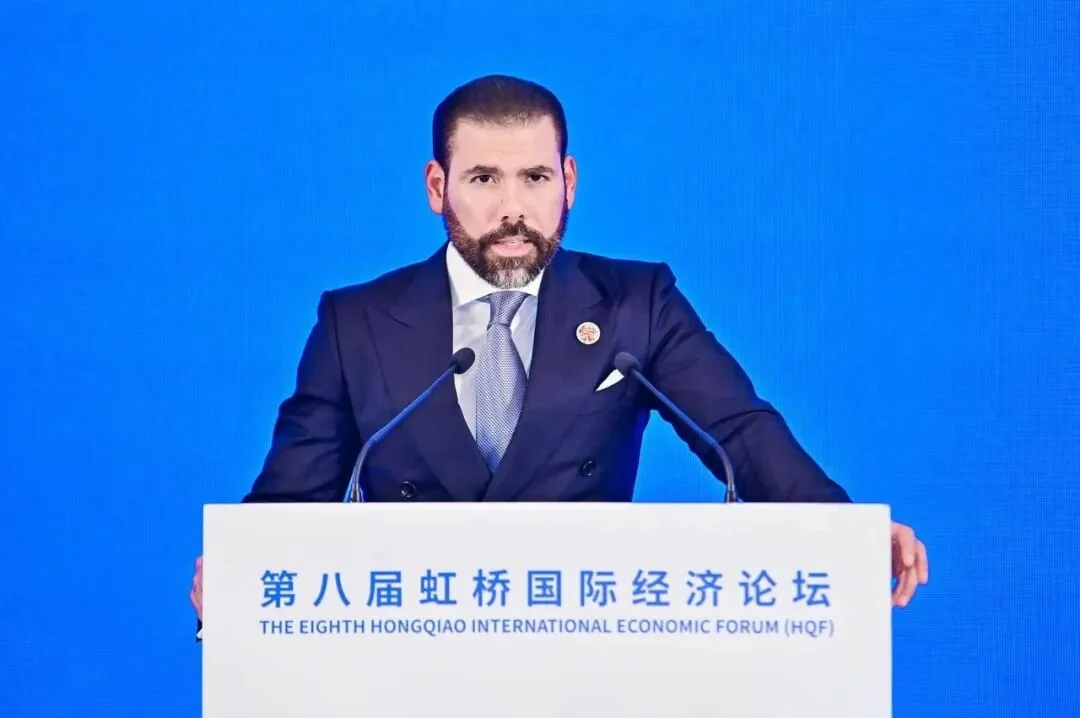
Mr. Laureano Ortega Murillo stated that Nicaragua is accelerating industrialization and energy diversification to meet growing power demand.
With abundant solar, wind, and geothermal resources, Nicaragua has already partnered with CCCC, POWERCHINA, and Huawei in renewable and storage projects. He welcomed further Chinese investment and cooperation to jointly advance global energy transition.
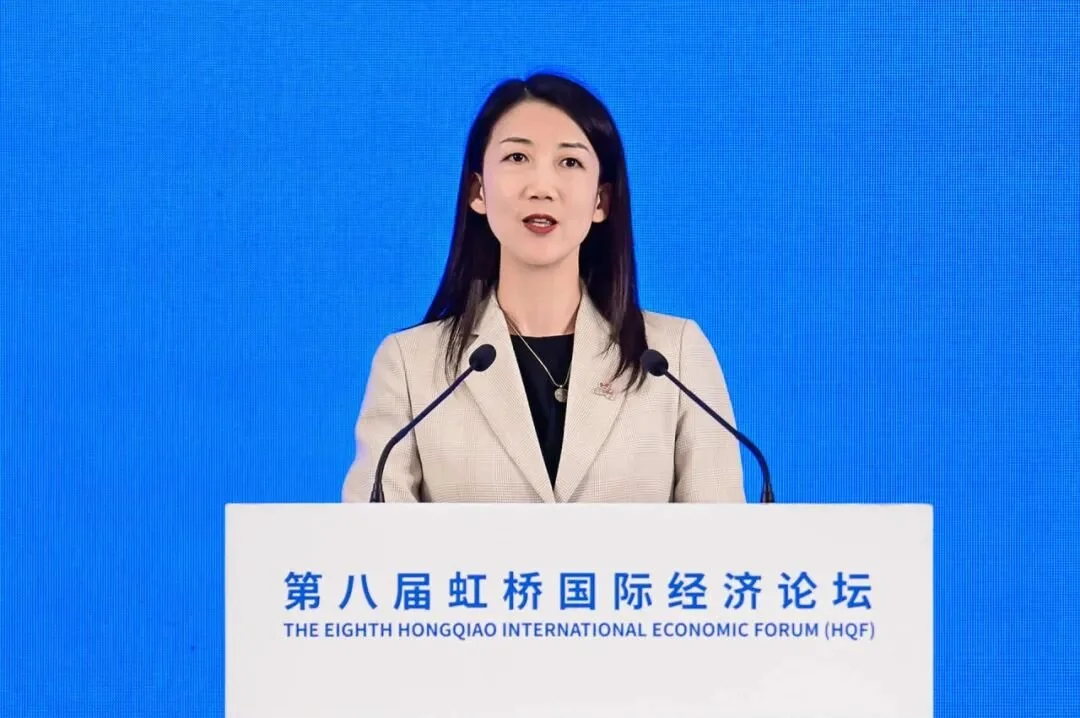
Ms. Xiao Lu, Deputy Director-General of MOFCOM’s Department of Foreign Trade, noted that Chinese energy storage enterprises are rapidly expanding abroad, leveraging technological and supply chain advantages to power the global green transition.
She highlighted three major trends:
Continuous expansion of trade volume;
Strengthened role as a global supply chain hub;
Steady growth in outbound investment.
Looking ahead, China will further support two-way openness — encouraging foreign enterprises to establish R&D centers in China and supporting domestic companies to “go global” — while enhancing international standards cooperation and alignment.
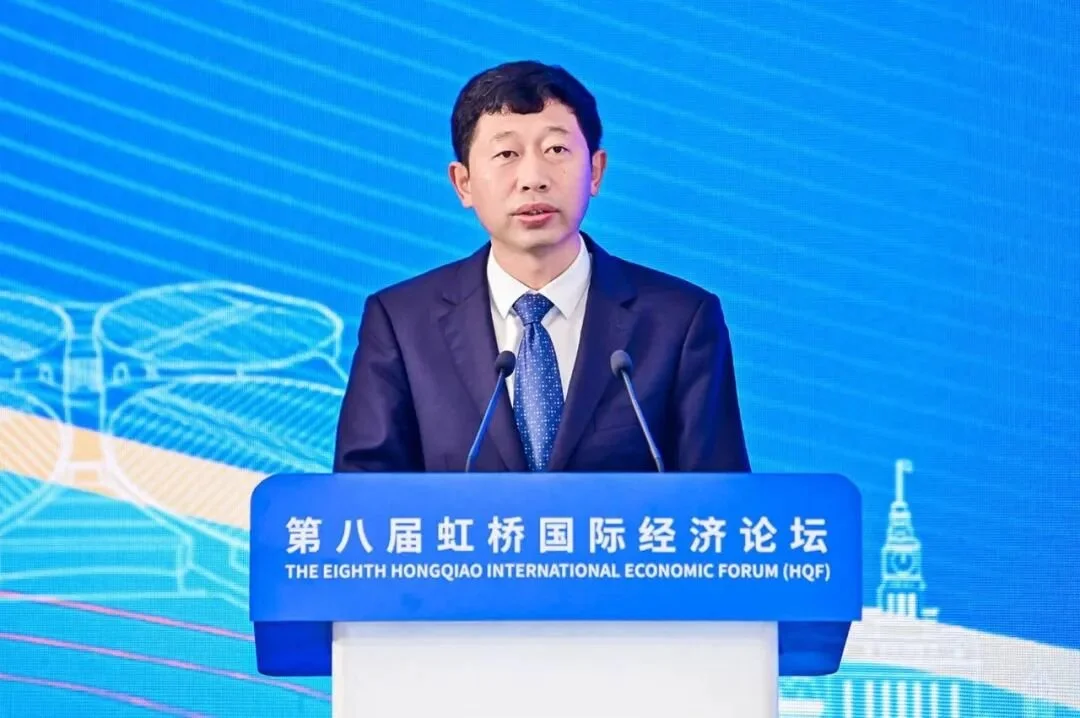
Mr. Bian Guangqi, Deputy Director-General of NEA’s Department of Energy Conservation and Science & Technology Equipment, delivered a keynote titled “Vigorously Developing New Energy Storage to Support New Power Systems.”
He highlighted that NEA continues to advance innovation and comprehensive policy measures, creating favorable conditions for technology progress, industrial growth, and improved commercial models in the new energy storage sector.
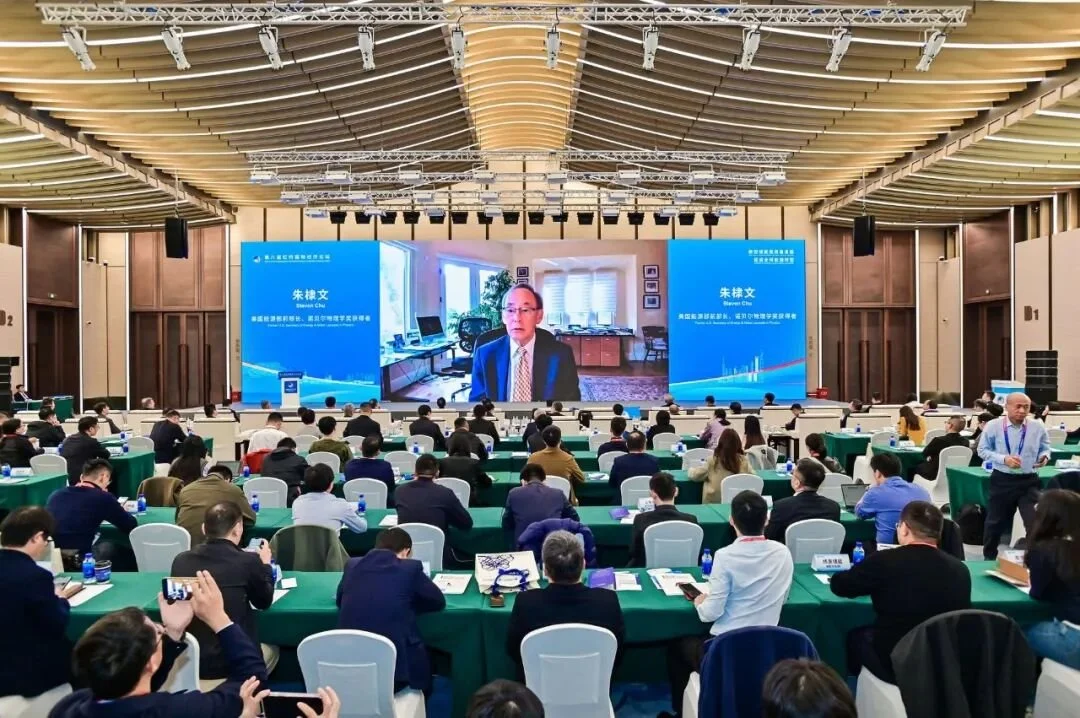
Dr. Steven Chu, Nobel Laureate and former U.S. Secretary of Energy, stressed via video that the world faces an urgent decarbonization challenge. While renewable energy costs have fallen sharply, he noted that achieving deep decarbonization requires multiple complementary technologies.
He praised China’s global leadership in large-scale wind turbines, battery storage, and nuclear cost control, and emphasized that efficient, affordable energy storage, next-generation nuclear, and carbon capture and storage (CCUS) will be crucial to achieving climate goals.
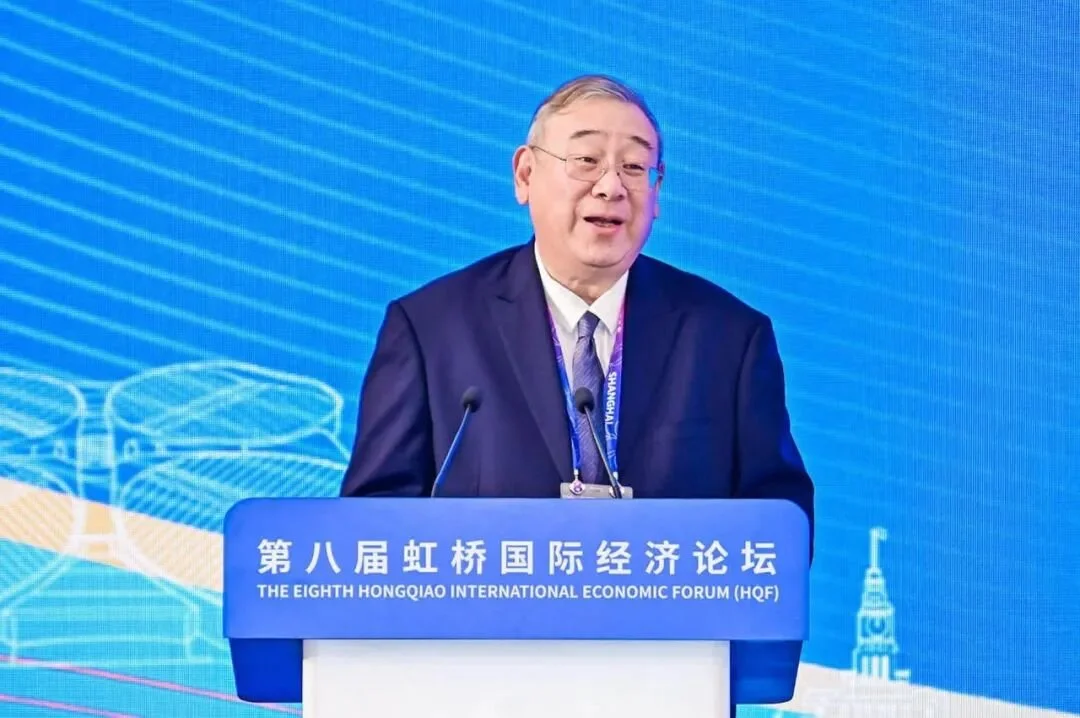
Mr. Meng Qingqiang, Chief Engineer of State Grid, analyzed challenges such as planning mismatches, insufficient market value recognition, and incomplete safety standards. He proposed coordinated planning, diversified market mechanisms, and accelerated innovation to support new power system construction.
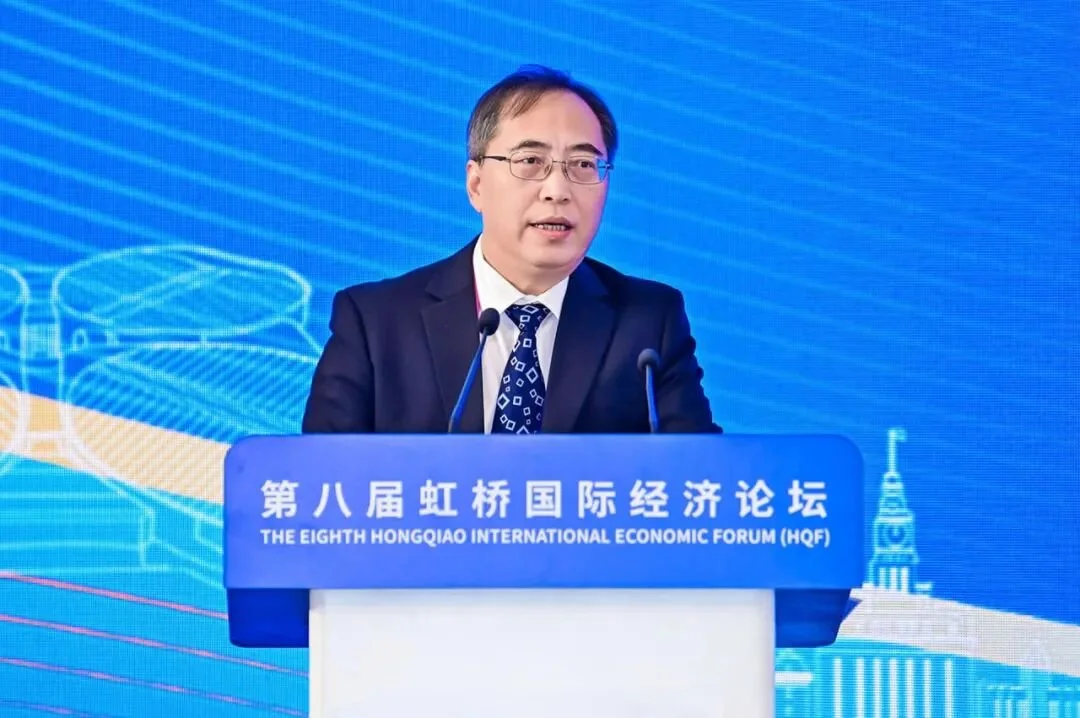
Mr. Wang Shaowu of China Southern Power Grid emphasized that energy storage, as a strategic technology for new power systems, faces both opportunities and challenges in achieving high-quality development. He outlined the company’s strategy to strengthen value creation, system integration, and platform-based innovation.
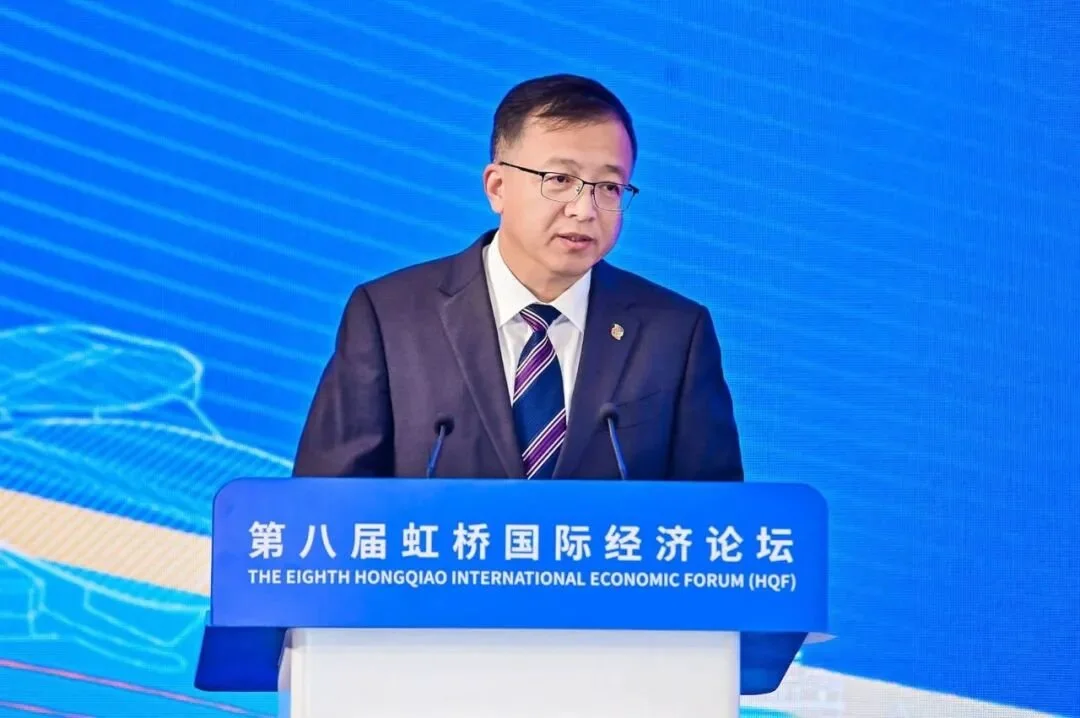
Mr. Wang Shaomin of SPIC reported that China’s cumulative new energy storage capacity reached 114 GW by October 2025, marking a shift from policy-driven to market-driven growth. SPIC now operates 279 projects totaling 8.74 GW (20.94 GWh), ranking first nationwide, and will continue promoting global collaboration and innovation.
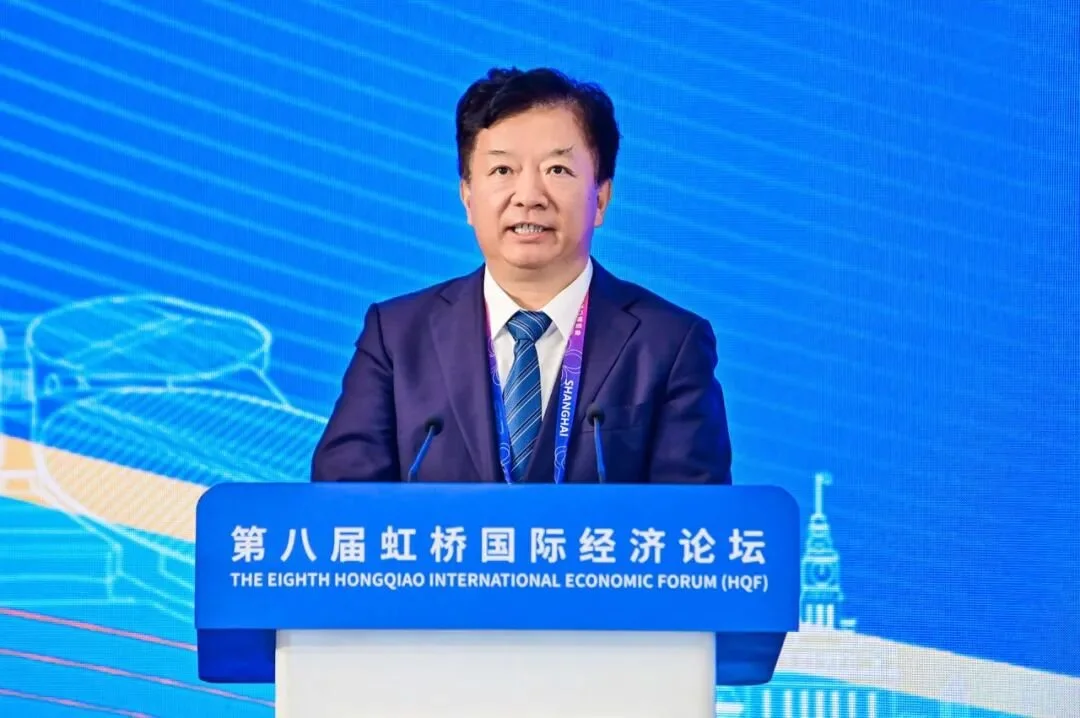
Mr. Zheng Deyan from Shandong Energy Bureau shared Shandong’s leadership in energy storage, noting 9.74 GW of operational capacity, ranking among the top three provinces in China for three consecutive years. The province aims to establish a “predictable, sustainable, and scalable” market mechanism to ensure reasonable returns and reduce investment risk.
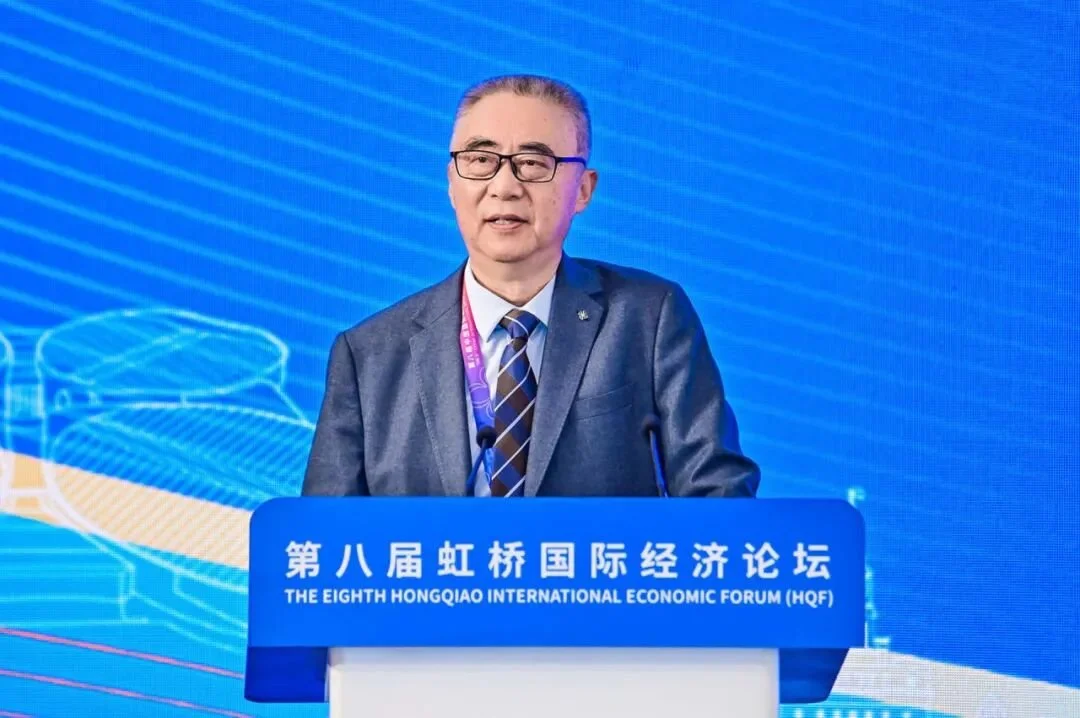
Prof. Xia Qing from Tsinghua University analyzed China’s policy evolution from early mandatory installation to market-based incentives such as capacity compensation and spot trading, enabling rapid capacity growth and cost reductions exceeding 50% since 2022.
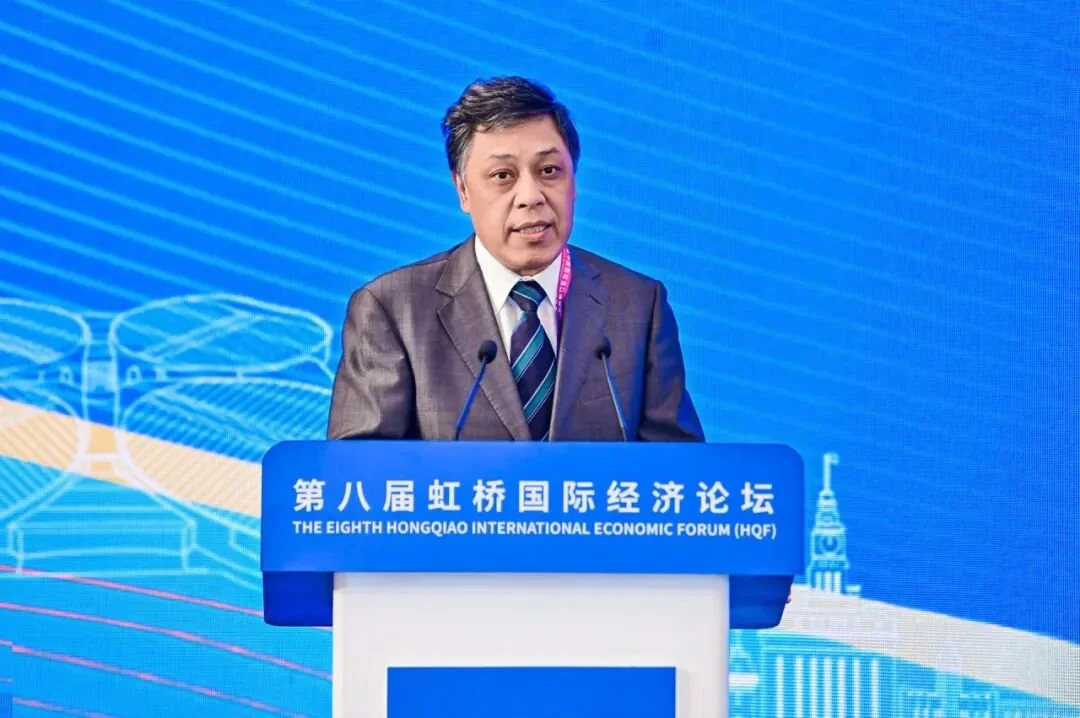
Mr. Pan Jiaofeng, President of CASISD, reviewed China’s progress in wind, solar, EVs, and hydrogen, and called for faster development of a non-fossil energy–dominated, innovation-driven power system to balance energy security and low-carbon transition.
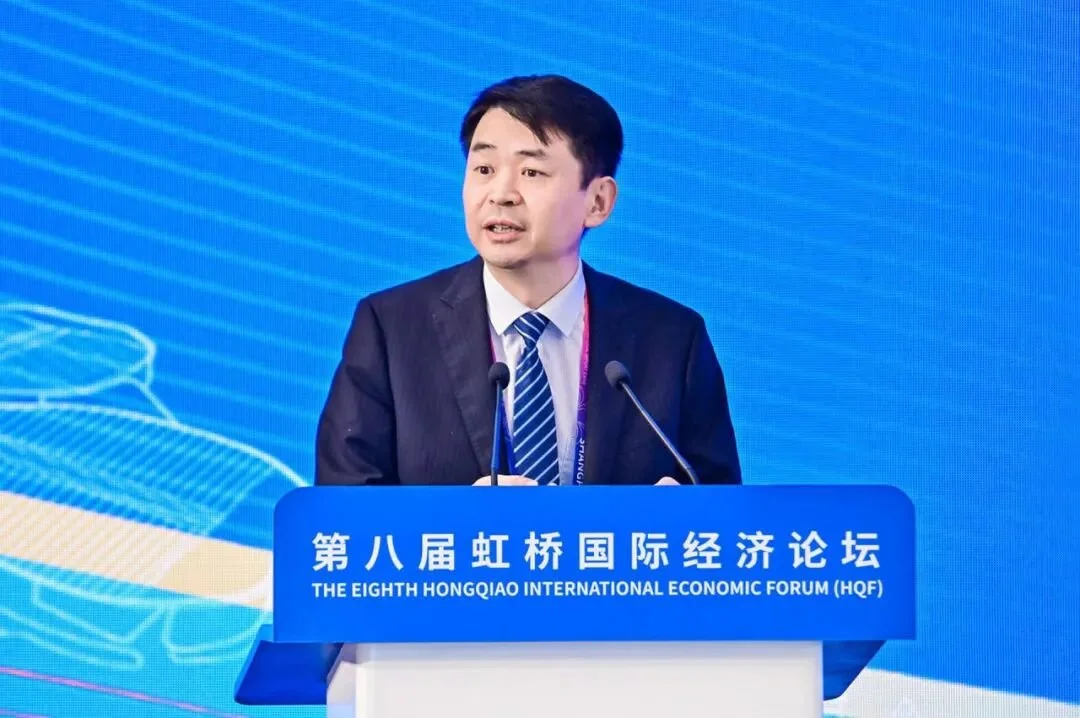
Mr. Yu Zhenhua, Executive Vice Chairman of CNESA, outlined trends in technology and industrial development — from pumped storage to battery-dominated systems — and highlighted growing diversification (e.g., sodium-ion and flow batteries) and enhanced safety standards.
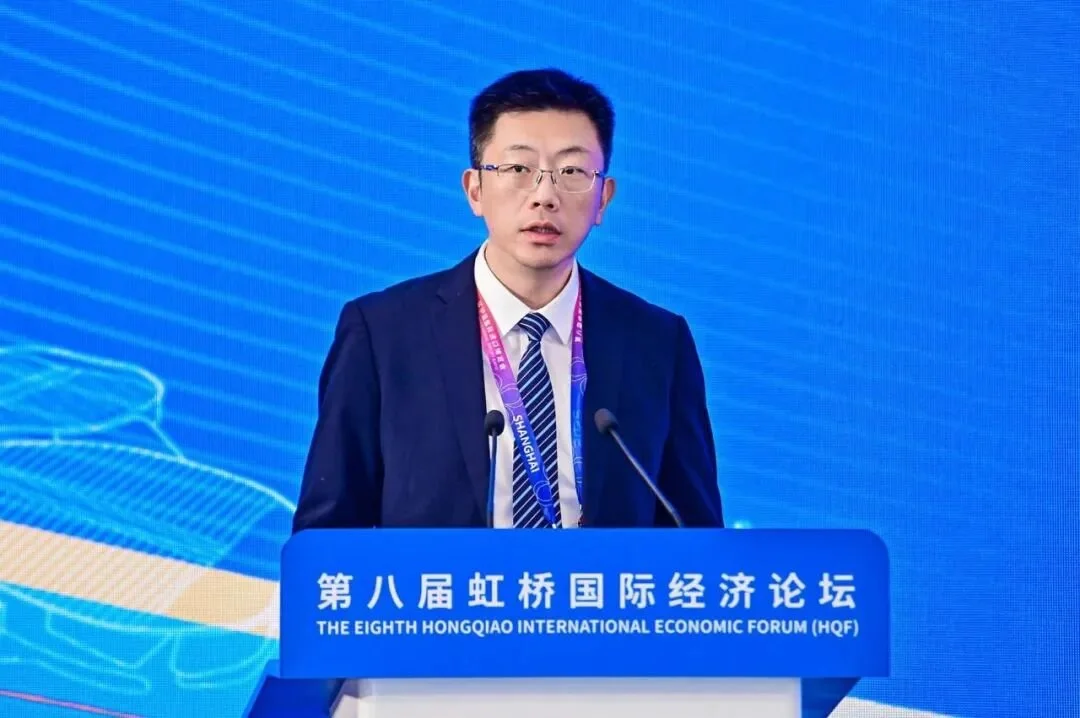
Mr. Chen Xiang, Senior VP of EVE Energy, noted that global markets show significant diversity in development stages and demand structures. He emphasized localization, long-duration storage innovation, and multi-technology approaches (solid-state, sodium-ion, etc.) to support a clean, resilient global energy system.
The Parallel Forum on New Energy Storage at the 8th Hongqiao International Economic Forum served as a vital platform for global dialogue and collaboration.
Participants exchanged insights on technological innovation, market mechanisms, and international cooperation, forming broad consensus on the future of the energy storage industry.
As one of the key achievements of this year’s Hongqiao Forum, the event will inject strong momentum into optimizing the global energy structure and advancing sustainable development and carbon neutrality worldwide.
CENSA Upcoming Events:
1. Dec.4-5 | 2025 China Energy Storage CEO Summit | Xiamen, Fujian
Register Now to attend
Read more: http://en.cnesa.org/new-events-1/2025/12/4/dec4-5-2025-china-energy-storage-ceo-summit

2. Apr. 1-3, 2026 | The 14th Energy Storage International Conference & Expo
Register Now to attend, free before Oct 31, 2025.

Sign up for our free monthly newsletter to stay informed about the Chinese energy storage market.