
Latest News

China National Energy Administration Issues New Industry Standards, Including Key Regulations for Electrochemical and Compressed Air Energy Storage Stations
In a recent move to support energy security and the transition to green, low-carbon development, the National Energy Administration (NEA) has released a batch of major industry standards. These standards aim to promote emerging technologies, new industries, and innovative business models within the energy sector. Among the newly released documents are several that directly concern energy storage technologies, particularly electrochemical energy storage and compressed air energy storage (CAES) stations.
The following energy storage standards are included:
Technical Specification for Grid-Connection Acceptance of Electrochemical Energy Storage Stations
This standard applies to the grid-connection acceptance of newly built, reconstructed, and expanded electrochemical energy storage stations connected at 10kV (or 6kV) voltage level or above. It specifies the grid-connection acceptance conditions, acceptance procedures, scope of acceptance responsibilities, acceptance content, and technical requirements. The implementation of this standard can regulate the grid-connection acceptance procedures during the production preparation phase of electrochemical energy storage stations and help enhance the level of safe and stable operation.
Design Code for Underground Gas Storage Facilities in Compressed Air Energy Storage Stations
This standard is applicable to the design of underground gas storage facilities in newly built, expanded, or reconstructed compressed air energy storage stations. It stipulates site selection and layout, stability analysis, support design, structural design, and main equipment for underground gas storage. The implementation of this standard fills the gap in domestic technical standards for underground gas storage facilities in CAES stations and holds significant importance for standardizing their design and construction.
Design Code for Compressed Air Energy Storage Stations
This standard applies to non-combustion compressed air energy storage stations with a single generator unit capacity of 10MW or above. It outlines requirements for power systems, site selection, overall planning and layout, main equipment and systems, thermal storage and exchange systems, main plant area layout, gas storage systems, auxiliary process systems and equipment, and electrical equipment. The release and implementation of this standard is expected to improve the standardization of CAES station designs, enhance equipment compatibility, and reduce investment risks.
With the publication of these standards, the National Energy Administration continues to set a clear regulatory framework for advancing critical energy technologies. The inclusion of detailed specifications for both electrochemical and compressed air energy storage facilities marks a significant step in aligning technical standards with the evolving demands of China’s modern energy infrastructure.

Sichuan Adds 27 Grid-Side Storage Projects to 2025 Roster, Signaling Regional Push for Power System Flexibility
Chengdu-led initiatives dominate the list, with compressed air and hybrid battery projects highlighting diversified technology strategies
The Sichuan Provincial Development and Reform Commission (DRC) and the Sichuan Energy Bureau have officially released the “2025 Grid-Side New Energy Storage Project List,” comprising 27 storage projects across the province. The notice, dated July 9, 2025, directs local authorities, grid companies, and project developers to expedite construction, ensure safety compliance, and regularly report progress.
The inclusion of these projects marks a continuation of Sichuan’s strategy to scale up non-hydro grid flexibility in tandem with growing renewable integration. Projects that fail to demonstrate substantive construction progress within one year of the notice risk removal from the list, reinforcing the province’s push for implementation over intent.
Provincial Backing to Accelerate Energy Storage Buildout
Issued under official document Chuan Fa Gai Neng Yuan [2025] No. 309, the notification underscores the province’s commitment to grid-side energy storage as a means of enhancing system stability and optimizing resource allocation. Local Development and Reform Commissions and energy authorities are tasked with coordinating inter-agency efforts, while grid operators such as State Grid Sichuan are expected to facilitate access and interconnection.
The notice stipulates that all stakeholders—particularly project owners—must adhere to market-based principles in project advancement, while also complying with safety, fire protection, and regulatory oversight. Monthly progress reporting is mandatory, and the policy reiterates that failure to commence substantive construction within a year will lead to project disqualification from the list.
Technology Diversity Reflects Strategic Positioning
While electrochemical storage continues to dominate—with most projects sized at 100MW/200MWh—Sichuan is also experimenting with a range of storage technologies. Notably, the 300MW/2400MWh compressed air energy storage (CAES) project in Chengdu Eastern New Area stands out as the largest capacity installation and the only CAES project on the list.
Other variations include:
A hybrid electrochemical + supercapacitor project in Pengzhou (100MW/200MWh + 2.5MW supercapacitor), reflecting interest in fast-response ancillary services
A mixed lithium iron phosphate/sodium-ion battery system in Leshan’s Qianwei County
A vanadium redox flow battery project in Jiajiang County, offering long-duration discharge capabilities
These examples suggest a strategic tilt toward technology diversification to support various grid functions, from peak shaving to black-start capability.
Policy Implementation Mechanics and Compliance Framework
The policy stipulates clear accountability:
Local governments must coordinate and supervise project rollout.
Grid enterprises are expected to expedite interconnection procedures.
Project developers must follow market-driven financing and implementation models.
Safety and fire management are prioritized, with site-level responsibility assigned to project owners.
Crucially, projects will be delisted if not meaningfully under construction by July 2026, injecting a strong compliance signal into the project pipeline. Progress updates are to be submitted monthly, reinforcing bureaucratic visibility and minimizing lag.
Market and Competitive Landscape Outlook
The approved list suggests that energy storage is becoming an essential infrastructure class in Sichuan, not merely an auxiliary service. With capacity additions ranging predominantly in the 100–200MW bracket, developers appear to be responding to a provincial market increasingly shaped by:
Renewable intermittency
Peak demand differentials
Grid congestion in urban clusters like Chengdu
The integration of CAES, hybrid chemistries, and flow batteries may position Sichuan as a testing ground for scaling non-lithium storage technologies—though most commercial traction remains in lithium-based solutions.
Conclusion
Sichuan’s 2025 grid-side storage project list represents a significant step in expanding the province’s energy flexibility infrastructure. As construction progresses and projects begin operation, industry observers will closely watch for updates on revenue mechanisms, dispatch roles, and integration challenges—all of which will determine whether Sichuan’s diversified storage ambitions can translate into lasting grid resilience.
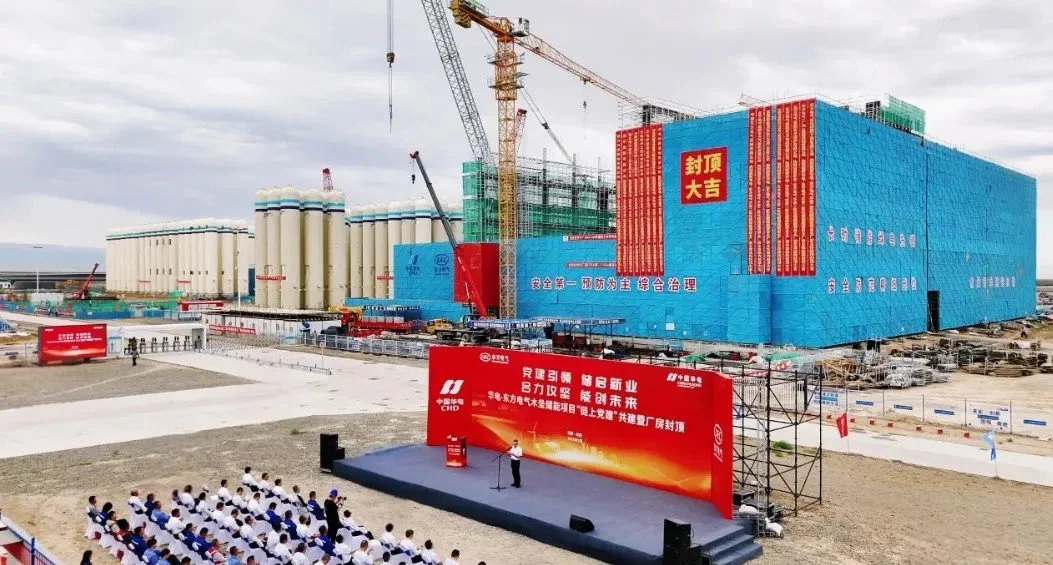
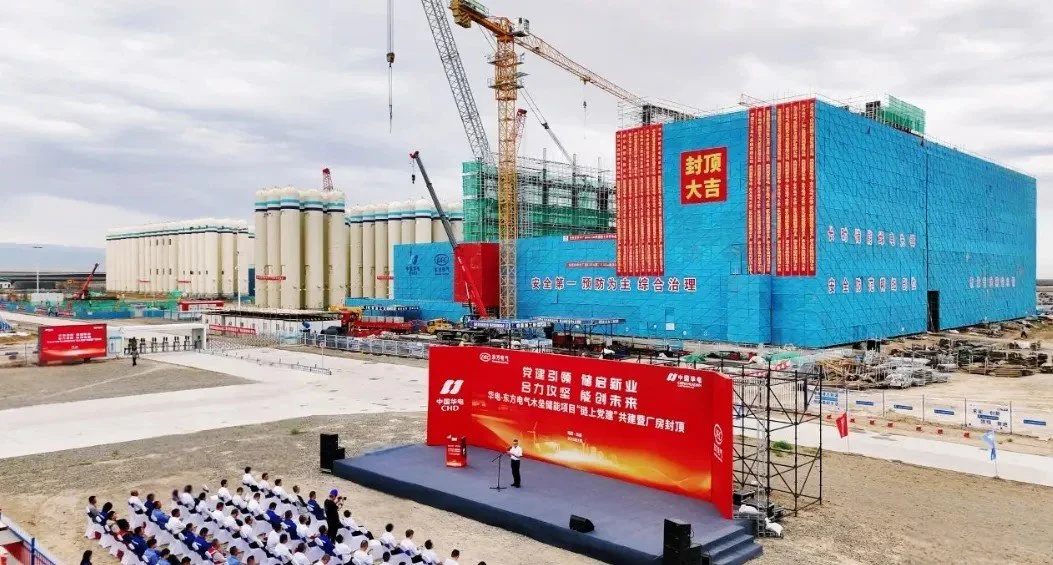
World’s Largest! China Huadian Corporation’s Mulei 100MW/1000MWh CO₂ Energy Storage Project Successfully Topped Out
On July 13, it was reported that the main structure of the Mulei CO₂ energy storage project by China Huadian Corporation was successfully topped out on July 10, laying the foundation for subsequent equipment installation and commissioning work.
This project is a demonstration project of new energy storage supporting the construction of large-scale wind and solar bases in desert, Gobi, and arid regions. It is planned to have an installed capacity of 600,000 kW of wind power, 400,000 kW of photovoltaic power, and 1,000,000 kWh of energy storage, making it the world’s largest CO₂ energy storage project.
The project is located in Western China. It involves the construction of one set of compressed CO₂ energy storage system with an energy storage duration of 8 hours and a power generation duration of 10 hours, adopting a non-combustion compressed CO₂ energy storage process system.
What is CO₂ energy storage?
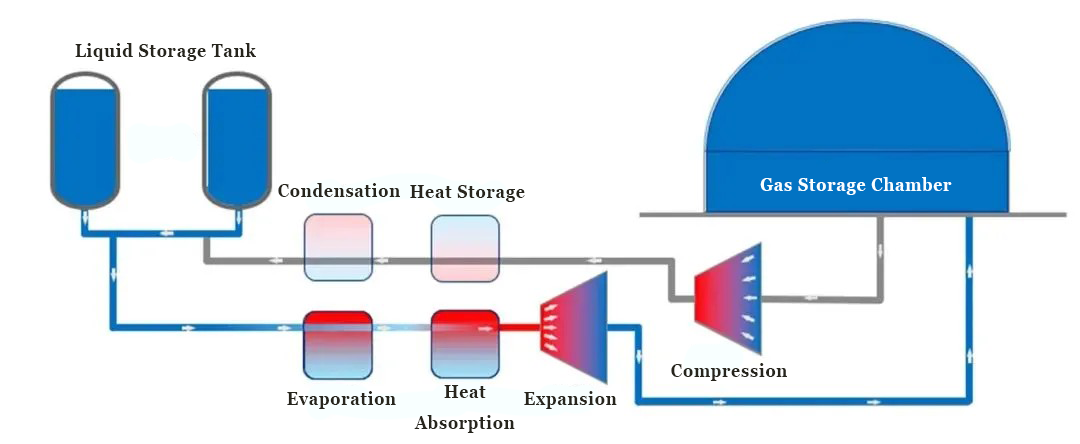
Energy storage phase:
During periods of electricity surplus, atmospheric pressure gaseous CO₂ is compressed, the compression heat is stored, and the high-pressure CO₂ is liquefied at ambient temperature for storage.
Power generation phase:
Stored heat is used to heat the high-pressure liquid CO₂ into high-temperature gas to drive a turbine for power generation.
What are the advantages of CO₂ energy storage?
CO₂ energy storage systems offer multiple advantages in large-capacity, long-duration, and safety-related energy storage applications—
Environmentally friendly
CO₂ operates within a closed system with minimal environmental impact, and the entire process consists of physical changes, producing no pollutants.
No special geological conditions required
Does not require underground space, has good site adaptability, and does not depend on specific geological conditions.
Short construction period, long lifespan, zero carbon emissions
Approximately 2-year construction period, service life exceeding 30 years, non-combustion, zero carbon emissions, and low levelized cost of electricity over the full lifecycle.
Constant pressure operation throughout the entire process
The system runs at constant pressure across all time periods, with rotating machinery operating for extended periods under rated conditions, resulting in high system efficiency.
Meets grid dispatching requirements
Equipment such as compressors, expanders, and heat exchangers can start and stop quickly in a short time, promptly responding to grid dispatching needs.
Provides ancillary services
Can provide rotational inertia support to the grid and offer ancillary services such as peak shaving and frequency regulation.
Controllable industry chain
All subsystems and key core equipment are independently developed and are safe and controllable.

Record-Breaking Again! Shandong's Centralized Dispatch of 144 New Energy Storage Stations Sets New Benchmark
Source: Zhuoyue Ludian
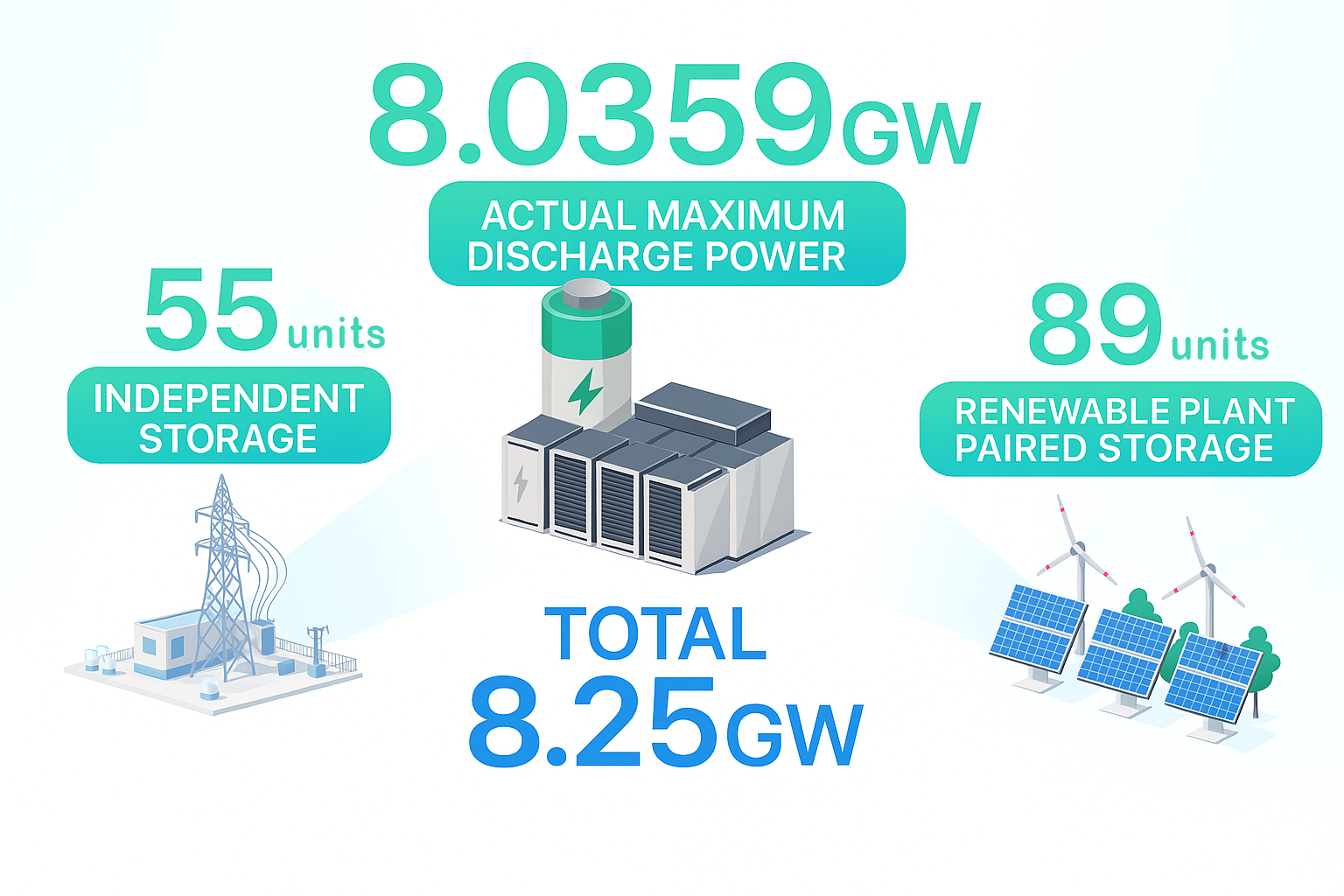
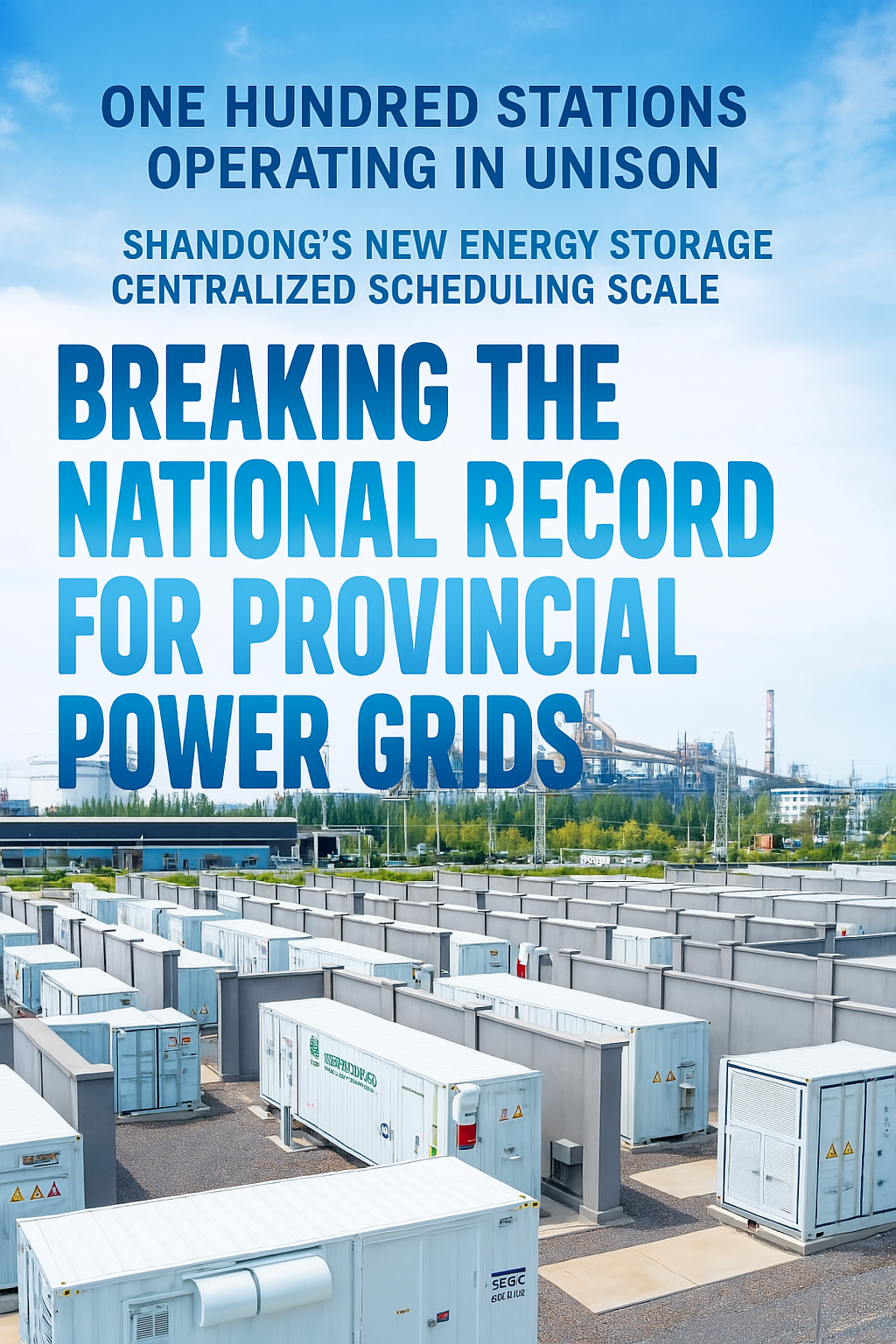
On the evening of July 11, under the unified command of the State Grid Shandong Electric Power Dispatch Center, 144 new energy storage stations in Shandong were precisely activated at the most critical moment of peak evening electricity demand, centrally delivering power to the grid. This effectively supported the evening peak of grid electricity consumption and set a new national record for a provincial-level power grid. A total of 55 independent storage units and 89 energy storage units supporting new energy power plants participated in the centralized discharge, with a total capacity of 8.25 GW and an actual maximum discharge power of 8.0359 GW.
Prior to this, Jiangsu Province had just conducted a large-scale centralized dispatch of new energy storage. On July 6, 93 new energy storage stations in Jiangsu discharged power to the grid during the evening electricity peak. A total of 64 grid-side storage stations and 29 power-source-side storage stations participated, with a total capacity of 7.248 GW and an actual maximum dispatch scale of 7.14 GW. This set a new record for centralized dispatch scale following the 4.55 GW dispatch in the summer of last year, marking a year-on-year increase of 56.9%. (For details, see “93 Energy Storage Stations Participate! Jiangsu Completes China’s Largest Centralized Dispatch of New Energy Storage”)
During the critical period of ensuring power supply in the summer peak, what is the significance of Shandong's centralized dispatch of new energy storage? How does energy storage help Shandong's power grid cope with “peak load moments”?
As is widely known, the most fundamental feature of the power system is the need to maintain real-time balance between electricity generation and consumption. However, electricity load fluctuates dynamically throughout the day, exhibiting clear peaks and valleys: during peak hours, grid load rises significantly, requiring more generation; during off-peak hours, grid load is lower, requiring less generation. This imposes a burden on grid balance.
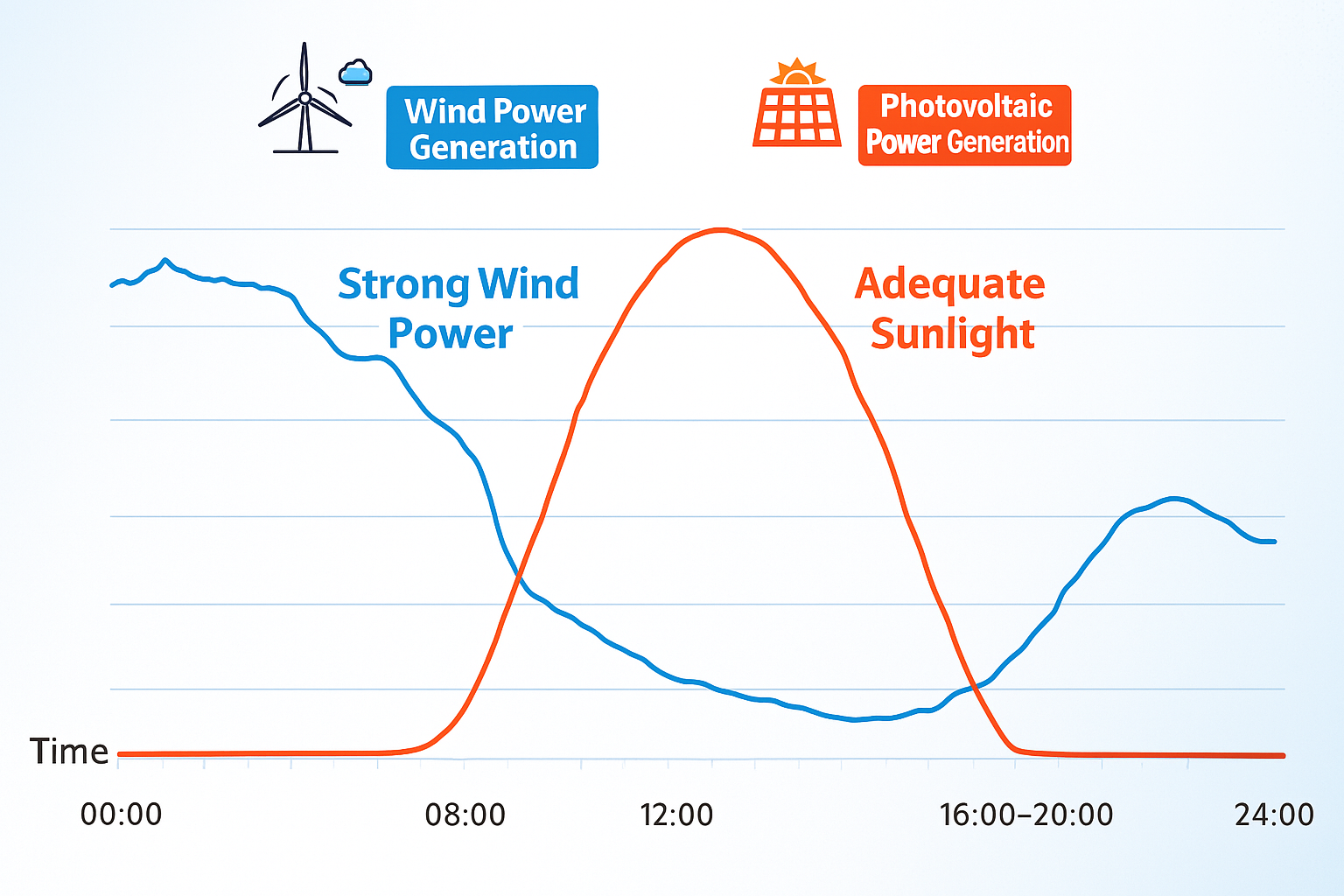
Through necessary technical and managerial means, reducing peak load and raising valley load to maintain relative balance in the power system is called peak shaving and valley filling. Energy storage facilities, which can either absorb power as a load or discharge power as a source, have thus become an important tool for peak shaving and valley filling.
In recent years, China's rapid development of new energy has intensified the difficulty of maintaining grid balance due to its inherent randomness, intermittency, and volatility.
Take July 5 in Shandong as an example: at noon, new energy output reached a historic high of 66.615 GW, with photovoltaic output at 55.898 GW. However, during the evening peak period, photovoltaic output was nearly zero. Such significant fluctuations in output within a single day pose a great challenge to grid balance.
To mitigate the fluctuations in new energy output, energy storage systems act as “spatiotemporal regulators,” storing green electricity by “charging” during periods of abundant wind and solar power and “discharging” during peak electricity demand to support the grid. This robustly supports the province's power supply and promotes the consumption of new energy.
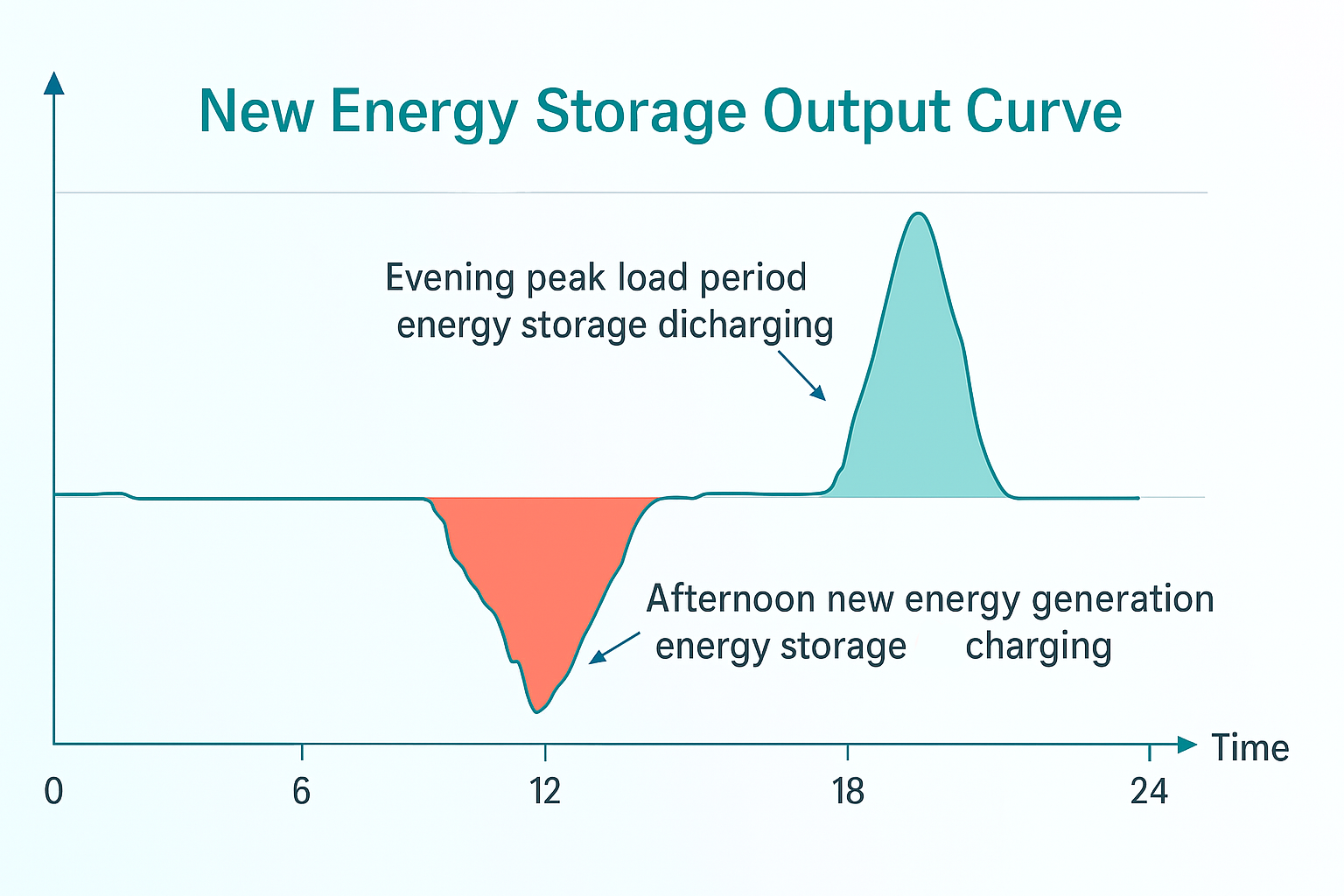
Based on this, as a major province in wind and solar installed capacity, Shandong has in recent years achieved “mutual advancement” in the development of new energy storage and new energy. As of now, the installed capacity of new energy storage has reached 9.4 GW, ranking third in the country, covering various forms such as electrochemical storage and compressed air storage.
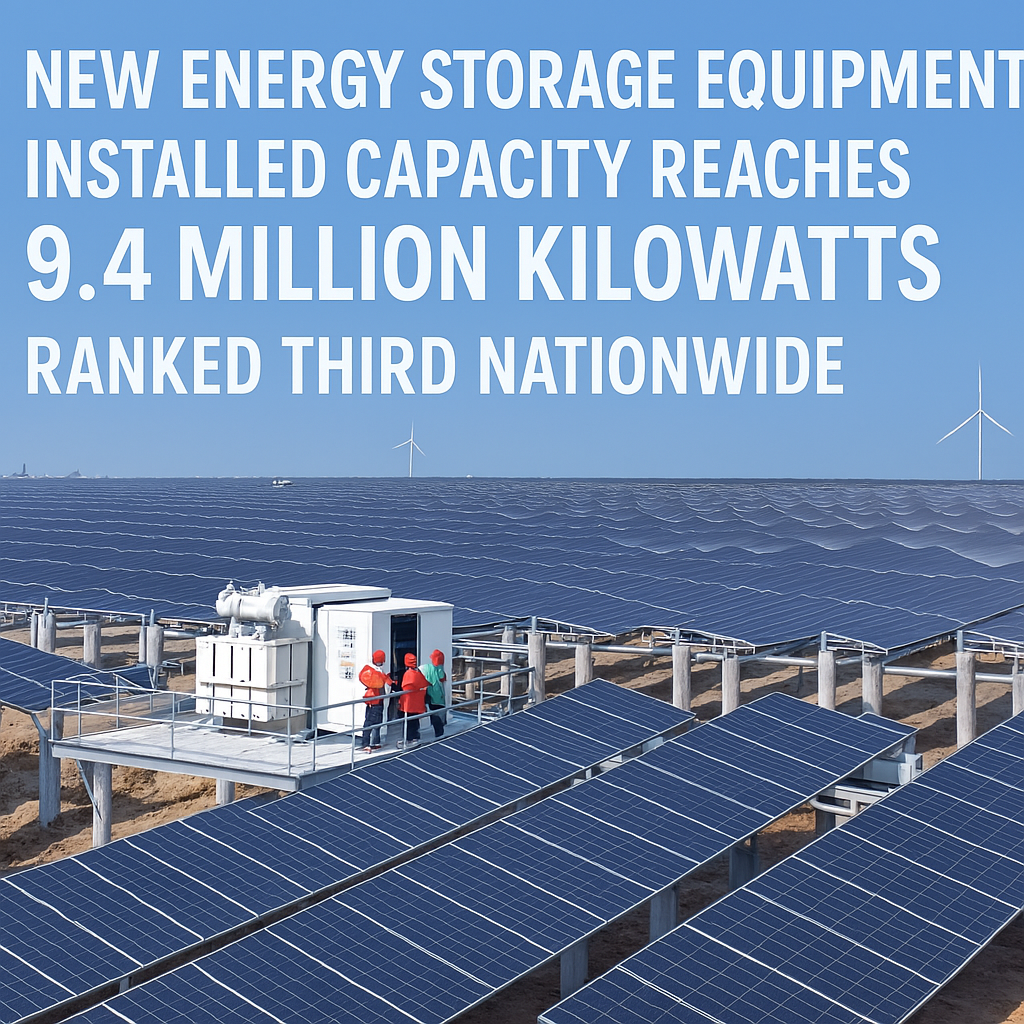
In recent days, due to persistent high temperature and humidity, air conditioning and cooling load has surged, and the Shandong power grid load has broken historical records four times in a row. To effectively address the challenge of summer peak load and fully leverage the comprehensive role of new energy storage in ensuring safety, supply, and green energy consumption, State Grid Shandong Electric Power organized this centralized dispatch of new energy storage.
“This large-scale centralized dispatch of new energy storage not only reflects the overall development achievements of energy storage in Shandong, but also demonstrates the progress in constructing a new-type power system. It highlights the crucial support role of energy storage resources at critical moments. In the future, we will make greater efforts to support the development of energy storage in Shandong, further enhance grid regulation capacity, improve clean energy consumption levels, and strengthen power supply security,” said Liu Yuanlong, Director of the State Grid Shandong Electric Power Dispatch Center.
To realize the large-scale centralized dispatch of energy storage resources, in addition to a sound energy storage layout, precise and efficient dispatching methods are also indispensable.
To ensure safe and stable operation of the large power grid, the State Grid Shandong Electric Power Dispatch Center comprehensively forecasts load demand and output from various power sources such as wind, solar, and thermal. Relying on the dispatch control system, it automatically optimizes and calculates the best charge/discharge time and power for each energy storage station. During this centralized dispatch, the Dispatch Center issued charging commands to over 8.25 GW of new energy storage during peak new energy generation periods, and discharging commands during peak electricity consumption periods. Through this charge-discharge cycle, the support capacity for Shandong’s power supply has been greatly strengthened.
“In this dispatch, we took into account both societal electricity demand and grid operation safety. A total of 55 independent storage units and 89 energy storage units supporting new energy plants participated in centralized discharge, with a total capacity of 8.25 GW and an actual maximum discharge power of 8.0359 GW — equivalent to the entire grid load of Jining City,” said Zhang Bing, Director of the Dispatch Planning Division at the State Grid Shandong Electric Power Dispatch Center.
This centralized dispatch of new energy storage in Shandong demonstrates the role of energy storage in ensuring power supply at peak demand and providing emergency support. The diversification and scale of participating entities also signify that new energy storage, as a critical regulation resource, has entered a new stage in its application within new-type power systems, offering a valuable “Shandong experience” and demonstration effect for building a new energy system and safeguarding energy security.

Australia Accelerates Clean Energy Procurement with Streamlined Capacity Investment Scheme and 2025 Tender Roadmap
Australia has unveiled a significant overhaul of its flagship Capacity Investment Scheme (CIS), shifting to a one-stage tender model aimed at accelerating project timelines and providing greater clarity for developers. With four major tenders scheduled for 2025, the government is reinforcing its commitment to a more flexible and reliable clean energy system while opening doors for smaller-scale participants through a parallel consultation process.
Transition to Single-Stage Tendering: A Strategic Pivot
The move to consolidate CIS tenders into a single-stage format reflects a targeted response to delays and uncertainties that have characterized previous rounds. By eliminating the two-step process—formerly divided into technical and financial bidding phases—the Department of Climate Change, Energy, the Environment and Water (DCCEEW) aims to shorten the tender cycle from nine to six months. This streamlined structure is expected to provide earlier decision-making, reduce administrative burden, and help prevent overlapping rounds that have historically complicated planning for developers.
According to the department, this reform is not merely procedural—it represents a structural evolution in how Australia procures firmed renewables, offering clarity and efficiency in a fast-moving energy transition.
Regulatory Context: Enabling a Clean Energy Backbone
This revision aligns with broader national energy policy goals: to secure reliable, dispatchable capacity as coal exits the grid and renewables scale up. Under the CIS, the federal government underwrites long-term revenue for selected projects, providing investment certainty in a market increasingly shaped by variable supply and rising electrification demands.
The scheme complements state-level initiatives and dovetails with the federal government’s Rewiring the Nation plan, which prioritizes grid upgrades to support renewable integration. By refining the CIS process, Australia positions itself to better execute its national emissions targets and clean energy rollout.
Merit Criteria Refined for Competitive Clarity
With the single-stage process now in place, proponents are required to submit comprehensive bids within a 6–8 week window. These will undergo a dual-layer evaluation by AEMO Services—first for eligibility compliance, then for in-depth merit assessment.
The revised merit framework preserves key pillars—financial value, system reliability, and social impact—but now presents them in a reorganized, holistic structure. Criteria include:
Project financial value
System benefits and reliability
Deliverability and timeline
Organizational and financial capability
Revenue strategy and risk mitigation
First Nations participation and social outcomes
While assessment categories remain largely consistent across tender rounds, DCCEEW has indicated that weightings and thresholds may be fine-tuned depending on technology type or regional focus.
This reconfiguration offers a clearer roadmap for developers while aligning with Australia’s equity and sustainability goals, especially regarding First Nations inclusion and local community benefit sharing.
2025 Tender Timeline: National Rollout across Two Grids
In a parallel announcement, DCCEEW confirmed four CIS tenders will be launched before the end of 2025. These will span both of Australia’s primary electricity markets:
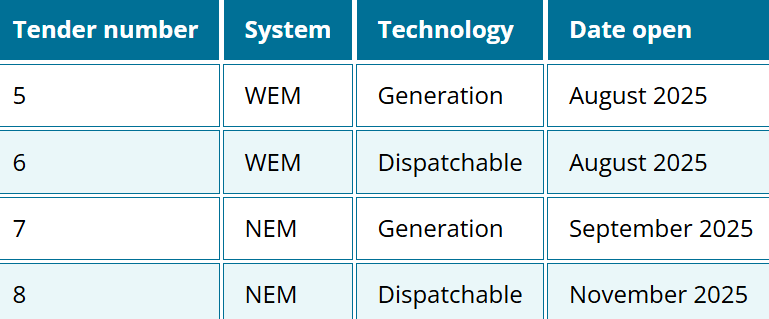
Image: DCCEEW.
Each market—Western Australia’s Wholesale Electricity Market (WEM) and the National Electricity Market (NEM) on the east coast—will see one generation and one dispatchable capacity tender.
This even distribution reflects a balanced national strategy, ensuring that renewable build-out and firming resources are deployed where most needed. Prior consultations, particularly on WEM tender design, have informed the criteria and process for the upcoming rounds.
Aggregated Resources: Unlocking Decentralized Capacity
In a forward-looking step, DCCEEW is also exploring how Aggregated Resources (ARs)—a collection of smaller-scale assets—could be integrated into future CIS rounds. A public consultation now open through early August seeks feedback on including assets like:
Small-scale wind and solar projects (<5MW)
Community and distribution-level batteries
Virtual power plants (VPPs) aggregating residential solar and battery systems
From a system operations perspective, ARs can contribute flexible, distributed capacity and enhance grid resilience. But their participation in traditional procurement programs has been limited by complex eligibility and merit frameworks designed for utility-scale infrastructure.
By launching this consultation, the government is acknowledging the value of decentralized energy resources while also signaling intent to reform access mechanisms to foster fair competition. Submissions from developers, community groups, and the public will shape how ARs are positioned within the CIS architecture going forward.
Industry Dynamics: Competitive Gains and Compliance Pressures
The tender streamlining is expected to benefit both project economics and market stability. Faster timelines mean developers can secure financing earlier, align with supply chain schedules, and bring capacity online more predictably.
However, the tighter submission window and broader scope of required documentation may prove challenging for smaller developers or first-time applicants. Projects lacking robust financial modeling or community engagement frameworks may find themselves disadvantaged under the merit criteria.
In contrast, established players with experienced bid teams and vertically integrated capabilities are likely to find the process more navigable, further intensifying competition in Australia’s clean energy landscape.
Challenges Ahead: Timeline Pressure and Coordination
While the streamlined process reduces waiting periods, it also compresses preparatory timelines, increasing pressure on developers to finalize engineering, financing, and stakeholder engagement strategies quickly. For larger or more complex projects, especially in regions with permitting or grid connection constraints, this may create a bottleneck.
Additionally, coordinating multiple concurrent tenders—especially across two separate electricity markets—demands high administrative capacity and cross-jurisdictional alignment. Any discrepancies in process, criteria, or approval timelines between the NEM and WEM could create inefficiencies or distort market outcomes.
Strategic Implications: Toward a More Adaptive Procurement Model
Australia’s CIS redesign reflects a maturing energy procurement framework that prioritizes speed, transparency, and systemic value. By coupling procedural reform with a national tender rollout and inclusivity consultation, the government signals a long-term commitment to evolving how clean energy is integrated into the grid.
Looking ahead, the integration of Aggregated Resources could mark a shift toward a more modular, distributed model of capacity procurement. If implemented effectively, this would democratize participation, deepen community engagement, and unlock a wider set of tools for achieving net-zero goals.
Ultimately, how the restructured CIS plays out will shape investment decisions, grid readiness, and energy equity in the years ahead.
China’s First Seawater Floating PV Project Completed and Commissioned
Source: Xinhua News Agency
The industrial chain is now connected, forming a new energy industry layout of “PV-generated green electricity and green electricity-produced green hydrogen.”
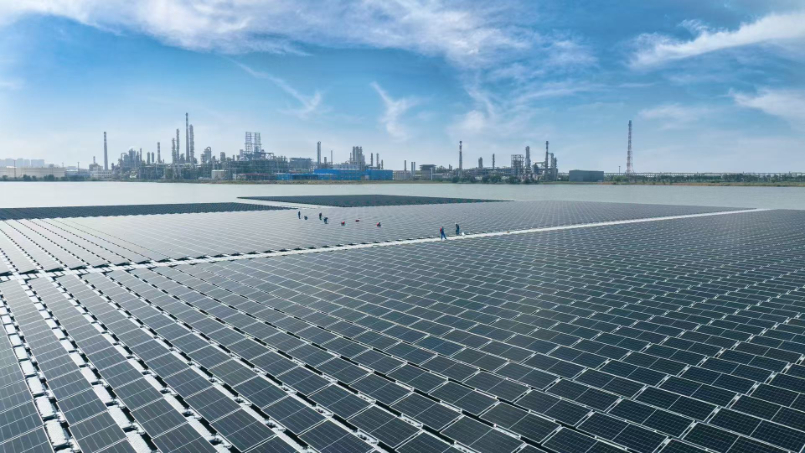
On July 2, the fully seawater-based floating photovoltaic (PV) project of Sinopec Qingdao Refining and Chemical Co., Ltd. was completed and commissioned. This is China’s first fully seawater-environment floating PV project to achieve industrial operation. Combined with the previously commissioned pile-based water surface PV system, it has become Sinopec’s largest water surface PV power station to date. The entire project is expected to generate 16.7 million kilowatt-hours of green electricity annually, reducing carbon dioxide emissions by 14,000 tonnes—equivalent to planting 750,000 additional trees. It provides an important demonstration for the promotion of floating PV in coastal and shallow sea areas under full seawater conditions.
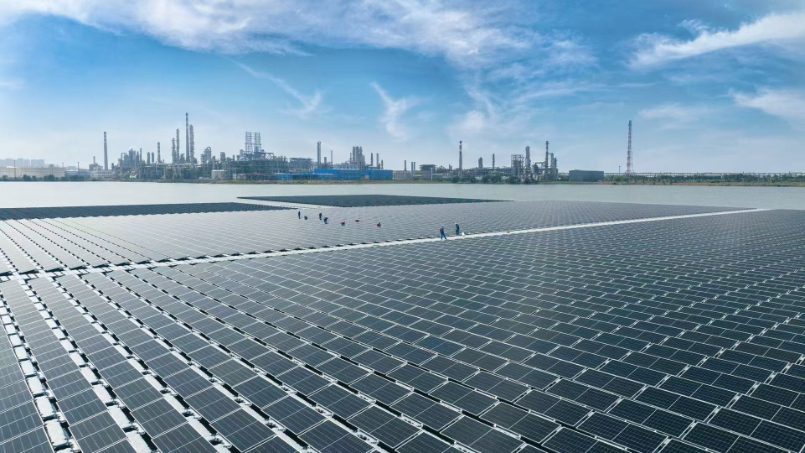
Tapping into land-use potential and creating a new “dual-use” model. The floating PV power station is located in a water area connected to the sea, utilizing the surface of the seawater for power generation. The project is situated within the Qingdao Refining and Chemical Hydrogen Energy “Production-Research-Plus” Demonstration Park and features advantages such as zero emissions, high efficiency, and low cost. It covers approximately 60,000 square meters with an installed capacity of 7.5 MW. The project adopts an innovative floating PV structure, allowing PV panels to rise and fall with the tides, reducing the gap between the panels and the water surface to about one-tenth that of traditional pile-based structures. It maximizes the cooling effect of seawater, improving power generation efficiency by 5%–8%.
Three innovations address the challenges of seawater PV industrial applications. In fully seawater environments, PV systems face issues such as seawater corrosion, biofouling, and tidal fluctuations. To tackle these challenges, the R&D team collaborated with leading domestic material research and float production enterprises to achieve three key innovations: the development of special floats and brackets resistant to salt spray corrosion and barnacle attachment; the design of an underwater anchoring system capable of withstanding Category 13 typhoons and adapting to a 3.5-meter tidal range, reducing investment by approximately 10% compared to traditional pile-based PV; and the installation of panel and cable inspection passages close to the water surface, which significantly enhances operation and maintenance safety and reduces costs compared with traditional pile-based PV. These technological breakthroughs provide standardized solutions for PV development in coastal and shallow sea areas and promote cost reductions in new energy projects.
Supporting high-quality integrated development of hydrogen and PV. Previously, Qingdao Refining and Chemical had built the nation’s first “carbon-neutral” hydrogen refueling station and China’s first factory-scale seawater electrolysis hydrogen production project. The full completion and commissioning of the water surface PV project opens the most critical link in Qingdao Refining and Chemical’s new energy industrial chain, forming a new energy layout of “PV-generated green electricity and green electricity-produced green hydrogen.” This supports high-quality integration between hydrogen and PV and lays the resource foundation for green hydrogen refining and green hydrogen transportation. Next, Qingdao Refining and Chemical will leverage its new energy industry advantages to further expand and build an additional 23 MW floating PV project, strengthening its green energy supply capacity.
In recent years, Sinopec has accelerated the construction of a clean and low-carbon energy supply system to foster new growth drivers for high-quality development. The company is vigorously implementing its green and clean development strategy, adhering to ecological priority, green transformation, and clean development. It is comprehensively advancing the clean development of fossil energy, the large-scale development of clean energy, and the low-carbon transformation of production processes. Sinopec has launched the “10,000 Stations Bathed in Light” initiative, planning to build approximately 10,000 PV-powered sites by 2027 to promote deep integration between new and traditional energy industries. It continues to deepen its geothermal energy efforts, with geothermal heating capacity reaching 120 million square meters, making it China’s largest geothermal energy developer and operator. Focusing on hydrogen-powered transportation and green hydrogen refining, Sinopec is rapidly building a full hydrogen energy industry chain, having completed and commissioned the country’s first 10,000-ton photovoltaic green hydrogen demonstration project and established 144 hydrogen refueling stations, making it the company with the most hydrogen stations in operation globally. In 2024, Sinopec’s new energy supply totaled the equivalent of over 5.8 million tonnes of standard coal, promoting the coordinated development of traditional oil and gas with new energy businesses.
Shandong Advances Energy Transition with 18.6GW of New Energy Storage Projects Approved for 2025
Lithium-ion and emerging technologies dominate provincial storage roster as Energy Administration of Shandong Province clears 96 projects for grid integration
Shandong Province has officially announced the approval of 96 new energy storage projects totaling 18.6292 gigawatts (GW) for 2025, in a move that reinforces its role as a national leader in energy transition and power system flexibility. The projects—ranging from lithium-ion battery installations to compressed air and flywheel storage systems—have been publicly listed by the Energy Administration of Shandong Province as part of its annual new energy storage project registry.
According to the public notice released on July 9, the inclusion process was based on recommendations from municipal governments and expert reviews in accordance with the bureau’s earlier call for project applications. The 2025 storage roster includes 81 lithium-ion peak-shaving projects, two compressed air energy storage (CAES) systems, one flow battery installation, seven frequency regulation units, and five categorized under other new energy storage technologies. The public comment period will remain open from July 9 to July 15.
Policy Continuity and Technological Diversification
This announcement marks a significant continuation of Shandong’s multi-year strategy to accelerate the deployment of new energy storage systems in support of its dual-carbon goals. The provincial government has consistently promoted a diversified portfolio of energy storage technologies to address different grid stability and load-shifting needs.
Lithium-ion batteries remain the dominant technology, accounting for more than 80 of the 96 listed projects. However, the inclusion of non-lithium systems such as compressed air, liquid air, flywheel, molten salt, and even carbon dioxide-based thermal storage indicates a deliberate shift toward technological diversification and risk mitigation.
Project Breakdown and Implementation Outlook
The 81 lithium-ion storage projects account for the lion’s share of the 18.6GW, with most systems sized in the 100–400 megawatt (MW) range. Notable entries include:
A 510MW/1020MWh shared storage station
A 600MW/1800MWh flow battery project in its second phase
A 500MW/1000MWh grid-forming lithium-ion battery plant
In the compressed air segment, two large-scale projects—one in Jinan's Zhangqiu District and another in Jining’s Sishui County—account for a combined 500MW and 2200MWh of storage. These systems are notable for their long-duration discharge capacity and potential grid inertia support.
The inclusion of specialized applications such as frequency regulation and multi-technology hybrid systems further reflects the province’s effort to align with national mandates for smarter and more flexible power systems. Projects like the 100MW flywheel storage station in Yantai exemplify high-power, short-duration technologies geared toward frequency modulation rather than energy shifting.
Industry Participation and Geographic Distribution
Dozens of private and state-backed firms feature in the list, ranging from established developers to newer entrants. Notably, investment activity is distributed across all major prefectures, including Dongying, Yantai, Zibo, Weifang, and Jining, suggesting an even regional deployment pattern that may help mitigate localized grid congestion and renewable curtailment.
Market Implications
The release of the 2025 project list marks a strong policy signal for Shandong’s commitment to accelerating energy storage deployment. Certain projects stand out for their strategic significance and policy positioning. Notably, the 200 MW/440 MWh flow battery project, the only flow-based system on the list, is set to benefit from Shandong’s “policy–technology–revenue” triple-guarantee mechanism. This suggests prioritized access to regulatory support, technical validation, and market-based revenue opportunities—positioning it as a provincial benchmark for long-duration storage.
More broadly, the diversity of technologies and application types included in the 18.6 GW docket offers a valuable testing ground for evaluating operational performance under varying grid scenarios. As the July 15 comment period draws to a close, attention will shift to project readiness assessments, financing strategies, and the mechanisms by which these projects will be integrated into Shandong’s evolving power market architecture.
For detailed entry list, refer to the official notice here:

CNESA Officially Released the 2024 China Energy Storage Vendor Rankings
On April 10, 2025, the 13th Energy Storage International Conference and Expo (ESIE 2025), jointly hosted by the China Energy Research Society, the China Energy Storage Alliance (CNESA), and the Institute of Engineering Thermophysics, Chinese Academy of Sciences, was grandly held at the Beijing Capital International Convention and Exhibition Center. Concurrently, the 2024 Rankings of Chinese Energy Storage Companies were officially released. Over 40 companies made the list, with CATL, Shoto, Kehua Tech, Sungrow, CRRC Zhuzhou Institute, and JD Energy topping the respective rankings.
About the CNESA Annual Energy Storage Company Rankings
Since 2015, the China Energy Storage Alliance has been publishing the “Annual Energy Storage Company Rankings.” Over the past 10 years, these rankings have received broad attention and high recognition from industry peers. CNESA objectively presents the competitive landscape of Chinese companies in both domestic and global markets through shipment data of energy storage products and project installation data. The changes in the rankings over the years not only reflect the industry’s level of concentration but also mirror the global competitiveness of Chinese enterprises.
The shipment data and project installation data of the companies on the list are all sourced from the CNESA DataLink Global Energy Storage Database (https://www.esresearch.com.cn). Independently developed by CNESA since 2011, the database is the world's first full-chain, one-stop, intelligent data service platform. It includes project library, policy library, manufacturer library, product library, bidding library, investment and financing library, standards library, and research report library. Today, the database is frequently cited by international organizations, governments, official and social media, securities firms, and energy storage companies. Its objectivity and authority have been widely recognized within the industry. In 2022, it won the second prize of the China Energy Research Society Energy Innovation Award and obtained software copyright registration in the same year.
To ensure the quality and comprehensiveness of energy storage data statistics, and to objectively analyze the development status of the energy storage industry for the year and forecast future trends, CNESA regularly collects and compiles data from the global energy storage market through multiple channels. Through multi-dimensional data verification and on an annual basis, it conducts statistical analysis on the installation and shipment data of energy storage products (excluding OEM/contract manufacturing) from Chinese energy storage technology providers, PCS providers, and system integrators in both domestic and global markets.
2024 Rankings of Chinese Energy Storage Companies
Ranking of Chinese Energy Storage Technology Providers:
In 2024, in the global market, the top ten Chinese companies by shipment volume of energy storage batteries (excluding backup power batteries for base stations/data centers) were: CATL, EVE, Hithium, BYD, REPT BATTERO, CALB, AESC, CORNEX, Lishen, and Ganfeng LiEnergy.
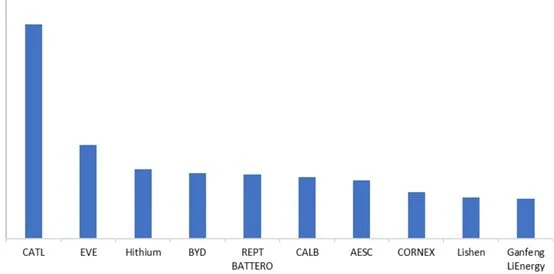
Figure 1: Top 10 Chinese energy storage technology providers in the 2024 global market, Unit: GWh
Notes:
CNESA defines energy storage technology providers as companies with the capability to manufacture core energy storage technologies and supply core energy storage technology products to customers. The core technology includes energy storage cells, physical storage, etc.
The statistical scope refers to the global shipment volume in 2024 of energy storage cells independently produced by enterprises (excluding base station and data center cells). Shipment volume refers to cells that have been manufactured and delivered to customers or project sites.
In 2024, in the global market, the top five Chinese companies by shipment volume of backup power batteries for base stations/data centers were: Shoto, Narada Power, Gotion High-Tech, Cospowers, and CALB.
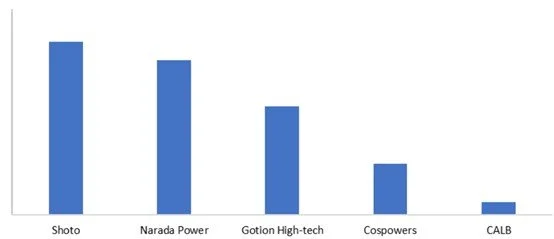
Figure 2: Top 5 Chinese energy storage base station/IDC technology providers in the 2024 global market, Unit: GWh
Note: The shipment data of backup power batteries for base stations/data centers includes both lithium-ion batteries and lead-acid batteries.
Ranking of Chinese Energy Storage PCS Providers:
In 2024, in the domestic market, the top ten Chinese companies by shipment volume of energy storage PCS were: Kehua Tech, Sineng, NA Electric, Soaring, Sungrow, Inovance, Times Electric, XJ Power Electronics, Hopewind, and IN-Power.
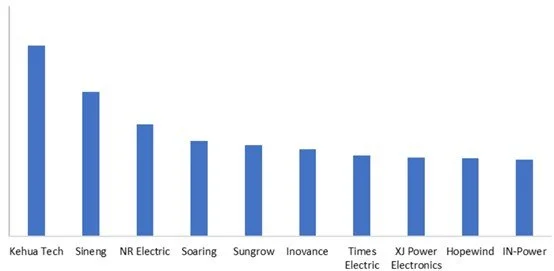
Figure 3: Top 10 Chinese energy storage PCS providers ranked by number of shipments in the 2024 domestic market, Unit: GW
In 2024, in the global market, the top ten Chinese companies by shipment volume of energy storage PCS were: Sungrow, Kehua Tech, Sineng, NR Electric, Soaring, Inovance, IN-Power, Times Electric, XJ Power Electronics, and Hopewind.
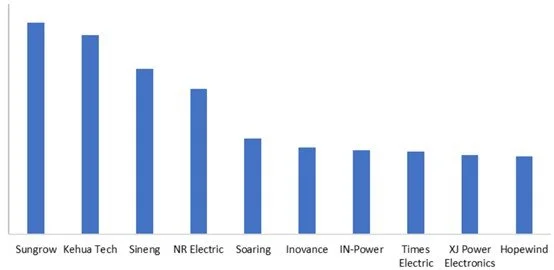
Figure 4: Top 10 Chinese energy storage PCS providers ranked by number of shipments in the 2024 global market, Unit: GW
Ranking of Chinese Energy Storage System Integrators:
In 2024, in the domestic market, the top ten Chinese companies by installed capacity of grid-connected energy storage systems were: CRRC Zhuzhou Institute, HyperStrong, Sungrow, SCETL, Envision Energy, BYD, XYZ Storage, Goldwind, ROBESTEC, and SERMATEC.
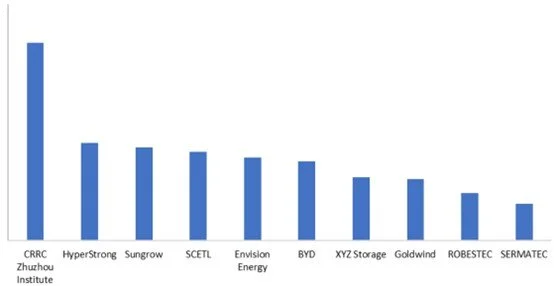
Figure 5: Top 10 Chinese ESS integrators ranked by number of commissioned ESS installations in the 2024 domestic market, Unit: GWh
Note: Energy storage systems specifically refer to AC-side systems composed of energy storage battery DC systems, PCS and boost systems, EMS, and other related auxiliary equipment. Same applies below.
In 2024, in the domestic market, the top ten Chinese companies by shipment volume of energy storage systems were: CRRC Zhuzhou Institute, Sungrow, Envision Energy, HyperStrong, XYZ Storage, SCETL, ROBESTEC, Goldwind, PotisEdge, and SERMATEC.
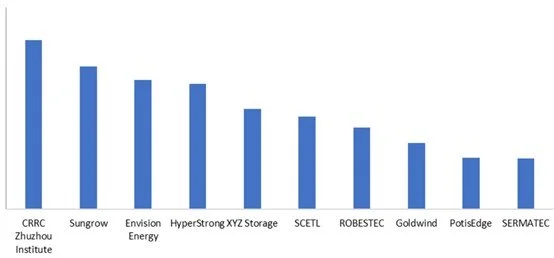
Figure 6: Top 10 Chinese EES integrators ranked by number of shipments in the 2024 domestic market, Unit: GWh
In 2024, in the global market, the top ten Chinese companies by shipment volume of energy storage systems were: Sungrow, CRRC Zhuzhou Institute, Envision Energy, HyperStrong, XYZ Storage, SCETL, ROBESTEC, Goldwind, Trina Storage, and Sunwoda Energy.

Figure 7: Top 10 Chinese EES integrators ranked by number of shipments in the 2024 global market, Unit: GWh
In 2024, in the domestic behind-the-meter (user-side) market, the top ten Chinese companies by shipment volume of energy storage systems were: JD Energy, Sungrow, Great Power, ROBESTEC, Hoenergy, NR Electric, PotisEdge, CRRC Zhuzhou Institute, Zhiguang Energy Storage, and Huazhi Energy.
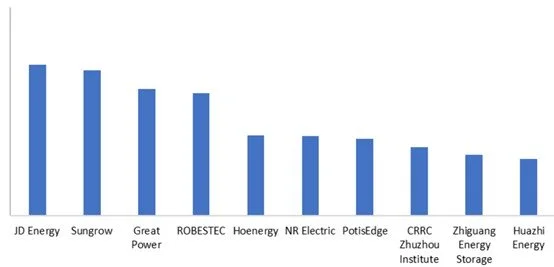
Figure 8: Top 10 Chinese EES integrators ranked by number of shipments in the 2023 domestic user-side market, Unit: MWh

On June 30, 2025, China’s NDRC, MIIT and NEA Jointly Launched a National Push for Zero-Carbon Industrial Parks, Marking a New Phase in the Country’s Decarbonization Strategy
China’s top economic and energy regulators have jointly released a sweeping policy directive to initiate the large-scale construction of “zero-carbon industrial parks,” marking a significant acceleration in the country’s pursuit of carbon neutrality and green industrial transformation.
Issued on June 30, 2025, by the National Development and Reform Commission (NDRC), the Ministry of Industry and Information Technology (MIIT), and the National Energy Administration (NEA), the policy—formally titled Notice on Launching the Construction of Zero-Carbon Industrial Parks (NDRC Environment and Resources [2025] No. 910))—lays out a coordinated plan to reshape industrial energy systems, promote low-carbon technologies, and develop replicable models for decarbonization across China’s vast network of industrial zones.
Coordinated Effort to Lead with Pilot Parks
The notice calls on local governments to recommend no more than two candidate parks by August 22, 2025, for inclusion in a first batch of national-level zero-carbon demonstration zones. Selection will consider factors such as local renewable energy resources, carbon reduction potential, and power supply security. The goal is to support regions with the right conditions to pioneer zero-carbon transitions, while establishing a foundation for wider adoption across the country.
Under the policy, local development and reform commissions (DRCs), in collaboration with MIIT and NEA counterparts, will assess park-level feasibility, conduct impact modeling, and submit formal applications based on a standardized outline. National authorities will then evaluate submissions based on industrial representativeness, carbon mitigation potential, and integrated demonstration value.
Strategic Context: Green Transformation with Chinese Characteristics
The directive comes amid China’s broader “dual carbon” strategy—its commitment to peak carbon emissions before 2030 and achieve carbon neutrality by 2060. Zero-carbon parks are positioned as foundational nodes within this long-term strategy, supporting both national carbon targets and regional economic upgrading.
While earlier policies focused on energy-intensive industries and emission reduction standards, the new directive shifts attention to place-based, system-level transformations. Industrial parks, which concentrate production, infrastructure, and energy loads, are seen as ideal testbeds for integrated decarbonization solutions.
Core Tasks: From Energy Structure to Industrial Synergy
The document outlines eight key task areas for implementation, ranging from energy transition and emissions management to infrastructure upgrades and technological innovation.
1. Energy System Restructuring:
Parks are encouraged to increase reliance on renewable energy through direct green power connections, local clean energy integration into distribution networks, and participation in green certificate trading. New models such as hydrogen-electric coupling and localized storage deployment are explicitly promoted.
2. Energy Efficiency and Carbon Management:
Industrial facilities within the parks are expected to establish energy and carbon management systems, retire outdated equipment, and upgrade to high-efficiency technologies. The policy supports the construction of “ultra-efficient” or “zero-carbon” factories where feasible.
3. Industrial Structure Optimization:
Zones are urged to pivot toward low-energy, high-value-added industries, fostering “green manufacturing with green energy.” Relocation of high-energy-consuming industries to resource-rich and energy-secure parks is also encouraged.
4. Resource Conservation and Circularity:
Parks must improve spatial planning, promote land-use efficiency, and enhance systems for waste heat, water, and material recycling. The development of industrial symbiosis and cascading energy utilization is prioritized.
5. Infrastructure Modernization:
Comprehensive upgrades to park infrastructure—including electricity, heat, gas, hydrogen, water, and environmental controls—are mandated. Standards for ultra-low or near-zero energy buildings and low-carbon transportation are introduced.
6. Technology Integration and Innovation:
The policy encourages collaborations among parks, enterprises, and research institutions to pilot scalable low-carbon technologies. Demonstration scenarios should be built around commercially viable solutions.
7. Digital Carbon Management:
Parks are to establish energy-carbon management platforms capable of real-time monitoring, forecasting, and load optimization. These platforms will underpin initiatives such as demand-side management and resource coordination.
8. Market and Institutional Reform:
The directive calls for broad stakeholder participation—including grid operators, energy service providers, and local governments—and experimentation with new models such as virtual power plants to enhance system flexibility and market integration.
Funding and Institutional Support
To ensure policy traction, the directive includes a robust set of enabling mechanisms. These include:
Financial Incentives: Parks may access existing central funds and qualify for local government special bonds. Policy banks are encouraged to provide long-term credit for eligible projects, while qualified enterprises may issue bonds for construction.
Talent and Expertise Support: External experts and institutions may be engaged to support carbon accounting, efficiency upgrades, and product carbon footprint certification.
Streamlined Approvals: The policy signals possible adoption of single-window approval systems for multi-energy integration projects, along with piloting regional-level energy reviews and carbon assessments.
Land and Resource Guarantees: Enhanced support is promised for land and sea-use approvals, particularly for new energy sources and supporting infrastructure within zero-carbon zones.
Oversight and Evaluation Framework
Implementation will follow a phased approach. Local DRCs will first submit applications for candidate parks. After central review and selection, the NDRC will announce the first cohort of national-level parks, which will then receive targeted guidance and troubleshooting support.
Each park will undergo a structured evaluation upon completion. Provincial authorities will lead self-assessments, followed by a formal national evaluation process based on a trial indicator system (provided in the policy annex). Parks that pass evaluation will earn the designation of “National Zero-Carbon Industrial Park.”
Outlook: Pilots First, Scale Later
While the policy provides clear direction and generous institutional support, challenges remain. These include aligning stakeholder incentives, ensuring data accuracy for carbon management, and translating demonstration success into scalable models.
Still, the move signals a decisive pivot toward systems-based decarbonization at the industrial park level—an approach with high potential for replicability and impact. As China navigates its complex energy transition, the success of these zero-carbon parks may provide a critical blueprint for industrial transformation across other emerging economies.

US Energy Storage Market to “Sustain Momentum” as Tax Credit Timeline Remains Intact
Developers accelerate construction as industry navigates foreign content restrictions and shifting clean energy priorities
The U.S. energy storage sector is expected to continue expanding after the enactment of the FY2025 Budget Act, which secures Investment Tax Credit (ITC) eligibility for storage projects commencing construction through the end of 2033. Amid changes to federal policy and evolving supply chain rules, developers are expediting project timelines to stay ahead of emerging compliance constraints.
Signed into law on July 4 during the Independence Day holiday, the legislation—branded by Republicans as the “One, Big, Beautiful Bill Act”—introduces sweeping reforms to federal clean energy incentives. While support for solar and wind has been significantly curtailed, the final law preserves robust incentives for storage, geothermal, biomass, and hydropower via a new technology-neutral ITC structure.
Incentive Structure Realigned: Solar and Wind Scale Back, Storage Stays Protected
The legislation effectively eliminates Sections 48E and 45Y tax credits for solar and wind installations. To retain residual incentives, these projects must either begin construction within a year of the bill’s passage or reach operational status by the close of 2027. Meanwhile, residential energy efficiency programs are scheduled to sunset by year-end, accompanied by a reduction in environmental research funding.
Energy storage, however, avoided a parallel rollback. The House-passed version initially proposed shortening ITC eligibility for storage, mirroring the limitations set for solar and wind. But during Senate deliberations, the original timeline was reinstated following Finance Committee revisions and vote-a-rama negotiations.
Under the updated framework, qualifying storage and other dispatchable technologies can receive a base ITC of 30% of capital expenditures. Projects that satisfy domestic content standards may unlock an additional 15% bonus, pushing the total potential tax credit to 45%.
“Construction Start” Benchmark Replaces Commissioning Date for ITC Eligibility
A key change introduced in the law is the replacement of the “placed in service” requirement with a more flexible “construction start” standard for determining ITC eligibility. This aligns with prior changes under the 2022 Inflation Reduction Act (IRA), providing developers with expanded planning options.
Projects that commence construction before 2033 qualify for the full ITC, with credit values dropping to 75% in 2034 and 50% in 2035. Industry observers point to this extended phase-down as a critical advantage that sets storage apart from other clean energy technologies now facing tighter timelines.
FEOC Provisions Drive Pre-2026 Construction Rush
Beginning in 2026, the law introduces new sourcing requirements tied to “foreign entities of concern” (FEOC). To qualify for the ITC, at least 55% of a project’s costs must originate from non-FEOC sources—a threshold that will rise to 75% by 2030. Battery cells, which make up roughly 52% of total storage system costs, are a key focus of this provision.
To navigate compliance, the Internal Revenue Service (IRS) is expected to issue new cost allocation tables by 2027. Until those are available, developers may reference existing safe harbor benchmarks used to determine domestic content bonus eligibility under current ITC rules.
Due to limited availability and elevated costs of non-Chinese battery cells, many developers are working to launch projects before the end of 2025 to avoid the stricter FEOC rules. Projects slated for later execution will need to reconfigure procurement strategies or face diminished credit access.
Domestic Battery Supply Remains a Bottleneck
Current domestic manufacturing capacity is not yet sufficient to meet projected demand for FEOC-compliant battery cells. Fluence is utilizing Tennessee-made AESC cells for a portion of its U.S. projects, while LG Energy Solution has initiated construction of a lithium iron phosphate (LFP) facility in Michigan. Meanwhile, startup Our Next Energy (ONE) has begun domestic LFP cell production, taking advantage of domestic content incentives.
Even with support from the Section 45X advanced manufacturing tax credit, the industry awaits detailed IRS guidance on applying FEOC criteria to domestically produced components. Until then, developers face supply limitations and ongoing uncertainty.
Trade Policy Clouded by Looming Tariff Expiration
U.S. tariffs on batteries imported from China—currently set at approximately 54%—are due to expire on August 12. The absence of clarity on whether these duties will be extended or modified is leading developers to accelerate purchases and construction while trade conditions remain stable.
Although some projects may be economically viable even without ITC support due to low-cost components from China, ongoing policy volatility and compliance risk are prompting many developers to pursue more secure, domestic-aligned supply chains.
Non-Lithium Alternatives Emerge, Face Cost Barriers
A range of alternative battery chemistries—including vanadium flow, zinc-based, and iron-air technologies—are gaining attention for their potential to meet long-duration energy storage (LDES) needs. These technologies may also help circumvent FEOC-related challenges by tapping into non-Chinese supply sources.
LDES applications are particularly relevant in states like California, Massachusetts, and New York, where policy incentives and market demand are aligned. However, cost competitiveness remains a key barrier. Lithium-ion batteries still enjoy strong economies of scale, making alternatives less attractive for large-scale deployment in the near term.
Policy Focus Shifts from Decarbonization to Grid Reliability
According to policy watchers, the current administration’s sustained support for energy storage is driven more by concerns over electric grid stability than by emissions reductions. Dispatchable resources like storage, geothermal, and nuclear are viewed as essential to maintaining power system reliability, which has become a central focus of federal energy strategy.
Despite the rollback of many climate-oriented subsidies, these technologies remain integral to the administration’s broader vision for a secure and resilient grid.
Outlook: Storage Maintains Strategic Position Amid Regulatory Shifts
While sweeping changes to federal clean energy policy have introduced new constraints for several sectors, energy storage retains a favorable position. A longer ITC phase-out schedule, expanded eligibility flexibility, and ongoing federal manufacturing incentives provide a runway for continued growth.
However, developers must act swiftly to navigate FEOC-related deadlines, tariff uncertainties, and domestic capacity bottlenecks. The sector’s success will depend on how effectively stakeholders can adapt to these shifting conditions and restructure their supply chains to align with evolving regulatory requirements.

China’s First Interprovincial Green Hydrogen Pipeline – Inner Mongolia Section Approved
Source: Xinhua News Agency
According to the Energy Bureau of Inner Mongolia Autonomous Region, China’s first interprovincial, long-distance, large-scale green hydrogen pipeline project—the Inner Mongolia Ulanqab to Beijing-Tianjin-Hebei Hydrogen Transmission Pipeline Demonstration Project—has recently received official approval for its Inner Mongolia section.
This pipeline is a national-level pilot demonstration project aimed at facilitating large-scale transmission of green hydrogen and exploring an integrated commercial operation model covering production, storage, transmission, and utilization of hydrogen energy. It also serves as a key green hydrogen outbound project in the preliminary implementation of Inner Mongolia’s hydrogen transmission network. The project is invested in and constructed by Sinopec Xinxing (Inner Mongolia) West-to-East Hydrogen Transmission New Energy Co., Ltd. Upon completion, it will significantly reduce the cost of green hydrogen transportation, further promote the consumption of green hydrogen, and support the full industrial chain development of hydrogen production, storage, transmission, and utilization in Inner Mongolia.
At present, Inner Mongolia is actively improving green hydrogen pipeline infrastructure. It has issued the country’s first provincial-level green hydrogen pipeline development plan and is planning to build a green hydrogen pipeline network featuring “one main line, two loops, and four outlets,” fully opening up both local consumption and outbound transmission channels for green hydrogen. Meanwhile, a relatively complete set of policies and management systems for green hydrogen pipeline construction, operation, and management has taken shape, and the construction and operation of green hydrogen pipelines have entered a normalized management phase.
Next, Inner Mongolia will align green hydrogen resources with market demand, strengthen green hydrogen trade cooperation with neighboring provinces and cities, and continue to advance green hydrogen pipeline construction. It aims to build hydrogen transmission infrastructure that serves major surrounding consumer markets and support the establishment of Inner Mongolia as a northern green hydrogen supply center and the country’s largest green hydrogen production and transmission base. (An Lumeng)
June | Monthly Project Tracker of New Energy Storage | Large-Scale Energy Storage Sees 68% Year-on-Year Decline in New Installed Capacity
Core Data:
• In June, newly commissioned new energy storage reached 2.33GW/5.63GWh in China; for the first time, the “June 30” grid-connection peak cooled down.
• In the second quarter, newly commissioned new energy storage still exceeded previous years at 12.61GW/30.82GWh.
• Jiangsu’s new installed capacity exceeded 750MW, accounting for more than 35% of the national total.
• The average energy storage duration of new projects in Xinjiang, Inner Mongolia, and Qinghai exceeded 3.5 hours.
• Inner Mongolia saw 17 projects start construction in June, totaling 8.2GW/33.1GWh.
• The full-year new installed capacity for large-scale energy storage in 2025 is expected to exceed 43GW.
According to incomplete statistics from the CNESA DataLink Global Energy Storage Database, in June 2025, newly commissioned new energy storage projects in China reached a total of 2.33GW/5.63GWh, down 65%/66% year-on-year and 71%/72% month-on-month.
It can be seen that, due to the “rush installation” of new energy, the grid-connection surge for new energy storage projects in the first half of the year shifted forward to before the “May 31” node, and the “June 30” node’s grid-connection activity declined for the first time in history. Although new installations in June showed negative growth, second-quarter additions still exceeded those of previous years, reaching 12.61GW/30.82GWh, a year-on-year increase of 24%/27%.
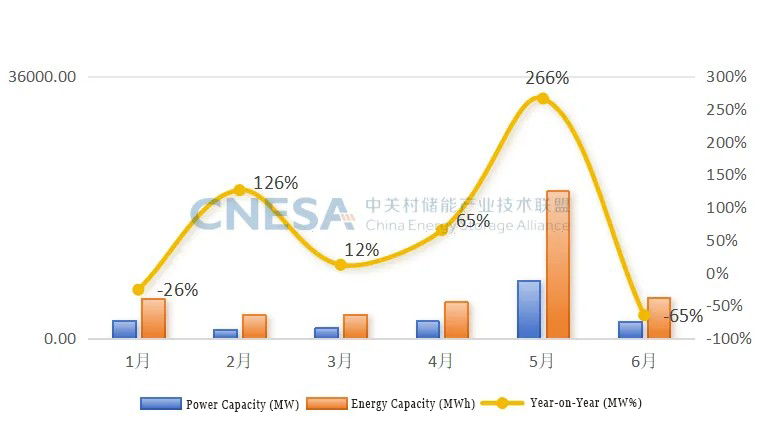
Figure 1: New Commissioned Capacity of New Energy Storage Projects in China from January to June 2025
Data Source: CNESA DataLink Global Energy Storage Database
https://www.esresearch.com.cn/
Note: Year-on-year compares with the same period last year; month-on-month compares with the previous statistical period.
Starting this month, we will publish monthly updates on grid-side and user-side new energy storage projects by application market. The following is the installed capacity status of grid-side new energy storage projects in June.
In June, newly installed grid-side capacity was 2.00GW/4.79GWh, down 68%/64% year-on-year and 74%/76% month-on-month. Of this, grid-side new installations were 1.39GW/3.56GWh, down 74%/69% year-on-year, all of which were independent storage; power-side new installations were 0.61GW/1.23GWh, down 33%/42% year-on-year, with nearly 90% of new installations coming from new energy configuration sub-scenarios.
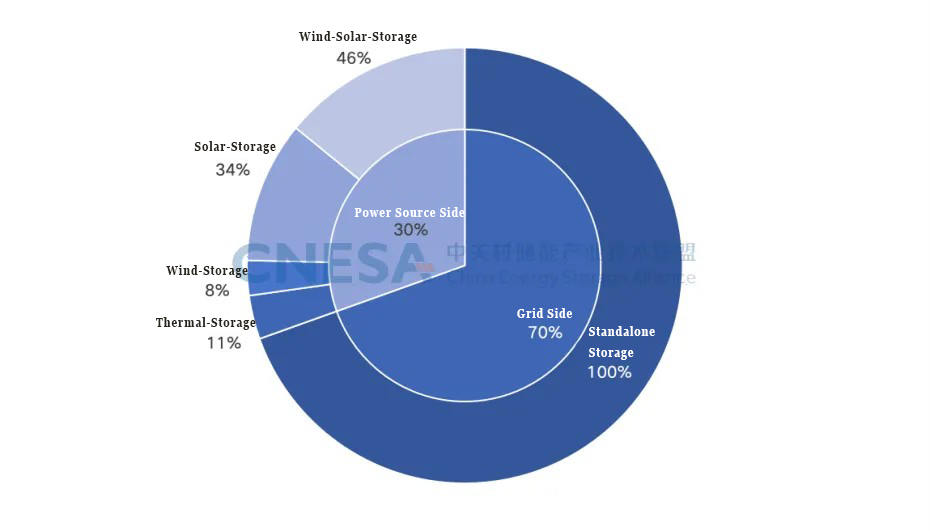
Figure 2: Application Distribution of Newly Commissioned New Energy Storage Projects in June 2025 (MW%)
Data Source: CNESA DataLink Global Energy Storage Database
https://www.esresearch.com.cn/
The newly commissioned grid-side new energy storage projects in June exhibited the following characteristics.
By Region:
Jiangsu leads in newly installed capacity nationwide
This month, Jiangsu’s newly installed capacity exceeded 750MW, accounting for more than 35% of the national total; among this, newly installed independent storage accounted for 43% of the national grid-side new capacity.
On one hand, construction of independent storage power stations in Jiangsu accelerated in the first half of the year; all independent storage power stations commissioned in June were started and commissioned within the first half of the year, with the shortest construction time being only 81 days (from commencement to commissioning).
On the other hand, on June 1, 2025, Jiangsu officially launched trial operation of long-cycle settlement in the electricity spot market. The “Jiangsu Electricity Spot Market Operation Rules (Version 2.0)” stipulate that grid-side storage voluntarily participates in the spot market, and during participation, is no longer settled based on the charging and discharging prices defined in the “Notice by the Provincial Development and Reform Commission on Accelerating the High-Quality Development of New Energy Storage Projects in Our Province” (Su Fa Gai Neng Yuan Fa [2024] No. 775). Grid-side storage participates in the spot market through “quantity bidding and pricing” on a per-station basis.
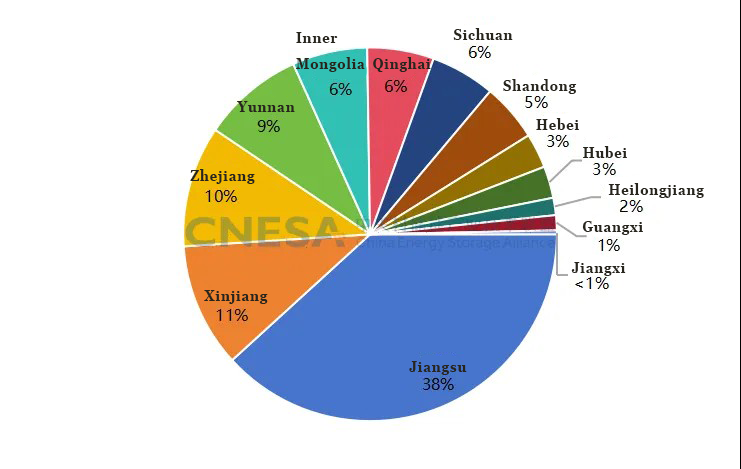
Figure 3: Provincial Distribution of New Grid-Side New Energy Storage Projects in China in June 2025 (MW%)
Data Source: CNESA DataLink Global Energy Storage Database
https://www.esresearch.com.cn/
By Energy Storage Duration:
Average durations in Xinjiang, Inner Mongolia, and Qinghai exceed 3.5 hours
From a regional perspective, the average energy storage duration of newly commissioned grid-side storage projects in most provinces such as Jiangsu, Zhejiang, and Yunnan was around 2 hours. In Xinjiang, Inner Mongolia, and Qinghai, the average energy storage duration exceeded 3.5 hours, with all newly commissioned projects in Inner Mongolia being 4-hour storage projects.
According to official information, as of May this year, the proportion of new energy installed capacity in Xinjiang, Inner Mongolia, and Qinghai exceeded half of total local generation capacity, leading to higher energy storage duration requirements for new energy storage projects.
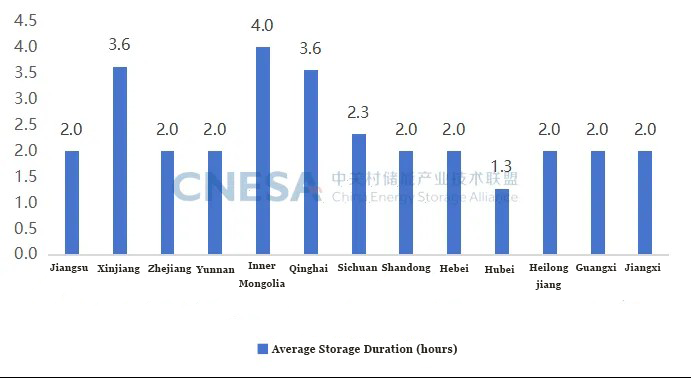
Figure 4: Average Energy Storage Duration of New Grid-Side New Energy Storage Projects in China in June 2025 (Unit: Hours)
Data Source: CNESA DataLink Global Energy Storage Database
https://www.esresearch.com.cn/
By Technology:
Lithium-ion dominates, non-lithium technologies accelerating deployment
Newly commissioned projects were primarily based on electrochemical energy storage technology, with lithium iron phosphate batteries accounting for 89% of installed power capacity. For non-lithium technologies, two 100MW-class all-vanadium flow battery energy storage projects were commissioned, with flow battery technology accounting for 10% of installed power capacity. Frequency regulation stations using lithium iron phosphate + flywheel hybrid storage and grid-side stations combining lithium iron phosphate + aqueous flow batteries were also commissioned.
By Energy Storage Planning:
Demonstration project deployment for new energy storage accelerating
Among the independent new energy storage projects included in the “2025 New Energy Storage Special Action Implementation Project List” and the “First Batch of Independent New Energy Storage Construction Projects List in 2025” released by Inner Mongolia in the first half of the year, 17 started construction in June, totaling 8.2GW/33.1GWh. These projects involve multiple technology routes including lithium-ion batteries, flow batteries, solid-state batteries, and compressed air energy storage.
Guizhou Province included 24 grid-side independent new energy storage projects—such as the 500MW/1000MWh shared energy storage station in Zhenning Autonomous County—into its “2025 Provincial Key Projects and Major Engineering Projects” list, with a total scale of 2.7GW/5.5GWh.
Yangquan City in Shanxi released the “Yangquan City Carbon Peaking Implementation Plan for the Energy Sector,” prioritizing construction of grid-side new energy storage projects including the Hongshengtong 500MW/1000MWh independent storage project, with a total scale exceeding 1.1GW.
Market Outlook:
Full-year new grid-side installations expected to exceed 43GW
According to CNESA’s incomplete statistics, more than 23GW of grid-side new energy storage was under construction in the first half of the year. Additionally, over 10GW of provincial new energy storage demonstration projects still in the planning stage are expected to be connected to the grid by the end of 2025. Assuming 80% of these projects are completed and commissioned in the second half of the year, new grid-side installations for the year are expected to exceed 43GW (compared with 41GW for all of last year).

China National Energy Administration: National Power Load Reaches Record High Amid Peak Summer Demand
Source: National Energy Administration (NEA)
Recently, many regions across China have experienced hot and humid weather. Coupled with the dual driving forces of economic growth, power loads in various regions have risen rapidly. On July 4, the national maximum power load reached 1.465 billion kilowatts, an increase of approximately 200 million kilowatts from the end of June, setting a new historical high (compared to 1.451 billion kilowatts in 2024), and an increase of nearly 150 million kilowatts compared with the same period last year. Since the beginning of summer, the power grids in East China, eastern Inner Mongolia, Jiangsu, Anhui, Shandong, Henan, and Hubei have all reached historical highs.
At present, the national power supply remains generally stable and orderly. According to the China Meteorological Administration, from July 4 to 10, regions including Huanghuai, Jianghan, and Jiangnan will experience sustained high temperatures, with some areas reaching or exceeding historical extreme values for the same period. Power loads in East China and Central China are expected to continue rising, further driving nationwide power load growth. The National Energy Administration will closely monitor weather changes and the power supply-demand situation, guiding localities and power enterprises to ensure stable and full operation of generating units, coordinate inter-provincial and inter-regional power balance, promptly resolve emerging issues, and make every effort to ensure electricity supply for people to stay cool during the summer, fully supporting high-quality economic and social development.

93 Energy Storage Stations Participate! Jiangsu Completes China’s Largest Centralized Dispatch of New Energy Storage
Source: Xinhua Daily
According to State Grid, due to the ongoing high temperatures, as of July 7, Jiangsu’s power grid load has broken historical records for the third time this year, reaching 152 million kilowatts. On July 6, under the unified command of the Power Dispatch and Control Center of State Grid Jiangsu Electric Power Co., Ltd., a total of 93 new-type energy storage stations across the province discharged electricity to the grid during the evening peak, with a maximum discharge power of 7.14 million kilowatts, achieving the largest centralized dispatch of new-type energy storage in China.
New-type energy storage is known as a “super power bank,” capable of discharging power during peak demand periods for peak regulation, and charging during off-peak periods to aid the consumption of new energy.
On the evening of the 6th, to support the evening peak of grid electricity usage, a total of 64 grid-side and 29 power-side energy storage stations participated in the centralized discharge. The total participating capacity reached 7.248 million kilowatts, and the actual maximum dispatch scale was 7.14 million kilowatts. This set a new record in centralized dispatch scale, marking a 56.9% year-on-year increase compared to the centralized dispatch of 4.55 million kilowatts of new-type energy storage last summer.
In this centralized dispatch of new-type energy storage, State Grid Jiangsu Electric Power issued discharge instructions to more than 7 million kilowatts of new-type energy storage through its next-generation dispatch support system during peak demand, with a maximum capacity sufficient to meet the one-hour electricity needs of approximately 48 million households.
While it may appear simple, the timing of charging and discharging must be carefully chosen. Discharging, while considering urban electricity demand, must also strive to enable energy storage projects to generate revenue. “Spatially, most of Jiangsu’s energy storage projects are located in northern Jiangsu, while electricity demand is concentrated in southern Jiangsu. The electricity peak in southern Jiangsu occurs during the day, while in northern Jiangsu it occurs at night. Therefore, energy storage can act as a ‘spatiotemporal regulator,’” explained Qiu Chenguang, Director of Dispatch Operation at the Dispatch and Control Center of State Grid Jiangsu Electric Power. Jiangsu’s current installed capacity of new-type energy storage is 7.616 million kilowatts, ranking fourth nationwide, and includes various forms such as electrochemical energy storage and salt cavern compressed air energy storage. (Ni Min)
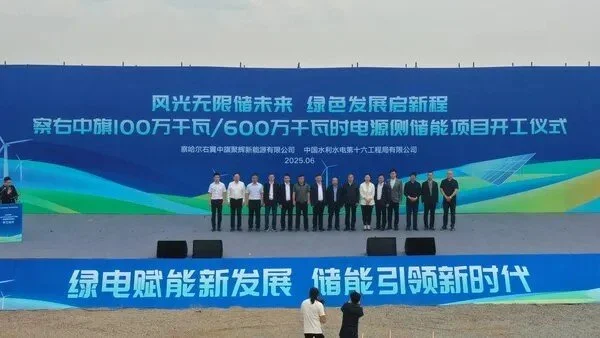
Inner Mongolia: 1GW/6GWh! World’s Largest Power-Side Electrochemical Energy Storage Project Breaks Ground
Source: Jimusaer County Convergence Media Center
On June 26, the 1,000 MW / 6,000 MWh power-side energy storage project in Chayou Zhongqi, Ulanqab City, Inner Mongolia officially commenced construction. The project is currently one of the largest power-side electrochemical energy storage projects in the world.
It is reported that the project is being constructed by a consortium formed by Sinohydro Bureau 16 Co., Ltd. and Fujian Yongfu Power Engineering Co., Ltd., covering design, procurement, construction general contracting (EPC), and operation and maintenance services.
The project is located in Chayou Zhongqi Ulanqab City, Inner Mongolia, and is planned to build a 1000MW/6000MWh electrochemical shared energy storage power station, occupying an area of approximately 700 mu (115 acres). The main construction content includes 1,200 5.016 MWh lithium iron phosphate energy storage battery containers, four 250 MVA split-winding 220kV main transformers, and the construction of one 220kV transmission line connecting to the Chayou Zhongqi 500kV substation.
The project adopts advanced lithium iron phosphate energy storage technology, integrating power conversion and boosting systems with an energy management system. It is capable of independently participating in grid frequency regulation and peak shaving, electricity market transactions, and capacity compensation. It can perform multiple functions such as peak shaving and valley filling, and load tracking. As a full life-cycle EPC + operation and maintenance management project, Sinohydro Bureau 16 will provide full life-cycle services for 20 years.
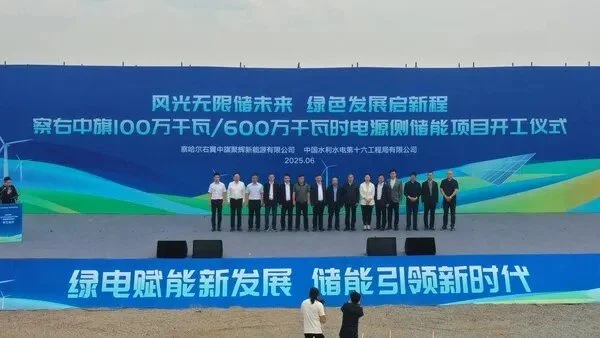
The commencement of this project marks a new stage in the development of China’s new-type energy storage industry. Upon completion, the project will have an annual peak shaving capacity of 2.16 billion kWh, equivalent to the annual carbon sequestration of 120 million square meters of forest. It will effectively alleviate the curtailment pressure of wind and solar energy in the Ulanqab new energy base and improve grid stability. It will also increase flexible regulation resources for the Inner Mongolia power grid, help the region achieve its goal of having more than 50% of its installed capacity from new energy sources by 2025, and provide a solid foundation for the safe and stable operation of the North China power grid. At the same time, through the large-scale application of advanced electrochemical energy storage technology, the project offers an “Inner Mongolia solution” with important demonstration significance for building a new-type power system with new energy as the mainstay, and will have a profound impact on promoting technological upgrades and large-scale development of the national energy storage industry.
150MW/300MWh! Egypt’s Largest Standalone Energy Storage Project Commissioned
Source: China Power Engineering Consulting Group Co., Ltd.
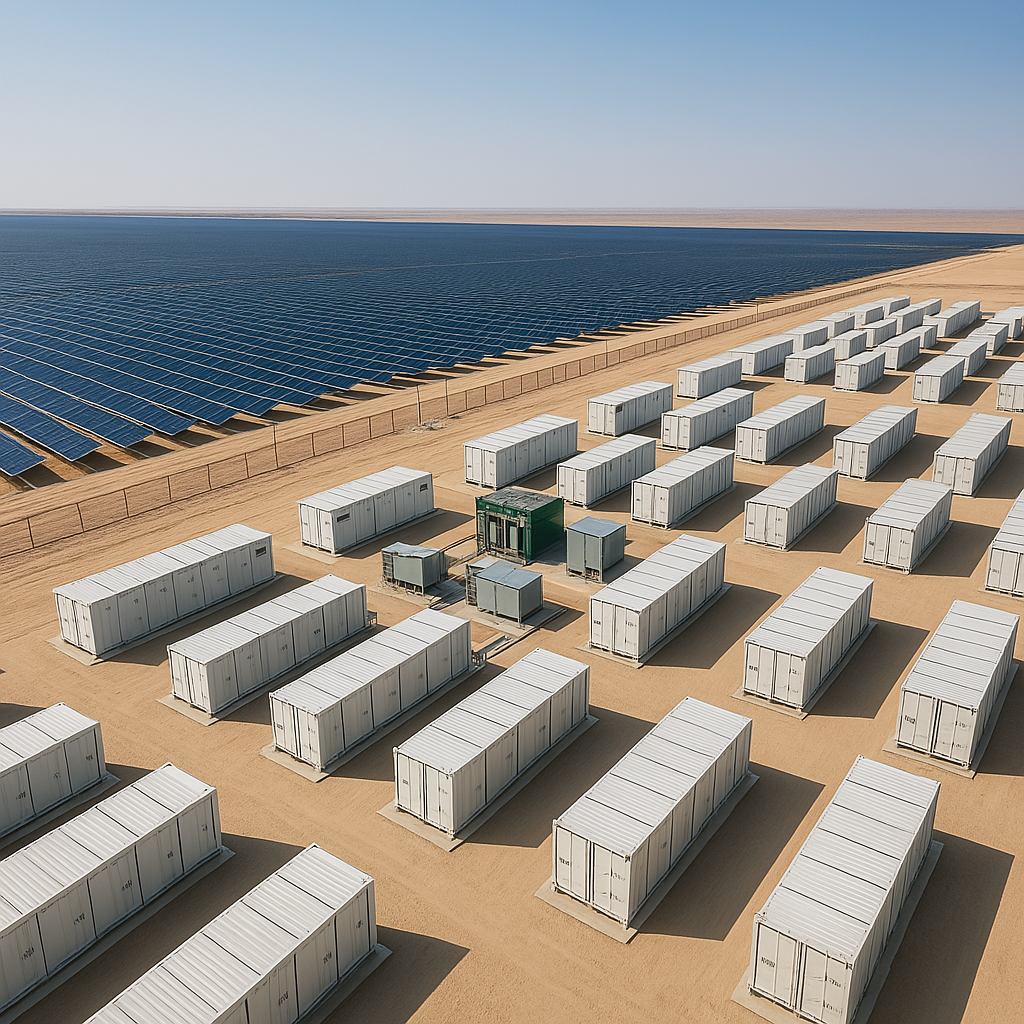
Recently, the Kom Ombo 500 MW PV Expansion and 300 MWh Energy Storage Project—Egypt’s largest standalone energy storage project, surveyed and designed by the Southwest Electric Power Design Institute Co., Ltd. of China Power Engineering Consulting Group—was put into commercial operation, marking a new stage in Egypt’s new energy development.
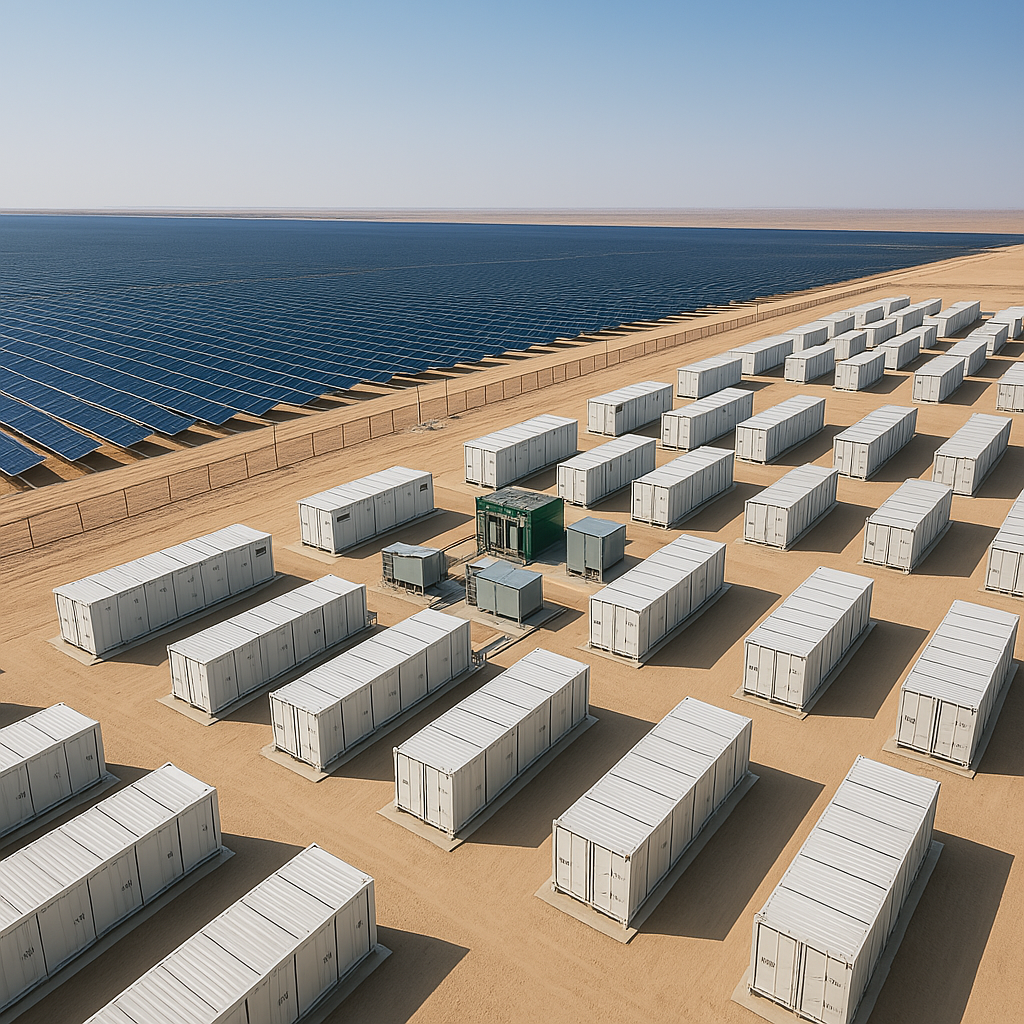
Conceptual Illustration
The project is located in the Kom Ombo area of Aswan, Egypt, and was built as an expansion of an existing 500 MW PV power plant. The energy storage station has a capacity of 150 MW/300 MWh and consists of 72 battery containers, 36 PCS-integrated units, and an intelligent control system.
The project adopts Sineng Electric’s 5 MW centralized PCS and booster integrated units together with Trina Solar’s Elementa liquid-cooled energy storage system, enabling 10-millisecond-level grid switching and precise PV fluctuation regulation. Through 12 cable loops, the system connects to the original PV booster station to realize PV-storage synergy, thereby improving grid stability and energy absorption capacity. After all six zones of the energy storage station achieved power backfeed, thermal commissioning was completed within five days, demonstrating the “China speed.”
As the first utility-scale large energy storage project in North Africa, it is expected to reduce CO₂ emissions by over 150,000 tons annually and provide stable electricity for approximately 500,000 households. The project effectively supports Egypt in increasing the proportion of renewable energy, accelerates the implementation of the “2030 Sustainable Energy Strategy,” offers a “Chinese solution” for PV-storage integration in Africa, and provides strong support for comprehensively enhancing the core competitiveness of the “Four New” areas and expanding the African new energy market.
Brazil’s First Energy Storage Regulatory Framework to Be Introduced This Year, Covering Revenue Mechanisms
At a public hearing held by the Chamber of Deputies’ Mines and Energy Committee, Daniel Danna, Director of the National Electric Energy Agency (ANEEL), stated that the regulatory authority intends to introduce the country’s first regulatory framework for energy storage this year. These initial standards will cover grid access and usage, as well as revenue mechanisms for energy storage, including revenue stacking models.
Danna stated that, at this stage, the regulatory impact analysis and the proposed normative resolution have been completed, and approval is scheduled for the second half of this year. The framework will also address future scenarios such as grid capacity auctions and isolated-system auctions.
Following approval of the results of Public Consultation No. 39 (CP 39), the second round of discussions will focus on the regulatory treatment of “reversible” power plants, criteria for recognizing storage facilities as transmission and distribution system assets, and the regulatory framework for storage systems used to mitigate curtailment and power rationing. A planned third round of discussions will focus on the “storage-as-a-service” aggregator and system operation simulation studies, with all discussions expected to conclude by 2028.
It is understood that CP 39 (Consulta Pública nº 39/2022) was a special public consultation document launched by ANEEL in 2022 concerning the regulatory framework for energy storage systems.
At the hearing, Danna specifically pointed out the impact of budget cuts at the regulatory agency on the progress of discussions regarding energy storage rules.
The hearing also focused on the growing demand for energy storage driven by the surge in renewable energy such as solar PV and wind power. The rapid increase in these sources has outpaced electricity demand and transmission capacity, resulting in widespread curtailment and posing operational challenges for the National Electric System Operator (ONS), particularly the mismatch between midday solar generation peaks and nighttime demand peaks. Brazil’s 103 GW of hydropower installed capacity—accounting for more than half of the country’s energy mix—struggles to adapt to the rapid fluctuations in renewable output and grid load.
Christiany Salgado Faria, Director of Planning and Grants for Electric Power Generation at the Ministry of Mines and Energy (MME), emphasized that the Plano Decenal de Expansão de Energia 2034 projects the need for an additional 5.5 GW of peaking capacity by 2028 to meet system needs. By 2034, this figure is expected to exceed 35 GW.
Between 2024 and 2034, the share of hydropower in Brazil’s energy mix is projected to fall by 10 percentage points to 36%. The share of renewable energy will continue to rise, with distributed clean energy (mainly PV) increasing from 13% to 18%, and centralized solar and wind power rising from 21% to 24%.
Salgado Faria stated that it is therefore necessary to advance the energy storage discussion to address the issue of system flexibility. Currently, public policy is focused on storage auctions, and the Ministry of Mines and Energy has launched a public consultation (CP 176/2024) on related guidelines, but the final plan is still under discussion.
According to the consultation document, energy storage auction contracts will have a ten-year term, starting on July 1, 2029. The projects must provide four hours of daily discharge service under ONS dispatch, and revenues will be adjusted based on the Índice Nacional de Preços ao Consumidor Amplo.
Rodrigo Sauaia, President of the Brazilian Association of Photovoltaic Solar Energy, expressed concern about the postponement of battery storage participation in capacity reserve auctions. He stated: “We recently saw a legal dispute that delayed the auction of thermoelectric and hydroelectric capacity reserves. And our concern is that the batteries not be left for later because we have seen some talk that the battery auction will only take place after the thermoelectric and hydroelectric auction. Why, if this technology is already mature and ready to be used?” Rodrigo Sauaia called for the immediate implementation of battery auctions. This would be a major milestone for Brazil during the year of the COP30 summit—holding the country’s first-ever battery auction and demonstrating Brazil’s commitment to applying this technology.
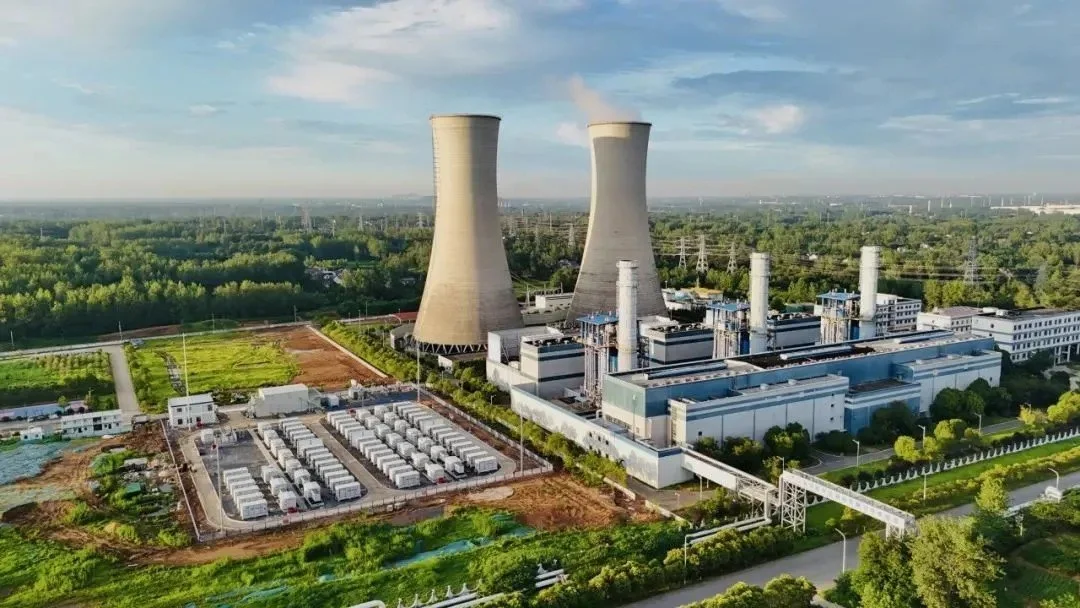
Jiangsu: Pylontech Assists in Successful Grid Connection of Yangzhou’s Largest Grid-Side Energy Storage Power Station
Source: Pylontech
On June 30, the Jiangsu Huadian Yizheng Wind-Solar Integrated Energy Storage Project was successfully connected to the grid.
As the largest grid-side energy storage power station project in the Yangzhou area, the project has a total scale of 240 MWh and covers an area of 47.8 mu (7.87 acres). It establishes an intelligent energy hub integrating “storage-conversion-boost-regulation” functions. It is expected to consume over 68 million kilowatt-hours of renewable electricity annually and reduce carbon dioxide emissions by approximately 40,000 tons. The project will provide value in peak shaving, frequency regulation, and emergency power supply, effectively safeguarding regional energy and power security.
Pylontech is the core energy storage system supplier for the project. Leveraging its integrated energy storage system solutions and efficient delivery capabilities, and through close cooperation with its partners, the company completed the entire process from production to grid connection in just over two months, building a solid safeguard for stable energy supply in the Yangtze River Delta during the summer peak.
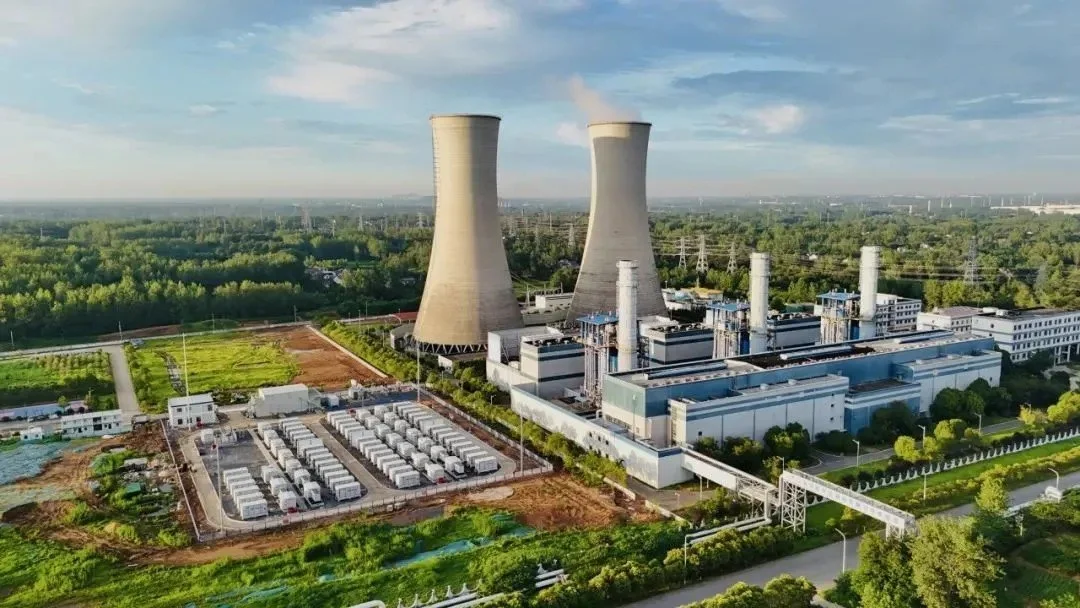
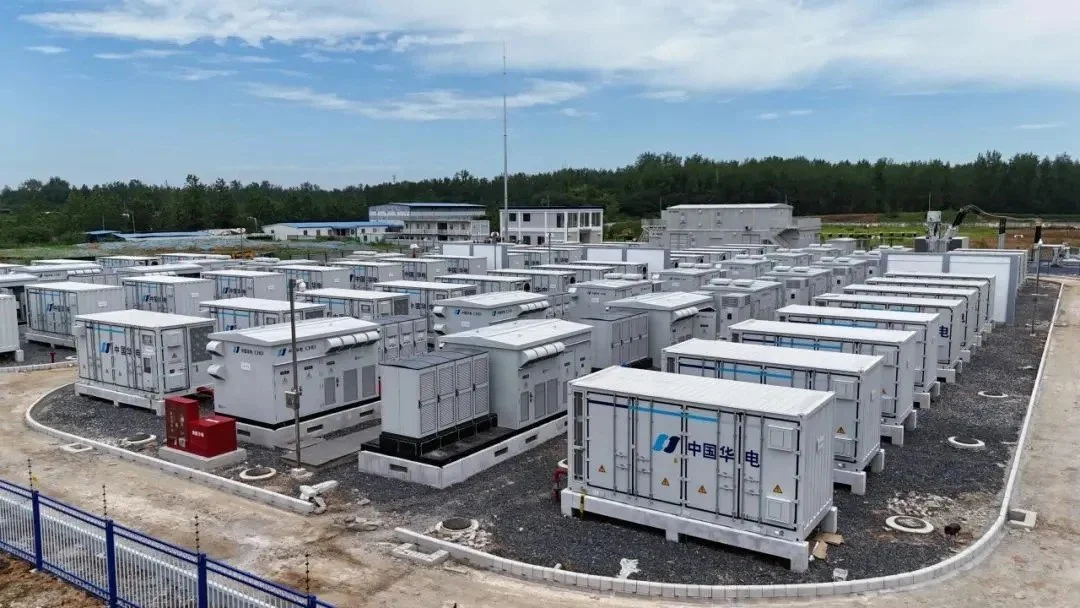
With a total project scale of 240 MWh, Pylontech customized an 80 MWh energy storage system for the project. Centered on a full-chain safety design “from cell to container,” it has built an intrinsic safety protection system through material innovation, process optimization, and BMS upgrades. The intelligent BMS features millisecond-level status monitoring, enabling real-time and precise capture of battery operating data. Liquid cooling thermal management technology ensures accurate temperature control and maintains uniform and stable battery temperatures. A five-tier linkage fire protection mechanism spans the entire process from active monitoring and early warning to rapid response and multi-level fire suppression, forming a rigorous closed-loop safety system.
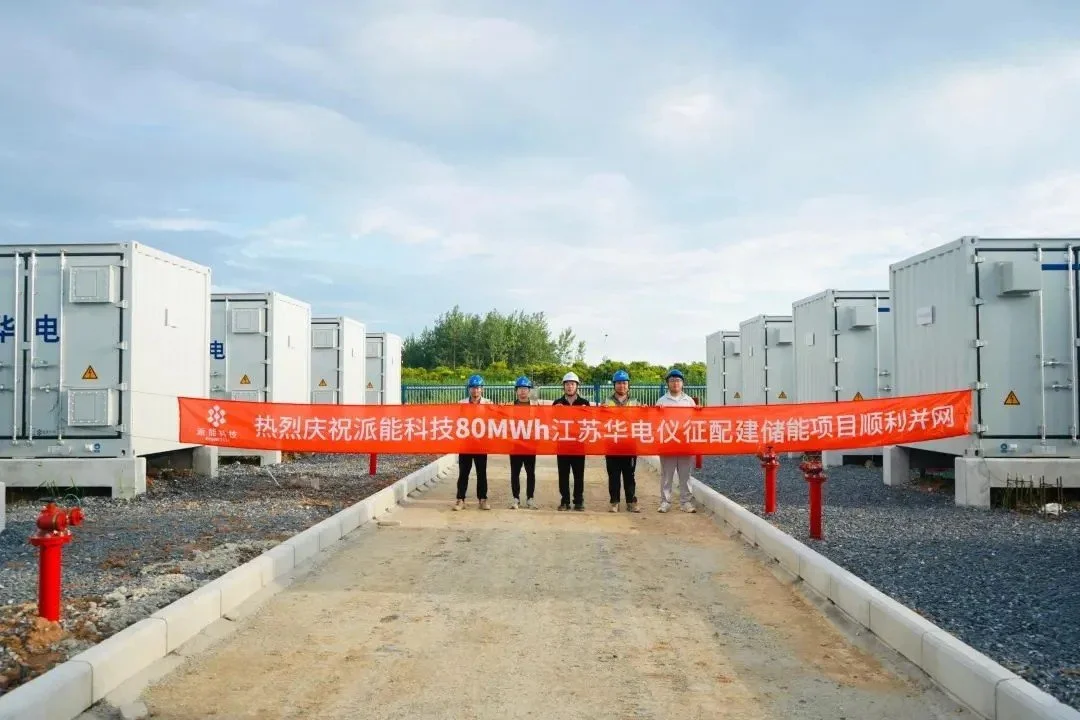
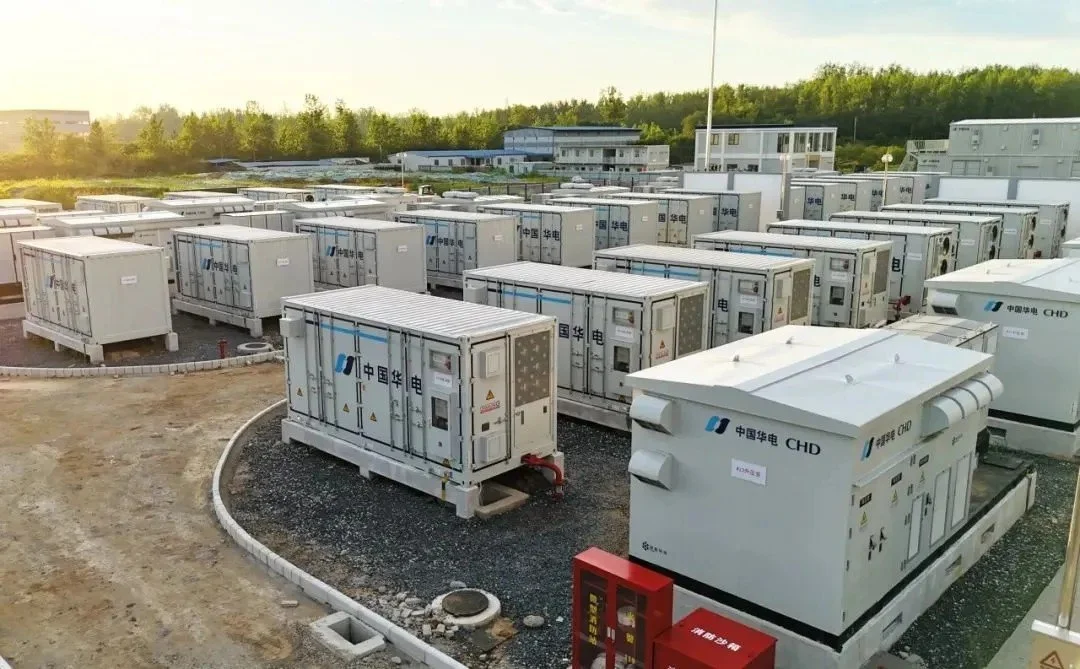

CNESA Global Energy Storage Market Tour – Vietnam Successfully Concluded! Unlocking New Opportunities in Southeast Asia’s Energy Storage Sector
From June 24 to 27, 2025, the China Energy Storage Alliance (CNESA) organized a delegation to Vietnam for an in-depth market study and exchange. The delegation focused on the current status of Vietnam’s energy storage market, policy environment, and industry cooperation opportunities. Through meetings with government agencies, on-site company visits, participation in industry exhibitions, and expert dialogues, the delegation built a bridge for deep collaboration in the energy storage field between China and Vietnam.
Engagement with Government Agencies
Exploring Policy Frameworks and Cooperation Directions
The first stop of the delegation was a visit to the Ministry of Industry and Trade of Vietnam (MOIT), where a closed-door meeting was held with officials from the Department of Electricity and Renewable Energy, Energy Institute, and Trade Promotion Agency. The two sides conducted a systematic discussion on the development plan for energy storage and clean energy in Vietnam, focusing on topics such as policy support systems, renewable energy consumption mechanisms, and cross-border energy storage cooperation models. Vietnamese officials elaborated on the strategic positioning of the energy storage industry, emphasizing that Vietnam is accelerating the construction of a new power system centered on energy storage through policy incentives and innovative market mechanisms. Drawing on the development experience of China’s energy storage industry, the delegation proposed constructive plans on technical standard alignment and project investment paths. Both parties reached a consensus to establish a regular communication mechanism.

On-Site Enterprise Visits
Focusing on Application Scenarios and Commercial Practices
That afternoon, the delegation visited local energy storage enterprises in Hanoi to gain an in-depth understanding of the development and operation models for residential energy storage systems (SES) and commercial & industrial (C&I) storage. In the on-site discussions, the two sides had in-depth exchanges on key issues such as electricity pricing mechanism design, energy storage system integration technologies, and investment return cycles. Vietnamese enterprises shared case studies on distributed energy access and microgrid management. Drawing on China’s experience in C&I storage projects, the delegation proposed innovative solutions such as “solar-storage-charging integration” and “Virtual Power Plant (VPP) aggregation optimization.” Both parties agreed to launch pilot cooperation in areas such as project resource sharing and joint technology R&D, promoting localized adaptation of storage application scenarios and commercial model innovation.

Participation in Industry Exhibition
Gaining Insights into Technology Trends and Market Demand
The delegation also attended the Battery Expo 2025, holding intensive talks with exhibitors from Vietnam, China, South Korea, Japan, and other countries. At the exhibition, the delegation focused on cutting-edge areas such as lithium battery technology iteration and energy storage system safety management, and engaged in pragmatic discussions with local energy storage equipment manufacturers and system integrators on topics like mutual recognition of technical standards and supply chain coordination. On-site research showed that although Vietnam’s energy storage market is still in its early stages, market demand driven by policy is being rapidly unleashed—particularly in renewable energy storage projects, which are attracting significant international capital and technological attention.

Expert Dialogues and Industry Platform Connections
Building a Long-Term Cooperation Network
The delegation held themed seminars with Vietnamese renewable energy technology experts, representatives from the Ministry of Finance, and the Vietnam Clean Energy Association (VCEA).
In discussions with technical experts, both sides explored the key role of energy storage in the coordinated development of “generation-grid-load-storage,” focusing on technical challenges in renewable energy grid integration and grid flexibility enhancement. A preliminary cooperation intention was reached on jointly launching energy storage demonstration projects between China and Vietnam.
In talks with representatives from Vietnam’s Ministry of Finance, the delegation gained a deep understanding of green investment policies in the northern region, with a focus on tax incentives and cross-border capital flow—laying a policy foundation for Chinese companies investing in storage projects in Vietnam.
In discussions with the Vietnam Clean Energy Association, both parties engaged in systematic discussions on the construction of energy storage standard systems, mechanisms for alliance cooperation, and talent development. A joint initiative was proposed to establish a China-Vietnam energy storage industry cooperation memorandum, promoting institutionalized cooperation in policy research, technical exchange, and project matchmaking.

This tightly scheduled and content-rich mission enabled the delegation to gain a deep understanding of the strategic opportunities and challenges in Vietnam’s energy storage market through multidimensional and multilevel exchanges. Looking ahead, the two sides will take this visit as a starting point to accelerate the implementation of energy storage technologies, project investments, and industry chain collaboration, jointly advancing Vietnam’s energy transition and realization of its “net-zero” targets, and injecting new momentum into the development of the global energy storage industry.
CNESA’s Global Energy Storage Market Tour focuses on three strategic regions: Southeast Asia, Central and Eastern Europe, and Latin America. Through a three-pronged approach of “policy penetration + technical alignment + project implementation,” the program supports the global expansion of Chinese energy storage enterprises. The first leg in the UK and the second leg in Vietnam have now been successfully concluded! Meanwhile, the 14th Energy Storage International Conference and Expo (ESIE 2026), to be held in Beijing in April 2026, will offer Chinese companies more international perspectives and practical cooperation opportunities.

Jinko ESS and METLEN Forge 3GWh+ Strategic BESS Partnership to Accelerate Renewable Energy Transition in Europe and Latin America
Source: JinkoSolar
Jinko ESS, a global leading energy storage company, and METLEN, a leading industrial and energy company, signed a landmark Frame Agreement cementing their strategic partnership in utility-scale Battery Energy Storage Systems (BESS). The agreement, signed at METLEN’s Athens headquarters, establishes a framework for deploying over 3GWh of energy storage projects across Chile and European markets.

The partnership builds around the successful 1.6GWh project currently underway in Chile, where Jinko ESS is supplying its cutting-edge G2 Utility systems for full delivery by Q4 2025. This collaboration highlights Jinko ESS’s rapid ascent in the global BESS sector and Metlen Group’s strategic expansion as an energy transition enabler.

Jinko ESS CEO Mr. Fangkai Zhou signed the 3GWh strategic agreement framework with METLEN’s Executive Director, M Renewables, Nikos Papapetrou. The alliance combines Jinko ESS’s industry-leading BESS technology with METLEN’s global energy expertise to address critical grid stability challenges.
“METLEN’s proven energy infrastructure capabilities and Jinko ESS’s technological innovation create an unmatched value proposition for grid operators," stated Mr. Zhou, CEO of Jinko ESS. "This framework ensures long-term supply security while accelerating the clean energy transition in strategic markets.”
Nikos Papapetrou, Executive Director, M Renewables stated: “By joining forces with Jinko ESS, we are combining cutting-edge storage technology with our expertise to unlock large-scale, resilient energy infrastructure. METLEN is a global leader in green energy, with an overall 12.7 GW pipeline in various steges locations and more specifically 2.6 GW in storage, proving its longstanding efforts to advance energy transition.”
The agreement underscores both companies’ commitment to enabling renewable energy adoption through advanced storage solutions, reinforcing Jinko ESS’s position as one of the fastest-growing global BESS companies and METLEN’s leadership in sustainable energy development.
Sign up for our free monthly newsletter to stay informed about the Chinese energy storage market.