
Latest News

China’s Ministry of Commerce: The General Administration of Customs Imposes Export Controls on Lithium Batteries with an Energy Density of ≥300 Wh/kg
Source: Ministry of Commerce of the People’s Republic of China

Announcement No.18 of 2025 of The Ministry of Commerce and The
General Administration of Customs of The People’s Republic of China
Announcing the Decision to Implement Export Control on Lithium
Batteries and Artificial Graphite Anode Materials Related Items
[Issuer] Bureau of Industry, Security, Import and Export Control
[Issuance Document Number] Announcement No.18 of 2025 of The Ministry of Commerce and The General Administration of Customs of The People’s Republic of China
[Date of Issuance] October 9, 2025
According to the relevant provisions of the Export Control Law of the People’s Republic of China, the Foreign Trade Law of the People’s Republic of China, the Customs Law of the People’s Republic of China and the Regulations on Export Control of Dual-Use Items of the People’s Republic of China, in order to safeguard national security and interests and fulfill international obligations such as non-proliferation, with the approval of the State Council, a decision is made to implement export control on the following items:
I. Lithium Battery Related Items
(1) 3A001 -- Rechargeable lithium-ion batteries (including cells and battery packs) with a gravimetric energy density ≥ 300 Wh/kg (Reference HS Code: 85076000).
(2) 3B901.a -- Equipment used for manufacturing rechargeable lithium-ion batteries:
1. Winding machines (Reference HS Code: 84798999);
2. Stacking machines (Reference HS Code: 84798999);
3. Electrolyte Filling machines (Reference HS Code: 84798999);
4. Hot-pressing machines;
5. Formation and Aging & Grading systems;
6. Capacity Grading cabinets.
(3) 3E901.a -- Technologies used for producing items controlled under 3A001.
II. Cathode Material Related Items
(1) 3C901.a.1 -- Lithium iron phosphate (LFP) cathode materials with a compacted density ≥ 2.5 g/cm3 and specific capacity ≥ 156 mAh/g (Reference HS Code: 28429040).
(2) 3C901.a.2 -- Precursors for ternary cathode materials:
a. Nickel cobalt manganese hydroxides (Reference HS Code: 28539030);
b. Nickel cobalt aluminum hydroxides (Reference HS Code: 28539050).
(3) 3C901.a.3 -- Lithium-rich manganese-based cathode materials.
(4) 3B901.b -- Equipment used for manufacturing cathode materials for rechargeable lithium-ion batteries:
1. Roller kilns;
2. High-speed mixers;
3. Sand mills;
4. Jet mills.
III. Graphite Anode Material Related Items
(1) 3C901.b.1 -- Artificial graphite anode materials.
(2) 3C902.b.2 -- Mixed anode materials composed of artificial graphite and natural graphite.
(3) 3B901.c.1 -- Granulation equipment used in the production of graphite anode materials:
a. Vertical granulation reactors with a volume ≥ 5 m³;
b. Continuous granulation reactors with a volume ≥ 5 m³.
(4) 3B901.c.2 -- Graphitization equipment used in the production of graphite anode materials:
a. Box furnaces;
b. Acheson furnaces;
c. Internal string furnaces;
d. Continuous graphitization furnaces.
(5) 3B901.c.3 -- Coating and modification equipment used in the production of graphite anode materials:
a. Fusion coating equipment with a volume ≥ 300 L;
b. Spray drying equipment with a volume ≥ 60 m³;
c. Chemical vapor deposition (CVD) rotary kilns with a drum diameter ≥ 0.5 m.
(6) 3E901.b -- Processes and technologies used for producing graphite anode materials:
1. Granulation processes;
2. Continuous graphitization technology;
3. Liquid-phase coating technology.
Exporters of the above-listed items shall apply for a license from the Ministry of Commerce and its subordinate units under the State Council in accordance with the Export Control Law of the People’s Republic of China and the Regulations of the People’s Republic of China on Export Control of Dual-Use Items.
The exporter shall identify the items and indicate in the Remarks section whether the goods for export are controlled items when making customs declarations. For controlled items, its dual-use item control number shall be specified. For any doubt about the declared information, the customs authorities will question it in accordance with the law, and the goods for export will not be released during the questioning period.
This announcement shall come into effect on the date of issuance. The Export Control List of Dual-Use Items of the People’s Republic of China is updated accordingly.
Ministry of Commerce
General Administration of Customs
October 9, 2025
(This announcement is authentic in Chinese. The English version is for reference only.)

The 14th ESIE - largest energy storage event in China is coming on April 1-3, 2026, Beijing, China!
Register Now to attend, free before Oct 31, 2025.

Beyond the “Five Major and Six Minor”, Third-Party Enterprises Accelerate Their Entry into the Energy Storage Market -- Analysis of the New Grid&Source-Side Energy Storage Projects in September
Source: CNESA
The China Energy Storage Alliance (CNESA) has consistently adhered to standardized, timely, and comprehensive information collection practices to continuously track developments in energy storage projects. Leveraging its long-term data accumulation and in-depth professional analysis, CNESA regularly publishes objective market analyses on installed energy storage capacity, providing valuable references for industry decision-making. Since June 2025, the monthly energy storage project analysis has been divided into two sections: “Grid&Source-Side Market” and “User-Side Market”. This issue focuses on interpreting the grid&source-side market in September.
● Market Continues to Rise: In September, grid&source-side energy storage installations grew by over 180% year-on-year, with independent storage capacity increasing by nearly 340%.
● Regional Highlights: Jiangsu Province contributed the largest share of new installations, with an average duration of 3.84 hours.
● Changing Landscape: Beyond the “Five Major and Six Minor” power generation groups, third-party enterprises are accelerating their entry, capturing 40% of the market share.
● Technological Breakthroughs: Long-duration energy storage is being rapidly deployed, with compressed air energy storage projects accounting for one-fourth of the total.
Overall Analysis of New Energy Storage Projects in September
According to incomplete statistics from the CNESA Datalink Global Energy Storage Database, in Sep. 2025, newly commissioned new energy storage projects in China reached a total installed capacity of 3.08 GW / 9.08 GWh, representing a YoY increase of 166% and 200%, and a MoM growth of 7% and 15%, respectively. New installations totaled 9.16 GW / 25.52 GWh in the third quarter, marking a YoY increase of 10% and 24%. The cumulative new installed capacity for the first three quarters has already reached 74% of the total added capacity for the entire year of 2024, indicating that the total new installations in 2025 are likely to surpass last year’s level.
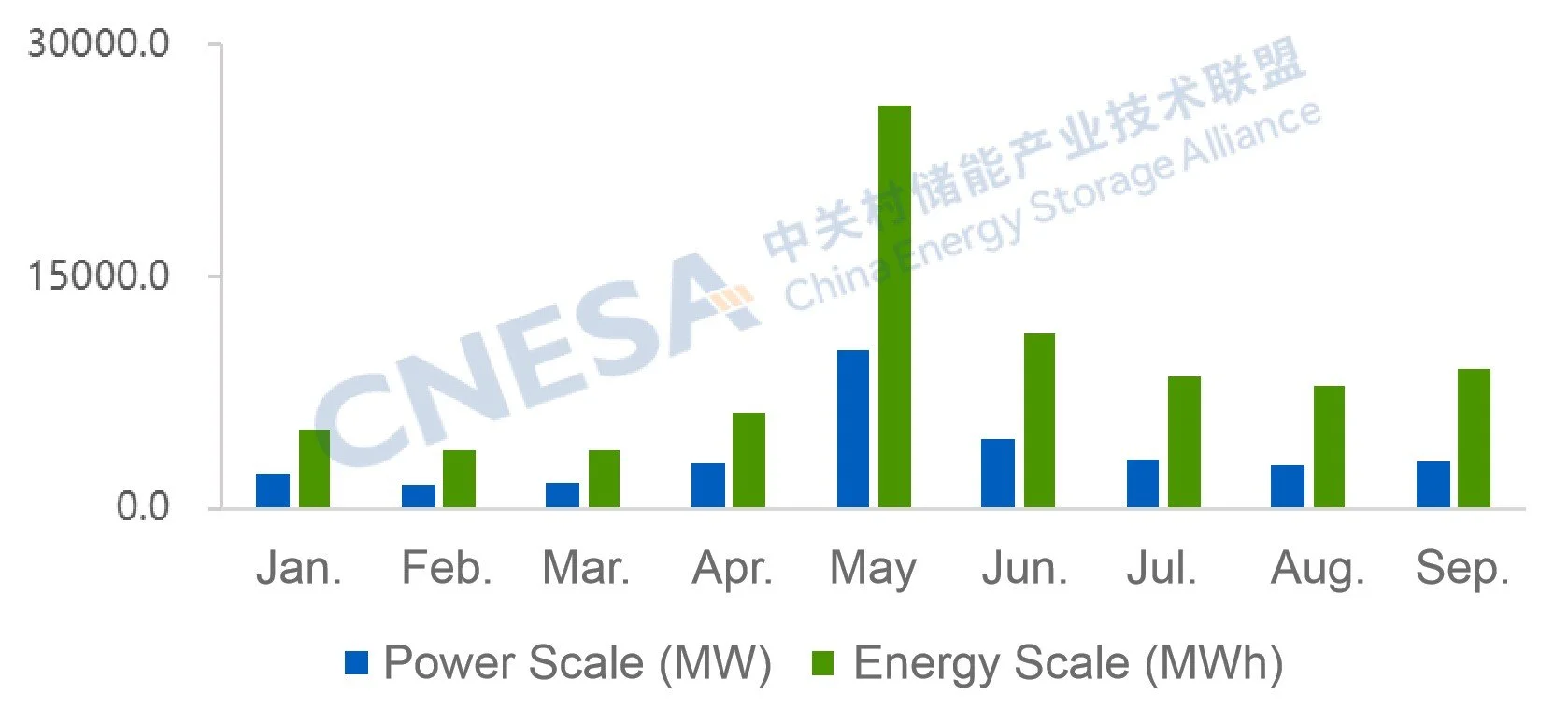
Figure 1: Installed Capacity of Newly Commissioned New Energy Storage Projects in China, Jan.-Sep. 2025
Data Source: Global Energy Storage Database of the CNESA DataLink
https://www.esresearch.com.cn/
Note: YoY (year-on-year) increase compares with the same period last year; MoM (month-on-month) decrease compares with the previous reporting period
September Analysis of Grid&Source-Side Energy Storage Projects
In September, newly commissioned grid&source-side energy storage installations reached 2.84 GW / 8.50 GWh, representing a YoY increase of 189% and 226%, and a MoM growth of 15% and 21%, respectively. The new grid&source-side energy storage projects showed the following characteristics:
01. New Installations of Independent Energy Storage Accounts for Over 80%, with Capacity Up Nearly 340% YoY
In September, newly added independent energy storage installations totaled 2.31 GW / 6.73 GWh, marking a YoY increase of 340% and 576%. Projects of 100 MW and above accounted for 64% of the total. Newly added source-side installations reached 492.2 MW / 1,610.9 MWh, up 7.6% / down 0.3% YoY, covering a wide range of application scenarios such as supporting ultra-high-voltage (UHV) DC transmission projects, prevention and control of desertification, and integrated fishery-solar and agrivoltaic projects.
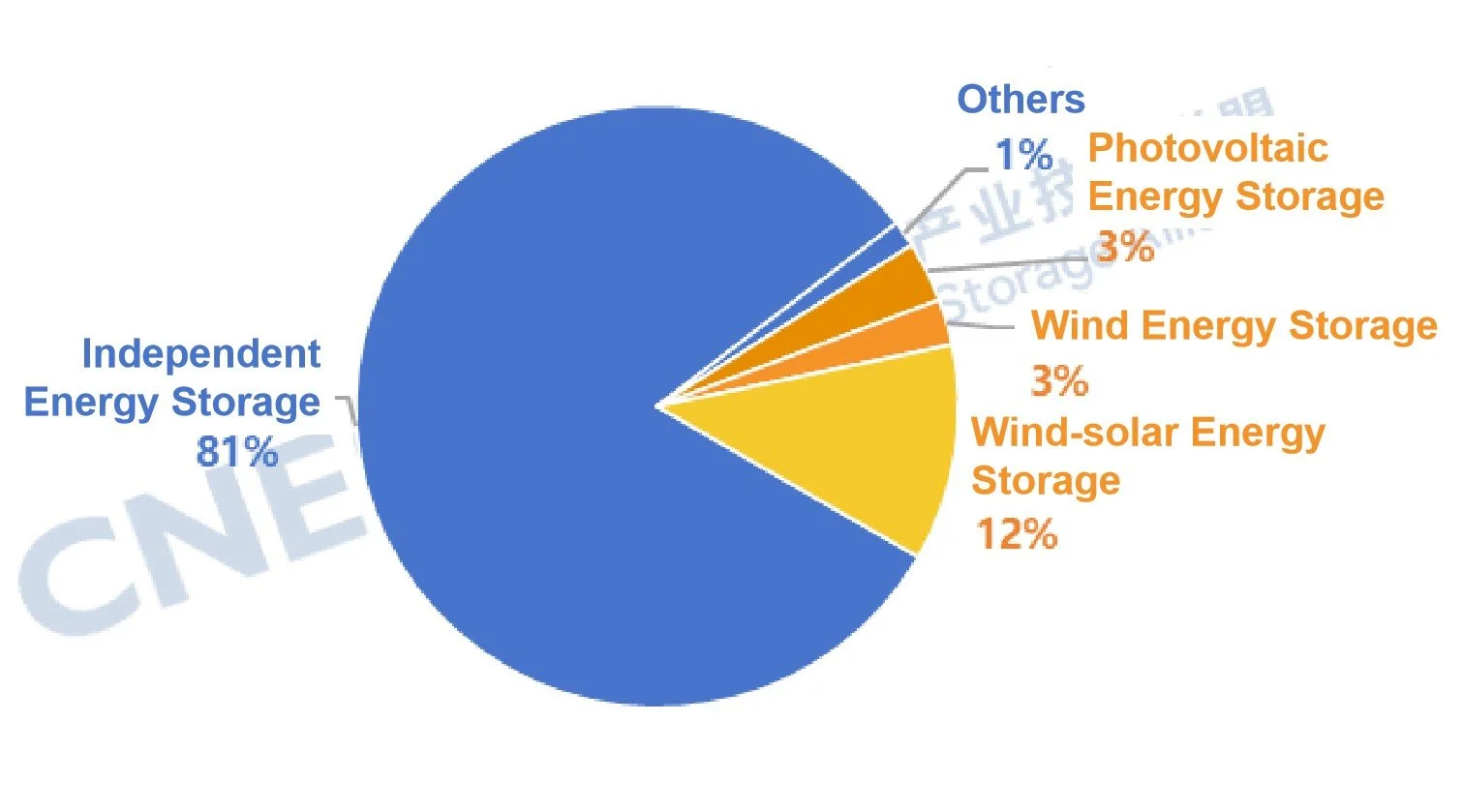
Figure 2: Application Distribution of Newly Commissioned Grid&Source-Side New Energy Storage Projects in Sep. 2025 (MW%)
Data Source: CNESA DataLink Global Energy Storage Database
https://www.esresearch.com.cn/
Note: “Others” include empirical research, etc.
02. East China Accounts for Over 35% of New Installations, with Jiangsu Leading in Scale
In September, the East China region added more than 1 GW of grid&source-side energy storage capacity, accounting for 38% of the national total -- the highest among all regions. Among them, Jiangsu Province recorded the largest increase, with independent energy storage projects making up 99% of its new installations. As one of China’s major provinces in both economic output and energy consumption, Jiangsu faces growing challenges in power system regulation. According to State Grid data, the province’s maximum daily power load this summer exceeded 150 million kW (150 GW), and by the end of May, its installed wind and solar capacity had surpassed 100 million kW (100 GW).
On one hand, the high penetration of renewable energy has intensified grid load fluctuations, creating an urgent need to enhance system flexibility. On the other hand, Jiangsu’s power resources and demand are geographically mismatched -- wind and solar generation are concentrated in northern Jiangsu, while electricity consumption is mainly centered in the southern cities of Suzhou, Wuxi, and Changzhou. This regional imbalance between power supply and demand has further exacerbated pressure on power supply during peak demand periods.
In addition, Jiangsu’s average energy storage duration reached 3.84 hours, 0.85 hours longer than the national average for September, reflecting the province’s higher requirements for peak-shaving capability. Nationally, the average energy storage duration in September was 2.99 hours, up 13% YoY and 5% MoM, marking the highest level since 2025. The East China, Northwest China, and Southwest China regions all recorded average durations exceeding 3 hours.
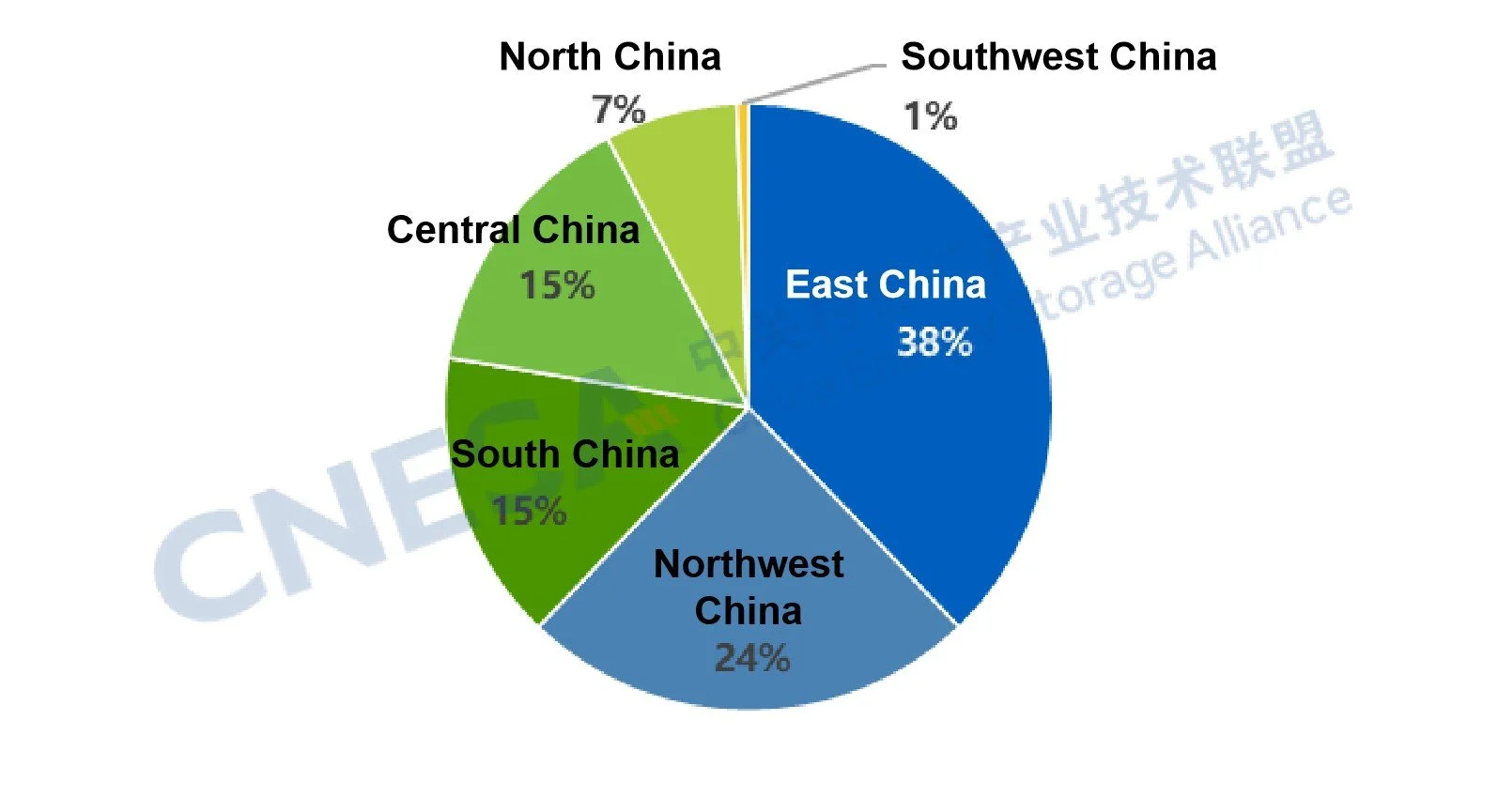
Figure 3: Regional Distribution of Newly Commissioned Grid&Source-Side New Energy Storage Projects in China, Sep. 2025 (MW%)
Data Source: CNESA DataLink Global Energy Storage Database
https://www.esresearch.com.cn/
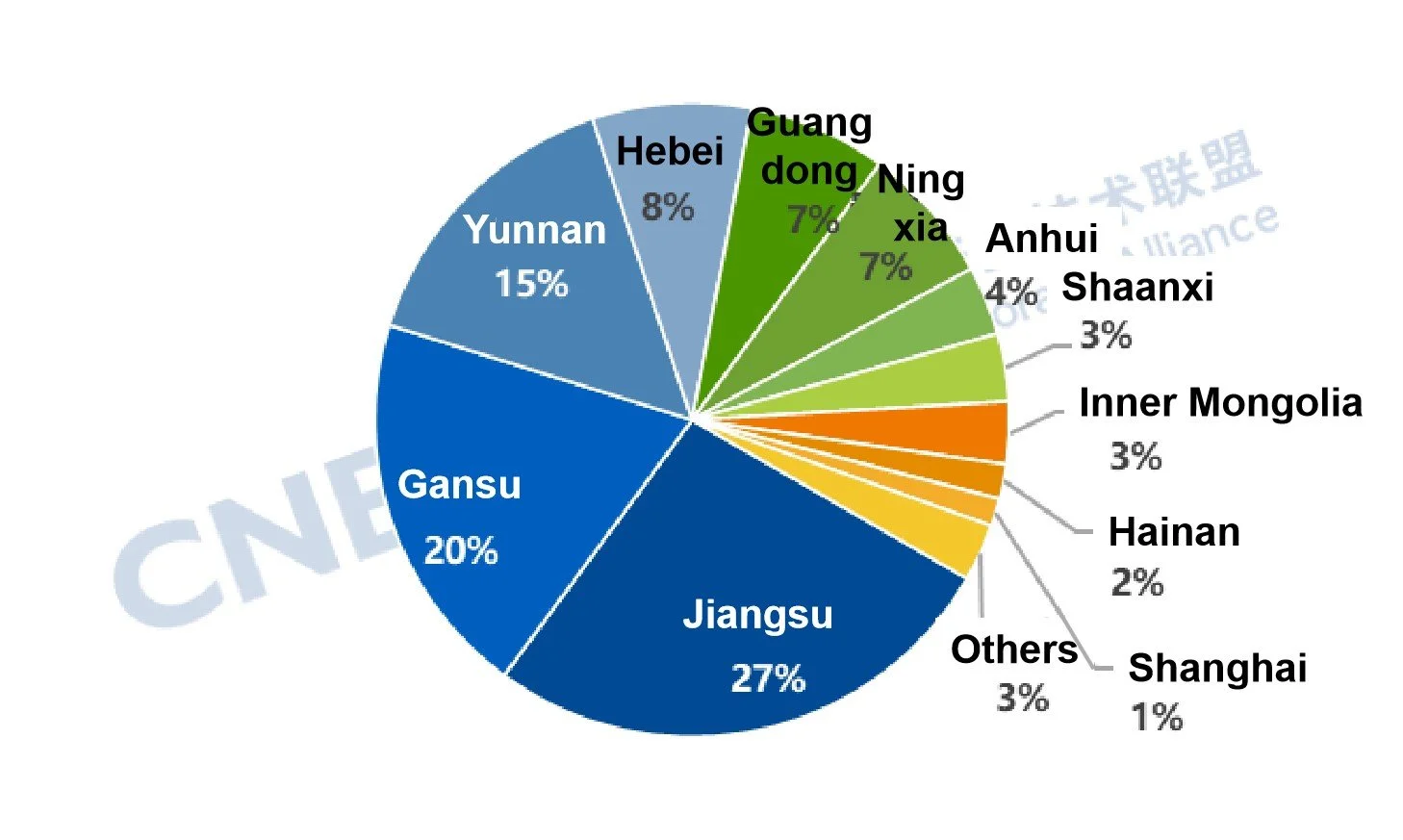
Figure 4: Provincial Distribution of Newly Commissioned Grid&Source-Side New Energy Storage Projects in China, Sep. 2025 (MW%)
Data Source: CNESA DataLink Global Energy Storage Database
https://www.esresearch.com.cn/
03. Increasingly Evident Diversification of Energy Storage Investors
From the perspective of project ownership, major power generation groups such as China Huaneng, China Three Gorges Corporation (CTG), and China Huadian -- collectively known among the “Five Major and Six Minor” state-owned power enterprises -- continued to maintain a leading position in the energy storage installation market. However, their combined market share declined by 10 percentage points compared with August. Among them, China Huaneng held the largest market share, with several projects such as the Huaneng Energy Base in Gansu Province’s Energy Storage Project Supporing for New Energy and the Huaneng Jintan Phase II Compressed Air Energy Storage Project succeeded in power transmission, contributing a total installed capacity exceeding 1 GW. These large energy groups possess comprehensive advantages in investment scale, project coordination, and operational management.
At the same time, the diversification of investment entities in the energy storage market has become increasingly apparent. In September, third-party enterprises including energy storage and new energy manufacturing companies such as Ganfeng Lithium, Weiteng Electric, and Jinko Power, along with private equity-controlled enterprises, accelerated the deployment of energy storage projects invested and constructed. Projects funded by third-party enterprises accounted for nearly 40% of new installations, an increase of 28 percentage points from August. This growth is mainly driven by the continued expansion of demand in the new energy storage market, government policies encouraging diversified participation in project investment and construction, the emergence of multiple technological pathways, and the decline in energy storage technology costs. With these favorable factors, the market potential of new energy storage has been fully unleashed, attracting a wider range of participants into the sector.
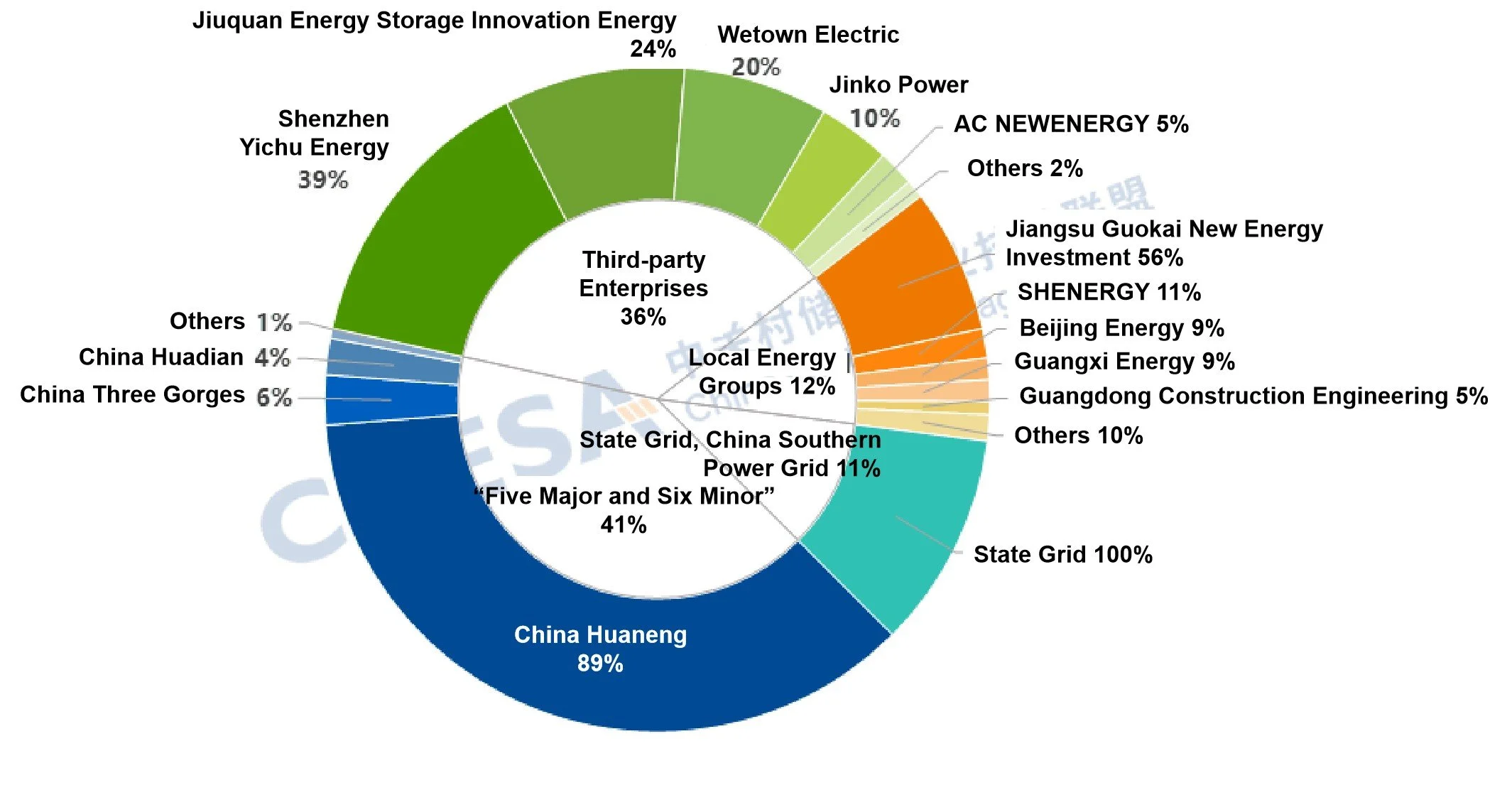
Figure 5: Ownership Distribution of Newly Commissioned Grid&Source-side New Energy Storage Project in China, Sep. 2025 (MW%)
Data Source: CNESA DataLink Global Energy Storage Database
https://www.esresearch.com.cn/
Note: Third-party enterprises refer to those other than large state-owned power generation groups, State Grid, China Southern Power Grid, Power China, Energy China, and local energy groups.
Statistic Analysis by CENSA
04. Long-Duration Energy Storage Technologies Accelerate Deployment
From a technological perspective, lithium iron phosphate (LFP) batteries remain the dominant technology, while long-duration storage technologies such as compressed air energy storage (CAES) are being deployed at an accelerating pace. The CAES Demonstration Project in Huade County, Three Gorges supported with leading technologies by the Tsinghua University (EEA) - Anhui USEM Technology Co., Ltd., and the Huaneng Jintan Phase II CAES Project supported by Tsinghua University and the Xi’an Thermal Power Research Institute, have both been succeeded in power transmission. Together, their installed power capacity accounted for nearly 25% of all new installations in September. In terms of hybrid energy storage, the first grid-side hybrid energy storage station in Fengxian District, Shanghai, integrating four technologies of flow batteries, sodium-ion batteries, semi-solid-state batteries, and lithium iron phosphate batteries was officially put into operation.
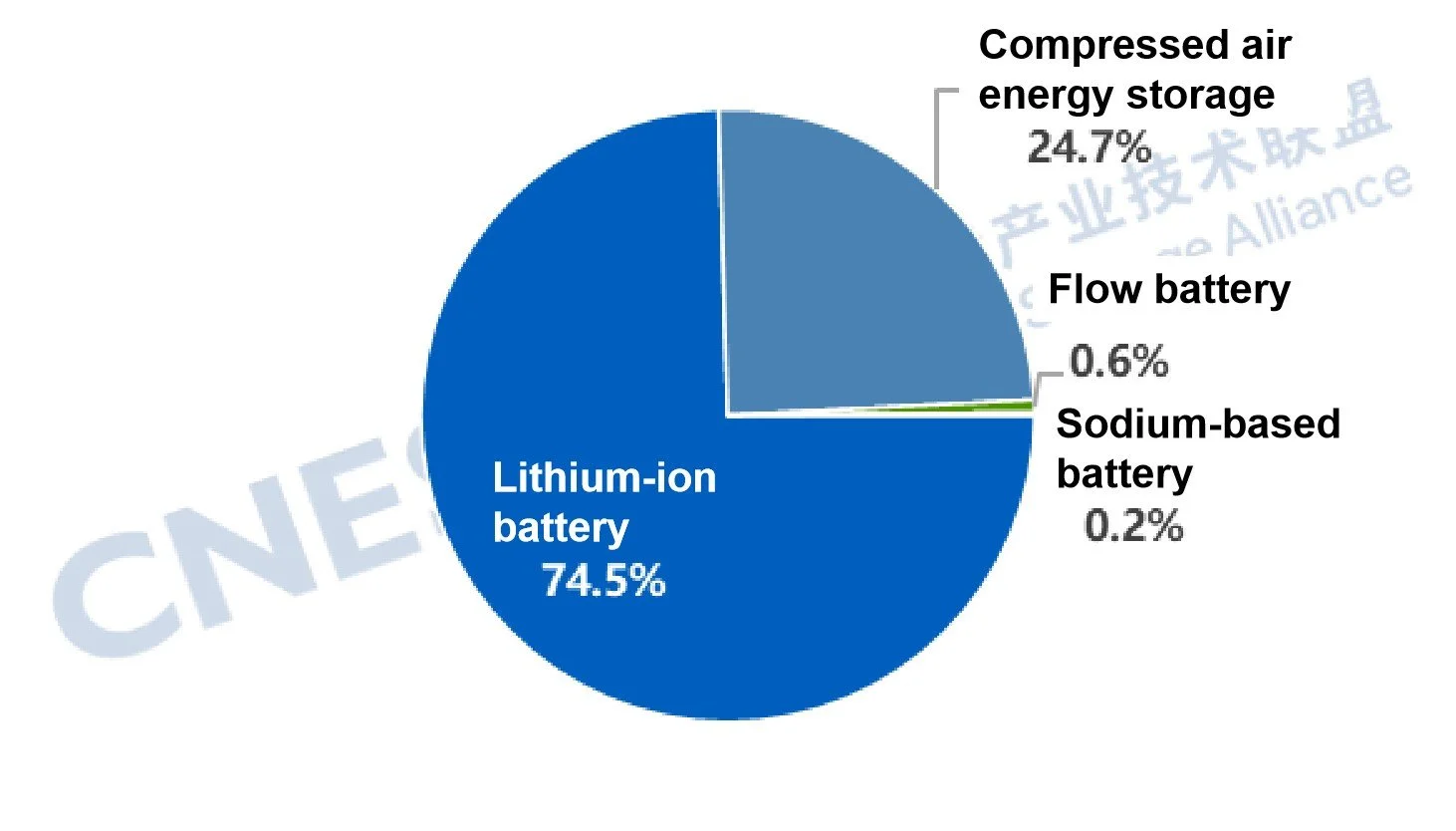
Figure 6: Technological Distribution of Newly Commissioned Grid&Source-Side New Energy Storage Projects in China, Sep. 2025 (MW%)
Data Source: CNESA DataLink Global Energy Storage Database
https://www.esresearch.com.cn/
CENSA Upcoming Events:
1. Dec.4-5 | 2025 China Energy Storage CEO Summit | Xiamen, Fujian
Register Now to attend
Read more: http://en.cnesa.org/new-events-1/2025/12/4/dec4-5-2025-china-energy-storage-ceo-summit

2. Apr. 1-3, 2026 | The 14th Energy Storage International Conference & Expo
Register Now to attend, free before Oct 31, 2025.


Power Consumption Exceeds 1 Trillion kWh for Consecutive Periods -- What Does It Mean?
People’s Daily Overseas Edition
In July and August of this year, China’s total electricity consumption
reached 1,022.6 billion kWh and 1,015.4 billion kWh, respectively --
surpassing 1 trillion kWh for two consecutive months.
What does this indicate?
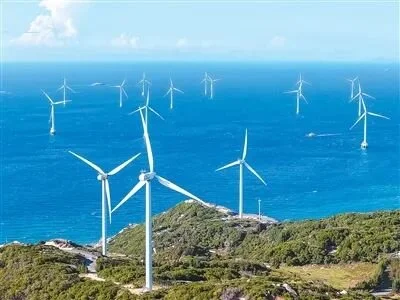
Wind turbines in the Beibu Gulf sea area of the Suping district within the Comprehensive Experimental Zone in Pingtan County, Fujian Province. Photo by Xie Guiming (People Visual)
The Pingtan Comprehensive Experimental Zone in Fujian Province is focusing on the development of the wind power industry, leveraging its abundant offshore wind resources to create a complementary model of “green energy + offshore farms”, delivering clean electricity and supporting carbon reduction efforts.
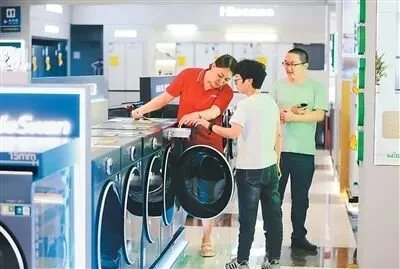
Recently, residents of Leshan City, Sichuan Province, were shopping for home appliances in a large shopping mall. Photo by Li Huashi (People Visual)
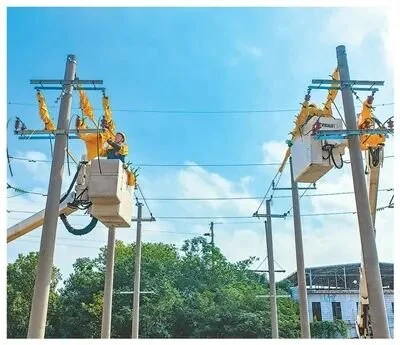
Contestants participating in the distribution network live-line operation competition. Photo by Lu Junyuan (People Visual)
Recently, Wuhu Electric Power Company in Anhui Province under the State Grid, together with the Wuhu Fanchang District Federation of Trade Unions, held the Fanchang District 2025 Power Emergency Supply and Service Skills Competition, supporting the development of local skilled talent and power emergency guarantee.
Total electricity consumption in China has consecutively exceeded 1 trillion kWh! Recently, the National Energy Administration released electricity consumption data for July and August. In July, total electricity consumption reached 1,022.6 billion kWh, up 8.6% year-on-year; in August, it reached 1,015.4 billion kWh, up 5% year-on-year.
What does it mean for a single month’s consumption to surpass 1 trillion kWh? What economic development trends does this reflect?
How should we understand 1 trillion kWh?
-- Horizontally, 1 trillion kWh is roughly equivalent to the total annual electricity consumption of Japan; Vertically, this figure has doubled over the past 10 years.
Electricity consumption is regarded as a “barometer” and “weathervane” of economic and social activity. By observing changes in this data, one can gain a relatively direct insight into the underlying momentum of economic development.
In July this year, China’s total electricity consumption reached 1,022.6 billion kWh, marking the first time monthly consumption exceeded 1 trillion kWh, a milestone also unprecedented globally. In August, total electricity consumption reached 1,015.4 billion kWh, crossing the 1 trillion kWh threshold once again.
What does 1 trillion kWh mean? Horizontally, 1 trillion kWh is roughly equivalent to the total annual electricity consumption of Japan or that of the ASEAN countries; Vertically, compared with July 2015, when electricity consumption first exceeded 500 billion kWh, this figure has doubled over the past 10 years.
By industry, in July, electricity consumption in the primary sector reached 17 billion kWh, up 20.2% year-on-year, with a growth rate 15.3 percentage points higher than the previous month. The secondary sector consumed 593.6 billion kWh, up 4.7% year-on-year, with a growth rate 1.5 percentage points higher than last month. electricity consumption in the the tertiary sector used 208.1 billion kWh, up 10.7% year-on-year, 1.7 percentage points higher than June. Urban and rural household electricity consumption reached 203.9 billion kWh, up 18.0% year-on-year.
It is evident that the secondary sector accounted for the largest share of total electricity consumption in July. As a fundamental factor of industrial production, the stable growth in electricity use indicates the steady development of industrial economy.
“In July, electricity consumption in the secondary sector continued to grow, with high-tech and equipment manufacturing leading the increase”, analyzed by Jiang Debin, Deputy Director of the Statistics and Digital Intelligence Department at the China Electricity Council (CEC). Specifically, in July, electricity consumption in the four high-energy-consuming industries grew 0.5% year-on-year, an increase of 1.2 percentage points compared to the previous month, turning positive after two months of decline. Additionally, most consumer goods manufacturing sectors saw rising electricity usage. In July, electricity consumption in food manufacturing, tobacco products, and agricultural and sideline food processing increased 7.3%, 5.3%, and 5.1% year-on-year, respectively.
In August, electricity consumption in the primary sector grew 9.7% year-on-year, 5.1 percentage points higher than the same period last year, with livestock and fisheries leading at 12.3% and 10.9%, respectively. Electricity consumption in the secondary sector increased 5% year-on-year, 0.3 percentage points higher than July and 1 percentage point higher than August 2024. Within this, the four high-energy-consuming industries grew 4.2% year-on-year, 3.7 percentage points higher than last month. Growth in the tertiary sector slightly declined month-on-month but remained robust at 7.2%. Meanwhile, urban and rural household electricity consumption reached 196.3 billion kWh, up 2.4% year-on-year.
What factors are driving electricity consumption?
-- Rapidly rising power loads under sustained high temperatures; Macroeconomic recovery supporting continued capacity release across industries
What explains the monthly electricity consumption exceeding 1 trillion kWh?
Firstly, sustained high temperatures have driven demand. Since the start of summer, many regions nationwide have experienced hot and humid weather, causing electricity loads to climb rapidly and boosting urban and rural household electricity consumption. On July 4, the national peak load reached 1.465 billion kW, approximately 200 million kW higher than the end of June, setting a historic record (compared with 1.451 billion kW in 2024) and nearly 150 million kW higher than the same period last year. Provinces including Jiangsu, Anhui, Shandong, Henan, and Hubei saw their grids load reach all-time highs. In Jiangsu, the grid load exceeded 150 million kW for the first time, with the peak load rising nearly 40 million kW above the spring average, about 90% of the incremental load used for air conditioning.
“According to the National Climate Center, many places across the country experienced multiple rounds of high temperatures in July, with the national average temperature reaching a historical high for the same period since 1961, driving urban and rural household electricity consumption up 18% year-on-year. Under the sustained hot and humid weather, multiple regions reached record loads. In July, household electricity consumption in Henan, Shaanxi, Shandong, Sichuan, Anhui, and Hubei all rose more than 30% year-on-year”, said Jiang Debin.
Secondly, macroeconomic recovery and industrial production expansion have boosted electricity demand. A series of policies promoting consumption through the “Two New” (large-scale equipment renewal and trade-in of consumer goods) and “Two Majors” (the implementation of major national strategies and the construction of security capabilities in key areas) measures, along with efforts to stabilize industrial growth and curb over-competition, have maintained a recovering economic trend, releasing industrial capacity and further driving total electricity consumption.
“In August, nationwide manufacturing electricity consumption grew 5.5% year-on-year, the highest monthly growth this year. Electricity use in raw material industries such as steel, building materials, non-ferrous metals, and chemicals showed clear recovery, with total consumption up 4.2% year-on-year, 3.7 percentage points higher than July. High-tech and equipment manufacturing demonstrated strong resilience, with total electricity consumption up 9.1% year-on-year, about 4.6 percentage points above the average manufacturing growth rate”, Jiang Debin said. Importantly, all sub-sectors of high-tech and equipment manufacturing saw positive growth, with new energy vehicle production and photovoltaic industry manufacturing maintaining rapid growth, reflecting the robust development of new-quality productivity, creating new economic growth points, and driving electricity consumption upward.
Rising consumption has also contributed to higher electricity use. The consumer market has maintained steady growth this year, and service consumption policies have taken effect, sustaining rapid growth in the service sector. For example, in Jiangsu Province, host of the popular “Jiangsu Football City League” summer events, electricity consumption in fitness and leisure venues increased 23% year-on-year in July. During the same month, catering industry electricity use rose 10.1% year-on-year, while tourist attractions and accommodation electricity consumption increased 10.3% and 5.3% year-on-year, respectively.
What Ensures Stable Power Supply Amid Soaring Electricity
Consumption?
-- Strong energy self-sufficiency, stable operational regulation, and robust emergency response capabilities are key
From the consumption side, China’s record-breaking monthly electricity use -- exceeding 1 trillion kWh -- not only highlights the vitality of economic and social development but also reflects the steady reliability of the power supply.
According to Wang Hongzhi, Director of the China’s National Energy Administration, during the summer peak period (from the second half of July to the first half of August), China experienced extensive high temperatures, heavy rainfall, floods, and typhoons. Meanwhile, the country’s steadily recovering economy posed even greater demands on energy security. Despite these challenges, China’s power supply remained stable and orderly throughout the summer. “Our energy system withstood the peak and safeguarded the bottom line”, said Wang. Overall, China’s energy supply security and resilience have reached a high level.
Stable electricity use is underpinned by a high degree of energy self-sufficiency. Since the start of the 14th Five-Year Plan, China has taken multiple measures to strengthen the stability and security of its energy supply chain. Over 90% of the increase in energy consumption has been met through domestic production. New energy sources have played a major role, achieving two “50%” milestones: The increase in renewable power generation accounts for nearly 50% of total new generation capacity nationwide; Non-fossil energy sources have contributed nearly 50% of the total increase in energy supply. As of the end of August, China’s total installed power generation capacity reached 3.69 billion kW, up 18.0% year-on-year, with wind and solar power combined totaling around 1.7 billion kW. This demonstrates that China’s energy self-sufficiency “base” has become more solid, while the share of green energy continues to rise.
Stable electricity use also relies on robust operational coordination. China has established a comprehensive energy production, supply, storage, and marketing system and a sound mechanism to ensure supply and stabilize prices. Energy storage capacity has been steadily enhanced, while the nationwide oil and gas pipeline network has been expanding rapidly. The large-scale power grid’s capacity to allocate and balance resources across regions has been fully utilized. Before this summer’s power demand peak, several cross-provincial transmission projects, including the Longdong-Shandong and Hami-Chongqing lines, were completed and put into operation. These channels have delivered stable power to many cities, ensuring smooth electricity use during high-demand periods.
Stable power supply also relies on strong emergency support capabilities. When electricity demand surges sharply, power grids face serious challenges, particularly amid increasingly frequent global extreme weather events and natural disasters. To address this, China has established a national-level emergency power support system, consisting of four regional emergency bases in Sichuan-Chongqing-Tibet, South China, North China, and East China. These facilities aim to strengthen the country’s emergency response capacity for coal, oil, and gas, ensuring the long-term stability and reliability of the national energy and power systems. Therefore, no large-scale blackouts have occurred nationwide.
Looking ahead, the National Energy Administration will take the 15th Five-Year Plan for the new-type power system as a guiding framework, adhering to the principle of moderately advanced power development. Efforts will focus on promoting rational and green energy consumption, supporting both economic and social development as well as the public’s growing demand for a better life, moving from “having access to electricity” toward “using electricity efficiently and intelligently.”
(By Liao Ruiling)

The 14th ESIE - largest energy storage event in China is coming on April 1-3, 2026, Beijing, China!
Register Now to attend, free before Oct 31, 2025.

The Largest Independent Energy Storage Power Station for Frequency Regulation and Peak Shaving in the Guangdong–Hong Kong–Macao Greater Bay Area Commences Operation
China Gezhouba Group Co., Ltd under the Energy China
On October 1, the largest grid-side independent energy storage power station for frequency regulation and peak shaving in the Guangdong-Hong Kong-Macao Greater Bay Area -- the Grid-Side Independent Energy Storage Power Station in Maba Town, Qujiang District, Shaoguan City, Guangdong Province -- was officially put into operation. The project, undertaken by China Gezhouba Group Co., Ltd of the Energy China under an EPC contract, adds strong momentum to Guangdong Province’s efforts to build a trillion-yuan-level industry cluster of new energy storage.
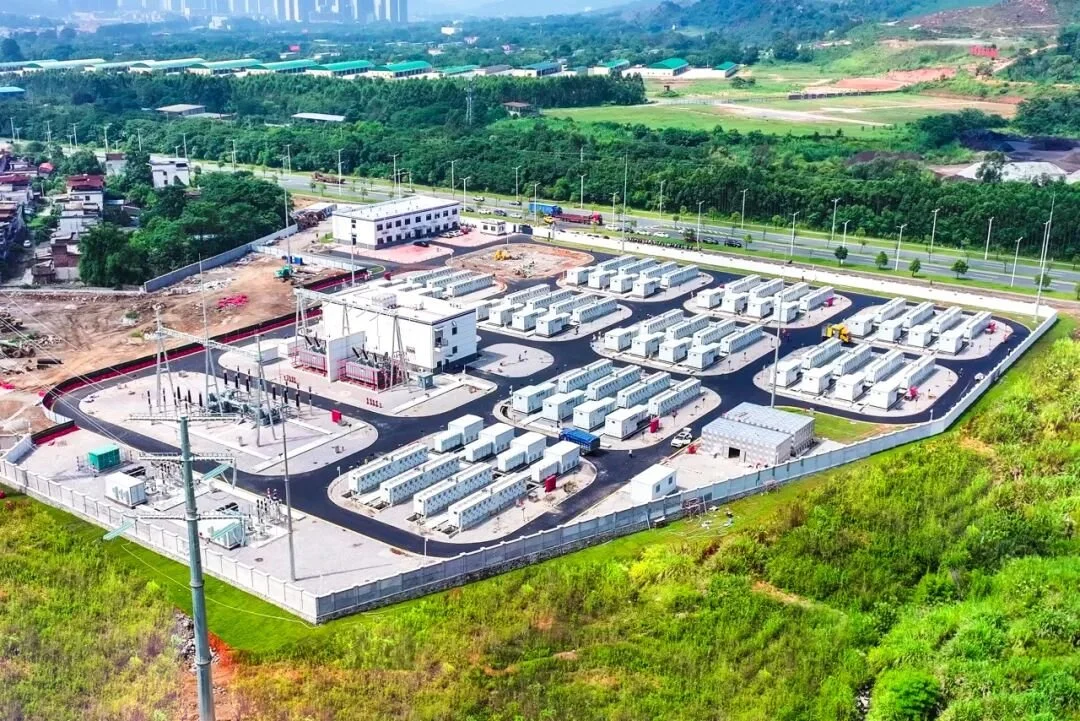
The Grid-Side Independent Energy Storage Power Station in Maba Town, Qujiang District, Shaoguan City
Located in Qujiang District, Shaoguan City, Guangdong Province, the project covers an area of approximately 48.99 mu (3.27 hectares) and consists of 70 sets of lithium iron phosphate battery containers, each with a single-unit capacity of 6 MWh. It is the largest grid-side independent energy storage power station for frequency regulation and peak shaving in the Guangdong-Hong Kong-Macao Greater Bay Area. As the first independent energy storage power station in Shaoguan City, the project has been included in Guangdong Province’s list of key projects for 2025.
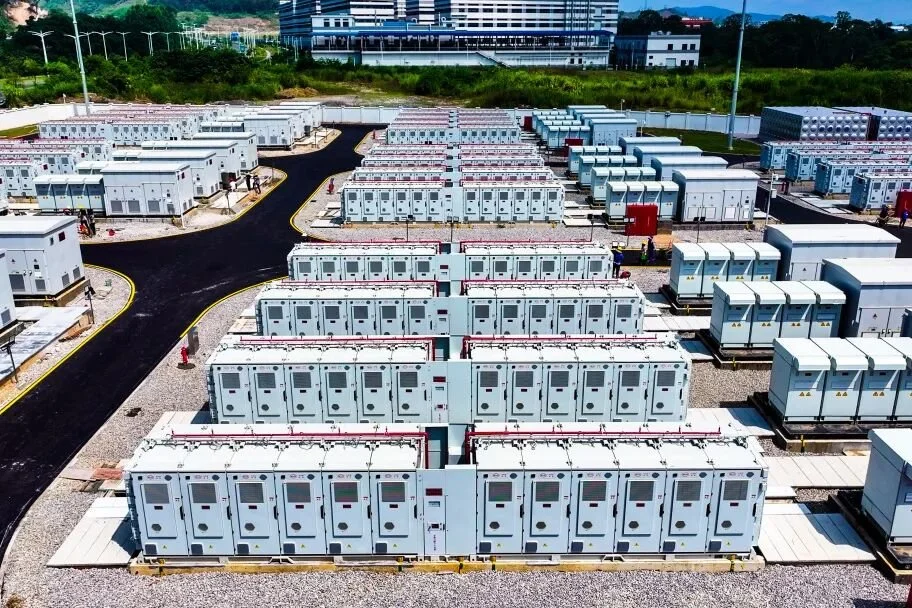
Site of the energy storage power station
The project includes a 208 MW / 416 MWh electrochemical energy storage system and a 12-kilometer outgoing transmission line, along with a supporting 220 kV booster station. Once in operation, the power station can store up to 416,000 kWh of electricity at full capacity and deliver approximately 298 million kWh of electricity annually, meeting the power needs of nearly 140,000 households while reducing carbon dioxide emissions by about 208,000 tons each year. At the same time, leveraging its grid regulation technology advantages, the project will effectively smooth out fluctuations in wind and solar power generation and help ease frequency regulation and peak-shaving pressures on the regional power grid.
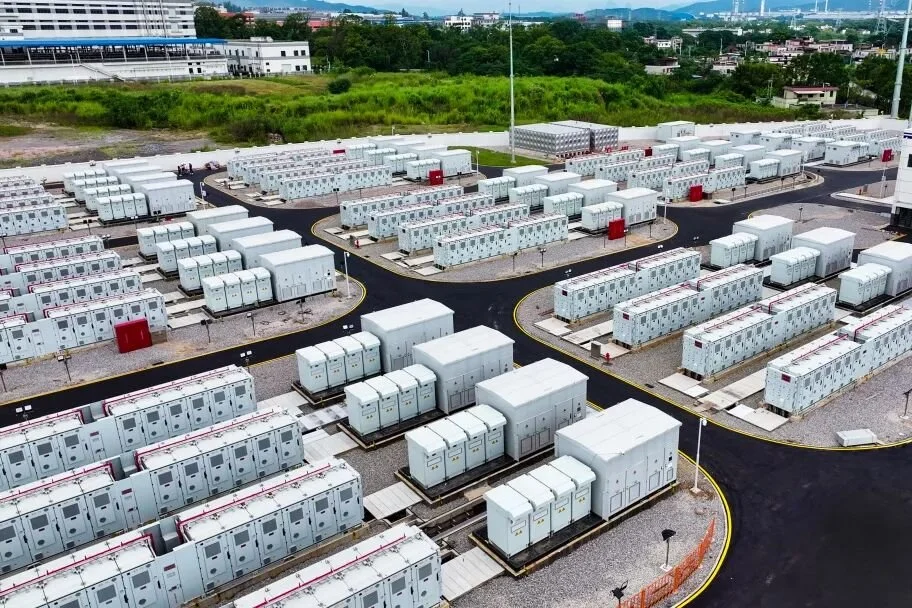
Site of the energy storage power station
In addition, leveraging the “energy storage + computing power” collaborative model, the power station provides stable electricity support for the data center cluster in Shaoguan City, Guangdong Province -- a core hub of the national integrated computing power network in the Guangdong-Hong Kong-Macao Greater Bay Area. This effectively supports the implementation of China’s “East Data, West Computing” project, promotes the deep integration of green energy and the digital economy in the Greater Bay Area, and provides a solid guarantee for power consumption in northern Guangdong and the safe, stable operation of the power grid system.

The 14th ESIE - largest energy storage event in China is coming on April 1-3, 2026, Beijing, China!
Register Now to attend, free before Oct 31, 2025.

Installed Capacity Doubles! August Analysis of User-Side Energy Storage Projects
According to the CNESA Global Energy Storage Database, newly commissioned user-side projects in China reached 408.3 MW / 894.3 MWh in August 2025 -- a 124% / 137% YoY increase and 66% / 73% MoM growth.
The China Energy Storage Alliance (CNESA) has always adhered to standardized, timely, and comprehensive information collection practices to continuously track developments in energy storage projects. Leveraging its long-term accumulated data and in-depth professional analysis, CNESA regularly publishes objective articles on the energy storage installed capacity market, providing industry peers with valuable references for market decision-making. Due to the typical differences between grid&source-side energy storage markets and user-side energy storage markets, CNESA’s monthly energy storage project analysis has been split into two separate reports since June 2025: “Grid&Source-Side Market” and “User-Side Market”. This issue focuses on the user-side market in August.
The analysis of grid&source-side energy storage projects for August has already been published. Details can be found here:
Overall Analysis of New Energy Storage Projects in August
According to incomplete statistics from the Global Energy Storage Database of the CNESA DataLink, in August 2025, newly commissioned new energy storage projects in China totaled 2.90 GW / 7.97 GWh, representing a YoY increase of +30% / +43%, but a month-on-month decrease of -11% / -10%. While the newly added installed capacity in August continued to decline, the MoM drop was smaller than in the same period last year.
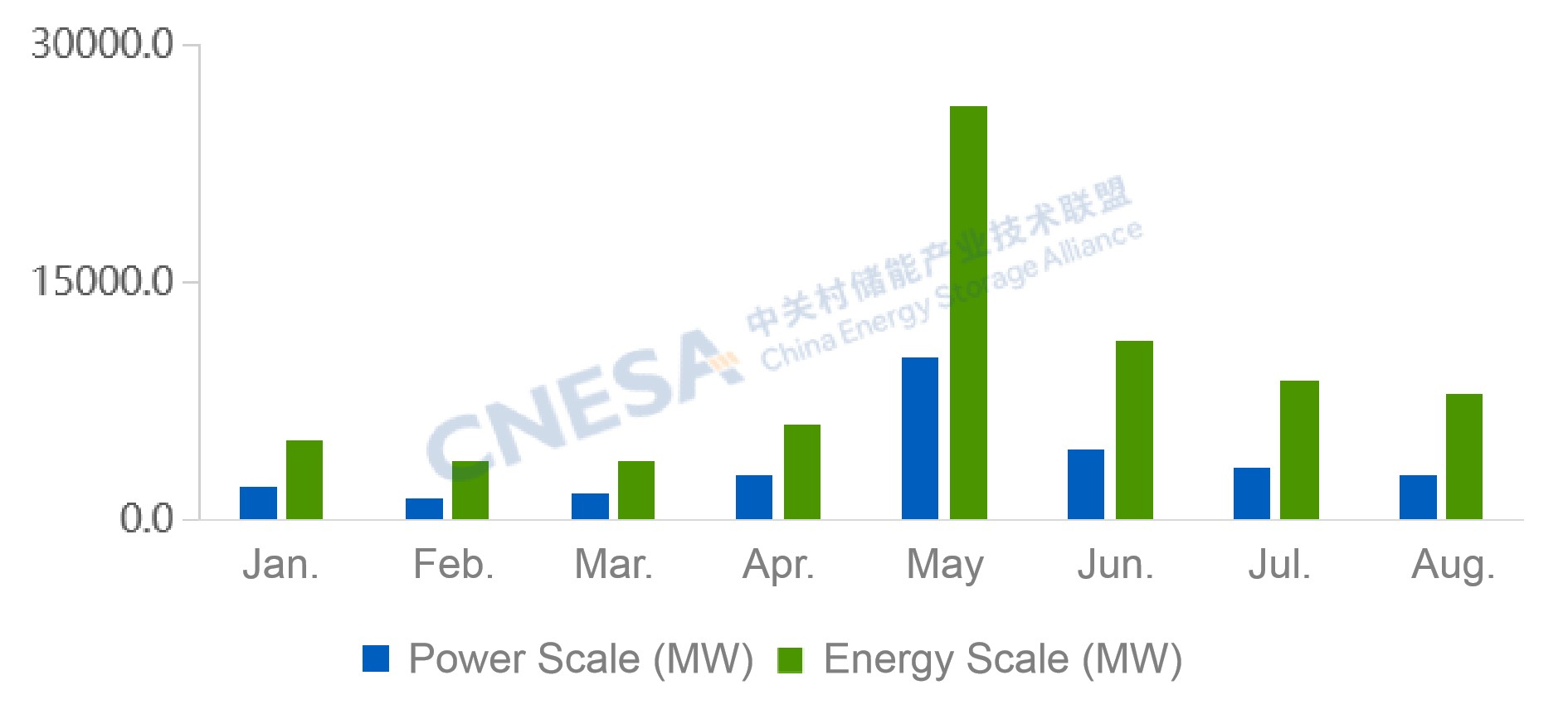
Figure 1: Installed Capacity of Newly Commissioned New Energy Storage Projects in China, Jan.-Aug. 2025
Data Source: CNESA DataLink Global Energy Storage Database
https://www.esresearch.com.cn/
Note: YoY (year-on-year) increase compares with the same period last year; MoM (month-on-month) decrease compares with the previous reporting period.
August Analysis of User-Side Energy Storage Projects
In August, newly installed user-side energy storage capacity reached 408.3 MW / 894.3 MWh, representing a YoY increase of +124% / +137% and a MoM increase of +66% / +73%.
The newly commissioned user-side energy storage projects showed the following characteristics:
01. Commercial and industrial storage dominates, deployment of long-duration technologies accelerates
In August, the user-side energy storage market was dominated by commercial and industrial (C&I) applications, accounting for over 90% of the total. Newly installed capacity in commercial and industrial scenarios reached 376.63 MW / 828.85 MWh, up +115% / +131% year-on-year.
All newly commissioned projects adopted electrochemical energy storage technologies, among which the installed power scale of lithium iron phosphate (LFP) battery technology accounted for 98.7%. Regarding non-lithium technologies, two all-vanadium flow battery energy storage projects and one solid-state lead battery energy storage project were commissioned, with an average storage duration of 4.19 hours.
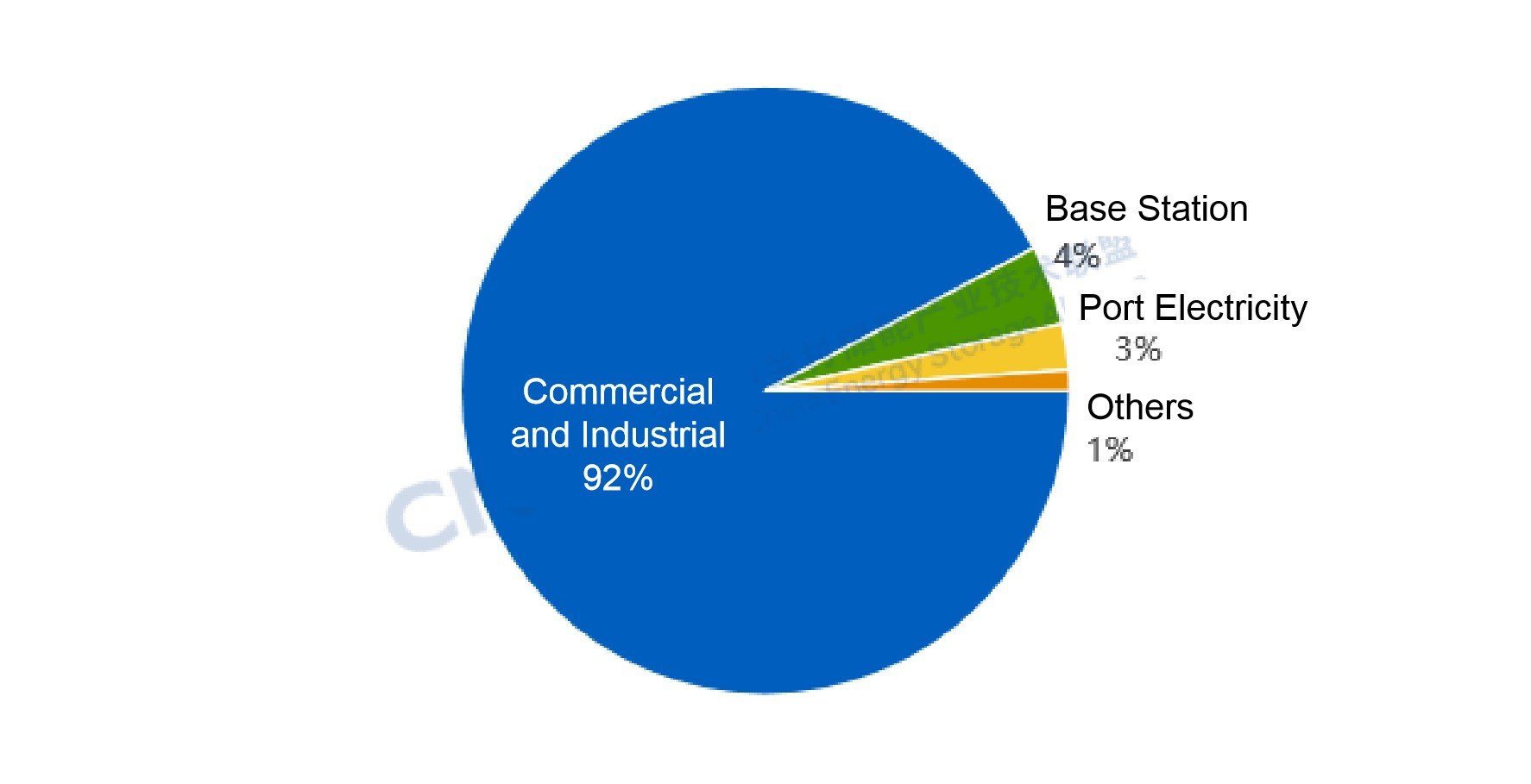
Figure 2: Application Distribution of Newly Commissioned User-Side New Energy Storage Projects in August 2025 (MW%)
Data Source: CNESA DataLink Global Energy Storage Database
https://www.esresearch.com.cn/
Note: “Commercial and Industrial” includes industrial districts, industrial parks and commercial buildings; “Others” include EV charging stations, municipal districts, and oil fields in mining areas.
02. Regional Distribution: Guangdong Accounts for 35% of Newly Installed Capacity
In terms of regional distribution, newly commissioned projects in August were mainly concentrated in 14 provinces, including Guangdong, Sichuan, Jiangsu, Anhui, and Zhejiang. By project count, the East China region accounted for half of the new projects nationwide, holding the largest market share. Jiangsu led the country with over one-fifth of the total project count.
By installed capacity, Guangdong had the largest increase, representing 35% of the national total, followed by Sichuan. In August, in Shenzhen’s Guangming District, Guangdong, newly upgraded user-side energy storage projects connected to virtual power plants were eligible for grants of up to 1 million yuan, equivalent to 20% of the actual retrofit investment. The municipal government of Guangzhou City, Guangdong Province, has launched the application of municipal-level virtual power plants, with annual municipal financial incentives of up to 10 million yuan.

Figure 3: Provincial Distribution of Newly Commissioned User-Side New Energy Storage Projects in China, August 2025
Data Source: CNESA DataLink Global Energy Storage Database
https://www.esresearch.com.cn/
Note: Data provided by provincial grid companies, compiled and analyzed by CNESA.
Based on filed projects, the user-side market maintained a low-growth trend. Traditional user-side energy storage markets in Zhejiang, Guangdong, and Jiangsu showed insufficient growth momentum, while user-side projects in Jiangsu overly pursued large-scale operations. In these three provinces, over 620 newly filed user-side energy storage projects were recorded, representing a 32% YoY decline.
In Zhejiang, both the number of projects and energy capacity decreased year-on-year by 38% and 34%, respectively. In Guangdong, the number of filed projects remained stable compared with the same period last year, while energy capacity fell by 6% year-on-year. Jiangsu saw the largest decline in project count at -50% year-on-year, but its energy capacity increased sharply by +341% year-on-year.
User-side energy storage projects in Jiangsu are increasingly “moving toward large-scale”. For example, in the Xinyi Economic Development Zone industrial park in Jiangsu province, 350 MW / 700 MWh user-side projects and other projects above the 100 MW scale accounted for over 10% of total projects, showing a substantial increase compared with the same period last year. Projects above the 100 MW scale collectively represented 40% of the newly filed capacity in Jiangsu for August.

Figure 4: Monthly Distribution of Newly Filed Energy Storage Project Capacity in Zhejiang, Guangdong, and Jiangsu (Jan.-Aug. 2025)
Data Source: CNESA DataLink Global Energy Storage Database

The 14th ESIE - largest energy storage event in China is coming on April 1-3, 2026, Beijing, China!
Register Now to attend, free before Oct 31, 2025.

No. 20,000! China’s Largest V2G Demonstration Project Completed
China’s largest V2G microgrid demo project and GAC’s 20,000th charging pile are now put into operation. As the first centralized 10kV V2G system in China, the project enables EVs (electric vehicles) to interact with the grid and earn revenue.
On Sep. 26, the launch ceremony for China’s largest V2G microgrid project and GAC (Guangzhou Automobile Group Co., Ltd.)’s 20,000th charging pile was held at the GAC Aion Park. Reportedly, this newly implemented V2G microgrid project is not only the largest V2G demonstration project in China, but also the first centralized V2G system integration project to achieve 10kV medium-voltage grid connection.

V2G (“Vehicle-to-Grid”), also known as “vehicle-grid interaction”, enables bidirectional energy exchange between electric vehicles and the power grid. In April this year, 124 V2G microgrid energy stations at the GAC Aion Park was successfully included in China’s first batch of approved vehicle-grid interaction demonstration projects, laying a solid foundation for this large-scale implementation. With the future expansion of the industry, electric vehicles equipped with V2G capabilities are expected to gain price-differential revenue by participating in grid charging and discharging. Since its launch, the V2G Demonstration Center of the GAC Group has offered users a discharge reward of 3 RMB/kWh during the pilot phase.
Focusing on the growing demand in integrated energy fields such as V2G, the 14th Energy Storage International Conference and Expo (ESIE 2026) will build upon the smart energy ecosystem of “wind-solar-electricity-hydrogen” and center on integrated energy application scenarios such as V2G (vehicle-grid interaction) and PV-storage-charging integrated stations, connecting upstream and downstream industry resources and creating a one-stop industry platform that combines “technology showcases, policy insights and market connections” to facilitate full-spectrum collaboration and communication.
ESIE 2026 will invite representatives from national energy authorities, power grid enterprises, charging and swapping infrastructure providers, and research institutions to discuss key topics including industry ecosystem, business models, international expansion and technological innovation of the charging and swapping industry. Leading companies such as Star Charge, Bull Group, Gresgying, UUGreenPower, Xinling Electrical, and Tonhe Electronics will showcase their latest charging pile products, services, and technologies, demonstrating industry innovation and helping participants grasp the pulse of the charging and swapping sector’s development.

The 14th ESIE - largest energy storage event in China is coming on April 1-3, 2026, Beijing, China!
Register Now to attend, free before Oct 31, 2025.
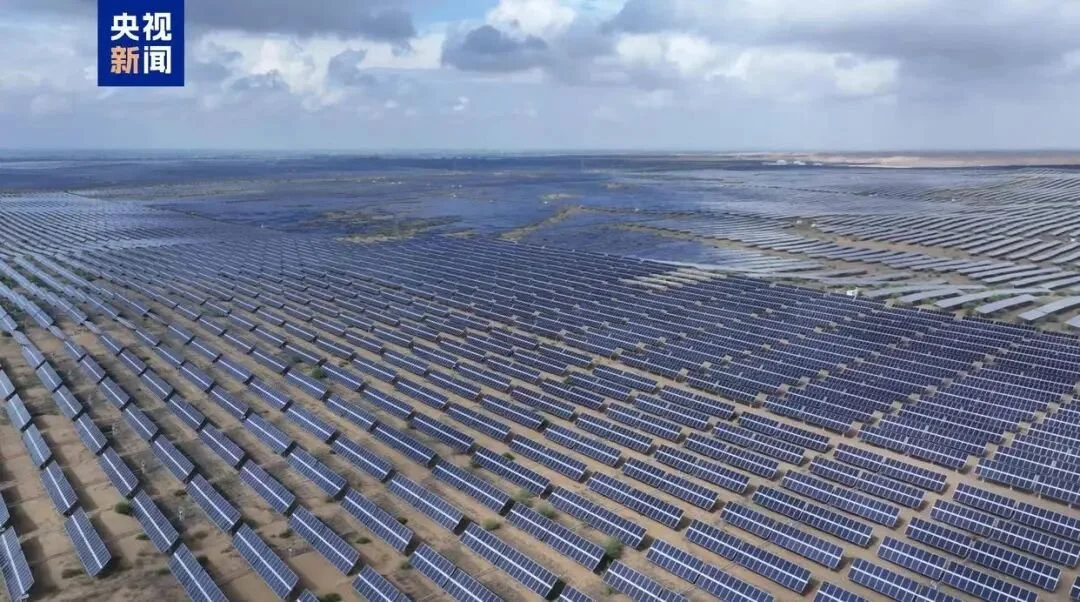
Investment of 98.8 Billion RMB! Supporting Energy Storage of 5 GWh! Inner Mongolia’s “Desert-Gobi-Arid” Wind and Solar Power Base in China Commences Construction
On Sep. 29, construction officially began on the large-scale new energy base in the central and northern areas of the Kubuqi Desert, Inner Mongolia, China, which is scheduled to be completed and put into operation by the end of 2027.
On the morning of Sep. 29, construction officially began on the large-scale new energy base in the central and northern areas of the Kubuqi Desert, Inner Mongolia, China. This project marks the first 10-million-kilowatt-level “Desert-Gobi-Arid” wind and solar power base in Inner Mongolia to fully commence construction.
With a total investment of 98.8 billion RMB, the project plans to build 8 million kW of photovoltaic capacity and 4 million kW of wind power, supported by 4 million kW of coal power and 5 kWh of new-type energy storage.
At the same time, a supporting ultra-high-voltage (UHV) power transmission line -- the “Ordos, Inner Mongolia to Cangzhou, Hebei” project -- is being constructed, of which the total designed length is 699 km and the voltage level is ±800 kV.
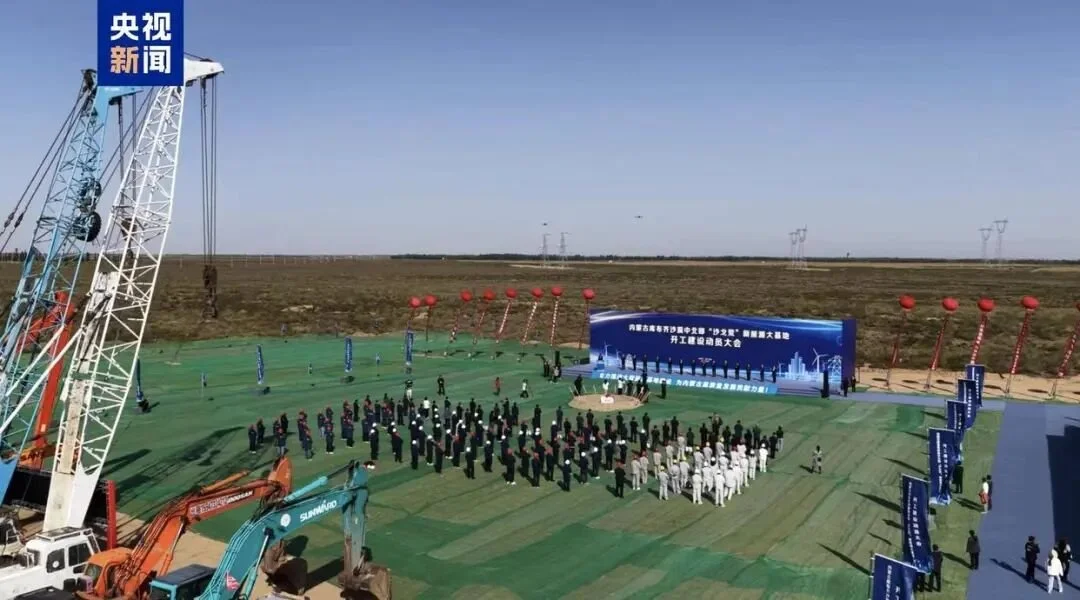
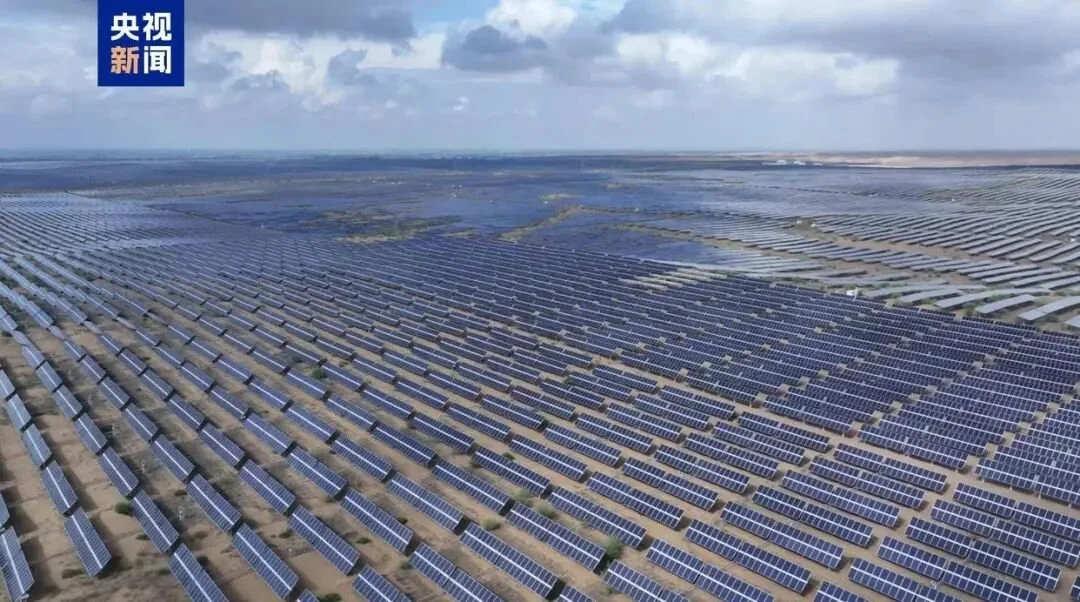
The base is scheduled to be completed and put into operation by the end of 2027. Once operational, it will deliver approximately 36 billion kWh of electricity annually to the North China power grid centered around the Beijing-Tianjin-Hebei region, with renewable energy accounting for about 60% of the total. Each year, it is expected to reduce standard coal consumption by around 6.4 million tons and cut carbon dioxide emissions by about 16 million tons, strongly promoting the green transformation of the North China energy structure, advancing energy conservation and emission reduction, and further enhancing the cross-regional optimal allocation of high-quality power resources.
As the largest “Desert-Gobi-Arid” wind and solar power base planned under China’s 14th Five-Year Plan, the Kubuqi Desert Base has already built 13.06 million kW of new energy capacity. Through pioneering the “photovoltaics + desertification control” model, about 300,000 mu (roughly 20,000 hectares) of desertified land in the Kubuqi Desert has been effectively rehabilitated.
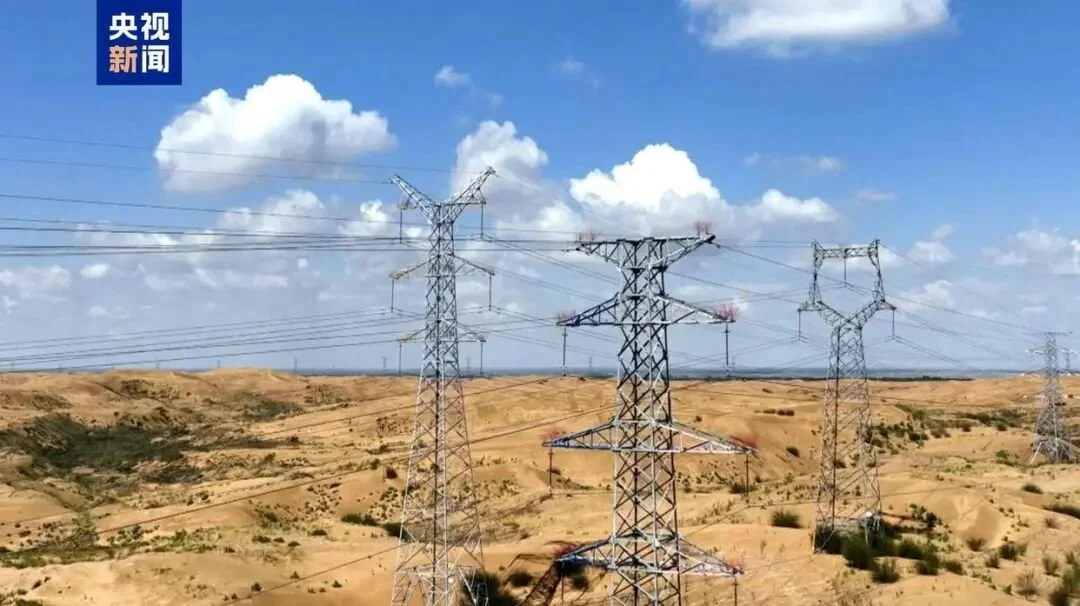
As of now, the Inner Mongolia Autonomous Region has received approval for construction of six large-scale “Desert-Gobi-Arid” wind and solar power bases, with a planned total new energy installed capacity of 72 million kW. Once completed, these bases will transmit about 216 billion kWh of electricity annually to the North China, East China, and Central China power grids, with green electricity accounting for roughly 60% of the total. This will help reduce standard coal consumption by approximately 38.4 million tons and cut carbon dioxide emissions by nearly 100 million tons. At the same time, the projects will contribute to the ecological restoration of millions mu (hundreds of thousands of hectares) of desertified land in the Kubuqi, Ulan Buh, and Tengger Deserts, achieving an integrated approach that combines desert ecosystem rehabilitation with the green transformation of the energy structure.

The 14th ESIE - largest energy storage event in China is coming on April 1-3, 2026, Beijing, China!
Register Now to attend, free before Oct 31, 2025.
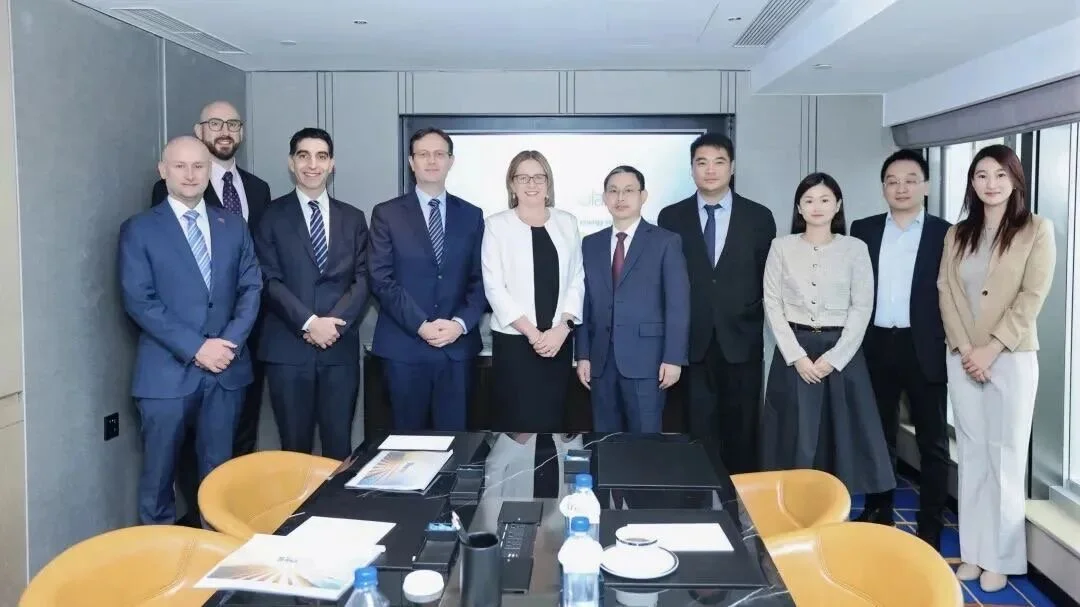
Trina Solar’s 2 GWh Energy Storage Project in Australia Gains Approval
Recently, the 500 MW / 2,000 MWh (2 GWh) battery energy storage system (BESS) project developed by Trina Solarhas passed fast-track approval under the Victorian Labor Government’s Development Facilitation Program. The project, with a total investment of AUD 453 million (approximately RMB 2.18 billion), is expected to be completed by the end of 2027. Once operational, it will provide Victoria with cleaner and more cost-effective energy.
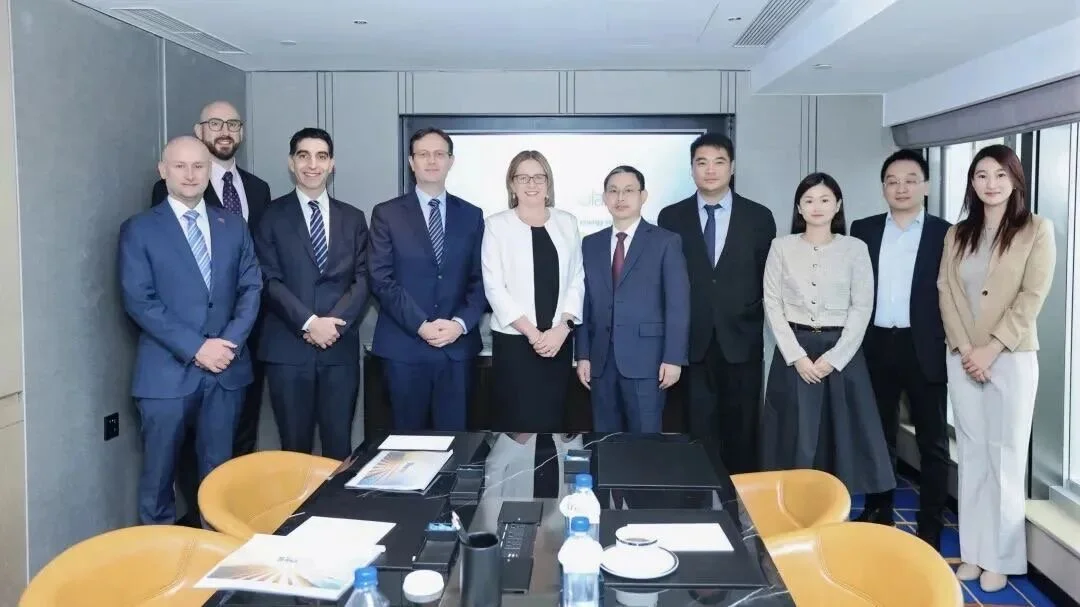
The 500 MW energy storage project is located near a high-voltage substation in northeastern Victoria. The system will store low-cost renewable energy during the day and feed power back to the grid during peak demand hours. It is estimated that the system will supply enough electricity annually to meet the needs of 172,000 households, while also creating approximately 86 local jobs.

The 14th ESIE - largest energy storage event in China is coming on April 1-3, 2026, Beijing, China!
Register Now to attend, free before Oct 31, 2025.

The Largest User-Side Energy Storage Power Station in Jiangsu Province Successfully Connected to the Grid
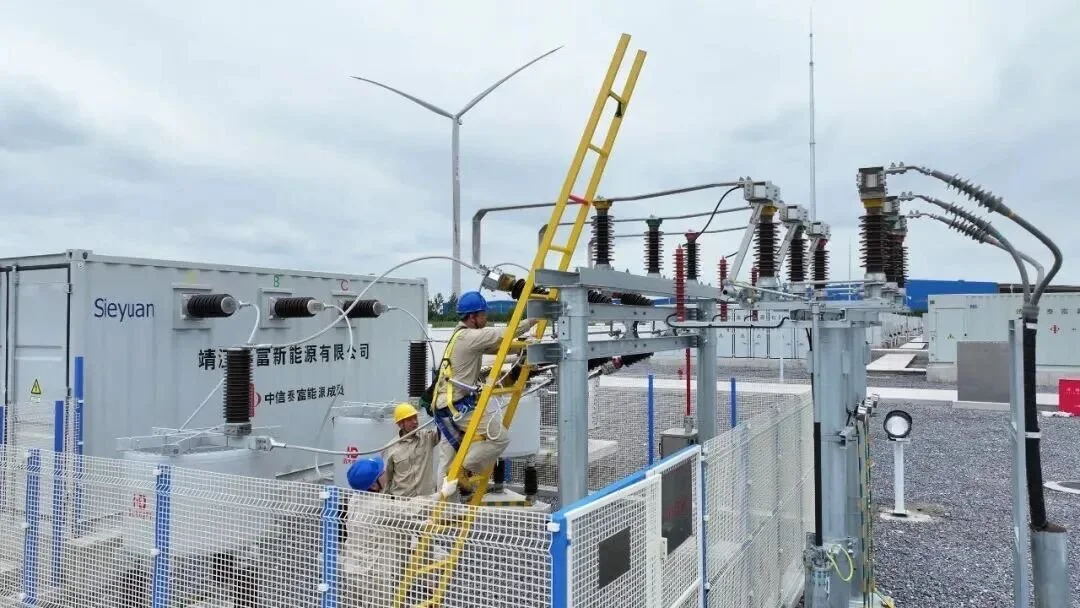
On September 18, the largest user-side energy storage power station in Jiangsu Province — a 240 MWh user-side energy storage project at Jiangsu Jingjiang Special Steel Co., Ltd. — was officially connected to the grid.
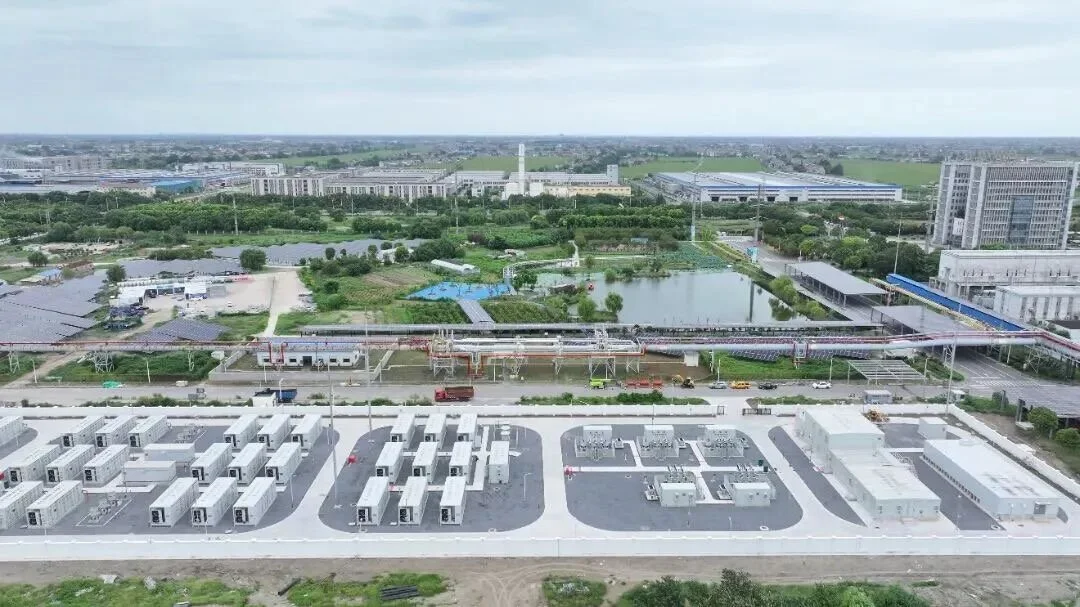
Jingjiang Special Steel Plant
The project, located within Jiangsu Jingjiang Special Steel Co., Ltd., adopts grid-forming energy storage technology, featuring flexible operation, rapid start-up, and significant dynamic benefits. It can enhance the stability of the power system. According to estimates, when operating at full capacity, it can deliver 120 MW of power output and store 240 MWh of electricity, equivalent to meeting the daily electricity demand of 30,000 households.This energy storage station, together with other operational projects in Jiangsu — such as those at New Yangzi Shipbuilding and Changqiang Iron & Steel — will create a cluster effect, raising the total user-side energy storage capacity in Jiangsu to 157.2 MW.
The 14th ESIE - largest energy storage event in China is coming on April 1-3, 2026, Beijing, China!
Register Now to attend, free before Oct 31, 2025.
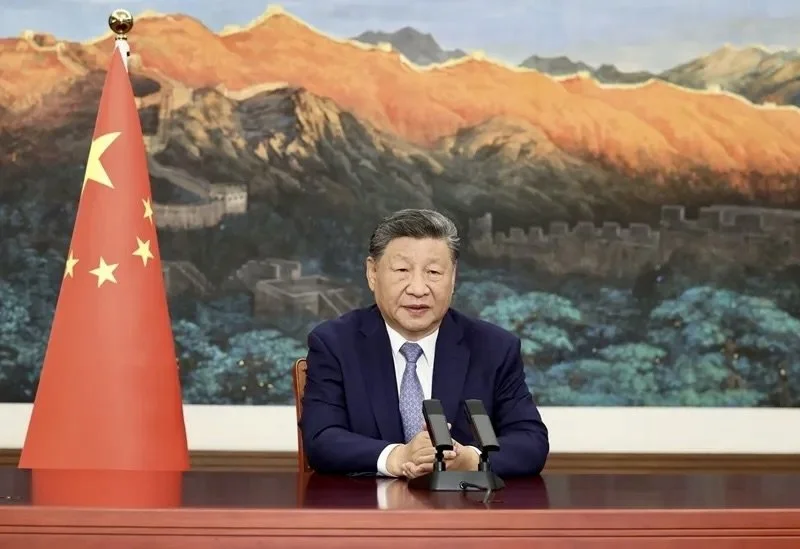
Sep.25, 2025 | President Xi Jinping Announces Major Energy Target: Wind and Solar Power Capacity to Reach 3.6 Billion kW by 2035
Wednesday, September 24, 2025,Chinese President Xi Jinping delivered a video address at the United Nations Climate Change Summit.
Xi noted that this year marks both the 10th anniversary of the Paris Agreement and a crucial moment for submitting a new round of Nationally Determined Contributions (NDCs), with global climate governance entering a critical stage.
He stressed three key points:
1. Strengthening confidence. Green and low-carbon transformation is the trend of the times. Despite some countries moving against the tide, the international community should stay on the right course, remain unwavering in confidence, continue action, and maintain strong momentum, injecting more positive energy into global climate cooperation through the formulation and implementation of NDCs.
2. Taking responsibility. Fairness and equity must be upheld, with full respect for the development rights of developing countries. The global green transition should help narrow, not widen, the North-South gap. All countries should adhere to the principle of common but differentiated responsibilities. Developed countries must fulfill their obligation to take the lead in emissions reduction and provide greater financial and technological support to developing countries.
3. Deepening cooperation. International collaboration in green technology and industry should be strengthened to fill the gap in green capacity, ensure the free flow of high-quality green products worldwide, and allow green development to truly benefit every part of the world.
President Xi announced China’s new round of NDC commitments:
• By 2035, China’s net greenhouse gas emissions across the entire economy will fall by 7%–10% from peak levels, with efforts to achieve even deeper cuts.
• Non-fossil energy will account for over 30% of total energy consumption.
• Total installed capacity of wind and solar power will exceed six times the 2020 level, aiming to reach 3.6 billion kW.
• Forest stock volume will surpass 24 billion cubic meters.
• New energy vehicles (NEVs) will become the mainstream of new car sales.
• The national carbon emissions trading market will cover all major high-emission industries.
• A climate-resilient society will be basically established.
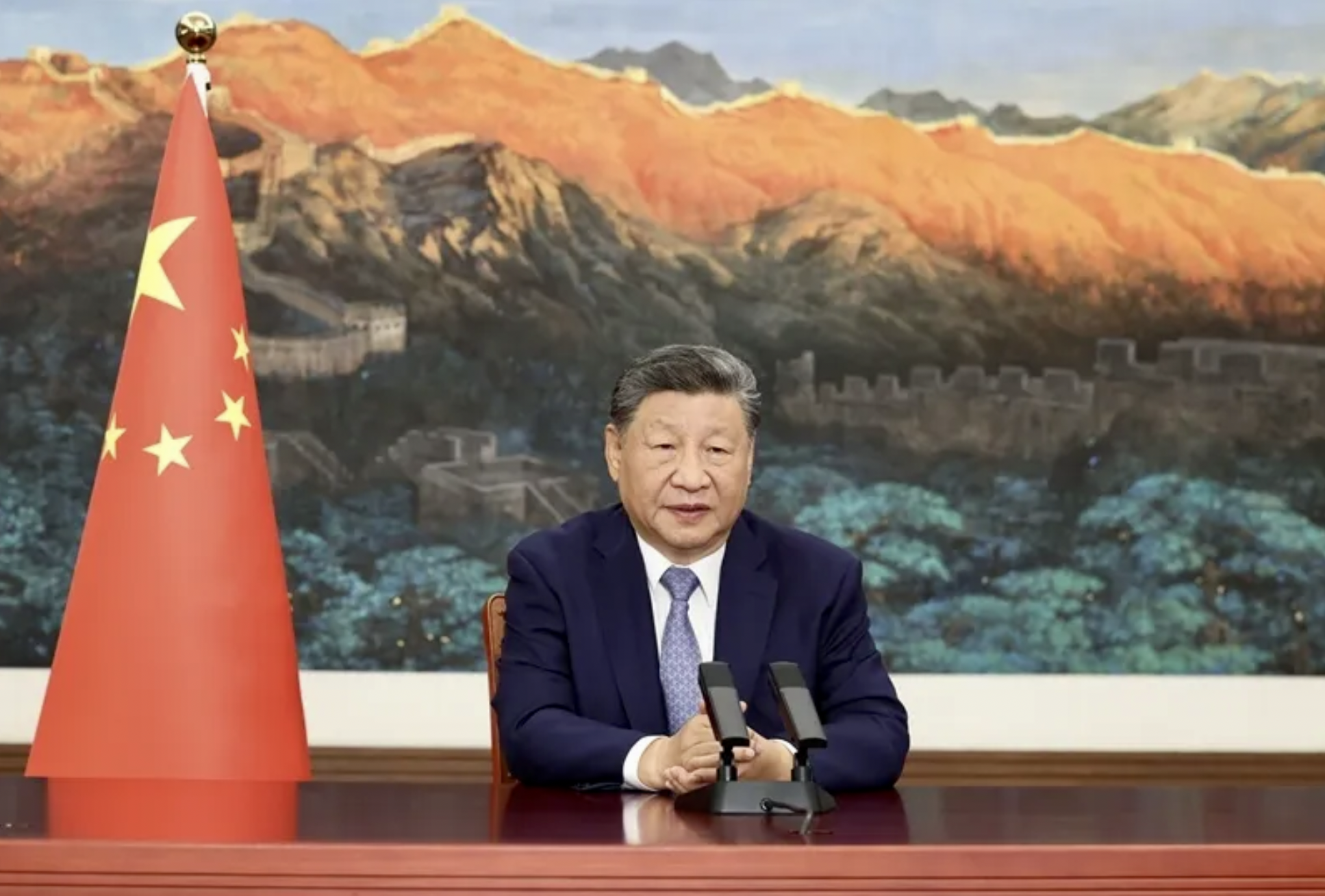
On September 24, President Xi Jinping delivered a video address at the United Nations Climate Change Summit. (Photo by Huang Jingwen, Xinhua News Agency)
Xi emphasized that these targets were formulated with maximum effort in line with the requirements of the Paris Agreement. Achieving them will require tremendous domestic efforts as well as a favorable and open international environment. China has the determination and confidence to deliver on its promises. He called on all parties to take active steps to realize the vision of harmony between humanity and nature and safeguard the shared home of our planet.
Aug. 2025 | New Energy Storage Installations: Reached 2.9 GW/7.97 GWh; Power-Side Base Projects Record 285%/354% YoY Growth
The China Energy Storage Alliance has always adhered to standardized, timely, and comprehensive information collection criteria, continuously tracking the dynamics of energy storage projects. Relying on the solid data accumulated over the long term and in-depth professional analysis, the alliance regularly publishes objective market analysis articles on energy storage installations, providing industry peers with valuable market decision-making references. Since June 2025, the monthly energy storage project analysis has been refined into two sections: 'Generation-Grid Market' and 'User-Side Market.' This issue focuses on the analysis of the Source-Grid Market in August.
Overall Analysis of New Energy Storage Projects of August
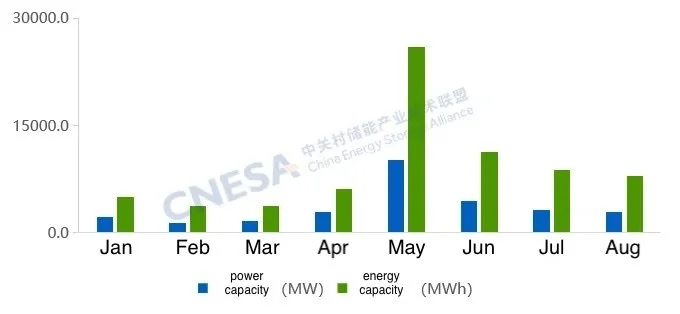
According to incomplete statistics from CNESA, in August 2025, the newly commissioned installed capacity of new energy storage projects in China totaled 2.90 GW/7.97 GWh, a year-on-year increase of +30%/+43%, and a month-on-month decrease of -11%/-10%. The newly installed capacity continued to decline in August, but the month-on-month decrease was smaller than the same period last year.
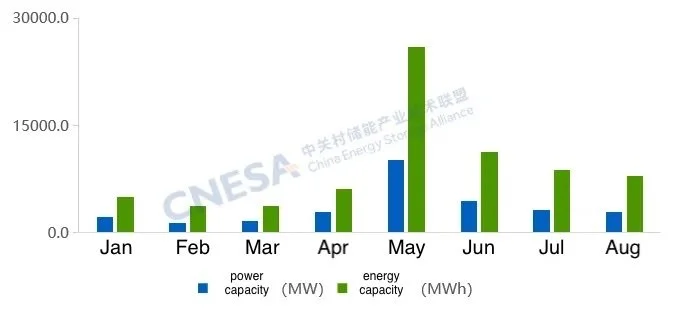
Figure 1: Newly Installed Capacity of New Energy Storage Projects in China from January to August 2025
Data Source: CNESA DataLink Global Energy Storage Database [https://www.esresearch.com.cn/](https://www.esresearch.com.cn/)
Note: Year-on-year (YoY) compares with the same period in the previous year; month-on-month (MoM) compares with the previous adjacent statistical period.
Analysis of New Energy Storage Projects on the Generation-Grid Side
In August, newly added grid-side energy storage installations reached 2.50GW/7.08GWh, representing a 22%/36% year-on-year increase but a 17%/15% month-on-month decline. The grid-side new energy storage projects demonstrated the following characteristics:
• Independent energy storage accounted for more than half of the total newly added capacity.
• In August, newly added independent energy storage installations totaled 1.39GW/3.98GWh, marking a 21%/12% year-on-year decrease. Projects with a capacity of 100MW and above represented 88% of the total. Newly added power-side installations reached 1.10GW/3.09GWh, showing a 285%/354% year-on-year surge. These projects covered a wide range of application scenarios, including large-scale energy bases, integrated generation-grid-load-storage projects, solar-storage integration, ultra-high-voltage (UHV) DC supporting projects, and desertification control initiatives.Among these, projects with capacities of 100MW and above accounted for 38%, an increase of 25 percentage points compared with July.
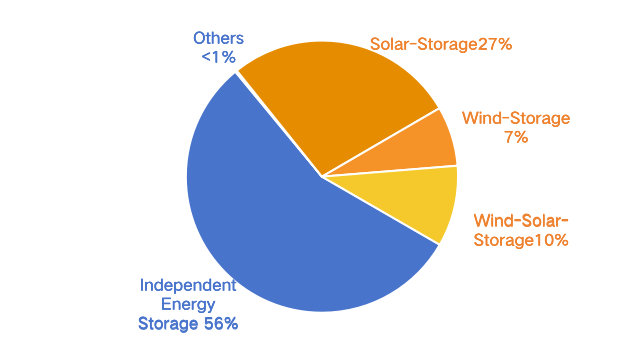
Figure 2: Application Distribution of Newly Commissioned Source-Network Side New Energy Storage Projects in August 2025 (MW%)
Data Source: CNESA DataLink Global Energy Storage Database [https://www.esresearch.com.cn/](https://www.esresearch.com.cn/)
Note: "Other" includes distribution network side and transformer station energy storage.
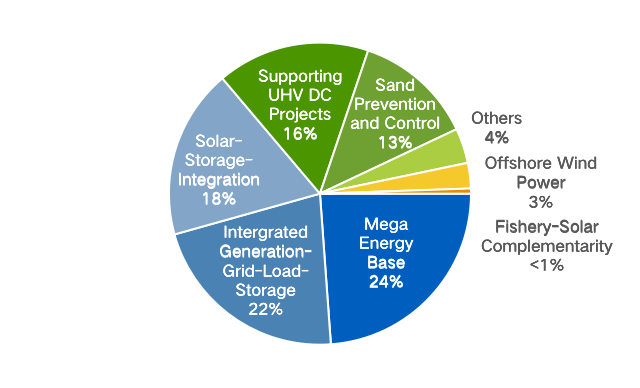
Figure 3: Distribution of Subdivided Application Scenarios for Newly Commissioned New Energy and Storage Projects in August 2025 (MW%)
Data Source: CNESA DataLink Global Energy Storage Database [https://www.esresearch.com.cn/](https://www.esresearch.com.cn/)
Northwest Region Accounts for 65% of New Installations, Xinjiang Leads in Scale
In August, newly added grid-side installations in Xinjiang exceeded 0.8GW, with independent energy storage accounting for 68%. As a key national energy base, Xinjiang’s new energy capacity has continued to expand rapidly. According to State Grid Xinjiang Electric Power, by the end of July the total installed capacity of the Xinjiang power grid had reached 219 million kW, of which 128 million kW came from new energy, accounting for about 60%. This represented an increase of around 10 percentage points compared with the same period last year, further driving the sustained growth in demand for grid-side new energy storage installations.
In addition, on July 11, 2025, Xinjiang issued detailed rules for ancillary services, allowing independent energy storage to generate revenue through peak shaving, frequency regulation, and reserve services, thereby expanding income sources. Starting from August 1, 2025, independent energy storage enterprises in Xinjiang, which had previously only been allowed to participate in monthly bilateral transactions, were permitted to take part in provincial medium- and long-term transactions with cycles of annual, monthly, and multi-day trading, including bilateral negotiated trading, centralized bidding, and rolling matching mechanisms. These changes have made trading methods more flexible.
Moreover, Xinjiang’s high curtailment rates have also been a major driver of the rapid increase in new energy storage installations. According to data from the National Renewable Energy Consumption Monitoring and Early Warning Center, in the first half of 2025, Xinjiang’s wind curtailment rate reached 10.1%, and the solar curtailment rate reached 12.9%, both falling below the national red line requiring 90% utilization of renewable energy.
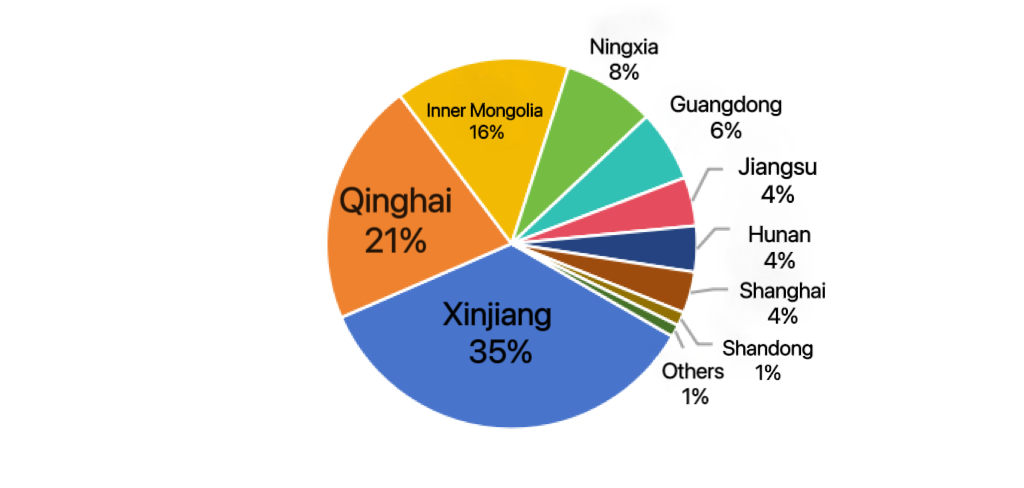
Figure 4: Distribution of New Energy Storage Projects on the Source Network Side in China's Provinces in August 2025
Data source: CNESA DataLink Global Energy Storage Database
https://www.esresearch.com.cn/
More Than Half of New Installations Attributed to the ‘Big Five and Little Six’
From the perspective of project owners, power generation groups such as Huadian, China Three Gorges, and China National Nuclear Corporation (CNNC) — collectively known as the “Big Five and Little Six” — accounted for more than half of the newly added installation market share. Among them, Huadian held the largest market share, with key projects such as the Huadian Xinjiang Changji Mulei Kaisheng Wind-Solar-Storage Base and the Urumqi Photovoltaic Base 1GW/4GWh Independent New Energy Storage Demonstration Project achieving phased grid connection.
In addition, state-owned enterprises including Aluminum Corporation of China (CHALCO), China Green Development Group, and various local energy groups together represented 38% of the market share, underscoring the comprehensive advantages of large-scale energy enterprises in investment scale, construction coordination, and operational managementof energy storage projects.
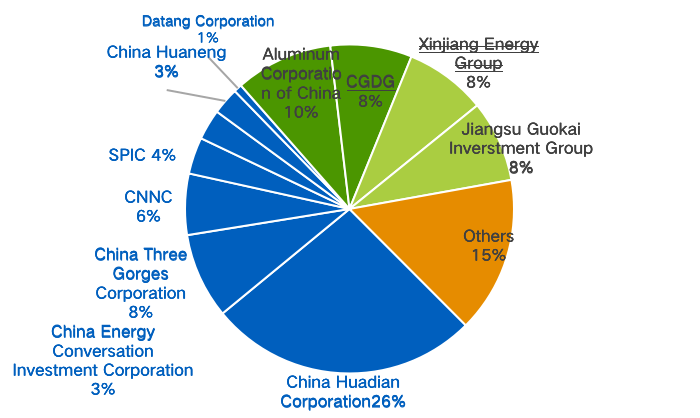
Figure 5 :Distribution of owners of new energy storage projects on the grid side of newly added operating sources in China in August 2025 (MW%)
Data source: CNESA DataLink Global Energy Storage Database https://www.esresearch.com.cn/
Average Storage Duration Up 12% YoY, Core Function Shifts to Long-Duration Supply Security.
Since May this year, the average storage duration of grid-side projects has exceeded the levels of the same period last year each month. In August, the average storage duration reached 2.84 hours, representing a 12% year-on-year increase.
Among the regions, Xinjiang recorded the longest average duration, at around 4.0 hours. This is mainly due to the seasonal mismatch between new energy generation and grid demand: Xinjiang’s renewable output is typically high in spring and autumn but low in summer and winter, while grid load is highest in summer and winter. Additionally, within a single day, there is a sharp contrast between midday peaks in wind and solar output and morning/evening peaks in electricity demand. Combined with the fact that large energy bases are located far from load centers, this results in significant spatial and temporal mismatches between renewable output and demand, driving higher requirements for storage system duration.
Qinghai followed with an average of 2.7 hours, while other provinces maintained an average storage duration of around 2 hours.
The average storage duration of generation-grid-side projects increased by 12% year-on-year, with the core function of energy storage shifting toward long-duration supply security.
Since May this year, the monthly average storage duration of generation-grid-side projects has consistently exceeded that of the same period last year. In August, the average storage duration reached 2.84 hours, representing a 12% year-on-year increase. Among provinces, Xinjiang recorded the longest average storage duration, at around 4.0 hours. This is primarily due to the mismatch between the seasonal characteristics of Xinjiang’s renewable generation—“large in spring and autumn, small in winter and summer”—and the grid’s demand profile of “higher loads in summer and winter.” In addition, the pronounced intra-day contradiction between midday renewable peaks and morning/evening load peaks, coupled with the long distance between energy bases and load centers, highlights the issue of spatiotemporal mismatch between renewable output and load demand, resulting in higher requirements for storage duration. Qinghai ranked second, with an average of 2.7 hours, while other provinces generally averaged 2 hours.
Acceleration in Deployment of Non-Lithium Technologies
From a technology perspective, in August, all newly commissioned generation-grid-side storage projects adopted lithium iron phosphate (LFP) battery technology. Furthermore, grid-forming storage systems achieved gigawatt-hour–scale demonstration applications again in large-base projects, with a total station capacity of 1.05 GWh.
On the planning and construction side, the deployment of non-lithium technologies such as compressed air energy storage (CAES) and hybrid storage is accelerating. In CAES, construction has begun on the 300 MW advanced CAES project at Longquanshan, Yueyang, Hunan, as well as the 400 MW/1600 MWh artificial-cavern CAES project in Yongchuan District, Chongqing.In hybrid storage, projects under construction include a comprehensive demonstration project that integrates five technologies—lithium iron phosphate batteries, sodium-ion batteries, solid-state batteries, supercapacitors, and organic aqueous batteries—as well as a hybrid storage plant combining flywheels and lithium iron phosphate batteries for joint frequency regulation.
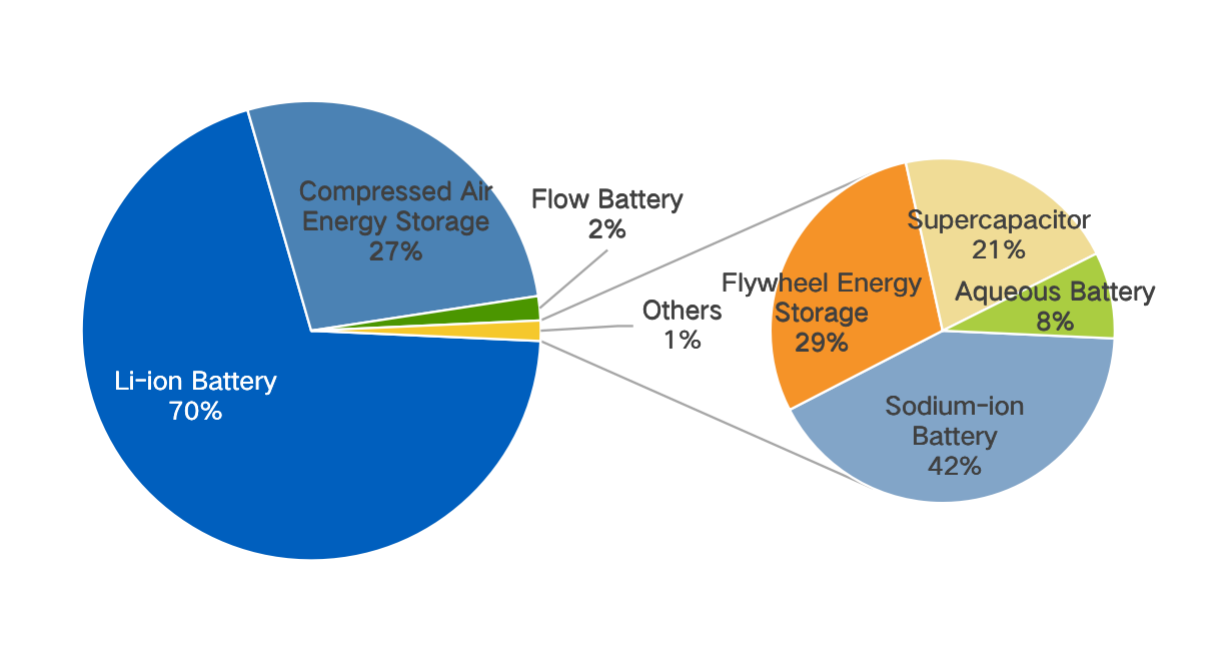
Figure 6: Technical distribution of new energy storage projects under construction on the source network side in China in August 2025 (unit: MW%)
Data source: CNESA DataLink Global Energy Storage Database
https://www.esresearch.com.cn/

The World’s First 600Ah+ Large Energy Storage Battery Project Successfully Delivers Power
On 8 September, the world's first 400MWh energy storage power station based on 628Ah large energy storage batteries achieved successful one-time power delivery.
Located in Lingxiu County, Shijiazhuang, east of the Taihang Mountains, the 200MW/400MWh stand-alone energy storage station has officially begun operation. This marks the world's first large-scale deployment of a 600Ah+ large energy storage battery in a 100MWh project, signifying that the energy storage industry has entered the era of “2 kWh per battery cell”.
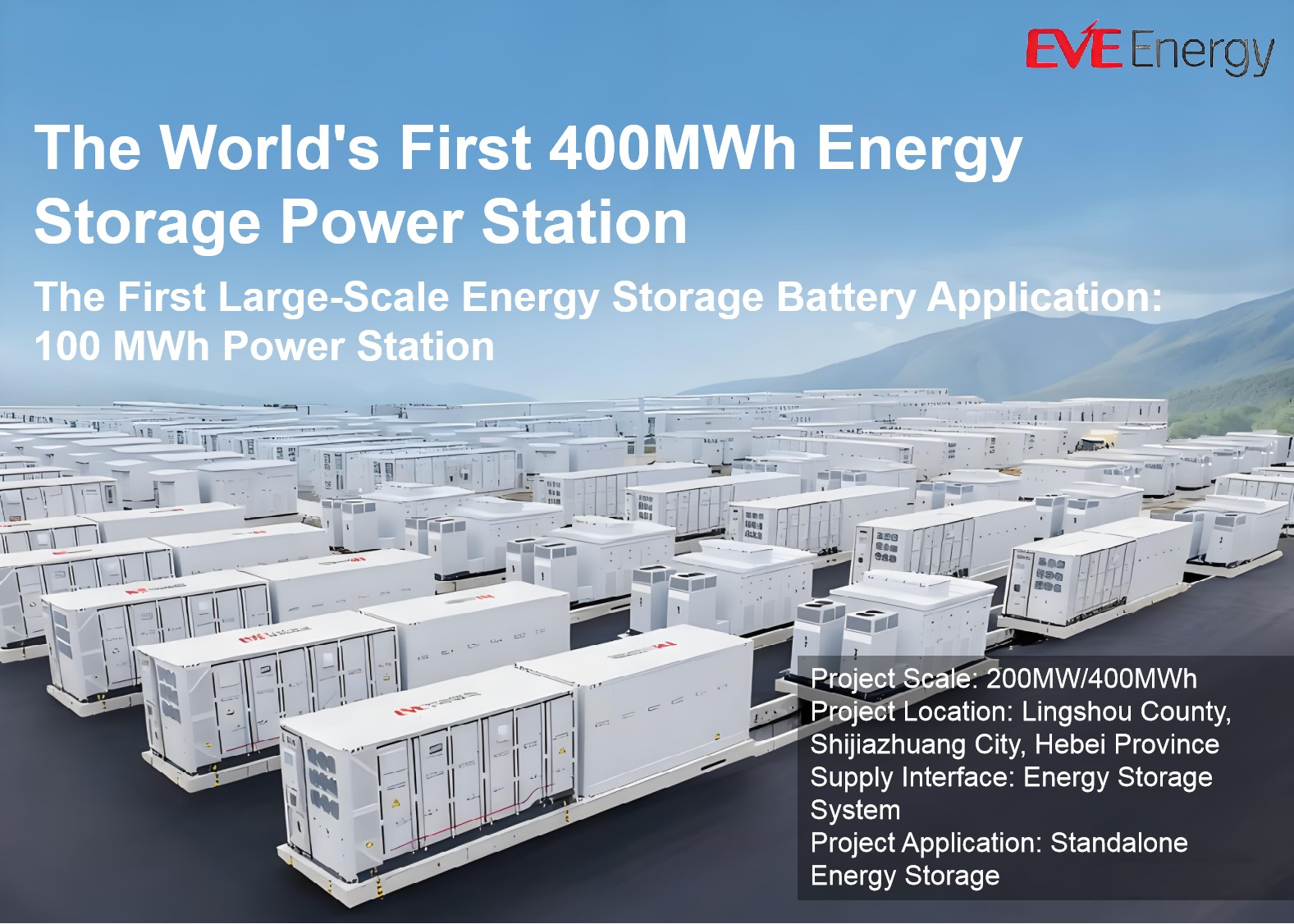
Storage project at Hebei, with EVE 628Ah+ Cell
Large batteries are widely regarded as the key pathway to reducing the levelized cost of storage (LCOS). By increasing single-cell capacity and reducing system integration complexity, these batteries can significantly lower the total lifecycle cost of energy storage systems. In 2024, global energy storage shipments surpassed 300 GWh, marking the final sprint before the industry enters the TWh era. As policy subsidies gradually phase out, market competition now increasingly depends on technological strength and product performance.
EVE Energy has achieved three major technological leaps in the large energy storage battery sector - from concept unveiling to mass production and pioneering engineering applications - driving the industry into a new phase of high-quality development fueled by innovation. In October 2022, the company introduced the LF560K concept large energy storage battery, ushering in the “500Ah+” era. In January 2024, it globally premiered the 628Ah “Mr. Big” large energy storage battery, achieving a single-cell energy capacity exceeding 2 kWh. By September 2025, EVE commissioned the world’s first 400MWh-scale power station using these batteries, transitioning from lab to grid in just 20 months.
The value of large energy storage batteries is backed by solid data. Operational data from the Jingmen demonstration project in Hubei Province showed system energy efficiency consistently above 95.5%, while maintenance components were reduced by 50% and operational costs lowered by 30%. In July 2025, EVE’s 600Ah+ battery became the world’s first to be fully certified under China's new national standards. The following month, the company secured a 154MWh order from China Electrical Equipment Group - the world’s first commercial order for 600Ah+ large energy storage batteries.
Behind this technological leadership lies EVE’s philosophy of “long-termism”. Chairman Liu Jincheng emphasizes, “A battery is a living entity. We approach each one with reverence, ensuring every cell is crafted to perfection.” This reverence for technology is reflected in the company's sustained R&D investment: the company’s sustained R&D commitment is reflected in its team of over 6,000 researchers, cumulative R&D investment exceeding RMB 10 billion since 2020, more than 10,000 patents, and involvement in 25 national-level projects. At its 60GWh super factory in Jingmen, extreme manufacturing principles enable production of 1.5 batteries per second with defect rates controlled at the PPB level, ensuring exceptional consistency and reliability.
With production bases advancing in Malaysia and Hungary, EVE Energy continues to optimize its global capacity layout. The company aims to reach 328GWh production capacity by 2027, supporting the worldwide energy transition. It has established deep partnerships with leading enterprises such as State Grid, China Southern Power Grid, Huaneng, Huawei, and Sungrow, while also making breakthroughs in overseas markets including Australia.
Industry analysis indicates that the first half of 2026 will witness a concentrated release of 500Ah+ batteries. Through its Lingshou project, EVE Energy demonstrates that large batteries are not a future concept but an ongoing reality. The deployment of this world-first 600Ah+ energy storage power station is not only a technological milestone but also an industry signal: the era of large batteries for energy storage has arrived.
CENSA Upcoming Events:
1. Dec.4-5 | 2025 China Energy Storage CEO Summit | Xiamen, Fujian
Register Now to attend
Read more: http://en.cnesa.org/new-events-1/2025/12/4/dec4-5-2025-china-energy-storage-ceo-summit
2. Apr. 1-3, 2026 | The 14th Energy Storage International Conference & Expo
Register Now to attend, free before Oct 31, 2025.


HyperStrong’s Revenue Increased by 22.66% YoY in H1 2025, with Net Profit of 316 Million Yuan
On the evening of August 28, HyperStrong released its 2025 semi-annual report.
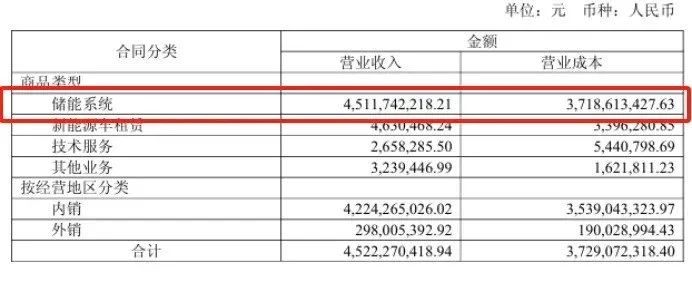
During the reporting period, the company achieved operating revenue of 4.522 billion yuan, an increase of 22.66% YoY; net profit attributable to owners of the parent company was 316 million yuan, an increase of 12.05% YoY; net profit attributable to owners of the parent company excluding non-recurring gains and losses was 259.6 million yuan, a decrease of 8.38% YoY. The company’s total assets reached 12.059 billion yuan, an increase of 9.91% compared with the beginning of the year; net assets attributable to shareholders of the listed company were 4.082 billion yuan, an increase of 29.95% compared with the beginning of the year.
From the classification of operating revenue, revenue from energy storage systems was 4.512 billion yuan, accounting for the highest proportion.
Actively Exploring Energy Storage Application Scenarios
In the era when the industry is fully shifting toward marketization, the reform of the electricity spot market is accelerating, the mechanisms for energy storage participation in the market are gradually improving, and the economic viability of energy storage power plant assets will be significantly enhanced, achieving a transformation from price-oriented to value-oriented.
Through technological breakthroughs, scenario innovation, and industrial collaboration, HyperStrong promotes the “Energy Storage + X” strategy, constructing a core logic driven by intelligent full lifecycle management, reconstructing the profit model, and continuously exploring application scenarios with commercial value, including independent energy storage power plants, PV-storage integration, generation-grid-load-storage integration, direct connection of green electricity, diesel generator replacement, and PV-storage-charging integration.
Rapidly Expanding the Global Market
In the domestic market, the company continues to maintain deep cooperation with the “Five Big, Six Small” power generation groups (Five Big: CHN Energy, Huaneng Group, SPIC, Huadian Group and China Datang; Six Small: CTG, CGN, CR Power, SDIC Power, CNNC and CECEP), while also focusing on high-quality local energy groups, local government investment platforms, and energy storage projects invested in by social capital, in order to expand incremental business and increase market share.
In the first half of 2025, the company has already participated in multiple grid-side energy storage projects and commercial & industrial energy storage projects in overseas markets, creating several benchmark cases. Among them, the successful commissioning of the Stockholm energy storage project in Sweden and the Waltershausen project in Germany accumulated valuable experience for the company’s expansion in the European market.
At the same time, the company has established long-term and stable cooperation with many internationally renowned enterprises. It has formally reached a strategic cooperation with European large-scale energy storage project developer Repono, and the two parties will jointly promote the implementation of grid-scale energy storage projects with a total scale of 1.4 GWh before 2027, helping to advance Europe’s energy transition; it has also cooperated with Singapore energy infrastructure developer Alpina, planning to provide 5,000 integrated charging-storage units during 2025–2027, developing energy storage applications in Singapore’s and the Asia-Pacific region’s rapidly growing electric vehicle charging market.
Deep Integration of AI and Digital Technology
Relying on the company’s massive data and technological advantages in the energy storage industry, an artificial intelligence big data service platform is being built. From the perspective of the entire industry chain—from energy storage product R&D, testing and verification, and pilot/demo to mass application—it continuously promotes the application of AI, big data, and digital twin technologies in the energy storage field, driving the intelligent and digital empowerment of the full lifecycle of energy storage systems, improving the safe operation and maintenance capabilities of energy storage power plants, and enhancing customer asset value.
Through AI-driven comprehensive calculations, it conducts revenue forecasting and configuration recommendations for each energy storage application scenario; through “AI modeling + data,” it drives customized product design and optimization, providing customized design for each energy storage power plant; through intelligent EMS combined with AI algorithms, it ensures optimal performance throughout the entire lifecycle of energy storage systems, providing predictive maintenance, proactive warnings, expert diagnostics, and AI-agent-assisted decision-making for refined intelligent operation and maintenance; through full-dimensional operation monitoring, it carries out equipment status estimation, high-precision price forecasting, and dynamic trading strategies, realizing intelligent electricity trading; through AI empowerment, it connects the entire industry chain from project planning, design, delivery, and operation & maintenance to operation, achieving efficient integrated management of the full lifecycle of energy storage systems.
Continuously Promoting Cross-boundary Cooperation in the Industry Ecosystem
The company has established strategic cooperative relationships with upstream and downstream enterprises in the industry chain, including Huawei Digital Power, CATL, EVE Energy, Genertec, Shuangdeng Group, Inovance Technology, Huachi Kinetic Energy, and plans to carry out cooperation in multiple key areas such as zero-carbon energy, intelligent manufacturing, resource and scenario integration, project co-construction, and industrial integration.
In addition, the semi-annual report disclosed HyperStrong’s core technologies and R&D progress, specifically including artificial intelligence technology in the field of energy storage applications, battery digital modeling technology, digital intelligent closed-loop verification technology, battery management system technology, energy storage converter technology, thermal management system technology, battery system integration technology, power coordination control system technology, energy management and energy storage power station monitoring system technology, and battery full lifecycle intelligent operation and maintenance system technology.

July | Monthly Project Tracker of New Energy Storage | Newly Commissioned User-Side New Energy Storage Projects +9% Year-on-Year, -41% Month-on-Month, East China Holds Largest Market Share
According to the incomplete statistics of the CNESA DataLink Global Energy Storage Database, in July 2025, the total newly commissioned capacity of domestic new energy storage projects was 3.24GW/8.79GWh, a year-on-year decrease of -35%/-26% and a month-on-month decrease of -28%/-23%. Affected by the “rush installation” of new energy, the newly added capacity of new energy storage continued the downward trend since “May 30.” The newly added capacity in July continued to decline, with a drop about 10 percentage points greater than the same period last year.
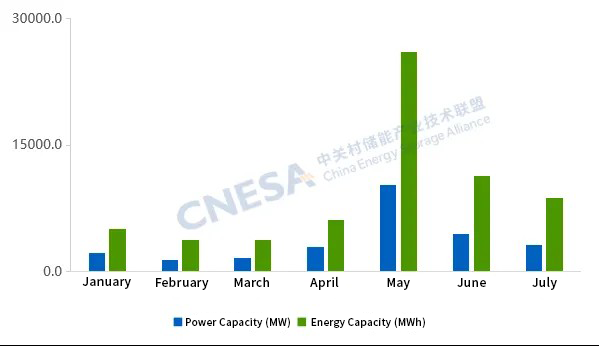
Figure 1: January–July 2025 Installed Capacity of Newly Commissioned New Energy Storage Projects in China
Data Source: CNESA DataLink Global Energy Storage Database https://www.esresearch.com.cn/
Since June this year, we have been publishing monthly updates on new energy storage projects by application market, dividing them into power source & grid side and user side. The following is the user-side new energy storage project installation landscape for July.
In July, user-side newly installed capacity was 252.3MW/529.7MWh, a year-on-year change of +9%/-1% and a month-on-month change of -41%/-49%.
User-side new energy storage project installations showed the following characteristics.
1. C&I Energy Storage Dominated, with Emergency Power Assurance Functions Becoming Prominent
In July, the user-side energy storage market was dominated by C&I applications. Newly installed capacity in C&I scenarios reached 205.4MW/435.7MWh, a year-on-year change of -3%/-11%. Projects owned by high energy-consuming enterprises such as chemical, cement, and metallurgy accounted for 40% of the total, with the emergency power assurance role of user-side energy storage becoming increasingly prominent.
On the technical side, all newly commissioned projects adopted electrochemical energy storage technology, with lithium iron phosphate battery technology accounting for nearly 100% of installed power capacity. In addition, one vanadium redox flow battery C&I energy storage project was completed and put into operation.
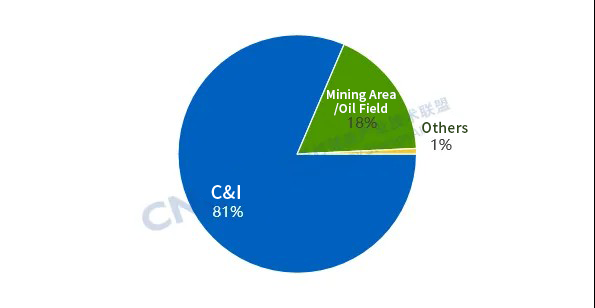
Figure 2: Application Distribution of Newly Commissioned User-Side New Energy Storage Projects in July 2025 (MW%)
Data Source: CNESA DataLink Global Energy Storage Database https://www.esresearch.com.cn/
Note: “C&I” includes industry, industrial parks, and commercial buildings; “Others” includes EV charging stations, municipal utilities, and island.
2. East China User-side Energy Storage Market Active, Sichuan Recorded the Largest Newly Installed Capacity
From the perspective of regional distribution, newly commissioned projects were mainly concentrated in 15 provinces including Sichuan, Jiangsu, Shanxi, Zhejiang, and Hunan. In terms of project numbers, the East China region (Zhejiang, Jiangsu, Shandong, etc.) held the largest market share, with nearly half of the country’s new projects, and Zhejiang accounted for nearly one-fifth of the national total, ranking first nationwide.
In terms of installed capacity, Sichuan recorded the largest increase, accounting for nearly 30% of the national total; Jiangsu followed, ranking first in East China. In July, Sichuan Power Grid Power Trading Center issued the “2025 User-Side New Energy Storage Project-Related Matters,” which clarified that energy storage operation revenue consists of two parts: peak-valley fluctuation revenue and storage discharge compensation fees, providing a clear revenue expectation for investment and operation of user-side storage projects.
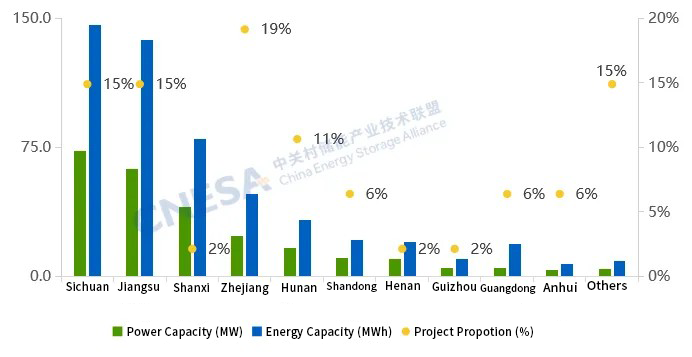
Figure 3: Provincial Distribution of Newly Commissioned User-Side New Energy Storage Projects in China, July 2025
Data Source: CNESA DataLink Global Energy Storage Database https://www.esresearch.com.cn/
From the perspective of filed projects, since the second half of the year, overall investment enthusiasm in the user-side storage market has declined. In July, over 750 newly filed user-side storage projects were added nationwide, a year-on-year decrease of 35%, with energy capacity decreasing by 20% year-on-year.
Traditional user-side storage markets in Zhejiang, Guangdong, and Jiangsu showed sluggish growth. These three provinces recorded over 630 newly filed user-side storage projects, accounting for 84% of the national total, and remain the main market for user-side storage. However, both the number of newly filed projects and the energy capacity in these provinces were lower than the same period last year: Zhejiang -25%/-9% year-on-year, Guangdong -29%/-7%, Jiangsu -53%/-25%.
Emerging markets driven by power supply security needs are beginning to surface. Since 2025, Anhui’s user-side storage market has remained active, with the monthly number of newly filed projects consistently higher than the same period last year, and July growth exceeding 180%. In the first half of the year, Sichuan recorded 66 newly filed user-side storage projects, significantly higher than the same period last year. Henan recorded over 570 newly filed projects in the first half, a year-on-year increase of 21%.
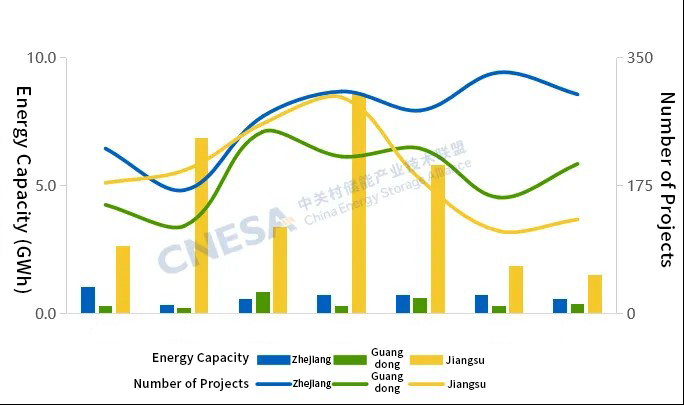
Figure 4: Monthly Distribution of Newly Filed Storage Projects in Zhejiang, Guangdong, and Jiangsu (January–July 2025)
Data Source: CNESA DataLink Global Energy Storage Database https://www.esresearch.com.cn/

China Accelerates Green Energy Push With Major Projects, Spotlight on Energy Storage
China’s clean energy drive advanced this month as the State Grid Corporation’s Ningxia–Hunan ultra-high voltage direct current (UHVDC) project officially began transmitting electricity on August 20, according to China Economic Net. The 1,616-kilometer line is the country’s first UHV channel primarily built to carry wind and solar power from bases in desert, Gobi and wasteland to central regions. With an investment of 28.1 billion yuan and new energy accounting for more than 70 percent of its 17.64 million kilowatts of supporting capacity, the project will deliver up to 36 billion kilowatt-hours annually—around one-sixth of Hunan’s demand. Industry analysts say the commissioning reflects China’s broader pivot in energy investment “toward green and new,” with a wave of renewable, grid, and storage projects accelerating nationwide.
Government data show that in the first half of the year, investment in key energy projects exceeded 1.5 trillion yuan, rising 21.6 percent year-on-year. Spending on wind, solar, and offshore renewables surged across multiple provinces, while funds also flowed into smart grids, hydrogen, and energy storage. The National Energy Administration reported that investment in new energy storage and integrated generation-grid-load-storage systems grew by more than 30 percent, while charging and swapping infrastructure climbed nearly 70 percent. Hydrogen energy projects likewise doubled, with several large-scale green hydrogen facilities in Jilin Province advancing quickly. Experts stress that these technologies are critical to balancing intermittency challenges and ensuring renewable output can be absorbed reliably by the grid.
Looking ahead, analysts expect the second half of the year to maintain this strong pace, with grid modernization and energy storage projects becoming increasingly central to the country’s clean energy transition. While ultra-high voltage transmission enables large-scale renewable integration, energy storage and hydrogen remain essential to stabilize supply and unlock the full potential of China’s expanding green power base.

Lithuania Expands Energy Storage Plans to 1.7 GW/4 GWh
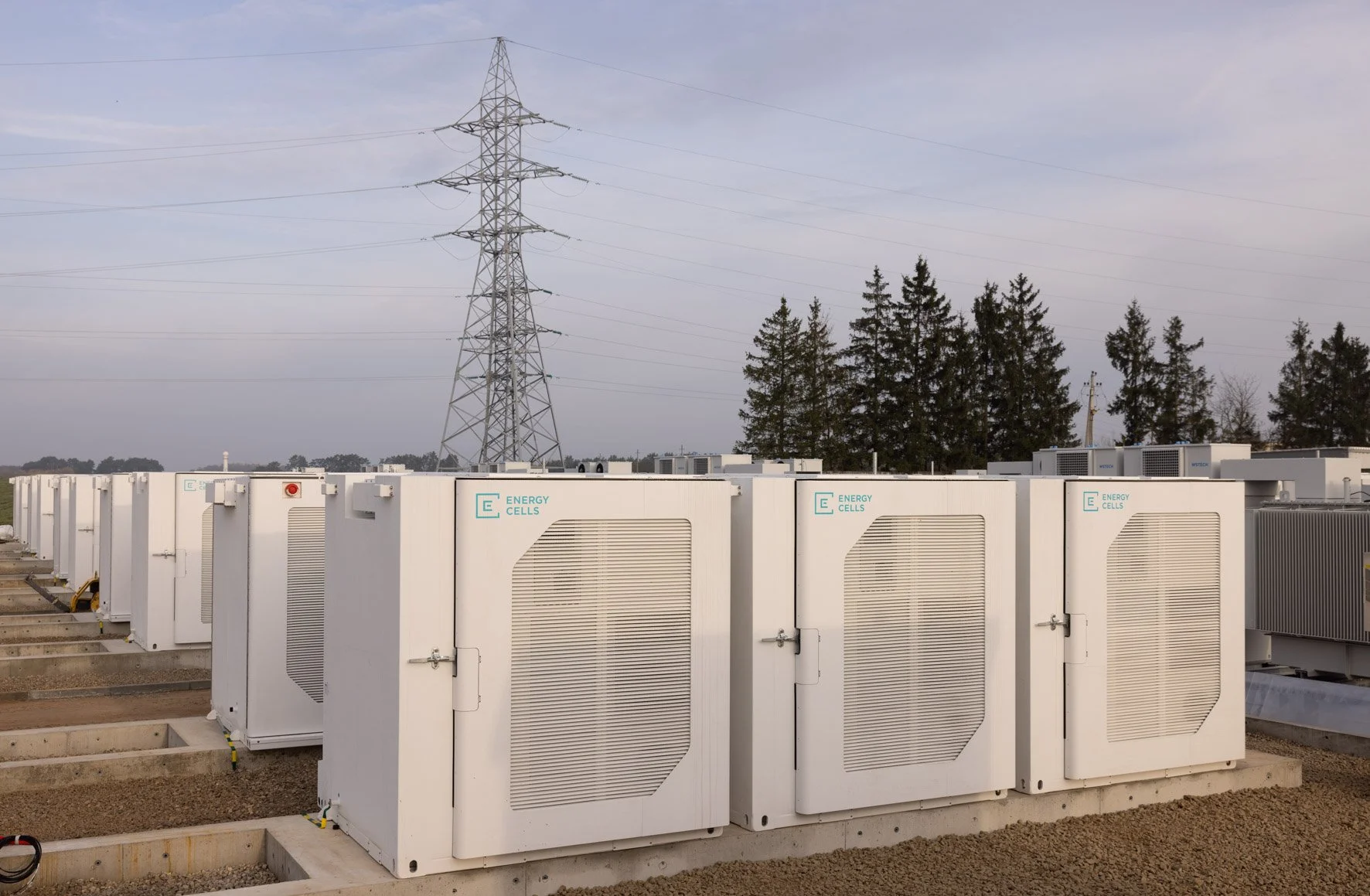
Image: Energy Cells
Lithuania is moving forward with one of the largest energy storage expansions in Europe, announcing plans to install 1.7 GW of capacity equal to 4 GWh of storage. The Ministry of Energy confirmed the decision after receiving strong demand in its recent procurement process. According to the ministry, the scale of the projects will play a critical role in strengthening the flexibility and reliability of the national grid while supporting the broader integration of renewable energy. Acting Energy Minister Žygimantas Vaičiūnas described the program as a “significant step” toward a more secure and modern power system, highlighting investor interest as a signal of strong private-sector commitment. The announcement marks a sharp increase from the government’s original target of 800 MWh.
The procurement call, first issued in February, generated more than 50 project applications worth about €197 million, nearly twice the amount initially budgeted. In July, the Ministry raised available funding by €37.33 million, on top of the original €102 million allocation. While the total pipeline now exceeds €840 million in value, state subsidies will average just under 15% of investments, covering up to 30% of eligible costs with a maximum of €150,000 per MWh. The supported projects will range from 30 MWh to 300 MWh and are intended to provide balancing services directly to Lithuania’s transmission network. Legal entities, excluding financial and credit institutions, are eligible for the subsidies.
The Ministry emphasized that this expansion represents a major step up from Lithuania’s earlier grid-scale storage project in 2020, a 200 MWh facility operated by Energy Cells. Officials also confirmed that a new round of procurement will be announced soon, signaling that the country’s energy storage build-out is only just beginning.

HiTHIUM to Supply 4GWh Long-Duration Energy Storage for Saudi Arabia’s Grid Stability Push
HiTHIUM has secured a landmark contract from the Saudi Electricity Company (SEC) to provide large-scale battery energy storage systems in northern Saudi Arabia, according to the company’s announcement on August 27. The project, valued at 4 gigawatt-hours of storage capacity, will be deployed across Tabuk and Hail provinces in partnership with Alfanar Projects. At its core, the installation will use HiTHIUM’s ∞Cell 1175Ah technology within 6.25 megawatt-hour containerized units—designed for long-duration performance. The initiative stands among the largest battery deployments in the Middle East and is expected to advance Saudi Arabia’s Vision 2030 goals by bolstering grid stability and supporting renewable integration. With growing energy demand and a push to reduce fossil fuel reliance, the deal positions HiTHIUM as a central technology provider in the kingdom’s energy transition.

Image: HiTHIUM
The storage systems, known as the ∞Power 6.25MWh Desert Eagle series, were specifically engineered to withstand Saudi Arabia’s harsh desert conditions. HiTHIUM noted the equipment includes multi-layer insulation capable of lowering internal temperatures by up to 10°C, ensuring reliable operation between -30°C and 60°C. Additional features include sealed enclosures to resist sandstorms, automated dust alerts to reduce maintenance, and components rated for more than 40,000 hours of continuous operation. These systems are designed to provide a range of critical grid services, from frequency regulation and voltage support to black-start capabilities and load shifting. HiTHIUM will oversee design, supply, and long-term service, while Alfanar leads construction efforts.
Commissioning of the projects is scheduled for 2026. If delivered as planned, the deployments will represent a new benchmark for large-scale energy storage in the region, highlighting both Saudi Arabia’s renewable ambitions and HiTHIUM’s strategy to scale its storage technology in extreme environments.
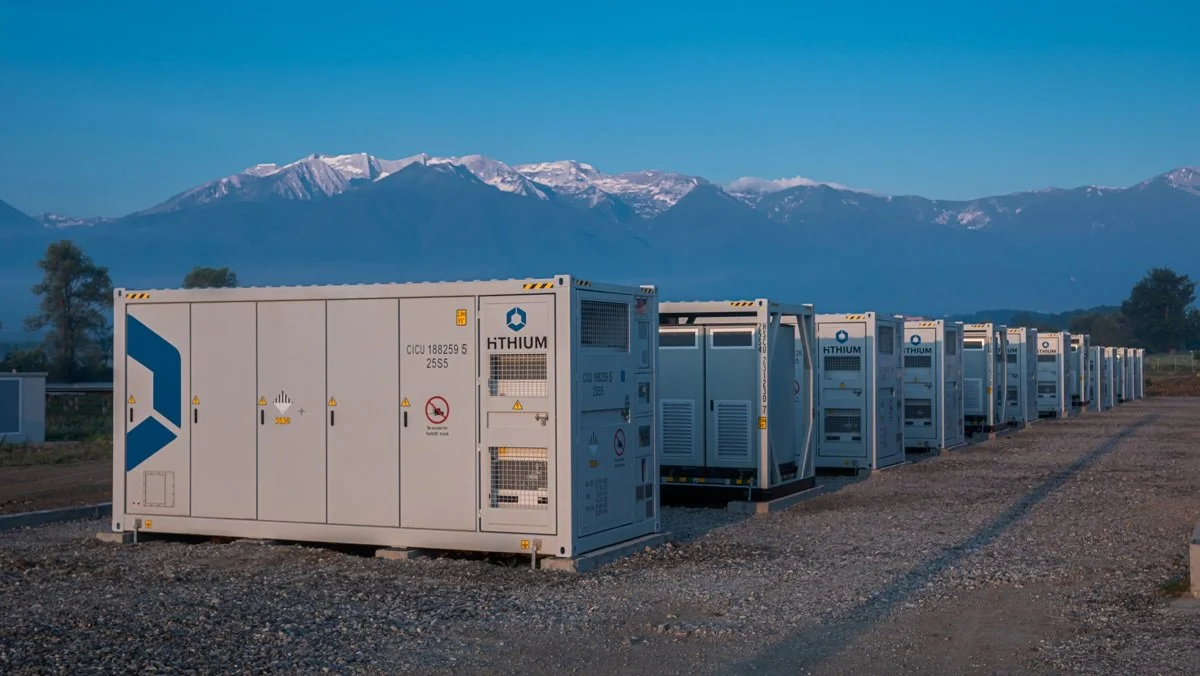
Bulgaria Opens Consultation on New 1.9 GWh Energy Storage Subsidy
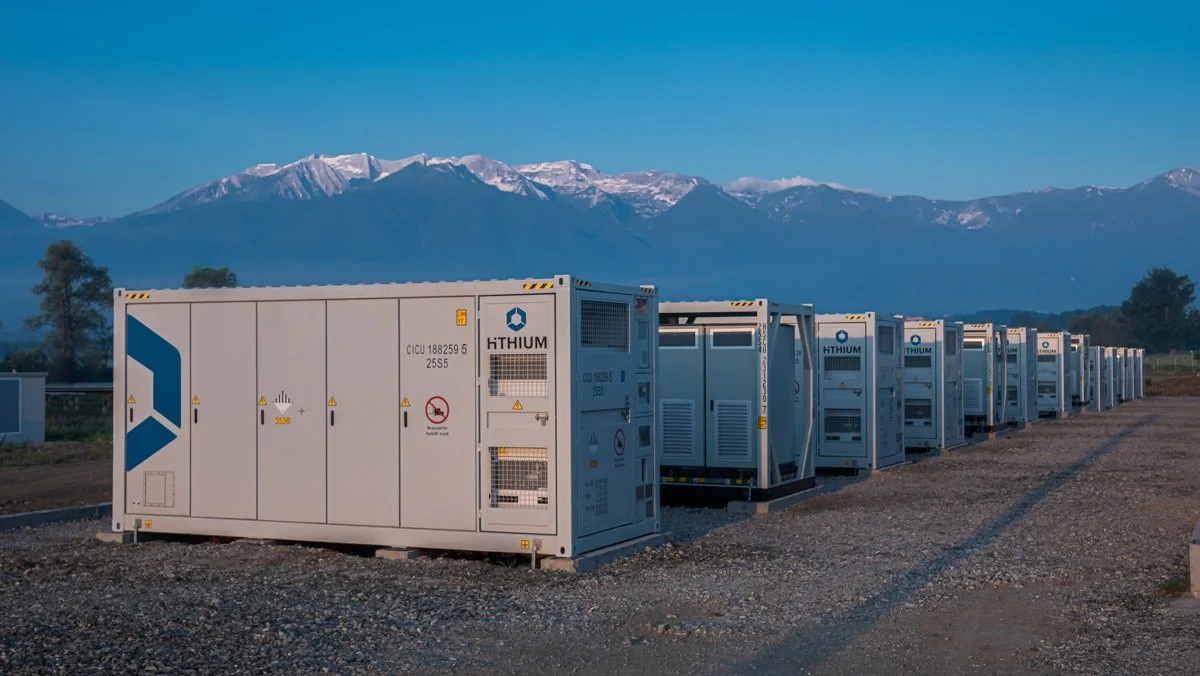
Renalfa IPP's 25 MW/55 MWh battery energy storage system in the city of Razlog, in southwestern Bulgaria. | Image: Renalfa
Bulgaria’s Ministry of Energy has launched a public consultation on a new subsidy program designed to expand the country’s renewable energy storage capacity by 1.9 GWh. According to the ministry’s announcement, the initiative—called RESTORE 2—follows the strong uptake of the first RESTORE tender, which closed in April. That earlier round awarded funding to 82 projects representing nearly 9.7 GWh of usable capacity, more than tripling the original 3 GWh target. Supported by the EU’s Recovery and Resilience Plan, the program is part of Bulgaria’s broader strategy to scale renewable integration while ensuring sufficient storage infrastructure. Consultation documents are available for comment until September 15, with applications expected to open on September 18.
The draft guidelines specify that projects must deliver at least 10 MW of nominal AC power with a minimum of two hours of usable storage capacity. Funding will cover up to 50% of eligible costs, capped at BGN 156,466 (around $86,000) per MWh. A single applicant may request support for no more than 317 MWh, equal to one-sixth of the total quota. Financial requirements include a 3% participation guarantee and minimum own capital of BGN 6 million for 20–50 MWh facilities or BGN 10 million for projects above that size. Approved applicants must also provide a 10% performance guarantee upon signing their grant agreement.
To qualify, projects must represent “new usable energy storage capacity,” meaning construction cannot have started before June 25, 2024, and facilities must not be commissioned by then. Applicants are required to present a valid grid connection agreement, building permit, signed supply contract, and secured financing. According to the draft rules, all supported projects must be completed and commissioned by July 31, 2026.
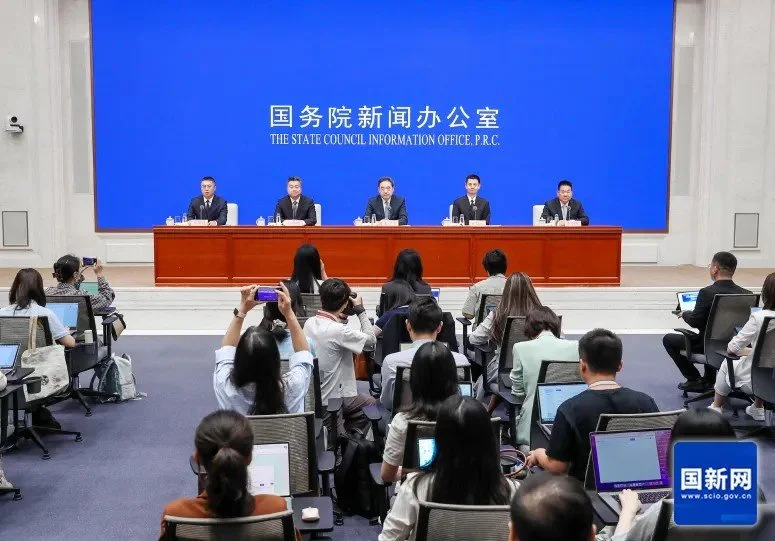
National Energy Administration: China’s New Energy Storage Scale Now Ranks First in the World; Smart Microgrids, Virtual Power Plants, and Vehicle-to-Grid Pilot Programs Accelerating
By: State Council Information Office
On the morning of August 26, 2025 (Tuesday) at 10:00, the State Council Information Office held a press conference in the “High-quality Completion of the 14th Five-Year Plan” series. Wang Hongzhi, member of the Party Leadership Group of the National Development and Reform Commission and Head of the National Energy Administration, Wan Jinsong, Deputy Head of the National Energy Administration, Du Zhongming, Director General of the Department of Electric Power of the National Energy Administration, and Li Chuangjun, Director General of the Department of New Energy and Renewable Energy Sources of the National Energy Administration, introduced the achievements of high-quality energy development during the 14th Five-Year Plan period and answered questions from reporters.
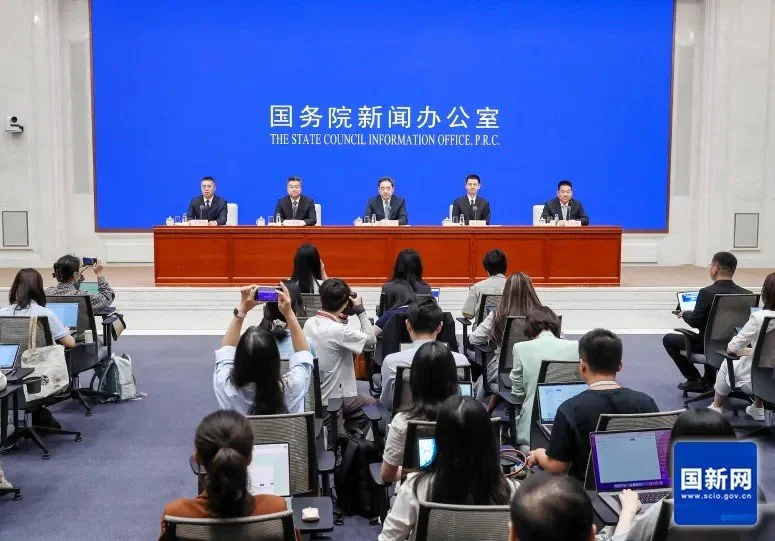
Image: State Council Information Office
Wang Hongzhi, member of the Party Leadership Group of the National Development and Reform Commission and Head of the National Energy Administration, mentioned that the “14th Five-Year Plan” has witnessed greater breakthroughs in energy science and technology innovation. Technologies and equipment such as new energy are leading globally, with new energy patents accounting for more than 40% of the world’s total, photovoltaic conversion efficiency and offshore wind power unit capacity continuously refreshing world records. In just a few short years, China’s scale of new energy storage has ranked first in the world.
New models and new business forms are developing vigorously, with smart microgrids, virtual power plants and others entering the fast lane of development. Pilot programs for scaled application of vehicle-to-grid interaction are accelerating, the energy industry is speeding up integration with industries such as manufacturing and transportation, new fields and new tracks are continuously emerging, and they have become an important source of the development of new quality productive forces.
Li Chuangjun, Director General of the Department of New Energy and Renewable Energy Sources of the National Energy Administration, mentioned that since the “14th Five-Year Plan”, China’s electricity market transaction volume has increased from 10.7 trillion kilowatt-hours during the “13th Five-Year Plan” to 23.8 trillion kilowatt-hours, more than doubling. On the user side, all industrial and commercial users have entered the market, independent energy storage and other new entities, new models, and new business forms are developing vigorously, and a market pattern with orderly participation of multiple entities has basically taken shape.
Wan Jinsong, Deputy Head of the National Energy Administration, mentioned that investment in new energy business forms is also continuing to improve. In 2024, investment completed in key projects such as new energy storage, charging and swapping infrastructure, hydrogen energy, and generation-grid-load-storage integration reached nearly 200 billion yuan, gradually becoming a new growth point for energy investment.
During the “14th Five-Year Plan” period, we have made overall plans for the development of emerging industries such as new energy storage and hydrogen energy, promoting the continuous optimization of the industrial innovation ecosystem and development environment. As of the first half of this year, China’s installed capacity of new energy storage is about 95 million kilowatts, nearly 30 times growth in five years, equivalent to equipping the new power system with a “giant power bank.” In 2024, China’s hydrogen energy production and consumption scale exceeded 36 million tons, ranking first in the world, of which renewable energy hydrogen production capacity accounted for more than half of the global total.
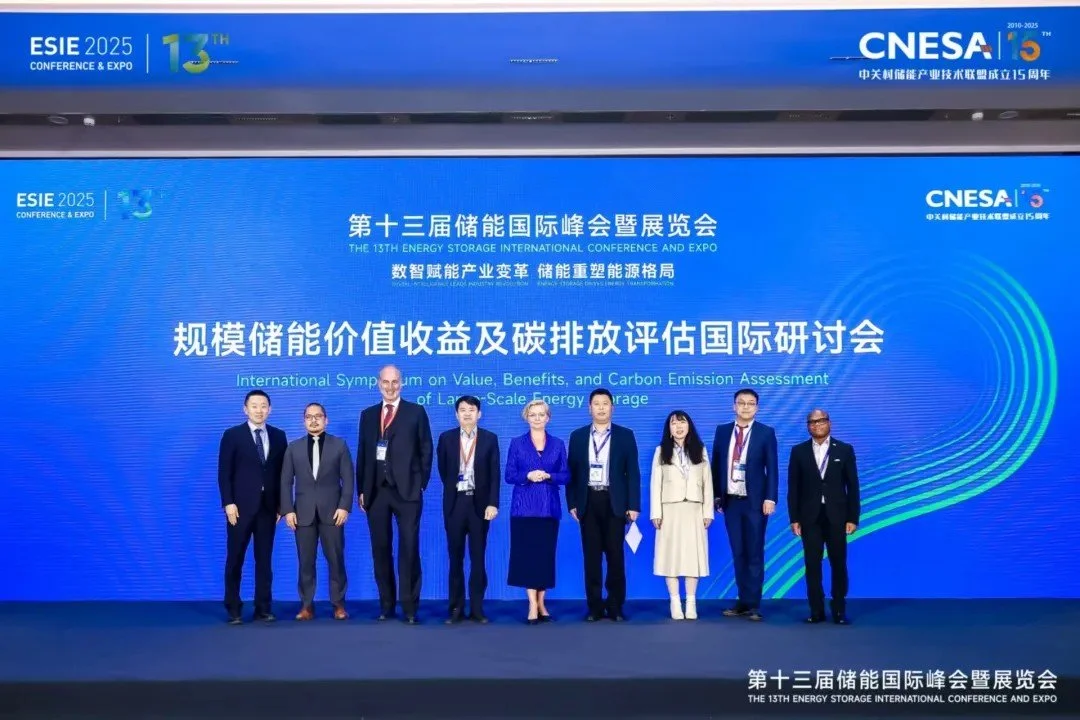
Cracking the Bottleneck of Energy Storage: How to Quantify Multi-Scenario Revenue and Carbon Accounting?
The first International Symposium on Value, Benefits, and Carbon Emission Assessment of Large-Scale Energy Storage, a National Key R&D Program Strategic Scientific and Technological Innovation Cooperation Project, was held in Beijing on April 11, 2025. Experts from industry, academia, and research institutes engaged in in-depth discussions on core pain points of the energy storage industry, technical pathways, carbon footprint management, and international cooperation.
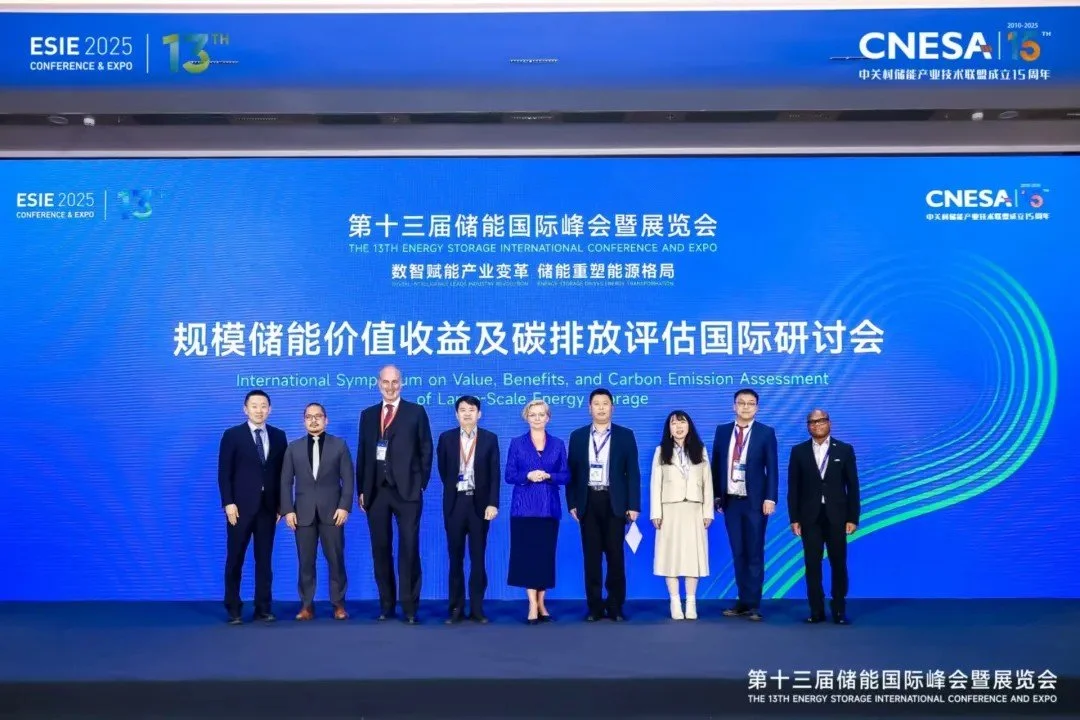
Yu Zhenhua, Executive Vice Chairman of the China Energy Storage Alliance, pointed out at the symposium that the energy storage industry currently faces three core challenges: difficulty in cost assessment (diverse technical routes make cost evolution paths unclear), difficulty in comprehensive value assessment (multi-scenario revenue is hard to quantify), and difficulty in international mutual recognition of carbon emission standards (significant differences between domestic and foreign accounting systems). These issues have resulted in numerous obstacles for energy storage in supporting the realization of carbon peaking and carbon neutrality. The symposium revolved around these three challenges, and experts delved into the bottlenecks and pain points, presenting valuable insights. CNESA has compiled the experts’ key perspectives to share.
1. Global Perspective: The Demand and Positioning of Energy Storage in the Carbon Peaking and Carbon Neutrality Pathway
Global
Feng Jinlei, Policy Officer of the International Renewable Energy Agency, proposed that according to IRENA’s 1.5℃ temperature control scenario, the world needs to deploy 4000 GW of energy storage before 2050, of which long-duration energy storage accounts for more than 40%, with energy storage directly contributing 15% of carbon reduction.
Europe
Patrick Clerens, Secretary General of the European Association for Storage of Energy, emphasized that the EU is addressing consumption bottlenecks through market design and grid upgrades (500 billion euros of investment before 2030). This will reduce 310 TWh of renewable energy curtailment annually (worth 23 billion euros) and promote the integration of heat storage with industrial decarbonization. He also noted that the low-carbon advantage of China’s lithium battery industry chain can achieve value output through standard mutual recognition.
Regarding long-duration energy storage technology in supporting Europe’s net-zero target, Dr. Karin Arnold from the Wuppertal Institute for Climate, Environment and Energy pointed out that hydrogen shows potential in industrial heating and long-duration energy storage, but current costs are significantly driven by electrolyzer utilization (<3000 hours/year) and electricity prices. Under Germany’s 2045 carbon neutrality target, hydrogen-power coupling systems will need to undertake 15%-20% of peak shaving tasks, with green hydrogen costs expected to fall from 5 euros/kg in 2030 to 2 euros/kg in 2050. He emphasized that cross-regional hydrogen supply chain construction must simultaneously resolve storage and transport losses as well as infrastructure investment issues.
China
Ma Yuan from Tsinghua University stressed the urgency of China’s energy system transformation—with only 30 years from carbon peaking to carbon neutrality, much shorter than in Europe and the US. By building an optimized energy system model covering the entire industrial chain, by 2060, the share of fossil energy in China’s primary energy structure will drop to 13%, while renewable energy will account for 87% (solar 31%, wind 29%); total power generation capacity will reach 3.2 times the 2021 level, with wind and solar exceeding 80% of installed capacity. As a key regulatory tool, energy storage must be included in carbon peaking and carbon neutrality pathway models to enhance system robustness, particularly in raising end-use electrification rates and promoting renewable energy integration.
Regarding energy storage configuration and peak shaving in the new power system, Qin Xiaohui, Chief Engineer of Power-Carbon Coordination at China Electric Power Research Institute, analyzed that as the proportion of renewable energy increases, the role of energy storage in peak shaving will extend from “intra-day balancing” to “cross-cycle regulation.” For example, in a 2030 grid planning study of a major region, configuring 16 million kW/6-hour storage reduced curtailment rates by 3 percentage points and enabled over 40 billion kWh of additional renewable energy consumption. He emphasized that technology selection for energy storage must match application scenarios: large-capacity, long-duration storage can be configured at grid hub nodes to undertake energy transfer tasks while ensuring grid security constraints, whereas distributed storage focuses on power and energy self-balancing at the microgrid level.
2. How to Build an Energy Storage Carbon Emission Assessment System and Carbon Footprint Management System?
With the entry into force of the EU Battery Regulation (EU) 2023/1542, the EU has entered a stricter and more comprehensive era of lifecycle management for batteries, exerting profound and mandatory influence on Chinese companies exporting products containing batteries to the EU.
Qiu Lin, Chief Scientist of Zero Carbon Products at Envision Digital, noted in relation to the EU Battery Regulation that carbon footprint accounting for energy storage products must cover the full lifecycle “from mine to grave.” He suggested that companies can reduce emissions at the production end through zero-carbon industrial parks and use international standardization platforms to promote data mutual recognition.
On advancing carbon footprint accounting, certification, and mutual recognition, Zhao Lihua, Technical Director of the China Electronics Standardization Institute, introduced that China has established the first lithium battery carbon footprint background database, covering 95% of materials across the full industrial chain including cathodes, anodes, and electrolytes. The number of data entries increased from 210 in version 1.0 to 830 in version 2.0, with 90% derived from processes since 2020. The database adopts a “material flow-energy flow-emission flow” integrated modeling approach, enabling dynamic updates of power factors, thereby providing a scientific foundation for carbon footprint accounting, certification, and international mutual recognition. In the future, the database will be piloted in leading enterprises and its standard alignment with the EU and BRICS countries will be strengthened.
On international cooperation, Ionna Trofimova Elliott, CEO of the POLICY CLUB, pointed out that although the EU Battery Regulation sets carbon tariff thresholds, supply chain localization and technological cooperation must be balanced. The co-development of open carbon emission assessment methodologies for batteries and new energy storage technologies provides an opportunity for China-EU technical collaboration.
3. Under New Market Conditions, How to Measure the Comprehensive Value of Energy Storage (Including Green Value)?
On explicit revenue, Lai Xiaowen, CTO of Beijing Tsintergy, analyzed that as renewable energy storage policies phase out, energy storage revenues will shift toward market-driven mechanisms. In provinces with relatively mature market mechanisms, frequency regulation ancillary services (about 50–80%) and spot arbitrage (about 20–30%) are the main sources of revenue. However, provincial differences in market development are large, and independent energy storage revenue models face transitional adjustments, making it difficult to rely on a single trading product to achieve investment goals. Taking Guangdong as an example, with a spot price difference of only 0.1 yuan/kWh, energy storage must adopt a “multi-purpose” strategy (allocating part of capacity to frequency regulation and part to spot arbitrage) to balance revenue and lifecycle degradation. He suggested that in the future, capacity compensation or bidding mechanisms should be established to reflect the capacity value of energy storage, referencing thermal power standards.
On assessing the green value of energy storage for the entire power system, Qin Xiaohui, Deputy Chief Engineer of the China Electric Power Research Institute, analyzed that carbon reduction assessment of energy storage must establish a “baseline comparison” mechanism, distinguishing between bundled scenarios with renewable energy and independent grid-connected scenarios. Qiu Lin, Chief Scientist of Zero Carbon Products at Envision Digital, proposed that for solar-storage bundled projects, carbon reduction benefits can be quantified through green power tracing, while independent energy storage requires dispatch simulation models to evaluate renewable integration contributions. Edmond Etchri Sassouvi, adviser to the Executive Committee at Macau Power, shared the Macau case: by integrating green power from China Southern Power Grid and piloting second-life battery storage, the tourism city is advancing toward its 2050 carbon neutrality target, highlighting the role of regional grid interconnection in supporting low-carbon transition.
Yang Su from the State Grid Energy Research Institute proposed that China’s carbon market construction brings new opportunities for energy storage. The national carbon emissions trading market has already included the steel, cement, and electrolytic aluminum industries, with carbon prices expected to rise. Energy storage can actively participate in the selection of methodologies for voluntary greenhouse gas emission reduction projects and gain profit from the carbon market in the future. The full market entry of renewable energy will drive “wind-solar-storage” coordinated trading and give rise to new business models such as shared energy storage.
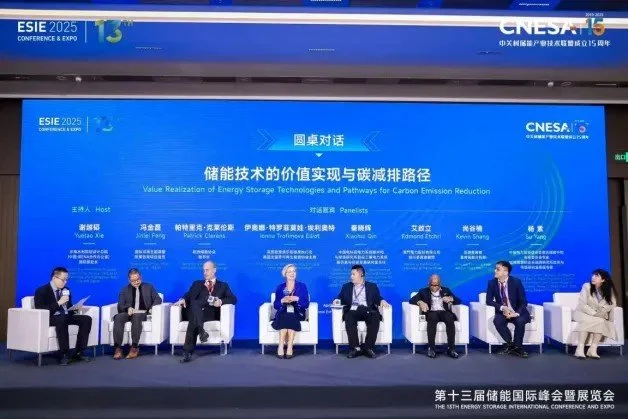
4. Conclusion: Building a Globally Coordinated Energy Storage Ecosystem of “Technology-Standards-Market”
The symposium reached a consensus: the value release of energy storage must be rooted in technological innovation, bridged by standard mutual recognition, and driven by market mechanisms. In the next three years, the National Key R&D Program “Strategic Scientific and Technological Innovation Cooperation” special project “Technical Cooperation Research on Value, Benefits, and Carbon Emission Assessment of Large-Scale Energy Storage” (2024YFE0209100) will focus on joint model and methodology research, co-development of international standards, and creation of cooperation and exchange platforms, promoting the transformation of energy storage from a “cost center” to a “value hub,” and providing China’s solution for global energy decarbonization.
Sign up for our free monthly newsletter to stay informed about the Chinese energy storage market.