Australia’s Draft NEM Review Pushes for Major Energy Storage Reforms

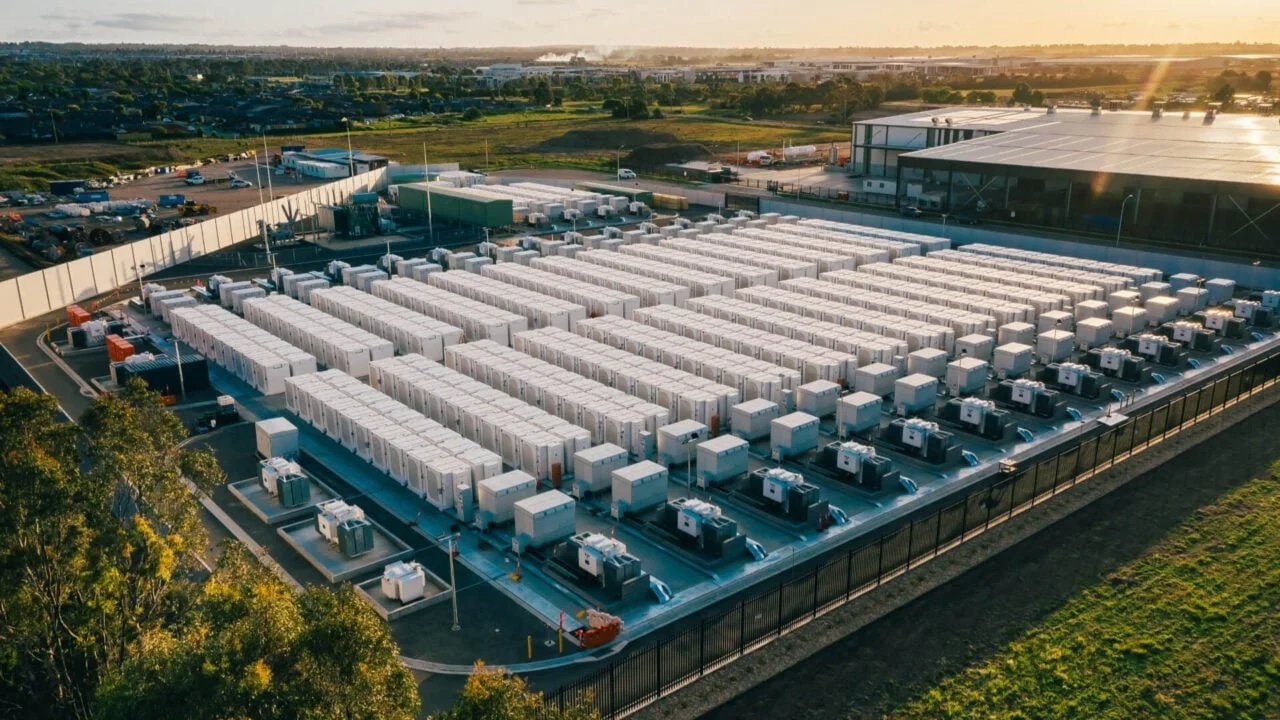
The report states that ARENA is well-placed to support energy storage technologies. Image: Eku Energy.

Australia’s Department of Climate Change, Energy, the Environment and Water has released the draft National Electricity Market (NEM) Review, signalling significant reforms aimed at integrating more renewable energy while safeguarding grid stability. Led by Associate Professor Tim Nelson, the independent review panel identifies energy storage as essential to managing a grid increasingly dominated by variable renewable energy (VRE). The report highlights risks of supply shortfalls in South Australia and New South Wales from 2026–28, underscoring the need for large-scale solutions like the 850MW Waratah Super Battery and long-duration energy storage (LDES) systems. Central to the proposals is an Electricity Services Entry Mechanism (ESEM), designed to provide long-term investment certainty for renewable and firming projects by targeting financial risks in later project years, integrating with derivatives markets, and embedding the scheme permanently in the National Electricity Law.

According to the draft, reforms should also boost participation in Essential System Services (ESS) such as frequency control and voltage regulation, traditionally supplied by fossil-fuel plants. The review recommends market designs, pricing mechanisms, and regulatory changes to enable batteries, pumped hydro, and other zero-emissions firming technologies to deliver these services. The Australian Renewable Energy Agency (ARENA) is flagged as well-positioned to accelerate deployment of scalable, low-emissions storage solutions, with immediate government action urged to bridge funding gaps. To improve market efficiency, the report proposes a permanent Mandatory Market Making Obligation (MMO) to enhance liquidity and price transparency in NEM derivatives, benefiting smaller retailers and supporting long-term investment signals in renewables and storage.

The draft also addresses the growing influence of flexible demand and “hidden” resources like rooftop solar on price formation and system stability, calling for reforms to improve visibility, bidding practices, and market price setting. Consultation closes 17 September 2025, with the final report expected by year’s end, according to the department.

Spain Channels €148.5M into Battery-Backed Renewable Projects

On August 6, 2025, Spain’s Ministry for the Ecological Transition and Demographic Challenge (MITECO) approved €148.5 million in grants for 199 cutting-edge renewable energy installations, all paired with battery storage. According to the ministry, the funded projects will deliver 299.6 MW of mostly photovoltaic generation alongside 351.6 MWh of storage capacity, creating a more stable supply from intermittent solar power. Catalonia leads with 79 approved projects, followed by the Valencian Community (30), Castilla y León (17), and Andalusia (13), signalling broad regional participation in the shift toward renewables with built-in storage. The grants form part of Spain’s RENOINN programme, financed by the EU’s NextGenerationEU Recovery and Resilience Facility, which requires recipients to combine generation with storage for most funding lines. The scale and scope of this commitment mark a strong signal of momentum for Spain’s emerging energy storage sector.

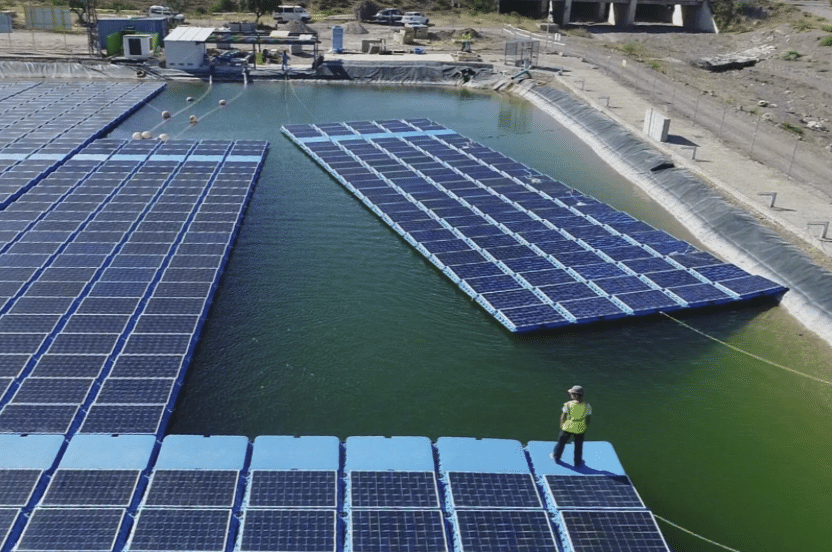
Agrivoltaics with storage—solar arrays integrated into farmland—secured the largest share: €77.1 million for 62 projects, including 19 in the Valencian Community and 13 in Catalonia. These sites will pair crop cultivation with battery-backed solar production, and grantees must report annually for five years on both energy output and agricultural impacts. Floating solar systems, mostly for agricultural irrigation ponds, received €10.1 million for 11 self-consumption plants. Another €23.4 million went to 27 projects integrating renewables into infrastructure such as transport corridors, brownfields, and former industrial sites, adding 45.6 MW and 133.2 MWh of storage. For community energy, €18.2 million was allocated to 67 shared self-consumption projects aimed at 4,000 vulnerable users, combining resilience with potential cost savings.

The Institute for Diversification and Saving of Energy (IDAE) will manage the funding call, oversee technical assessments, and monitor performance over five years. By tying storage to nearly every funded project, MITECO’s strategy moves Spain’s renewable expansion beyond simple generation toward a more flexible, dispatchable model that can deliver power when demand—not daylight—peaks.

FlexGen Gains Court Approval to Acquire Powin Assets, Expanding Global Energy Storage Reach

FlexGen Power Systems has secured approval from the U.S. Bankruptcy Court for the District of New Jersey to acquire key assets from Powin, a fellow energy storage company currently under Chapter 11 protection. The decision marks a major step forward for FlexGen, allowing it to absorb a significant portion of Powin’s business and technology. According to FlexGen’s announcement on August 6, the acquisition includes all of Powin’s intellectual property—both hardware and software—as well as its IT systems and spare parts inventory. Once the transaction is finalized, FlexGen’s portfolio will expand to more than 25 GWh of battery energy storage projects across 200 deployments in 10 countries. This move strengthens FlexGen’s position as a global leader in battery energy storage systems (BESS), further integrating its software capabilities with Powin’s hardware strengths.

The acquisition comes amid broader industry shifts, with Powin having filed for bankruptcy in June 2024 due to financial struggles linked to U.S. tariff policies and uncertainty around federal clean energy incentives. The company had previously warned of possible layoffs and operational shutdowns by July. To sustain operations during the bankruptcy process, Powin secured a $27.5 million DIP loan—backed by FlexGen as the stalking horse bidder. FlexGen’s motivation to acquire Powin appears rooted in strategic synergies: while FlexGen brings 15 years of software and microgrid control expertise, Powin contributes strong hardware integration and battery management technology. FlexGen’s leadership emphasized that the integration will ensure service continuity for Powin’s clients and improve system performance using its HybridOS® software and Remote Operations Center.

With this court approval, FlexGen now prepares to finalize the deal and absorb Powin’s operations, aiming to deliver enhanced grid reliability and uptime for customers worldwide.

Inside the Surge Toward Large-Capacity Storage Cells: What’s Driving the 500Ah+ Race

As the global energy mix accelerates its transition toward renewable energy, energy storage systems—key to balancing grid fluctuations and enhancing the consumption of green electricity—are facing increasingly urgent demands for cost reduction and efficiency improvement. In this context, increasing cell capacity has become a key focus of industry competition. From 280Ah and 314Ah to the emergence of 500Ah+ and even 600Ah+ products, the cell iteration cycle has significantly shortened. However, while large-capacity cells can reduce system costs, they also face a series of technical challenges and must undergo rigorous verification by investors regarding their safety and economic performance over the entire lifecycle. This article will analyze the internal logic and future outlook of large-capacity cell development from multiple dimensions, including technology, market, and manufacturing processes.

01 Large-Capacity Cell Deployment

As the need to reduce costs and improve efficiency in energy storage becomes increasingly urgent, cells are developing toward higher capacities. Currently, nearly 20 cell manufacturers have launched or planned 500Ah+ large-capacity cell products, and the iteration process is accelerating.

It took about three years for energy storage cells to evolve from 280Ah to 300+Ah, while it only took two years for 300+Ah cells to reach 500+Ah and even 600+Ah.

CATL is consolidating its dominant position in large-scale energy storage stations with its 587Ah cell, aiming to enhance customer service capabilities through a "high-capacity standard"; Sungrow, as a system integrator, has defined the 684Ah cell to build differentiated competitiveness through "cell-system" co-design; CALB and Rept Battero are focusing on 392Ah cell specifications to seek rapid market entry.

It is an industry trend for cell and system integration companies to increase cell capacity. However, whether project investors truly endorse large-capacity cells is still too early to determine and requires continuous market validation to assess the actual strength of large-capacity cells.

02 Why Develop Large-Capacity Cells

Cells are the most valuable component of the entire energy storage system and the main “battlefield” for ongoing iteration in storage integration technology, directly determining system configuration and integration solutions.

The fundamental purpose of building large-capacity cells is to reduce the number of cells, components, and footprint used in energy storage systems by increasing cell capacity, thereby lowering the overall investment cost of energy storage stations.

For example, CATL’s 587Ah cell can reduce the number of system components by 20% and increase space utilization by 30%. With fewer cells, the costs of connectors, fuses, BMS harnesses, and other auxiliary materials are significantly reduced.

From a system O&M cost perspective, for energy storage systems with the same capacity, the significantly reduced number of large-capacity cells means fewer potential failure points, lower monitoring and maintenance complexity, and reduced lifecycle O&M costs.

03 Technical Challenges of Large-Capacity Cells

During cell charging and discharging, when capacity exceeds 500Ah, electrode thickness must increase from 150μm to 250μm. The diffusion distance of Li⁺ in the LiFePO₄ lattice becomes longer, impeding internal electrochemical reactions and causing increased polarization voltage near the end of charging, which accelerates cell aging and shortens lifespan. Furthermore, increased polarization voltage at the end of charging generates excessive internal heat, potentially leading to thermal runaway, causing fires, explosions, and other safety incidents.

In manufacturing, electrode sheets require extremely high coating uniformity. As electrode size increases, thickness deviation also increases. The welding area of tabs in large-capacity cells is larger, increasing the probability of false welding or burn-through. During formation, uneven current distribution may cause inconsistent SEI film formation, affecting lifecycle consistency.

In system integration, large-capacity cells pose challenges in refined management and risk control. In a large-capacity system, the importance of a single cell increases significantly. In a 314Ah system, a single cell failure affects about 0.3% of cluster capacity, while in a 684Ah system, a single cell failure may affect 0.6% of cluster capacity. The long heat dissipation paths and high thermal resistance in large cells hinder quick heat transfer, demanding high reliability in thermal management design. To improve cooling, higher flow and pressure liquid cooling pumps are needed to ensure rapid circulation of coolant, and the related thermal components must offer superior heat dissipation performance and reliability.

At the application level, 314Ah systems are already mature. For investors, the safety, lifespan, and stability of large-capacity cell integration solutions are still based only on supplier reports without reliable operational data. The actual performance of large cells in operation remains uncertain, and in the short term, accepting large-cell integration solutions may face considerable challenges.

Therefore, the large-scale application of large-capacity cells will not happen overnight. Cell manufacturers will weigh process difficulty, cost, and market acceptance, while investors will consider safety, economic benefits, and convenience of cell replacement.

04 Manufacturing Process

Due to differences in R&D direction and technical accumulation among companies, there are divergent approaches to manufacturing large-capacity cells. The main manufacturing processes for 500Ah+ cells are winding and stacking.

Advantages of the stacking process: Stacked electrode groups are layered structures without bending, making full use of case space. Compared to winding, stacking offers higher energy density, lower internal resistance, lower temperature rise, better rate performance, and improved safety.

Disadvantages of the stacking process: Electrodes must be cut before stacking, and the cut surfaces may have burrs and dust, creating risk of internal short circuits. High precision is required in burr and alignment control during processing. High-precision semi- or fully-automated equipment is needed for trimming control, resulting in higher equipment and production costs.

Advantages of the winding process: The roll core is formed through high-speed rotation with minimal mechanical action and short auxiliary time, yielding high production efficiency. Winding requires only two spot welds per cell and is relatively simple to operate. Winding machines are cheaper, with lower investment cost.

Disadvantages of the winding process: With single tabs on positive and negative electrodes, part of the voltage is lost in internal polarization, resulting in poor charge/discharge rate performance. During winding, uneven tension on electrodes and separators can cause wrinkles. Electrode expansion and contraction impact cell cycle life.

05 Standardization or Diversification

After the issuance of Document No. 136, the marketization of energy storage station investment and operation accelerated. Investors are focusing more on the full-lifecycle revenue of storage equipment. Since the industry has reached consensus on “thermal runaway warning thresholds” and “cycle life bottom lines” for cells, a safety baseline has been established for system adaptation across different cell sizes. Additionally, on the communication layer, BMS-cell communication protocols and state monitoring parameters are gradually being unified, enabling different cell sizes to connect to the same monitoring system. Against this backdrop, the evolution of storage cell size is not a binary choice but a dynamic process of maintaining differentiated innovation within a unified framework.

Therefore, in the short term, differences in priority regarding capacity, density, cost, and safety across various markets drive divergent design logic. A competitive structure will emerge with 314Ah, 392Ah, and 500Ah+ cells complementing each other. The 314Ah and 392Ah cells will continue to dominate the 2h and 4h storage markets, while 500Ah+ will focus on long-duration storage above 4h. Furthermore, as market competition intensifies, companies with different market standings are adopting divergent strategies to capture market share. Leading enterprises promote single-standard products to redefine the next generation of cell size; second- and third-tier companies pursue multi-specification strategies to meet diverse customer needs, resulting in short-term intensification of cell size diversification and a blooming landscape.

In the long term, as storage duration increases and large-cell manufacturing advances, whether it’s 530Ah, 587Ah, or 684Ah cells, their application performance across various markets and their impact on station and system design will be critical. Integrators will choose appropriate technical paths based on these factors, further reinforcing size diversity. The winding process, with its lower overall manufacturing cost, will target the sub-600Ah market, while stacking—offering uniform internal stress distribution and low heat generation—will aim at the 600Ah+ segment.

06 Trend Outlook

Cells should not simply pursue larger capacity but also consider investor acceptance. Therefore, large-cell development should start from aspects such as energy storage systems, AC-side distribution, and post-operation and maintenance, exploring technical innovation paths to reduce LCOS costs.

Although 500Ah+, 700Ah+, and even 1000Ah+ cells are emerging one after another, large-capacity cells have yet to achieve large-scale deployment. It is still too early to determine which type will become the mainstream next-generation product. Ultimately, the winning cell type will depend on a company’s deep understanding of system boundaries, rational judgment of technical tipping points, and flexible responsiveness to application scenario demands.


CNESA BESS-Smart Manufacturing Forum Successfully Held! Industry Chain Explores Synergistic Advancement of “Energy Storage Technology + Intelligent Manufacturing”

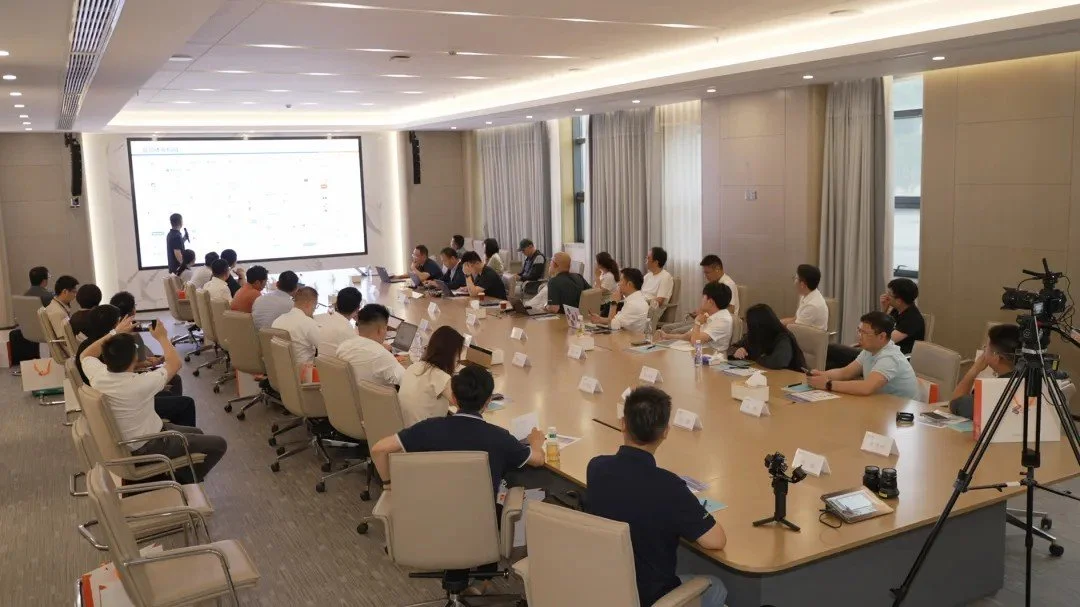
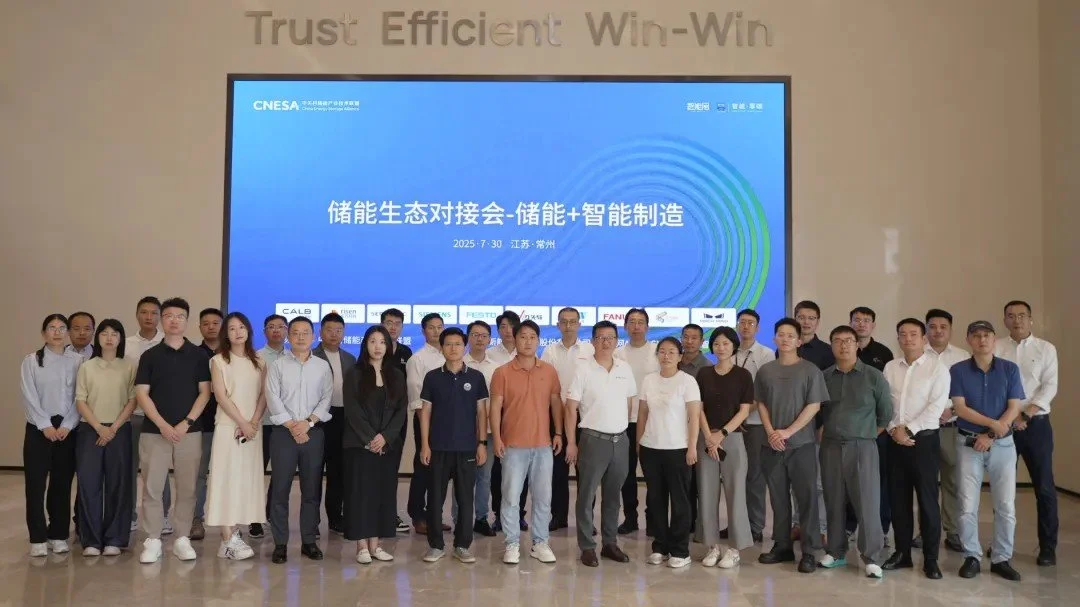
This is an era where the energy revolution and manufacturing transformation intersect. Energy storage technology, centered on “next-generation cells + intelligent manufacturing,” is reshaping the global energy landscape. On July 30, the “CNESA BESS-Smart Manufacturing Forum” ignited a storm of ideas at the CALB Changzhou base.

This forum was organized by the China Energy Storage Alliance, co-organized by CALB, Ainet.cn & Xinhua News Agency Intelligent Zero Carbon, focusing on the deep integration of energy storage technology innovation and intelligent manufacturing. Leading enterprises in the industry chain, including Siemens Digital Industries Software, FANUC Robotics, Festo, Autowell, CALB, and Risen Energy, participated. Through keynote speeches and roundtable discussions, they explored cost-reduction and efficiency-enhancement paths and ecological collaborative innovation in the era of new-generation cells.

Breaking Technical Barriers

Large-Capacity Cells Drive System Integration Transformation

With the vigorous development of the energy storage industry, the energy storage market is accelerating from “scale competition” toward “value cultivation,” and technological innovation is expanding from individual components to system-level solutions. Energy storage technology is undergoing full life-cycle cost optimization and comprehensive improvement of scenario adaptability.

Cell and system suppliers represented by CALB emphasize achieving technical cost reduction through material innovation and system integration. Risen Energy, starting from end-product design, addresses installation and O&M pain points through modularization, lightweighting, and intelligence. Both approaches point to the core proposition currently facing the energy storage industry.

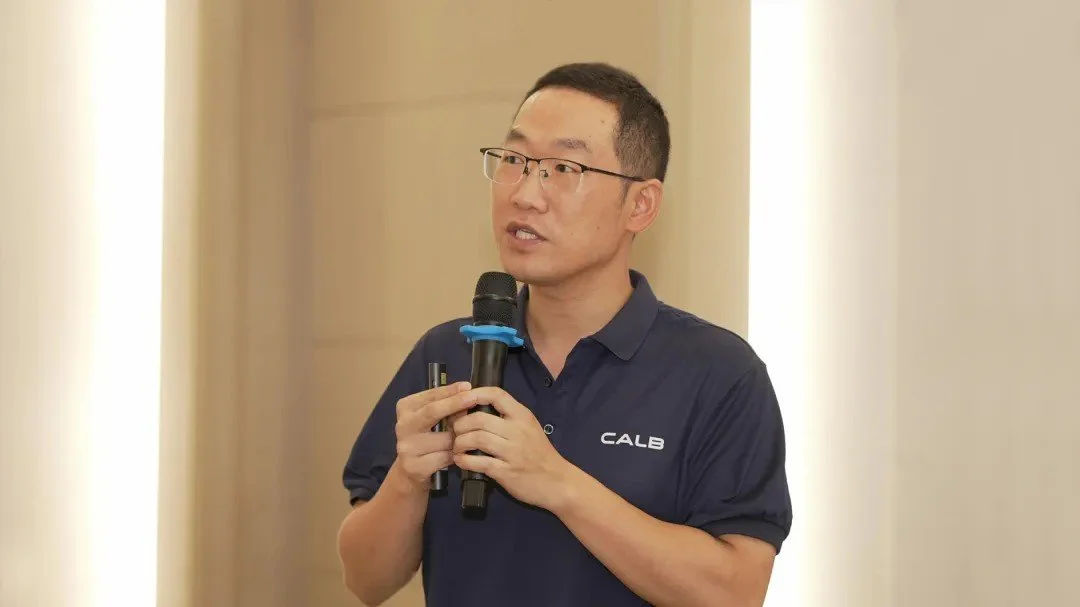
Zhang Rui, CALB Technology Group Co., Ltd.

Energy Storage Product Director

Zhang Rui, Energy Storage Product Director of CALB, stated that CALB’s technology trends focus on reducing full life-cycle costs through high-energy-density cell iteration, system high-voltage design, and functional integration to achieve dual reductions in investment and O&M costs. Through technological innovation and intelligent deployment, CALB launched the 392 cell, 314B long-cycle cell, and 6.25MWh container system, achieving a 25% increase in energy while reducing costs by 18%, and ensuring smooth technological iteration through compatible production line design.

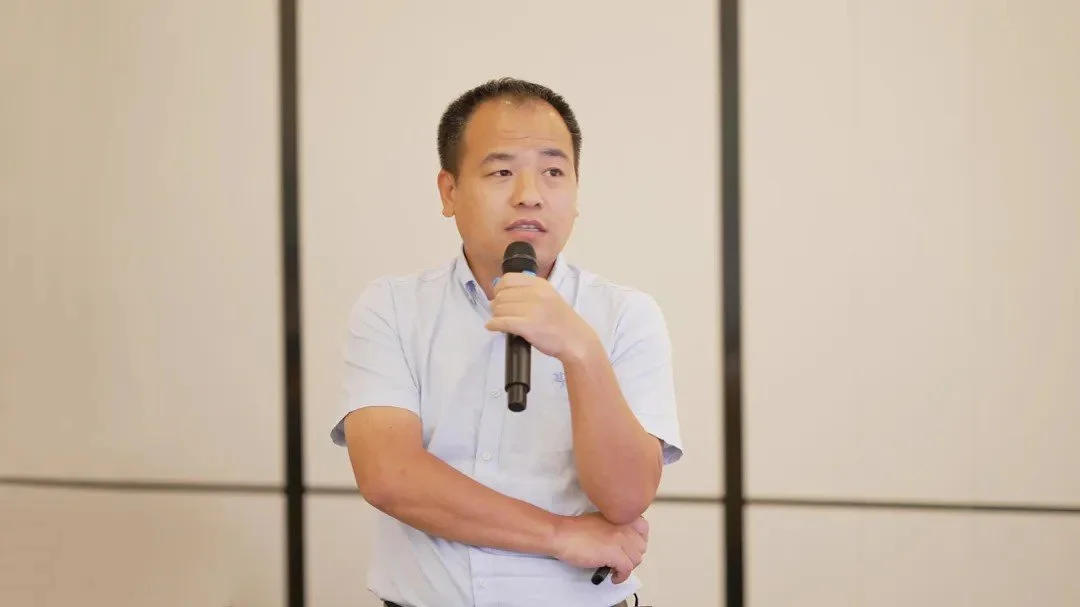
Gou Zhiguo, Risen Energy

Chief Electrical Design Engineer

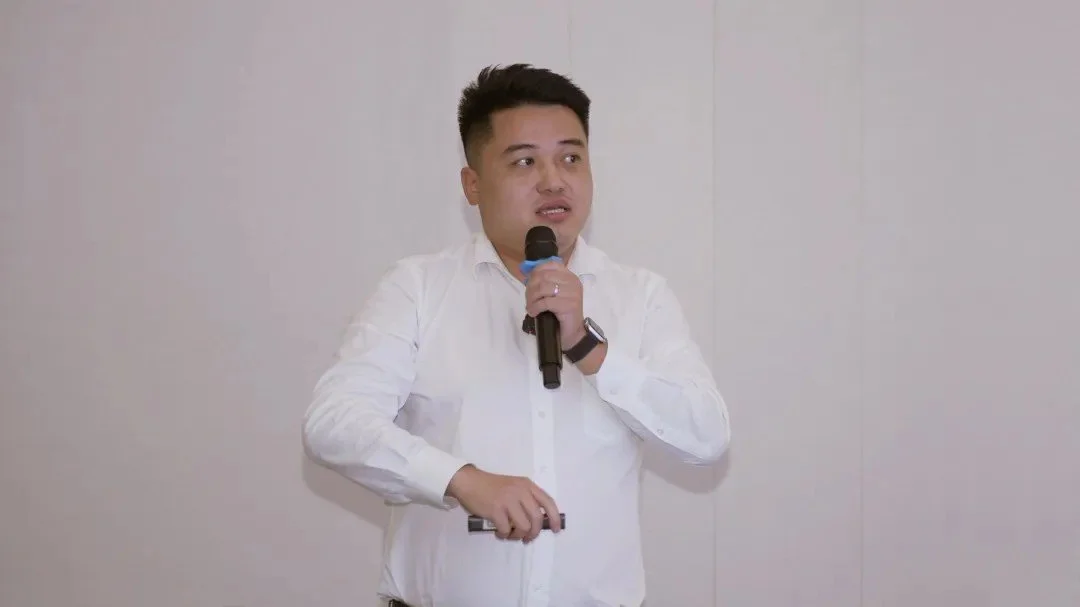
Gou Zhiguo, Chief Electrical Design Engineer at Risen Energy, stated that in the current mainstream energy storage market, small-capacity residential products below 48kWh are already widespread, and large-capacity C&I energy storage products above 120kWh are already mature. However, the 50–120kWh range still lacks high-quality, mature products for customers to choose from. Risen Energy launched the Risen Stack1 stackable all-in-one machine, perfectly covering the 48–120kWh range, providing flexible expansion solutions and effectively lowering customers’ initial investment threshold. Through technological upgrades or design in extreme safety, simplified transportation, easy installation, and intelligent temperature control, the solution addresses the industry’s cost-reduction needs from multiple dimensions—investment, O&M, and usage—providing efficient and flexible solutions for distributed energy storage.

Intelligent Manufacturing Upgrade

Digital Software and Robotics Reshape Production Landscape

Currently, key performance indicators of batteries continue to improve, and production processes are constantly innovating—from material R&D to manufacturing process optimization, platform assembly processes, and fast-charging technology—accelerating the entire industry chain’s iteration. In the face of fierce market competition, only by leveraging technological innovation and achieving ultimate cost-control capability can companies stand out, gain market share, and maintain profitability. This offline forum gathered leading companies from various segments of intelligent manufacturing to share progress and applications in digital software, industrial robotics, and 3D vision technologies.

Li Wei, Siemens Digital Industries Software

Technical Director for Energy and Battery Industry

Siemens and Festo both emphasized the value of software-hardware collaboration. Li Wei, Technical Director for Energy and Battery Industry at Siemens, stated that Siemens has built an end-to-end solution matrix covering the entire core business and intelligent manufacturing processes of battery energy storage enterprises, from R&D design and production execution to recycling management, forming a digital twin system. In the cell manufacturing stage of the energy storage industry chain, Siemens’ structured process expression technology enables interconnection of equipment parameters, solving the inefficiency of traditional form-based management. In the system integration stage, BMS and thermal runaway simulation technology improve energy storage safety through multi-condition simulation, particularly meeting the stringent thermal management requirements of the new national standard. In addition, Siemens’ industrial AI technology deeply integrates with knowledge of the battery manufacturing industry, leveraging Siemens’ robust industrial database and case experience to help the battery energy storage industry accelerate into the intelligent era.

Lu Yijiang, Festo Greater China

Key Account Manager for New Energy Industry

Festo focuses on the technical concept of “pneumatic-electric integration and software-hardware synergy,” providing customers with one-stop solutions. Lu Yijiang, Key Account Manager for the New Energy Industry, stated that Festo’s new-generation VTUX valve terminal platform integrates solenoid valves, proportional valves, and vacuum generators, reducing wiring costs and installation space by 30%. The Festo AX digital solution monitors data in real-time and uses artificial intelligence (AI) for analysis. Its predictive maintenance software monitors the health status of cylinders, provides early risk warnings, facilitates maintenance planning, and avoids unexpected downtime. Festo is committed to improving customers’ productivity and injecting new momentum into automation development.

The automation level of the battery energy storage industry is high, and customers are paying more attention to building intelligent and flexible production models to adapt to changes in market demand. FANUC, AUBO Robotics, and Mech-Mind each provided cutting-edge solutions and practical cases to meet customers’ needs for optimizing production processes.

Wang Hao, FANUC Robotics

Deputy Director, New Energy Sales Department

Wang Hao, Deputy Director of FANUC Robotics’ New Energy Sales Department, stated that in response to the growth trend of domestic and export business in the energy storage industry and the increase in battery pack weight, FANUC leverages heavy-duty robots combined with high-rigidity rails to achieve automatic warehousing of 700 kg energy storage containers. High-speed robots, with vibration suppression technology and temperature drift control, lead the industry in cycle time for photovoltaic cell and cell stacking processes. From a safety perspective, the DCS dual-CPU system monitors fixture movement paths and uses the Smooth Stop mechanism to reduce the working area, significantly lowering space costs.

Ruan Sheng, AUBO Robotics

Marketing Director

Ruan Sheng, Marketing Director at AUBO Robotics, addressed issues in the current lithium battery industry such as single-machine automation, manual product switching, long delivery cycles, and low production line intelligence, offering targeted solutions. AUBO’s collaborative robots can be deployed quickly to achieve flexible production and shorten the investment return period for single-station automation upgrades. Its modular joint (servo + integrated drive control) supports rapid deployment of process packages such as gluing and screw locking. The three-encoder design resists temperature drift, and on-site commissioning time is only one-tenth that of traditional gantry systems.

Zheng Hao, Mech-Mind Robotics Co., Ltd.

Sales Manager

Zheng Hao, Sales Manager at Mech-Mind, presented the application of AI + 3D vision in manufacturing upgrades. AI + 3D vision supports intelligent and flexible lithium battery production, addressing challenges such as high-precision positioning, complex material recognition, and compatibility with multiple product types throughout the entire process from cells to modules and PACKs. While ensuring product quality, it improves production efficiency, reduces errors and downtime caused by various factors, significantly lowers production costs for customers, and enhances overall economic benefits.

From digital twins to pneumatic control, from heavy-duty robots to collaborative robots, and from 3D vision onward, intelligent manufacturing technology is deeply integrating along the chain of “virtual optimization – hardware execution – quality control,” driving the energy storage industry to accelerate toward high compatibility, low full life-cycle cost, and high safety.

Roundtable Discussion

Ecosystem Formation of the Industry

This roundtable forum focused on the integrated innovation of the energy storage industry and intelligent manufacturing. Moderated by Lead Intelligent, representatives from Siemens Digital Industries Software, FANUC Robotics, Festo, and Autowell discussed the technical challenges of large cells and cost-reduction and efficiency-improvement paths in depth. Regarding full life-cycle cost optimization and future development of large cells, the consensus among all parties is: taking intelligent manufacturing as an anchor point, connecting the entire chain of large-cell R&D, flexible production, and global services, and pushing the energy storage industry toward a critical point of qualitative change through technological innovation and process upgrades.

Currently, intelligent technologies represented by large models and embodied intelligence are deeply reconstructing the underlying logic of energy storage manufacturing. This forum, structured around the three progressive themes of “Breaking Technical Barriers – Intelligent Manufacturing Upgrade – Ecological Resonance,” explored the era-defining issues facing the energy storage industry, provided new ideas and insights for the further development of large-cell technology, and strongly promoted the key leap of China’s battery energy storage industry from “single innovation” to “system-level ecological competitiveness.”

Annual Output of 5GWh! Jinko ESS and EVE Energy’s Joint Cell Factory Officially Starts Mass Production

On August 4, Jinko ESS, a global leading energy storage enterprise, and EVE Energy, a leading lithium battery company, jointly announced that their dedicated energy storage cell joint factory has officially entered the mass production stage.

The factory completed full-link equipment commissioning in May 2025, and the production lines were fully operational in June. It will supply Jinko ESS with 5GWh of 314Ah energy storage cells annually. EVE Energy will dispatch experts to assist the joint factory in quickly reaching industry-leading standards and fully meeting Jinko ESS’s rapidly growing global energy storage business demands.
The 314Ah energy storage cells produced by the joint factory are specifically designed for commercial, industrial, and large-scale energy storage systems. They achieve full-process optimization from material selection and process parameters to quality control, significantly enhancing energy density and system integration efficiency, thereby providing cells with large single-unit capacity, long cycle life, and high safety, perfectly matching Jinko ESS’s liquid-cooled energy storage systems.

Jinko ESS CEO Zhou Fangkai stated: “The mass production of this joint factory marks Jinko ESS’s extension from system integration to core cell manufacturing in the vertical industry chain. The joint factory combines our resources and technological advantages to provide customers with outstanding energy storage cells. The 314Ah cell, deeply integrated with intelligent electrical control and liquid cooling systems, can offer safer, more efficient, and cost-effective energy storage solutions for commercial, industrial, and large-scale ground-mounted power stations.”

The global energy storage market is currently growing at an annual rate of more than 30%, and the newly installed global energy storage capacity is expected to exceed 200GWh in 2025. With the 5GWh capacity of the joint factory, Jinko ESS can provide stable and reliable energy storage solutions for global customers, creating a significant competitive advantage especially in high-growth overseas markets.

Dr. Du Shuanglong, General Manager of EVE Energy CLSBG, stated: “The mass production of the joint cell factory is an important achievement of both parties in vertical integration and technological collaboration in the energy storage industry chain. With the global energy storage market growing rapidly, EVE Energy will continue to deepen its strategic partnership with Jinko ESS, leveraging both sides’ complementary advantages in cells, systems, and markets to jointly explore cell iteration and intelligent system solutions, promoting industry upgrades.”

Spain & Portugal: Galp Breaks Ground on 147MWh Grid-Forming Battery Projects in Iberia with Sungrow Tech

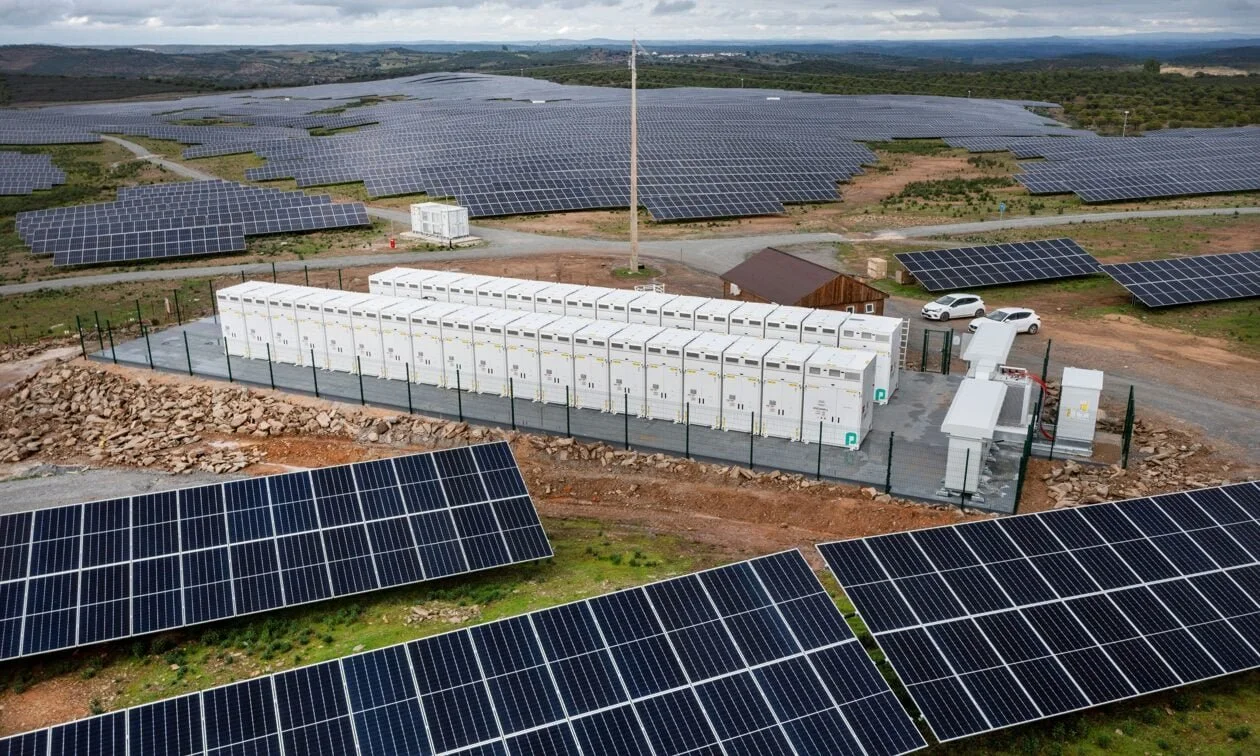
A 5MW/20MWh BESS project Powin and Hitachi deployed for Galp in Portugal. Image: Powin / Hitachi / Galp.

Galp has kicked off construction on five new battery energy storage system (BESS) projects in Spain and Portugal, marking a major step in its clean energy strategy. According to the company, the installations will total 74MW/147MWh and connect directly to solar power plants. Four of the projects are located in Portugal and will add 60.5MW/120.4MWh of capacity near Galp’s Alcoutim solar farms. These are being partially funded through a €100 million Portuguese government scheme backed by the EU’s Recovery and Resilience framework. A fifth BESS, sized at 14MW/28MWh, will be built in Manzanares, Spain. All systems will use Sungrow’s PowerTitan 2.0 technology and feature grid-forming inverters, enabling them to provide advanced services such as fast frequency response, voltage regulation, and synthetic inertia.

Galp’s Control Center will oversee the real-time operation and optimization of the new systems, managing both energy production and storage across Portugal and Spain. This builds on Galp’s earlier 5MW/20MWh project in Portugal, developed with Powin and Hitachi before Powin entered administration. With the ability to deliver multiple ancillary services, Galp is positioning these BESS projects to play a pivotal role in the Iberian grid as renewables expand. Spain recently launched a €700 million energy storage incentive program, while Portugal announced an additional €400 million investment last week aimed at boosting grid stability and BESS deployment. Both nations are clearly moving to address rising grid challenges, especially after a region-wide blackout earlier this year spotlighted the need for more robust infrastructure.

The integration of solar and storage continues to gain traction in the region. A recent hybrid solar-plus-storage power purchase agreement between Zelestra and EDP underscores market momentum. While Spain’s additional funding plans remain in discussion, the region’s shift toward hybrid, grid-forming systems is well underway.

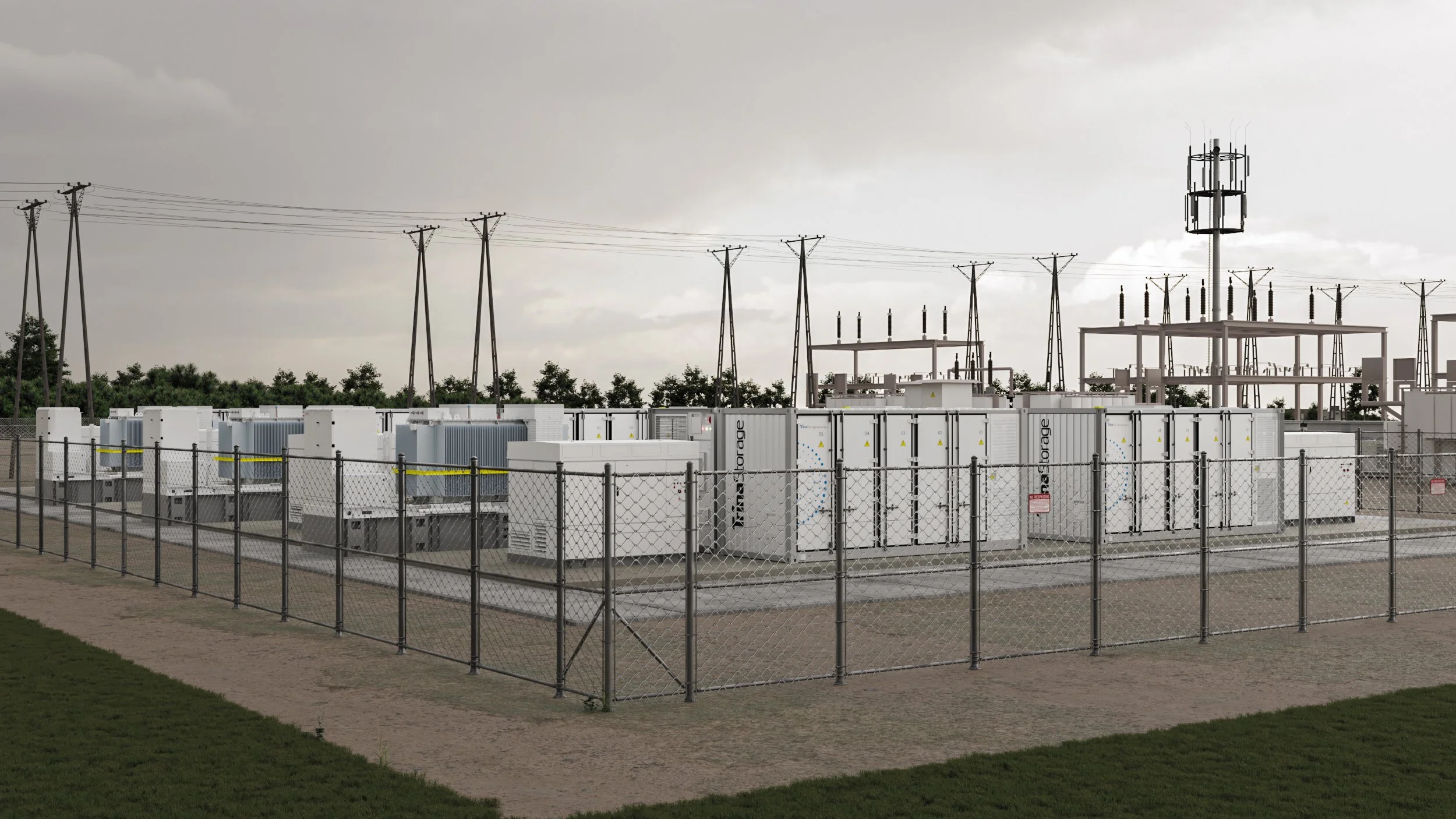
Romania: Trina Storage to Deliver 65MWh Battery System for Romanian Energy Project

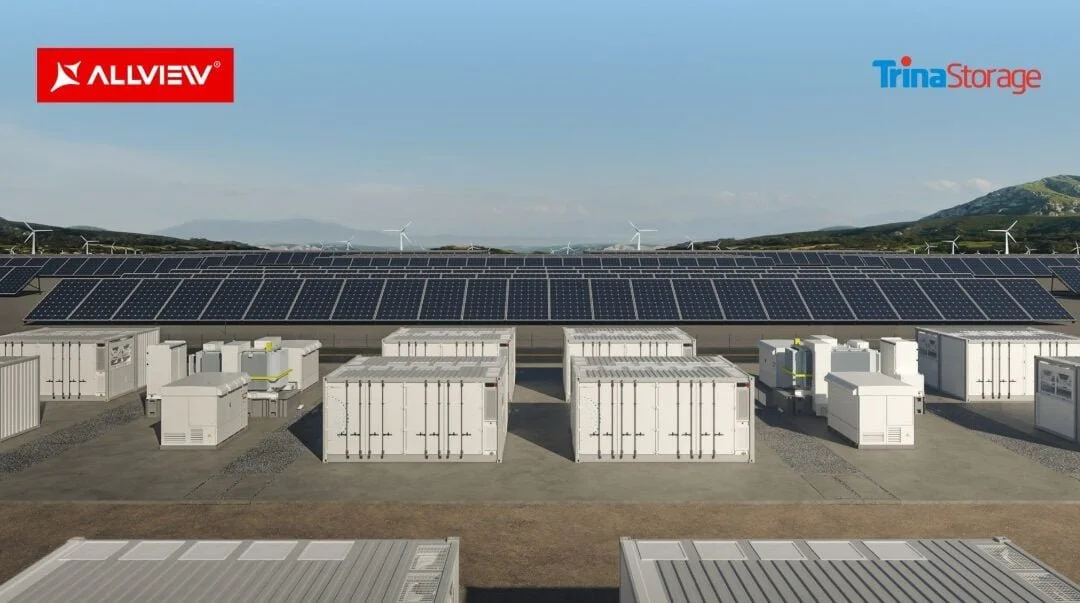
Romania BESS project, Allview, Trina Storage

Trina Storage is set to supply a 65MWh battery energy storage system (BESS) for a new project in Romania, marking its first deployment in the country. The initiative, located in Toplița, Harghita County, is being led by Allview, a subsidiary of Visual Fan, which will oversee engineering, procurement, and construction. Trina Storage, the energy storage arm of Chinese solar company Trinasolar, will provide 16 Elementa 2 battery units for the DC-side of the system. The project is part of a broader multi-gigawatt-hour expansion strategy across Europe. According to Trina Storage Europe’s head Gabriele Buccini, the Toplița deployment signals a long-term commitment to Eastern Europe’s growing energy storage market.

Allview will also handle the full AC scope, including the power conversion system and medium-voltage infrastructure. The system is being developed for Renovatio Trading, a power services and trading firm that secured support under Romania’s EU Recovery and Resilience-backed capex scheme. This national initiative, finalized in late 2024, aims to fund up to 2.5GWh of BESS capacity. Since its rollout, several large-scale projects have moved into development with key players such as Güri̇ş Group, R.Power, Electrica, and Hidroelectrica. Renovatio’s Toplița project represents a total investment of RON 126.5 million (€24.5 million) and is expected to be operational by June 2026.

The project’s momentum coincides with Romania’s recent regulatory shift. Last month, the National Energy Regulatory Authority (ANRE) ended the double taxation of energy storage, removing a major financial barrier. Meanwhile, other companies, including China-based Hithium, are also targeting Romania for long-duration energy storage ventures. While Trina Storage expands its presence, the broader sector is gaining traction through increased policy support and international investment.

Bulgaria Commits €600 Million to Nearly 10GWh in Energy Storage, Advancing Regional Clean Energy Goal

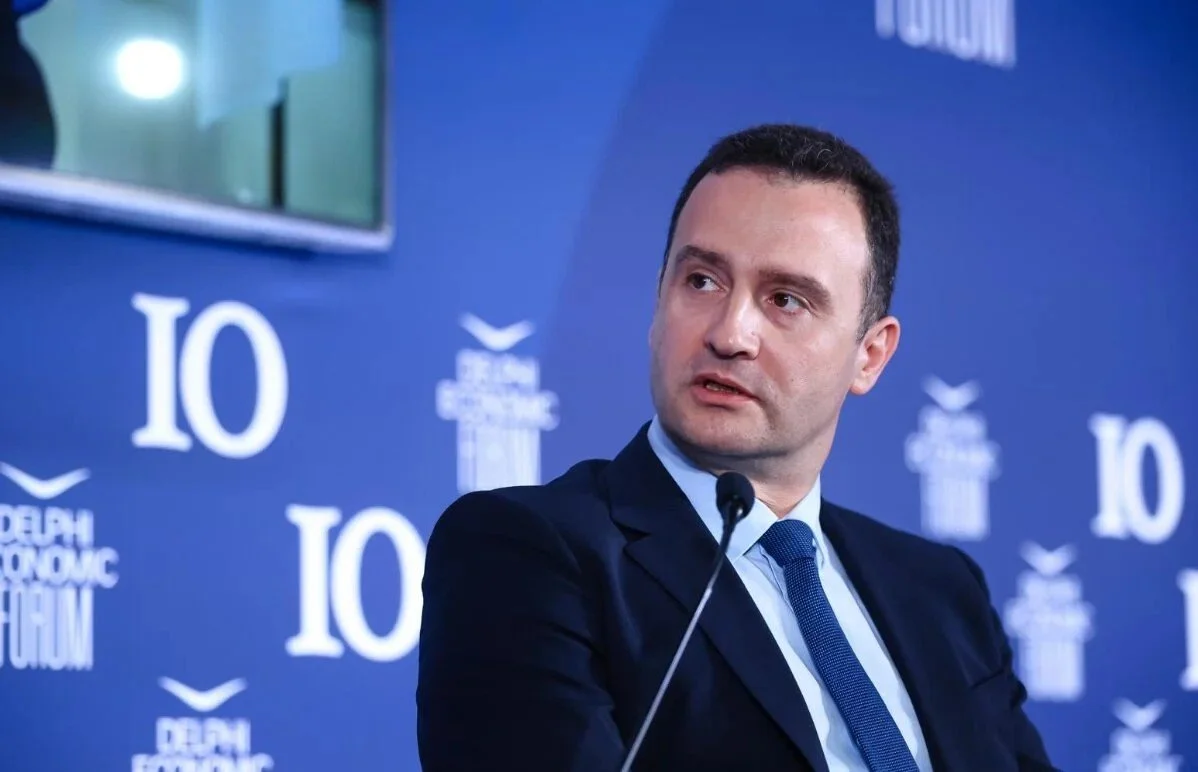
Bulgaria’s Minister of Energy Zhecho Stankov. Image: Ministry of Energy.

Bulgaria’s Ministry of Energy has approved €588 million in funding for 82 standalone battery energy storage projects, totaling nearly 9.7GWh of usable capacity. The final decision, announced on April 17, 2025, concludes a competitive selection process that began with 151 proposals in August 2024. The selected projects—funded under the EU-supported RESTORE program—will receive up to 50% of construction and commissioning costs, aiming to reinforce grid stability as Bulgaria scales up renewable energy deployment.

RESTORE (National Infrastructure for Storage of Electricity from Renewable Sources) is part of the EU’s Recovery and Resilience Facility, targeting post-pandemic economic revitalization and energy transition. All approved storage systems will connect to either Bulgaria’s transmission network operated by ESO EAD or local distribution grids. Another 30 projects were placed on reserve for potential future funding worth BGN 415 million. The RESTORE initiative is distinct from an earlier program concluded in November 2024 that awarded support for 3.1GW of renewable generation and 1.1GW of co-located storage.

This major public investment follows growing private-sector activity. As reported in our previous article, SUNOTEC and Sungrow signed a landmark agreement in July 2025 to deploy 2.4GWh of storage across hybrid solar projects, including some tied to RESTORE funding. Bulgaria’s largest commissioned system to date is a 25MW/55MWh installation by Renalfa (June 2024), followed by an 18.7MWh project from China-based Sermatec. In February 2025, state utility NEK announced plans to deploy nearly 300MWh of storage across five hydropower sites.

Following the January 2025 appointment of new Energy Minister Zhecho Stankov, the RESTORE rollout signals a coordinated push to modernize Bulgaria’s grid and accelerate its renewable energy ambitions.

China National Energy Administration Released Official Report Highlighting 130% Growth in Installed Capacity of Energy Storage

China’s National Energy Administration (NEA) has released the China New Energy Storage Development Report 2025, marking the first official and comprehensive government report dedicated to the country’s rapidly advancing new energy storage (NES) sector. The report, jointly prepared by the NEA’s Department of Energy Conservation and Scientific and Technological Equipment and the China Electric Power Planning and Engineering Institute (EPPEI), details the NES sector’s significant growth in 2024 and outlines strategic priorities for 2025.

The report draws in part on industry data, including contributions from the China Energy Storage Alliance (CNESA), which provided relevant data sets and research inputs to support the government’s analysis. CNESA’s involvement reflects the report’s collaborative yet government-led nature, ensuring data integrity and broad sectoral representation.

The most notable finding: by the end of 2024, China had reached 73.76 GW / 168 GWh in cumulative new energy storage capacity—an increase of more than 130% year-on-year. This figure accounts for over 40% of the global total, consolidating China's leading position in the international NES market.

This inaugural report provides an authoritative account of NES development across China, covering industry trends, policy advances, technological progress, and market performance in 2024. It also sets the direction for the year ahead under the framework of China’s “dual carbon” goals and the ongoing construction of a new power system.

Highlights from the 2025 Energy Storage Report

According to the NEA, 2024 saw the addition of 42.37 GW / 101 GWh in new NES capacity. The average storage duration rose to 2.3 hours, reflecting ongoing improvements in system design and grid integration. Northern and northwestern regions led deployment, with Inner Mongolia and Shandong among the top contributors.

Technology-wise, lithium-ion batteries remained dominant, comprising 96.4% of total installed capacity. However, the report notes growing deployment of alternative technologies such as compressed air storage, vanadium flow batteries, sodium-ion systems, and gravity-based storage—often through national pilot projects or demonstration zones.

The report also finds that storage systems are increasingly delivering value across multiple use cases. Independent and shared storage facilities now make up 46% of total capacity, while co-located storage with renewable energy accounts for 42%. Operational efficiency also improved significantly in 2024, with national average equivalent utilization hours increasing by 300 hours over the previous year.

Policy Outlook for 2025

Looking ahead, the NEA has identified five key priorities for 2025: advancing scientific planning, refining market participation mechanisms, accelerating core technology R&D, enhancing the multi-role of NES in the power system, and strengthening China's position in the global NES industry.

Work is already underway to draft the “15th Five-Year Plan” for NES, which will clarify national development goals, coordinate regional implementation strategies, and support industry standardization efforts.

The China New Energy Storage Development Report 2025 represents a major milestone in the institutionalization of NES planning and governance in China. By quantifying progress and clarifying national strategy, the NEA affirms its commitment to scaling advanced energy storage as a cornerstone of China’s future energy system.

HiTHIUM Secures 720MWh UK Energy Storage Deal with Elements Green to Boost Renewable Grid Capacity

HiTHIUM has been awarded a major 720MWh battery energy storage system (BESS) contract in the United Kingdom by renewable infrastructure developer Elements Green, according to a company announcement dated July 29, 2025. The partnership marks one of the largest energy storage projects in the country to date, with completion expected in 2027. HiTHIUM, a global energy storage provider, will supply its 5MWh BESS DC blocks along with fully customized integration solutions. The initiative is designed to support grid stability, mitigate renewable energy curtailment, and advance the UK’s net-zero goals, highlighting a major step forward in Europe's clean energy transition.

Image: HiTHIUM

The project will deploy HiTHIUM’s latest containerized BESS technology built around its proprietary 314Ah prismatic cells, designed for long lifespan, enhanced safety, and grid-scale scalability. According to the announcement, the solution is engineered to provide high efficiency and cost-effective storage over time, key for supporting increasing renewable penetration. The company also emphasized its ongoing commitment to localizing operations in the UK, with dedicated delivery teams and a growing support infrastructure already in place. Since launching its European division in 2023, HiTHIUM has established engineering, sales, and service capabilities aimed at ensuring rapid project execution and long-term system reliability.

As HiTHIUM continues to expand across Europe, the UK project strengthens its role as a major player in global energy storage. Ranked among the world’s top three battery suppliers by shipment volume in 2024 (CNESA), the company views this agreement as both a strategic milestone and a testament to its innovation-driven approach.

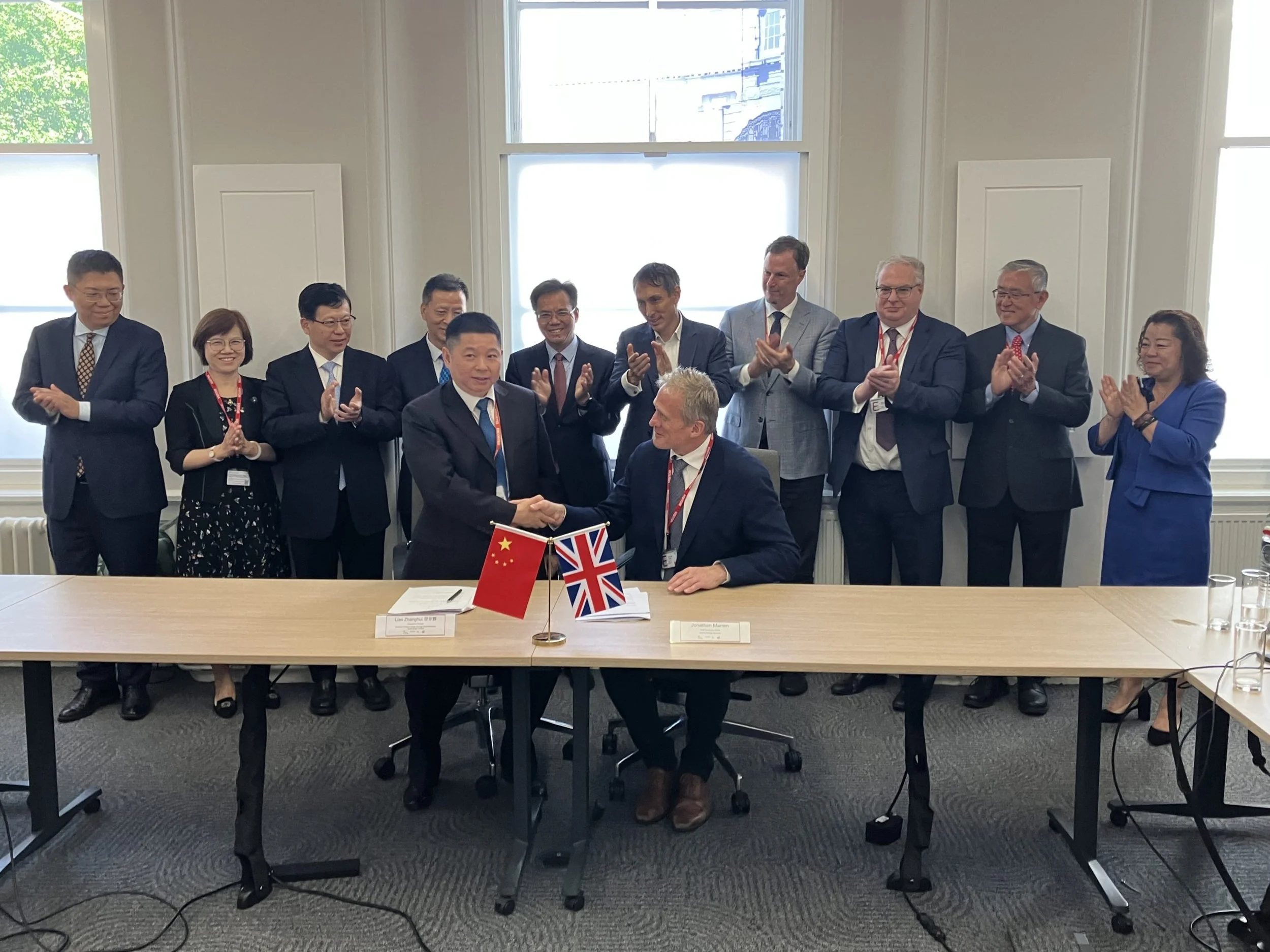
China Southern Power Grid and PLN Partner to Advance Indonesia’s Energy Storage Development

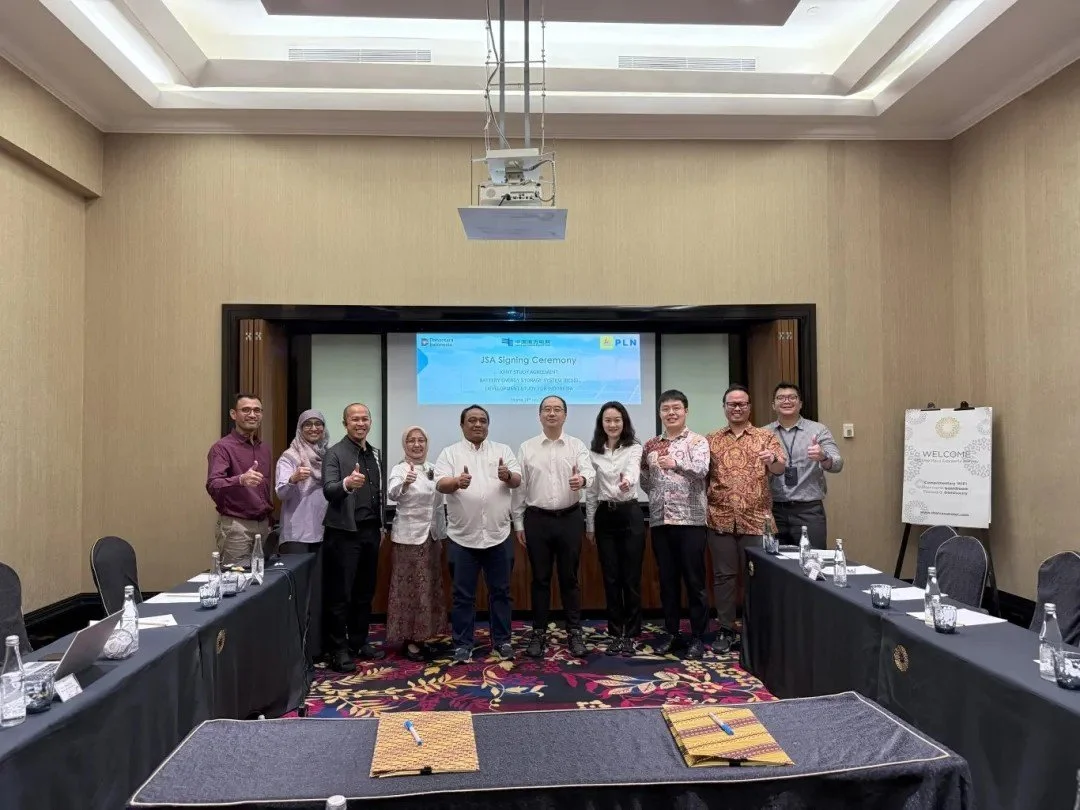
China Southern Power Grid International (Hong Kong) Company and Indonesia’s State Electricity Company (PLN) officially signed a cooperation agreement. (Photo provided by China Southern Power Grid International Company)

China Southern Power Grid International (Hong Kong) Company has signed a cooperation agreement with Indonesia’s State Electricity Company (PLN) to jointly explore the development of energy storage in Indonesia. Announced on July 24, the partnership aims to align Indonesia’s energy infrastructure with modern storage technologies by conducting targeted research and providing actionable solutions. The Chinese firm will contribute its expertise in energy storage planning, investment, construction, and operations, supporting Indonesia's efforts to modernize its power grid and shift toward renewable energy.

According to the source, the collaboration will focus on five key areas: long-term energy storage development planning, investment policies, electricity pricing mechanisms, technical solutions, and safety-health-environment standards. By tailoring strategies to Indonesia’s current grid structure and energy demands, both parties aim to generate system-level, replicable models for managing energy transition. The agreement also signals an expansion of China Southern Power Grid’s regional influence, offering a model for broader Southeast Asian energy initiatives.

The project will be jointly implemented by China Southern Power Grid International (Hong Kong) Company and China Southern Power Grid Energy Storage Company. The Hong Kong office will serve as a platform for international operations, while the energy storage division will provide technical guidance. The agreement represents a strategic move to integrate China’s “Southern Grid Solution” into global energy transformation efforts.

Portugal Unveils Major Measures to Strengthen Electricity Grid Security

Minister of Environment and Energy Maria da Graça Carvalho at the presentation of the 31 measures to boost the security of the National Electricity System, Lisbon, 28 July 2025 (Tiago Petinga/Lusa)

Portugal has announced a comprehensive set of measures aimed at significantly improving the resilience and security of its national electricity system. Environment and Energy Minister Maria da Graça Carvalho presented the plan in Lisbon on July 28, emphasizing that while a blackout is not expected, the country is now better prepared to face such events. The initiative, which outlines 31 targeted actions, focuses on five key areas: grid resilience, strategic planning, renewable energy acceleration, critical infrastructure readiness, and international cooperation.

A central element of the strategy involves doubling the number of black start power stations from two to four by January, adding Baixo Sabor and Alqueva to the existing Tapada do Outeiro and Castelo de Bode facilities. A €137 million investment will fund modernization efforts to enhance grid operation and control systems. The government also plans to launch a 750 MVA battery storage auction by January 2026 and offer €25 million in support for hospitals, utilities, and other critical services to improve emergency response capabilities.

Additional measures include revising the Zones of Great Demand model to spur economic activity, increasing compensation to municipalities hosting renewable projects, and mandating local community involvement. A new “Green Map” will identify pre-approved zones for clean energy development, speeding up environmental approvals. The government also aims to simplify rules for self-consumption and energy communities.

On the international front, Portugal is working closely with Spain to prioritize stronger EU-wide grid interconnections, particularly with France. Minister Carvalho highlighted Spain’s recent loan from the European Investment Bank to advance this goal as a tangible result of this cooperation.

Marking three months since the April 28 blackout that began in Spain, Carvalho assured that, despite the ongoing investigation, Portugal’s electricity system remains robust and reliable.

United States: New York Launches First Bulk Energy Storage Solicitation to Boost Grid Resilience

New York State has officially launched its first Bulk Energy Storage Request for Proposals (RFP), aiming to procure one gigawatt (GW) of energy storage capacity, Governor Kathy Hochul announced on July 28. The solicitation, led by the New York State Energy Research and Development Authority (NYSERDA), marks the first of three procurement rounds under the state’s broader goal to deploy six GW of storage through its Energy Storage Roadmap. According to state officials, this strategic move is designed to enhance grid reliability, reduce electricity costs, and support New York’s clean energy transition. The projects awarded through this RFP will help double the amount of energy storage currently deployed, contracted, or awarded across the state. NYSERDA’s solicitation is notable for integrating newly adopted fire safety codes—even before they take effect in 2026—into its program requirements to ensure safe deployment and emergency preparedness.

Applicants must first pass an initial qualification phase, with Step One applications due by September 4, 2025. Qualified proposers will then be invited to submit full project bids. Projects selected for contracts must demonstrate operational readiness and meet rigorous safety benchmarks before receiving compensation through the new Index Storage Credit (ISC) mechanism. Modeled after existing clean energy credit systems, the ISC is a market-based incentive tied to actual performance and availability of storage systems.

In tandem with the RFP, NY Green Bank is offering financing options to support project development. NYSERDA also continues to work with local governments to ensure communities are equipped for responsible siting. According to the source material, this solicitation is a pivotal step toward meeting the state's climate goals, with at least 35% of project benefits directed to disadvantaged communities. Further solicitations are expected as New York advances its climate and energy agenda.

SUNOTEC and Sungrow Ink Landmark Deal for 2.4 GWh Energy Storage in Bulgaria

SUNOTEC and Sungrow have announced a groundbreaking partnership to deploy 2.4 GWh of battery energy storage systems (BESS) across several solar energy projects in Bulgaria and broader Europe. Signed on July 28, 2025, in Sofia, the deal marks a major step in energy transition for Southeastern Europe, combining SUNOTEC’s expertise in solar infrastructure with Sungrow’s globally acclaimed storage technology. The new portfolio includes large-scale projects, with some backed by Bulgaria’s RESTORE program, and represents the country’s first BESS deployment featuring Sungrow’s advanced PowerTitan 2.0 systems.

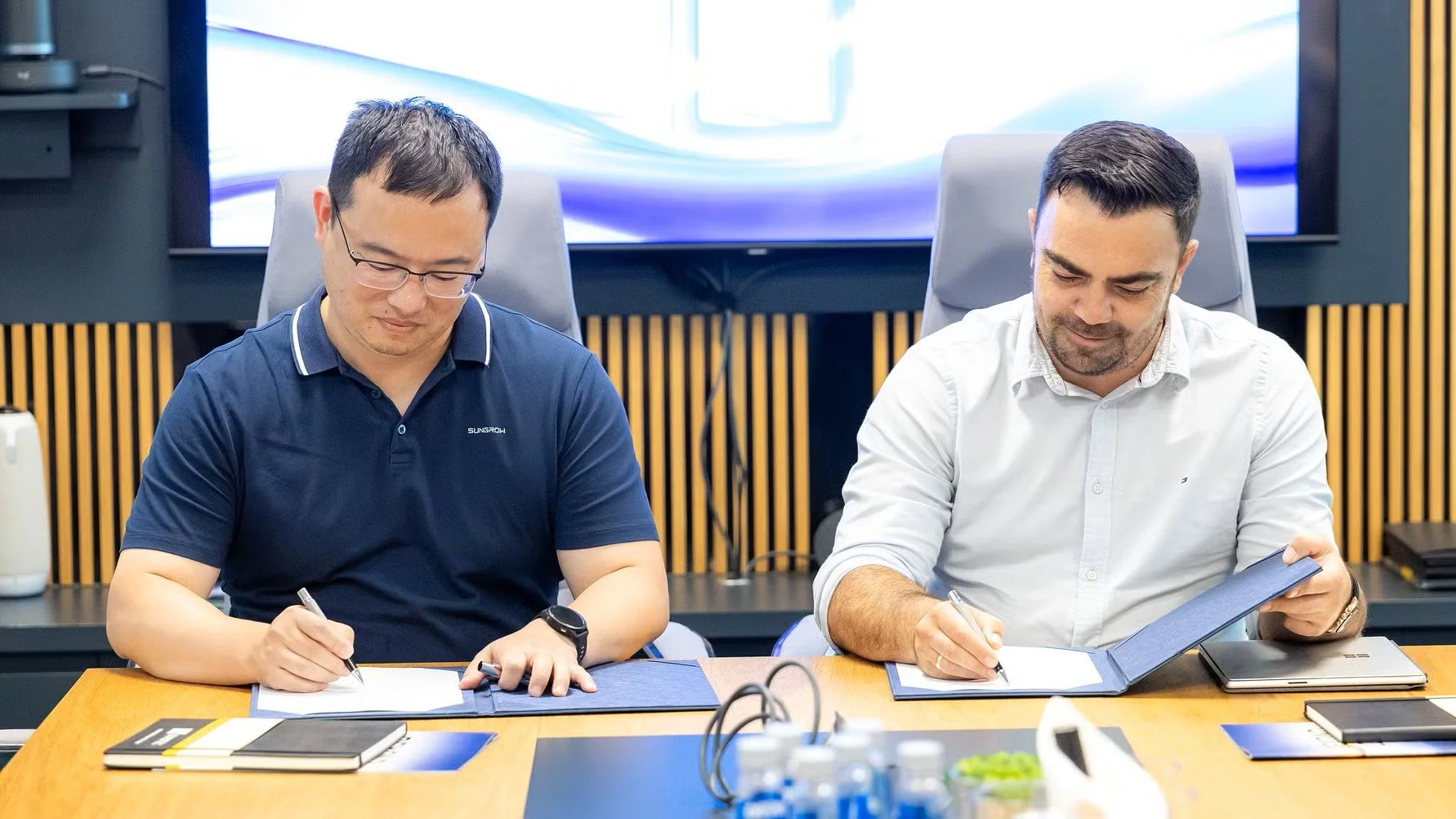
Signing Ceremony between SUNOTEC and Sungrow. Image: SUNOTEC

The collaboration comes as Bulgaria and the region push for smarter energy systems that not only generate renewable power but store and distribute it more efficiently. SUNOTEC will integrate Sungrow’s cutting-edge solutions—including the SG350HX-20 string inverter and MVS platform—into hybrid solar-storage projects designed for grid stability and better renewable integration.

Sungrow’s regional director Anastasios Gkinis called the partnership a "cornerstone" for clean energy in Europe, aligning Sungrow’s scalable storage technology with SUNOTEC’s proven construction capabilities.

Since 2025, Chinese energy storage enterprises have been expanding vigorously into overseas markets, with Europe performing particularly prominently as a core market. According to CNESA DataLink’s global energy storage database, in the first half of 2025, the order volume from Chinese energy storage enterprises to Europe exceeded 22GWh, accounting for 12% of the total global overseas volume, highlighting Europe’s important position in the global expansion layout of Chinese energy storage.

As an industry-leading enterprise, Sungrow continued to expand its global market share in 2025, successively securing multiple landmark orders. In addition to the European market, its overseas business also covers several key regions including Japan, Africa, and South America, with publicly disclosed order volume exceeding 2GWh in the first half of the year.

In terms of utility-scale storage, one of the largest energy storage projects in Latin America was signed, adopting Sungrow’s PowerTitan 2.0 liquid-cooled battery energy storage system and medium-voltage power conversion unit.

In the commercial and industrial storage sector, Sungrow announced the establishment of a new strategic distribution partnership with Italy’s well-known renewable energy solutions provider PM Service S.p.A. The agreement includes the purchase of 100 PowerStack liquid-cooled energy storage systems for commercial and industrial use.

In the operations and maintenance services sector, Sungrow signed a letter of intent and a 15-year service list with African independent power producer Globeleq for the Red Sands BESS project, to provide the PowerTitan 2.0 fully liquid-cooled energy storage system for the 153MW/612MWh project located in South Africa and take responsibility for comprehensive operation and support for 15 years.

German Battery Industry Urges Extension of Grid Fee Exemption to 2034 Amid Policy Shift

Germany's battery storage sector is urging the Federal Network Agency (BNetzA) to extend the current grid fee exemption for battery energy storage systems (BESS) through 2034. The exemption, which currently applies to all storage systems, is set to expire at the end of 2028 for new installations. Industry leaders warn that prematurely reinstating grid fees in 2029 could hinder billions in investment, delay deployment, and obstruct Germany’s clean energy targets.

Image: ABO Energy

Under the proposed grid fee reform, the Federal Network Agency is developing a new General Grid-Fee System (AgNES), which would begin charging BESS to contribute to grid expansion costs. While the agency argues for broad participation in funding the grid, the battery sector cautions that implementing charges without a clear, defined rationale could disrupt market development. Thorsten Klöpper, head of German operations at Voltwise, emphasized that a rushed reintroduction would restrict both the growth of storage systems and their ability to support grid and market operations.

As part of the consultation, Voltwise and over 20 companies submitted a joint declaration supporting a phased model that allows for continued exemption through the next regulatory period, ending in 2034. They argue that this timeframe would enable collaborative definition and measurement of “grid friendliness,” allowing for the eventual integration of storage into a fair and functional fee system.

Compliance Framework & Industry Response

The proposed three-stage model includes: an extension of the exemption until 2034; subsequent introduction of performance-based tariffs that reflect grid support; and long-term development of dynamic, cost-reflective pricing based on actual system impact. According to the declaration, this approach aligns with Germany’s coalition government agreement, which advocates support for flexibility resources without additional financial burdens.

Currently, Germany has only 2 GW of connected large-scale BESS capacity, with a significant volume of projects awaiting grid access. Developers face long delays — up to 15 years for large systems — due to backlogs and “phantom” applications that overload grid operators’ processing capacity. This mismatch between demand and implementation is creating operational bottlenecks that risk undermining energy transition goals.

Participating companies in the joint appeal include Voltwise Power Holdings, ABO Energy Fabrik, Aquila Capital, Suena GmbH, and LEAG Group, among others. These firms represent a broad segment of the battery storage value chain, from developers to system integrators. They collectively stress that early grid fees could jeopardize up to €10 billion in planned investments through 2030 and make co-located renewable projects economically unviable in regions with weak grid infrastructure.

The Netherlands is cited as a cautionary example: adverse fee structures there stalled battery deployment, a policy misstep only recently corrected. To avoid similar setbacks, the German industry proposes pilot programs, joint efforts with grid operators, and digital infrastructure upgrades to establish feasible grid integration pathways.

The battery storage industry’s appeal emphasizes the need for deliberate planning before integrating BESS into the national grid fee structure. As of July 2025, no official definition or measurement criteria for "grid friendliness" exist. The sector is calling for a development phase through 2034 to test models, gather data, and create a stable regulatory environment.

The Federal Network Agency’s final decision is expected in the coming months, and industry stakeholders regard this period as critical for shaping long-term storage policy. The sector argues that grid fees should ultimately incentivize, not hinder, market- and grid-supportive behavior — and that implementation must reflect the evolving role of BESS in Germany’s 80% renewable electricity target by 2030.

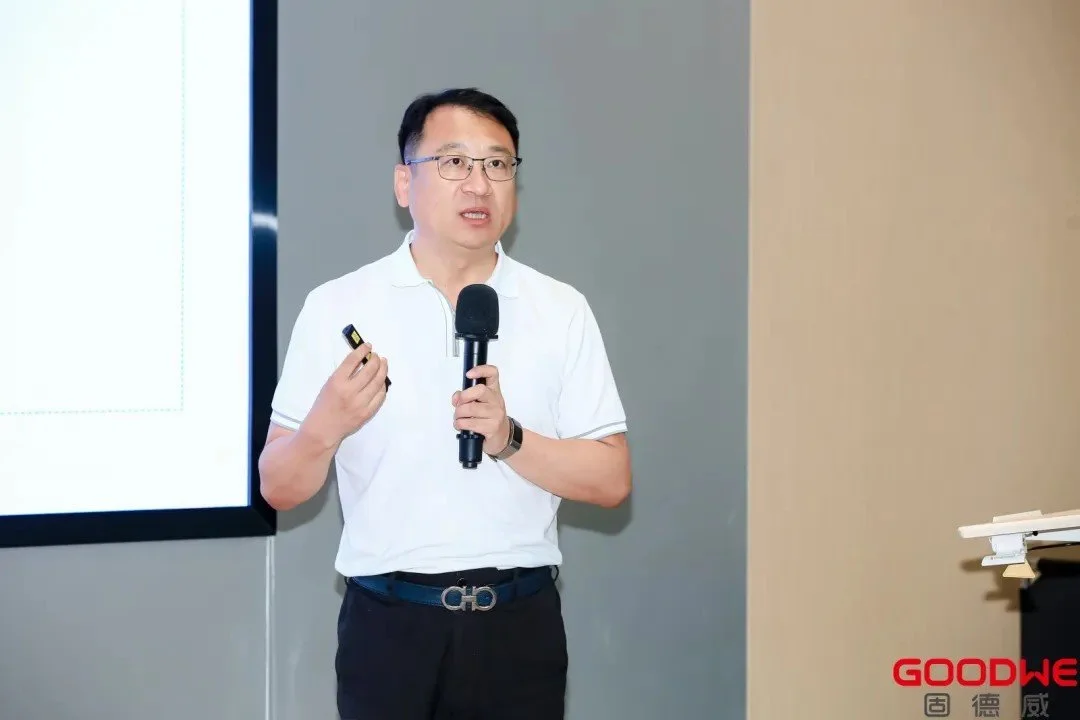
How Can User-Side Energy Storage Break the Deadlock? The “Generation-Grid-Load-Storage Intelligence, Energy Convergence in Suzhou” Forum Reveals Three Major Trends

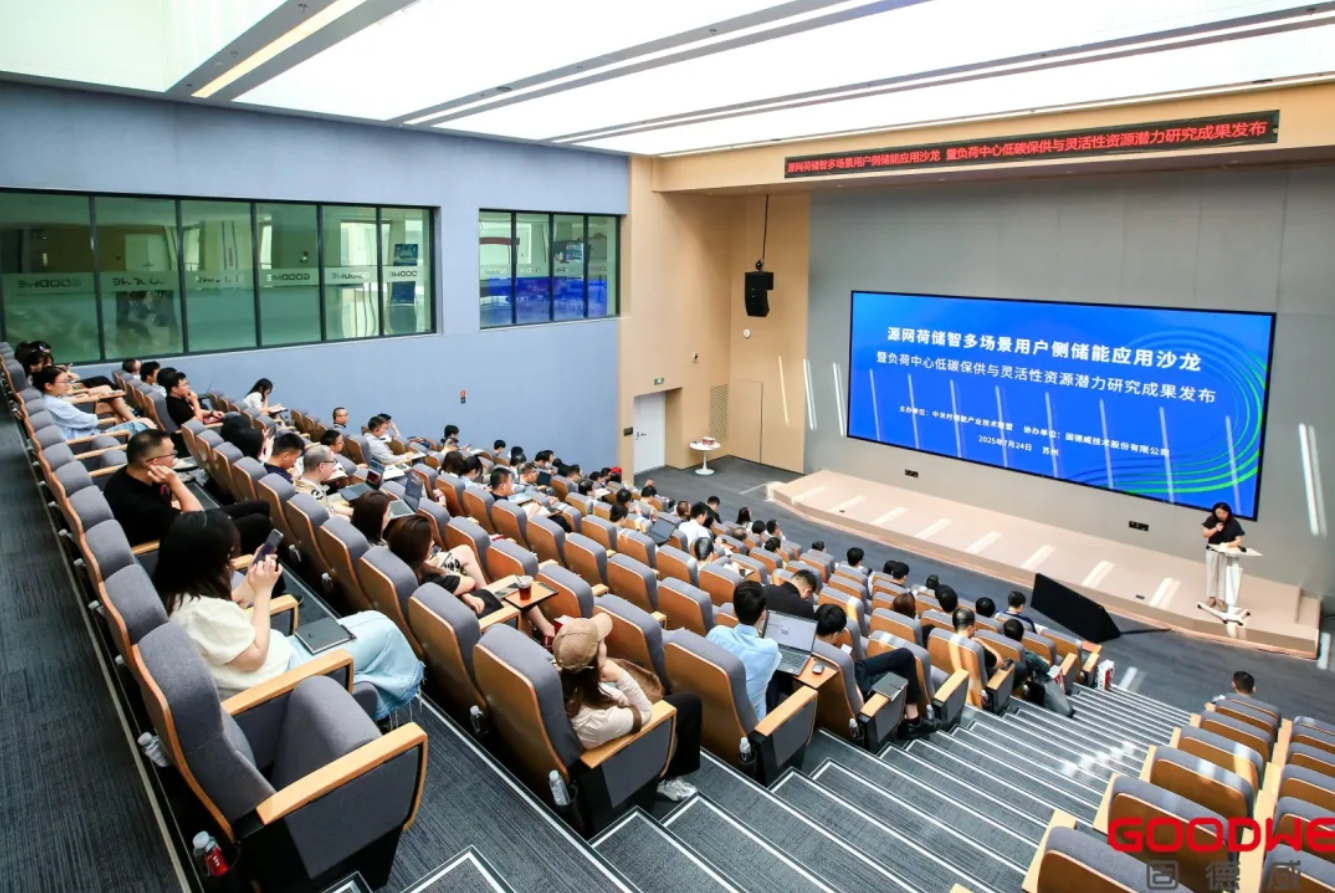
On July 24, 2025, the “Generation-Grid-Load-Storage Intelligence Multi-Scenario User-Side Energy Storage Application Forum and Research Results Release on Low-Carbon Power Supply Assurance and Flexibility Resource Potential in Load Centers,” organized by the China Energy Storage Alliance and co-organized by GoodWe Technologies Co., Ltd., was held in Suzhou, Jiangsu. The event focused on the development paths of user-side energy storage under the backdrop of new power system construction, and provided solutions for energy transition in load center regions through the release of research findings and discussions on multi-scenario applications.

During the morning research results release session, the China Energy Storage Alliance and the research team from South China University of Technology, in cooperation with the Natural Resources Defense Council (NRDC), released four research reports: the main report and energy storage sub-report of the “Research on Low-Carbon Power Supply Assurance and Flexibility Resource Potential in Load Centers – Eastern Region,” and the main report and energy storage sub-report of the “Research on Low-Carbon Power Supply Assurance and Flexibility Resource Potential in Load Centers – Southern Region.” The four reports systematically analyzed, from the perspective of regional resource optimization, the potential of three types of low-carbon power supply assurance and flexibility resources—new energy storage on the grid side, demand-side resources, and inter-provincial and inter-regional mutual support—in the eastern and southern regions, along with supporting mechanisms for their development. They also provided suggestions focused on the value and development path of new energy storage in the near and medium term, offering reference points for promoting energy structure optimization, power supply assurance, and green transition in load centers. For details, see: Research Results Release and Expert Discussion: The Potential of Low-Carbon Flexibility Resources such as Energy Storage.

The afternoon “Generation-Grid-Load-Storage Intelligence, Energy Convergence in Suzhou” Forum was hosted by Zhang Biheng, Director of Energy Storage Market at GoodWe. The session deeply explored the multi-scenario applications of user-side energy storage from perspectives including market and policy, electricity market mechanisms, solutions, financial empowerment, and zero-carbon park practices.

Opportunities and Challenges of User-Side Energy Storage

In the report “User-Side Energy Storage Market and Policy Analysis,” Sun Jiawei, Senior Research Manager at the China Energy Storage Alliance, pointed out that as of the end of June 2025, cumulative user-side energy storage installations reached 7.24 GW / 19.27 GWh, showing a year-on-year growth of 74% / 63% compared to 2024, mainly distributed across Jiangsu, Guangdong, and Zhejiang provinces. With policies such as Document No. 136 promoting the marketization of new energy, the business model of user-side energy storage is expanding from simple peak-valley arbitrage to diversified models such as PV-storage-charging integration and virtual power plants. However, policy fluctuations have led to a narrowing of arbitrage margins, and some projects face pressure on returns. Currently, user-side energy storage still faces challenges such as inconsistent filing procedures, safety risks, and customer defaults. Recommendations include strengthening technological innovation, optimizing operation strategies, and deepening policy research to address market uncertainties and safeguard developers’ investment return expectations.

New Energy Market Entry Accelerates Multi-Entity Marketization

In the report “Discussion on Power Market Mechanism Design under the Background of New Energy Market Entry,” Zheng Yaxian, Deputy Director of the Power Market Division, Power Automation Institute, China Electric Power Research Institute, stated that the market entry of new energy will accelerate the multi-entity marketization process. It is necessary to integrate flexibility resources such as user-side energy storage into the competition, using market mechanisms to collaboratively enhance renewable energy consumption and grid security, thereby achieving economic balance. The current market pricing mechanism faces three main challenges: risk in new energy spot market returns, optimization of the day-ahead market mechanism, and technical difficulties posed by massive access of distributed new energy. In the long term, power market reform needs to establish a more complete ancillary services market, implement capacity mechanisms, optimize medium- and long-term trading, and promote multi-entity participation to build a safe and economical market-based system.

GoodWe’s Integrated Layout of “Generation-Grid-Load-Storage Intelligence”

Li Xiang, Solutions Manager at GoodWe Solar Academy, shared “User-Side Energy Storage Solutions.” GoodWe has fully deployed in the user-side energy storage market, launching three scenario-based solutions:

  1. In the residential storage sector, it has created a “Home Green Power System” achieving 4ms seamless switching and 150% three-phase unbalanced output;

  2. In the industrial and commercial storage sector, it has launched PV-storage integrated solutions—from PV-storage hybrid inverters and energy torage PCS to all-in-one energy storage cabinets—offering full-series and all-scenario adaptability, equipped with six-layer protections including cell-level safety protection and intelligent monitoring systems;

  3. In large-scale storage, it adopts string-type PCS technology to achieve string-level management with a system efficiency of up to 98%. The entire product line covers a power range of 5 kW to 5 MW, constructing an integrated energy ecosystem of “Generation-Grid-Load-Storage Intelligence.”

User-Side Energy Storage Investment and Operation

Gan Yubo, General Manager of ZGC Sci-tech Leasing Hangzhou Center, shared insights on “How Technology Leasing Empowers Investment and Operation of User-Side Energy Storage Projects.” ZGC Sci-tech Leasing has focused on energy storage, EV charging and swapping, and eight other technology tracks, promoting an innovative “equity + debt” model. It offers customized financial solutions for specific scenarios such as mining sites and oilfields, helping tech innovation enterprises overcome the bottleneck from technical validation to commercialization. ZGC Sci-tech Leasing focuses on two types of energy storage investment opportunities:
First, innovative scenarios (such as virtual power plants and zero-carbon park integrated energy solutions), where it is willing to explore development jointly with enterprises;
Second, standardized industrial and commercial energy storage projects with a required payback period of 3–5 years.

Zero-Carbon Park Development and Energy Storage Application

Gao Xinwen, Chairman of Suzhou Qinglan Industrial Co., Ltd., shared thoughts on the development of zero-carbon parks and energy storage applications in Suzhou. According to incomplete statistics, there are over 2,000 various types of parks (in-park zones, development zones, etc.) in Suzhou. Currently, most of these parks remain blank in terms of greening and zero-carbon transformation. With the gradual advancement and implementation of relevant policies, incremental market space will be unlocked. However, due to enterprise number fluctuations in parks, unstable electricity usage, and the high cost and difficulty of retrofitting existing parks, the degree of integration with energy storage remains relatively low. Additionally, there is a need to address risks caused by the singularity of storage profitability, which is subject to policy and market fluctuations. Park operators and energy storage providers should take advantage of the zero-carbon park opportunity to develop diversified profit models to hedge against risks.

This user-side energy storage forum successfully established a platform for in-depth industry dialogue, bringing together experts and representatives from research institutions, the industry, and enterprises. Multiple recommendations were proposed regarding the development path of user-side energy storage under the new power system. The event identified three key trends:
First, under policy-driven momentum, the investment logic of energy storage is shifting from single price-difference arbitrage to diversified models;
Second, the spot market and ancillary service mechanisms will reconstruct the energy storage value assessment system;
Third, technological innovation and scenario integration are becoming the core paths to overcoming profitability bottlenecks.

Through the convergence of insights from multiple parties, the event clarified a sustainable development direction of “short-term response to policy adjustments, medium- and long-term layout of market mechanisms,” helping guide the smooth transition of user-side energy storage from a policy-driven dividend period to a market-oriented development phase.

Lithuania Expands Energy Storage Grant Scheme by €37 Million; Trina to Deploy 180MWh of BESS Projects

Lithuania's Ministries of Energy and the Environment have jointly approved an additional €37 million in funding to expand the country’s capital expenditure (capex) support for energy storage projects. The announcement, made on July 18, supplements an existing €102 million fund administered under the Environmental Project Management Agency’s (EPMA) first call, which closed on June 17. That call attracted 50 applications requesting a combined €197.86 million, nearly double the amount originally allocated.

The grant scheme is part of a broader €180 million energy transition support package backed by the European Union. It falls under the Temporary Crisis and Transition Framework (TCTF), a policy initiative designed to help EU member states strengthen their energy infrastructure in response to the regional impact of Russia’s invasion of Ukraine.

The Lithuanian program offers capex grants of up to 30% for battery energy storage system (BESS) projects ranging in size from 15MW to 150MW. The primary focus is to enable these systems to provide balancing services for the national transmission system operator, Litgrid. The additional funding aims to accelerate deployment in response to growing investor interest and is expected to help Lithuania meet its broader energy targets, which include reaching 1.5GW/4.4GWh of new energy storage capacity by 2028.

Trina Storage to Deploy 180MWh of BESS in Lithuania as Market Attracts New Investment

Trina Storage’s Elementa 2 system will be deployed in Stiemo’s Lithuanian BESS projects.  Image: Trina Storage 

Trina Storage, the BESS division of solar energy firm Trinasolar, has announced deployment of three new battery storage projects in Lithuania totaling 90MW/180MWh. The installations will be located in Anyksciai, Skuodas, and Jonava, executed in partnership with EPC company Stiemo. Deliveries for the systems are scheduled to begin in December 2025, with commercial operations targeted for mid-2026.

According to Trinasolar, these projects mark the company’s entry into the Lithuanian and broader Eastern European energy storage market, with additional multi-gigawatt-hour deployments planned over the next two to three years.

Lithuania’s storage market has gained momentum following the Baltic states' full disconnection from the Russian power grid and synchronization with mainland Europe earlier in 2025. This transition has underscored the need for grid flexibility, and energy storage has become a central pillar of the country’s infrastructure strategy. Litgrid itself has already implemented transmission-level storage projects with system integrator Fluence.

Recent market activity reflects this growth. In July 2025, UAB Karjerų linija and state-owned utility Ignitis Group invested in utility-scale BESS developments. Earlier in the year, independent power producer E energija Group began construction on a large-scale project, signaling wider market engagement.

Invinity Leverages Chinese Manufacturing to Sharpen Global Edge in Flow Battery Sector

Strategic licensing agreement aims to cut costs, expand global reach, and challenge lithium-ion’s dominance in long-duration energy storage

Invinity Energy Systems is doubling down on cost competitiveness and global scale by entering a licensing and royalty agreement with Guangxi United Energy Storage New Materials Technology (UESNT), a Chinese battery materials firm. The deal represents a calculated bid to lower production costs of its Endurium vanadium redox flow battery (VRFB) while maintaining high-performance standards and expanding into both domestic and international markets. More than a manufacturing partnership, this alignment signals a critical inflection point for flow batteries as a contender in long-duration energy storage (LDES).

Image: Invinity Energy Systems

From Invinity’s perspective, the arrangement enables a dual-front strategy: accessing China's deeply embedded vanadium supply chain while using UESNT’s processing innovations to achieve broader market penetration. The move is particularly timely given the growing pressure on energy storage providers to offer scalable, cost-effective, and non-lithium alternatives amid the limitations of conventional lithium-ion technologies in multi-hour grid support applications.

Policy and Market Frameworks Shape New Avenues for Flow Battery Deployment

Regulatory momentum for LDES is picking up globally, creating fertile ground for Invinity’s technology. In the UK, for instance, the government's upcoming cap-and-floor revenue model for storage projects of eight hours or more offers one of the first structured incentives specifically designed for long-duration systems. According to Invinity, developer Frontier Power has already earmarked up to 2GWh of Endurium-based capacity for bids under the scheme, with several other developers preparing similarly scaled projects.

The model, to be overseen by UK energy regulator Ofgem, aims to address the lack of adequate market compensation for the extended discharge durations that flow batteries provide. This regulatory structure not only supports financial viability but also prioritizes grid-relevant outcomes such as stability and renewable integration—key areas where VRFBs excel.

Beyond the UK, Invinity is eyeing similar LDES solicitations in U.S. states like California and New York, as well as Canadian provinces such as Ontario and British Columbia. These jurisdictions have shown a preference for non-lithium technologies, often with an emphasis on local content—a potential advantage for Invinity’s facility in Vancouver.

Licensing Strategy Targets Systemic Cost Reduction Without Compromising Core Manufacturing

The partnership with UESNT involves licensing the production of Invinity’s modular Endurium system for the Chinese market. However, the broader value lies in what UESNT brings to the table in terms of vanadium electrolyte processing. According to Invinity President Matt Harper, UESNT's methods for converting both raw and recycled vanadium into battery-grade electrolyte have proven highly efficient, potentially reshaping material cost dynamics globally.

While manufacturing will take place in China, Invinity stresses that its own facilities in Scotland and Canada will remain integral. The company plans to continue in-house production of its core battery stacks, citing intellectual property protection, quality control, and engineering optimization as reasons for retaining this capability. Harper argues that the expertise required to fine-tune system performance—particularly at the electronics and control level—still resides uniquely within Invinity’s internal teams.

This hybrid approach allows Invinity to blend cost-effective upstream production with proprietary downstream integration, maintaining system quality while boosting competitiveness.

Flow Batteries Gain Traction as Developers Question Lithium’s Suitability for Grid-Scale Roles

As the energy storage market matures, the one-size-fits-all role of lithium-ion is being increasingly scrutinized. For applications requiring high energy throughput and long-duration discharge, the thermal and cycling limitations of lithium technologies present engineering and economic challenges.

Flow batteries, by contrast, offer decoupled power and energy scaling, longer operational life, and minimal degradation over time—traits that are especially valuable for multi-hour grid support. Invinity sees a growing number of developers recognizing this differentiation, particularly as Endurium's pricing becomes more competitive through scaled manufacturing and supply chain efficiencies.

BloombergNEF recently noted that China’s domestic flow battery pricing is less than half the global average, highlighting how cost remains a pivotal barrier to mainstream adoption outside China. Invinity’s collaboration with UESNT, a company deeply embedded in vanadium supply and processing, is designed to bridge that cost gap while also improving global distribution capabilities.

Market Dynamics and Competitive Landscape

With flow battery deployments in Spain already exceeding performance expectations, and a rising global appetite for LDES, Invinity is positioning itself at the intersection of two forces: lithium-ion’s limitations and the declining cost trajectory of VRFBs. In this sense, the company is not simply responding to market trends—it is actively working to shape them.

In the UK’s cap-and-floor program alone, the number of developers proposing Endurium-based projects suggests a high level of confidence in the technology. Although Invinity has not disclosed exact figures, Harper acknowledges that even a fraction of the total would represent gigawatt-hours of potential deployment.

The program’s over-subscription also hints at increasing competition in the non-lithium storage segment. Yet, Invinity views this as a positive signal—both for the maturity of flow battery offerings and for the regulatory discipline needed to ensure optimal project selection.

A Strategic Inflection Point for Flow Battery Commercialization

Invinity’s partnership with UESNT may prove to be more than just a commercial expansion. It signals a maturing inflection point for flow batteries in the global energy storage market. By blending high-performance engineering with cost-effective supply chain tactics, Invinity is attempting to recalibrate the economics of LDES.

As policy frameworks begin to align with the functional strengths of long-duration storage—and as market participants grow more critical of lithium’s limits—flow battery technology is poised to occupy a more central role in the energy transition.

Invinity’s hybrid approach of internal stack production, external electrolyte processing, and strategic market targeting reflects a company increasingly confident in both its technology and its timing.

Energy Storage Companies Urged to Speed Up Compliance, though EU Pushed Back Due Diligence Rules to 2027

A Formal Delay, But Urgency Remains

On July 18, 2025, the Council of the European Union adopted a regulation delaying the due diligence obligations under Regulation (EU) 2023/1542 to August 18, 2027. The change gives companies placing batteries on the EU market two additional years to meet compliance. However, this extension is not a grace period for inaction. For companies in the Battery Energy Storage Systems (BESS) sector, the 2027 date is the final deadline—not the starting point—for having fully implemented and verified due diligence systems.

Under the regulation, companies must be able to demonstrate effective processes for risk identification, mitigation, and traceability across supply chains involving raw materials such as cobalt, lithium, graphite, and nickel. These systems must be independently verified by a notified third-party body before the 2027 deadline.

The postponement, part of the EU’s broader Omnibus IV simplification package, addresses key implementation challenges, particularly delays in designating verification bodies and finalizing recognized due diligence schemes. Still, the compliance expectations remain unchanged—and the time required to meet them remains tight.

What Changes—And What Doesn’t

The regulation originally set due diligence obligations to apply from August 18, 2025. These include:

  • Establishing due diligence systems for responsible sourcing of battery-relevant raw materials

  • Independent third-party verification of those systems by a designated conformity assessment body

  • Public reporting on due diligence practices to ensure transparency and accountability

The new legislation moves the application date to August 18, 2027, aiming to give businesses additional time to prepare while the regulatory infrastructure catches up. However, the nature of the obligations remains the same, and the delay reflects logistical realities—not a softening of enforcement expectations. To assist with implementation, the European Commission is mandated to publish official due diligence guidelines by August 2026, one year ahead of the new deadline.

The Time to Act Is Now

The EU’s decision to delay the enforcement of battery due diligence rules to 2027 provides breathing space—but not a buffer for late action. BESS companies must treat this not as a pause, but as a final window to build, test, and verify the systems needed for full compliance. Given the scale of what’s required, the clock is already ticking.

📝
🛫
👤