

Latest News
Bookmark This! Six Long-Duration Energy Storage Technology Pathways, Three Revenue Models, and Prospects for Large-Scale Deployment
With multiple supportive policies being introduced, long-duration energy storage (LDES) is entering a period of significant growth opportunities!
Recently, the State Council of China issued the “15th Five-Year Plan Carbon Peak Action Plan”, while the National Energy Administration released the “Energy Sector Energy Conservation and Carbon Reduction Action Plan (2026–2028)”. Both policy documents explicitly emphasized the development of long-duration energy storage, indicating that LDES is gradually becoming an essential component of the new power system.
Currently, LDES technologies are developing toward greater diversification. Technologies such as compressed air energy storage (CAES), flow batteries, and hydrogen energy storage each demonstrate different advantages and limitations in terms of technology maturity, application scenarios, and construction costs.
This article provides a systematic analysis of LDES from three perspectives: technology development, revenue structures, and prospects for large-scale deployment, offering industry insights and references.
Six Technology Pathways Leading LDES Development for Diverse Applications
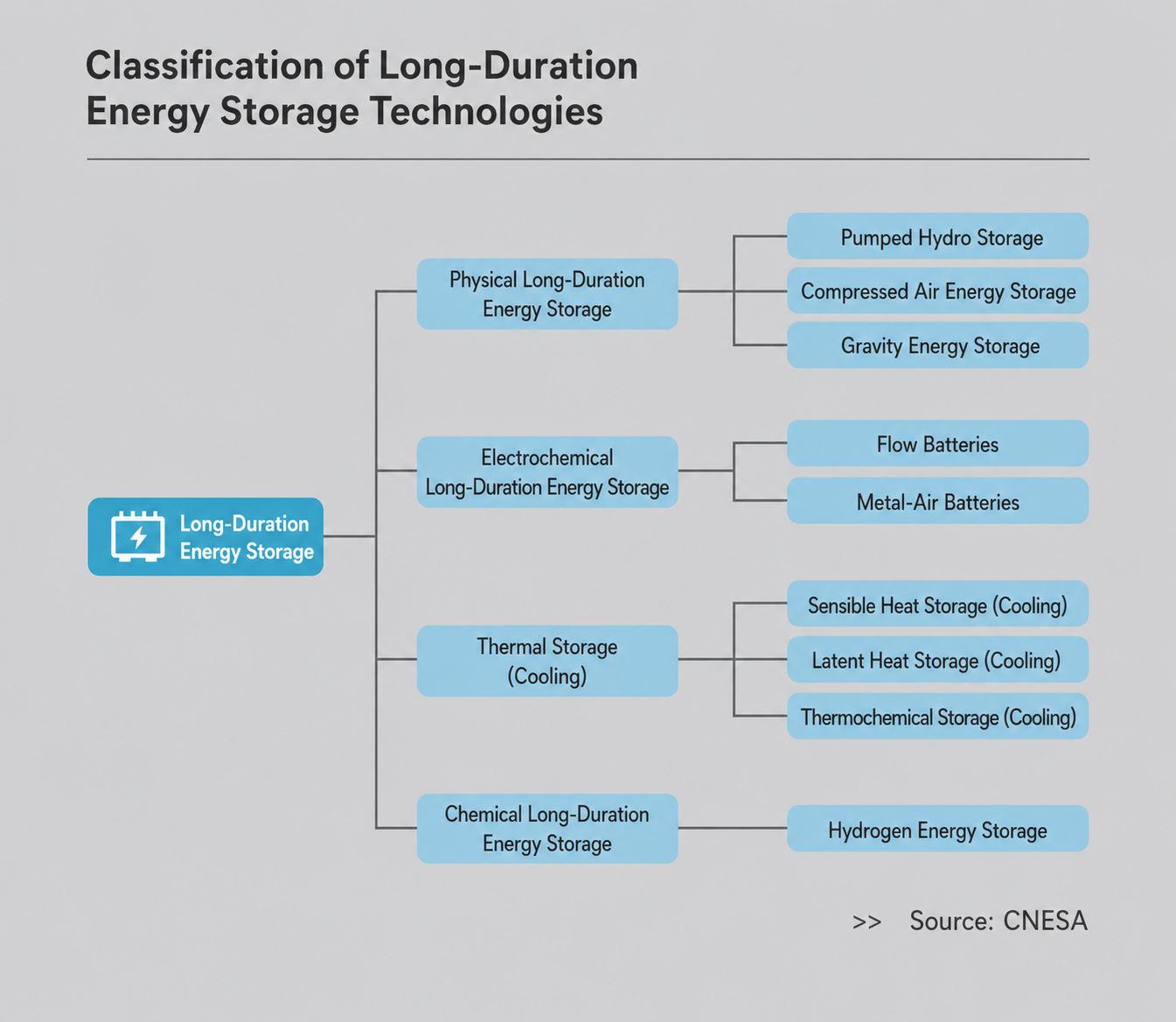
Long-duration energy storage technologies are diverse and mainly include:
Physical energy storage technologies, represented by pumped hydro storage, compressed air energy storage, and gravity energy storage;
Electrochemical energy storage technologies, represented by flow batteries and metal-air batteries;
Thermal energy storage (including cooling storage) and chemical energy storage technologies, represented by hydrogen energy storage.
Among them, pumped hydro storage is currently the most mature and widely deployed long-duration energy storage technology.
As of the first quarter of 2026, China’s operational pumped hydro storage capacity had reached 67.09 GW.
At present, pumped hydro storage is primarily based on large-scale fixed-speed pumped hydro power stations. However, as suitable sites for large-scale pumped hydro projects become increasingly limited, the development of small- and medium-scale pumped hydro storage projects is gradually increasing.
Gravity Energy Storage
The operating principle of gravity energy storage is similar to pumped hydro storage. It mainly uses the physical lifting and lowering of solid masses to drive power generation equipment, thereby achieving energy storage and discharge.
Currently, China’s 100 MWh-scale gravity energy storage tower demonstration project has been completed in Rudong, Jiangsu Province, and has entered the grid connection commissioning stage.
The project, invested and developed by China Tianying, has an energy storage capacity of 100 MWh and a power output of 25–26 MW. It is expected to be connected to the grid and begin operation by the end of 2026.
Compressed Air Energy Storage
Compressed air energy storage is another long-duration energy storage technology with significant potential for large-scale application.
The technology converts electricity from off-peak periods or curtailed renewable energy into compressed air pressure energy and thermal energy, storing them separately in air storage units and thermal storage units.
During periods of high electricity demand, the stored high-pressure air is released and expanded through turbines to generate electricity.
Currently, large-scale engineering applications mainly focus on adiabatic compressed air energy storage systems with thermal storage.
According to statistics from the China Energy Storage Alliance (CNESA), as of the first quarter of 2026, China had 14 operational compressed air energy storage projects connected to the grid, with a cumulative installed capacity exceeding 1.5 GW.
The total installed capacity of projects under construction and in the planning stage has exceeded 54 GW.
Flow Batteries
Flow batteries are electrochemical batteries in which the active materials of both the positive and negative electrodes are liquid.
Depending on the types of active electrode materials, flow batteries can be categorized into:
Vanadium redox flow batteries (VRFBs);
Zinc-bromine flow batteries;
Iron-chromium flow batteries;
and other technology pathways.
Overall, flow batteries offer advantages including:
high safety;
no risk of explosion or fire;
long service life;
deep charge and discharge capability;
and environmental friendliness.
By the end of 2025, China’s 10 kW-scale vanadium redox flow battery demonstration projects had already entered operation.
Thermal Energy Storage
Thermal energy storage refers to storing energy from sources such as:
solar thermal energy;
geothermal energy;
industrial waste heat;
low-grade waste heat;
and releasing it when needed, thereby addressing mismatches between thermal energy supply and demand caused by differences in time, location, or energy intensity.
Based on storage principles, thermal energy storage technologies can be categorized into three types:
sensible heat storage;
latent heat storage;
thermochemical energy storage.
Currently, relatively mature thermal storage materials include:
hot water;
molten salt;
refractory bricks;
and other thermal storage media.
Hydrogen Energy Storage
Hydrogen energy storage is a form of chemical energy storage that enables:
large-scale energy storage;
long-duration storage;
and cross-regional energy storage.
It mainly consists of three key stages:
hydrogen production;
hydrogen storage and transportation;
hydrogen utilization.
Water electrolysis for hydrogen production is expected to become the dominant future technology pathway.
Hydrogen storage and transportation technologies include:
gaseous hydrogen storage;
liquid hydrogen storage;
solid-state hydrogen storage;
ammonia (alcohol)-based hydrogen storage;
underground hydrogen storage;
and other approaches.
In the power sector, hydrogen energy can generate electricity mainly through:
hydrogen gas turbines;
hydrogen internal combustion engines;
hydrogen fuel cells.
Different LDES Technologies Demonstrate Distinct Competitive Advantages
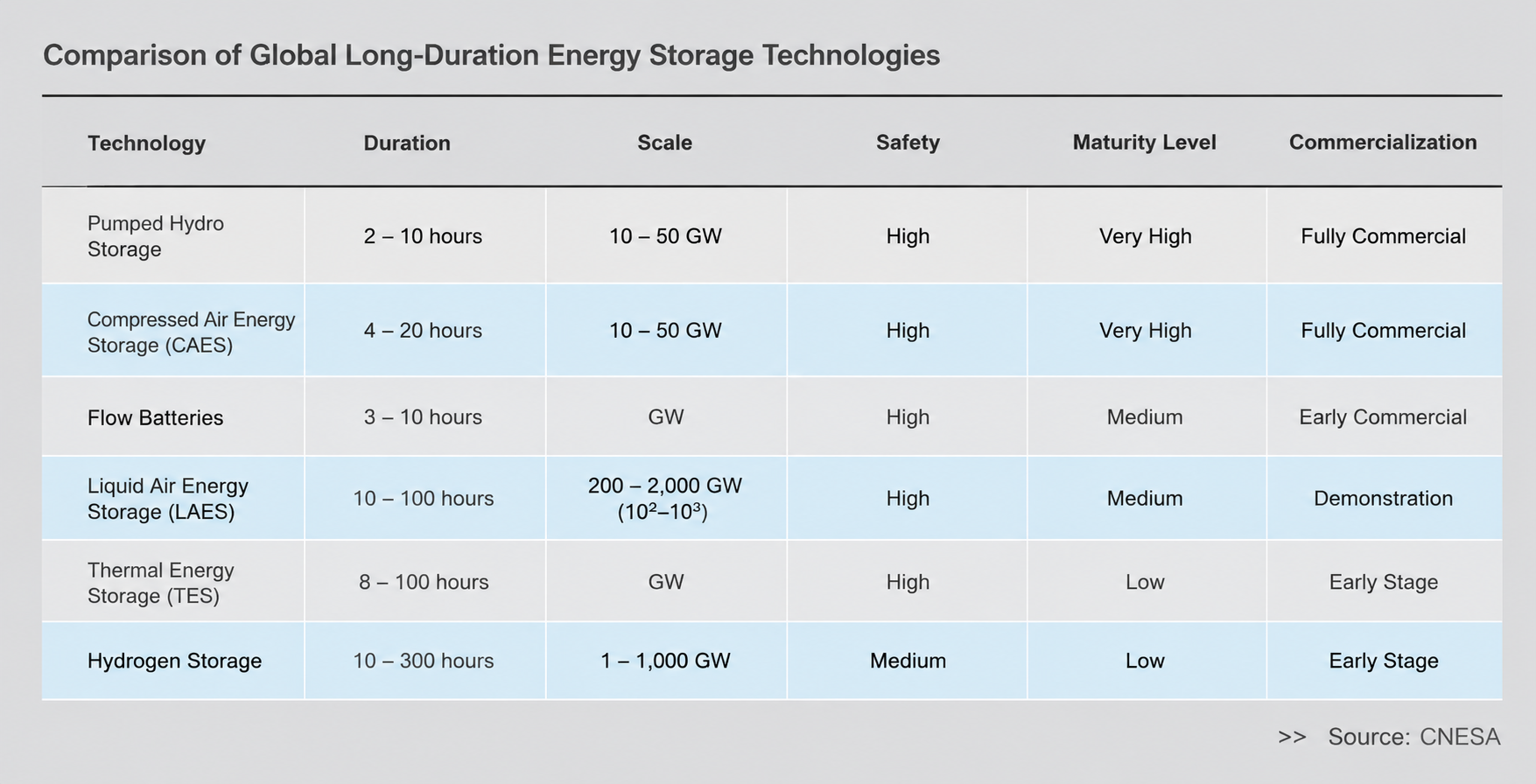
Different long-duration energy storage technology pathways demonstrate diverse technical characteristics and competitive advantages.
In terms of efficiency, pumped hydro storage and gravity energy storage achieve relatively high efficiency, while molten salt thermal storage and hydrogen energy storage have comparatively lower efficiency.
Regarding service life, physical energy storage technologies such as pumped hydro storage, compressed air energy storage, and gravity energy storage generally offer longer lifetimes.
In terms of safety, most LDES technologies demonstrate high safety levels, except hydrogen energy storage, which requires additional safety considerations.
Regarding environmental adaptability, pumped hydro storage and compressed air energy storage have relatively limited adaptability to certain environmental conditions.
In terms of response speed, flow batteries demonstrate significant advantages.
Lifecycle Cost of Energy Storage Determines Economic Competitiveness
The levelized cost of electricity (LCOE) over the full lifecycle is a key indicator for evaluating the economic performance of energy storage technologies.
According to estimates from the China Energy Storage Alliance (CNESA), when the storage duration reaches 8 hours, salt cavern compressed air energy storage and pumped hydro storage currently demonstrate relatively lower lifecycle electricity costs.
With continuous technological advancement and large-scale deployment, the lifecycle costs of emerging long-duration energy storage technologies are expected to continue declining.
According to projections, by 2035, mainstream LDES technologies including:
compressed air energy storage;
pumped hydro storage;
flow batteries;
molten salt thermal storage;
could achieve lifecycle electricity costs of approximately:
RMB 0.3–0.5/kWh
under conditions of 250 annual utilization cycles.
If calculated based on each technology’s inherent lifecycle cycle life, the lifecycle cost of energy storage could decline even further.
Revenue Channels Established, Value of Long-Duration Storage Yet to Be Fully Released
Currently, the development of market mechanisms for long-duration energy storage is accelerating its transition from policy-driven growth toward market-driven development.
The three-part revenue structure of:
“Energy Market + Capacity Market + Ancillary Services Market”
is gradually moving from the stage of framework establishment toward detailed implementation.
Energy Market: The Most Fundamental Revenue Source
The energy market is currently the most fundamental and primary revenue source for long-duration energy storage.
The core business logic is:
“Charge during low-price periods and discharge during high-price periods.”
Compared with 2-hour energy storage systems, the key advantage of LDES lies in its ability to provide:
cross-period energy shifting;
large-scale electricity time-shifting capability;
and flexible short-term operation.
Some technology pathways can also achieve multiple daily cycles, allowing them to capture more price arbitrage opportunities.
In provinces where electricity spot markets are relatively mature, peak-valley price differences have become a major revenue source for energy storage projects.
Taking compressed air energy storage as an example, the first phase of the Jintan Salt Cavern Compressed Air Energy Storage National Demonstration Project in Jiangsu, which began operation in 2024, has an installed capacity of:
60 MW / 300 MWh
The project can achieve:
one charge and two discharge cycles per day;
or multiple charge-discharge operations within a day.
Capacity Market: Providing Long-Term Reliability Value
Unlike the “price arbitrage” mechanism of the energy market, the core logic of the capacity market is the “value of availability” — meaning that energy storage systems commit to remaining available whenever the power grid requires support.
This mechanism is particularly important for long-duration energy storage because:
it requires higher upfront investment costs;
it has a longer payback period;
and it requires stable baseline revenues to improve project bankability.
Currently, the development of capacity markets in China demonstrates a dual-track approach, which is gradually removing market access barriers for long-duration energy storage.
On one hand, the coal-fired power capacity pricing mechanism began nationwide implementation in 2024, providing a stable revenue foundation for the transformation of thermal power generation.
On the other hand, the Notice on Improving the Capacity Electricity Pricing Mechanism for the Generation Side, released in January this year, established for the first time at the national policy level a capacity electricity pricing mechanism for independent new-type energy storage systems on the grid side.
Based on the principle of “equal pay for equal performance,” independent energy storage has officially been incorporated into the generation-side capacity pricing mechanism.
The capacity payment mechanism for independent energy storage has therefore evolved from regional exploration toward a nationwide unified framework.
Ancillary Services Market: Unlocking Additional Value
If the energy market addresses the question of “whether energy storage can generate revenue,” the ancillary services market determines “whether energy storage can generate additional value.”
Currently, power ancillary service markets mainly include three categories:
frequency regulation;
peak shaving;
backup reserve.
In regions where electricity spot markets operate on a regular basis, peak-shaving ancillary services have gradually been replaced by spot energy markets, with their original functions being absorbed by electricity trading mechanisms.
Meanwhile, some provinces have begun pilot programs for new ancillary services, including:ramping support;
inertia support;
and other grid flexibility services.
Long-duration energy storage can provide:long-cycle energy shifting;
backup reserve capability;
and some technology pathways can also provide physical inertia, effectively supporting grid stability requirements.
However, although the three-part revenue structure appears relatively complete, the current market mechanism still mainly focuses on the question of “whether energy storage exists”, without further distinguishing “how long energy storage can provide service.”
The differentiated advantages of LDES — including:cross-time energy shifting;
large capacity;
high reliability;
have not yet been fully translated into market revenues.
This remains the most significant challenge in current market mechanism development and represents a key area requiring further breakthroughs.
Technology and Market Mechanisms Advancing Together to Support Demonstration Deployment
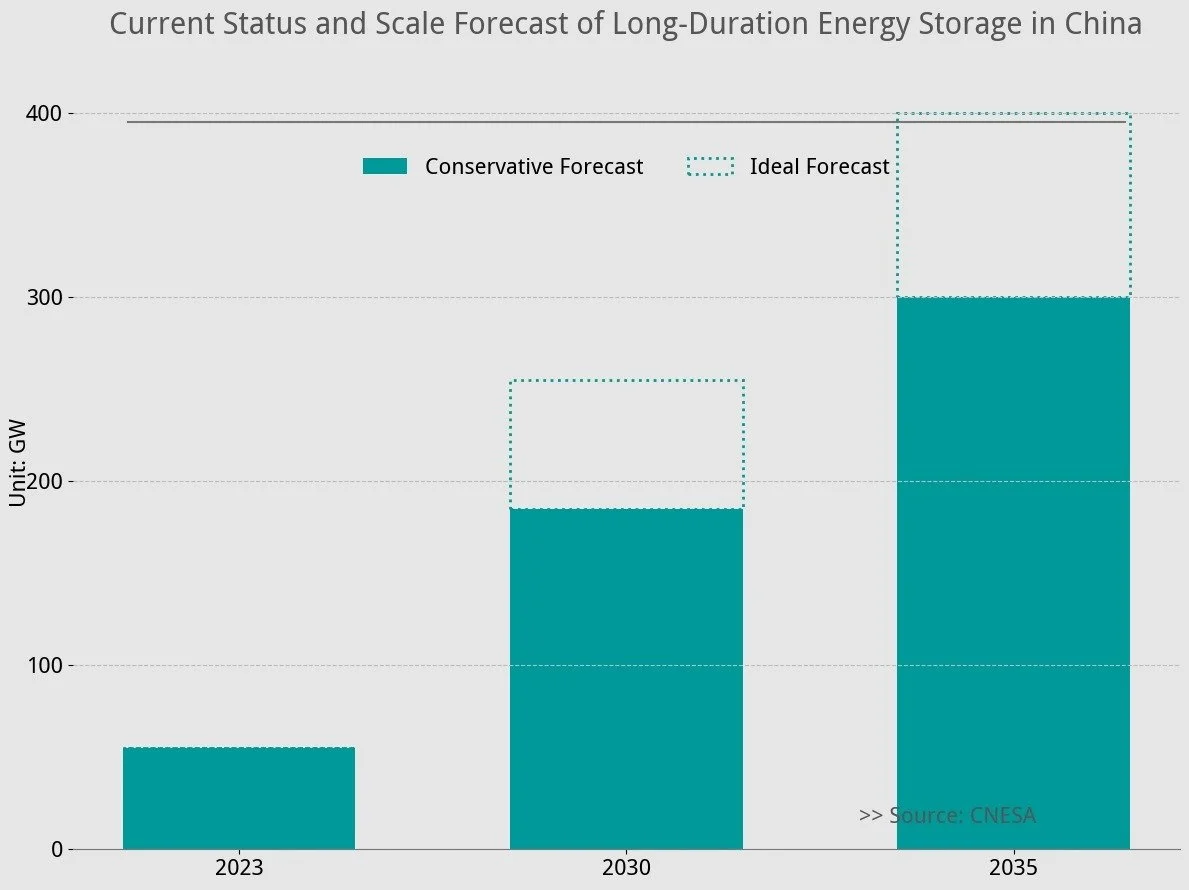
At the recently held Energy Storage International Conference and Expo (ESIE2026), Ma Yuan, Assistant Researcher at the Department of Earth System Science of Tsinghua University, stated that by 2030, energy storage capacity should account for 15%–20% of total renewable energy installed capacity, reaching a key milestone of approximately 400 GW.
Among this capacity, long-duration energy storage with durations exceeding 8 hours should account for at least 20% in order to effectively reduce renewable energy curtailment and ensure power system security.
According to forecasts from the China Energy Storage Alliance (CNESA), during the 15th Five-Year Plan period, demand for long-duration energy storage will gradually become more prominent.
New LDES demand during this period will mainly focus on storage durations of:
4–10 hours
Under a conservative scenario, the market scale is expected to reach:
180 GW
while under an optimistic scenario, it could reach:
250 GW
Pumped hydro storage will remain the dominant technology, complemented by emerging LDES technologies such as:compressed air energy storage;
electrochemical energy storage.
However, this scale still falls short of the requirements of power grid companies.
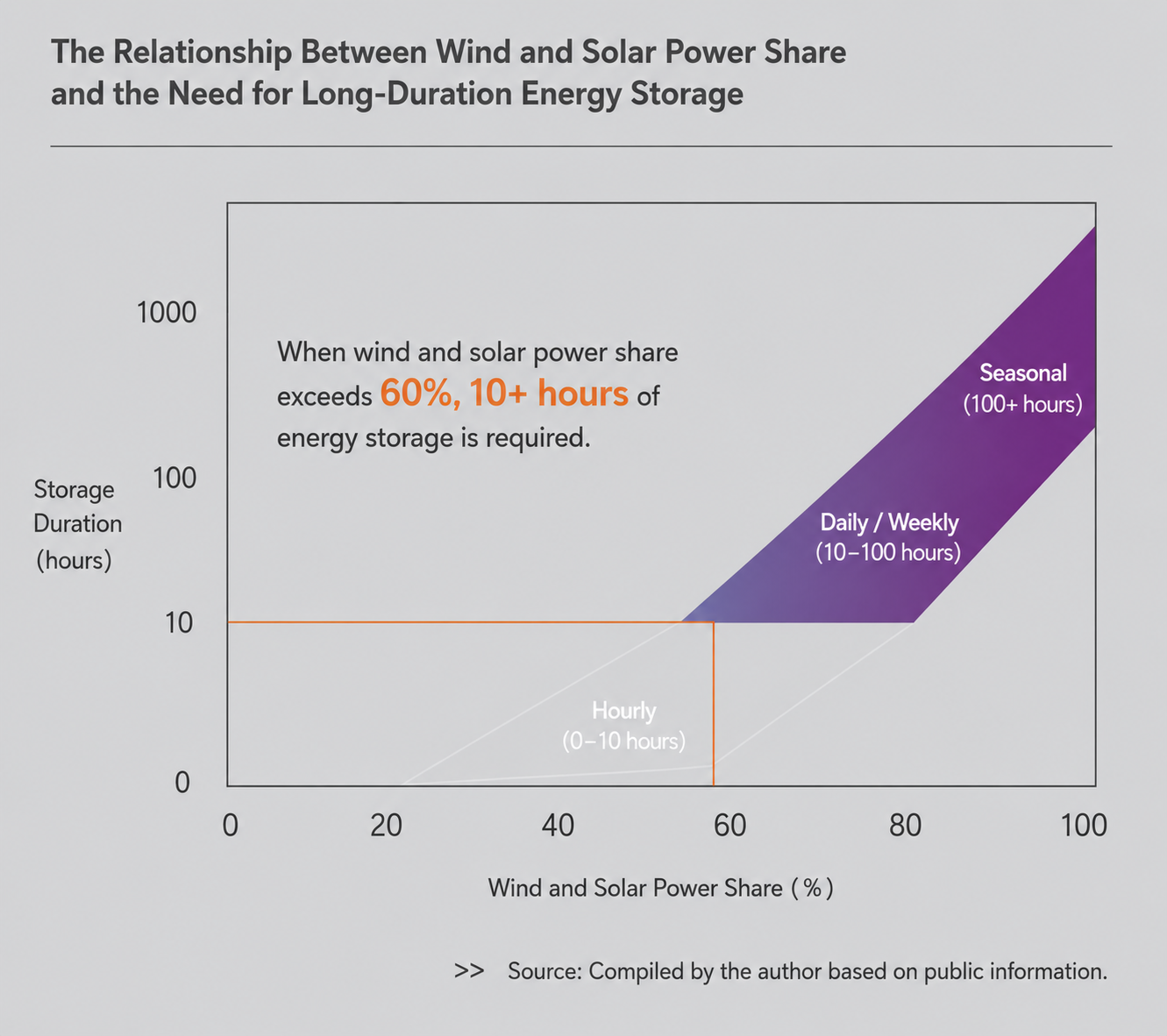
In some northwestern provinces with high renewable energy penetration, demand for 24-hour-plus long-duration energy storage is expected to emerge first.
By 2035, the scale of long-duration energy storage is expected to reach:300 GW under a conservative scenario;
400 GW under an optimistic scenario.
Storage durations will mainly range from:
4–24 hours
while the deployment scale of emerging LDES technologies will continue to increase.
Accelerating the Transition from Technology Demonstration to Large-Scale Deployment
To continuously promote the transition of long-duration energy storage from technology demonstration to large-scale commercial application, more projects need to be implemented to transform technological maturity into commercial viability.
1. Coordinated Demonstration of Different Technology Pathways
Currently, emerging LDES projects face challenges including:technologies that are not yet fully mature;
incomplete industrial supply chains;
relatively high investment costs.
As a result, commercial applications remain dominated by short-duration lithium-ion battery energy storage.
Going forward, demonstration and deployment of LDES technologies should be promoted in an orderly manner based on different stages of technological development.
This approach will accelerate the implementation of emerging technologies while driving industrial technology upgrades and improving market competitiveness.
2. Promote Scenario-Specific Demonstration Projects Based on Local Conditions
Under the new power system framework, different application scenarios have different requirements for long-duration energy storage.
For example:developed cities in eastern China have relatively higher requirements for energy density;
northwestern “desert, Gobi, and barren land” regions;
eastern coastal areas;
and cold regions in northeastern China;
all have different requirements regarding:operating temperature;
humidity resistance;
sand and dust protection;
and environmental adaptability.
Therefore, demonstration projects should be combined with different application environments to deepen research into key technologies including:energy storage equipment;
system integration;
safety protection;
and operational reliability.
3. Strengthen Long-Term Monitoring and Evaluation of Demonstration Projects
Currently, management and evaluation mechanisms for demonstration projects are not yet sufficiently comprehensive.
In the future, long-term tracking, monitoring, and periodic evaluation should be carried out for demonstration projects.
This will provide scientific data support for:the practical application of new technologies;
new products;
and innovative solutions.
It will also provide evidence-based support for national industrial policies and technical standards.
4. Encourage Demonstration Projects to Explore Innovative Policies and Business Models
While demonstrating LDES technologies, pilot projects should also serve as platforms for exploring innovative commercial models.
At the same time, improving policy mechanisms and market support systems will be a critical foundation for large-scale LDES development.
Establishing Cost Recovery Mechanisms for Long-Duration Energy Storage
Compared with short-duration energy storage, LDES demonstrates greater value through:capacity contribution;
long-term backup capability;
and system reliability support.
Therefore, it is necessary to gradually establish market-based capacity cost recovery mechanisms.
Through market competition and pricing mechanisms, investment entities can be encouraged to make reasonable investments, ensuring long-term adequacy of power system capacity.
Improving Cost Allocation Mechanisms for Long-Duration Energy Storage
Long-duration energy storage can directly or indirectly accelerate the replacement of traditional fossil fuel power generation with renewable energy, significantly reducing overall societal carbon emissions.
In the future, policy and market frameworks for:green electricity;
green electricity certificates;
carbon trading;
should be further developed.
These mechanisms can better reflect the value of LDES in:energy transition;
carbon reduction;
and renewable energy integration.
By expanding revenue sources and improving cost allocation mechanisms, the economic foundation for long-duration energy storage can be further strengthened.
Conclusion
Long-duration energy storage is becoming an increasingly important pillar of future power systems as renewable energy deployment accelerates.
With continuous technological innovation, improved market mechanisms, and increasing project deployment, LDES is expected to move from early-stage demonstration toward large-scale commercialization.
The future development of long-duration energy storage will depend not only on breakthroughs in individual technologies, but also on the coordinated evolution of:technology pathways;
market structures;
business models;
and policy frameworks.
Together, these factors will unlock the full value of LDES in supporting renewable energy integration, enhancing grid flexibility, and enabling the global energy transition.
Top Energy Storage Projects in China in H1 2026
In the first half of 2026, China’s new energy storage sector maintained rapid growth momentum, with multiple breakthroughs achieved in grid-connected projects. Notably, industry development is no longer focused solely on maximizing individual project scale. While lithium iron phosphate (LFP) battery storage remains the dominant technology route, the industry is gradually shifting from simply expanding installed capacity toward improving the overall performance and efficiency of energy storage systems.
Energy storage technologies are becoming increasingly diversified. Beyond lithium-ion batteries, long-duration energy storage technologies such as vanadium redox flow batteries and compressed air energy storage have achieved large-scale grid-connected demonstrations. Emerging technologies, including semi-solid-state batteries, have also entered engineering demonstration stages. Meanwhile, grid-forming energy storage, intelligent string-based storage systems, and cloud-based energy storage solutions are accelerating commercialization and deployment.
Energy storage application scenarios continue to expand, covering a wide range of use cases including generation-side, grid-side, behind-the-meter, and standalone energy storage. Integrated models such as solar-storage, solar-hydrogen-storage, and grassland photovoltaic complementary storage projects are also being implemented.
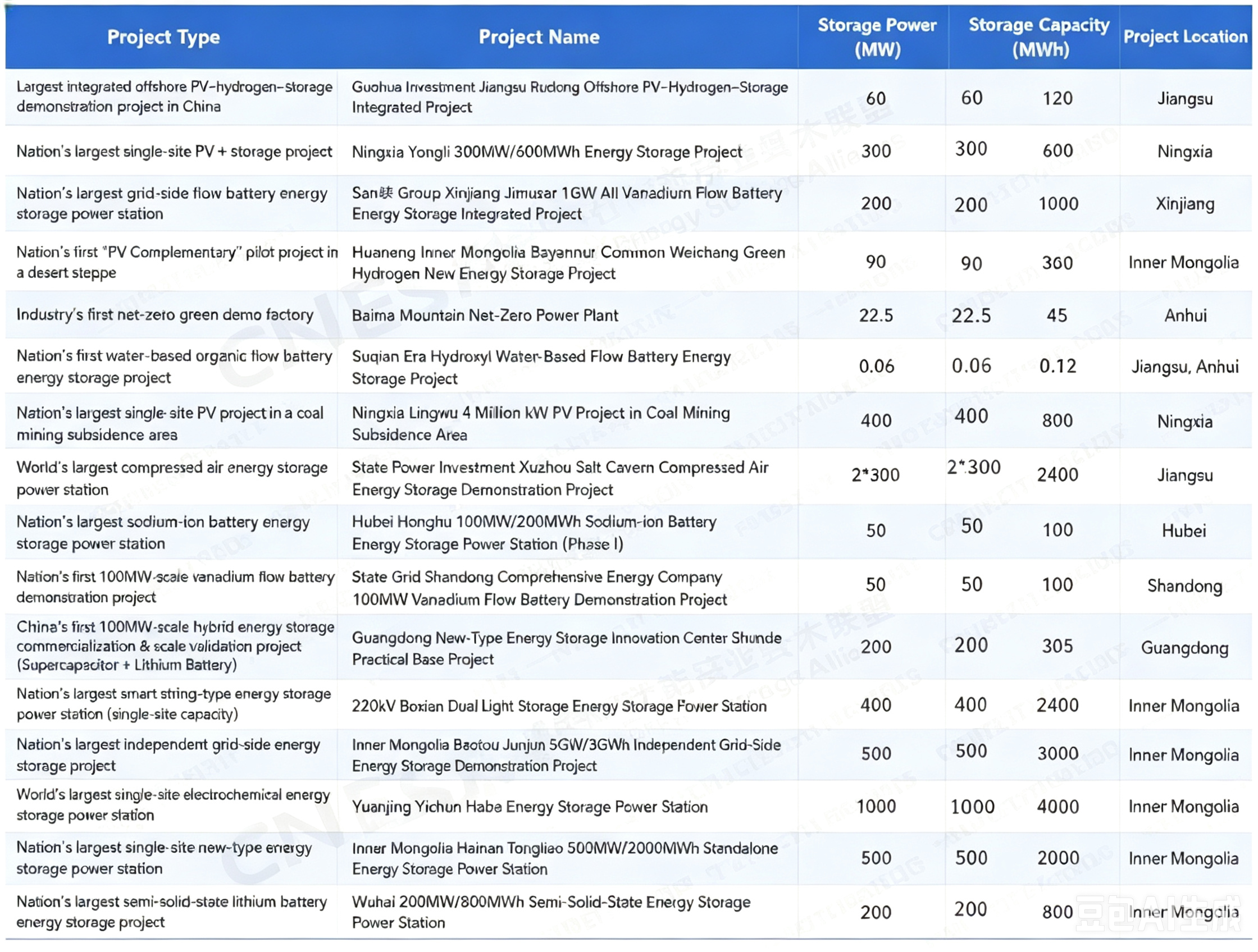
The China Energy Storage Alliance (CNESA) has compiled representative new energy storage projects launched or connected to the grid in the first half of 2026 for industry reference.
01
China’s Largest Offshore PV-Hydrogen-Storage Integrated Demonstration Project
Guohua Investment Jiangsu Rudong Offshore PV-Hydrogen-Storage Integrated Project
Grid Connection Date: June 2026
Location: Jiangsu Province
Owner: Guohua (Rudong) New Energy Co., Ltd.
Energy Storage Technology: Lithium Iron Phosphate (LFP) Battery Storage
Storage Scale: 60MW/120MWh
Located at Yangkou Port in Rudong, Jiangsu Province, the project is one of the key projects under China’s third batch of large-scale photovoltaic bases.
The project integrates a 400MW photovoltaic power plant, a 60MW/120MWh energy storage system, and a green hydrogen production facility with a capacity of 1,500 Nm³/h, forming a complete industrial chain covering green electricity generation, storage, and conversion.
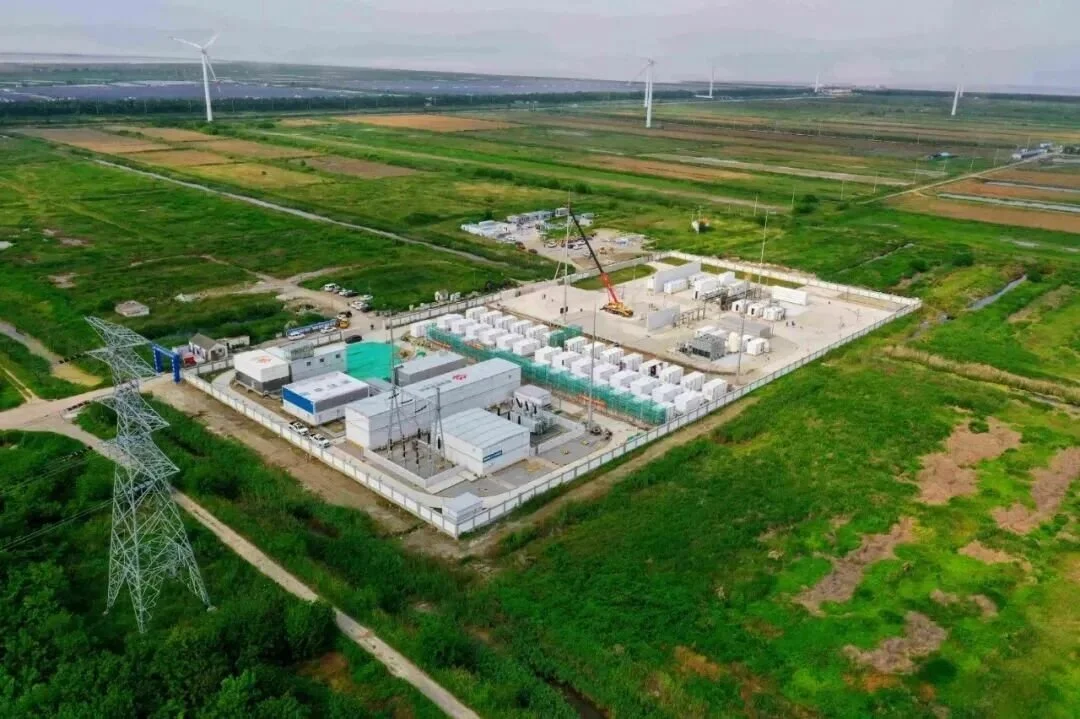
02
China’s Largest Single-Site PV + Energy Storage Project
Ningxia Yongli 300MW/600MWh Energy Storage Project
Grid Connection Date: June 2026
Location: Ningxia Hui Autonomous Region
Owner: Ningxia Dian Investment Yongli (Zhongwei) New Energy Co., Ltd.
Energy Storage Technology: Lithium Iron Phosphate (LFP) Battery Storage
Storage Scale: 300MW/600MWh
Located in Shapotou District, Zhongwei City, Ningxia, the project was developed specifically to support the 3GW photovoltaic base in Zhongwei.
The project consists of three independent energy storage stations — No.1, No.2, and No.3 — each with a capacity of 100MW/200MWh. The combined installed capacity reaches 300MW/600MWh.
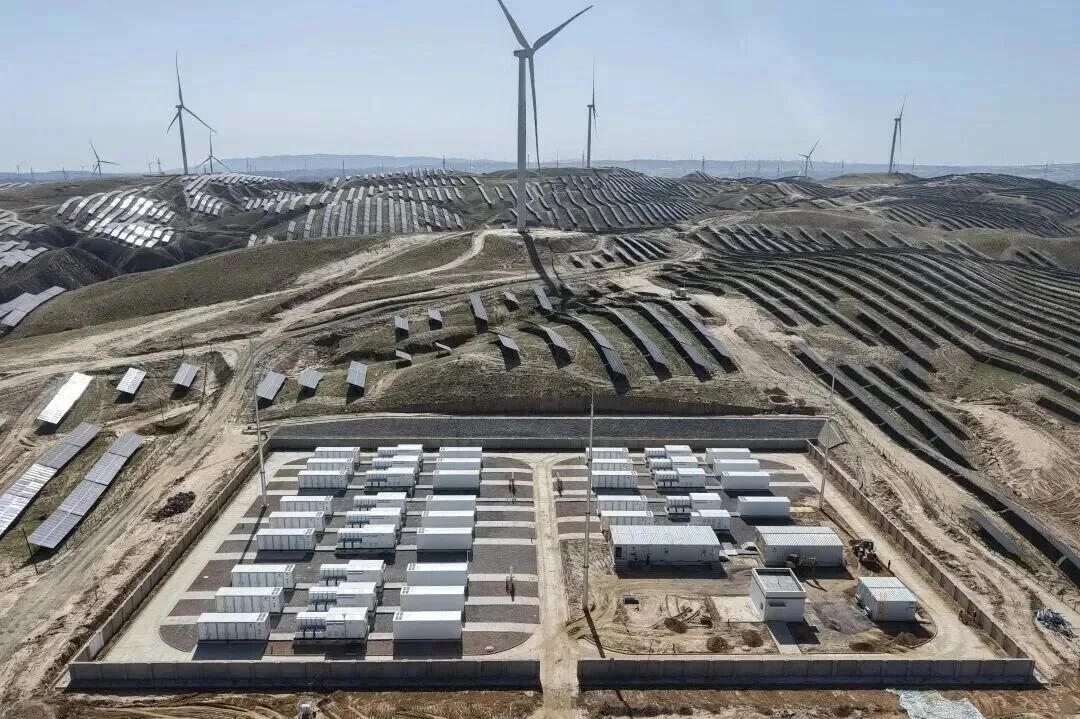
03
China’s Largest Vanadium Flow Battery Energy Storage Power Station
Three Gorges Group Xinjiang Jimusar 1GW PV + Vanadium Flow Battery Energy Storage Integrated Project
Grid Connection Date: June 2026
Location: Xinjiang
Owner: Three Gorges New Energy Jimusar Power Generation Co., Ltd.
Energy Storage Technology: Vanadium Redox Flow Battery (VRFB)
Storage Scale: 200MW/1000MWh
Located in Jimusar County, Changji Hui Autonomous Prefecture, Xinjiang, the project features a rated power capacity of 200MW and an energy storage capacity of 1,000MWh.
It is currently the largest vanadium flow battery energy storage power station in China, representing a major milestone in the large-scale application of long-duration energy storage technologies.
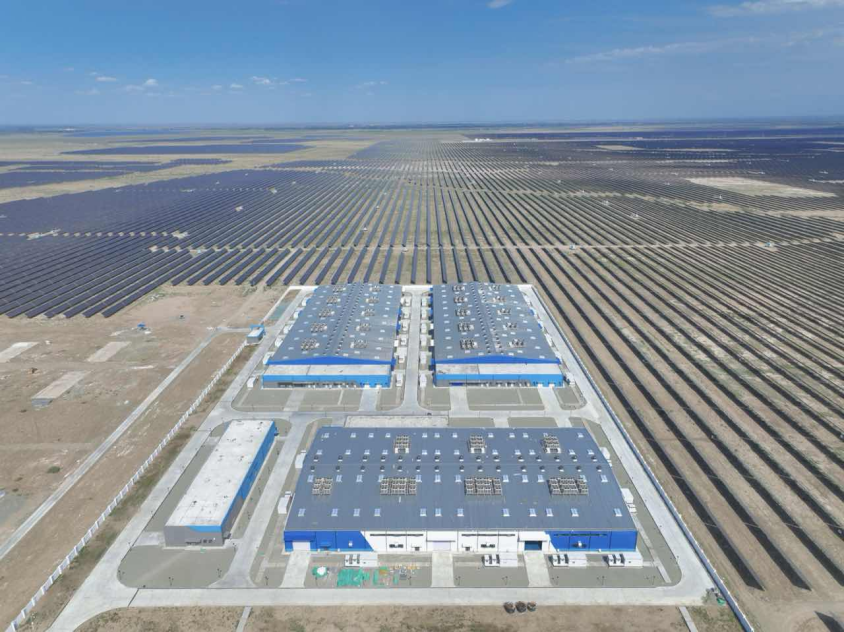
04
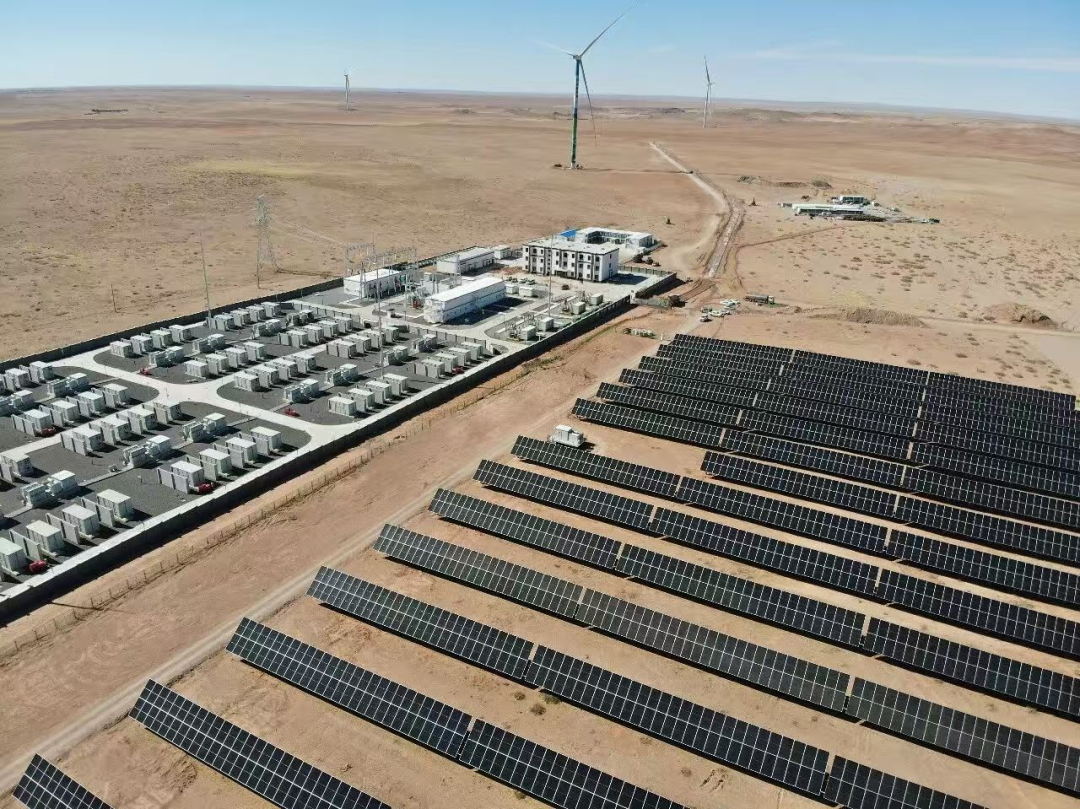
China’s First Desert Grassland “PV + Grassland Complementary” Pilot Project
Huaneng Inner Mongolia Tongwei Green Materials New Energy Storage Project
Grid Connection Date: May 2026
Location: Inner Mongolia Autonomous Region
Owner: Baotou No.1 Thermal Power Plant, North United Power Co., Ltd. (Huaneng North China Company)
Energy Storage Technology: Lithium Iron Phosphate (LFP) Battery Storage
Storage Scale: 90MW/360MWh
Developed by Huaneng North China Company’s Baotou No.1 Thermal Power Plant, the project has a planned renewable energy capacity of 350MW, including:
300MW wind power
50MW photovoltaic power
90MW/360MWh electrochemical energy storage system
The project adopts a “grassland + photovoltaic” complementary model, with renewable electricity accounting for 50.17% of the electricity consumption of the industrial silicon production facility.
05
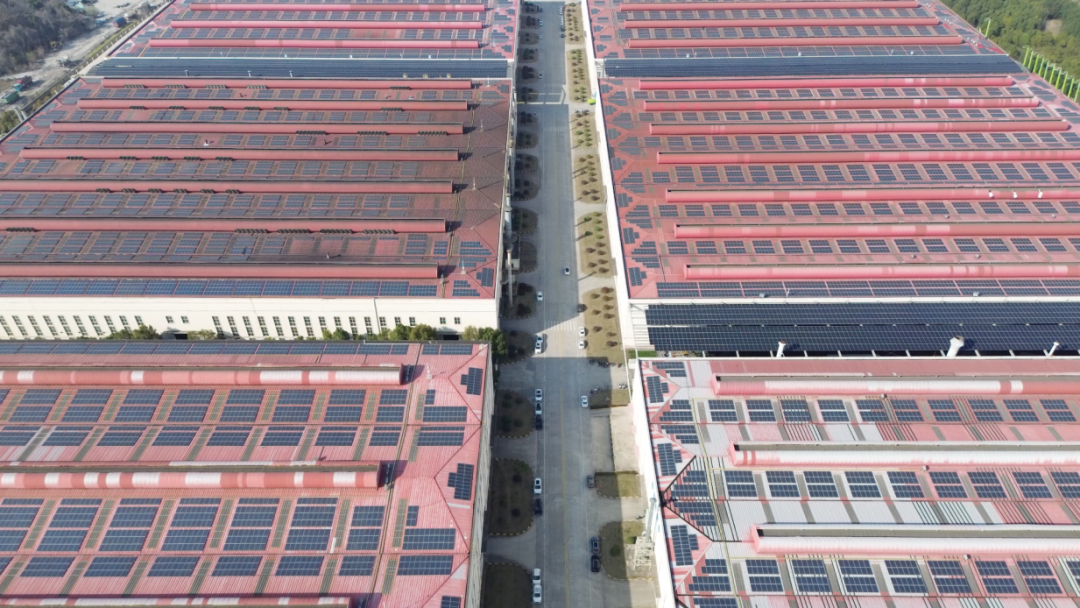
The Industry’s First Fully Green Electricity Demonstration Factory
Baima Mountain Fully Green Electricity Factory
Grid Connection Date: March 2026
Location: Anhui Province
Owner: Anhui Conch Group
Energy Storage Technology: Lithium Iron Phosphate (LFP) Battery Storage
Storage Scale: 22.5MW/45MWh
Located in Wuhu, Anhui Province, the project is the industry’s first fully green electricity demonstration factory integrating:
photovoltaic power generation
electrochemical energy storage
smart microgrid systems
new energy vehicle charging infrastructure
Building on waste heat power generation from cement kilns, the project innovatively expands photovoltaic deployment across multiple scenarios, including:
rooftop and corridor spaces
building facades
floating PV systems on water surfaces
curved roof structures
By utilizing more than 130,000 square meters of available space, the project integrates renewable generation and energy storage systems to establish a multi-energy complementary energy ecosystem.
06
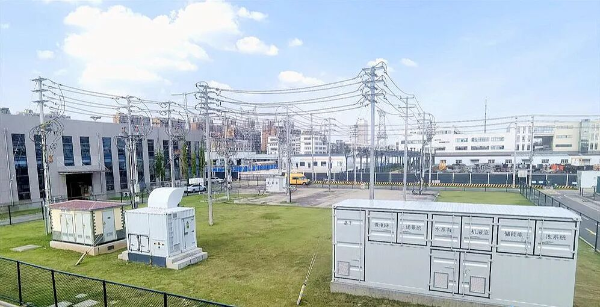
China's First Distribution-Level Aqueous Organic Flow Battery Energy Storage Project
Suqian Era Aqueous Organic Flow Battery Distribution-Level Energy Storage Project
Grid Connection Date: March 2026
Location: Jiangsu Province and Anhui Province
Energy Storage Technology: Aqueous Organic Flow Battery
Storage Capacity: 60kW/120kWh
The project represents China's first deployment of an aqueous organic flow battery energy storage system at the distribution-transformer level.
It achieved several technological breakthroughs, including the development of an organic quaternary ammonium salt-based electrolyte system, a high-ion-conductivity anion exchange membrane, and advanced multi-physics coupled control technology.
Jointly developed by Suqian Era Energy Storage Technology Co., Ltd. and State Grid Electric Power Research Institute, the project was commissioned in Suqian Economic Development Zone, Jiangsu Province, with a parallel deployment in Chuzhou, Anhui Province.
07
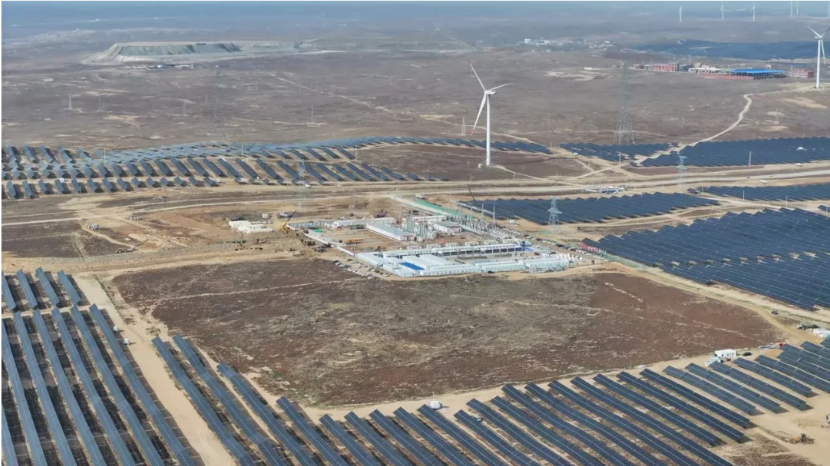
China's Largest Single-Site PV Project in a Coal Mining Subsidence Area
Ningxia Lingwu 4GW PV Project in a Coal Mining Subsidence Area
Grid Connection Date: February 2026
Location: Ningxia Hui Autonomous Region
Owner:CHN Energy
Energy Storage Technology: Lithium Iron Phosphate (LFP)
Storage Capacity: 400MW/800MWh
The project is being developed in two phases with a total installed PV capacity of 4GW, making it China's largest single-site photovoltaic project built on a former coal mining subsidence area.
As one of the key projects under China's second batch of large-scale desert, Gobi, and wasteland renewable energy bases, it also serves as an important green power source for the Ningxia–Zhejiang LingShao UHV DC transmission corridor.
The project is planned to include 600MW/1,200MWh of battery energy storage, of which 400MW/800MWh has already been commissioned.
08
World's Largest Compressed Air Energy Storage Power Station
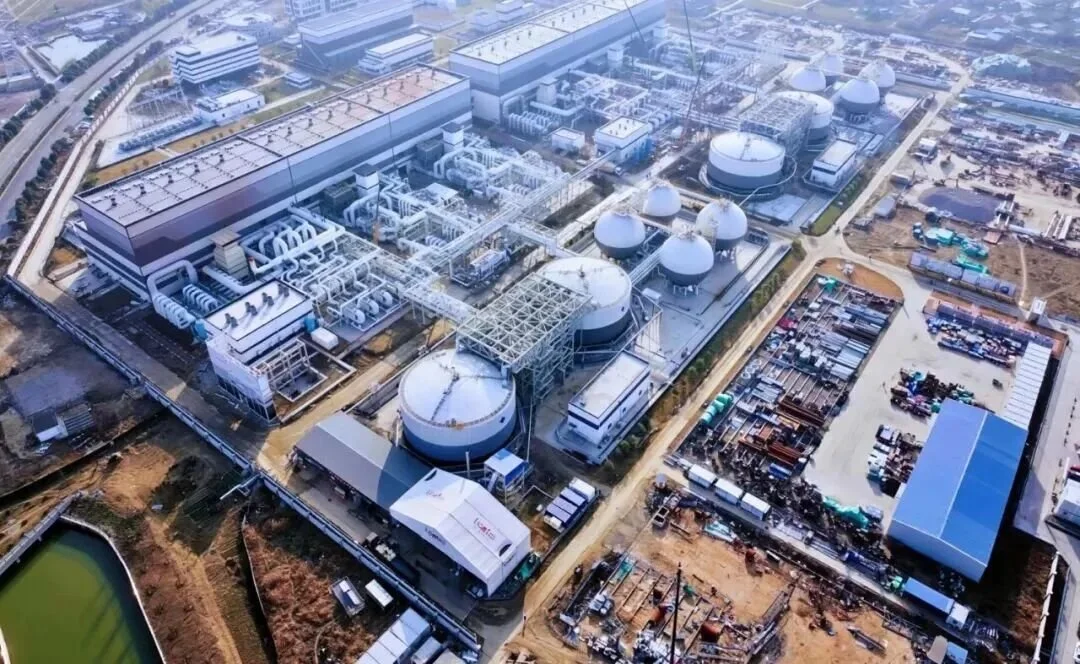
Jiangsu Guoxin Suyan Huai'an Salt Cavern Compressed Air Energy Storage Demonstration Project
Grid Connection Date: January 2026
Location: Jiangsu Province
Owner: Jiangsu Guoxin Suyan (Huai'an) Energy Storage Power Generation Co., Ltd.
Energy Storage Technology: Compressed Air Energy Storage (CAES)
Storage Capacity: 2 × 300MW / 2,400MWh
The project utilizes underground salt caverns in Huai'an, Jiangsu Province, to construct two 300MW non-fuel supplementary compressed air energy storage units.
It adopts internationally advanced high-temperature adiabatic compressed air energy storage technology, combining molten salt thermal storage with pressurized hot water heat storage.
With a total storage capacity of 2,400MWh and a round-trip efficiency of approximately 71%, it is currently the world's largest compressed air energy storage power station.
09
China's Largest Sodium-Ion Battery Energy Storage Power Station Under Construction
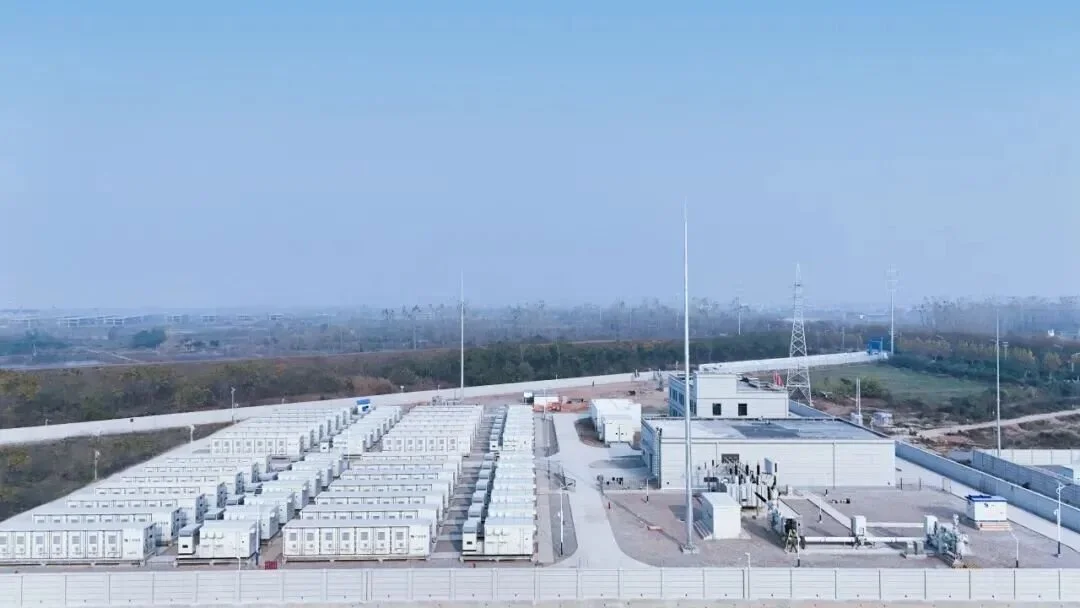
Honghu 100MW/200MWh Sodium-Ion Battery Energy Storage Demonstration Project (Phase I)
Phase I Grid Connection Date: January 2026
Location: Hubei Province
Owner: Honghu Suifa New Energy Co., Ltd. (a wholly owned subsidiary of Guangzhou Development Group)
Energy Storage Technology: Sodium-Ion Battery
Phase I Capacity: 50MW/100MWh
The project is one of Hubei Province's first batch of new energy storage demonstration projects.
Phase I includes a 50MW/100MWh sodium-ion battery energy storage system, a new 110kV booster substation, and a dedicated transmission line connecting to the Maojiang 110kV substation.
Once fully completed, the project is expected to become one of China's largest sodium-ion battery energy storage power stations, demonstrating the commercial potential of sodium-ion technology for grid-scale applications.
10
China's First 100MWh Distribution-Level Cloud Energy Storage Demonstration Project
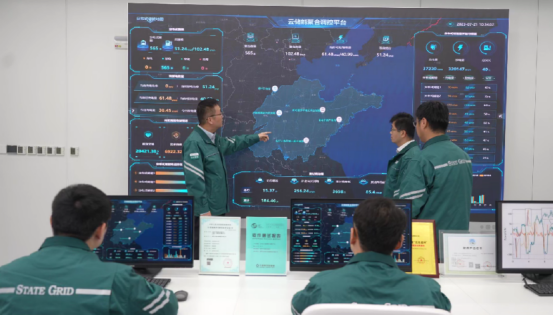
State Grid Shandong Integrated Energy Service Cloud Energy Storage Demonstration Project
Grid Connection Date: January 2026
Location: Shandong Province
Storage Capacity: 50MW/100MWh
As China's first 100MWh cloud energy storage demonstration project, the initiative is built around the concept of distributed aggregation, cloud-based dispatch, and intelligent coordination.
The project enables centralized management and flexible dispatch of a large number of geographically distributed energy storage resources, providing an innovative solution for improving grid flexibility, renewable energy integration, and distributed energy resource management.
Milestone Projects Commissioned at the End of 2025
While a wide range of innovative energy storage projects entered operation during the first half of 2026, several landmark projects commissioned in late 2025 also deserve recognition for their technological significance. These projects span hybrid energy storage, ultra-large-scale lithium battery storage, semi-solid-state battery systems, intelligent string-based energy storage, and other cutting-edge applications, further demonstrating China's accelerating innovation in the energy storage sector.
11
China's First 100MW-Scale Hybrid Energy Storage Demonstration Project Combining Supercapacitors and Lithium Batteries
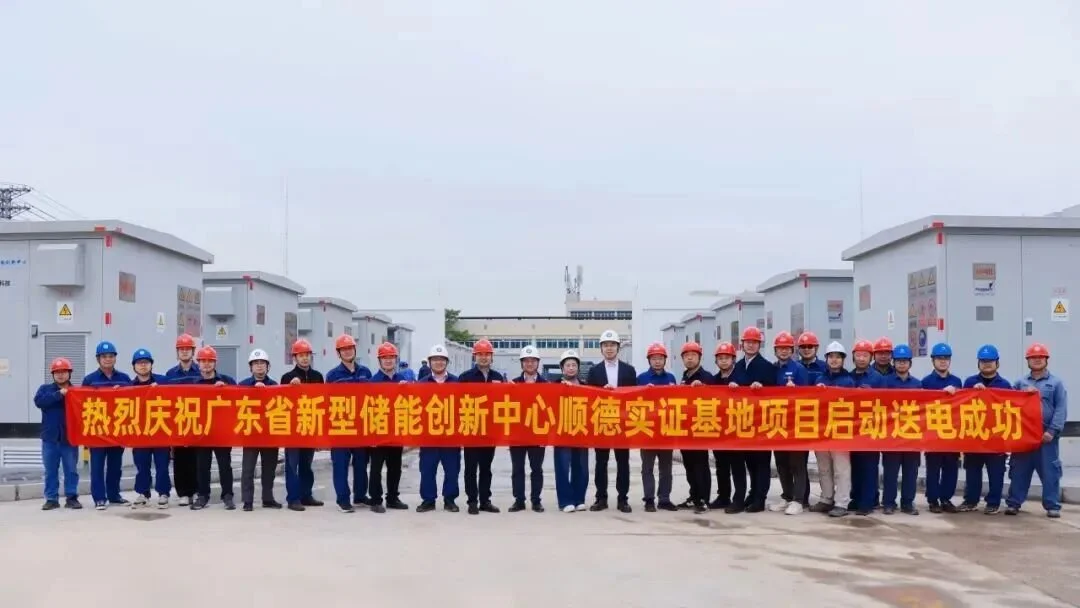
Shunde Demonstration Base Project of the Guangdong New-type Energy Storage Innovation Center
Grid Connection Date: December 2025
Location: Guangdong Province
Owner: Guangdong New-type Energy Storage National Research Institute Co., Ltd.
Energy Storage Technology: Supercapacitors + Lithium Iron Phosphate (LFP) Batteries
Storage Capacity: 200MW/305MWh
As China's first commercial-scale demonstration project integrating supercapacitors and lithium batteries, the project validates the technical and commercial viability of hybrid energy storage systems at the 100MW scale.
The project utilizes domestically developed high-energy-density, high-power supercapacitors (90Wh/kg with a service life exceeding 100,000 charge-discharge cycles) and adopts a hybrid configuration consisting of 50MW/5MWh of supercapacitors and 150MW/300MWh of LFP battery storage.
By combining the ultra-fast response capability of supercapacitors with the long-duration energy support of lithium batteries, the system provides multiple grid services, including grid-forming support, primary and secondary frequency regulation, and sustained energy balancing, offering a comprehensive solution for next-generation power systems.
12
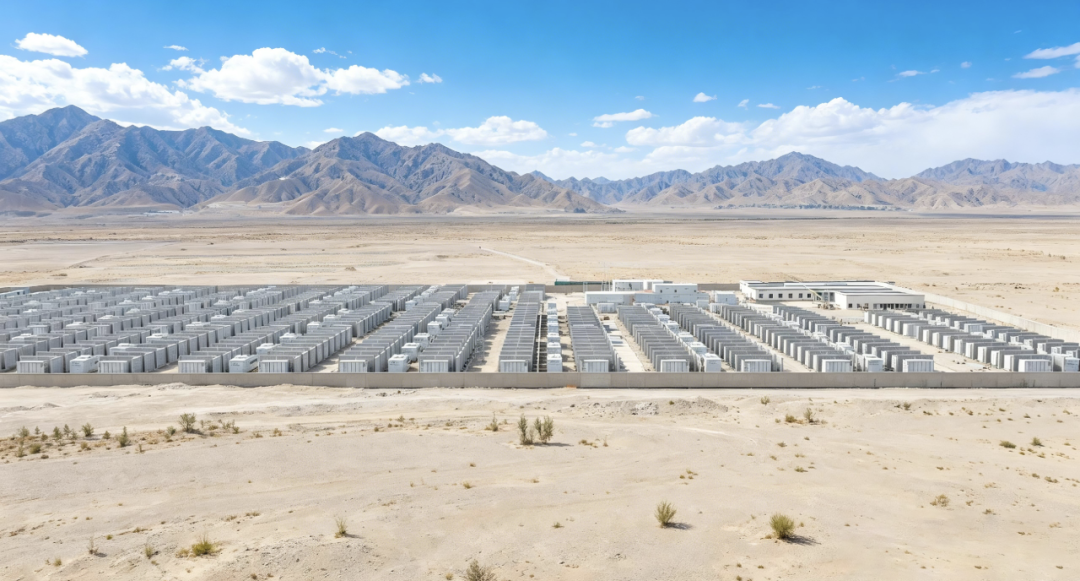
China's Largest Intelligent String Energy Storage Power Station by Single-Site Capacity
220kV Boxian Xingguang Energy Storage Power Station
Grid Connection Date: December 2025
Location: Inner Mongolia Autonomous Region
Owner: Baotou Boxian New Energy Technology Co., Ltd. (a wholly owned subsidiary of HyperStrong)
Energy Storage Technology: Lithium Iron Phosphate (LFP) Batteries
Storage Capacity: 400MW/2,400MWh
With a total capacity of 400MW/2,400MWh, the project is China's largest intelligent string energy storage power station by single-site capacity.
Developed by HyperStrong, the project features Huawei's intelligent string grid-forming PCS alongside HyperStrong's industry-leading 7MWh high-capacity battery energy storage system, enhancing system safety, operational flexibility, and grid support capability.
13
China's Largest Independent Grid-side Energy Storage Demonstration Project
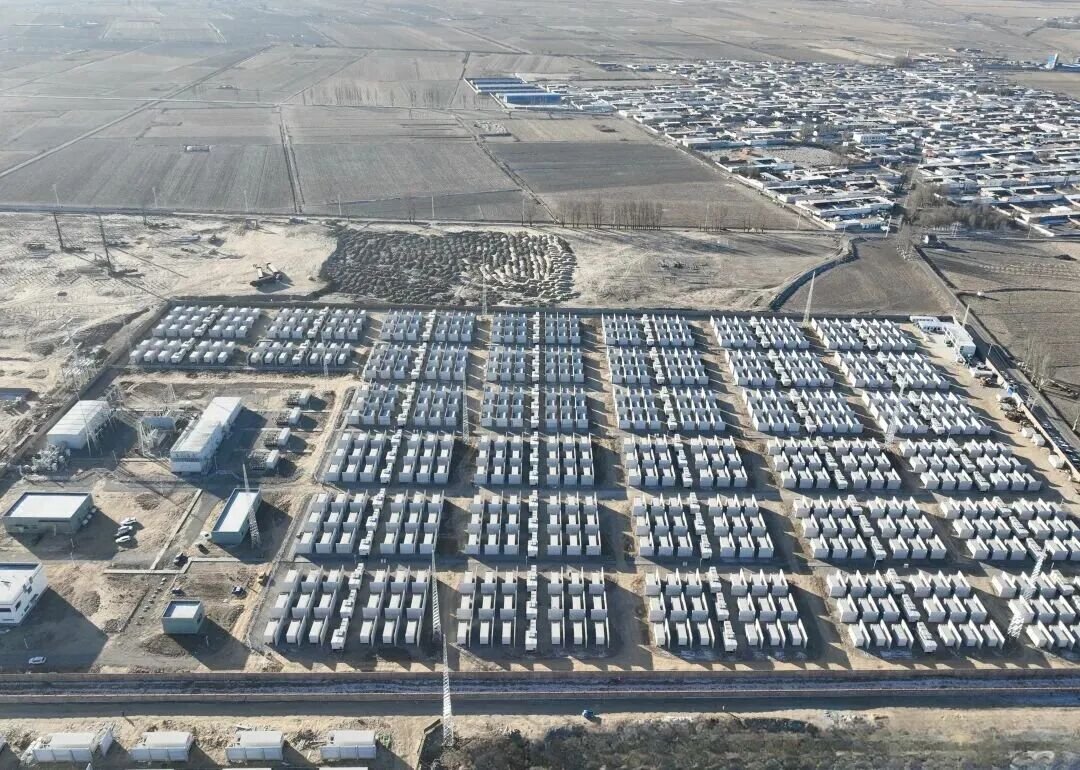
Baotou Weijun 500MW/3,000MWh Independent Grid-side Energy Storage Demonstration Project
Grid Connection Date: December 2025
Location: Inner Mongolia Autonomous Region
Owner: Baotou Tuyou Banner Bosi New Energy Technology Co., Ltd. (a wholly owned subsidiary of HyperStrong)
Energy Storage Technology: Lithium Iron Phosphate (LFP) Batteries
Storage Capacity: 500MW/3,000MWh
Located in Tumed Right Banner, Baotou, Inner Mongolia, the project is currently China's largest independent grid-side energy storage demonstration project.
Serving as a flagship project for China's new power system development, it also plays a vital role in facilitating renewable energy integration across western Inner Mongolia while strengthening regional grid stability and flexibility.
14
World's Largest Single-Site Electrochemical Energy Storage Power Station
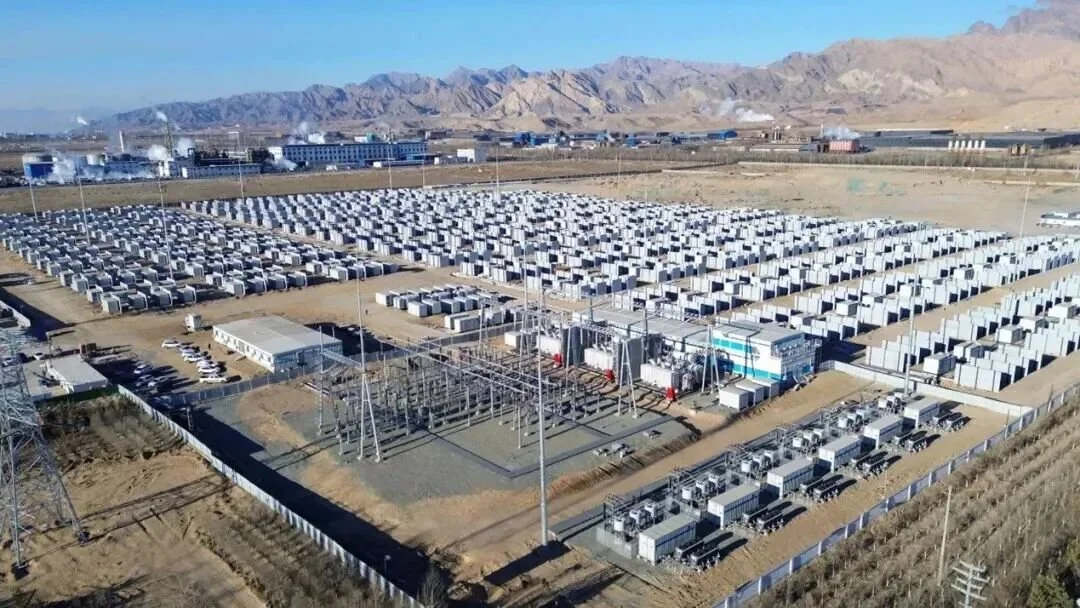
Envision Chaganhada Energy Storage Power Station
Grid Connection Date: December 2025
Location: Inner Mongolia Autonomous Region
Owner: Envision Group
Energy Storage Technology: Lithium Iron Phosphate (LFP) Batteries
Storage Capacity: 1,000MW/4,000MWh
Located in Bayannur, Inner Mongolia, the project has a total storage capacity of 4GWh, making it the world's largest single-site electrochemical energy storage power station.
The facility is fully equipped with Envision's AI-powered energy storage system, enabling intelligent operation and maintenance while successfully passing the grid's stringent "three-charge, three-discharge" commissioning test on its first attempt.
15
China's Largest Standalone New-type Energy Storage Power Station by Single-Site Capacity
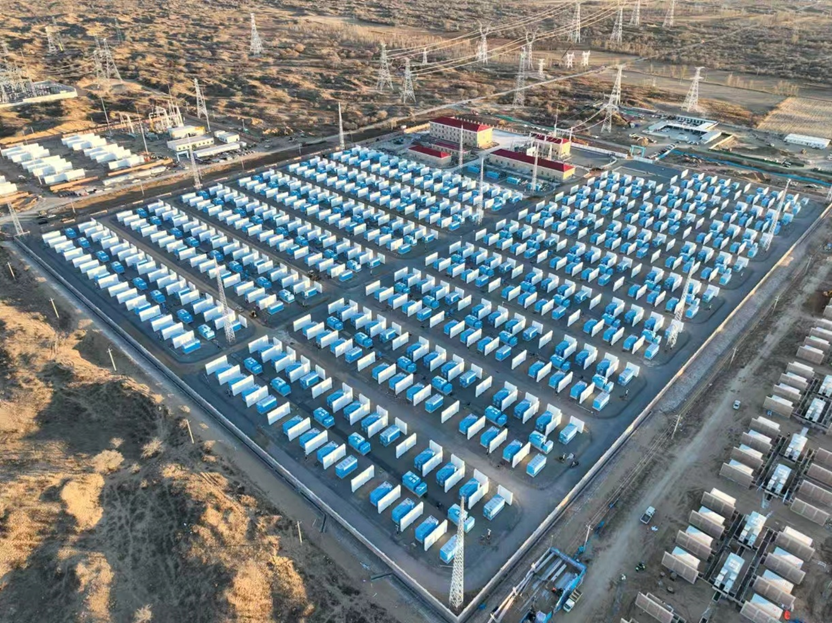
Tongliao Hailuo 500MW/2,000MWh Standalone Energy Storage Power Station
Grid Connection Date: November 2025
Location: Inner Mongolia Autonomous Region
Owner: Tongliao Conch New Energy Co., Ltd. (a wholly owned subsidiary of Anhui Conch Group)
Energy Storage Technology: Lithium Iron Phosphate (LFP) Batteries
Storage Capacity: 500MW/2,000MWh
Located in Naiman Banner, Tongliao, Inner Mongolia, the project was developed by Tongliao Conch New Energy Co., Ltd.
The station adopts CATL's 5MWh battery energy storage system and, at the time of commissioning, became China's largest standalone new-type energy storage power station by single-site capacity.
16
China's Largest Semi-solid-state Lithium Battery Energy Storage Project
Wuhai 200MW/800MWh Semi-solid-state Energy Storage Power Station
Grid Connection Date: November 2025
Location: Inner Mongolia Autonomous Region
Owner: China Green Development Investment Group
Energy Storage Technology: Semi-solid-state Lithium Iron Phosphate Batteries
Storage Capacity: 200MW/800MWh
With a total investment of approximately RMB 600 million, the project is the first utility-scale energy storage project in Inner Mongolia to deploy semi-solid-state LFP battery technology.
Occupying approximately 100 mu (about 6.7 hectares), the facility comprises 160 battery containers and 40 integrated PCS and step-up transformer units, providing valuable engineering validation for the commercialization of next-generation battery technologies.
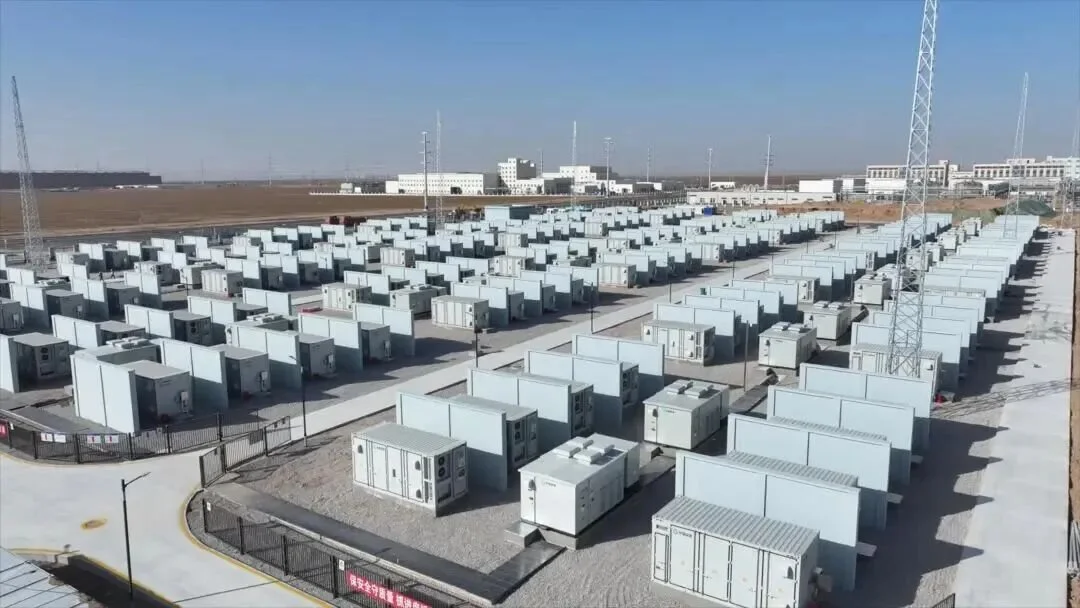
A review of China's landmark energy storage projects commissioned in recent years clearly demonstrates that the industry has entered a new stage of development. Rather than relying solely on expanding lithium battery deployment, China's energy storage market is rapidly evolving toward technology diversification, complementary short- and long-duration storage solutions, and full-spectrum applications spanning the generation, grid, and demand sides.
Emerging technologies—including long-duration energy storage, solid-state batteries, hybrid energy storage systems, intelligent aggregation, and cloud-based dispatch—are continuously advancing from engineering demonstrations to large-scale commercial deployment. At the same time, integrated energy solutions combining multiple renewable resources and storage technologies are becoming increasingly common across utility-scale, grid-side, and customer-side applications.
Driven by supportive policies, growing market demand, and sustained investment, China's energy storage industry is expected to continue overcoming technological and commercial barriers. The sector is steadily building a multi-level, diversified, and highly efficient energy storage ecosystem, accelerating the industrialization of advanced storage technologies while providing critical support for the country's energy transition and the development of a modern power system.
Dalian Institute of Chemical Physics Wins Second Prize of National Technical Invention Award for Next-Generation Large-Scale All-Vanadium Flow Battery Core Technologies & Applications
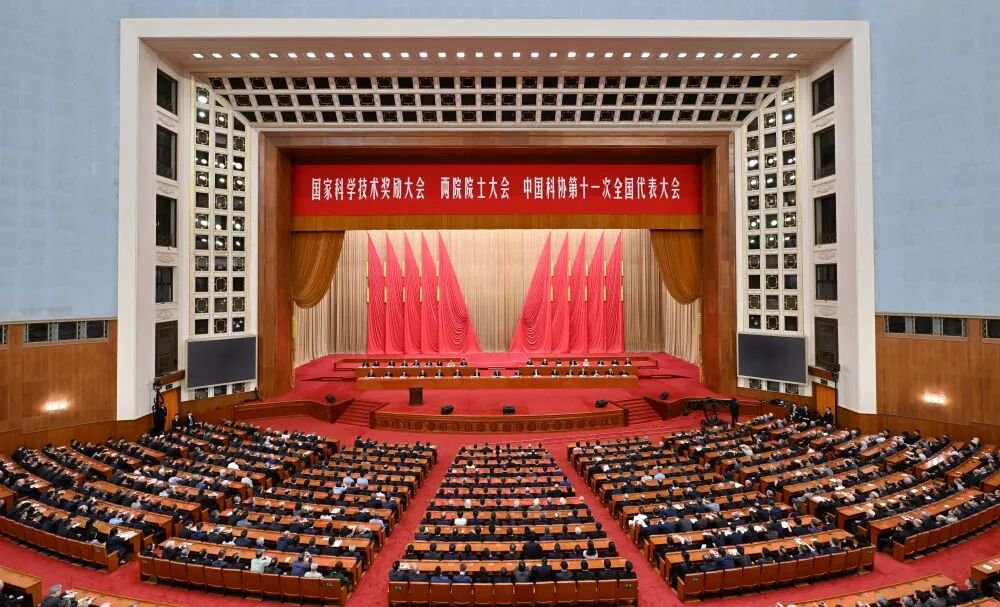
On the morning of July 8, the National Science and Technology Awards Ceremony, the General Assembly of the Chinese Academy of Sciences and the Chinese Academy of Engineering, and the 11th National Congress of the China Association for Science and Technology convened in Beijing.
As China’s highest honor in science and technology, the National Science and Technology Awards cover five categories: the State Preeminent Science and Technology Award, the National Natural Science Award, the National Technical Invention Award, the National Science and Technology Progress Award, and the International Science and Technology Cooperation Award of the People’s Republic of China.
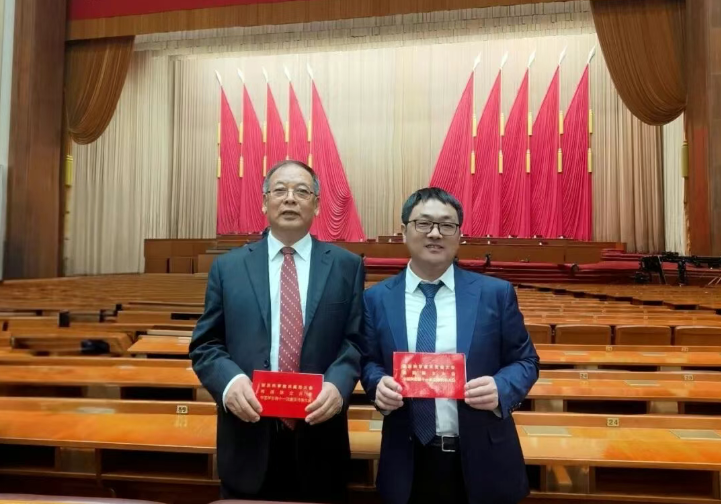
The research achievement titled Key Technologies and Applications of Next-Generation Large-Scale All-Vanadium Flow Batteries developed by the Dalian Institute of Chemical Physics (DICP), Chinese Academy of Sciences, was conferred the Second Prize of the National Technical Invention Award.
DICP is the initiator institution of the Flow Battery Special Committee under the China Energy Storage Alliance (CNESA). Researcher Li Xianfeng, Deputy Director of DICP, serves as the first Chairman of the Special Committee. CNESA hereby extends our sincerest respect and warmest congratulations to Researcher Li Xianfeng and his entire R&D team.
Energy storage acts as an indispensable core technology for building a new power system dominated by renewable energy and delivering China’s Dual Carbon Goals. Featuring ultra-long service life, intrinsic high safety and outstanding energy efficiency, all-vanadium redox flow batteries (VRFBs) have emerged as a high-priority technical pathway for global energy storage and a top choice for large-scale energy storage deployment in China.
Nevertheless, all-vanadium flow battery systems boast sophisticated architectures that integrate multiple interdisciplinary disciplines. Efficient collaborative integration of diverse internal materials and functional components poses substantial challenges to system assembly and engineering implementation.
For more than a decade, the research team led by Researcher Li Xianfeng from DICP has dedicated itself to flow battery innovation. After completing MW-scale system demonstration and validation back in 2012, the team systematically resolved critical industrialization bottlenecks including high manufacturing costs, insufficient operational reliability, and foreign monopolies over core materials. Through sustained original innovation, the team pioneered the complete set of next-generation core technologies for large-scale all-vanadium flow batteries.
The team put forward the original concept of "ion sieving conduction", which underpinned the independent R&D and mass production of proprietary ion exchange membranes. Breakthroughs were also realized in novel electrolyte formulations, high-performance cell stacks and full system integration. Relying on these foundational principal innovations and core technical advances, the team established a fully independent industrialization chain for all-vanadium flow batteries, spanning fundamental research through full-scale commercial engineering.
Over the past five years, the team has deployed more than 30 commercial demonstration projects worldwide based on its proprietary next-generation VRFB technologies. Flagship projects include the world’s first national-grade 100 MW / 400 MWh all-vanadium flow battery peak-shaving power station, and the world’s largest ongoing 200 MW / 1 GWh PV-storage integrated project in Jimsar, Xinjiang. To date, the cumulative installed capacity of the team’s VRFB technologies has exceeded 4 GWh, capturing a dominant share of the global mainstream flow battery market.
The award-winning achievement has built a robust independent intellectual property portfolio, encompassing over 200 authorized invention patents including 12 international patents. A total of 15 patent licensing agreements has been signed with domestic and overseas enterprises, marking successful technology exports to developed European economies.
Furthermore, the team led the formulation and release of the world’s first international standard for flow batteries, alongside more than 20 national and industrial standards, securing China’s rule-setting dominance across the global flow battery sector.
This landmark research outcome was jointly completed by the Dalian Institute of Chemical Physics, Dalian Rongke Power Co., Ltd., and Dalian Rongke Power Group Co., Ltd. The technology has catalyzed a complete upstream and downstream industrial cluster with remarkable agglomeration effects, delivering pivotal support for technological advancement in China’s energy storage sector, the growth of the new energy industry, and the structural transformation of national energy systems.
Sign up for our free monthly newsletter to stay informed about the Chinese energy storage market.