
Latest News
CATL Signs 2GWh Sodium-ion Energy Storage Agreement with Solarpro to Accelerate Deployment in Europe
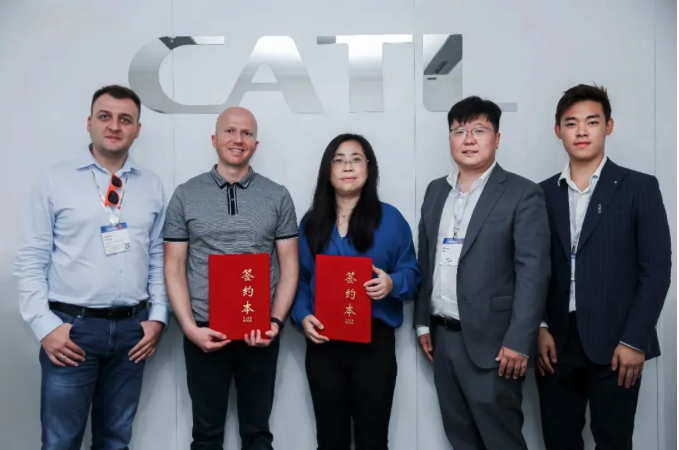
CATL has signed a 2GWh sodium-ion energy storage agreement with Solarpro to deploy Central and Eastern Europe’s first large-scale sodium-ion battery energy storage project, marking another milestone in the commercialization of sodium-ion storage technology in Europe.
CATL announced on July 21 that it has signed a 2GWh agreement with leading Central and Eastern European renewable energy company Solarpro for the deployment of its TENER Sodium energy storage system. The two companies plan to jointly deliver the region’s first large-scale sodium-ion battery energy storage project later this year, accelerating the commercialization of next-generation energy storage technologies across Europe.
The agreement follows CATL’s recently announced 5GWh sodium-ion energy storage partnership with Dutch energy solutions provider Alfen, highlighting the company’s rapid expansion of sodium-ion battery deployments in the European market.
The project will utilize CATL’s TENER Sodium battery energy storage system, which offers a cycle life of up to 15,000 cycles and is designed to operate reliably for 25 to 30 years. The system also delivers outstanding low-temperature performance, maintaining 92% capacity retention at -20°C, making it well suited for the harsh winter conditions commonly experienced across Central and Eastern Europe.
CATL and Solarpro first established their strategic partnership in 2024, when they deployed a 150MWh EnerC+ liquid-cooled battery energy storage system in Bulgaria. In May 2026, the companies successfully commissioned a 602MWh TENER lithium battery energy storage project, which increased Bulgaria’s total installed energy storage capacity by approximately 10%. The latest agreement extends the partnership into the commercialization of sodium-ion battery technology.
As Europe continues to expand renewable energy deployment, demand for safe, long-life and climate-resilient energy storage solutions is increasing. Sodium-ion batteries are attracting growing industry attention due to their excellent low-temperature performance, long cycle life and the use of more abundant raw materials compared with lithium-based chemistries.
The latest agreement represents another important milestone for CATL’s sodium-ion battery commercialization strategy and reflects growing market confidence in sodium-ion technology as a promising solution for future utility-scale energy storage applications.
The 6th Energy Storage Safety Forum Successfully Held in Hefei
With the diversification of energy storage technologies, application scenarios are rapidly expanding beyond traditional power systems into emerging fields such as industrial manufacturing, data centers, and zero-carbon parks. However, these emerging applications have much lower tolerance for fire risks, presenting unprecedented challenges to the safe development of the energy storage industry. At this critical stage, the 6th Energy Storage Safety Forum, themed “AI Empowering Energy Storage Risk Management and Control, Safety Building a Sustainable Future”, aimed to build industry consensus, address key safety challenges, and promote the stable and sustainable growth of the energy storage sector.
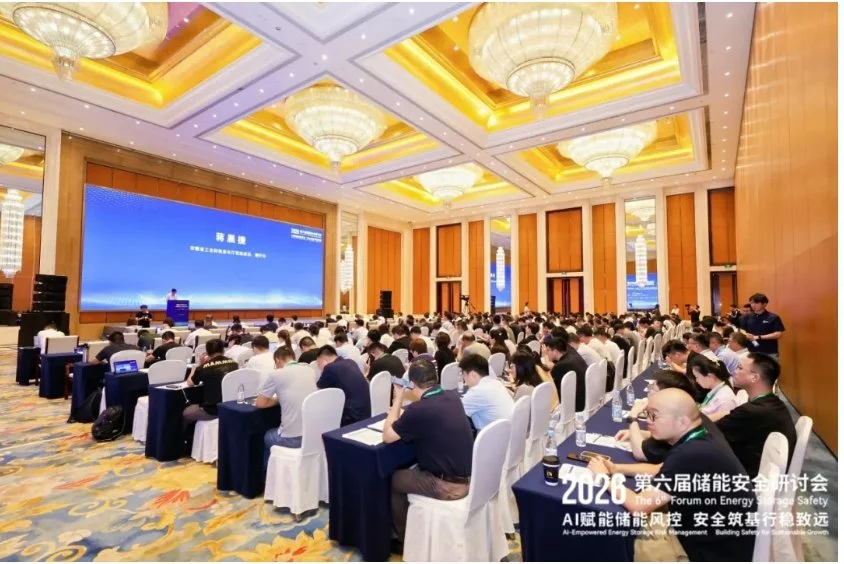
On July 17, 2026, the 6th Energy Storage Safety Forum was successfully held in Hefei, Anhui Province. The event was organized by the China Energy Storage Alliance (CNESA), and co-organized by the National Energy Storage Technology Industry-Education Integration Innovation Platform of Tianjin University, the CNESA Energy Storage Safety Committee, and Gotion High-tech. The forum brought together government officials, industry leaders, academic experts, and research institutions to jointly explore pathways toward safer and more sustainable energy storage development.
The opening ceremony gathered representatives from government authorities, leading research institutions, and enterprises. Attendees included Wang Shijiang, Deputy Director of the Department of Electronic Information of the Ministry of Industry and Information Technology (MIIT); Xu Ziming, Deputy Director of the Electricity Safety Supervision Department of the National Energy Administration (NEA); Jiang Chenyue, Member of the Party Leadership Group and Deputy Director of the Anhui Provincial Department of Industry and Information Technology; Zeng Xiaoming, Member of the Party Leadership Group and Deputy Director of the Anhui Energy Bureau; Sun Jinhua, Academician of the European Academy of Sciences and Professor at the University of Science and Technology of China; Chen Zhongwei, Fellow of the Royal Society of Canada and the Canadian Academy of Engineering; Chen Haisheng, Director of the Institute of Engineering Thermophysics at the Chinese Academy of Sciences; Yang Quanhong, Chair Professor at Tianjin University; Zhuo Ping, Director of the Fourth Research Division of Tianjin Fire Research Institute under the Ministry of Emergency Management; Wang Qisui, Executive President of Gotion High-tech; and Yu Zhenhua, Executive Vice Chairman of CNESA.
The forum also received strong support from organizations and companies including the School of Energy and Power Engineering at Tianjin University, Sungrow, Envision Energy, Honeywell China, Xien Technology, Pengcheng Infinite, Benji Electric, Yangyi Technology, and Huachu Technology. The opening ceremony was hosted by Liu Wei, Secretary General of CNESA.
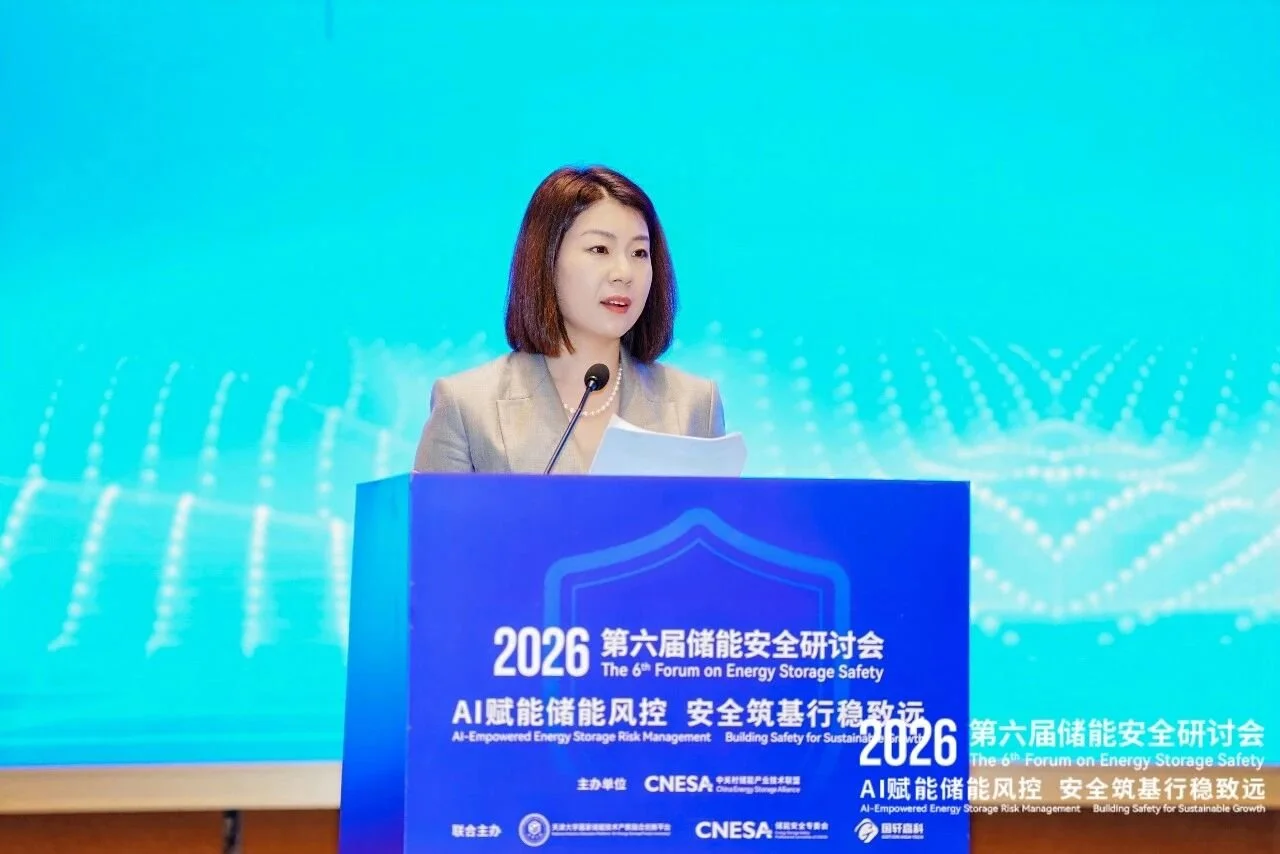
Opening Remarks: Balancing Energy Storage Safety and Development
In his opening speech, Wang Shijiang stated that energy storage is a key driver for achieving China’s dual-carbon goals. The country’s energy storage industry is currently developing rapidly, with strong momentum. In the first quarter of 2026, China’s energy storage lithium battery output reached 185GWh, representing year-on-year growth of more than 100%. Meanwhile, technological innovation continues to accelerate, with applications expanding across power systems, industrial sectors, and zero-carbon parks.
However, safety risks have become a major bottleneck restricting high-quality industry development. Wang emphasized that MIIT’s Department of Electronic Information will coordinate both development and safety, focusing on four key areas:
Strengthening top-level planning and guiding the industry’s transition from scale expansion toward quality improvement and enhanced safety;
Regulating market competition and fostering a healthy industrial ecosystem;
Establishing a strong safety foundation by accelerating the development of national standards, including safety grading evaluation standards for energy storage batteries;
Enhancing technological innovation to prevent and mitigate safety risks at the source.
He called for deeper collaboration across the industry to jointly promote safe, healthy, and sustainable development of energy storage.
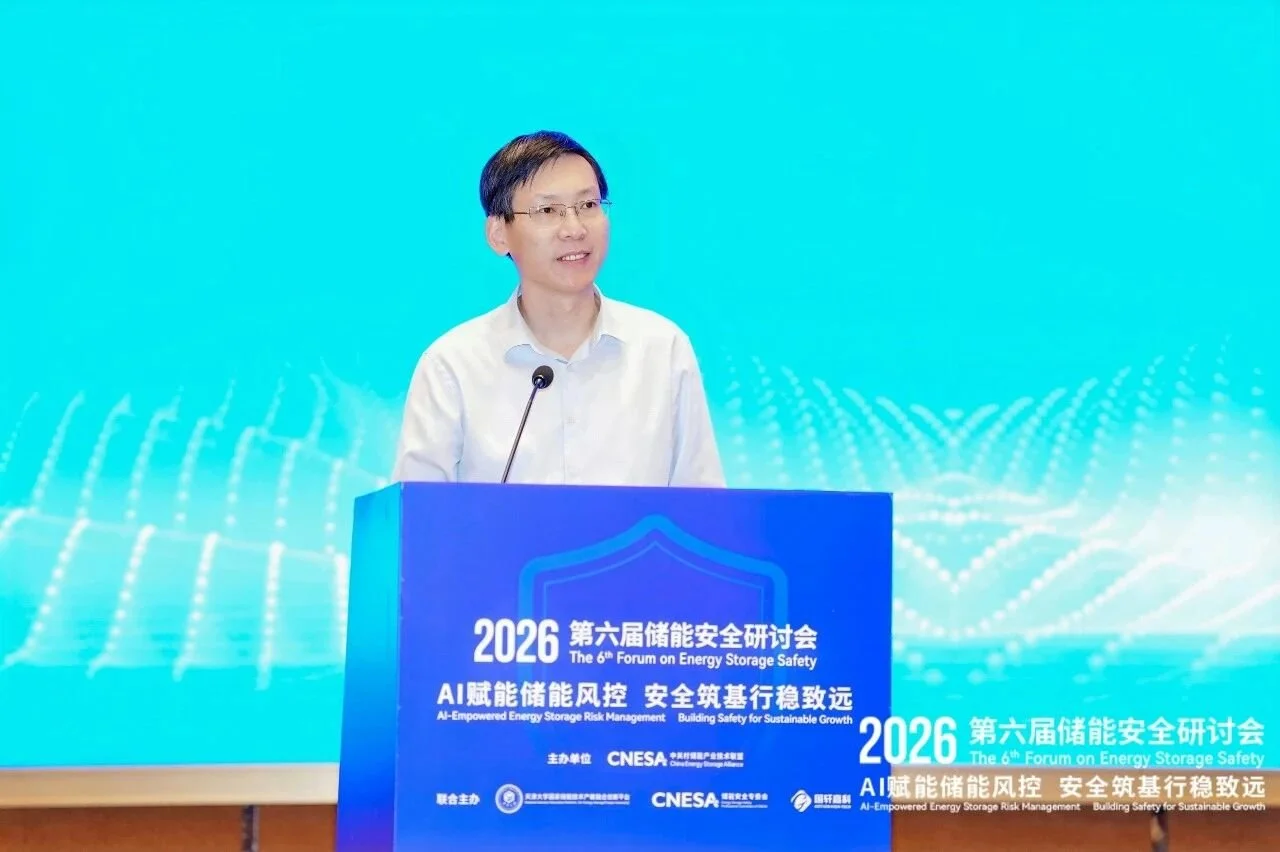
Jiang Chenyue
Deputy Director, Anhui Provincial Department of Industry and Information Technology
Jiang Chenyue highlighted Anhui’s strong industrial growth, noting that the province’s industrial output value has increased from RMB 3.8 trillion at the beginning of the 14th Five-Year Plan period to RMB 5.5 trillion, with its national ranking rising from 12th to 6th place.
In the energy storage sector, Anhui has established a complete industrial chain covering materials, batteries, and systems. Multiple technology routes are developing in parallel, and the industry scale has grown sixfold since the beginning of the 14th Five-Year Plan period, surpassing RMB 1 trillion last year. Leading companies such as Gotion High-tech and Sungrow have emerged as globally competitive enterprises, with energy storage battery cells and system shipments ranking among the world’s leading levels.
Looking ahead to the 15th Five-Year Plan period, Anhui will prioritize new energy storage as a key sector within its “1188” modern industrial system. The province will further integrate industrial development with technological innovation, strengthen market players, accelerate commercialization of new technologies and products, and build an ecosystem integrating government, industry, academia, research, finance, services, and applications.
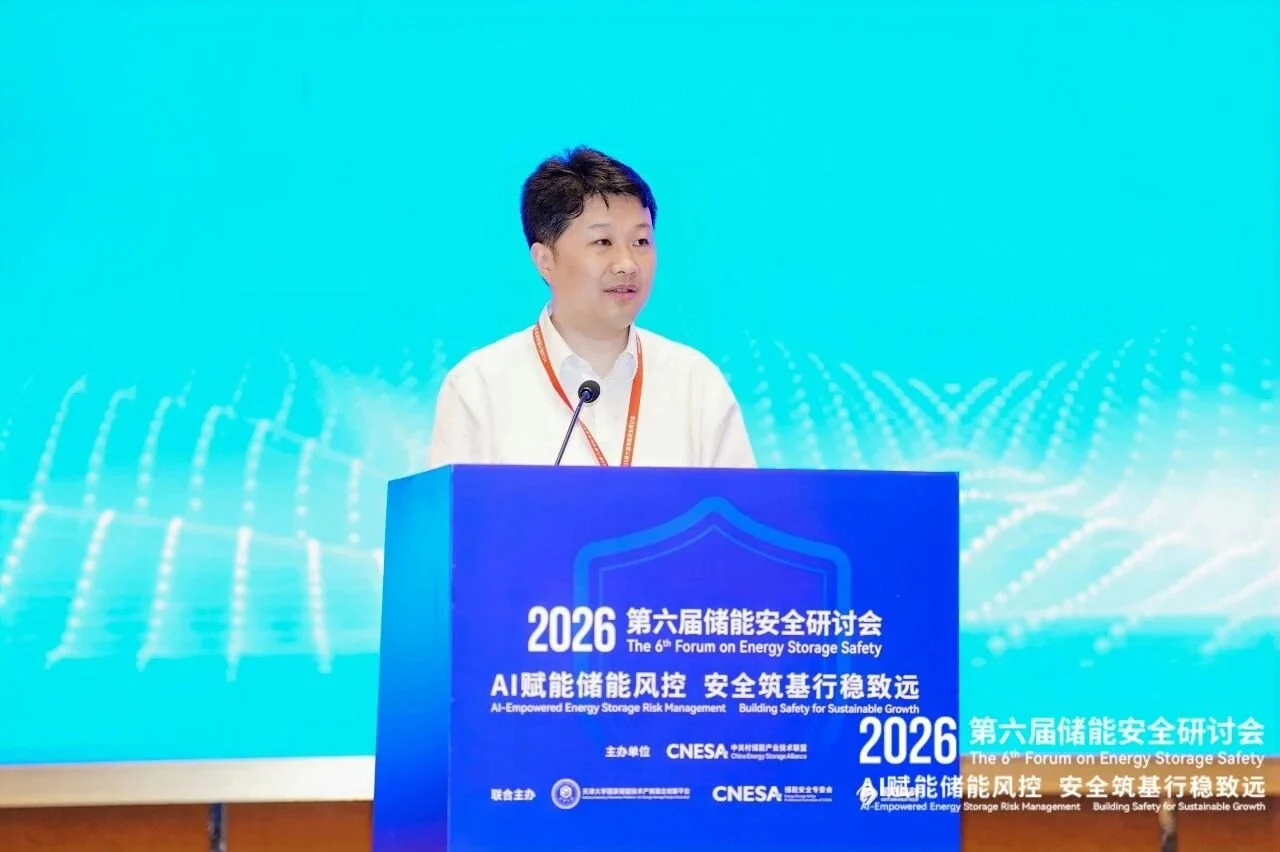
Chen Haisheng
Chairman of CNESA; Director of the Institute of Engineering Thermophysics, Chinese Academy of Sciences
Chen Haisheng stated that 2026 marks a critical year for China’s new energy storage industry as it transitions from large-scale expansion toward high-quality growth.
By the end of June 2026, China’s cumulative installed capacity of energy storage projects reached 237.2GW, representing year-on-year growth of 41.4%. Among this, new energy storage accounted for 168.2GW, exceeding 70% of total capacity. Newly installed capacity reached 21.64GW/58.20GWh, while storage duration continued to increase and technology pathways rapidly evolved.
Despite rapid industry expansion, safety challenges remain the most critical issue facing the sector. Chen emphasized that CNESA will continue strengthening international cooperation, building a global energy storage safety platform, developing comprehensive safety systems, and supporting the global transition toward green and low-carbon energy.
Emerging Insights: Tackling Energy Storage Safety Challenges Across the Entire Value Chain
A clear trend is emerging: energy storage safety innovation is moving beyond battery cell-level protection toward a comprehensive approach integrating battery innovation, system architecture, intelligent operation and maintenance, safety standards, and application scenarios.
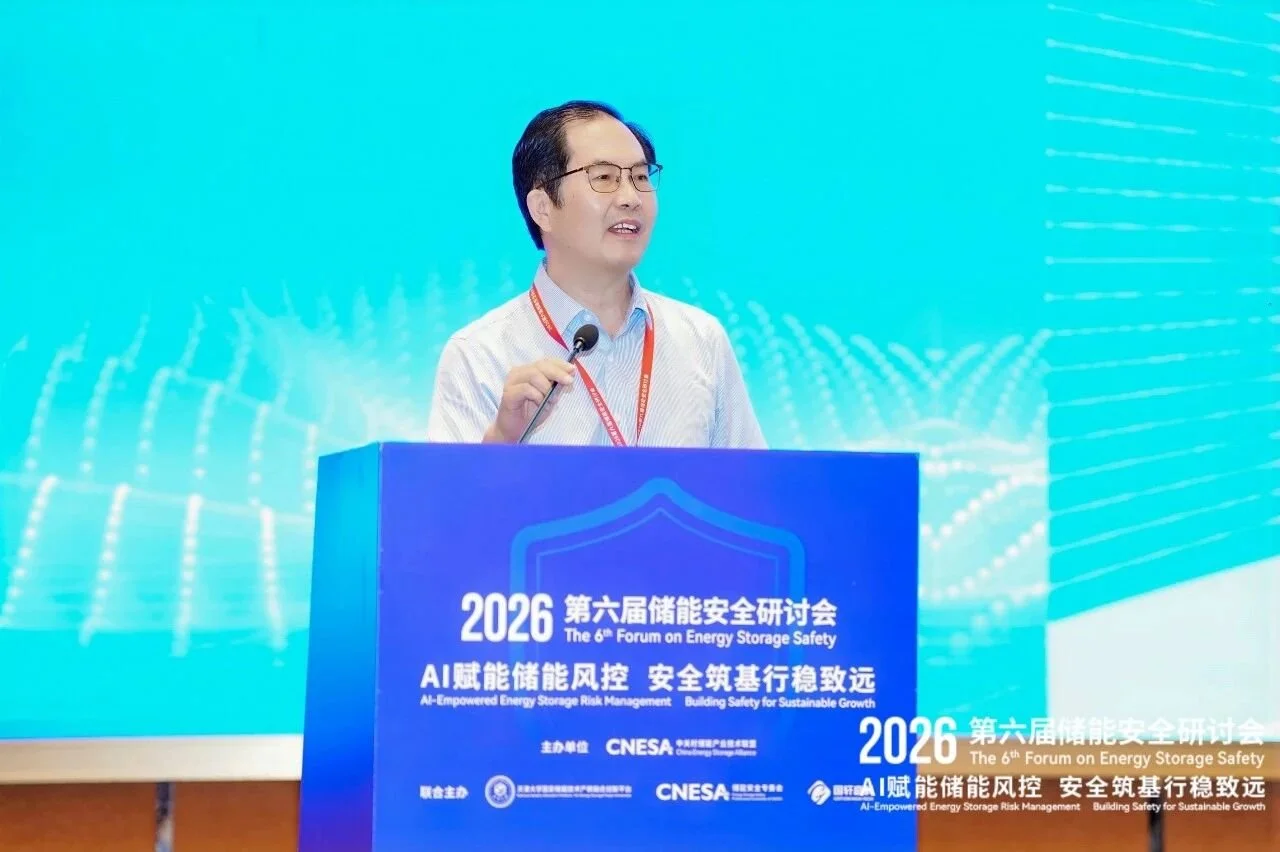
Sun Jinhua
Academician of the European Academy of Sciences; Professor, University of Science and Technology of China
In his presentation titled “Fire Risks and Prevention Strategies for Energy Storage in Computing Power and Data Centers,” Sun Jinhua highlighted the rapid growth of electricity demand from artificial intelligence computing and data centers.
Electricity consumption by computing and data centers approached 200 billion kWh in 2025 and is expected to reach 526–700 billion kWh by 2030. With China requiring newly built data centers in national computing hubs to achieve at least 80% renewable electricity consumption, energy storage will become increasingly essential.
However, fire risks remain a major concern. Global energy storage fire probability is estimated at approximately 0.3%–0.4%, while data centers face higher potential losses due to concentrated assets and personnel, requiring much stricter safety standards.
Sun proposed three layers of safety protection:
Improving intrinsic battery safety through interdisciplinary research and AI technologies to reduce thermal runaway probability below 10⁻⁸;
Enhancing process safety through intelligent thermal management materials, fiber-optic in-situ monitoring, and integrated thermal management and early-warning technologies;
Optimizing firefighting solutions through technologies such as liquid nitrogen extinguishing and multiple-stage suppression.
He emphasized the need to develop intelligent safety management platforms integrating remote monitoring, predictive analysis, multi-level warnings, and dynamic response capabilities.
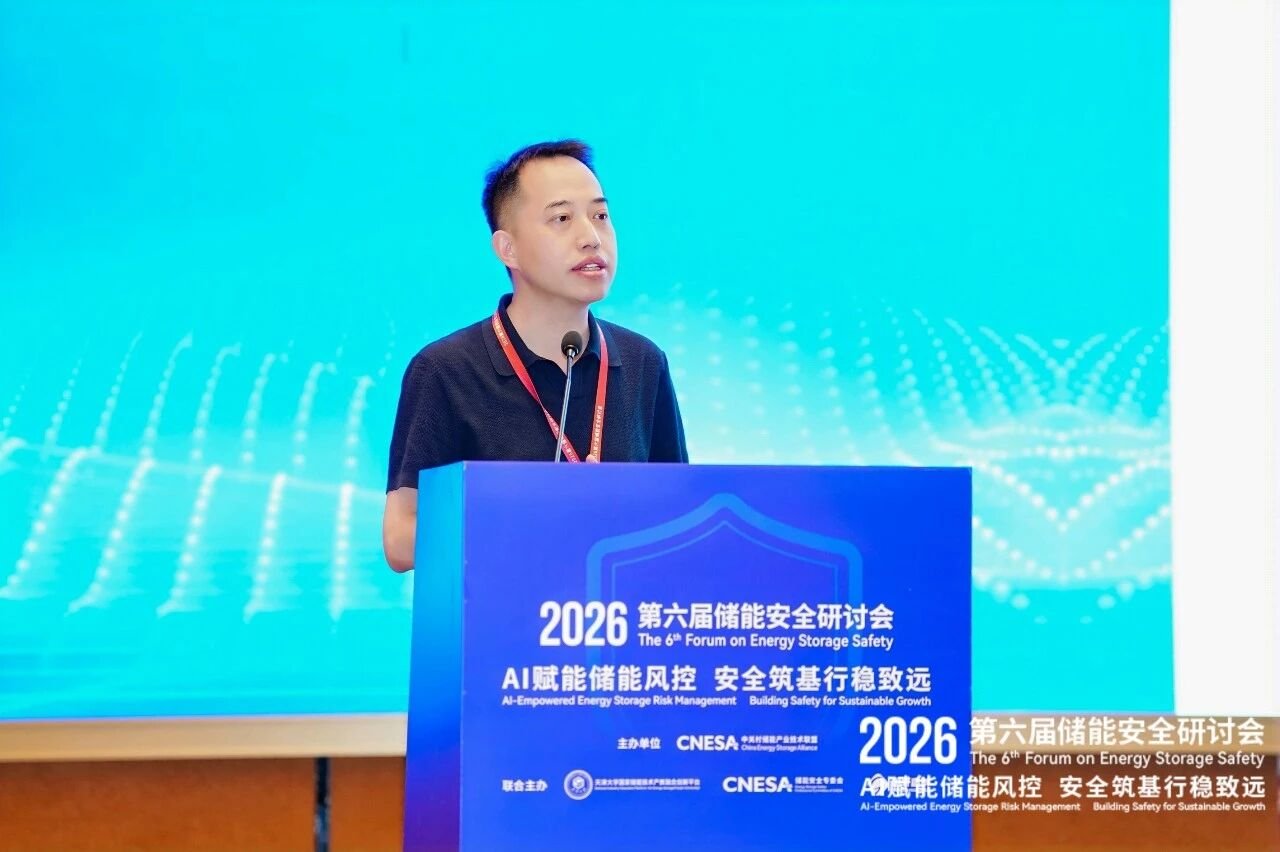
Chen Zhongwei, Fellow of the Royal Society of Canada and the Canadian Academy of Engineering; Researcher and PhD Supervisor at the Dalian Institute of Chemical Physics, Chinese Academy of Sciences.
Chen Zhongwei delivered a keynote speech titled “Building an Intelligent Management System for the Full Life Cycle of Electrochemical Energy Storage.”
He identified five major challenges in the energy storage industry: design, manufacturing, management, operation and maintenance, and electricity market participation. AI-based full life-cycle management provides a key solution.
Since 2015, Chen’s team has focused on integrating electrochemistry and artificial intelligence, achieving breakthroughs in:
Building battery industrial databases covering design, manufacturing, management, and operation;
Developing AI-assisted battery design based on electrochemical simulation;
Creating electrochemistry-AI coupled models for battery health evaluation;
Establishing closed-loop manufacturing optimization through production data and performance feedback;
Applying AI algorithms and robotics for retired battery sorting and second-life utilization;
Developing high-precision algorithms for RUL, SOC, and SOH estimation.
Based on these technologies, the team developed the Energy Storage AI Intelligent Monitoring System, establishing a three-level health diagnosis framework covering cells, battery containers, and entire energy storage stations.
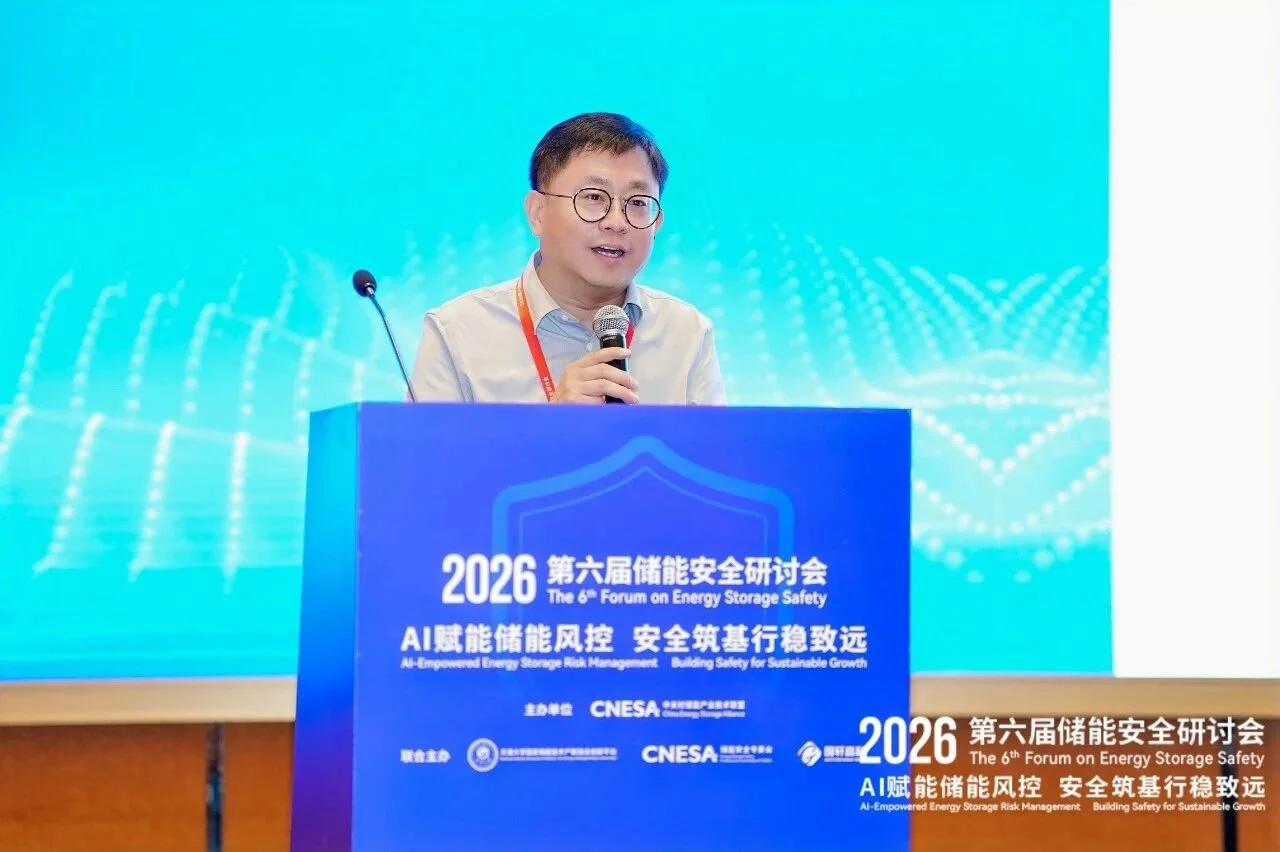
Yang Quanhong
Chair Professor, Tianjin University
Yang Quanhong discussed “Water Management in Intrinsically Safe Aqueous Zinc Batteries: Fundamental Principles and Solutions.”
He emphasized that future energy storage technologies must achieve high safety, low cost, and resource sustainability. Aqueous zinc batteries represent a promising pathway due to their intrinsic safety and resource availability.
However, commercialization faces challenges caused by water-related reactions, including hydrogen evolution, corrosion, dendrite growth, cathode structural degradation, and limited cycle life.
The key solution lies in precise “water management,” including:
Water reaction management;
Water demand management;
Water state management;
Advanced conversion-type cathode technologies.
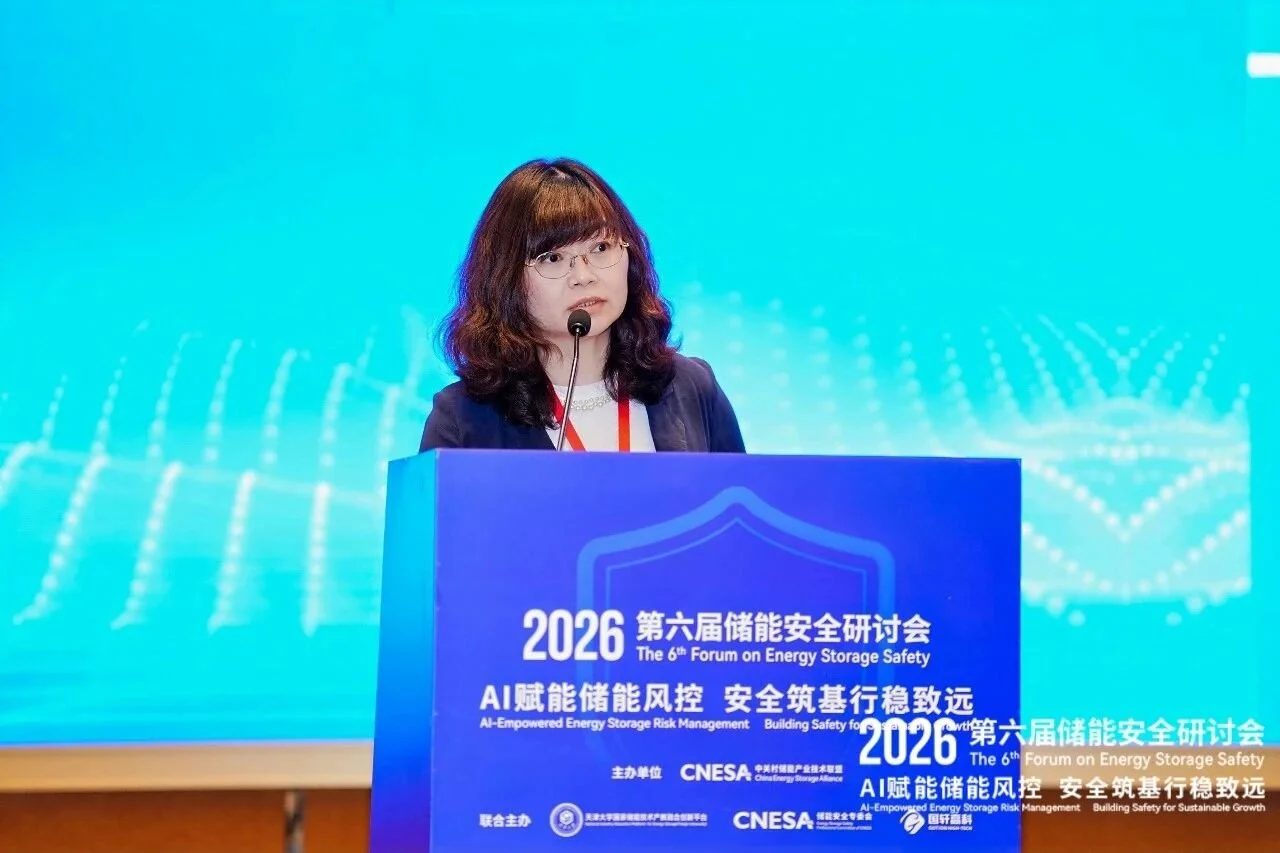
Zhuo Ping
Director, Fourth Research Division, Tianjin Fire Research Institute, Ministry of Emergency Management
Zhuo Ping introduced China-led international standards research on energy storage fire safety.
She explained that energy storage fire scenarios should consider four major safety objectives:
Life safety;
Property protection;
Environmental protection;
Cultural heritage protection.
Fire scenarios should incorporate different application characteristics, ignition sources, fire types, firefighting systems, and human behaviors.
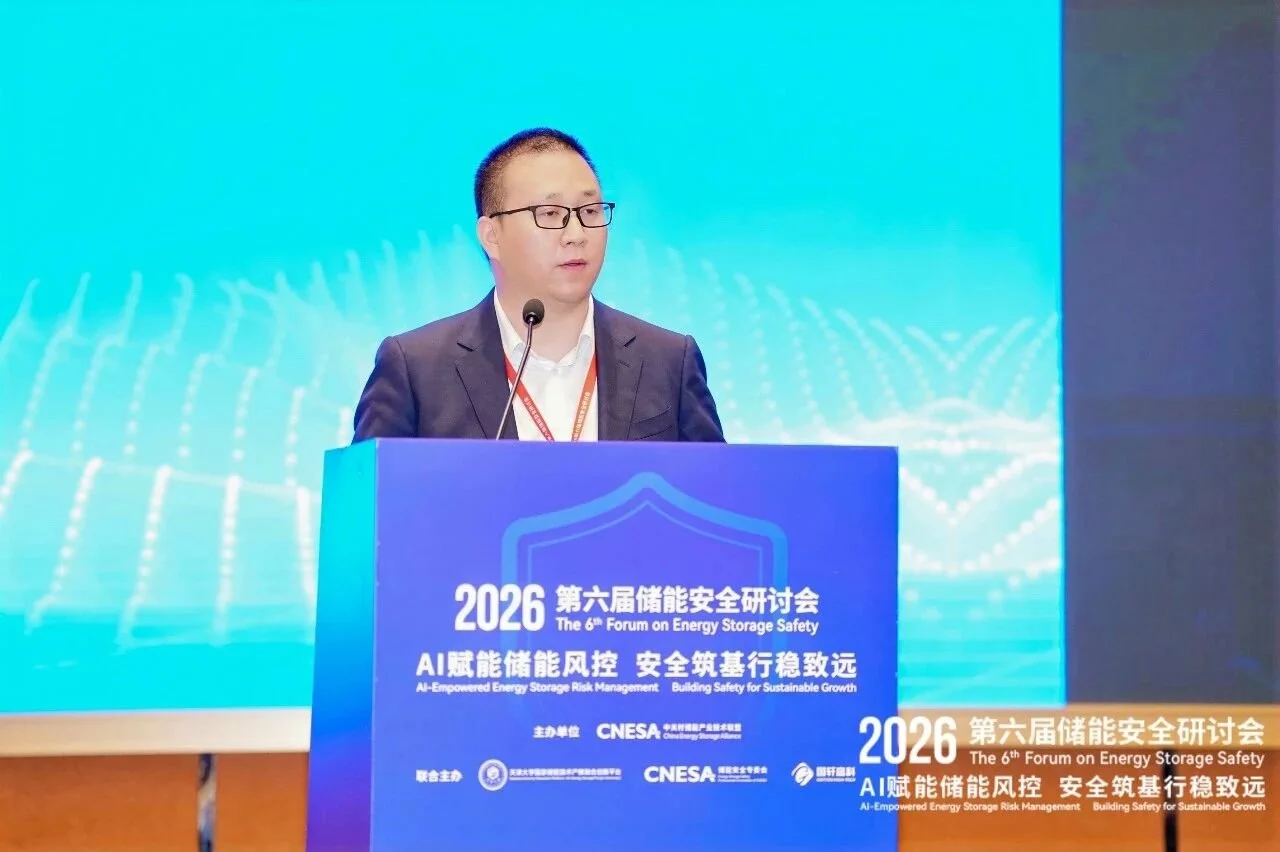
Zhang Peidao
Solution Director, Energy Storage Business Division, Gotion High-tech
Zhang Peidao shared industrial practices under the theme “Architectural Innovation of Energy Storage Systems in New Power Systems.”
He noted that energy storage faces challenges including efficiency improvement, safety risks, high availability requirements, and life-cycle cost optimization.
Gotion High-tech addresses these challenges through architectural innovation:
The Qianyuan Intelligent Energy Storage 2.0 grid-forming high-voltage cascade storage system directly connects to 6–35kV grids without transformers;
System efficiency exceeds 92%;
AI-based predictive maintenance improves operational efficiency by 50%;
Multi-dimensional sensing and fire protection systems create layered safety protection;
Modular design reduces land occupation by 38%.
The solutions have already been applied in projects including user-side storage in Jinzhai and grid-side storage in Lujiang.
Roundtable Discussion: AI Empowering Energy Storage Safety from Passive Protection to Active Intelligence
The roundtable focused on how AI can transform energy storage safety from passive prevention to proactive intelligence.
Hosted by Wang Qingsong, Researcher at the University of Science and Technology of China and Chairman of the CNESA Energy Storage Safety Committee, the discussion gathered experts from grid operators, equipment manufacturers, industrial software providers, sensor companies, and AI technology companies.
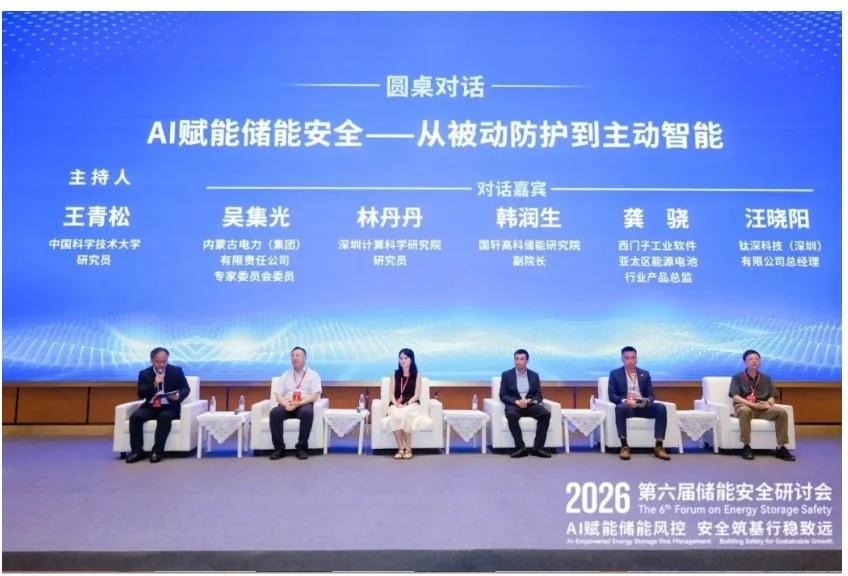
Participants agreed on three major conclusions:
The transition from passive protection to active intelligence is inevitable.
AI will not replace intrinsic battery safety, hardware protection, or human operation, but will serve as an enabling technology connecting sensing, simulation, and decision-making.AI adoption should follow a gradual human-machine collaboration approach.
Challenges remain, including data silos, limited algorithm generalization, incomplete standards, and hardware adaptation issues.Full industrial collaboration is essential.
Energy storage intelligent safety requires cooperation among grid operators, battery manufacturers, research institutions, software companies, and sensor providers.
Launch of the New Intelligent Safety Ecosystem for Energy Storage
During the opening ceremony, Gotion High-tech initiated the establishment of the New Energy Storage Digital Intelligence Safety Ecosystem, bringing together universities, research institutions, and industry leaders.
Representatives from organizations including Beijing University of Science and Technology, University of Science and Technology of China, Hefei University of Technology, Gotion High-tech, Siemens Digital Industries Software, iFlytek, Tishen Technology, Inovance Technology, and CNESA participated in the launch ceremony.
Special Forums: Exploring the Future Path of Energy Storage Safety Technologies
Two parallel forums were held in the afternoon:
“Safety of Energy Storage Power Stations and Commercial & Industrial Storage Systems”
This forum focused on:
Implementation of safety standards;
Fire monitoring and early-warning technologies;
Fire risk assessment of large-scale lithium iron phosphate systems;
Immersion cooling technologies;
Full-chain safety solutions for sodium-ion batteries.
“AI and Energy Storage Safety”
This forum explored:
National-level energy storage operation data platforms;
Intelligent operation and maintenance technologies;
Big data platforms for power generation companies;
AI-driven life-cycle management of large-scale energy storage.
The 6th Energy Storage Safety Forum brought together government authorities, industry players, academic experts, and research institutions to explore the future of energy storage safety.
Participants agreed that safety is the foundation for high-quality energy storage development, and AI-driven technologies are accelerating the transformation from passive protection toward proactive intelligent safety management.
Looking ahead, only through collaboration across the entire value chain and continuous strengthening of safety foundations can the energy storage industry achieve sustainable growth and contribute Chinese solutions to the global green energy transition.
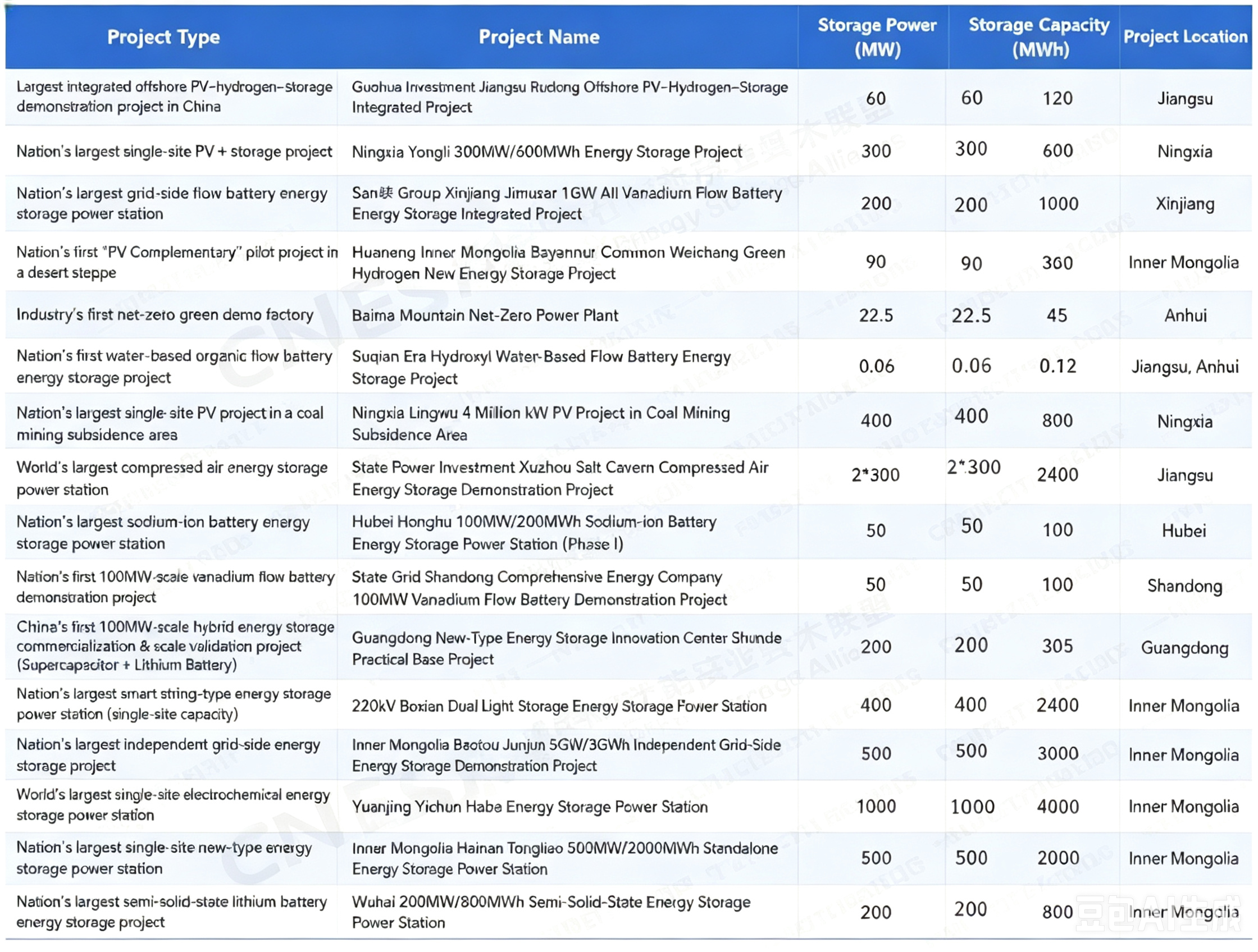
Top Energy Storage Projects in China in H1 2026
In the first half of 2026, China’s new energy storage sector maintained rapid growth momentum, with multiple breakthroughs achieved in grid-connected projects. Notably, industry development is no longer focused solely on maximizing individual project scale. While lithium iron phosphate (LFP) battery storage remains the dominant technology route, the industry is gradually shifting from simply expanding installed capacity toward improving the overall performance and efficiency of energy storage systems.
Energy storage technologies are becoming increasingly diversified. Beyond lithium-ion batteries, long-duration energy storage technologies such as vanadium redox flow batteries and compressed air energy storage have achieved large-scale grid-connected demonstrations. Emerging technologies, including semi-solid-state batteries, have also entered engineering demonstration stages. Meanwhile, grid-forming energy storage, intelligent string-based storage systems, and cloud-based energy storage solutions are accelerating commercialization and deployment.
Energy storage application scenarios continue to expand, covering a wide range of use cases including generation-side, grid-side, behind-the-meter, and standalone energy storage. Integrated models such as solar-storage, solar-hydrogen-storage, and grassland photovoltaic complementary storage projects are also being implemented.
The China Energy Storage Alliance (CNESA) has compiled representative new energy storage projects launched or connected to the grid in the first half of 2026 for industry reference.
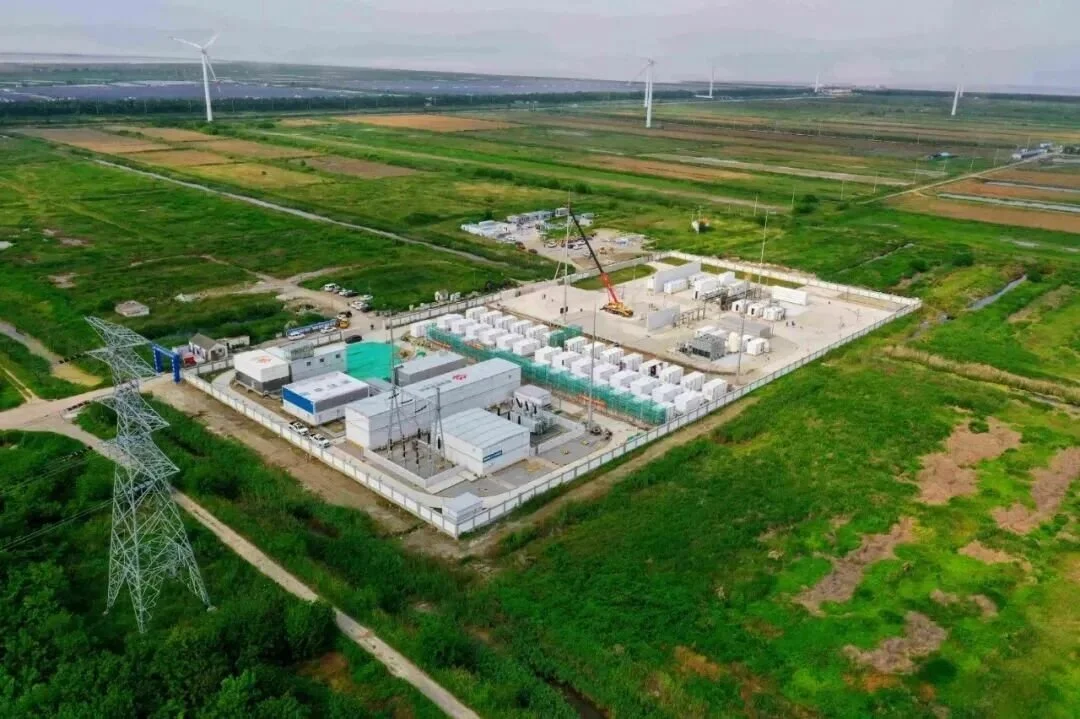
01
China’s Largest Offshore PV-Hydrogen-Storage Integrated Demonstration Project
Guohua Investment Jiangsu Rudong Offshore PV-Hydrogen-Storage Integrated Project
Grid Connection Date: June 2026
Location: Jiangsu Province
Owner: Guohua (Rudong) New Energy Co., Ltd.
Energy Storage Technology: Lithium Iron Phosphate (LFP) Battery Storage
Storage Scale: 60MW/120MWh
Located at Yangkou Port in Rudong, Jiangsu Province, the project is one of the key projects under China’s third batch of large-scale photovoltaic bases.
The project integrates a 400MW photovoltaic power plant, a 60MW/120MWh energy storage system, and a green hydrogen production facility with a capacity of 1,500 Nm³/h, forming a complete industrial chain covering green electricity generation, storage, and conversion.
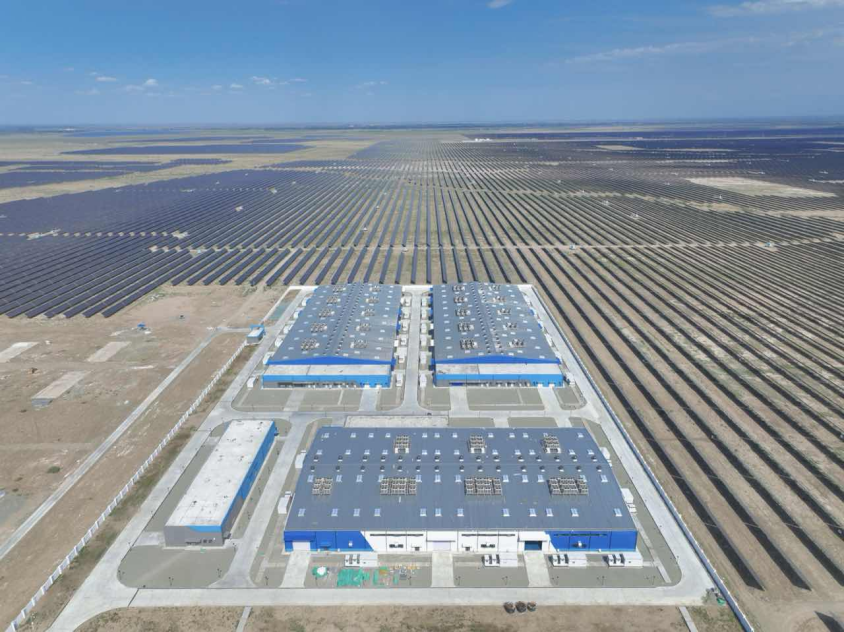
02
China’s Largest Single-Site PV + Energy Storage Project
Ningxia Yongli 300MW/600MWh Energy Storage Project
Grid Connection Date: June 2026
Location: Ningxia Hui Autonomous Region
Owner: Ningxia Dian Investment Yongli (Zhongwei) New Energy Co., Ltd.
Energy Storage Technology: Lithium Iron Phosphate (LFP) Battery Storage
Storage Scale: 300MW/600MWh
Located in Shapotou District, Zhongwei City, Ningxia, the project was developed specifically to support the 3GW photovoltaic base in Zhongwei.
The project consists of three independent energy storage stations — No.1, No.2, and No.3 — each with a capacity of 100MW/200MWh. The combined installed capacity reaches 300MW/600MWh.
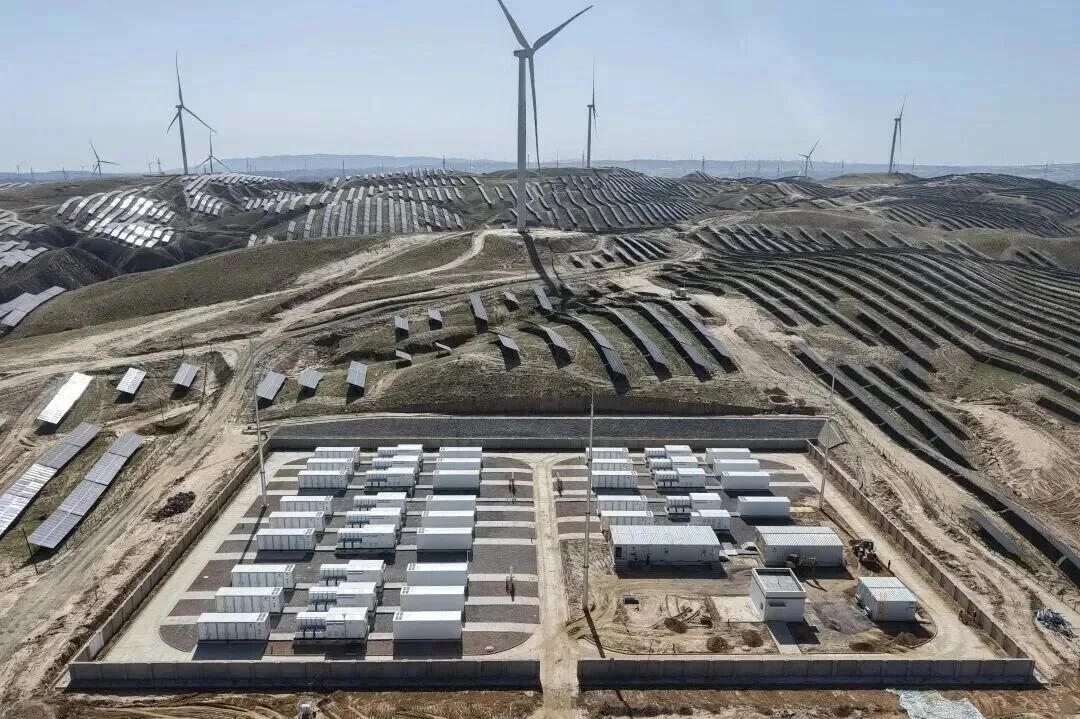
03
China’s Largest Vanadium Flow Battery Energy Storage Power Station
Three Gorges Group Xinjiang Jimusar 1GW PV + Vanadium Flow Battery Energy Storage Integrated Project
Grid Connection Date: June 2026
Location: Xinjiang
Owner: Three Gorges New Energy Jimusar Power Generation Co., Ltd.
Energy Storage Technology: Vanadium Redox Flow Battery (VRFB)
Storage Scale: 200MW/1000MWh
Located in Jimusar County, Changji Hui Autonomous Prefecture, Xinjiang, the project features a rated power capacity of 200MW and an energy storage capacity of 1,000MWh.
It is currently the largest vanadium flow battery energy storage power station in China, representing a major milestone in the large-scale application of long-duration energy storage technologies.
04
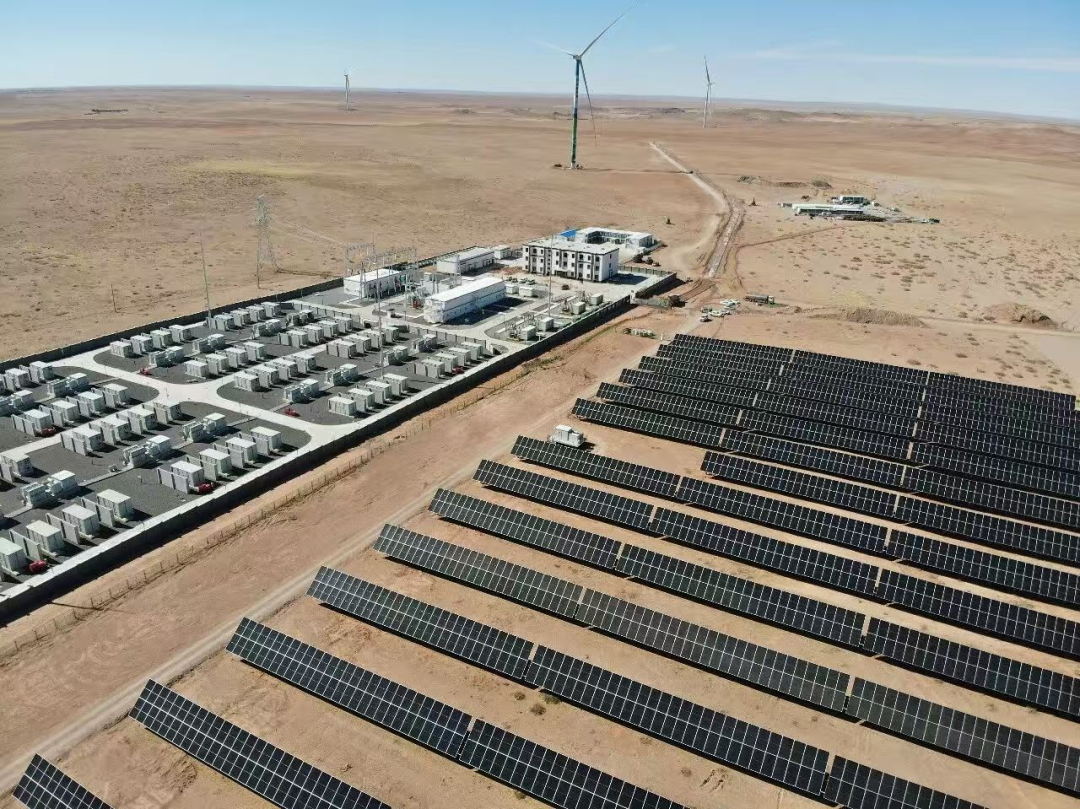
China’s First Desert Grassland “PV + Grassland Complementary” Pilot Project
Huaneng Inner Mongolia Tongwei Green Materials New Energy Storage Project
Grid Connection Date: May 2026
Location: Inner Mongolia Autonomous Region
Owner: Baotou No.1 Thermal Power Plant, North United Power Co., Ltd. (Huaneng North China Company)
Energy Storage Technology: Lithium Iron Phosphate (LFP) Battery Storage
Storage Scale: 90MW/360MWh
Developed by Huaneng North China Company’s Baotou No.1 Thermal Power Plant, the project has a planned renewable energy capacity of 350MW, including:
300MW wind power
50MW photovoltaic power
90MW/360MWh electrochemical energy storage system
The project adopts a “grassland + photovoltaic” complementary model, with renewable electricity accounting for 50.17% of the electricity consumption of the industrial silicon production facility.
05
The Industry’s First Fully Green Electricity Demonstration Factory
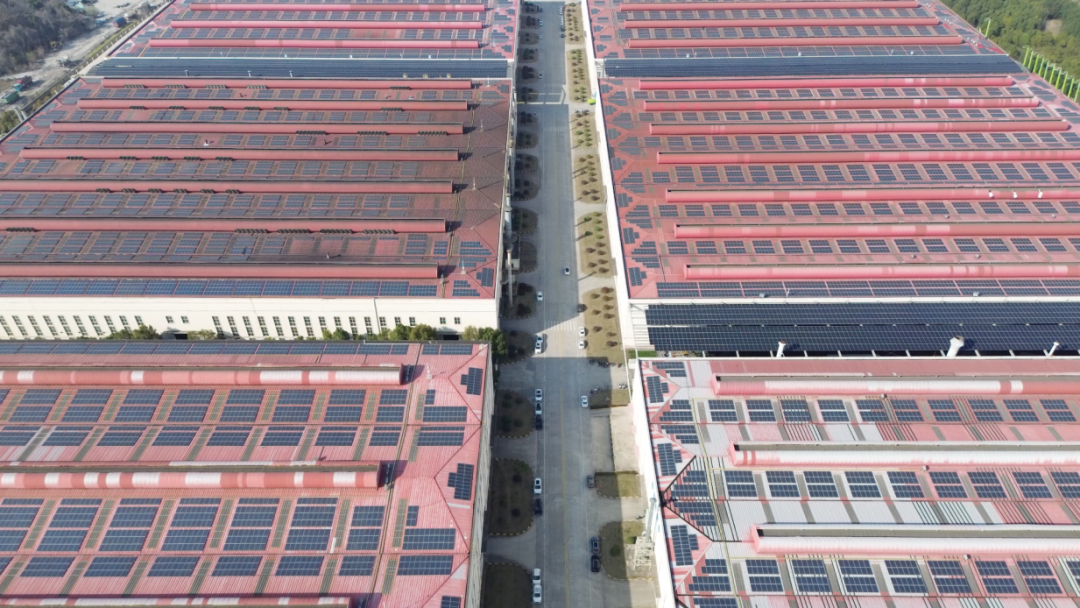
Baima Mountain Fully Green Electricity Factory
Grid Connection Date: March 2026
Location: Anhui Province
Owner: Anhui Conch Group
Energy Storage Technology: Lithium Iron Phosphate (LFP) Battery Storage
Storage Scale: 22.5MW/45MWh
Located in Wuhu, Anhui Province, the project is the industry’s first fully green electricity demonstration factory integrating:
photovoltaic power generation
electrochemical energy storage
smart microgrid systems
new energy vehicle charging infrastructure
Building on waste heat power generation from cement kilns, the project innovatively expands photovoltaic deployment across multiple scenarios, including:
rooftop and corridor spaces
building facades
floating PV systems on water surfaces
curved roof structures
By utilizing more than 130,000 square meters of available space, the project integrates renewable generation and energy storage systems to establish a multi-energy complementary energy ecosystem.
06
China's First Distribution-Level Aqueous Organic Flow Battery Energy Storage Project
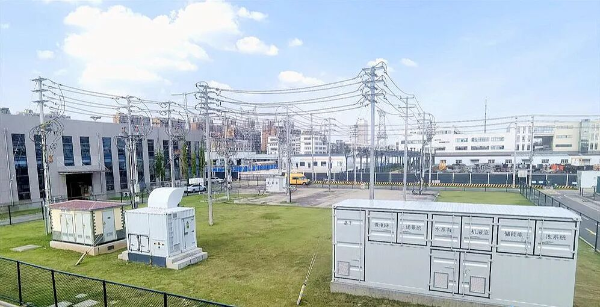
Suqian Era Aqueous Organic Flow Battery Distribution-Level Energy Storage Project
Grid Connection Date: March 2026
Location: Jiangsu Province and Anhui Province
Energy Storage Technology: Aqueous Organic Flow Battery
Storage Capacity: 60kW/120kWh
The project represents China's first deployment of an aqueous organic flow battery energy storage system at the distribution-transformer level.
It achieved several technological breakthroughs, including the development of an organic quaternary ammonium salt-based electrolyte system, a high-ion-conductivity anion exchange membrane, and advanced multi-physics coupled control technology.
Jointly developed by Suqian Era Energy Storage Technology Co., Ltd. and State Grid Electric Power Research Institute, the project was commissioned in Suqian Economic Development Zone, Jiangsu Province, with a parallel deployment in Chuzhou, Anhui Province.
07
China's Largest Single-Site PV Project in a Coal Mining Subsidence Area
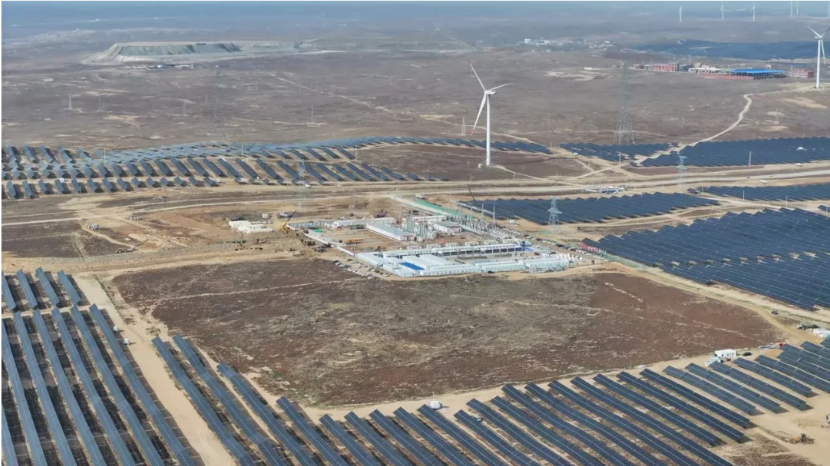
Ningxia Lingwu 4GW PV Project in a Coal Mining Subsidence Area
Grid Connection Date: February 2026
Location: Ningxia Hui Autonomous Region
Owner:CHN Energy
Energy Storage Technology: Lithium Iron Phosphate (LFP)
Storage Capacity: 400MW/800MWh
The project is being developed in two phases with a total installed PV capacity of 4GW, making it China's largest single-site photovoltaic project built on a former coal mining subsidence area.
As one of the key projects under China's second batch of large-scale desert, Gobi, and wasteland renewable energy bases, it also serves as an important green power source for the Ningxia–Zhejiang LingShao UHV DC transmission corridor.
The project is planned to include 600MW/1,200MWh of battery energy storage, of which 400MW/800MWh has already been commissioned.
08
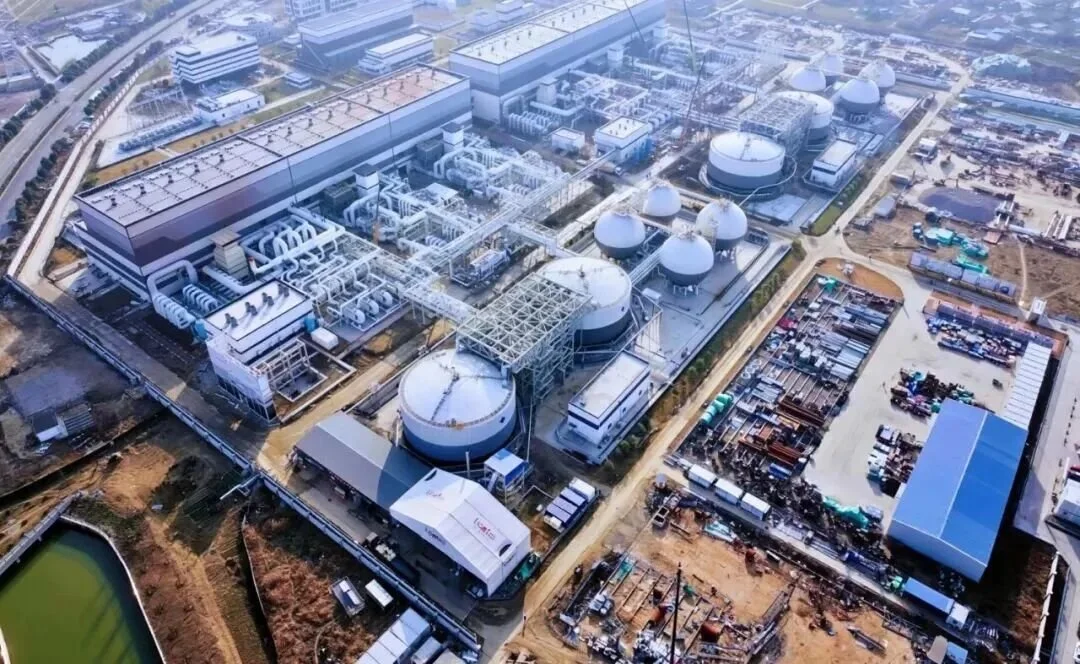
World's Largest Compressed Air Energy Storage Power Station
Jiangsu Guoxin Suyan Huai'an Salt Cavern Compressed Air Energy Storage Demonstration Project
Grid Connection Date: January 2026
Location: Jiangsu Province
Owner: Jiangsu Guoxin Suyan (Huai'an) Energy Storage Power Generation Co., Ltd.
Energy Storage Technology: Compressed Air Energy Storage (CAES)
Storage Capacity: 2 × 300MW / 2,400MWh
The project utilizes underground salt caverns in Huai'an, Jiangsu Province, to construct two 300MW non-fuel supplementary compressed air energy storage units.
It adopts internationally advanced high-temperature adiabatic compressed air energy storage technology, combining molten salt thermal storage with pressurized hot water heat storage.
With a total storage capacity of 2,400MWh and a round-trip efficiency of approximately 71%, it is currently the world's largest compressed air energy storage power station.
09
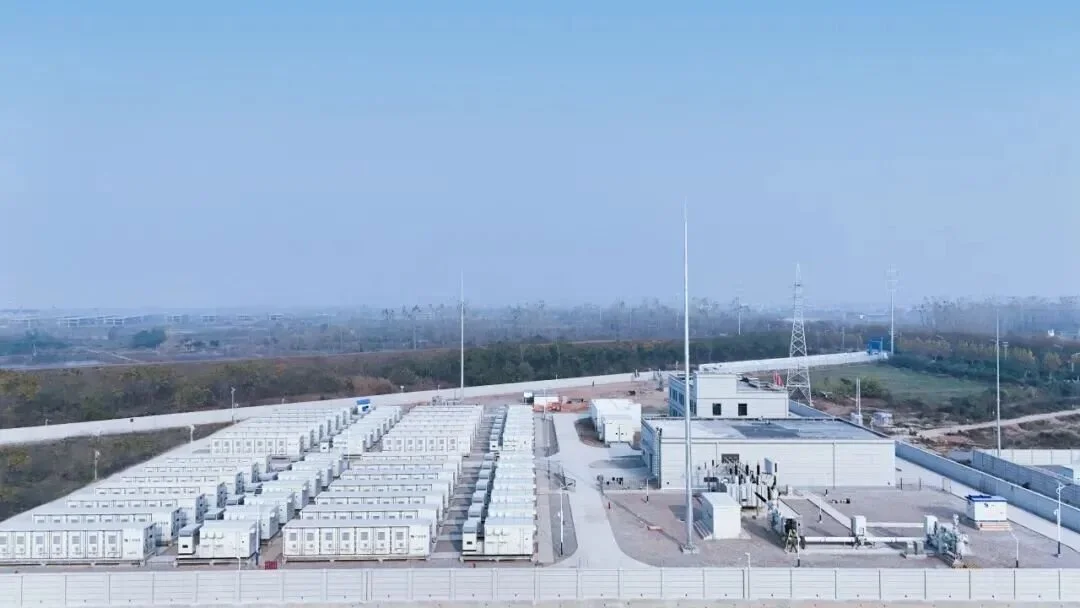
China's Largest Sodium-Ion Battery Energy Storage Power Station Under Construction
Honghu 100MW/200MWh Sodium-Ion Battery Energy Storage Demonstration Project (Phase I)
Phase I Grid Connection Date: January 2026
Location: Hubei Province
Owner: Honghu Suifa New Energy Co., Ltd. (a wholly owned subsidiary of Guangzhou Development Group)
Energy Storage Technology: Sodium-Ion Battery
Phase I Capacity: 50MW/100MWh
The project is one of Hubei Province's first batch of new energy storage demonstration projects.
Phase I includes a 50MW/100MWh sodium-ion battery energy storage system, a new 110kV booster substation, and a dedicated transmission line connecting to the Maojiang 110kV substation.
Once fully completed, the project is expected to become one of China's largest sodium-ion battery energy storage power stations, demonstrating the commercial potential of sodium-ion technology for grid-scale applications.
10
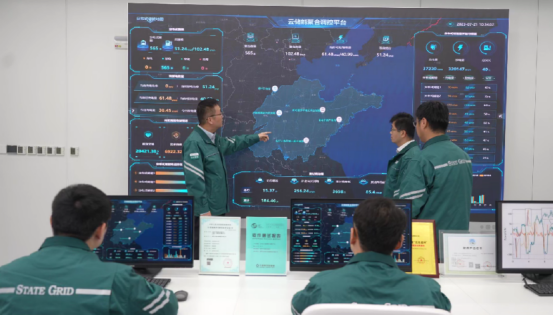
China's First 100MWh Distribution-Level Cloud Energy Storage Demonstration Project
State Grid Shandong Integrated Energy Service Cloud Energy Storage Demonstration Project
Grid Connection Date: January 2026
Location: Shandong Province
Storage Capacity: 50MW/100MWh
As China's first 100MWh cloud energy storage demonstration project, the initiative is built around the concept of distributed aggregation, cloud-based dispatch, and intelligent coordination.
The project enables centralized management and flexible dispatch of a large number of geographically distributed energy storage resources, providing an innovative solution for improving grid flexibility, renewable energy integration, and distributed energy resource management.
Milestone Projects Commissioned at the End of 2025
While a wide range of innovative energy storage projects entered operation during the first half of 2026, several landmark projects commissioned in late 2025 also deserve recognition for their technological significance. These projects span hybrid energy storage, ultra-large-scale lithium battery storage, semi-solid-state battery systems, intelligent string-based energy storage, and other cutting-edge applications, further demonstrating China's accelerating innovation in the energy storage sector.
11
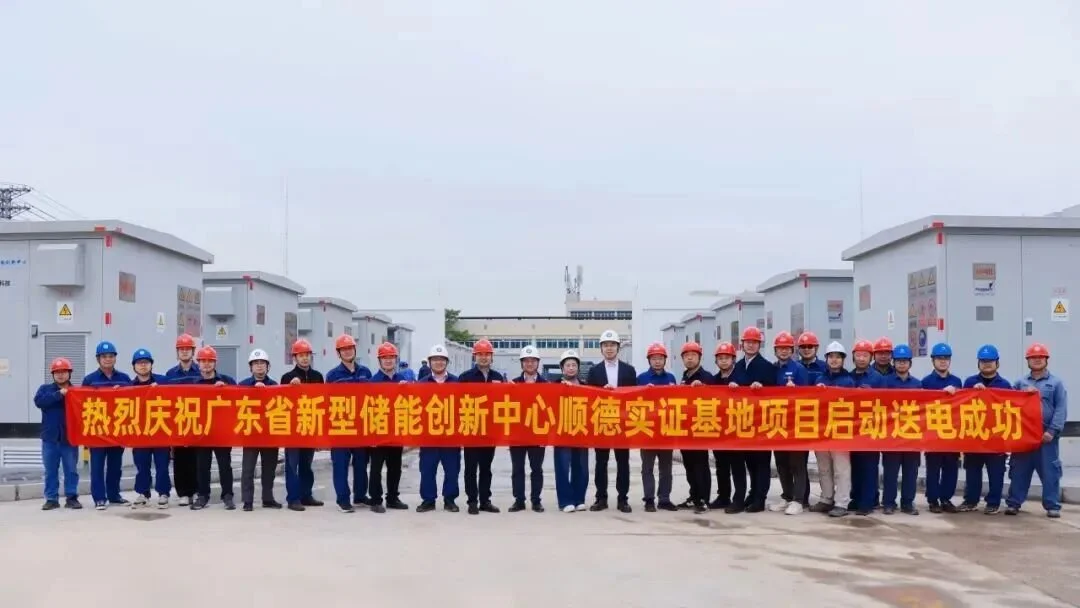
China's First 100MW-Scale Hybrid Energy Storage Demonstration Project Combining Supercapacitors and Lithium Batteries
Shunde Demonstration Base Project of the Guangdong New-type Energy Storage Innovation Center
Grid Connection Date: December 2025
Location: Guangdong Province
Owner: Guangdong New-type Energy Storage National Research Institute Co., Ltd.
Energy Storage Technology: Supercapacitors + Lithium Iron Phosphate (LFP) Batteries
Storage Capacity: 200MW/305MWh
As China's first commercial-scale demonstration project integrating supercapacitors and lithium batteries, the project validates the technical and commercial viability of hybrid energy storage systems at the 100MW scale.
The project utilizes domestically developed high-energy-density, high-power supercapacitors (90Wh/kg with a service life exceeding 100,000 charge-discharge cycles) and adopts a hybrid configuration consisting of 50MW/5MWh of supercapacitors and 150MW/300MWh of LFP battery storage.
By combining the ultra-fast response capability of supercapacitors with the long-duration energy support of lithium batteries, the system provides multiple grid services, including grid-forming support, primary and secondary frequency regulation, and sustained energy balancing, offering a comprehensive solution for next-generation power systems.
12
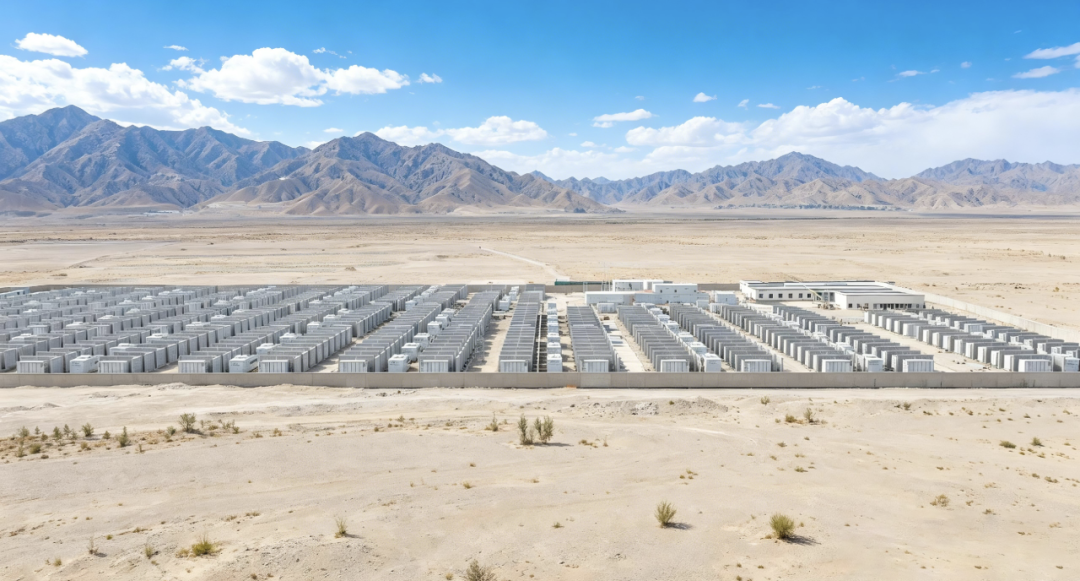
China's Largest Intelligent String Energy Storage Power Station by Single-Site Capacity
220kV Boxian Xingguang Energy Storage Power Station
Grid Connection Date: December 2025
Location: Inner Mongolia Autonomous Region
Owner: Baotou Boxian New Energy Technology Co., Ltd. (a wholly owned subsidiary of HyperStrong)
Energy Storage Technology: Lithium Iron Phosphate (LFP) Batteries
Storage Capacity: 400MW/2,400MWh
With a total capacity of 400MW/2,400MWh, the project is China's largest intelligent string energy storage power station by single-site capacity.
Developed by HyperStrong, the project features Huawei's intelligent string grid-forming PCS alongside HyperStrong's industry-leading 7MWh high-capacity battery energy storage system, enhancing system safety, operational flexibility, and grid support capability.
13
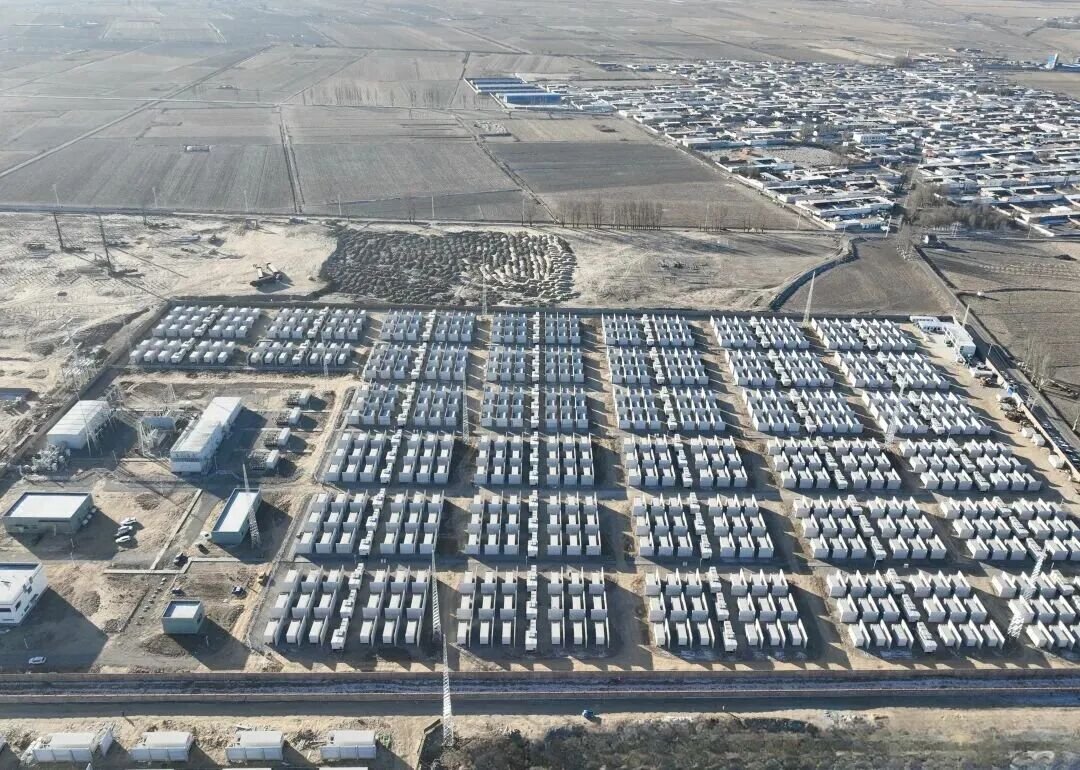
China's Largest Independent Grid-side Energy Storage Demonstration Project
Baotou Weijun 500MW/3,000MWh Independent Grid-side Energy Storage Demonstration Project
Grid Connection Date: December 2025
Location: Inner Mongolia Autonomous Region
Owner: Baotou Tuyou Banner Bosi New Energy Technology Co., Ltd. (a wholly owned subsidiary of HyperStrong)
Energy Storage Technology: Lithium Iron Phosphate (LFP) Batteries
Storage Capacity: 500MW/3,000MWh
Located in Tumed Right Banner, Baotou, Inner Mongolia, the project is currently China's largest independent grid-side energy storage demonstration project.
Serving as a flagship project for China's new power system development, it also plays a vital role in facilitating renewable energy integration across western Inner Mongolia while strengthening regional grid stability and flexibility.
14
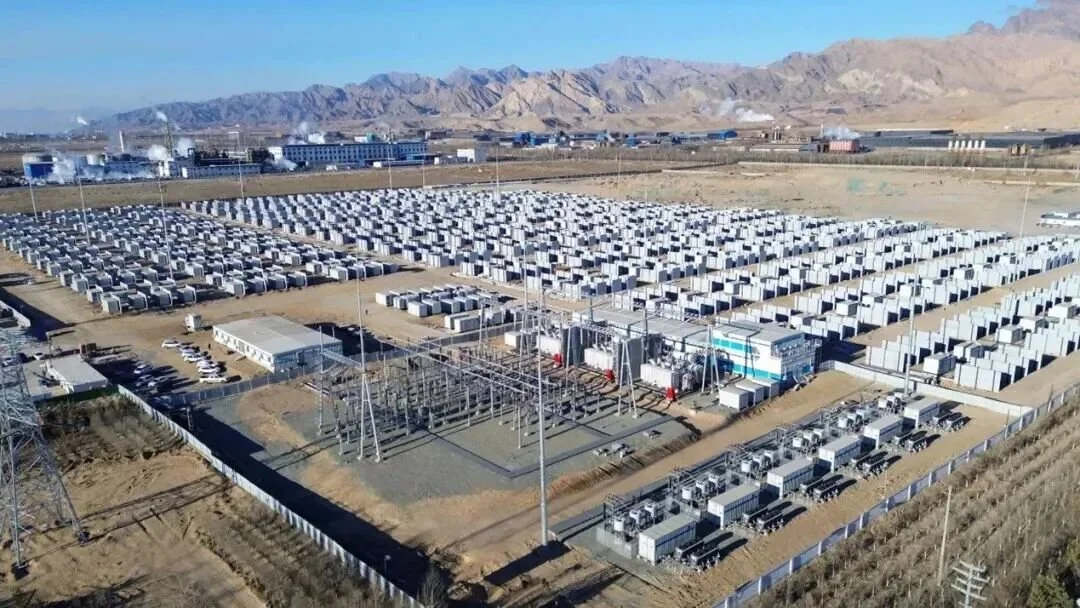
World's Largest Single-Site Electrochemical Energy Storage Power Station
Envision Chaganhada Energy Storage Power Station
Grid Connection Date: December 2025
Location: Inner Mongolia Autonomous Region
Owner: Envision Group
Energy Storage Technology: Lithium Iron Phosphate (LFP) Batteries
Storage Capacity: 1,000MW/4,000MWh
Located in Bayannur, Inner Mongolia, the project has a total storage capacity of 4GWh, making it the world's largest single-site electrochemical energy storage power station.
The facility is fully equipped with Envision's AI-powered energy storage system, enabling intelligent operation and maintenance while successfully passing the grid's stringent "three-charge, three-discharge" commissioning test on its first attempt.
15
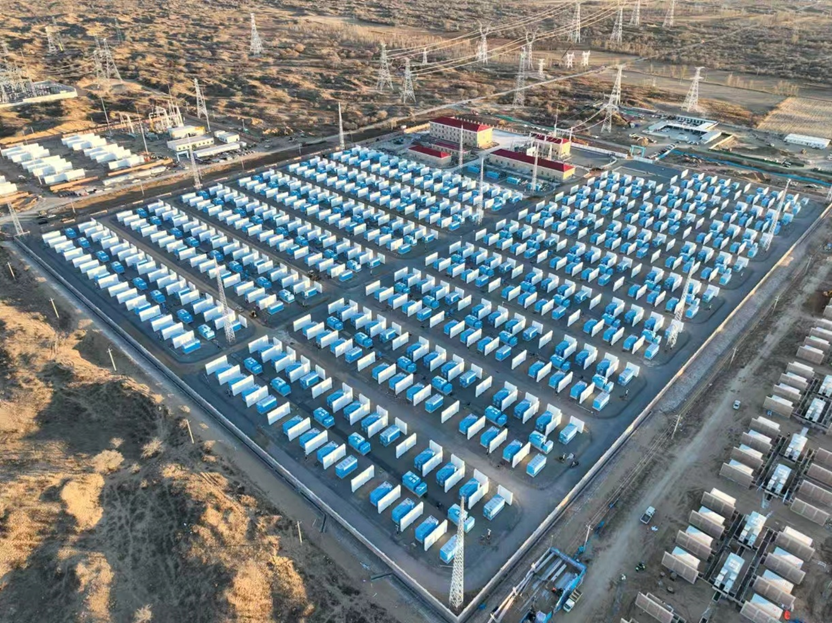
China's Largest Standalone New-type Energy Storage Power Station by Single-Site Capacity
Tongliao Hailuo 500MW/2,000MWh Standalone Energy Storage Power Station
Grid Connection Date: November 2025
Location: Inner Mongolia Autonomous Region
Owner: Tongliao Conch New Energy Co., Ltd. (a wholly owned subsidiary of Anhui Conch Group)
Energy Storage Technology: Lithium Iron Phosphate (LFP) Batteries
Storage Capacity: 500MW/2,000MWh
Located in Naiman Banner, Tongliao, Inner Mongolia, the project was developed by Tongliao Conch New Energy Co., Ltd.
The station adopts CATL's 5MWh battery energy storage system and, at the time of commissioning, became China's largest standalone new-type energy storage power station by single-site capacity.
16
China's Largest Semi-solid-state Lithium Battery Energy Storage Project
Wuhai 200MW/800MWh Semi-solid-state Energy Storage Power Station
Grid Connection Date: November 2025
Location: Inner Mongolia Autonomous Region
Owner: China Green Development Investment Group
Energy Storage Technology: Semi-solid-state Lithium Iron Phosphate Batteries
Storage Capacity: 200MW/800MWh
With a total investment of approximately RMB 600 million, the project is the first utility-scale energy storage project in Inner Mongolia to deploy semi-solid-state LFP battery technology.
Occupying approximately 100 mu (about 6.7 hectares), the facility comprises 160 battery containers and 40 integrated PCS and step-up transformer units, providing valuable engineering validation for the commercialization of next-generation battery technologies.
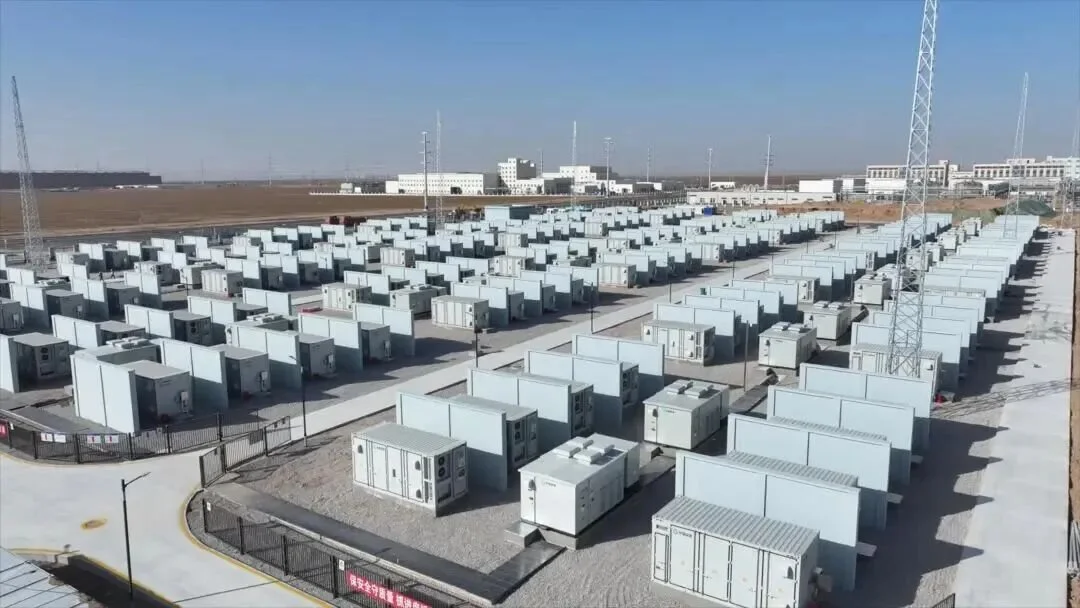
A review of China's landmark energy storage projects commissioned in recent years clearly demonstrates that the industry has entered a new stage of development. Rather than relying solely on expanding lithium battery deployment, China's energy storage market is rapidly evolving toward technology diversification, complementary short- and long-duration storage solutions, and full-spectrum applications spanning the generation, grid, and demand sides.
Emerging technologies—including long-duration energy storage, solid-state batteries, hybrid energy storage systems, intelligent aggregation, and cloud-based dispatch—are continuously advancing from engineering demonstrations to large-scale commercial deployment. At the same time, integrated energy solutions combining multiple renewable resources and storage technologies are becoming increasingly common across utility-scale, grid-side, and customer-side applications.
Driven by supportive policies, growing market demand, and sustained investment, China's energy storage industry is expected to continue overcoming technological and commercial barriers. The sector is steadily building a multi-level, diversified, and highly efficient energy storage ecosystem, accelerating the industrialization of advanced storage technologies while providing critical support for the country's energy transition and the development of a modern power system.
China Energy Storage Tenders & Awards H1 2026: System and EPC Prices Rebound Across the Board, with 4-Hour ESS Seeing Stronger Growth than 2-Hour Systems
According to incomplete statistics from the CNESA Datalink Global Energy Storage Database, China's new energy storage tendering and award market maintained strong momentum in the first half (H1) of 2026.
During the period, 1,987 new energy storage tender notices were tracked, up 41.8% year-on-year (YoY), while 1,504 contract awards were recorded, representing a 61.0% YoY increase. The projects covered the entire energy storage value chain, including EPC contracting, energy storage systems (ESS), battery cells, battery packs, PCS, EMS, and BMS.
The ESS tender market showed a clear divergence between power and energy capacity. Tendered power reached 24.5 GW, down 3.4% YoY, while tendered energy capacity surged to 148.1 GWh, an 88.3% YoY increase. The combination of slightly lower power capacity and significantly higher energy capacity indicates the continued market shift toward longer-duration energy storage systems.
Meanwhile, EPC tender and award volumes more than doubled year-on-year, significantly outpacing the growth of standalone ESS equipment procurement. This suggests that the market is increasingly favoring turnkey EPC solutions rather than purchasing storage equipment alone.
On pricing, the average winning bid price for 2-hour ESS increased to RMB 602.1 CNY/kWh, up 8.8% YoY, while the average price for 4-hour ESS reached RMB 541.3 CNY/kWh, representing a 21.1% YoY increase. Despite the stronger price growth, 4-hour systems remained less expensive per kWh than 2-hour systems, highlighting their advantages in economies of scale and lower levelized storage costs.
In terms of procurement models, centralized procurement and framework agreements have become standard industry practice. During H1 2026, centralized/framework procurement accounted for 80.6 GWh of ESS tenders, representing more than half of the total tendered capacity, further concentrating market orders among leading suppliers.
01
Tender Market Overview (H1 2026)
Tender Market Scale Overview (H1 2026)
In June 2026, ESS tenders totaled 6.1 GW / 48.3 GWh, representing a 58.5% decline in power capacity but a 37.4% increase in energy capacity compared with the same period last year. Compared with May, power capacity decreased 12.7%, while energy capacity increased 118.1%.
For the first six months of 2026, cumulative ESS tenders reached 24.5 GW / 148.1 GWh, representing -3.4% YoY in power capacity and +88.3% YoY in energy capacity.
Among these, centralized procurement and framework agreements accounted for 80.6 GWh, up 96% YoY, representing 54.4% of the total tendered ESS energy capacity.
EPC Projects (Including PC)
In June 2026, EPC (including PC) tenders reached 19.3 GW / 56.4 GWh, up 111.7% YoY in power capacity and 154.4% YoY in energy capacity. Month-on-month growth reached 41.8% and 43.2%, respectively.
From January to June 2026, cumulative EPC (including PC) tenders totaled 80.1 GW / 227.9 GWh, representing 98.72% YoY growth in power capacity and 112.21% YoY growth in energy capacity.
Among them, grid-side EPC projects accounted for 200.9 GWh, increasing 145.8% YoY and representing 88.2% of the total EPC tendered energy capacity.
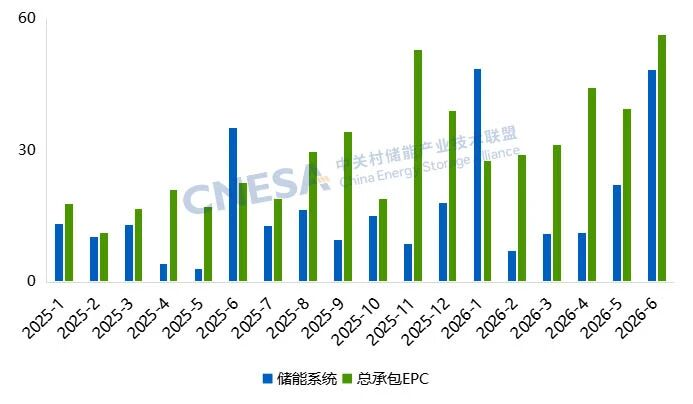
Blue: ESS Green: EPC
Figure 1. ESS and EPC Tender Volumes, January 2025–June 2026 (GWh)
Source: CNESA Datalink Global Energy Storage Database
Distribution of ESS Tender Capacity by Application Scenario (H1 2026):
Based on application scenarios, total ESS tendered energy capacity reached 148.1 GWh during H1 2026.
· Centralized procurement/framework agreements accounted for 80.6 GWh, representing 54.4% of total tendered capacity.
· Grid-side projects totaled 56.4 GWh, of which 99.6% consisted of standalone energy storage projects.
· Power generation-side projects reached 8.1 GWh, with solar-plus-storage and wind-plus-storage accounting for a combined 88.4% of this segment.
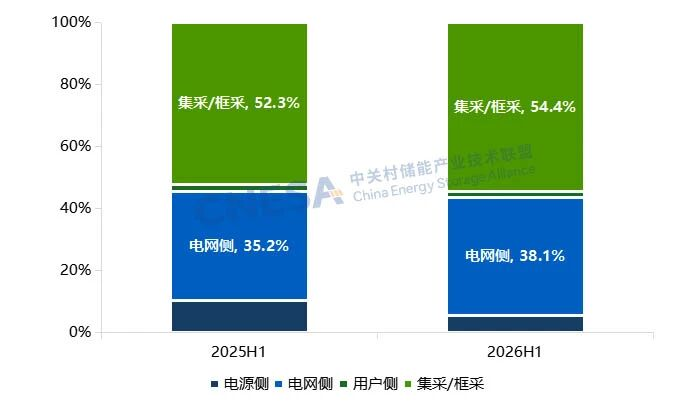
From left to right:Generation-side,Grid-side,Behind-the-Meter (BTM),
Centralized Procurement / Framework Agreements
Figure 2. Distribution of ESS Tender Capacity by Application Scenario, H1 2025 vs. H1 2026 (GWh, %)
Note: Since centralized procurement and framework agreements have not yet identified their final application scenarios, they are categorized separately.
Source: CNESA Datalink Global Energy Storage Database
02
Contract Awards (H1 2026)
Awarded Project Scale Overview (H1 2026)
In June 2026, awarded ESS projects reached 4.7 GW / 13.8 GWh, representing year-on-year growth of 364.9% in power capacity and 341.1% in energy capacity. Compared with May, awarded power capacity increased 53.5%, while energy capacity rose 9.1%.
During H1 2026, cumulative ESS awards totaled 15.0 GW / 96.1 GWh, representing 37.2% YoY growth in power capacity and 12.15% YoY growth in energy capacity.
Centralized procurement and framework agreements accounted for 58.0 GWh, representing 60.1% of total awarded ESS energy capacity, although this figure was 2.13% lower than the same period last year.
EPC Projects (Including PC)
In June 2026, EPC (including PC) awards reached 12.5 GW / 32.3 GWh, increasing 54.3% YoY in power capacity and 87.4% YoY in energy capacity.
Cumulative EPC awards during H1 2026 totaled 56.8 GW / 165.6 GWh, representing 91.87% YoY growth in power capacity and 105.96% YoY growth in energy capacity.
Among these, grid-side projects accounted for 146.5 GWh, up 129.8% YoY, representing 88.5% of the total awarded EPC energy capacity.
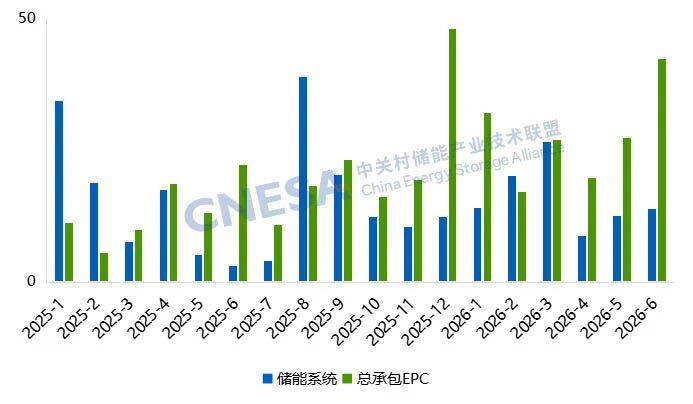
Blue:ESS Green:EPC
Figure 3. ESS and EPC Awarded Capacity, January 2025–June 2026 (GWh)
Source: CNESA Datalink Global Energy Storage Database
ESS Winning Bid Price Analysis (H1 2026):
Overall ESS winning bid prices increased compared with the same period last year, with the overall pricing range shifting upward.
l For 2-hour ESS, the average winning bid price during H1 2026 reached RMB 602.1/kWh, up 8.8% YoY, with prices ranging from RMB 489.0/kWh to RMB 836.0/kWh.
l For 4-hour ESS, the average winning bid price reached RMB 541.3/kWh, representing 21.1% YoY growth, with prices ranging between RMB 420.0/kWh and RMB 781.8/kWh.
Compared with H1 2025, pricing ranges for both 2-hour and 4-hour ESS widened significantly, indicating greater pricing dispersion across projects and increasing differences among market quotations.
Notably, 0.25C ESS experienced the most significant increase in price dispersion, with its pricing range expanding by 108.2% year-on-year.
Although average prices for both 2-hour and 4-hour ESS continued to rise compared with last year, monthly average winning bid prices during H1 2026 indicate that the pace of price increases has gradually stabilized.
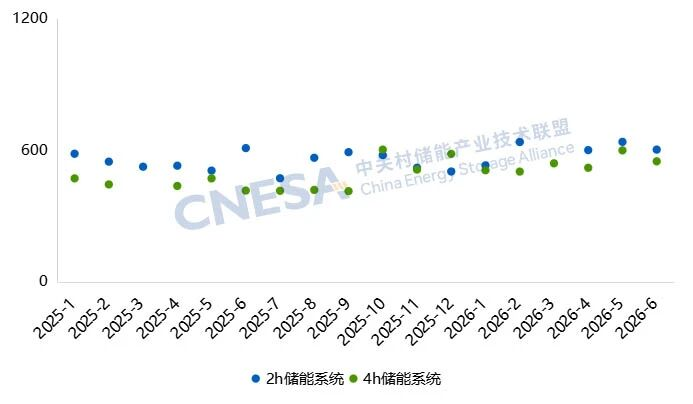
Blue: 2-hour ESS Green: 4-hour ESS
Figure 5. Average Winning Bid Prices for ESS, January 2025–June 2026 (Excluding Centralized Procurement/Framework Agreements and Behind-the-Meter Projects, RMB/kWh)
Source: CNESA Datalink Global Energy Storage Database
EPC Winning Bid Price Analysis (Excluding PC) (H1 2026):
Average EPC winning bid prices (excluding PC) also increased compared with H1 2025.
l For 2-hour EPC projects, the average winning bid price reached RMB 1,040.4/kWh, up 3.2% YoY, with prices ranging from RMB 580.0/kWh to RMB 1,750.1/kWh.
l For 4-hour EPC projects, the average winning bid price reached RMB 958.5/kWh, representing an 8.2% YoY increase, with prices ranging between RMB 645.0/kWh and RMB 1,377.5/kWh.
Regarding price distribution, both the highest and lowest prices for 2-hour EPC projects increased slightly compared with last year.
For 4-hour EPC projects, market quotations became more concentrated. Exceptionally high bids declined, while lower-end prices increased, indicating that pricing is gradually converging toward a more consistent market range and bid pricing has become increasingly standardized.
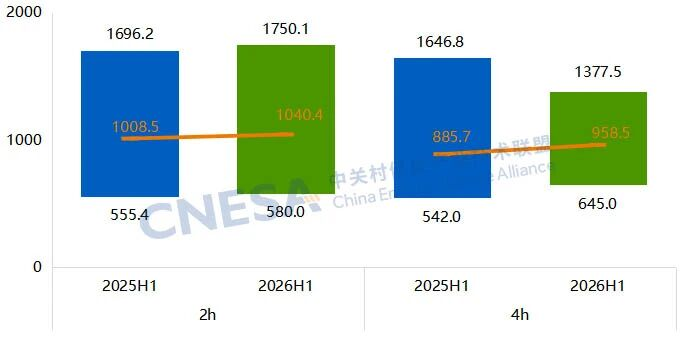
Figure 6. Winning Bid Price Ranges for 2-Hour and 4-Hour EPC Projects (Excluding PC), H1 2025 vs. H1 2026 (Excluding Centralized Procurement/Framework Agreements and Behind-the-Meter Projects, CNY/kWh)
Source: CNESA Datalink Global Energy Storage Database
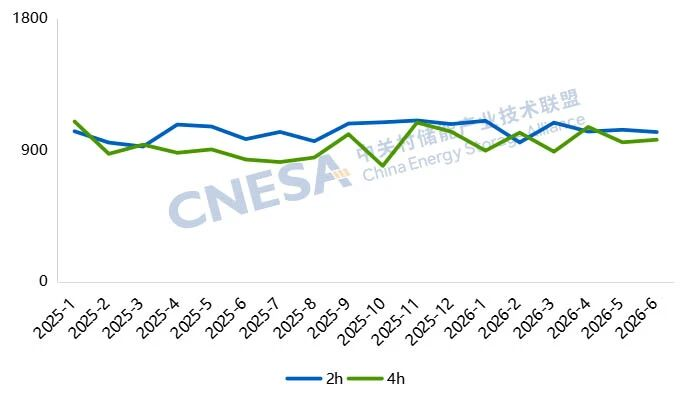
Figure 7. Average Winning Bid Prices for EPC Projects (Excluding PC), January 2025–June 2026 (Excluding Centralized Procurement/Framework Agreements and Behind-the-Meter Projects, CNY//kWh)
Source: CNESA Datalink Global Energy Storage Database
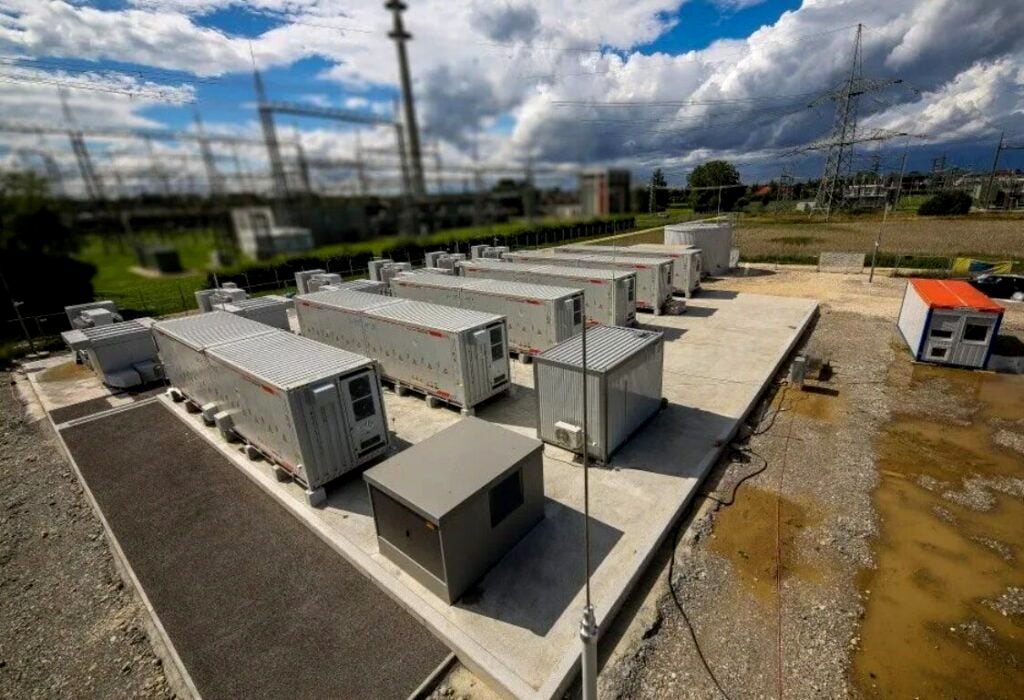
Germany Roundup: 500MW BESS and Data Centre Transaction, Seven-Year Toll and 370MW Pipeline Secured
Source: Energy Storage News
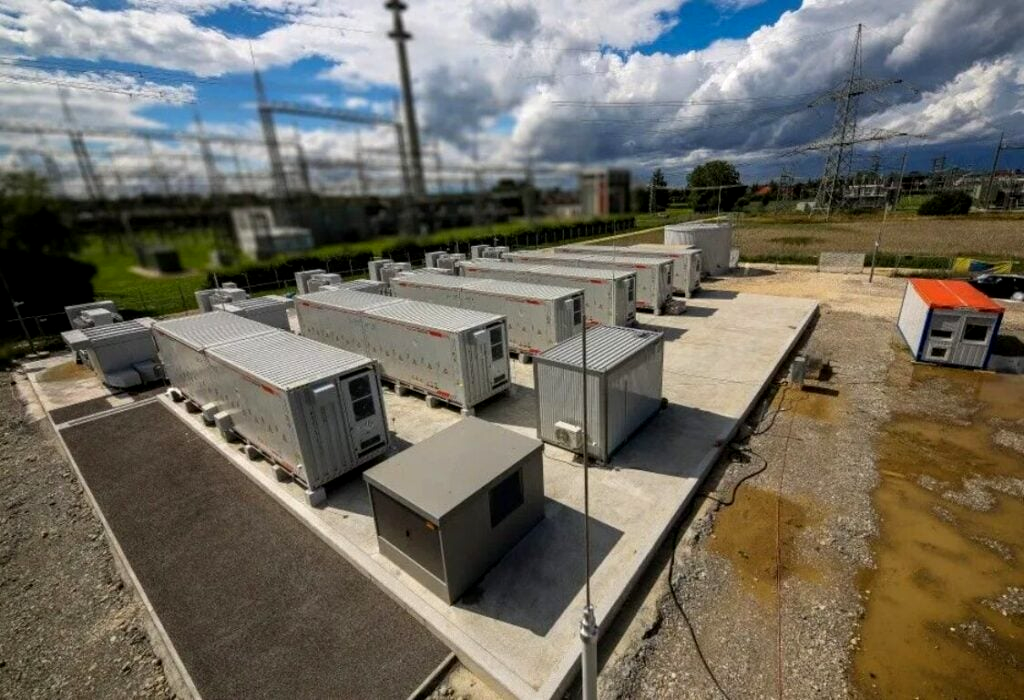
The BESS with which ju:niz Energy will enter into a toll with Next Kraftwerke. Image: ju:niz Energy
A trio of German grid-scale BESS news items, with Next Kraftwerke and ju:niz Energy agreeing a seven-year toll, Alpiq announcing a 370MW pipeline, and WBS Power selling the country’s largest solar-plus-storage project and planning a data centre on the same site.
Germany has this year become a hotbed of battery energy storage system (BESS) project announcements and deal-making, driven by its substantial revenue opportunities as Europe’s largest electricity market and a looming August 2029 deadline for getting projects operational to avoid charge-discharge grid fees. See all recent coverage here.
WBS Power sells solar-plus-storage project, plans data centre
Developer WBS Power has sold the 150MW solar, 500MW/2,000MWh BESS Project Jupiter in Brandenburg, Germany, to investor Prime Capital.
WBS acquired the site for the clean energy project in 2022, and the project will require €500 million (US$583 million), with construction expected in late 2026/early 2027. Both technologies will share a 380kV grid connection in the area of TSO 50Hertz. The acquisition is subject to Project Jupiter reaching ready-to-build (RTB) status.
The transaction also establishes a joint venture to co-locate a hyperscale data centre of up to 500MW in power demand in the same area.
WBS Power said there is growing demand for data centres in Germany, which are highly energy-intensive and benefit significantly from direct access to renewable power and grid stability.
“By integrating Germany’s largest co-located BESS and Solar PV project with a hyperscale data center, we are creating a unique platform that supports both the energy transition and digital transformation,” said Maciej Marcjanik, CEO of WBS Power Group.
Alpiq secures 370MW Germany pipeline
Switzerland-based energy firm Alpiq has expanded in Germany with a 370MW BESS pipeline the company has ‘secured’, in partnership with developer SPP Development. The projects in Brandenburg and Saxony-Anhalt are expected to reach RTB status in 2026.
Lukas Gresnigt, Head International and member of the Executive Board of Alpiq said that Germany is a competitive and complex market for BESS, with many projects are queuing for grid access and permits, and the partnership combined Alpiq’s financial strength and SPP’s local expertise.
Last week, Energy-Storage.news reported on Alpiq entering into a long-term toll for a BESS in Germany owned and operated by Eco Stor. Alpiq has acquired projects in France and Finland, where it recently commissioned a 30MW/36MW project.
Shell and EQT companies agree Germany BESS toll
VPP operator Next Kraftwerke, acquired by Shell in 2021, has concluded a Germany BESS toll with BESS platform ju:niz Energy, acquired by investor EQT in 2024.
The seven-year toll is for a 20MW/40MWh project in Vöhringen, Bavaria, and Next said it is one of the first operational contracts of its kind in Germany, live since 1 November.
Next Kraftwerke will pay ju:niz Energy a fixed monthly fee per installed MW for the use of the BESS capacity. The model offers stable revenues for the operator (ju:niz) and flexibility for the optimiser (Next Kraftwerke). The toll is 80% fixed remuneration and 20% merchant, Next said.
(By Cameron Murray)
CENSA Upcoming Events:
Apr. 1-3, 2026 | The 14th Energy Storage International Conference & Expo
Register Now to attend, free before Dec 31, 2025.

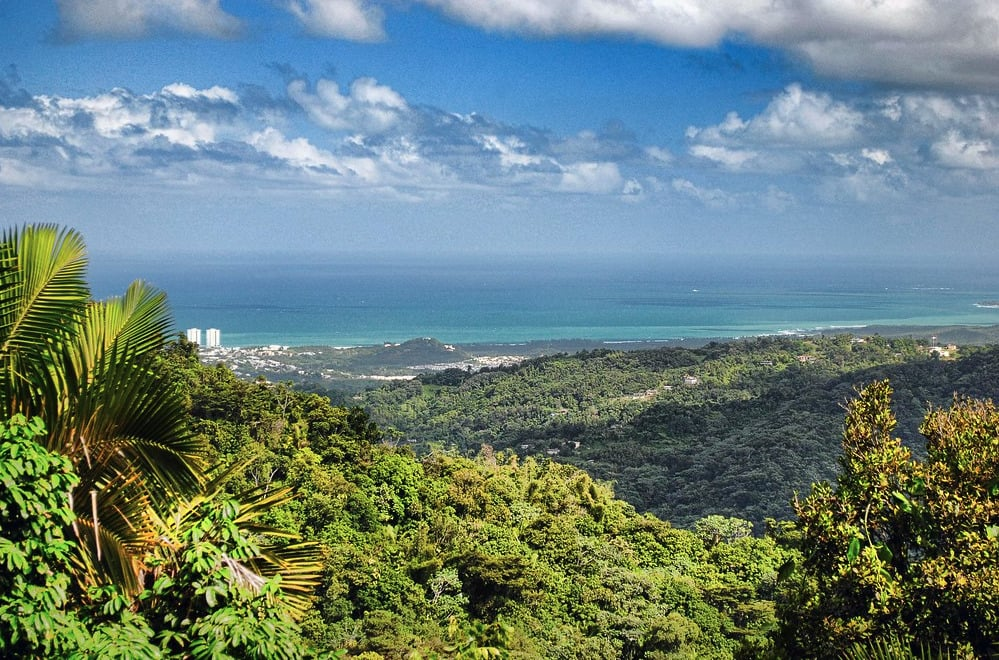
Puerto Rico Advances on Its Delayed Accelerated BESS Deployment Programme
Source: Energy Storage News
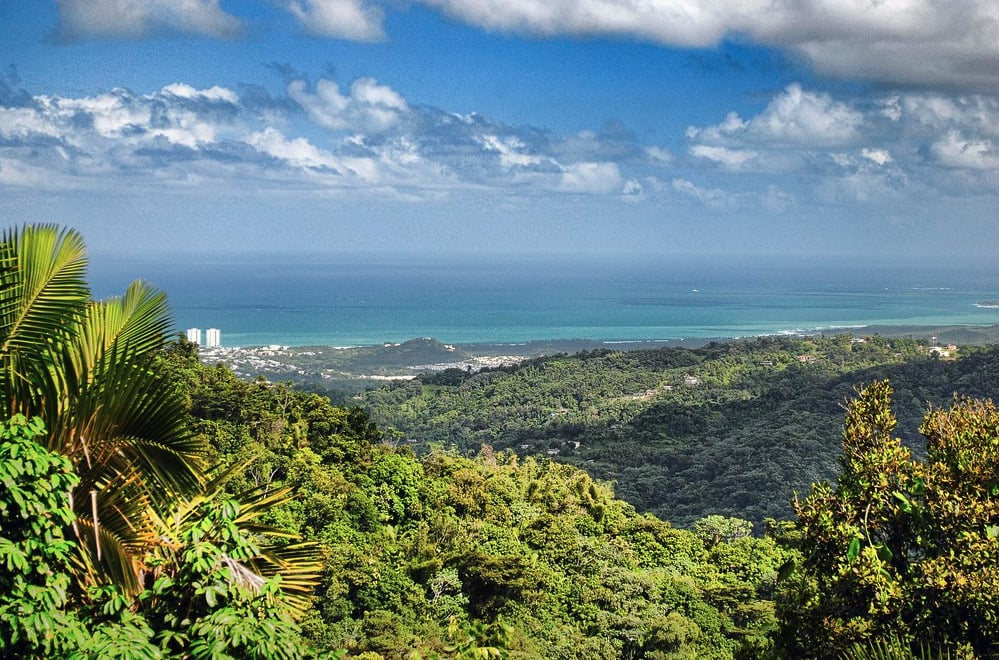
In Puerto Rico, the electric generation, transmission, and distribution facilities managed by PREPA are operated privately by Luma Energy. Both entities are overseen by the Puerto Rico Energy Bureau (PREB). Image: Trish Hartmann.
The Puerto Rico Energy Bureau (PREB) has issued a resolution and order requiring the Puerto Rico Electric Power Authority (PREPA) to complete the Accelerated Battery Energy Storage Addition Programme (ASAP).
The resolution and order require PREPA to finish the necessary review process with the Financial Oversight and Management Board (FOMB) concerning the four final agreements of the ASAP.
Implementation and delay of ASAP
In Puerto Rico, the electric generation, transmission, and distribution facilities managed by PREPA are operated privately by Luma Energy. Both entities are overseen by the Puerto Rico Energy Bureau (PREB).
ASAP aims to enhance grid reliability across the island by deploying utility-scale battery energy storage systems (BESS) alongside existing generation facilities.
Under the programme, independent power producers (IPPs) with existing power purchase and operating agreements (PPOAs) with PREPA will install BESS at their sites, “on an accelerated basis,” as stated in PREB documents available on the regulator’s website.
In 2024, PREB informed Luma Energy that its plan to contract with IPPs for BESS resources was consistent with public power policy.
In April 2024, Luma identified Phase 1 projects that could start immediately with minimal costs and no network upgrades, with some developers claiming they could be operational in less than 12 months and contracts expected to be executed by April 2025.
However, in August 2025, the projects remained stalled, with only one developer (Ecoeléctrica) responding to PREPA’s communications to say it was working to complete documentation by September, while three others (San Fermín, Horizon, and Oriana) did not respond at all.
PREB called the delays “extremely concerning” and required all four developers to provide detailed explanations for the lack of responsiveness, emphasising that these projects are crucial for addressing Puerto Rico’s electricity generation shortfall and warning that fines will be imposed if developers don’t comply with the information requests.
PREB issues resolution and order to PREPA
PREB concluded that Luma’s four final agreement terms for ASAP align with the island’s Energy Public Policy and the Integrated Resource Plan (IRP).
As a result, the Bureau approved the four drafts and directed Luma to finalise the contracts, submit them to PREPA’s Governing Board for approval, and demonstrate this process. Furthermore, PREPA was instructed to obtain approval from the FOMB.
On 20 November, Luma submitted final agreements to PREPA’s Board. The private operator asked for these documents to be confidential due to critical infrastructure, sensitive data, and personal information. PREB confirmed Luma’s compliance and granted confidentiality.
PREB clarified that the 1,500MW of battery storage listed in the IRP is a guideline, not a strict cap.
The resolution and order confirmed that this figure is not fixed and can be exceeded; battery projects in development will be assessed regardless of whether they propose more than 1,500MW of storage capacity. PREB also highlighted that any decision to increase or decrease this limit is solely at its discretion.
Because PREB has granted confidentiality to Luma, it is unclear for which participants the agreements have been submitted.
Developers Ecoeléctrica, San Fermín, Horizon, and Oriana have had ongoing communications with Luma. Though, as noted above, San Fermin, Horizon, and Oriana have previously failed to respond to PREPA’s communications.
Additionally, in August, Polaris Renewable Energy submitted a BESS standard offer (SO1) agreement on behalf of PREPA to PREB.
The SO1 agreement is included in the ASAP scheme. When submitted, Polaris appeared to distinguish itself from the other developers who had not delivered BESS projects on the island.
Included in the resolution and order, Commissioner Mateo Santos dissented in part and concurred in part, and stated:
“As I have previously expressed, I do not agree with the pass-through concepts included in the contracts under the ASAP programme, and therefore I dissent on that aspect. However, I concur with the Energy Bureau’s determination regarding the integration of battery energy storage resources.”
Santos continued, “Specifically, I agree with the Energy Bureau’s clarification that the approximately 1,500MW of Battery Energy Storage Resources identified in the Approved IRP’s Modified Action Plan constitutes a guideline rather than a fixed limit. Any final determination on the appropriate level of integration will be made by the Energy Bureau.”
(By April Bonner)
CENSA Upcoming Events:
Apr. 1-3, 2026 | The 14th Energy Storage International Conference & Expo
Register Now to attend, free before Oct 31, 2025.

Multiple Gigawatts of European BESS Project M&A, Financing and Route-to-Market Deals
Source: Energy Storage News
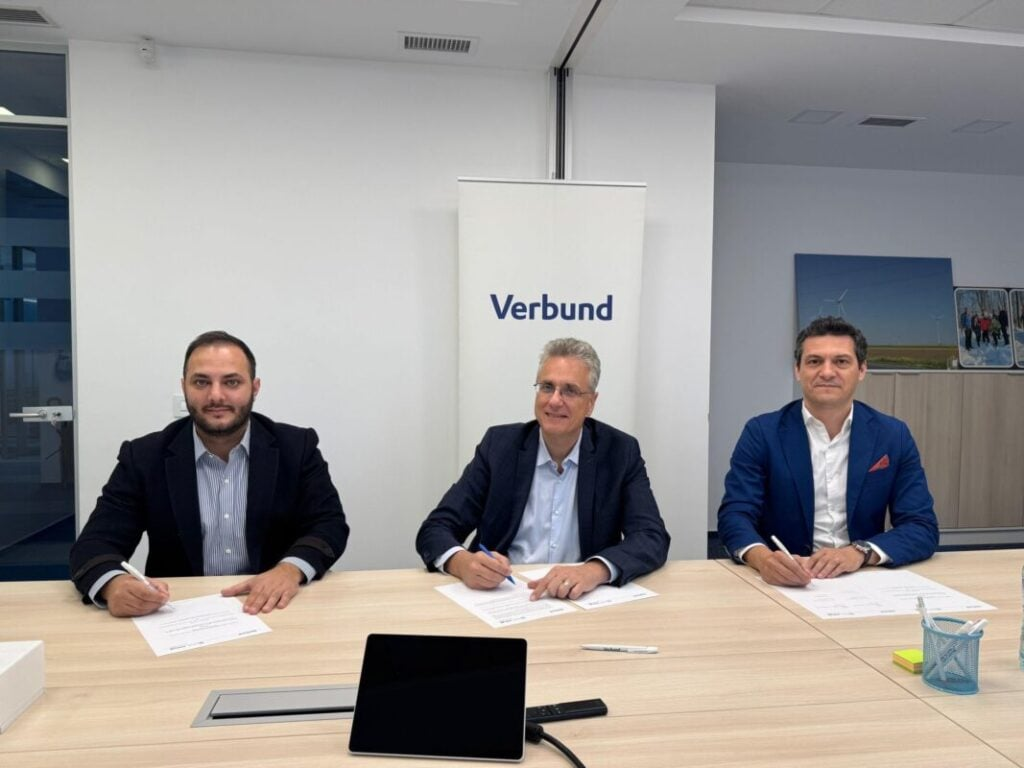
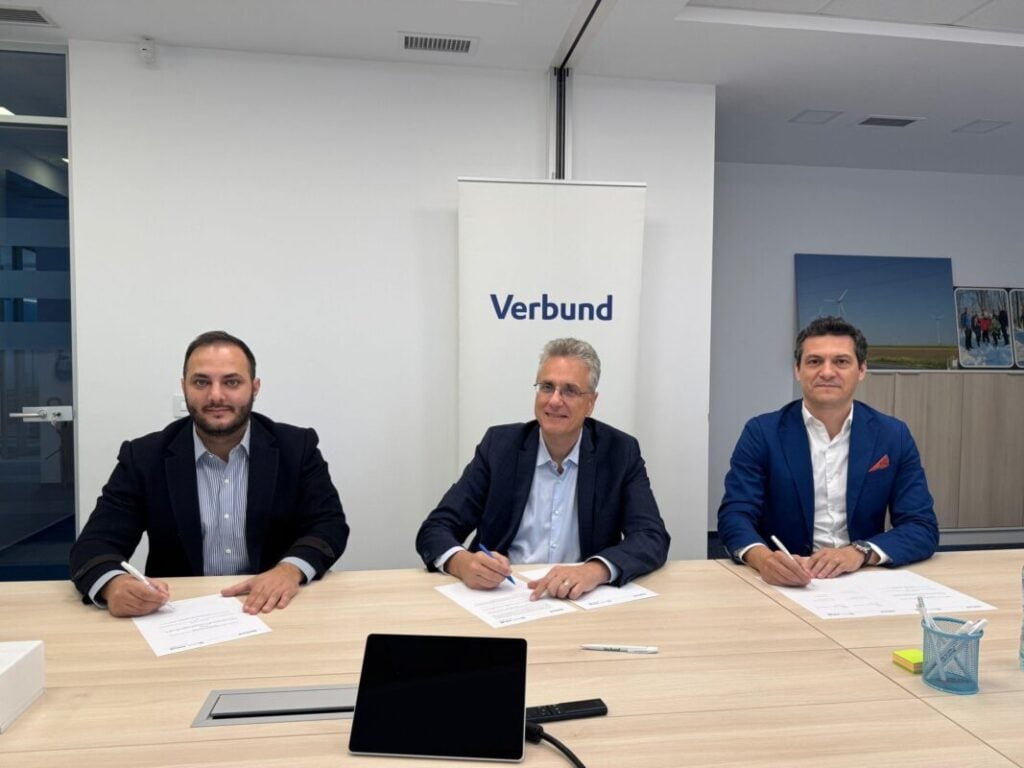
Verbund, Prime Batteries and Enevo executives signing a Romania BESS project deal. From left to right: Vicentiu Ciobanu (CEO Prime Batteries), Adrian Remus Borotea (managing director of Verbund Wind Power Romania) and Cristian Pirvulescu (CEO of Enevo Group). Image: Verbund via LinkedIn.
European BESS news from project owners Premier Energy Group, Verbund, Eco Stor, Ingrid Capacity, Ric Energy, Ganfeng Lithium, EP Group, RWE and Giga Storage, securing acquisitions, financings and route-to-market (RTM) deals for multiple gigawatts of capacity this past week.
Romania: Premier buys 400MWh BESS, Verbund enlists
contractors for project
Energy firm Premier Energy Group has acquired a ready-to-build (RTB) 200MW/400MWh battery energy storage system (BESS) in Romania, near Iasi.
Construction on the project will start in 2026, with commissioning anticipated in late 2026 or early 2027. The project will support the integration or more renewables on Romania’s grid with fast-response capacity and grid balancing applications.
Premier is currently in advanced discussions on financing options for the project, with the expectation of securing a long-term structure, it said. The announcement did not say whether it was one of the winning projects from a recent EU-backed capex support scheme.
In related news, Austria-based utility and power firm Verbund’s local arm Verbund Wind Power Romania has enlisted OEM Prime Batteries and engineering firm Enevo Group to supply and integrate a 48MW/76MWh project.
It will be built at Verbund’s Alpha Nord Wind Farm in Tulcea County. The installation will help integrate more renewables but also improve the operational flexibility of the Verbund’s local renewable assets.
Prime Batteries Technology and Enevo Group will deliver the full engineering, procurement and construction (EPC) scope, including design, equipment supply, system integration, installation and commissioning.
Construction is scheduled to begin in February 2026 with commissioning set for September 2026.
Prime Batteries made headlines last year when it integrated a BESS for owner Monsson with an emphasis on locally manufactured technology.
Germany: Eco Stor project toll and Ingrid Capacity enters market
Project owner-operator and EPC Eco Stor has entered into a long-term toll with energy firm Alpiq for a 103.5MW/238 MWh BESS in Schleswig-Holstein, Germany.
Alpiq will partner with optimisers Enspired and Entelios to manage the BESS project’s activity in the electricity market.
It is Eco Stor’s second major grid-scale project in Germany, and identically sized to its first which came online in June this year, in Bollingstedt. The project with Alpiq in Schleswig-Holstein will come online in mid-2026.
The announcement coincided with one from Sweden-headquartered BESS owner-operator Ingrid Capacity, revealing it has partnered with developer Energiequelle for 200MW of grid-scale projects in Germany.
Energiequelle will develop the projects while finance, operate, and optimise the assets using its in-house trading and optimisation platform. The projects are expected to reach RTB in 2026. Ingrid has so far been active primarily in Sweden and Finland.
Italy: Ric Energy buys 200MW BESS
Spain-headquartered Ric Energy Group has acquired a 200MW BESS in the Apulia region of Italy. The firm’s development pipeline in Italy now stands at 942MW, it said announcing the post on LinkedIn.
It didn’t provide more details about the project in its post. Italy is currently a hotbed of activity, with the long-awaited first auction of its MACSE scheme concluded with 10GWh of BESS handed long-term revenue contracts. Many investors and owner-operators were waiting for the auction before taking FIDs and proceeding to construction.
Our publisher Solar Media will host the Battery Asset Management Summit Europe 2025 in Rome tomorrow and Wednesday (2 & 3 December), where MACSE and Italy will undoubtedly be big talking points.
Netherlands: Giga Storage toll with Vattenfall
BESS owner-operator Giga Storage has entered into a long-term toll with energy firm Vattenfall for its Project Leopard, a 300MW/1,200MWh BESS in the Netherlands.
The toll covers 100MW, one-third of Leopard’s total capacity. It will provide Giga with a fixed, long-term income stream that supports the project’s financing. Vattenfall will optimise the contracted portion of Leopard’s capacity for services such as grid stability, portfolio balancing, and electricity trading.
RTM deals for grid-scale BESS in the Netherlands are characterised by portioning a project’s capacity into different slices with different tollers and offtakers to spread risk, the same strategy adopted by other major BESS owner-operators there including Lion Storage and SemperPower.
UK: RWE to build 700MWh BESS, two optimisation deals announced
Germany-headquartered power firm RWE has made a final investment decision (FID) on a 350MW/700MWh BESS in Wales, called Pembroke Battery Storage. It is part of the wider Pembroke Net Zero Centre project combining renewable generation including green hydrogen production.
The project received planning consent in January 2025 and also won contracts in the UK’s most recent capacity market (CM) auction. Construction will start in 2026 with commissioning and commercial operation in H2 2028, ‘subject to receiving an updated and timely grid connection’, RWE said. That probably alludes to the ongoing grid connection queue reshuffle.
The news follows hot on the heels of two BESS optimisation announcements in the UK, both covered by our sister site Solar Power Portal.
China-based Ganfeng Lithium has enlisted power firm EDF to provide RTM and optimisation services for its 50MW/160MWh Kintore BESS project, while EP Group has contracted optimiser GridBeyond to do the same for its 50MW North Baddesley BESS.
(By Cameron Murray)
CENSA Upcoming Events:
1. Dec.4-5 | 2025 China Energy Storage CEO Summit | Xiamen, Fujian
Register Now to attend
Read more: http://en.cnesa.org/new-events-1/2025/12/4/dec4-5-2025-china-energy-storage-ceo-summit

2. Apr. 1-3, 2026 | The 14th Energy Storage International Conference & Expo
Register Now to attend, free before Oct 31, 2025.

‘Rapid Growth but Disorderly Competiton’: Longi Enters Energy Storage Industry with PotisEdge Deal
Source: Energy Storage News
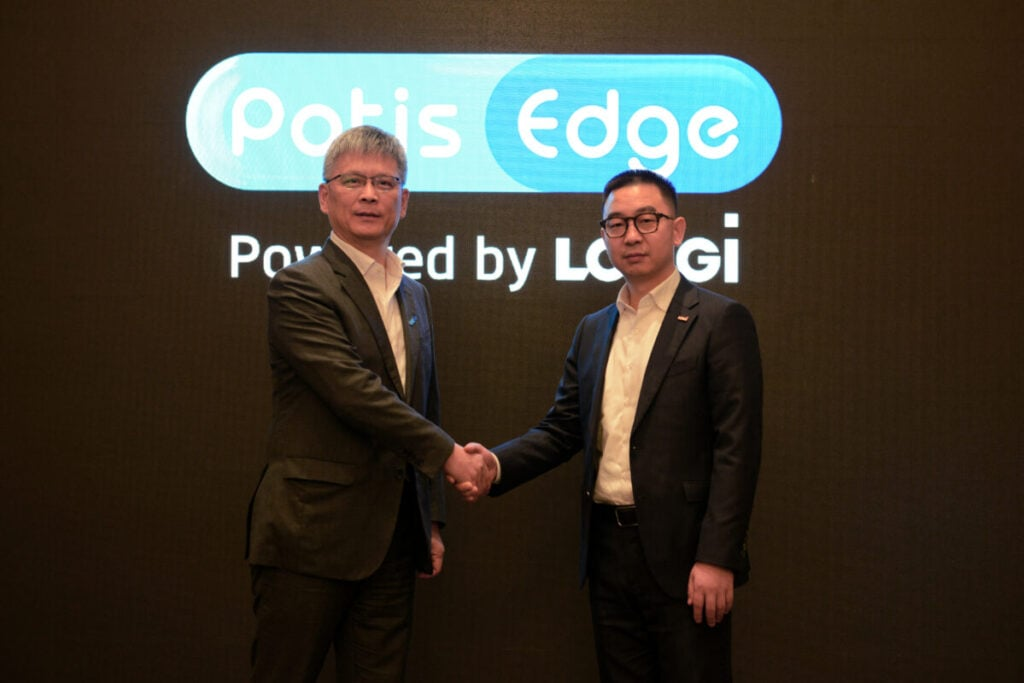
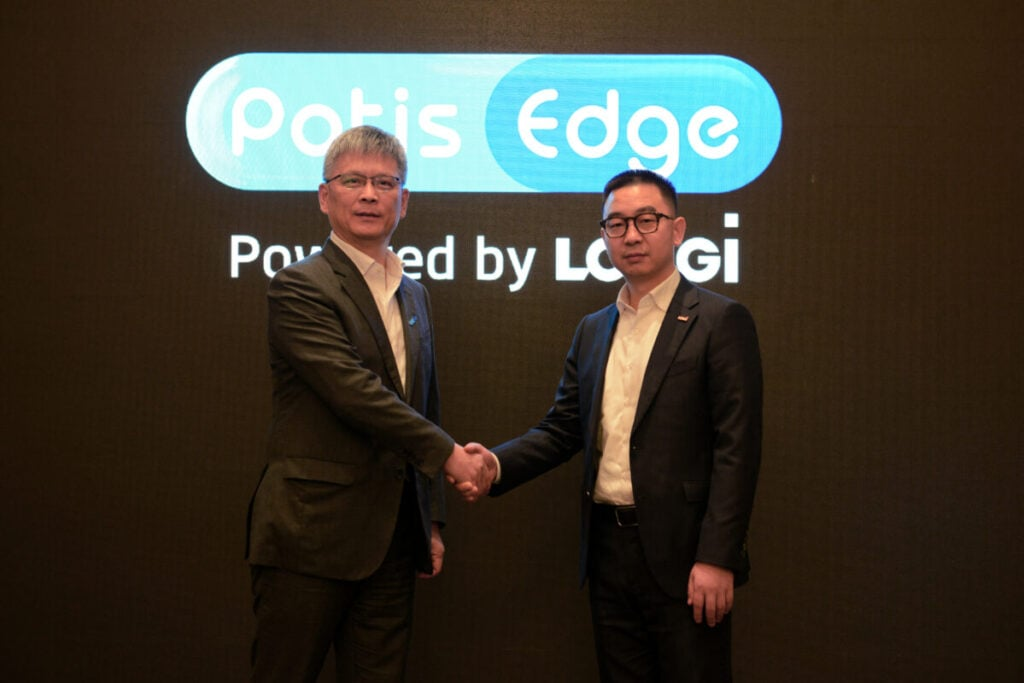
Longi PotisEdge Presidents agreeing marking the new partnership with a ceremony in London. Image: Longi.
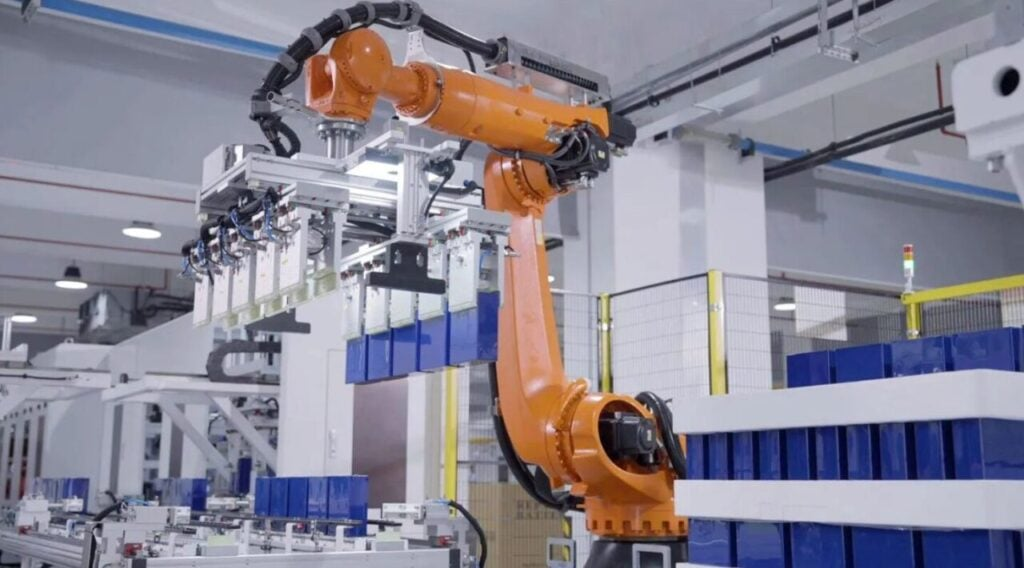
PotisEdge manufactures BESS and all its components (except cells) from its facilities in Suzhou, and soon Georgia, US. Here, battery modules are being sorted and assembled into packs, prior to BESS assembly. Image: PotisEdge.
We caught up with the president of system integrator PotisEdge following news of its acquisition by Longi, which marks the Chinese solar PV giant’s move into the energy storage industry.
News of Longi’s acquisition of PotisEdge first emerged on 13 November, with a public notice on the Shaanxi Provincial Administration for Market Regulation website. It revealed that Longi Green Energy Technology has agreed to acquire c.62% of PotisEdge via an equity acquisition, capital increase and voting rights, giving it sole control of the firm. Prior to the deal, PotisEdge was 44.79% held by individuals.
Longi and PotisEdge are characterising the deal as a partnership via which Longi will launch its ‘Energy Storage One-Stop Solution’, as it now covers solar, hydrogen and energy storage. Longi said its energy storage solution will be deployed first in key markets such as the UK, Germany, Italy, and Spain.
Longi VP Dennis She said in the announcement: “The current development stage of the energy storage industry is very similar to the early days of solar — confidence-driven rapid growth, but also bringing disorderly competition. The future dimension of competition in energy storage has evolved from ‘having the technology’ to ‘value reliability.”
PotisEdge president: Combination will offer opportunities
Speaking to Energy-Storage.news at an event in London marking the deal, PotisEdge founder and president Minjie Shi said: “Longi will bring the strong brand name and a big market to PotisEdge, and the combination of the two companies offers big opportunities to the market.”
“We are a technology company that designs and manufactures all the key components with the exception of the battery cells. We’re highly integrated, and that’s allowed us to gain a good reputation and solve market challenges,” Shi said.
“Battery cell manufacturing and system integration are totally different. Battery cells are a chemistry process, system integration is about controls, software, hardware and intelligent systems.”
Core technology offering
The firm’s offering is built around the five ‘S’s: BMS (battery management system), EMS (energy management system), PCS (power conversion system), TMS (thermal management system) and its proprietary ICCS (intelligent cell contact system) technology for predicting thermal runaway.
In September, the firm launched a 6.25MWh AC BESS product with string inverters and its ICCS technology for fire safety. The tech is designed for monitoring and protection of battery cells, to prevent thermal runaway and ensure safe operation of the system. It provides early warnings, predictions and an immediate response to potential cell malfunctions.
Before the AC launch, its grid-scale products were DC products. “Amongst the 12GWh of deployments, that has mainly been DC products, especially the 5MWh unit. Now we are shipping the all-in-one AC solution,” Shi said, adding that all regions are showing demand for both DC and AC products.
He added that the PotisEdge brand would remain for the foreseeable future, as it had over a decade of experience in the BESS industry with 12GWh deployed. It has mainly been active in the grid-scale segment, with deployments to date primarily in China, but also in North America, Europe and Australia.
Markets
“Europe is an important market for us, we’ve already delivered for a few sites here like Italy,” he said.
It has 31GWh manufacturing capacity from its facility in Suzhou, China, and a 4-6GWh one in Atlanta, Georgia, US, set to start manufacturing next year. The Atlanta facility will produce the same products as its Suzhou facility, but will be more automated, with only 100 employees needed, Shi said.
“For the US market, the main thing is to localise production, and we’ve focused on solving this for the last two years. All companies are facing that same challenge.”
PotisEdge is also working on a modular BESS solution, as many other system integrators and BESS manufacturers have done in response to transportation issues with ever more energy-dense and heavy 20-foot containers.
As part of its expansion into storage with PotisEdge, Longi will establish a Solar-Storage Technology Innovation Center Center of Excellence in Europe, it said.
Chinese solar PV companies have steadily moved into energy storage, seeking to capitalise on its growth opportunities but also to offset falling profits in their core market as the sector suffers from over-supply. See all coverage of Longi by our sister site PV Tech here.
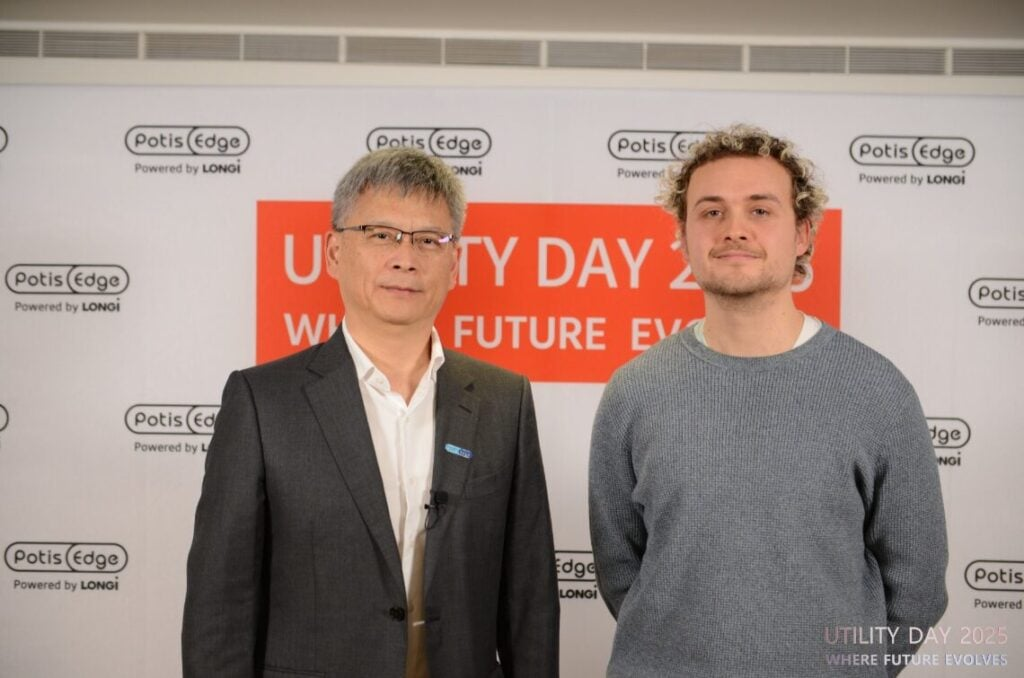
PotisEdge president Minjie Shi and Energy-Storage.news reporter Cameron Murray.
(By Cameron Murray)
CENSA Upcoming Events:
1. Dec.4-5 | 2025 China Energy Storage CEO Summit | Xiamen, Fujian
Register Now to attend
Read more: http://en.cnesa.org/new-events-1/2025/12/4/dec4-5-2025-china-energy-storage-ceo-summit

2. Apr. 1-3, 2026 | The 14th Energy Storage International Conference & Expo
Register Now to attend, free before Oct 31, 2025.

Germany BESS ‘Firsts’: Integrated Software, Multi-Party Optimisation, Privileged Permitting
Source: Energy Storage News
Germany BESS ‘firsts’: Integrated software, multi-party optimisation, privileged permitting
A week of claimed first-of-their-kind advances in Germany’s BESS market, including the combination of monitoring, diagnostics and energy trading on one platform, an optimisation deal allowing multiple companies to trade one asset virtually, and a law change accelerating permitting.
In summary:
· Investor Dynamic is deploying a BESS where digital monitoring, battery analytics and diagnostics, and energy trading are combined into one single, coordinated system: an industry-first according to the analytics provider Volytica
· Optimisation platform Terralayr has enabled three optimisers – Entrix, Suena and The Mobility House – to virtually trade portions of one single BESS asset
· The German Federal Parliament (Bundestag) has passed a law simplifying the development of energy storage projects, and expressly granting them privileged status
Dynamic’s Tangermünde project’s ‘first-of-its-kind’ integration
Investor Dynamic has partnered with digital monitoring and asset management solutions firm Amperecloud, battery analytics and diagnostics provider Volytica and optimiser Enspired for a 15.8MW/32MWh battery energy storage system (BESS) in Tangermünde, Saxony-Anhalt.
Volytica said it is the first project to “…combine monitoring, battery diagnostics, and energy trading into a single, coordinated system. These features are integrated to simplify operations and ensure competitiveness in today’s energy market”.
The analytics provider said the initiative addresses the common BESS industry challenge of fragmented digital tools for operational control, battery condition monitoring, and commercial optimisation. By integrating their platforms, the partners aim to enable continuous, data-driven system management, from performance monitoring to market participation, it said.
A spokesperson for Volytica said that, normally, you have individual software tools for asset management to operate and maintain the BESS, one tool for trading, one tool to access BMS data and one tool for analytics and monitoring, with no connection between providers.
Volytica CEO Claudius Jehle posted in more detail on his LinkedIn about the concept when Volytica announced the project.
The spokesperson said the integrated approach saves time and money, improves efficiency and competitiveness, and erases blind spots and increase transparency.
The project appears to already be operational, with a photo provided showing BESS units from Trina Storage, though the release did not refer to this.
Terralayr’s multi-optimiser BESS arrangement
BESS optimisation and virtual aggregation platform Terralayr has also claimed an industry-first, software-related asset management breakthrough.
It said its latest commercialisation model creates the “world’s first, risk-adjusted portfolio-effect for storage operators”.
The firm’s virtualisation set up allows multiple optimisers to trade a slice of one or multiple physical assets. The solution is live on Terralayr’s assets, will be rolled out to all future ones as well and available to asset owners in Germany.
Every asset owner has one contract per physical asset and that asset would be disaggregated into virtual batteries. Each virtual battery is then optimised by one different optimiser. As a result, one physical asset is optimised by multiple optimisers in parallel, a spokesperson explained.
A hypothetical arranagement is visualised in the infographic the firm provided below, with the BESS sliced into three virtual assets, 50MW each for Entrix and Suena and 100MW for The Mobility House (for example).
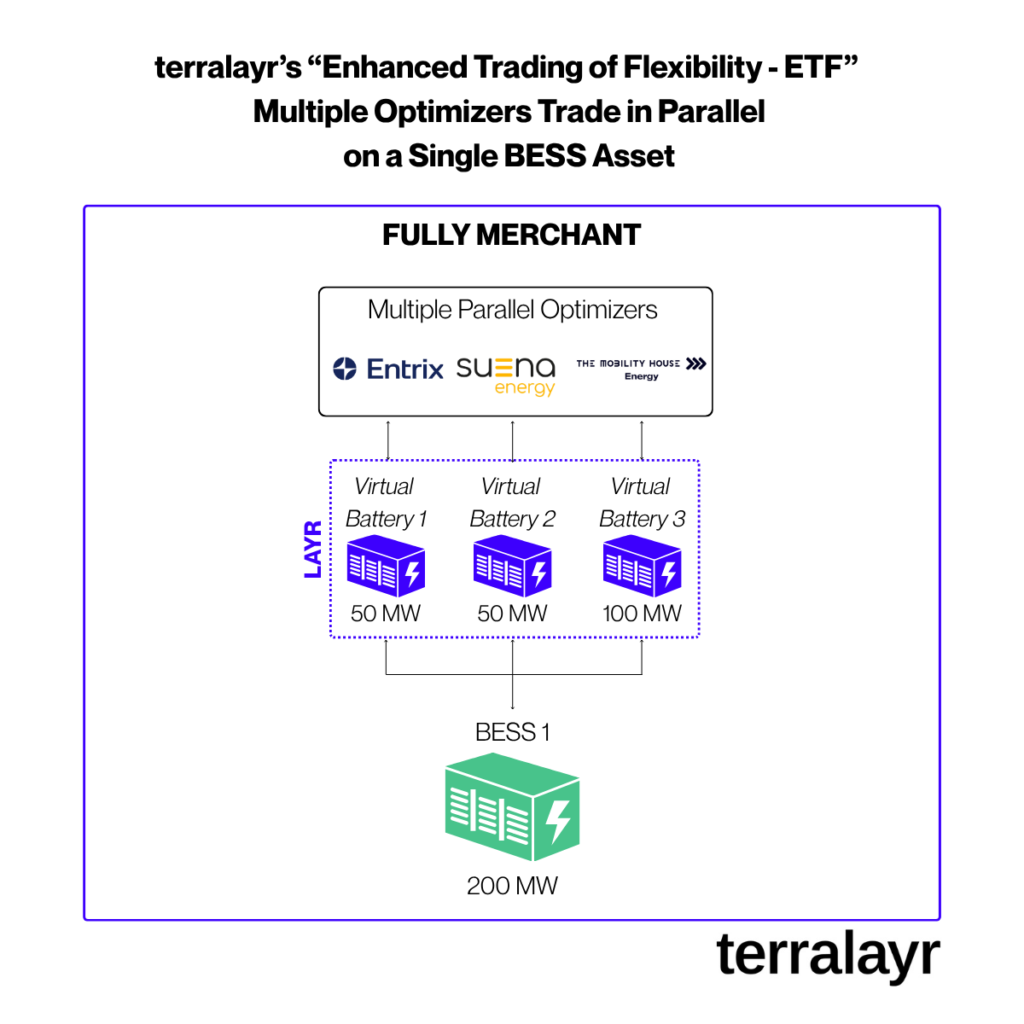
The model is called ‘Enhanced Trading of Flexibility – ETF’, and Terralayr claimed that it drives market efficiency, lowers revenue volatility, and creates a more stable risk-return profile for operators.
It also described an additional benefit called the “netting-off effects”, which regularly occurs when optimisers’ dispatch schedules offset each other, saving battery cycles and reducing degradation.
Terralayr’s platform bundles all optimiser dispatch and ancillary service signals and allocates them to the physical asset, while guaranteeing adherence to all technical restrictions and manufacturer specifications.
The firm launched in 2022, and has onboarded big-name energy firms in Germany including RWE and Vattenfall to its virtual BESS aggregation and optimisation platform as offtakers. Terralayr is deploying its own, smaller grid-scale BESS projects, at least partially to provide capacity for, and prove out, its platform.
Parliament in Germany adopts faster permitting for storage
In related BESS industry news, the German Federal Parliament (Bundestag) passed an amendment to the Energy Industry Act and the Federal Building Code which significantly simplifies the development of energy storage projects, law firm Evershed Sutherlands said in a note.
In a nutshell, the reform elevates legal certainty regarding the privileged treatment of thermal storage facilities, hydrogen storage facilities, and large-scale BESS in outside areas (Außenbereich), the firm explained: such projects are now expressly granted privileged status. The reform aims to accelerate energy storage permitting and deployment.
It creates a major simplification of future permit procedures, whereas previously energy storage was subject to considerable legal uncertainty.
Most grid-scale development in Germany is currently focused around projects that will come online before August 2028, when a three-year exemption from grid fees for charging and discharging ends. The government is discussing a more long-term solution, but whether this new change will benefit projects that can be deployed within the next three years is unclear.
(By Cameron Murray)
CENSA Upcoming Events:
1. Dec.4-5 | 2025 China Energy Storage CEO Summit | Xiamen, Fujian
Register Now to attend
Read more: http://en.cnesa.org/new-events-1/2025/12/4/dec4-5-2025-china-energy-storage-ceo-summit

2. Apr. 1-3, 2026 | The 14th Energy Storage International Conference & Expo
Register Now to attend, free before Oct 31, 2025.


Victoria Approves 2,200MWh of Battery Storage through Streamlined Pathway in Australia
Source: Energy Storage News
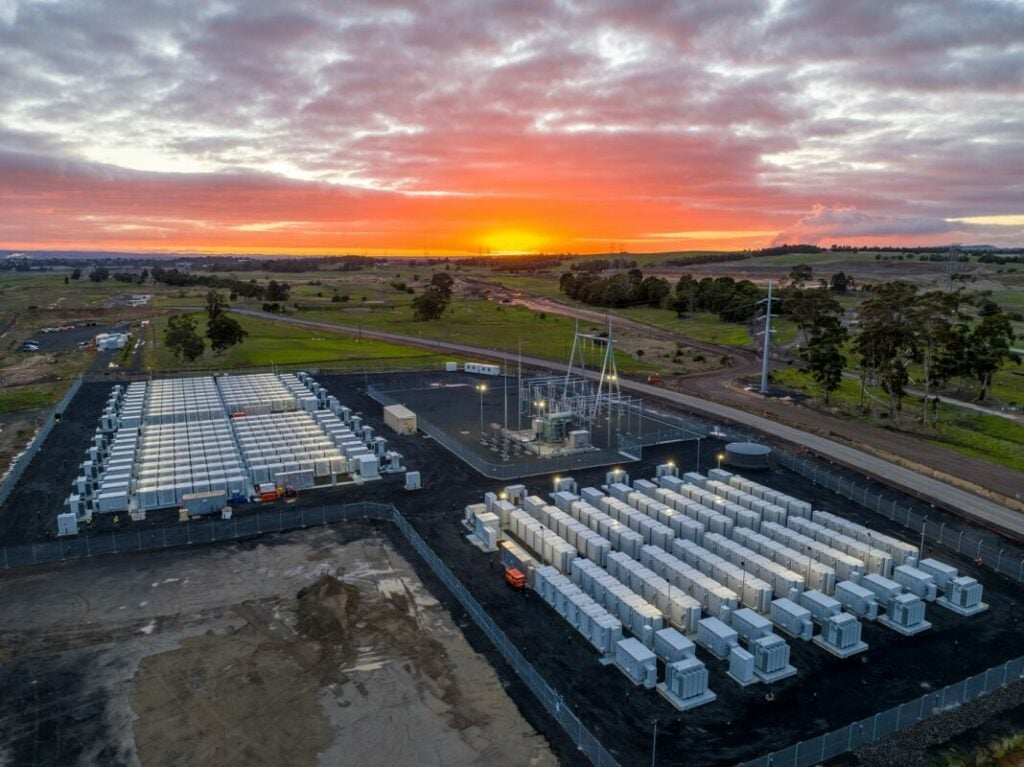
The Tramway Road BESS will be built near Eku Energy’s operational 150MW/150MWh Hazelwood BESS in Victoria (pictured). Image: Eku Energy
The Victoria government in Australia has approved a 300MW/1,200MWh battery energy storage system (BESS) in Gippsland and a 332MW solar PV power plant with integrated storage in the state’s northeast region, via the Development Facilitation Program.
Victoria’s planning minister, Sonya Kilkenny, announced the approvals for Eku Energy’s Tramway Road standalone BESS and the Meadow Creek Solar Farm, which combines a 332MW solar PV plant with a 250MW/1,000MWh battery system.
The projects represent approximately AU$1.2 billion (US$780 million) in combined investment and will create over 650 construction jobs across both developments.
Eku Energy’s 1,200MWh Tramway Road BESS
The Tramway Road BESS will deliver a 4-hour duration storage capacity of 300MW, positioning the facility to provide grid stability services and energy arbitrage opportunities across Victoria’s transmission network.
Located in Hazelwood North, the project will be constructed adjacent to existing transmission infrastructure where developer Eku Energy already operates the 150MW/150MWh Hazelwood BESS at the former Hazelwood Power Station coal-fired power plant.
Eku Energy has numerous projects under development in Australia, while also maintaining a presence in several other international markets. The company, which is jointly owned by Macquarie Asset Management and British Columbia Investment Management Corporation, aims to achieve 9GWh of storage capacity by 2028 and has recently expanded into the New Zealand market.
The Tramway Road facility will connect directly to the transmission network, enabling participation in the National Electricity Market (NEM) ancillary services while supporting the integration of renewable energy across southeastern Australia.
The 1,000MWh Meadow Creek solar-plus-storage site
Meanwhile, the Meadow Creek Solar Farm, located 27km southeast of Wangaratta, is being pursued by energy storage developer and system integrator Energy Vault.
Alongside the solar PV power plant, the project proposal includes a co-located 250MW/1,000MW battery system that would provide additional grid stability services during peak demand periods.
The hybrid project will span 400 hectares of agricultural land and incorporate agrivoltaics principles, allowing continued farming operations beneath and around the solar installation.
The Meadow Creek development was first announced in 2022’s edition of All-Energy Australia, where the developer described the BESS as a 250MW/500MWh system.
The Victoria government’s Development Facilitation Program initiative, which was expanded last year to include renewable energy projects, aims to speed up the development of critical infrastructure projects in Victoria.
Before its inclusion, projects had to pass through the Victorian Civil and Administrative Tribunal, which resulted in around 20% of these projects being delayed by approximately two years.
The Victoria government noted that more than AU$7.8 billion worth of investment across 22 projects has been included in the Development Facilitation Program since it was expanded to include renewables.
Victoria’s energy and resources minister, Lily D’Ambrosio, emphasised the projects’ role in delivering lower energy costs to Victorian households while creating employment opportunities in regional communities.
“Our fast-tracked pathway has unlocked nearly AU$8 billion worth of investment into renewable energy projects – helping provide cheaper and cleaner energy to hundreds of thousands of Victorian households,” D’Ambrosio said.
Other notable BESS projects to have advanced through the initiative in recent months include Chinese PV module manufacturer Trina Solar’s 500MW/1,000MWh Kiewa Valley BESS, which is being developed in the Murray-Darling basin, to the east of Melbourne, the state capital.
Developer ACEnergy also saw its 350MW/770MWh Little River BESS included within the scheme earlier this year.
(By George Heynes)
CENSA Upcoming Events:
1. Dec.4-5 | 2025 China Energy Storage CEO Summit | Xiamen, Fujian
Register Now to attend
Read more: http://en.cnesa.org/new-events-1/2025/12/4/dec4-5-2025-china-energy-storage-ceo-summit

2. Apr. 1-3, 2026 | The 14th Energy Storage International Conference & Expo
Register Now to attend, free before Oct 31, 2025.


RWE Starts Building Germany’s Largest BESS
Source: Energy Storage News
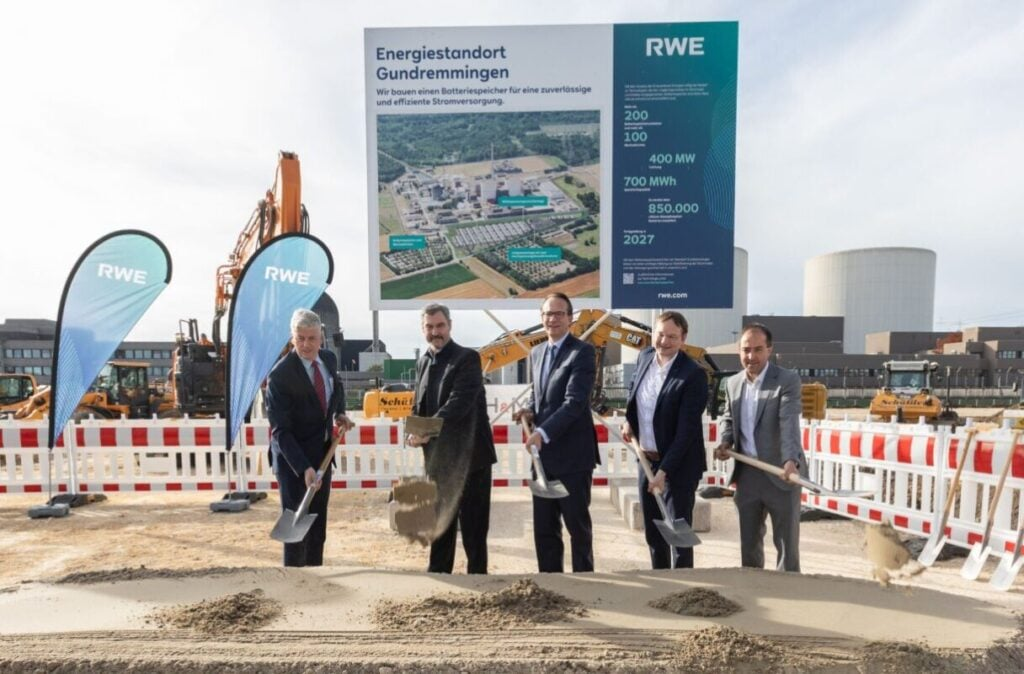
RWE and stakeholders groundbreaking on its Gundremmingen BESS project, the largest in Germany. Image: RWE.
Power firm RWE has launched construction on a 400MW/700MWh BESS project in Bavaria, Germany, the largest being built in the country.
The Germany-headquartered firm announced the start of construction on the project yesterday (29 October), in a ceremony attended by Bavarian Minister-President Dr Markus Söder (pictured above, second from left).
The 1.75-hour duration battery energy storage system (BESS) project is being built alongside the Gundremmingen nuclear power plant, which is undergoing decommissioning, and will use the plant’s existing grid connection.
RWE is investing around €230 million (US$267 million) in the BESS, which will comprise 200 container units and 100 inverters, and is expected online in 2028. It will take the title of largest BESS online from Eco Stor’s 103.5MW/238MWh Bollingstedt, commissioned earlier this year, as well as Eco Stor’s pipeline of 300MW/600MWh projects.
Söder commented: “Gundremmingen remains a key location in the Bavarian energy supply. In addition to the new battery storage facility, a 55-hectare solar park and a gas-fired power station are also set to be built. With an output of 400 MWand a capacity of over 700MWh, the battery storage facility will stabilise the grid when there is no wind or sunlight.”
Germany has emerged in the past few years as one of Europe’s most attractive markets for large-scale BESS investment, with large opportunities in its wholesale energy market (Europe’s deepest) and helpful regulatory changes including an exemption from charge-discharge grid fees for BESS projects put into operation by 2029.
Those opportunities are set to grow as the country deploys more wind and solar, and solar trade body BSW-Solar recently called for 100GWh of BESS deployments by 2030.
We recently caught up with German BESS platform Terra One to discuss the market drivers, regulatory challenges and the trade-offs when opting for a merchant or toll-based strategy in the country.
(By Cameron Murray)
CENSA Upcoming Events:
1. Dec.4-5 | 2025 China Energy Storage CEO Summit | Xiamen, Fujian
Register Now to attend
Read more: http://en.cnesa.org/new-events-1/2025/12/4/dec4-5-2025-china-energy-storage-ceo-summit

2. Apr. 1-3, 2026 | The 14th Energy Storage International Conference & Expo
Register Now to attend, free before Oct 31, 2025.


Wärtsilä to deliver ‘Australia’s largest DC-coupled hybrid battery system’ for the NEM
Source: Energy Storage News
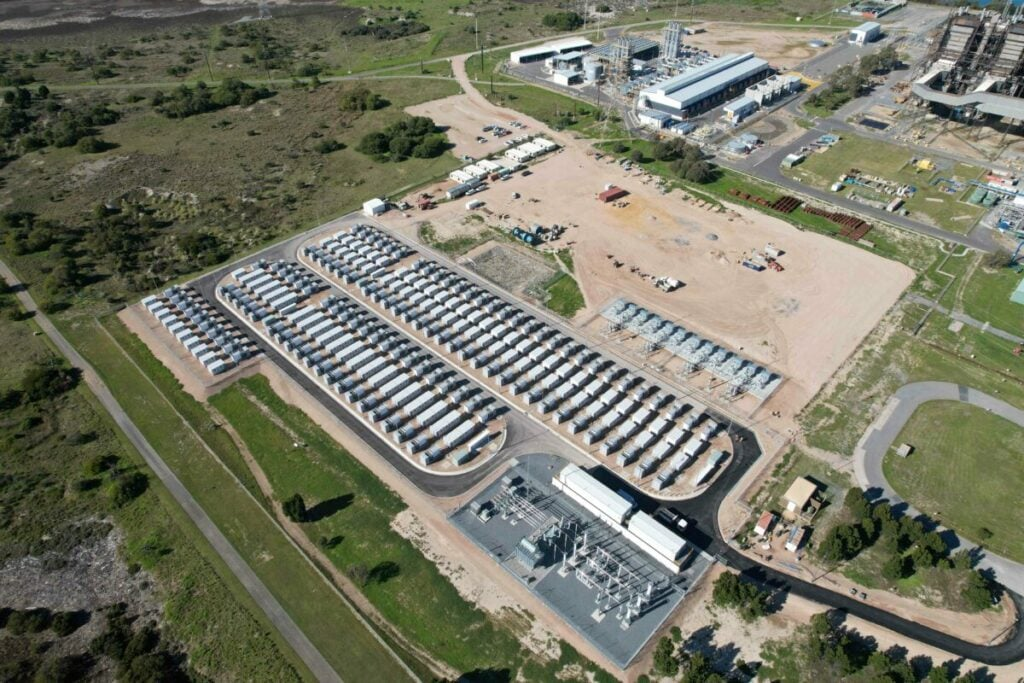
Finnish marine and energy technology group Wärtsilä will deliver what it claims is “Australia’s largest DC-coupled hybrid battery energy storage system (BESS)” for the National Electricity Market (NEM).
The project will be Wärtsilä’s ninth BESS site in Australia, expanding the company’s local footprint to 1.5GW/5.5GWh of capacity. The battery storage system is expected to be operational in 2028. The order will be booked by Wärtsilä in Q4 2025.
The announcement builds on Wärtsilä’s previous DC-coupled project in Australia, the 64MW/128MWh Fulham Solar Battery Hybrid project for Octopus Australia. Announced in April 2025, the project represented one of the first large-scale DC-coupled hybrid battery systems in the NEM.
Wärtsilä has not disclosed what project or developer it will supply the battery storage system for. However, the largest announced DC-coupled hybrid battery storage system in the NEM at the time of writing is Lightsource bp’s 49MW/562MWh Goulburn River solar-plus-storage site, which recently started construction.
CENSA Upcoming Events:
1. Dec.4-5 | 2025 China Energy Storage CEO Summit | Xiamen, Fujian
Register Now to attend
Read more: http://en.cnesa.org/new-events-1/2025/12/4/dec4-5-2025-china-energy-storage-ceo-summit

2. Apr. 1-3, 2026 | The 14th Energy Storage International Conference & Expo
Register Now to attend, free before Oct 31, 2025.


Naturgy launches Construction on First Portion of Ten-site, 160MW BESS Portfolio in Spain
Source: Energy Storage News
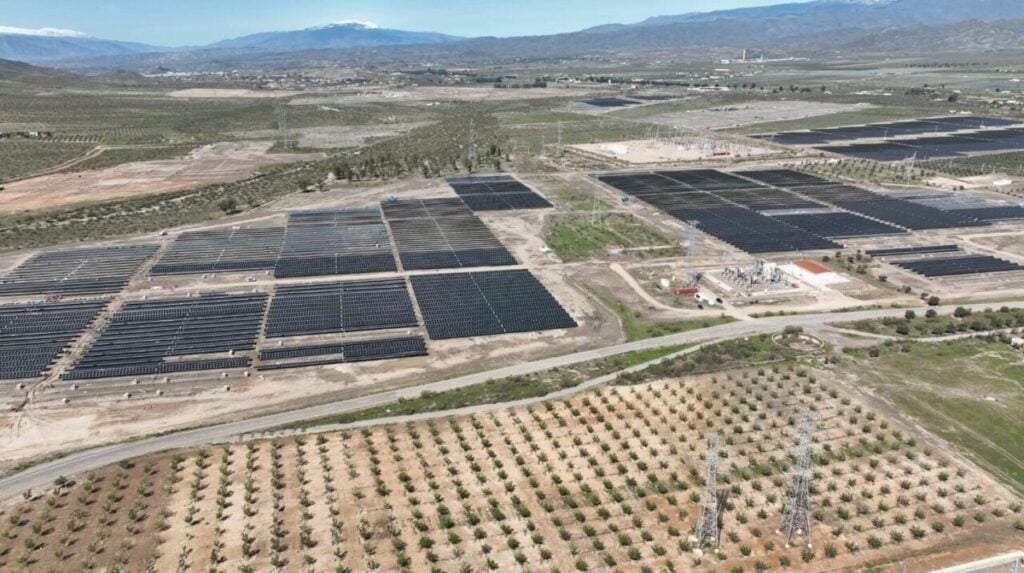
One of Naturgy’s solar and BESS sites in Spain. Image: Naturgy.
Utility and power firm Naturgy has started building its first BESS projects in Spain, at a ten-site portfolio in Almeria and the Canary Islands.
The company announced groundbreaking on the first four of a ten-site portfolio on 16 October, saying the whole portfolio will total 160MW of power and 342MWh of energy storage capacity, an average duration of 2.13 hours.
The projects will be combined with four solar PV systems. The first battery energy storage systems (BESS) are being added to the Tabernas I and II PV plants in the province of Almería, and the El Escobar and Piletas I in Las Palmas (Canary Islands).
Naturgy plans to have launched construction on all ten by 2026, nine of which are hybridised with PV with one standalone project in Vigo (Pontevedra). It didn’t reveal the size of the four initial projects, which will come online in 2026.
The lithium-ion BESS will reinforce the electricity market in Spain and help to integrate more intermittent renewable energy, and Naturgy is investing €80 million (US$94 million) in them.
The projects are recipients of funding under Spain’s energy storage capex support scheme funded by the EU’s Recovery and Resilience framework, which is funding up to 3.5GWh of projects.
Naturgy’s peer Galp similarly announced the start of construction on BESS projects in Spain (and Portugal) earlier this year, as did Iberdrola in August.
Spain aims to be 81% powered by renewables by 2030, according to the country’s National Energy and Climate Plans (NECP), and energy storage will be key to helping to maintain system reliability and dampen price volatility. The government forecasts that 22.5GW of BESS will be needed by that date.
Spain and Portugal suffered a near country-wide blackout in April this year, which commentators have suggested could have been better mitigated with more grid-supporting and grid-forming technologies, including energy storage.
Naturgy is based in Spain but its first major large-scale activity was in Australia, bringing online the 128MW Cunderdin hybrid solar PV and 55MW/220MWh BESS in Western Australia in early 2025.
CENSA Upcoming Events:
1. Dec.4-5 | 2025 China Energy Storage CEO Summit | Xiamen, Fujian
Register Now to attend
Read more: http://en.cnesa.org/new-events-1/2025/12/4/dec4-5-2025-china-energy-storage-ceo-summit

2. Apr. 1-3, 2026 | The 14th Energy Storage International Conference & Expo
Register Now to attend, free before Oct 31, 2025.


Renalfa switches on 260 MWh battery storage system in Bulgaria
Source: pv magazine
The battery energy storage system is the first phase of a 315 MW/760 MWh system that is being developed alongside 238 MW of solar under Bulgaria’s largest hybrid power project to date, due for completion next year.
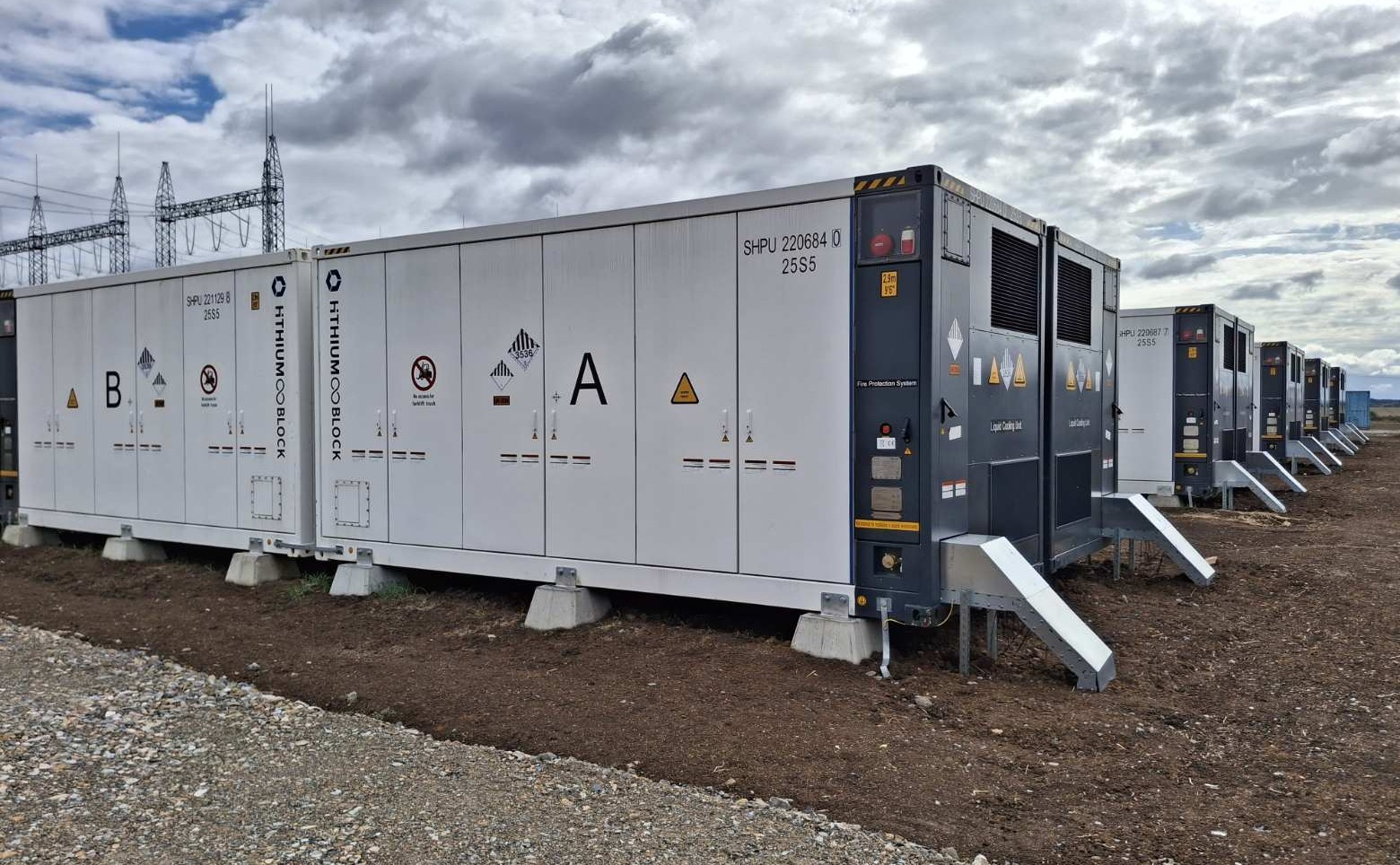
Vienna-based independent power producer Renalfa IPP has commissioned the first phase of a large-scale battery energy storage system (BESS) in Bulgaria.
The company has brought online 65 MW/260 MWh of a planned 315 MW/760 MWh battery energy storage system (BESS) as part of the Tenevo Hybrid Renewable Project.
Located in southeastern Bulgaria, the hybrid project is being developed by Tenevo Solar Technology, a joint venture company between Renalfa IPP and Danish developer Eurowind Energy. Chinese energy storage company Hithium and Chinese power solutions provider Kehua are supplying the BESS technology, while Bulgarian developer Solarpro is acting as project manager.
Once completed, the Tenevo project will encompass a 238 MW solar site alongside the 315 MW/760 MWh BESS and 250 MW of wind turbines, making it Bulgaria’s largest and most complex hybrid energy storage project to date. It is due for completion early next year.
The project is financed by The European Bank for Reconstruction and Development and Raiffeisen Bank International AG.
In August, Eurowind Energy announced the first 69 MW of the 238 MW solar farm had come online.
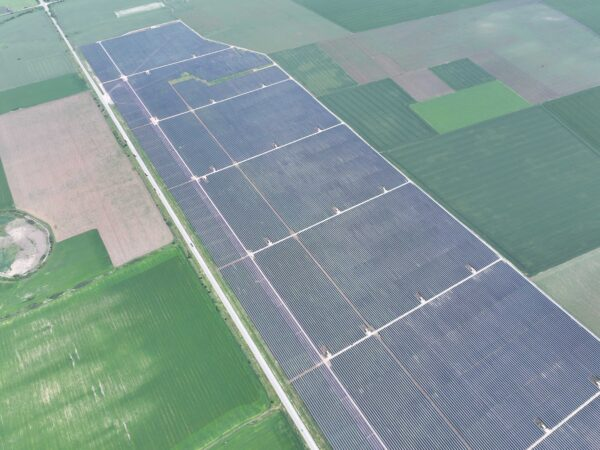
According to a statement from Renalfa, the first phase of the BESS is already one of the largest co-located battery storage systems in Europe and takes its energy storage capacity in operation to in excess of 1 GWh.
The company, which is active in Bulgaria, Hungary, North Macedonia and Romania, also claims to have over 1 GW of projects in the late stages of development, as well as a wider project pipeline in excess of 4 GW.
Bulgaria inaugurated a 124 MW/496.2 MWh BESS in May, billed as the largest in the European Union to date. The country’s Ministry of Energy has since launched a public consultation on a new subsidy program targeting 1.9 GWh of standalone storage capacity.
CENSA Upcoming Events:
1. Dec.4-5 | 2025 China Energy Storage CEO Summit | Xiamen, Fujian
Register Now to attend
Read more: http://en.cnesa.org/new-events-1/2025/12/4/dec4-5-2025-china-energy-storage-ceo-summit
2. Apr. 1-3, 2026 | The 14th Energy Storage International Conference & Expo
Register Now to attend, free before Oct 31, 2025.

Sign up for our free monthly newsletter to stay informed about the Chinese energy storage market.