
Latest News
293.7 GWh Planned Capacity + 100 GWh Orders! Sodium-Ion Battery Storage Enters Large-Scale Growth Phase
With abundant resources and long cycle life, complemented by distinctive strengths such as excellent low-temperature performance and outstanding rate capability, sodium-ion batteries are accelerating their penetration into scenarios including new energy storage, electric two-wheelers, start-stop batteries, commercial vehicle battery swapping and backup power. In 2026, the industry achieved key breakthroughs in capacity planning, signed orders and investment & financing, with large-scale application clearly accelerating.
Capacity Layout
1. Overall: 293.7 GWh of Planned Sodium-Ion Cell Capacity
According to incomplete statistics from the CNESA DataLink Global Energy Storage Database, as of July 2026, 34 enterprises across China have laid out 45 sodium-ion cell capacity bases in 20 provinces (autonomous regions and municipalities), with total planned capacity of 293.7 GWh. Of this, 25.2 GWh is already operational, accounting for about 8.6%, while capacity under construction and planned totals 268.5 GWh, about 91.4%. The industry as a whole is transitioning from demonstration application toward large-scale construction.
Figure 1 | Sodium-ion cell capacity structure
Source: CNESA Global Energy Storage Database
2. Regional Distribution: Eastern Coastal Areas Account for Nearly Half
From the perspective of regional distribution and construction progress, sodium-ion battery capacity is mainly laid out in central and eastern China, with Fujian, Jiangsu, Sichuan, Qinghai, Anhui and Guangdong among the top provinces by planned scale. Leveraging a mature lithium battery industrial base, eastern coastal regions were the first to form clusters, accounting for nearly half of national capacity. The western regions, benefiting from abundant new energy resources and lower electricity costs, are accelerating their layout and becoming an important source of new capacity. Overall, sodium-ion battery capacity is highly concentrated in lithium battery industrial clusters, while gradually extending toward new-energy-rich and low-temperature regions in the west.
3. Enterprise Distribution: Three Types of Investors Competing
From the perspective of enterprise composition, there are mainly three types of investors in sodium-ion batteries:
First, lithium battery companies such as CATL, BYD, EVE Energy, Gotion High-tech and Great Power. Relying on mature lithium battery production lines, well-established supply chains and stable downstream customer channels, these companies are rapidly extending into the sodium-ion field. Their production lines are highly compatible with the lithium battery system, enabling flexible production switching according to market orders. With outstanding mass production capability, delivery stability and cost advantages at scale, they are the core players that first achieved GWh-level deliveries in the industry.
Second, emerging and start-up companies such as HiNa Battery, Zoolnasm, Jinna Technology and Namei Technology, whose core business is sodium-ion batteries. Most originate from technology incubation at universities and research institutes, with core strengths in deep technological accumulation and focus on niche tracks. Backed by specialized technical advantages, they deliver projects quickly and demonstrate notable lean operations.
Third, materials and cross-sector companies such as Do-Fluoride, Jiana Energy, Na Innovation Energy and Tongxing Environmental Protection. Building on their foundations in the materials segment, these companies build their own cell production bases along an integrated materials-to-cells path. Their core advantage lies in strong industrial chain synergy: they can locally supply their own sodium-ion battery materials, verify and optimize material systems while iterating product technology, and efficiently connect with downstream application scenarios, creating differentiated integrated competitiveness.
4. Technology Route Distribution: Polyanion Accounts for Over 70%
From the perspective of cathode technology routes, sodium-ion batteries fall into three main categories: the polyanion route has 23 bases with planned capacity of 212.5 GWh, accounting for 72.4%; the layered oxide route has 10 bases with planned capacity of 30.2 GWh, 10.3%; the dual route (layered oxide + polyanion) has 10 bases with planned capacity of 42.5 GWh, 14.5%; and the Prussian blue category has 2 bases with planned capacity of 8.5 GWh, 2.9%. Measured by operational and under-construction capacity, polyanion accounts for 49.6% and 74.5% respectively, ranking first in both; layered oxide accounts for 32.5% of operational capacity but only 8.2% of under-construction/planned capacity.
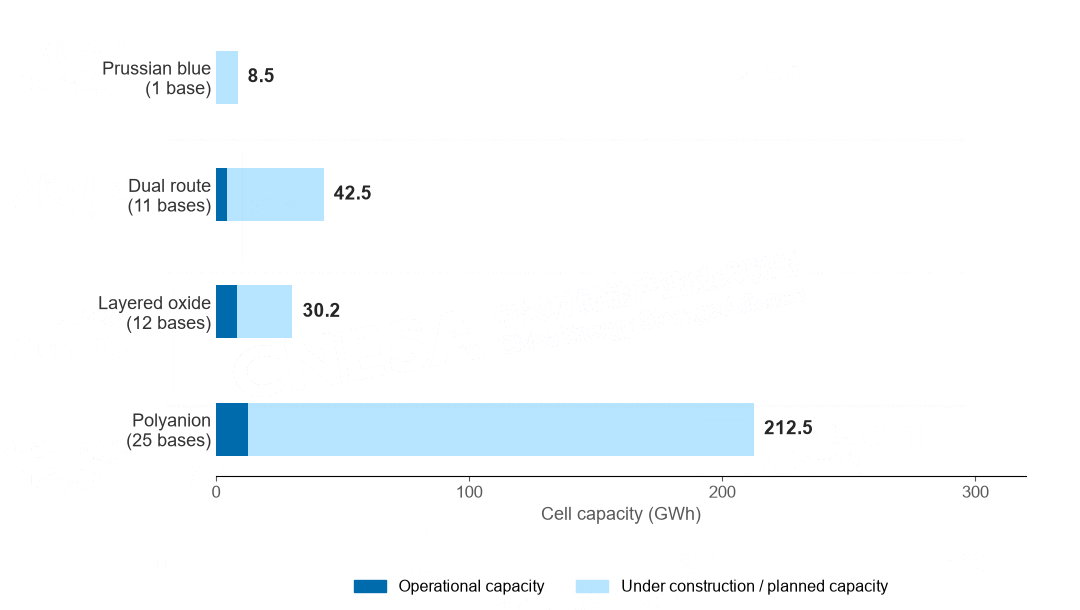
Figure 2 | Cell capacity and number of bases by technology route
Source: CNESA Global Energy Storage Database
The differences in capacity layout between the layered oxide and polyanion routes mainly stem from differences in material performance, application scenarios and industrialization conditions.
Polyanion cathodes feature stable structures and long cycle life, with abundant main raw materials. Some of their production processes are similar to those of the LFP system, offering relatively clear paths for capacity expansion and cost reduction. They suit scenarios sensitive to lifetime and cost but less sensitive to volume, such as utility-scale storage, backup power, start-stop systems and two-wheelers.
Layered oxides hold advantages in energy density and rate performance, but their cycle life still needs improvement and their cost needs to fall, suiting scenarios with high energy and power demands. Sodium batteries have already achieved scale application in start-stop batteries, and future incremental demand will be dominated by energy storage. As polyanion shows significant advantages across diverse application scenarios, enterprises concentrate their expansion on the polyanion route, while layered oxide focuses on differentiated power applications. In addition, 11 bases adopt a dual-route layout of layered oxide and polyanion to cover both storage and power scenarios; the Prussian blue route remains in the early industrialization stage with no operational capacity yet.
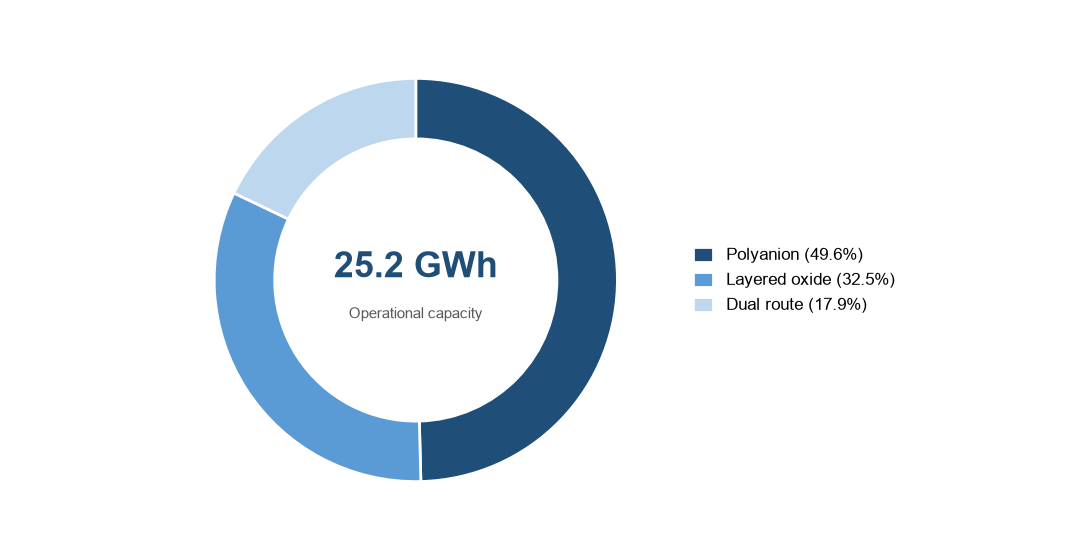
Figure 3 | Distribution of operational capacity by technology route
Source: CNESA Database
Sodium-ion Battery Orders: Over 100 GWh of Global Storage Orders Signed
In H1 2026, domestic sodium-ion battery orders officially moved from the demonstration phase into the commercial scale-up phase, with steady growth in industry production and sales.
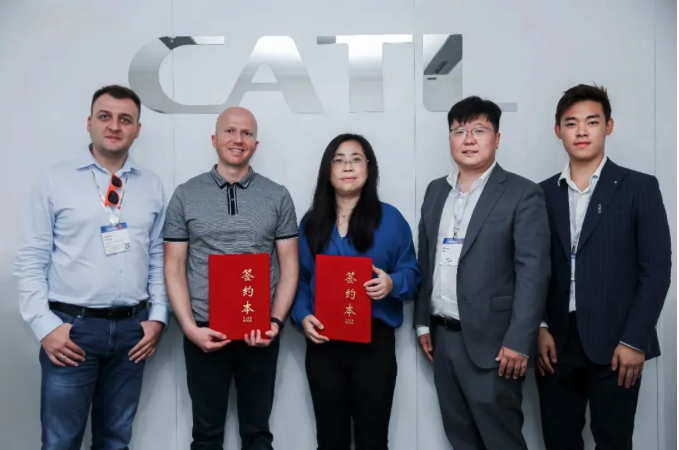
CATL and HyperStrong reached a three-year 60 GWh strategic cooperation order for energy storage sodium-ion batteries, setting a global record for a single sodium-ion battery order.
According to statistics, energy storage applications will be the largest source of future sodium battery orders, accounting for 40%. Eight storage tenders were awarded during the year, totaling 170 MW / 512 MWh, with sodium-ion batteries entering the utility-scale storage market mainly through mixed LFP-plus-sodium configurations. In addition, sodium-ion batteries achieved commercial deployment in multiple scenarios: the China Tower Tibet telecom backup power project was awarded to Veken and Shuangdeng, and the telecom backup power and new energy heavy truck markets continue to open up.
In overseas markets, according to incomplete statistics from the CNESA DataLink Global Energy Storage Database, as of July 2026, overseas sodium-ion battery storage orders were signed in a concentrated manner, with commercialization clearly accelerating.
Overseas local manufacturer Alsym Energy has successively signed 8.5 GWh and 9.0 GWh sodium battery storage projects, and Peak Energy has secured a 4.5 GWh storage order, focusing on the US commercial & industrial and utility-scale storage markets. Chinese companies have also made breakthroughs overseas: CATL signed 5 GWh and 2 GWh sodium battery storage cooperation projects with European integrator Alfen and Eastern European energy company Solarpro respectively; on September 2, HiNa Battery signed a five-year 10 GWh long-term sodium battery supply agreement with Korea's VOLTA Corporation.
In terms of order characteristics, new sodium battery orders are currently highly concentrated in the storage segment, and most large projects are medium- to long-term framework cooperation agreements rather than orders for immediate delivery. The actual delivery pace is constrained by multiple factors, including capacity ramp-up, grid connection certification and policy subsidy implementation.
Investment and Financing
Early-Stage Financing Accounts for Over 60%
In H1 2026, China's sodium-ion battery financing market showed distinct stage characteristics: early-stage financing, including angel, Series A and Series B rounds, accounted for more than 60%, with Series A companies the most concentrated and industry entry enthusiasm running high, while only a very few companies completed mature-stage financing.
In terms of financing segments, cell production lines and cathode/anode materials are the core areas, with upstream material financing rising sharply. It can be judged that material scale-up is currently the most critical factor driving sodium-ion battery cost reduction.
In terms of investors, funding sources show a diversified pattern, with industrial capital, local state-owned capital, market-oriented venture capital and overseas capital coordinating their deployment.
In terms of track layout, investment and financing cover the entire sodium-ion battery industry chain, with the three core segments of cathodes, anodes and cells seeing the most concentrated financing.
In terms of technology preference, capital investment closely follows the industry's technology convergence trend, with polyanion cathodes and hard carbon anodes as the mainstream layout directions, alongside diversified technology reserves.
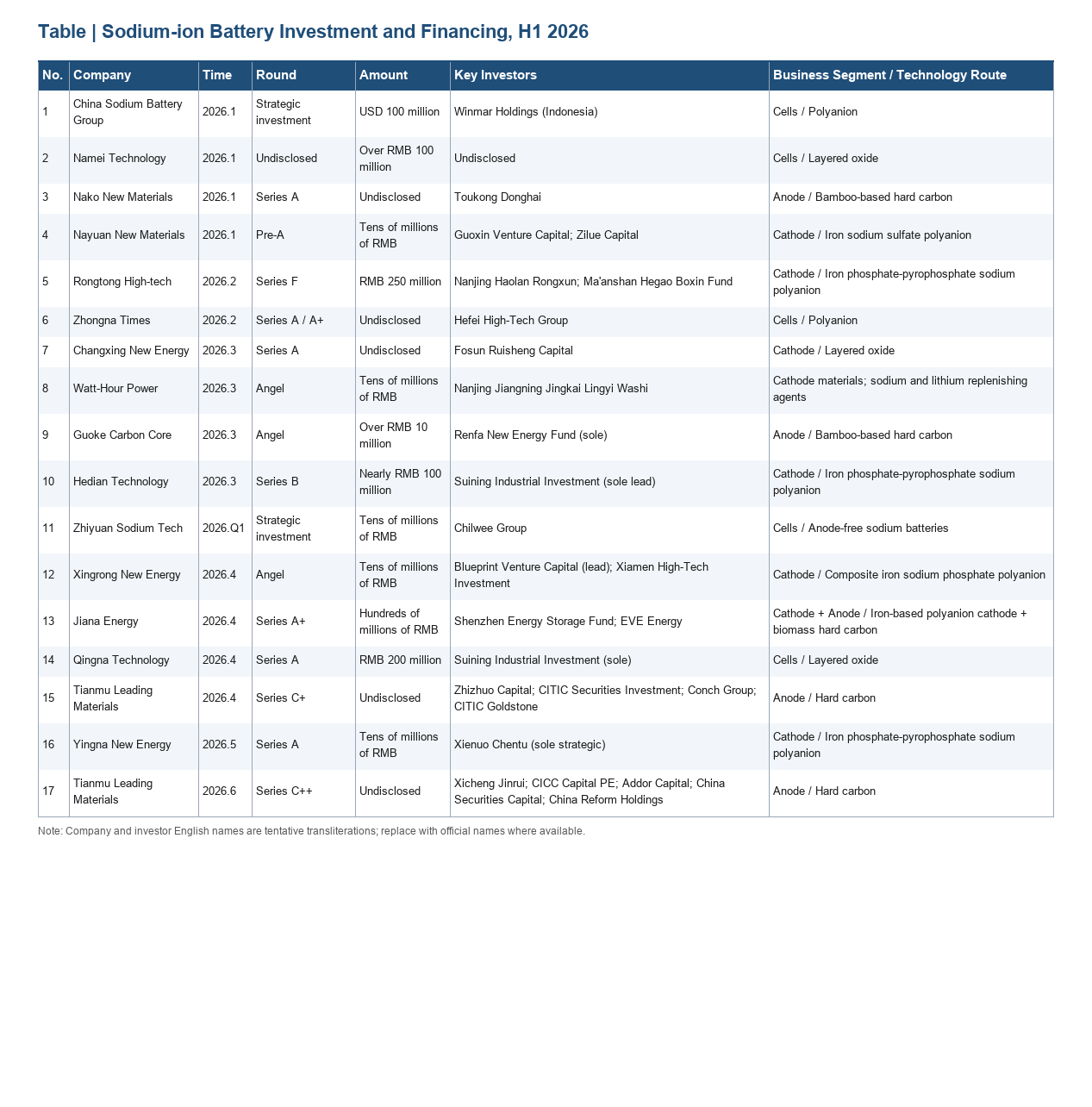
Note: The English names of companies and investors in the table are tentative transliterations; please replace them with official registered names where available.
Industry Outlook
Overall, China's sodium-ion battery industry has left the technical validation stage and entered a key window of development from technology deployment to scale ramp-up. Over the next 2-3 years, with steadily rising capacity utilization, continuously falling core material costs and expanding application scenarios, the industry is expected to bid farewell to the early planning phase and fully enter a new stage of efficient implementation and effective output. Going forward, sodium-ion batteries are expected to continuously replace lead-acid batteries in scenarios such as new energy storage, light-duty power and backup power, while gradually penetrating parts of the lithium battery application market, truly crossing the threshold of large-scale growth and achieving stable commercial, scaled development.
Upcoming sodium-ion battery events:
Contact us: overseas@cnesa.org
CATL Signs 2GWh Sodium-ion Energy Storage Agreement with Solarpro to Accelerate Deployment in Europe
CATL has signed a 2GWh sodium-ion energy storage agreement with Solarpro to deploy Central and Eastern Europe’s first large-scale sodium-ion battery energy storage project, marking another milestone in the commercialization of sodium-ion storage technology in Europe.
CATL announced on July 21 that it has signed a 2GWh agreement with leading Central and Eastern European renewable energy company Solarpro for the deployment of its TENER Sodium energy storage system. The two companies plan to jointly deliver the region’s first large-scale sodium-ion battery energy storage project later this year, accelerating the commercialization of next-generation energy storage technologies across Europe.
The agreement follows CATL’s recently announced 5GWh sodium-ion energy storage partnership with Dutch energy solutions provider Alfen, highlighting the company’s rapid expansion of sodium-ion battery deployments in the European market.
The project will utilize CATL’s TENER Sodium battery energy storage system, which offers a cycle life of up to 15,000 cycles and is designed to operate reliably for 25 to 30 years. The system also delivers outstanding low-temperature performance, maintaining 92% capacity retention at -20°C, making it well suited for the harsh winter conditions commonly experienced across Central and Eastern Europe.
CATL and Solarpro first established their strategic partnership in 2024, when they deployed a 150MWh EnerC+ liquid-cooled battery energy storage system in Bulgaria. In May 2026, the companies successfully commissioned a 602MWh TENER lithium battery energy storage project, which increased Bulgaria’s total installed energy storage capacity by approximately 10%. The latest agreement extends the partnership into the commercialization of sodium-ion battery technology.
As Europe continues to expand renewable energy deployment, demand for safe, long-life and climate-resilient energy storage solutions is increasing. Sodium-ion batteries are attracting growing industry attention due to their excellent low-temperature performance, long cycle life and the use of more abundant raw materials compared with lithium-based chemistries.
The latest agreement represents another important milestone for CATL’s sodium-ion battery commercialization strategy and reflects growing market confidence in sodium-ion technology as a promising solution for future utility-scale energy storage applications.
DOE now requires energy storage for large-scale renewable energy projects
To improve national grid stability, the Department of Energy (DOE) has issued a new directive requiring all large-scale renewable energy projects to integrate energy storage systems (ESS).
To improve national grid stability, the Department of Energy (DOE) has issued a new directive requiring all large-scale renewable energy projects to integrate energy storage systems (ESS).
Under Department Circular No. DC2026-02-0008, issued Thursday, all prospective variable renewable energy (VRE) power plants with a capacity of 10 megawatts (MW) or higher must now include energy storage. The storage component must represent at least 20% of the plant’s total installed capacity.
The policy marks a significant shift in how the Philippines manages the inherent intermittency of solar and wind power. By mandating “batteries” or other storage technologies, the DOE aims to mitigate sudden generation losses and ensure a more dependable electricity supply.
“Energy storage is not only about storing surplus energy, it is about strengthening the grid’s capability to absorb more renewables while maintaining reliability,” said Energy Secretary Sharon S. Garin. “This policy ensures that ESS integration becomes part of system planning and project development, supporting better outcomes for consumers”.
The circular also encourages developers to use advanced technologies, such as grid-forming (GFM) inverters. These tools provide “virtual inertia,” helping to stabilize the grid’s voltage and frequency during fluctuations—functions traditionally provided by fossil fuel-based plants.
Beyond private power plants, the DOE has instructed the Transmission Network Provider (TNP) and distribution utilities to incorporate energy storage into their long-term infrastructure strategies. This includes treating storage as a critical resource for grid reinforcement, frequency control, and as an alternative supply for “islanding” scenarios where areas are temporarily cut off from the main grid.
The government plans to institutionalize these requirements by reflecting them in upcoming updates to the Philippine Energy Plan (PEP) and the Transmission Development Plan (TDP). According to the DOE, the updated framework is intended to create stronger signals for investors while accelerating the country’s clean energy targets. (JLN/PIA-NCR)
Source: Philippine Information Agency
_________________________________________________________________
Register now to attend Asia’s Largest Energy Storage Trade Show for free:
What: The 14th Energy Storage International Conference & Expo
When: Conferences: March 31 - April 2, 2026
Exhibitions: April 1-3, 2026
Where: CIECC Beijing, China
Address: No. 55 Yudong road, Shunyi District, Beijing China

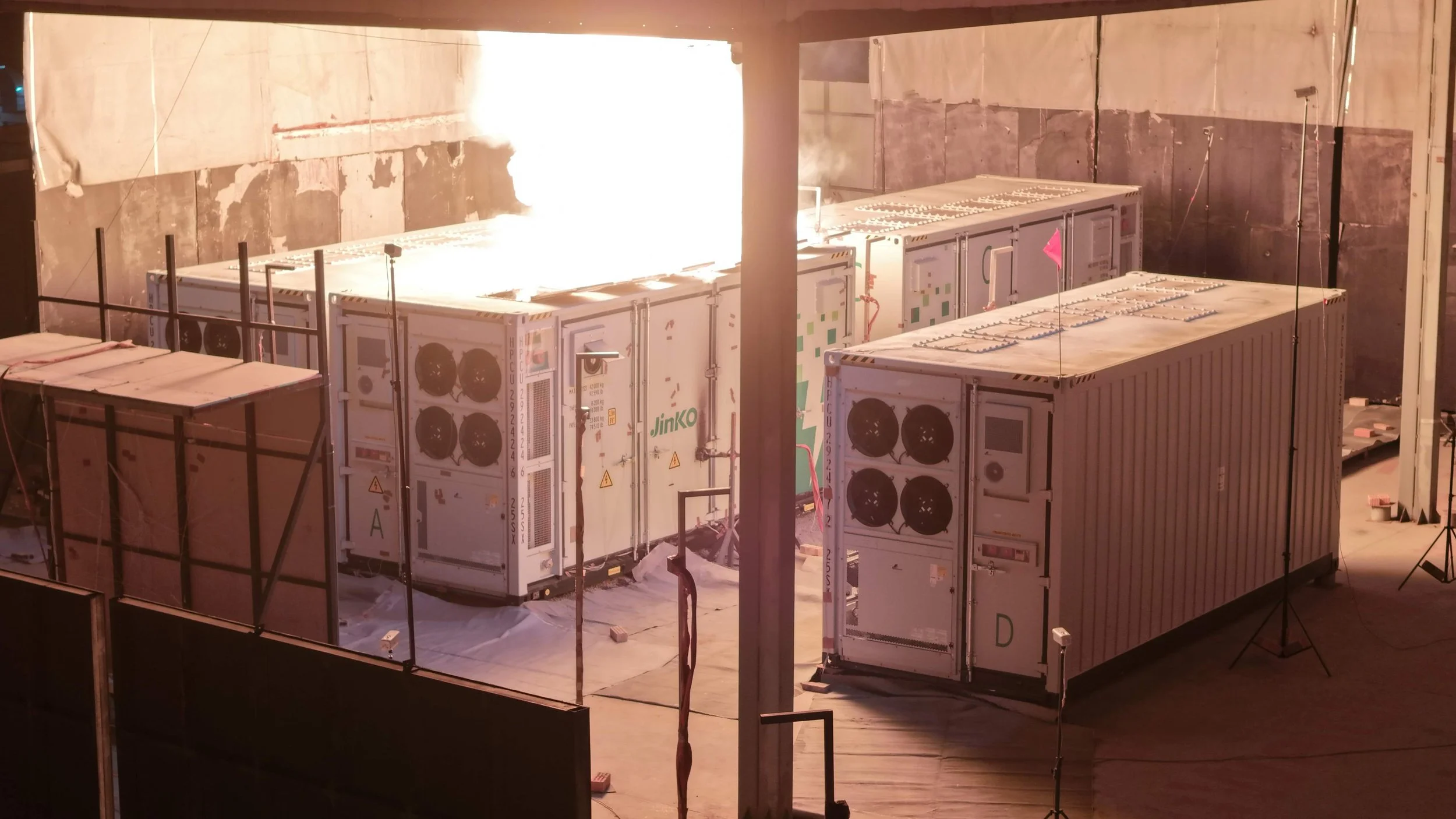
Jinko ESS SunTera 5MWh Passes Stringent Large-Scale Fire Test, Validating Safety Boundaries
Jinko ESS, a global leading energy storage solution provider and a subsidiary of Jinko Solar Co., Ltd., recently announced the successful completion of a large-scale fire test for SunTera 5MWh Liquid-Cooling Energy Storage System. Conducted at a specialized testing facility in Suzhou City, Anhui Province, the test followed the CSA C800 standard and the November 2025 draft of UL 9540A and was witnessed on-site by CSA Group representatives and North American fire protection engineers.
Jinko ESS, a global leading energy storage solution provider and a subsidiary of Jinko Solar Co., Ltd., recently announced the successful completion of a large-scale fire test for SunTera 5MWh Liquid-Cooling Energy Storage System. Conducted at a specialized testing facility in Suzhou City, Anhui Province, the test followed the CSA C800 standard and the November 2025 draft of UL 9540A and was witnessed on-site by CSA Group representatives and North American fire protection engineers.
By simulating fire scenarios under real-world utility-scale deployment conditions, the evaluation assessed fire behavior, thermal runaway propagation potential, enclosure integrity, and the impact on adjacent units. These results provide measured data under the Large-Scale Fire Testing (LSFT) framework referenced in the forthcoming NFPA 855:2026 provisions, supporting the industry’s transition from compliance-driven safety toward performance-validated safety.
Engineering Performance Under Conservative Conditions
The SunTera 5MWh system is Jinko ESS’s flagship product, built on a high-capacity 314Ah cell platform. The system features advanced liquid-cooling thermal management, a nominal energy capacity of 5.015MWh, and supports 0.5P continuous charge and discharge. With an IP55 protection rating and C4/C5 corrosion resistance, it is designed for a 20-year operational life.
For this evaluation, four SunTera containers were deployed in a high-density configuration to replicate practical project spacing:
l Unit A (Initiating Unit): Target unit for forced ignition.
l Unit B: Back-to-back with Unit A at a 15cm spacing.
l Unit C: Side-by-side with Unit A at a 1m spacing.
l Unit D: Face-to-face with Unit A at a 3.5m spacing.
To evaluate passive protection performance under conservative conditions, all units were charged to 100% State of Charge (SOC), active fire suppression systems were disabled, and no manual intervention occurred during the test.
Measured Results: Effective Propagation Containment
On February 10, 2026, forced heating of Unit A commenced at 17:00. At approximately 18:10, cells reached ignition conditions, resulting in sustained combustion. During the event, the internal temperature of Unit A peaked at 1296°C.
Despite the intensity of the initiating fire, adjacent units remained stable. Maximum recorded internal cell temperatures were significantly below thermal runaway thresholds (Unit B: 51.3°C, Unit C: 38.3°C, Unit D: 41.2°C)。
Although external surface temperatures of adjacent enclosures reached elevated levels—up to 404°C on Unit D due to direct flame exposure—internal battery module temperatures remained within safe limits. This demonstrates effective enclosure-level thermal insulation and fire containment performance.
The fire self-extinguished at 07:50 on February 11, with a total combustion duration of approximately 13 hours and 40 minutes. Post-test inspections confirmed:
l Structural Integrity: Unit A maintained its structure with localized surface soot and no enclosure collapse. Units B, C, and D remained structurally intact.
l Functional Continuity: Functional testing verified that adjacent units (B, C, and D) retained full electrical functionality, with no observable impact on charge and discharge performance.
l Environmental Responsibility: The test incorporated controlled flue gas capture and treatment measures to minimize environmental impact.
Leadership Perspectives
“Large-scale fire test allows us to better quantify fire propagation limits,” said Carl Yang, Product General Manager of Jinko ESS. “The SunTera 5MWh system demonstrated thermal runaway containment within a single enclosure under challenging conditions. These data support more precise installation spacing guidance and contribute to reducing multi-unit propagation risk.”
Dora Zhao, Senior Product Management Engineer, said: “SunTera’s safety architecture is built on a three-level design philosophy: cell-level stability, pack-level insulation with engineered pressure relief, and system-level fire barriers. Even when insulation materials in the initiating pack were intentionally modified to accelerate ignition, adjacent packs maintained electrical functionality.”
Patrick Rimel, North America Product Manager, highlighted the market implications: “As regulatory frameworks evolve toward risk quantification, empirical data from LSFT becomes essential. These results provide AHJs, insurers, and project owners with performance-based insights that can inform permitting decisions and risk evaluations, especially in high-density deployments.”
Independent Expert Validation
Todd LaBerge, Fire Protection Engineer from ATAR FIRE, commented: “The test was conducted in accordance with CSA C800 and the latest UL 9540A draft. The system incorporates deflagration protection principles aligned with NFPA 68 and NFPA 69. With enclosure doors closed and venting mechanisms engaged, the initiating fire remained contained within the originating enclosure. The test execution and data integrity meet internationally recognized best-practice standards.”
The Significance Beyond Validation
The impact of large-scale fire testing extends far beyond mere technical validation. It serves as a mirror, reflecting the true safety boundaries of product design, and a yardstick, measuring a company’s fundamental commitment to risk responsibility.
For Jinko ESS, this test marks a new beginning. We remain committed to transforming "extreme conditions" into "standard configurations," working alongside global partners to build a more resilient power system grounded in data-driven trust and safety-first principles.
_________________________________________________________________________________________
Register now to attend Asia’s Largest Energy Storage Trade Show for free:
What: The 14th Energy Storage International Conference & Expo
When: Conferences: March 31 - April 2, 2026
Exhibitions: April 1-3, 2026
Where: CIECC Beijing, China
Address: No. 55 Yudong road, Shunyi District, Beijing China
10.9 GWh! Newly Added New-Type Energy Storage Capacity in January Doubled Year-on-Year
China’s new-type energy storage market witnessed a strong start in January 2026. Newly commissioned capacity in January increased by over 60% year-on-year, while the market’s underlying structure showed notable adjustments compared with the same period last year.
China’s new-type energy storage market witnessed a strong start in January 2026. Newly commissioned capacity in January increased by over 60% year-on-year, while the market’s underlying structure showed notable adjustments compared with the same period last year.
A Strong Start to the Year: Newly added capacity: 3.8 GW / 10.9 GWh in January, representing a
year-on-year increase of 62% / 106%, marking a positive opening for the new-type energy storage
market.
Accelerated Deployment of Independent Energy Storage: In January, independent energy
storage accounted for nearly 90% of newly added capacity, up 41 percentage points year-on-
year. Newly added power and energy capacity of independent energy storage grew by over 240% /
290% year-on-year. Xinjiang ranked first nationwide in both power and energy capacity, with 1 GW
of newly commissioned independent energy storage.
Rise of Third-Party Enterprises: Third-party enterprises accounted for 45% of newly added
installed capacity, once again surpassing local energy groups and the “Big Five and Small Six”
state-owned power generation groups. The trend toward a diversified investment landscape has
become increasingly evident.
Accelerated Deployment of Diverse Technologies: Beyond mainstream lithium-ion batteries,
alternative technologies such as compressed air energy storage (CAES), flow batteries, and
flywheels are being deployed at a faster pace, supporting the industry’s long-term development.
Overall Analysis of New-Type Energy Storage Projects in January
According to incomplete statistics from the CNESA DataLink, in January 2026, newly commissioned new-type energy storage projects in China reached a total installed capacity of 3.78 GW / 10.90 GWh, representing year-on-year increases of 62% and 106%, respectively, and month-on-month declines of 84% and 86%. Monthly new added capacity growth exceeded 60% year-on-year, underscoring a positive market outlook at the beginning of the year.
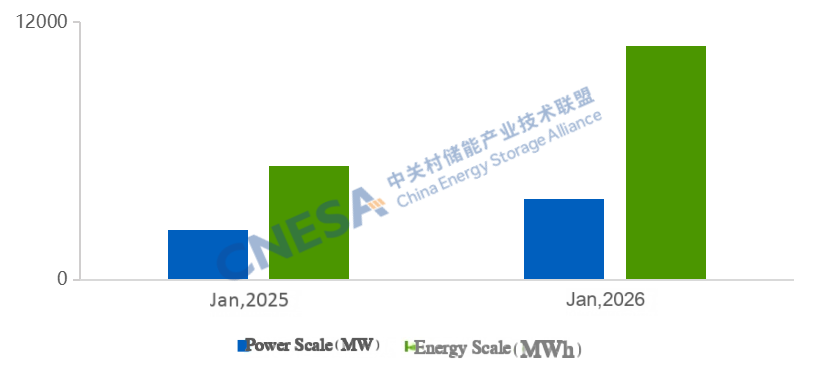
Figure 1: Installed Capacity of Newly Commissioned New-Type Energy Storage Projects in China, January 2026
Source: CNESA DataLink
Note: Year-on-year (YoY) comparisons are based on the same period of the previous year; month-on-month (MoM) comparisons are based on the immediately preceding statistical period.
Analysis of Generation- and Grid-Side New-Type Energy Storage Projects in January
In January, newly added generation- and grid-side new-type energy storage capacity reached 3.62 GW / 10.44 GWh, up 87% / 130% year-on-year, and down 84% / 87% month-on-month. Key characteristics include:
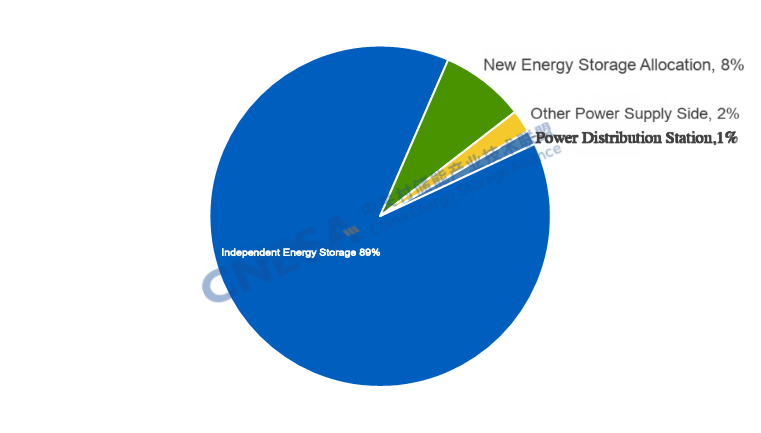
1.Independent energy storage accounted for 89% of new installations, up 41 percentage
points year-on-year and 12 percentage points month-on-month.
Newly added independent energy storage reached 3.2 GW / 9.6 GWh, up 249% / 298% year-on-year, and down 84%/87% month-on-month. The number of projects with capacities of 100 MW and above increased by 122% year-on-year, accounting for 85% of total projects—29 percentage points higher than the same period last year. By contrast, power-generation-side new-type energy storage additions were 366.5 MW / 740.3 MWh, down 64% / 65% year-on-year and 92% / 95% month-on-month. Among these, renewable-plus-storage projects accounted for 79% of power capacity, spanning diversified application scenarios such as desertification control, thermal–renewable–storage multi-energy integration, and hydro–solar–pumped storage integration.
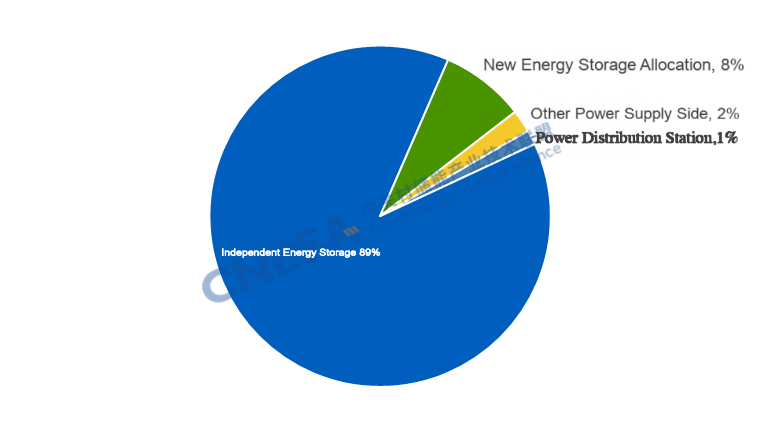
Figure 2: Application Distribution of Newly Commissioned Generation- and Grid-Side New-Type Energy Storage Projects in January 2026 (MW%)
Source: CNESA DataLink
Note: “Others” include substations, emergency power supplies, etc.
2. Northwest China Accounted for Over 35% of New Capacity, with Xinjiang Leading
In January, the Northwest region ranked first nationwide, accounting for 35% of newly added capacity. Combined, the Northwest and North China regions contributed more than half of the national total. By province, Xinjiang recorded newly added capacity of 1.2 GW / 4.3 GWh, ranking first nationwide in both power and energy capacity.
By the end of January, Xinjiang’s installed renewable energy capacity exceeded 160 GW, accounting for 64% of the region’s total power capacity. Due to its distance from eastern and central load centers, Xinjiang has historically faced wind and solar curtailment challenges. In 2025, wind and solar utilization rates in Xinjiang were 91.0% and 86.3%, respectively—both below the national average. Growing pressure for renewable energy consumption and the need to mitigate grid fluctuations have driven large-scale deployment of new-type energy storage in the region. At the start of the year, several major projects were commissioned in quick succession, including the 500 MW / 2,000 MWh Ruoqiang energy storage project by Xinjiang Green Development Power, the 200 MW / 800 MWh grid-forming energy storage project by Huaneng Jingshun, and the 200 MW / 800 MWh energy storage project by LiXin Energy, demonstrating strong pilot and demonstration effects.
In terms of revenue mechanisms, Xinjiang has formed a relatively mature model combining capacity compensation, electricity energy trading, and ancillary services. On May 19, 2023, the Xinjiang Development and Reform Commission issued the Notice on Establishing and Improving Supporting Policies for the Healthy and Orderly Development of New-Type Energy Storage, introducing capacity compensation for grid-connected independent energy storage projectsand specified the implementation standards for 2023, 2024, and 2025, providing predictable early-stage policy support for independent energy storage projects in Xinjiang. . Although the original policy expired at the end of 2025, the clarification at the national level regarding capacity pricing mechanisms for grid-side independent energy storage is expected to lead to new local policies in Xinjiang, further improving long-term revenue certainty. With the rollout of ancillary service market rules in July 2025 and the transition of Xinjiang’s power spot market to continuous settlement trial operation, independent energy storage is expected to increasingly generate revenue through spot market arbitrage.
Moreover, Xinjiang has established a complete energy storage industry chain, covering batteries, PCS, BMS, and system integration. Large-scale manufacturing bases established by leading energy storage companies, together with local supply chains, have significantly reduced logistics and system integration costs, enhancing project economics. As grid upgrades and transmission channel construction progress, energy storage demand in Xinjiang is expected to be further released.
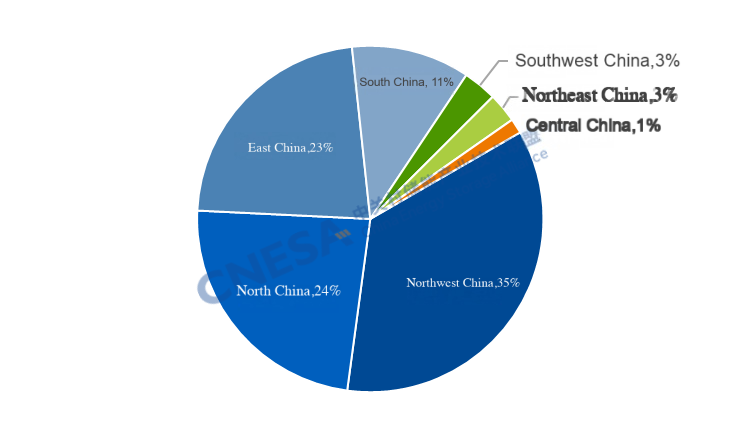
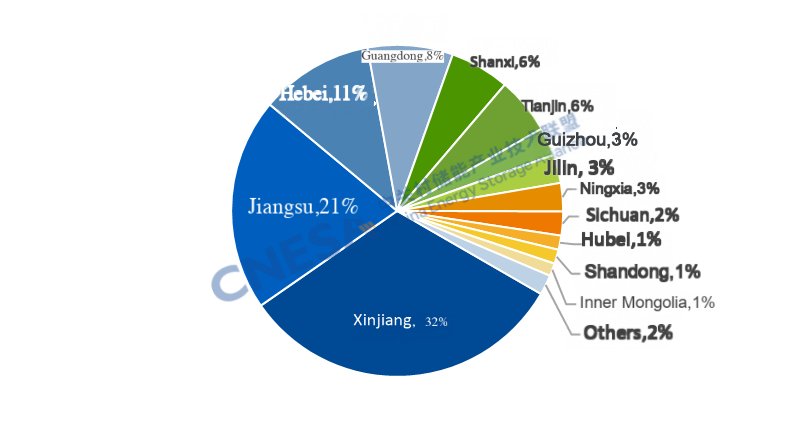
Figure 3: Regional Distribution of Newly Commissioned Generation- and Grid-Side New-Type Energy Storage Projects in January 2026 (MW%)
Figure 4: Provincial Distribution of Newly Commissioned Generation- and Grid-Side New-Type Energy Storage Projects in January 2026 (MW%)
Source: CNESA DataLink
3. Faster Deployment of Projects Invested by Third-Party Enterprises, the trend toward
diversification of energy storage investment entities has become increasingly evident.
In January, projects invested and developed by third-party enterprises—including China Green Development Group, Aerospace Hongji Energy Storage, and Daowei Energy Storage Group—were commissioned one after another. Third-party enterprises accounted for 45% of newly added installed power capacity, ranking first among all investor categories. Driven by rising market demand, supportive national policies, diversified technology pathways, and declining technology costs, the investment entity diversification trend became more pronounced in the first month of 2026.
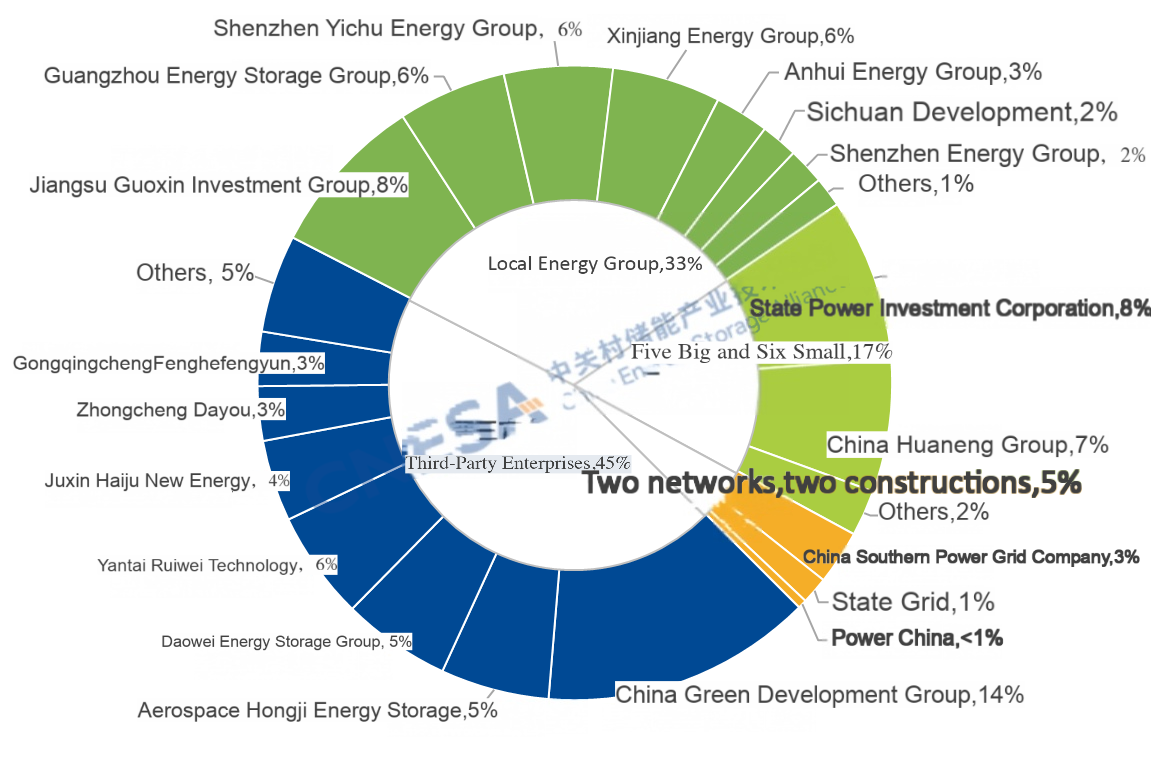
Figure 5: Owner Distribution of Newly Commissioned Generation- and Grid-Side New-Type Energy Storage Projects in January 2026 (MW%)
Source: CNESA DataLink Global Energy Storage Database
Note: Third-party enterprises refer to companies other than large state-owned power generation groups, the two major grid companies, their construction subsidiaries, and local energy groups.
4. Accelerated Deployment of Long-Duration Energy Storage Technologies
From a technology perspective, newly commissioned generation- and grid-side projects were dominated by lithium iron phosphate (LFP) batteries, accounting for 89% of installed power capacity, followed by compressed air energy storage (8%) and flow batteries (3%). Long-duration energy storage technologies—represented by CAES and flow batteries—as well as hybrid frequency regulation systems, are being deployed at an accelerating pace. Notable projects include the 300 MW Jiangsu Huai’an salt cavern CAES demonstration project, the Phase I Baicheng vanadium redox flow battery energy storage power station, and the Changyang Longzhouping vanadium redox flow battery energy storage project. In addition, a lithium battery + flywheel frequency regulation project by Shaanxi Energy was commissioned.
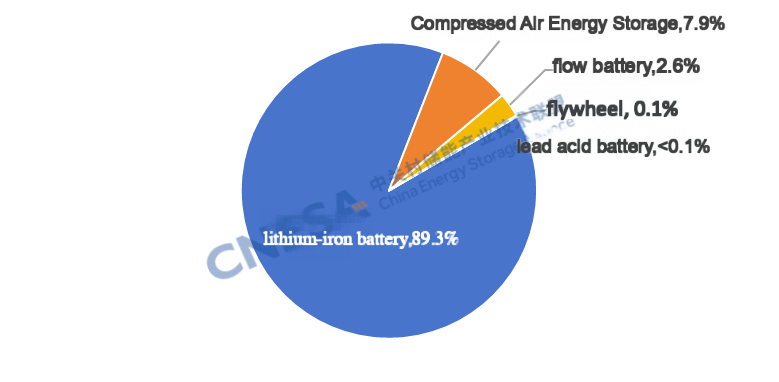
Figure 6: Technology Distribution of Newly Commissioned Generation- and Grid-Side New-Type Energy Storage Projects in January 2026 (MW%)
Source: CNESA DataLink
China Energy Storage Alliance (CNESA) continues to track energy storage project developments based on standardized, timely, and comprehensive data collection criteria. Leveraging long-term data accumulation and in-depth professional analysis, CNESA regularly publishes objective market analyses of energy storage installations, providing valuable references for industry decision-making. Since June 2025, CNESA’s monthly energy storage project analysis has been divided into generation- and grid-side and user-side market reports. This edition focuses on an in-depth interpretation of the generation- and grid-side market in January 2026.
For more comprehensive project information, authoritative data, and in-depth market analysis, please visit www.esresearch.com.cn or access the CNESA DataLink via the mini-program. For customized data consulting services, please contact CNESA through the official QR code. CNESA is committed to providing full-cycle, high-quality energy storage data services to industry stakeholders.

Register now to attend Asia’s Largest Energy Storage Trade Show for free:
What: The 14th Energy Storage International Conference & Expo
When: Conferences: March 31 - April 2, 2026
Exhibitions: April 1-3, 2026
Where: CIECC Beijing, China
Address: No. 55 Yudong road, Shunyi District, Beijing China

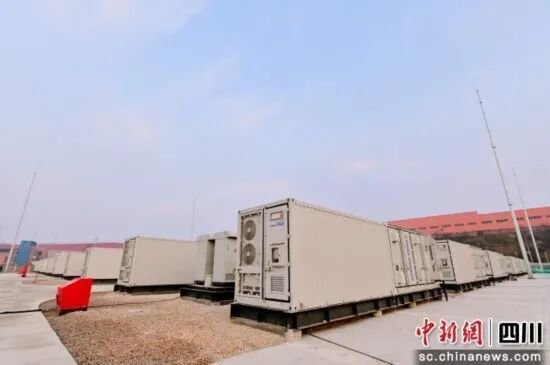
Annual Power Cost Savings Exceed RMB 60 Million ! Great Power’s 107MW/428MWh Hydropower-based Aluminium User-side Energy Storage Project is Commissioned
On January 16th, a 107.12MW/428.48MWh green hydropower-based aluminium user-side energy storage project jointly developed by Great Power and Henan Zhongfu Industry was officially commissioned in Guangyuan, Sichuan Province.
On January 16th, a 107.12MW/428.48MWh green hydropower-based aluminium user-side energy storage project jointly developed by Great Power and Henan Zhongfu Industry was officially commissioned in Guangyuan, Sichuan Province.
Designed and delivered under an EPC contract by Sichuan Zefeng Electric Power Design, the project achieved full-capacity grid connection by the end of 2025 after just five months of construction. It stands as a landmark project for green energy transformation in northern Sichuan and a benchmark case for energy-extensive industry implementing “source-grid-load-storage” integration.
Electricity stored at the facility is directly supplied to the electrolytic aluminium production system, primarily leveraging peak-valley electricity price arbitrage to reduce operating cost. According to estimates, the project is expected to lower electricity costs for electrolytic aluminum by approximately RMB 140 per tonne, delivering annual power cost savings of over RMB 60 million. Meanwhile, it will cut 52,000 tons carbon commission per year, providing a commercially viable solution to address high electricity costs and decarbonization pressures faced by energy-extensive industries.
Building on this project, the two partners will be committed to advance the development of a “zero-carbon aluminum industrial park” in Guangyuan. It plans to introduce advanced intelligent technology to build a virtual power plant (VPP) capable of engaging in power trading and grid dispatch. During the 15th Five-Year Plan period, the project developers will further expand the deployment of solar PV, wind power, green power direct supply and intelligent microgrids, ultimately establishing a safe and controllable regional intelligent micro-grid dominated by new energy, providing a practical model for developing a national new-type power system.
_______________________________________________
The Great Power has confirmed its participation in the 14th Energy Storage International Conference and Expo, register now to attend Asia’s Largest Energy Storage Trade Show for free:
What: The 14th Energy Storage International Conference & Expo
When: Conferences: March 31 - April 2, 2026
Exhibitions: April 1-3, 2026
Where: CIECC Beijing, China
Address: No. 55 Yudong road, Shunyi District, Beijing China

RMB 180 Billion! China Southern Power Grid Hit a New High for Investment in 2026
Expanding effective investment is a key lever for stabilizing growth and improving people’s livelihoods. According to China Southern Power Grid, the company has embarked RMB 180 billion for fixed-asset investment in 2026, marking a record high for fifth consecutive year, with an annual growth rate of 9.5%. Investment will be directed primarily toward the development of a new-type power system, the growth of strategic emerging industries and the enhancement of high-quality power supply services, providing solid support for a strong start to the 15th Five-Year Plan period.
Expanding effective investment is a key lever for stabilizing growth and improving people’s livelihoods. According to China Southern Power Grid, the company has embarked RMB 180 billion for fixed-asset investment in 2026, marking a record high for fifth consecutive year, with an annual growth rate of 9.5%. Investment will be directed primarily toward the development of a new-type power system, the growth of strategic emerging industries and the enhancement of high-quality power supply services, providing solid support for a strong start to the 15th Five-Year Plan period.
A strong start is decisive, and the opening moves sets the pace. China Southern Power Grid stays committed to the decisions and arrangements of the CPC Central Committee and the State Council, fully fulfilling its responsibilities as a centrally administered state-owned enterprise. Leveraging the power grid’s advantages-- large investment scale, long industrial chain, wide coverage, and strong spillover effects-- the company has expanded fixed-asset investment for five consecutive years. By appropriately advancing the deployment of energy and power infrastructure, it aims to better serve high-quality economic and social development.
Proactively serving the broader national agenda and fully advancing the implementation of major national strategies. China Southern Power Grid is actively supporting efforts to boost domestic consumption by using “two major” and “two new” projects to drive effective investment, and by advancing major projects under the “15th Five-Year Plan”. The company will intensify the renewal of grid infrastructure and digital and intelligent transformation with no less than RMB 50.6 billion to be invested in large-scale equipment renewal this year. To promote coordinated urban-rural regional development, the company will fully boost the construction of world-level bay area, advance power infrastructure development in Hainan ahead of demand and address weak links in grid facilities in Yunnan, Guizhou, and Guangxi. In Hainan, major projects including the 500kV offshore wind transmission are set to break ground this year, accelerating energy structure transformation and injecting strong momentum for Hainan Free Trade Port construction. In Guangxi, 220kV Weizhou Island cross-sea interconnection project has completed submarine cable laying and is scheduled to be commissioned in the first quarter of this year. In support of high-quality Belt and Road cooperation, thei China-Laos 500kV interconnection project is expected to be fully commissioned in the first half of the year.
Driving industrial upgrading and building a modern industrial system. China Southern Grid focuses on strengthening modern grid infrastructure, accelerate to built a backbone grid centered on flexible DC interconnections, intensify distribution network upgrades, and promote high-standard digital and intelligent grid planning and development. In Guangdong, the Guangzhou Tianhe Tangxia flexible DC project is scheduled to be commissioned by year-end. Using internationally leading multi-terminal flexible DC power interconnection control technology, the project will provide a new solution for reliable power supply to high-density load centers in mega-city grids. In Yunnan, the second interconnection project for Dulongjiang is planned to start construction in the first quarter, aiming to establish a demonstration zone for digital and intelligent microgrids. To foster and expand strategic emerging industries, China Southern Grid will accelerate the expansion and quality improvement of charging and battery-swapping infrastructure, strengthen the “Dianhong” ecosystem, and proactively deploy new frontiers such as marine energy and embodied intelligence. In Shenzhen, the largest vehicle-to-grid demonstration station in the Guangdong–Hong Kong–Macao Greater Bay Area will be commissioned in the first quarter, further accelerating the development of a “city of ultra-fast charging.” China Southern Grid will also promote high-quality and efficient power supply services by implementing a three-year action plan to improve power quality and launching targeted initiatives to enhance electricity services for people’s livelihoods. In Guizhou, power support projects for 610 clusters of rural wooden-house villages in the Qiandongnan Miao and Dong Autonomous Prefecture are scheduled to be fully completed and commissioned within the year.
Upholding dual-carbon goals and advancing “Two-Type” development. The company is supporting the high-quality development of renewable energy by coordinating large-scale development with high-level grid integration, enhancing the observability, controllability, and dispatchability of renewables, and improving intelligent dispatch and control capabilities. These efforts will support the addition of 40 million kilowatts of new renewable energy capacity this year. In Guangdong, the Yangjiang Sanshan Island offshore wind power flexible DC transmission project is more than halfway complete and is scheduled to be commissioned by year-end, delivering approximately 6 billion kWh of green electricity annually directly to the Guangdong–Hong Kong–Macao Greater Bay Area. To integrate into the national power productivity layout, construction of projects such as the Tibet–Guangdong DC transmission and Hunan–Guizhou flexible power interconnection is accelerating, facilitating the import of clean electricity from outside regions. CSG is also promoting the integrated development of electricity, carbon, and computing power, building new infrastructure that combines “power + computing,” upgrading the integrated operation platform, and advancing the development of a number of zero-carbon industrial parks and factories.
register now to attend Asia’s Largest Energy Storage Trade Show for free:
What: The 14th Energy Storage International Conference & Expo
When: Conferences: March 31 - April 2, 2026
Exhibitions: April 1-3, 2026
Where: CIECC Beijing, China
Adress: No. 55 Yudong road, Shunyi District, Beijing China

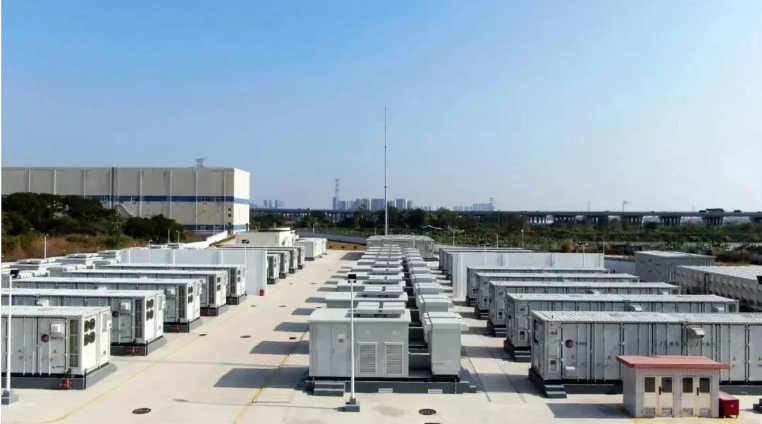
100MW/200MWh! Sineng Electric Supports Commissioning of Phase I of Nanlang Energy Storage Power Station
The Phase I 100MW/200MWh Nanlang energy storage power station, supplied by Sineng Electric, has now been successfully commissioned and put into operation. As the first large-scale standalone energy storage project on the grid side to be completed and commissioned in Zhongshan, China, the facility not only injects enhanced flexibility into the regional power grid, but establishes efficient and reliable revenue mechanism through an innovative frequency regulation service model.
The Phase I 100MW/200MWh Nanlang energy storage power station, supplied by Sineng Electric, has now been successfully commissioned and put into operation. As the first large-scale standalone energy storage project on the grid side to be completed and commissioned in Zhongshan, China, the facility not only injects enhanced flexibility into the regional power grid, but establishes efficient and reliable revenue mechanism through an innovative frequency regulation service model.
Grid-Forming Foundation, Intelligent Frequency Regulation
The project was invested in and developed by Shennan Dianxiwan (Zhongshan) Company, with Sineng Electric providing the core equipment, 1,250 kW centralized energy storage PCS units. The system is equipped with Sineng Electric’s second-generation enhanced hybrid grid-forming technology, incorporating globally leading IGBT drive technology and advanced intelligent control algorithms. As a result, the solution demonstrates significant advantages in three critical areas including response speed, command latency, and control accuracy, with its comprehensive frequency regulation performance index (K value) ranking among the best in the industry.
Since entering commercial operation six months ago, the power station has become an indispensable “gold-standard auxiliary service provider” for the regional grid. Supported by Sineng Electric’s energy storage PCS as the core equipment, the station has repeatedly delivered high-quality secondary frequency regulation services, effectively smoothing grid frequency fluctuations. The PCS offers flexible, on-demand adjustable ramp rates, reaching up to 50Pn/s, with a response time of ≤5 ms and a control accuracy error of no more than 0.5%. Much like a “speed stabilizer” for a high-speed power system, the solution significantly enhances the stability and reliability of electricity supply for thousands of households.
Sineng Electric has also confirmed its participation in the 14th Energy Storage International Conference and Expo (ESIE 2026), register now to attend Asia’s Largest Energy Storage Trade Show for free:
What: The 14th Energy Storage International Conference & Expo
When: Conferences: March 31 - April 2, 2026
Exhibitions: April 1-3, 2026
Where: CIECC Beijing, China
Address: No. 55 Yudong road, Shunyi District, Beijing China

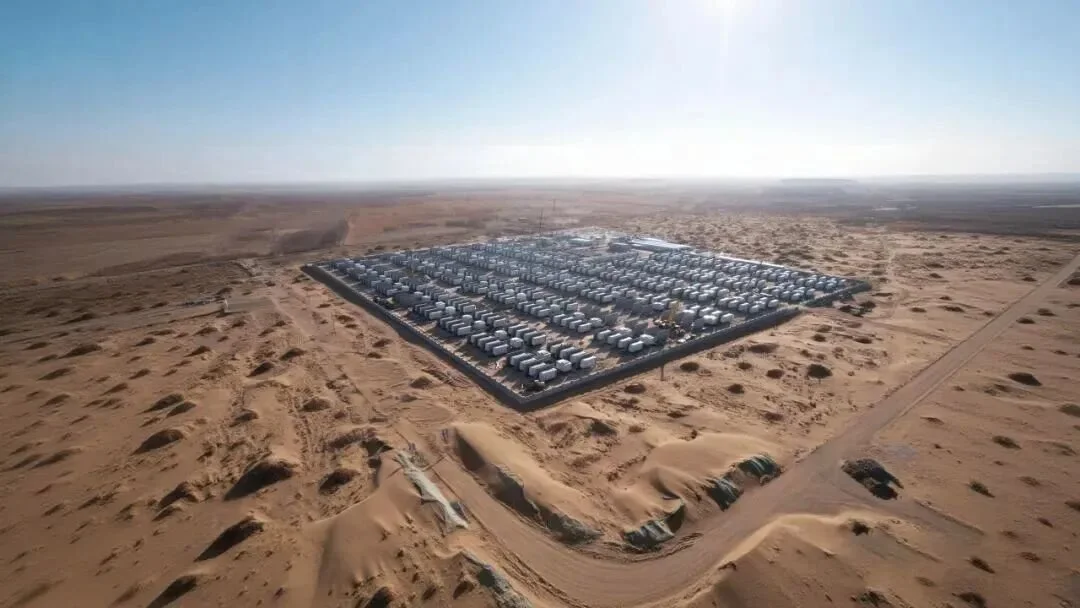
500MW/200MWh! JD Energy’s First GWh-Level Project Successfully Grid-Connected
In December 2025, the 500MW/2000MWh energy storage project was successfully grid-connected in Dengkou, Inner Mongolia. The energy storage station, standing proudly under the winter sun, is the first GWh-level project delivered by JD Energy. It not only set a new record for the scale of a single project but marked a significant milestone in the company’s development with its outstanding construction achievements.
In December 2025, the 500MW/2000MWh energy storage project was successfully grid-connected in Dengkou, Inner Mongolia. The energy storage station, standing proudly under the winter sun, is the first GWh-level project delivered by JD Energy. It not only set a new record for the scale of a single project but marked a significant milestone in the company’s development with its outstanding construction achievements.
01. 500MW/2000MWh: JD Energy enters the GWh-level project delivery
The 500MW/2000MWh energy storage project in Dengkou, Inner Mongolia, the first GWh-level project of JD Energy, utilized the company’s newly developed string-type prefabricated cabin, Galaxy-1. The project has an installed capacity of 500MW/2000MWh, deploying 400 units of Galaxy-1-4G and 100 units of eLink-HV35, a combined inverter and transformer.
In the harsh environment of sandstorms and cold temperatures, Galaxy-1 was used for the first time in a large-scale application on the grid-side. Despite the swirling yellow sands and biting winds, Galaxy-1 has laid a solid foundation for the new energy paradigm of Inner Mongolia with its exceptional environmental adaptability and operational stability.
02. Innovation empowerment: String-type prefabricated cabin Galaxy-1’s successful debut
The successful implementation of the 500MW/2000MWh energy storage project in Dengkou is driven by the flagship new product of JD Energy, the string-type prefabricated cabin Galaxy-1. This product adopts “All In One” design concept, integrating systems including 314Ah lithium iron phosphate (LiFePO4) batteries, BMS, string-type PCS, fire protection system, thermal management system, power distribution and communication system into a standard 20-foot container. It boasts key advantages of high efficiency, high safety and high integration. Through the successful practice of Dengkou project, Galaxy-1 made its debut on the grid-side, verifying its reliability and excellency in large-scale application.
With eMind-Trader as its core software system, JD Energy played a central role in supporting Dengkou power station’s operations from grid connection, market entry to autonomous participation in power trading, realizing a full value chain from system integration and project delivery to smart operation. This comprehensive technological advantage covering both hardware and software can not only significantly enhances the regional integration of new energy but also maximizes the project’s full lifecycle returns, achieving both stability and economic benefits.
03. Energizing the desert: green power driving regional development
At the turn of the year, Inner Mongolia has witnessed a surge in the grid connection of energy storage projects with energy constantly flowing. The successful grid connection of the 500MW/2000MWh energy storage project in Dengkou can effectively mitigate the fluctuations of intermittent renewable energy power generation of wind and solar power and significantly improve the grid’s adjustment capabilities and operational safety, providing more stable and higher-quality green electricity for Inner Mongolia and the North China region.
Meanwhile, the project will greatly increase the region’s ability to absorb renewable energy, reducing wind and solar curtailment. It will reinforce the energy transformation in Inner Mongolia and advance the national strategic goals of carbon peaking and carbon neutrality.
The successful grid connection of the 500MW/2000MWh energy storage project in Dengkou, Inner Mongolia marks JD Energy’s successful breakthrough in delivering a GWh-level single-project. It embodies the power of JD Energy with the debut of its flagship new product Galaxy-1. Moving forward, JD Energy will continue to innovate and explore energy storage sector, leaving a solid mark on the vast energy landscape while accelerating the progress of China’s energy revolution.
_______________________________________________________________
JD Energy has confirmed its participation of the 14th Energy Storage International Conference And Expo(ESIE 2026), register now to attend Asia’s Largest Energy Storage Trade Show for free:
What: The 14th Energy Storage International Conference & Expo
When: Conferences: March 31 - April 2, 2026
Exhibitions: April 1-3, 2026
Where: CIECC Beijing, China
Address: No. 55 Yudong road, Shunyi District, Beijing China

2025 Marks the First Year of Mass Production for Large Energy Storage Cells! 500Ah+ Mass Deliveries, ESIE 2026 Energy Storage Expo Invites Global Buyers to Explore New Opportunities
2025 marks a pivotal year for the energy storage industry. The large energy storage cells, which were once limited to “theoretical parameters”, will officially bid farewell to the technical competition phase and enter the practical testing stage of capacity release, yield improvement, and project implementation. Leading enterprises like CATL, EVE, Envision, HTHIUM, and SUNWODA have successively achieved mass production and delivery, and with the intensive landing of GWh-level strategic cooperation and accelerated expansion into overseas markets, this marks the transition of large-capacity cells from lab prototypes to commercial applications. The speed at which energy storage systems are evolving to higher energy density and lower cost has far exceeded industry expectations.
2025 marks a pivotal year for the energy storage industry. The large energy storage cells, which were once limited to “theoretical parameters”, will officially bid farewell to the technical competition phase and enter the practical testing stage of capacity release, yield improvement, and project implementation. Leading enterprises like CATL, EVE, Envision, HTHIUM, and SUNWODA have successively achieved mass production and delivery, and with the intensive landing of GWh-level strategic cooperation and accelerated expansion into overseas markets, this marks the transition of large-capacity cells from lab prototypes to commercial applications. The speed at which energy storage systems are evolving to higher energy density and lower cost has far exceeded industry expectations.
1. The Race for 500Ah+ Cell Mass Production Intensifies: Leading Enterprises Show Impressive Results
2025 is the “explosive year” for the mass production and delivery of large energy storage cells, with many battery companies accelerating capacity ramp-up, and products of 500Ah and above being extensively landed, demonstrating strong commercialization capabilities:
CATL: The 587Ah energy-specific storage cell began mass production in
June, with a daily output of over 220,000 units from its Jining base. By December, it had shipped 2GWh, with an expected annual output of 3GWh, taking the lead in entering into GWh-level commercial-scale applications;
EVE: The 628Ah cell, mass-produced at the end of 2024, achieved the production of 750,000 cells in 2025, and in September, it was successfully used in the world’s first 100MWh-level project--200MW/400MWh independent energy storage station in Ling Shou, Hebei with overseas shipments proceeding in parallel;
Envision: The 500+Ah cell, produced at its Cangzhou plant, has already been exported immediately after mass production, and next-generation 700Ah+ products are also in the mass production preparation phase;
HTHIUM: The world’s first 1,175Ah ∞Cell was launched and mass-produced, while the 587Ah cells were simultaneously delivered in Xiamen base. In October, a 6.25MWh energy storage system, equipped with the 1,175Ah cells, was successfully shipped to Europe;
SUNWODA: The 684Ah stacked cell began mass production in September, and by the end of December, 1 million cells had been produced, highlighting its fast mass production capability.
Additionally, companies such as cornex, GREAT POWER, CALB, RJE, Narada, GOTION HIGH-TECH, REPT BATTERO, and AC New Energy have announced mass production schedules for 500Ah+ and 600Ah+ products. The competition in the large energy storage cell market is expected to fully intensify in 2026.
2. GWh-level strategic partnerships become the mainstream, supply chain synchronization trend emerges
As cell technology gradually converges, supply chain stability and cost control have become the core of market competition. The collaboration model between system integrators and battery companies is evolving toward long-term, large-scale, and deep integration. By the end of 2025, heavy GWh-level orders have emerged, reshaping the industry’s collaboration landscape:
CATL and HYPER STRONG signed a procurement agreement for no less than 200GWh from 2026 to 2028, with the 587Ah cell already being used in the 400MW/2400MWh energy storage project in Baotou;
HTHIUM and CRRC Zhuzhou Institute reached collaboration for 120GWh of energy storage products supply during the 15th Five-Year Plan period, covering the full range products from 314Ah to 1,175Ah;
EVE and Rochenergy signed a three-year 20GWh collaboration agreement, with 10GWh dedicated to the 628Ah/588Ah large-capacity cells;
Sungrow and Sunwoda have deepened their collaboration, with their Powertitan 3.0 energy storage system set to apply the 684Ah large-capacity cell.
These long-term strategic partnerships not only ensure mutual capacity demand but also drive early-stage collaborative development between systems and cells, becoming an industry trend, deeply integrating product performance and safety systems to reduce costs and improve efficiency for energy storage projects.
3. Accelerating overseas expansion! China’s large energy storage cells lead the global long-duration storage market
Leveraging the advantage of complete industry chain, China’s large energy storage cells are rapidly expanding globally. The results of overseas market expansion in 2025 are significant, evolving from single-product exports to system solutions and standards:
CATL’s 530Ah cells, coupled with a 4GWh energy storage system, will supply Vena Energy in Singapore.
EVE Energy’s 628Ah cells successfully secured a 2.2GWh order from Australia’s EVO Power and signed a 1GWh energy storage system project with TSL Assembly.
The global expansion of China’s large energy storage cells not only opens up the long-duration storage market overseas but also enables Chinese energy storage technology standards and solutions to gain global recognition, showcasing China’s core competitiveness in global energy storage industry. Currently, while the 500Ah+ cells are still in a period of rapid development with diverse sizes and specifications, industry consensus is clear: 6MWh+ energy storage systems will accelerate the replacement of the previous 5MWh+ solutions, continuously driving down the cost per unit of energy storage. From mass production and deliveries and strategic partnerships to global project implementation, 2025 undoubtedly marks the “first practical year” for large energy storage cells transitioning from laboratory prototypes to station applications.
4. Focus on ESIE 2026! The vane of global energy storage industry , connecting professional buyers with core resources
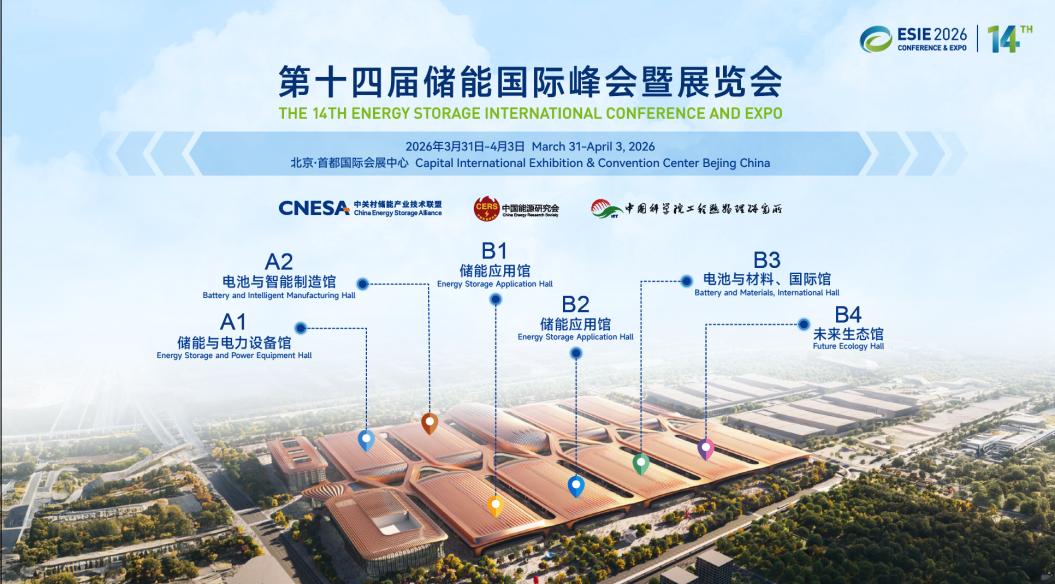
As large-capacity cell technology rapidly evolves and global markets continues to expand, the industry urgently needs an efficient platform to connect cutting-edge technology, market dynamics, and supply chain resources. As a “vane” for the energy storage industry, the 14th Energy Storage International Conference & Expo (ESIE 2026) will be grandly held from March 31 to April 3, 2026, at the Capital International Exhibition & Convention Center Beijing China.
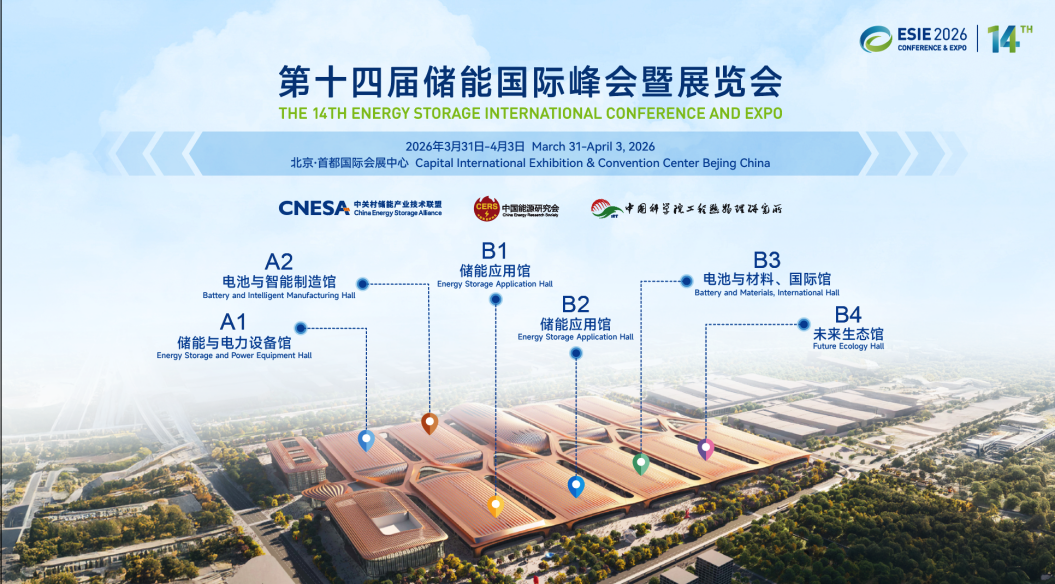
So far, leading industry enterprises including CATL, EVE, Envision, HTHIUM , SUNWODA, Cornex, GREAT POWER, CALB, RJE, Narada, GOTION HIGH-TECH, REPT BATTERO, and AC NewEnergy have confirmed their participation. This year’s exhibition will focus on key areas such as large energy storage cells, long-duration storage, energy storage system integration, and integrated solar+storage+charging solutions. It will serve as a high-end platform for new product launches, technical exchanges, and business negotiations, offering global energy storage professional buyers a precise matchmaking channel.
Whether seeking cutting-edge technology collaborations, exploring quality supply chain resources, or planning global energy storage projects, ESIE 2026 will be an unmissable annual event for industry professionals. We sincerely invite global energy storage professional buyers and upstream and downstream enterprises to gather in Beijing to explore new trends in the industry and seize new opportunities for industrial upgrading.
Address: Capital International Exhibition & ConventionCenter Beijing China
When: March 31 – April 3, 2026
Highlights: Leading enterprises gathering, new product launches, precise supply-demand matchmaking, authoritative trend interpretations
Exhibition and Visitor Inquiries: Mr. Cao: +86 135 5271 2189, Mr. Wang: +86 135 8188 5520, Mr. Li: +86 135 8174 1680, Mr. Zhao: +86 182 1018 8771, Ms. Bai: +86 180 3145 1007

Sungrow’s First Energy Storage Plant in the Middle East Launched,with an Annual Capacity of 10 GWh
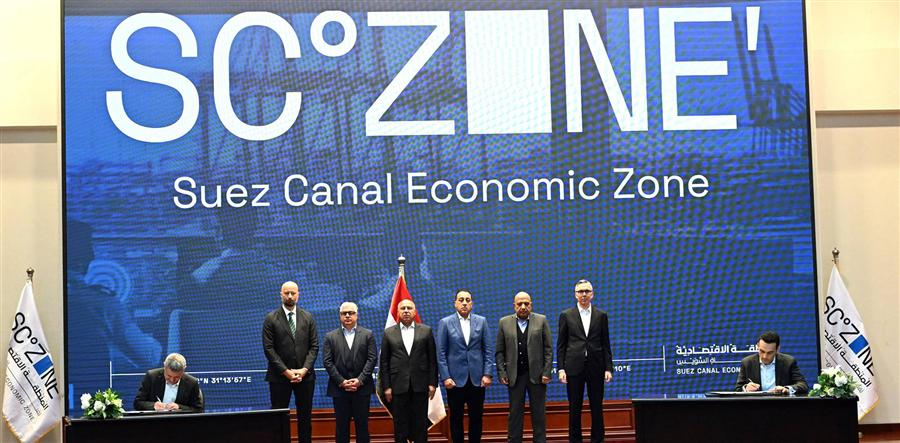
Egypt has taken a major step toward accelerating its clean energy transition, as Chinese energy storage leader Sungrow and Norwegian renewable developer Scatec partner with the Egyptian government to deliver large-scale solar+storage projects and establish the Middle East’s first battery energy storage manufacturing base, with a planned annual capacity of 10 GWh.
According to foreign media reports, the Egyptian government recently announced that it has signed a series of agreements worth over 1.8 billion USD with Norwegian renewable energy developer Scatec and Chinese energy storage company Sungrow. These agreements aim to build large-scale solar+storage projects and promote local manufacturing of battery energy storage systems. This series of agreements is a key initiative for Egypt to expand its clean energy installed capacity and improve its new energy industry chain.
Scatec will develop the “Energy Valley” project in Minya, which will include the construction of a large-scale integrated solar power and energy storage plant. Meanwhile, Sungrow will build a battery energy storage system manufacturing plant in the Suez Canal Economic Zone (SCZONE) to support energy storage equipment for the project and the regional market.
Both projects are being advanced with the coordination of Egyptian Ministry of Electricity and Renewable Energy and the Suez Canal Economic Zone Authority. Egyptian Prime Minister Mostafa Madbouly stated that these projects highly align with the country’s strategy of localizing new energy industries, and that localizing energy storage and renewable energy manufacturing will be key pillars for enhancing Egypt’s energy security and driving its green transformation.
As part of the project arrangements, the Egyptian Electricity Transmission Company (EETC) has signed a Power Purchase Agreement (PPA) with Scatec, while the New and Renewable Energy Authority (NREA) has signed a land use agreement for the Energy Valley project. Additionally, Sungrow has secured the land use rights for building the battery energy storage manufacturing plant in the TEDA Industrial Zone in SCZONE.
Furthermore, Scatec and Sungrow Energy have signed a battery supply contract, under which Sungrow Energy will provide the battery energy storage systems for the Energy Valley project in Minya.
According to the introduction, the Energy Valley project is positioned as one of the largest integrated clean energy projects in the world, and the first solar+storage project in the region capable of providing stable power supply around the clock. The project will build a 1.7 GW (AC) solar photovoltaic capacity, along with a total of 4 GWh of battery storage systems, distributed across Minya, Qena, and Alexandria. The project will also build new substations and dedicated transmission lines to provide clean electricity to the Wadi El-Sereiriya Industrial Zone in Minya.
On the manufacturing side, Sungrow Energy’s factory in Egypt will become the first battery energy storage system manufacturing base in the Middle East and Africa. Located in the TEDA-Egypt Industrial Zone in Ain Sokhna, the factory will cover an area of about 50,000 square meters and is expected to create around 150 direct jobs. Once operational, the factory will have an annual capacity of 10 GWh, with production expected to begin in April 2027.
Regarding financing, the Egyptian Prime Minister also witnessed the signing of preliminary financing agreements for the Energy Valley project between Scatec and the European Investment Bank (EIB), the European Bank for Reconstruction and Development (EBRD), and the African Development Bank (AfDB), marking the project’s support from multilateral development financial institutions.
__________________________________________________________________
Sungrow Energy has confirmed its sponsorship of the 14th Energy Storage International Conference and Expo (ESIE 2026), register now to attend Asia’s Largest Energy Storage Trade Show for free:
What: The 14th Energy Storage International Conference & Expo
When: Conferences: March 31 - April 2, 2026
Exhibitions: April 1-3, 2026
Where: CIECC Beijing, China
Address: No. 55 Yudong road, Shunyi District, Beijing China

4.8 GWh Installed: Beijing KeRui Supports the Grid Connection of Two Major Grid-Side Energy Storage Projects in Inner Mongolia, Chi
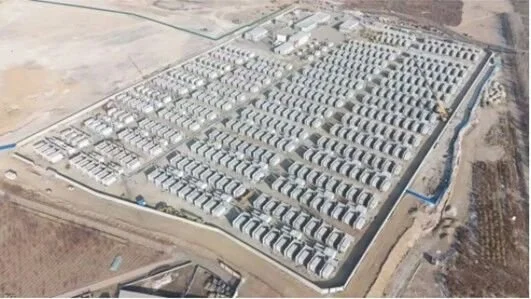
In December 2025, two large-scale grid-side independent energy storage projects supported by Beijing KeRui were successfully connected to the grid in Inner Mongolia and put into operation: the 500 MW / 2,000 MWh Gushanliang project in Ordos and the 400 MW / 2,400 MWh Bu’erhantu project in Baotou.
In December 2025, two large-scale grid-side independent energy storage projects supported by Beijing KeRui were successfully connected to the grid in Inner Mongolia and put into operation: the 500 MW / 2,000 MWh Gushanliang project in Ordos and the 400 MW / 2,400 MWh Bu’erhantu project in Baotou.
Leveraging outstanding engineering execution capabilities, Beijing KeRui’s service team completed the entire process from installation to power delivery in just 50 days—an industry miracle that provided strong assurance for the high-quality and rapid commissioning of both projects. With a combined capacity of 4.8 GWh, the two projects set a new benchmark for the development of China’s independent energy storage sector in terms of large scale, high quality, and accelerated delivery. They inject strong momentum into regional energy structure transformation and provide critical support for building a stable and reliable new-type power system.
In these two flagship projects, Beijing KeRui’s integrated energy storage power conversion and step-up units served as the primary AC-side equipment and played a central role in successful commissioning. Several innovative technologies proved critical to project delivery:
Energy-Efficiency-Oriented Intelligent Thermal Management
The system adopts an innovative multi-tier thermal management strategy centered on “on-demand activation and load matching.” By dynamically aligning transformer cooling requirements with fan operating conditions, the design achieves optimal coordination between auxiliary power consumption and heat dissipation efficiency, significantly reducing unnecessary energy use. In addition, an intelligent heat-exchange buffering design adjusts fresh-air temperature seasonally—mitigating cold shock in winter to protect equipment and pre-cooling intake air in summer to enhance heat dissipation—thereby ensuring long-term stable operation while further refining overall energy efficiency.
Reinforced Structural Design with Integrated Drainage
Through optimization of the converter platform layout, the system enhances overall structural strength while naturally forming efficient drainage channels. This eliminates the need for additional drainage components, achieving dual functionality within a single structure and balancing structural safety with environmental adaptability. The design reflects a philosophy of simplicity, reliability, and efficiency.
Verified Transport Reliability
The equipment underwent rigorous transportation testing, including over 3,000 kilometers of highway transport and 450 kilometers of reinforced standard-condition road testing. These trials fully validated the system’s ability to withstand complex overland transportation challenges, ensuring structural integrity and stable performance throughout delivery and meeting the stringent requirements of real-world engineering logistics.
One notable highlight of the projects is the application of HyperStrong’s flagship large-capacity liquid-cooled energy storage system, representing the latest advancements in electrochemical energy storage technology. HyperStrong’s independently developed second-generation power conversion system (PCS) features advanced technology with fully independent and controllable core technologies. It can accurately respond to grid dispatch requirements and, through customized design, adapts effectively to complex operating conditions to ensure safe and stable year-round operation. This PCS has been successfully integrated into Beijing KeRui’s integrated unit solution.
Another key highlight is the adoption of CATL’s advanced 587 Ah energy storage cells, which achieve an energy density of 434 Wh/L, a cycle efficiency of up to 96.5%, and further optimized cycle life and degradation performance. This marks the first time Beijing KeRui’s integrated power conversion and step-up system has been deployed in combination with this cell model, demonstrating the company’s rapid response capability in adopting cutting-edge technologies and integrating high-performance components. Beijing KeRui’s integrated design deeply combines core modules—including the power conversion system, step-up transformer, power distribution switchgear, intelligent control, fire protection and security, and thermal management—into a single solution. Through optimized structural topology and layered spatial design, the capacity of a single box-type dry transformer can be increased to over 8,250 kVA, unlocking substantial energy output within limited space. This approach reduces land-use costs while enabling flexible deployment across diverse application scenarios.
The commissioning of the two energy storage power stations will significantly enhance the Inner Mongolia power grid’s ability to accommodate variable renewable energy sources such as wind and photovoltaic power. The projects will effectively smooth peak–valley load differences, improve grid flexibility, and strengthen overall system security and stability. Looking ahead, leveraging the comprehensive advantages of its integrated energy storage power conversion and step-up units—spanning energy efficiency, structural optimization, reliability, and adaptability—Beijing KeRui will continue to provide high-performance, high-reliability energy storage system solutions. The company aims to help customers achieve lower operating costs, higher full life-cycle discharge returns, and improved investment performance.
As an active participant and key driver in the development of new-type power systems, Beijing KeRui remains committed to advancing clean and low-carbon energy transition through technological innovation and superior service, contributing to a safer, more efficient, and greener modern energy system.
Register now to attend Asia’s Largest Energy Storage Trade Show for free:
What: The 14th Energy Storage International Conference & Expo
When: Conferences: March 31 - April 2, 2026
Exhibitions: April 1-3, 2026
Where: CIECC Beijing, China
Address: No. 55 Yudong road, Shunyi District, Beijing China

China Mingyang Longyuan’s First 100MW/400MWh High-Voltage Cascade Independent Energy Storage Project Achieves Full-Capacity Grid Connection
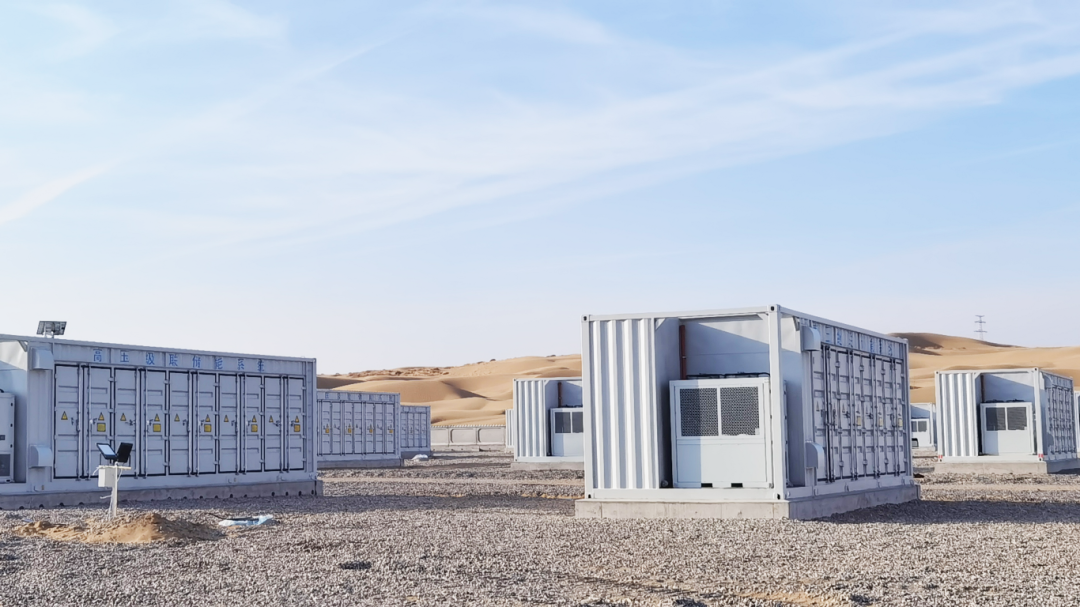
Mingyang Longyuan has built a major milestone in China’s energy storage sector with the successful full-capacity grid connection of its first 100MW/400MWh high-voltage cascade independent energy storage project in Ordos, Inner Mongolia. The project’s commissioning highlights the company’s technological strength in large-scale, high-efficiency, and highly reliable energy storage solutions, while reinforcing the critical role of advanced storage systems in supporting grid stability and renewable energy integration.
On December 28, Mingyang Longyuan’s first 100MW/400MWh high-voltage cascade independent energy storage project, the Yashitu Power Station, successfully achieved full-capacity grid connection at the Gushanliang site in Ordos, China. The project also passed the “three charge and three discharge” test of the West Inner Mongolia Power Grid and has officially entered commercial operation.
As an optimal solution for large-scale energy storage power stations, Mingyang Longyuan’s high-voltage cascade energy storage system demonstrates significant advantages, including large unit capacity, high energy conversion efficiency, enhanced safety performance, lower overall system cost, simplified coordinated control, and extended battery lifespan. The system also provides strong grid-support capabilities, enabling reliable performance under complex conditions such as extreme temperature variations and high humidity, while effectively supporting peak shaving, frequency regulation, and large-scale integration of renewable energy.
The project has achieved a long-duration cycle efficiency exceeding 90 percent, marking a substantial breakthrough in key performance indicators. This achievement reflects the sustained efforts of Mingyang Longyuan’s R&D and service teams. Despite harsh construction conditions characterized by strong winds, heavy snowfall, and extremely low temperatures in Ordos, the team overcame multiple technical challenges through continuous on-site work, ensuring the project’s timely commissioning. The experience gained has further strengthened the company’s capabilities in operating energy storage systems under extreme environmental conditions, laying a solid foundation for long-term stable and reliable performance.
The successful commissioning of the Gushanliang energy storage power station in Ordos underscores Mingyang Longyuan’s technical strength and product reliability, representing an important milestone in the company’s continued expansion in the energy storage sector. Looking ahead, Mingyang Longyuan will remain driven by technological innovation, advancing the upgrading of the energy storage industry and contributing to the development of a clean, low-carbon, safe, and efficient energy system.
——————————————————————————————————————————————————
Register now to attend Asia's Largest Energy Storage Trade Show for free:
What: The 14th Energy Storage International Conference & Expo
When: Conferences: March 31 - April 2, 2026
Exhibitions: April 1-3, 2026
Where: CIECC Beijing, China
Address: No. 55 Yudong road, Shunyi District, Beijing China

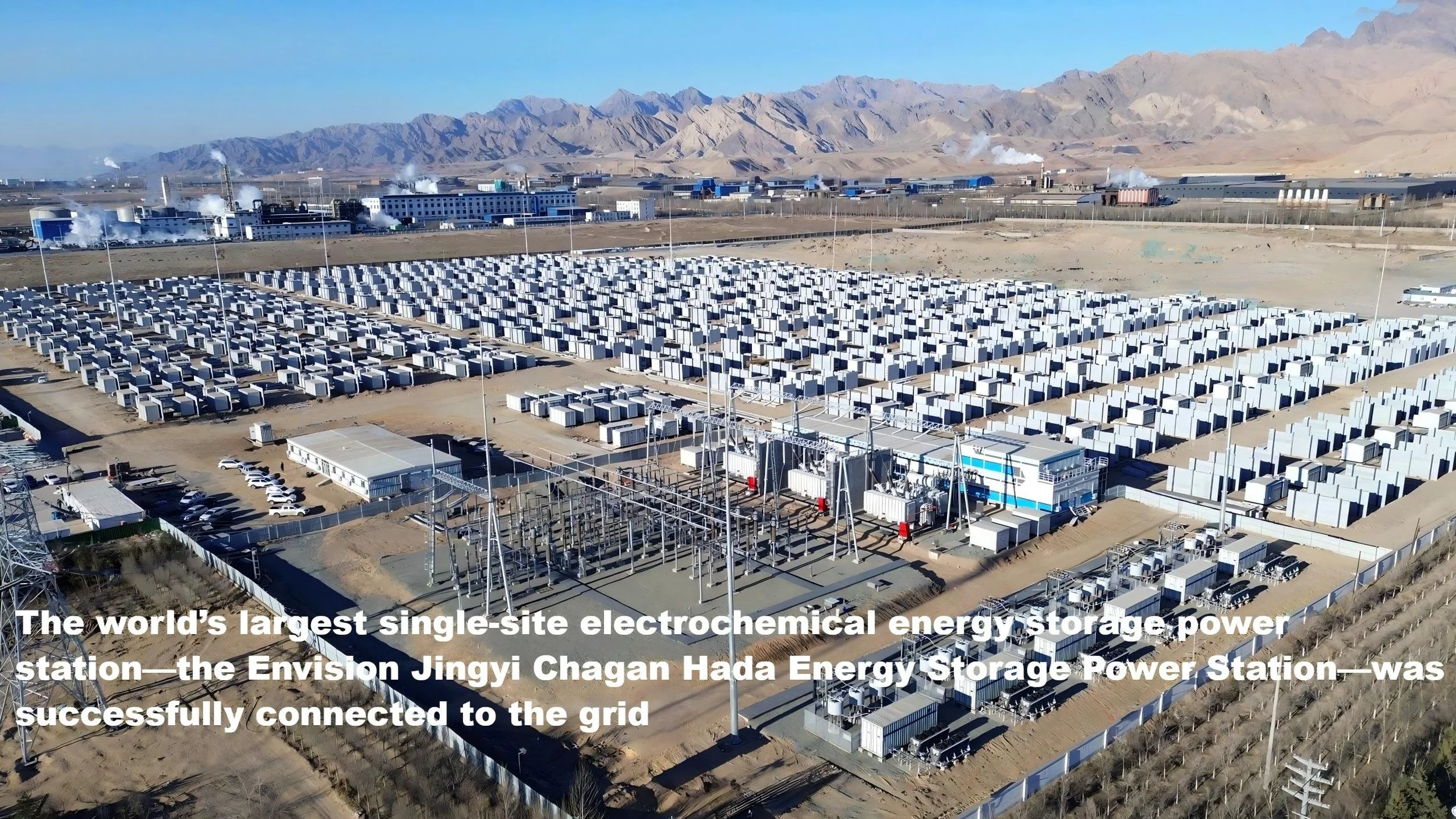
12.8 GWh Energy Storage Cluster Connected to the Grid AI-Powered Energy Storage Reshapes the Future of New Power Systems
The world’s largest single-site electrochemical energy storage power station—the Envision Jingyi Chagan Hada Energy Storage Power Station—was successfully connected to the grid, completing a 12.8 GWh AI-powered energy storage cluster in Inner Mongolia. The project sets new global benchmarks for scale, grid-connection speed, and system reliability, while demonstrating advanced grid-forming capabilities that enable rapid commissioning, deep grid interaction, and large-scale renewable integration.
Recently, the world’s largest single-site electrochemical energy storage power station—the Envision Jingyi Chagan Hada Energy Storage Power Station—was successfully connected to the grid. With a total capacity of 4 GWh, the project is fully equipped with Envision’s AI-powered energy storage system. This milestone marks the completion and grid connection of Envision’s 12.8 GWh energy storage cluster deployed across Bayannur, Ordos, Hohhot, Ulanqab, Xilingol League, and Alxa League. To date, Envision-led energy storage projects in Inner Mongolia exceed 14 GWh in total capacity.
The project passed grid verification at rated power through “three charge and three discharge” and a 72-hour continuous trial operation at one time, becoming the largest energy storage project in China to complete such testing. This achievement not only sets new global records for energy storage cluster scale and grid-connection speed, but also demonstrates Envision’s capabilities in ultra-large-scale system integration, extreme-environment adaptability, deep grid interaction, and large-scale project delivery.
Notably, the project’s grid connection coincided with the release of China’s Guidelines on Promoting High-Quality Power Grid Development by the National Development and Reform Commission (NDRC) and the National Energy Administration (NEA), highlighting strong alignment between national policy direction and industrial practice. Together, they signal that AI-centered energy storage technologies are reshaping the future of new power system from technological, market, and application perspectives.
Technology: From “Optional” to “Essential”
The Guidelines clearly state that power system regulation capabilities should be upgraded toward greater diversity and massive-scale coordination. They call for accelerated development of regulation capabilities for new grid-connected entities, including distributed renewable energy and new-type energy storage, to enable the coordinated and optimized dispatch of diverse and large-scale resources. The Guidelines also emphasize strengthening R&D in critical power grid technologies, targeting application scenarios such as deserts, Gobi and barren regions, integrated wind–solar–hydro systems, high-altitude areas, and deep and far-offshore environments. They propose piloting long-distance transmission from large-scale 100% renewable energy bases, and accelerating the engineering validation and deployment of grid-forming technologies.
It is said that Envision’s AI energy storage system deployed in Inner Mongolia integrates advanced capabilities from “grid-following” to “grid-forming”, enabled by a full-time-scale simulation platform and a three-layer grid-forming architecture spanning equipment, system, and site levels. This allows GW-scale stations to connect to the grid immediately upon energization, significantly reducing commissioning time, mitigating oscillation risks, and enhancing system support strength. As a result, energy storage evolves from a “grid follower” to a “grid builder,” providing a solid technical foundation for power systems with high shares of renewable energy.
Market: From Grid Connection to Market Participation
The Guidelines emphasize deep integration between market mechanisms and dispatch systems, and encourage exploration of new pricing mechanisms. This creates clear and predictable revenue pathways for AI-powered energy storage through participation in electricity spot markets, provision of ancillary services such as frequency and peak regulation, and access to capacity compensation and price arbitrage.
The 12.8 GWh energy storage cluster will be fully integrated into the electricity spot market. Leveraging Envision’s AI system—where trading agents and grid-forming agents operate in coordination—the project enables a closed-loop lifecycle operation covering forecasting, dispatch, trading, and self-learning. This approach not only enhances the intelligence, efficiency, and execution of power trading decisions, but also provides a replicable and scalable model for the large-scale participation of new-type energy storage in electricity markets. At the same time, it significantly improves regional renewable energy consumption and strengthens the operational resilience of the power grid. In previous deployments, Envision’s AI energy storage system has ranked first in trading forecast accuracy at several sites in Inner Mongolia for consecutive months. Based on measured operational data, the project is expected to increase total lifecycle returns by more than 20%.
Applications: From Single Use to Broad Scenarios
The Guidelines elevate smart microgrids as a key component of new-type power systems, unlocking vast opportunities for AI energy storage in industrial parks, zero-carbon parks, and remote areas. In these scenarios, AI-powered energy storage functions as a local energy brain, optimizing the coordination of generation, grid, load, and storage to maximize renewable self-consumption, enhance supply reliability, and enable higher-level grid interaction.
As power systems become increasingly clean and market-oriented, simple equipment aggregation is no longer sufficient. In high-renewable scenarios, AI-driven energy storage that balances grid stability with revenue optimization has become indispensable. The successful grid connection of the Inner Mongolia cluster underscores Envision’s leadership in physical AI and AI-enabled renewable energy solutions.
Envision has established a full industrial chain in Inner Mongolia, from battery cells and system integration to project delivery and intelligent operation. Leveraging its integrated capabilities, the project drives industrial clustering, injects new momentum into the local economy, supports the development of a new-type power system, and underpins the region’s efforts to accelerate the construction of a nationally important energy and strategic resources base.
This milestone delivery marks a successful conclusion to Envision’s energy storage business expansion in 2025. Empowered by physical artificial intelligence, Envision has secured a series of major contracts both at home and abroad this year. Building on its established global footprint, the company has successfully expanded into ten strategic overseas markets, including Australia, Chile, Italy, and Poland. Looking ahead, Envision will continue to strengthen the foundational support for next-generation power systems through innovative products and world-class project execution, accelerating the global transition toward zero-carbon and driving a new era of shared prosperity powered by Chinese renewable energy technologies.
____________________________________________________________________
Envision Energy Storage has confirmed its participation in the 14th Energy Storage International Conference and Expo (ESIE 2026). Register now to attend Asia's Largest Energy Storage Trade Show for free:
What: The 14th Energy Storage International Conference & Expo
When: Conferences: March 31 - April 2, 2026
Exhibitions: April 1-3, 2026
Where: CIECC Beijing, China
Address: No. 55 Yudong road, Shunyi District, Beijing China

Countdown: 100 Days to Go! - ESIE 2026 Energy Storage Expo Announces First Batch of Exhibitors
Source: CNESA
The 14th Energy Storage International Conference & Expo (ESIE 2026)
March 31 - April 3, 2026
Capital International Exhibition & Convention Center, Beijing, China
With just 100 days remaining until the opening of the 14th Energy Storage International Conference & Expo (ESIE 2026), anticipation across the industry continues to build. Momentum is accelerating, and companies are actively registering to exhibit.
As exhibitor recruitment enters its final countdown, this landmark event - designed to build industry consensus, drive technological innovation, and foster global exchange - warmly invites energy storage professionals worldwide to gather in Beijing.
Exhibition Overview
ESIE 2026 will feature 6 themed exhibition halls:
Energy Storage & Power Equipment Hall
Battery & Intelligent Manufacturing Hall
2 Energy Storage Application Halls
Battery & Materials, International Hall
Future Ecology Hall
In addition, 9 specialized zones will be set up, covering:
power equipment, zero-carbon industrial parks, data centers, EV charging infrastructure, fire safety, intelligent manufacturing, hydrogen energy, materials, and testing & certification.
Together, the exhibition comprehensively covers enterprises across the entire upstream and downstream energy storage industry chain.
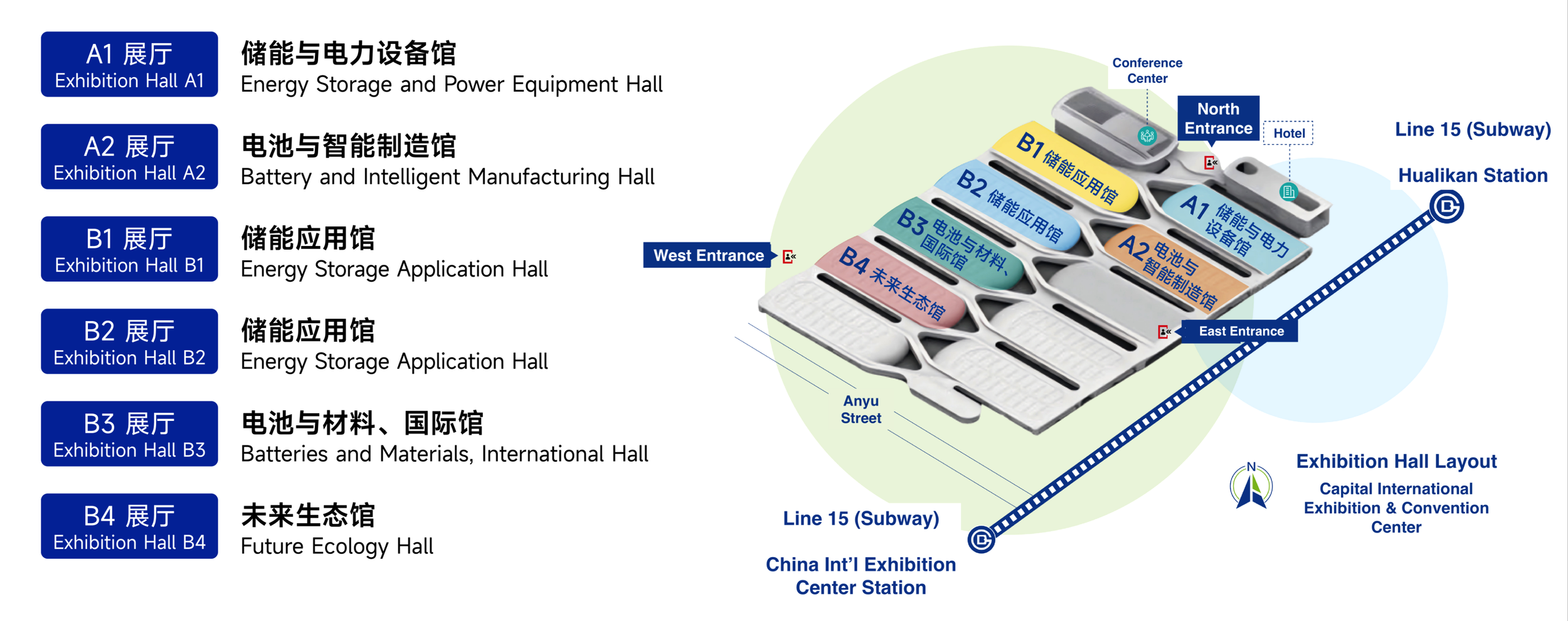
Figure | Layout Plan of the 14th Energy Storage International Conference & Expo
A1 - Energy Storage & Power Equipment Hall
Well-known brands exhibiting include: HyperStrong, EVE Energy, Zhongqi New Energy, Pengcheng Infinite, CLOU, Zhongchu Guoneng, Great Power, Inpai Battery, Huadian Heavy Industries, Hongzheng Energy Storage, Chint Electrics, Guodian Nanjing Automation, Elecnova, Envicool, Qianye Technology, Tiansu, Futronics, Dafu Integrated Equipment Technology, UTL Electrical, Winsure Communication, Sanwo Liyuan, Fans-tech Electrical, Kait, Qingyuan HeYi, YNTECH, Regal Rexnord, and more.
A2 - Battery & Intelligent Manufacturing Hall
Exhibitors include: CATL, Soaring Electric, XYZ Storage, Kehua Digital Energy, Cornex, Sineng Electric, NR Electric, AlphaESS, Hopewind, Ampace, Nebula Electronics, Autowell, Gaodengsai Energy, RelyEZ, Phoenix Contact, Youxing Shark, Lead Technology, Iron Man Fire Fighting, RePower Technology, Kelvin New Energy, Huasi Systems, Ligoo New Energy, Zonzsin, Tangent, Xenbo Heat Sink, Ubetter, Yaliqu, Heidun Cloud, Luoweite, National Center for Advanced Energy Storage Product Quality Inspection & Testing, Balance Intelligent Fire, and others.
B1 - Energy Storage Application Hall
Participating companies include: CRRC Zhuzhou Institute, Gotion High-Tech, Goldwind, Huawei, Sunwoda, Hoymiles, Hithium, Ganfeng, KE Electric & Hisense, Pylontech, Zhiguang Energy Storage, Liangxin Electrical, Ancheng New Energy, Xingchen New Energy, Gold Electronic, TCL, PULSST, Advantech, Chuancheng Energy Storage, SAV, SGS-CSTC Standards, TYT, Xinyuan Tech, Enerflow, Hysea, Stif, TIG Technology, Candera, TYES Energy Storage, among others.
B2 - Energy Storage Application Hall
Exhibitors include: Sungrow, CALB, Narada, REPT BATTERO Energy, Robestec, Windey Energy, iPotisEdge, TONGFEI, Siyuan Electric, Dongfang Electric, InfyPower, Xiqing, HYXiPOWER, Kgooer, Xiamen Hongfa, Qualtech, REsource Electric, HIGEE, State Energy XinControl, Beijing Micro Control Industrial Gateway Technology, Rongke Power, BMSER, Sinofuse, Southern CIMC, EMKA (Tianjin), Lanrui Electric, Hecheng Smart Electric, ZONZEN, Kefa Electronics, and more.
B3 - Battery & Materials, International Hall
Exhibitors include: Shuangdeng Group, Megarevo, Concord New Energy, Kstar, GoodWe, ZTT, Wocheng, Sigenergy, German Pavilion, Suqian Times, CVC Testing, SHENG YANG Electric, Heyuan Magnetics, Shentong Mechanical & Electrical, TOPOS, Honghaisheng, Dianwei, Carbon Energy Technology, WILO SE, Cergen New Energy, Longxiang Rubber, Onpow Push Button, Hefei Zhiyou Electric, WSF, CHEVRON Electronic, and others.
B4 - Future Ecology Hall
Exhibitors include: Envision Storage, BYD, Trina Storage, Singularity Energy, Longking, CSG Energy Storage, Jinko, State Power Rixin Technology, Contemporary Nebula Energy Technology, iBatteryCloud, Gresgying, CSG Technology, Wincell, ESF Technology, Sino Group, and more.
One-Stop Access to Cross-Sector Energy Storage Innovations
Visitors can explore a wide range of integrated application scenarios, including:
Energy Storage + Industry: Steel, cement, chemicals, petroleum, aluminum, coal, oilfields, and more - discover how energy-intensive enterprises reduce costs and improve efficiency with storage solutions.
Energy Storage + Wind & Solar: BIPV storage, CIPV storage, source-grid-load-storage integration, PV-storage-DC-flexible systems - all solutions for coordinated renewable and storage development.
Energy Storage + Desert & Gobi Mega Bases: Wind-solar-storage bundled transmission, grid-forming storage, multi-energy complementarity (wind + solar + storage + coal/solar thermal), and ecological desert control - unlock efficient desert energy utilization.
Energy Storage + Zero-Carbon Parks / Green Power Direct Supply: Microgrids, distributed PV-storage consumption, dedicated green power lines, peak-valley arbitrage, emergency backup, and green power traceability - ensuring stable green electricity supply.
Energy Storage + Data Centers / Telecom Base Stations: Backup power, peak-valley arbitrage, off-grid power supply, and green power integration - supporting stable and cost-efficient digital infrastructure.
Smart Energy: Smart grids, microgrids, virtual power plants, distributed energy management systems, and energy IoT platforms - key tools for future energy management.
Energy Storage + Transportation: Vehicle-to-grid interaction, charging and swapping facilities, PV-storage-charging stations, EVs, electric heavy trucks, low-altitude economy, and new energy solutions for ports and airports.
Innovative Energy Storage Technologies: Hydrogen energy; chemical storage (sodium-ion, solid-state, aqueous, all-vanadium flow, etc.); physical storage (compressed air, flywheel, gravity, molten salt, etc.).
Preparations for ESIE 2026 have entered the full-scale sprint phase. The organizing committee is advancing all work in a coordinated and efficient manner to deliver a high-level professional exchange platform for the industry.
Exhibition booths are now in short supply, with only a limited number of premium locations remaining. Energy storage enterprises across the entire value chain are warmly invited to join ESIE 2026 - uniting around technological innovation, advancing industrial upgrading, and jointly shaping a high-quality future for the new energy storage industry.
Register Now to attend, free before Dec 31, 2025:
https://mailchi.mp/2a7b423a7efb/esie-2026-registration-socialmedia
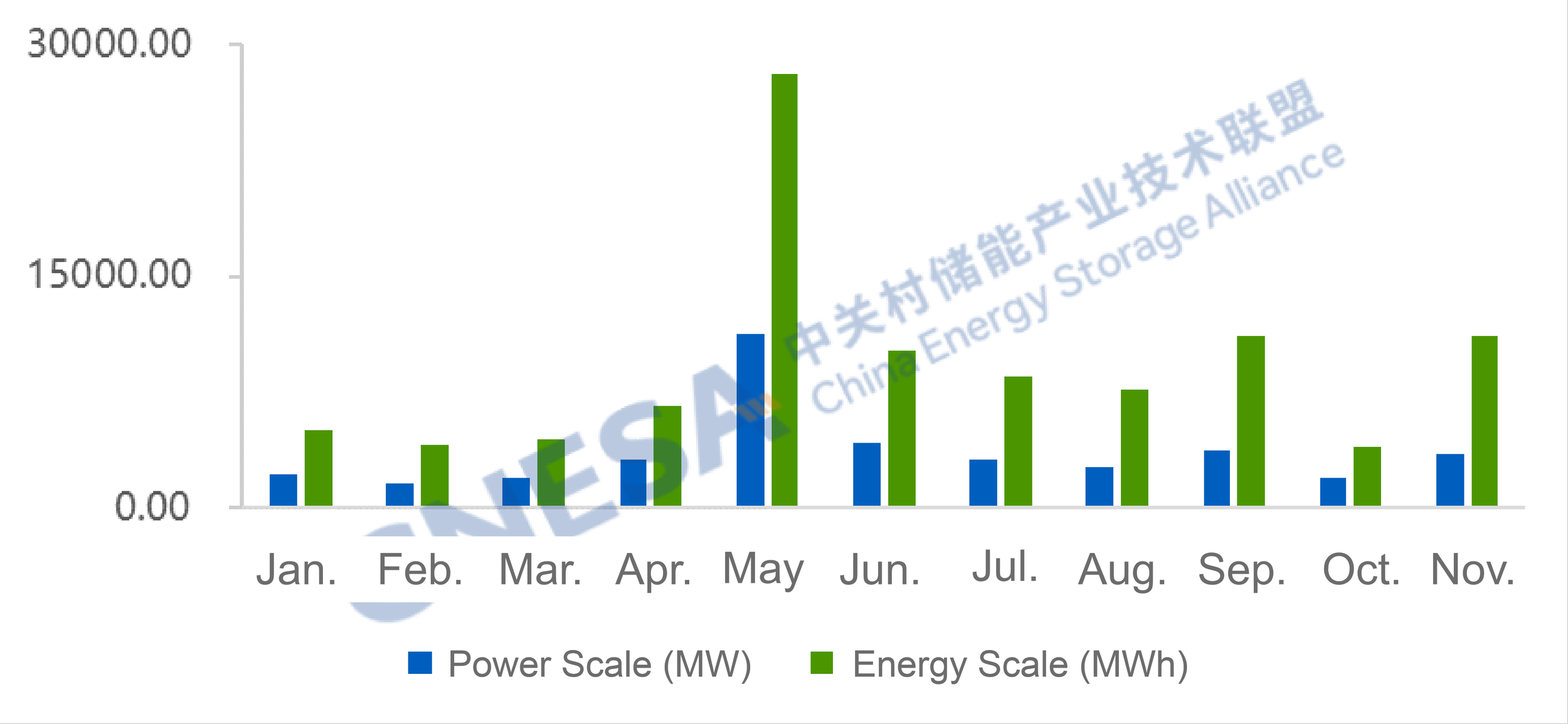
New Installations Down 67% YoY: Analysis of China's User-Side New Energy Storage Projects in November
Source: CNESA
In November 2025, newly installed user-side new energy storage capacity in China recorded a year-on-year decline of over 65%.
Compared with October, the market structure showed notable adjustments:
Commercial and industrial (C&I) energy storage accounted for nearly 90%, while long-duration energy storage technologies accelerated deployment.
East China contributed more than half of newly commissioned capacity, with Fujian leading in installed capacity.
Although filing activity in traditional user-side markets (Zhejiang, Guangdong, Jiangsu) declined compared with the same period last year, overall demand remained higher year-on-year. Emerging markets such as Anhui, Henan, and Sichuan are becoming new growth engines driving the national user-side energy storage market.
Analysis of User-Side New Energy Storage Projects in November
In November, newly installed user-side capacity reached 185.27 MW / 555.83 MWh, representing -67% / -57% year-on-year, and -5% / +16% month-on-month. User-side new energy storage projects exhibited the following characteristics:
(1) Installed Capacity by Application
In November, the user-side energy storage market continued to be dominated by C&I applications, accounting for nearly 90% of total installations. Newly installed C&I capacity reached 163.9 MW / 541.3 MWh, -68% / -58% year-on-year, and -9% / +15% month-on-month.
The largest data center user-side energy storage project in Zhejiang was officially commissioned. Rapid development of AI data centers (AIDC) and intelligent computing centers is driving growth in user-side energy storage demand.
From a technology perspective, all newly commissioned projects adopted electrochemical energy storage technologies. Lithium iron phosphate (LFP) batteries accounted for over 99% of installed power capacity. In terms of long-duration storage, one 8-hour, 202 MWh lithium-based C&I energy storage project and one 8-hour, 2 MWh all-vanadium redox flow battery project were completed and put into operation.
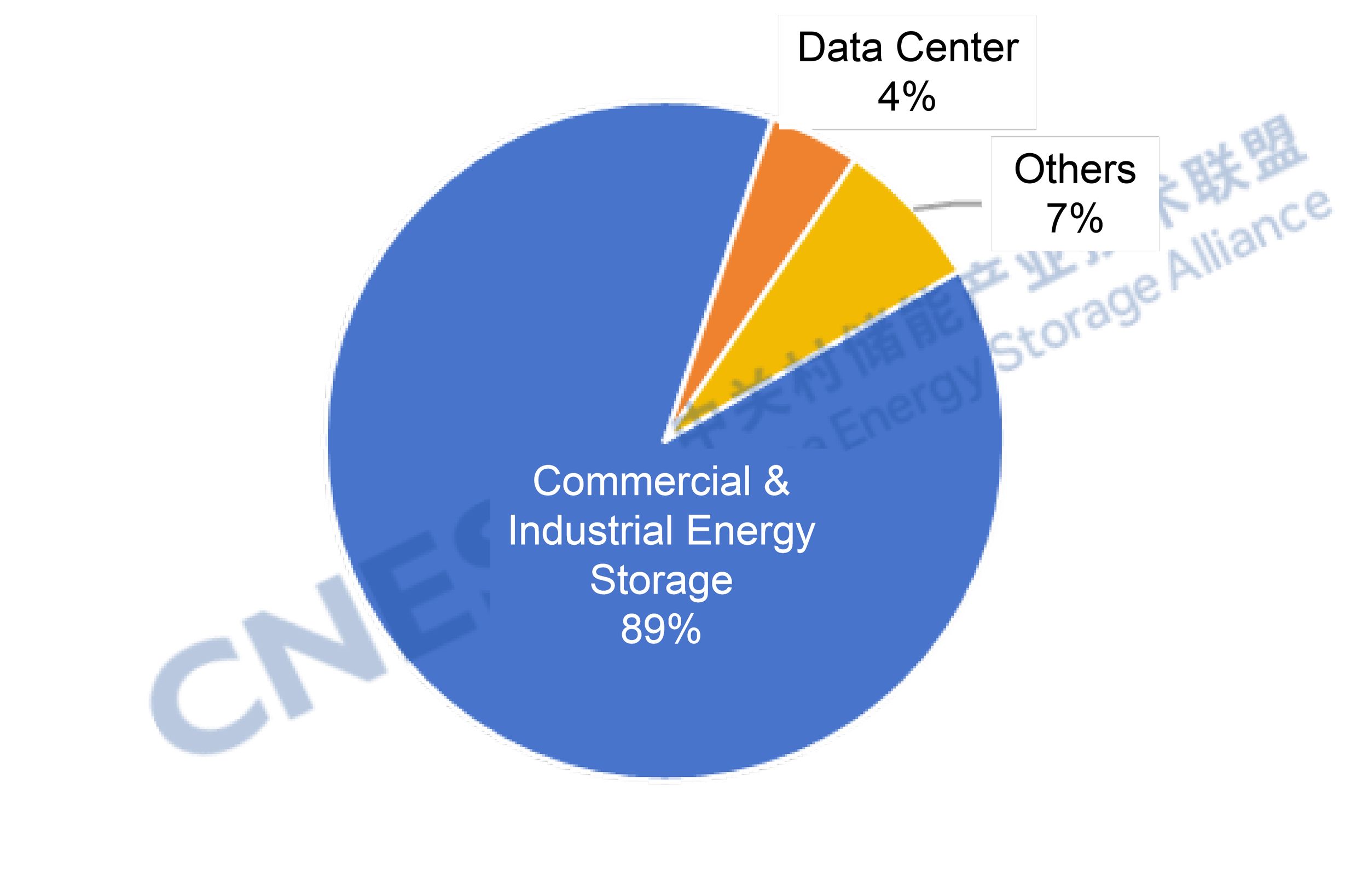
Figure 1: Application Distribution of Newly Commissioned User-Side New Energy Storage Projects in November 2025 (MW%)
Data Source: CNESA DataLink Global Energy Storage Database
https://www.esresearch.com.cn/
Note: “C&I” includes industrial facilities, industrial parks, and commercial buildings. “Others” include mining areas, oilfields, remote regions, and municipal institutions, etc.
(2) Regional Distribution of User-Side Energy Storage
By region, newly commissioned projects were mainly distributed across 11 provinces, including Fujian, Guangdong, Hebei, Anhui, and Zhejiang. East China led the market in November, accounting for 52% of newly installed capacity and 39% of total projects, ranking first nationwide in both installed scale and number of commissioned projects.
At the provincial level, Fujian recorded the largest share of newly installed power capacity, exceeding 25%, while Hebei led in newly installed energy capacity, accounting for 40%. Guangdong had the highest number of newly commissioned projects, representing over 18%, ranking first nationwide.
Fujian hosts a high concentration of energy-intensive industries such as steel and chemicals, where demand for peak shaving, valley filling, and backup power is strong. In addition, diversified application scenarios - including integrated PV-storage-charging systems and virtual power plant aggregation - are being increasingly developed, leaving substantial growth potential for the user-side energy storage market.
From an industrial and supply chain perspective, Fujian is home to the country's largest lithium battery R&D and manufacturing base, with lithium battery production capacity ranking among the national leaders. Driven by leading energy storage companies, a complete local supply chain has been established for core components such as cells, PCS, BMS, and EMS, effectively reducing overall system costs. Moreover, Fujian supports energy storage project financing through green credit and industrial funds, covering multiple project types including pumped hydro storage and new energy storage.
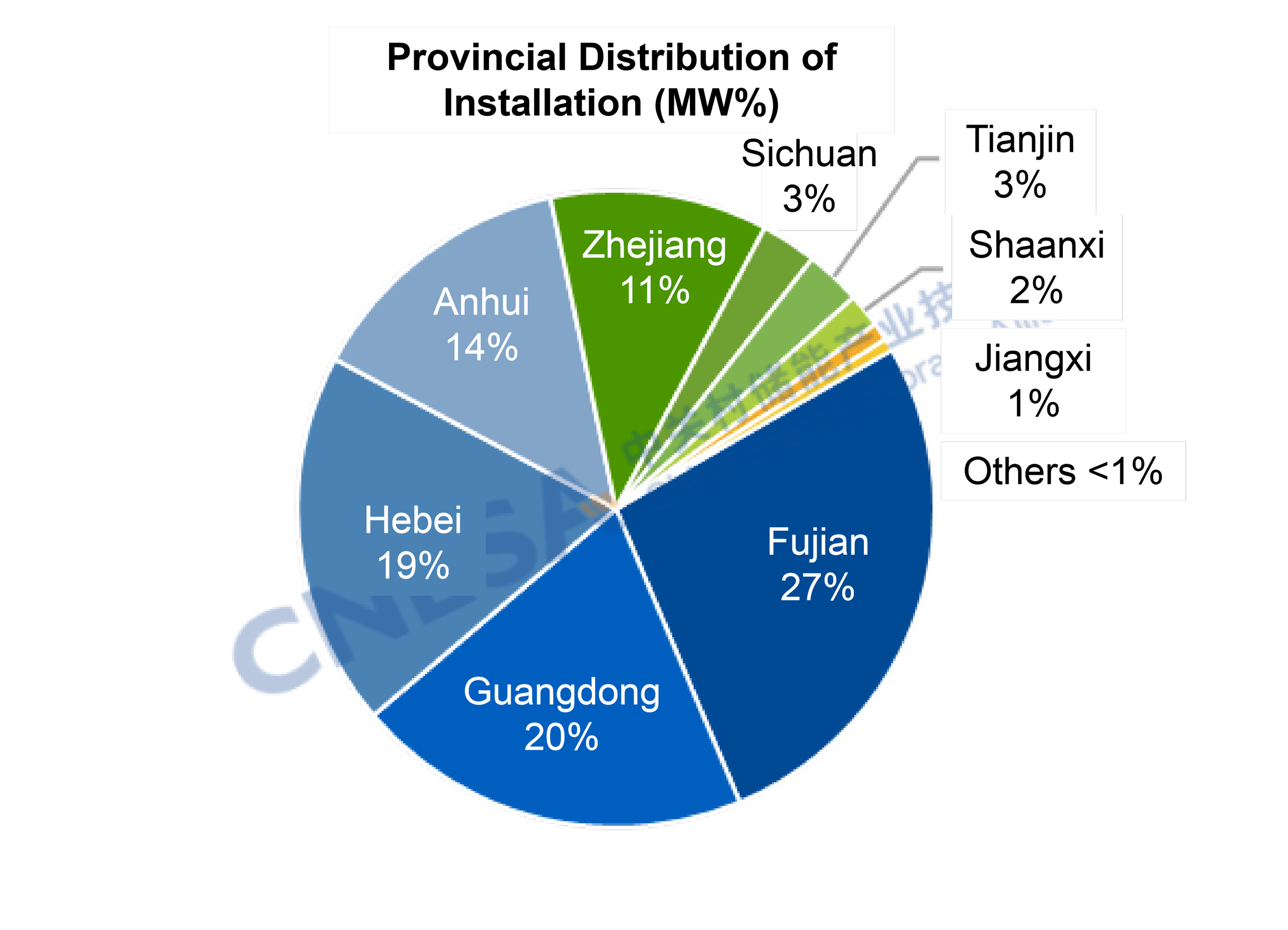
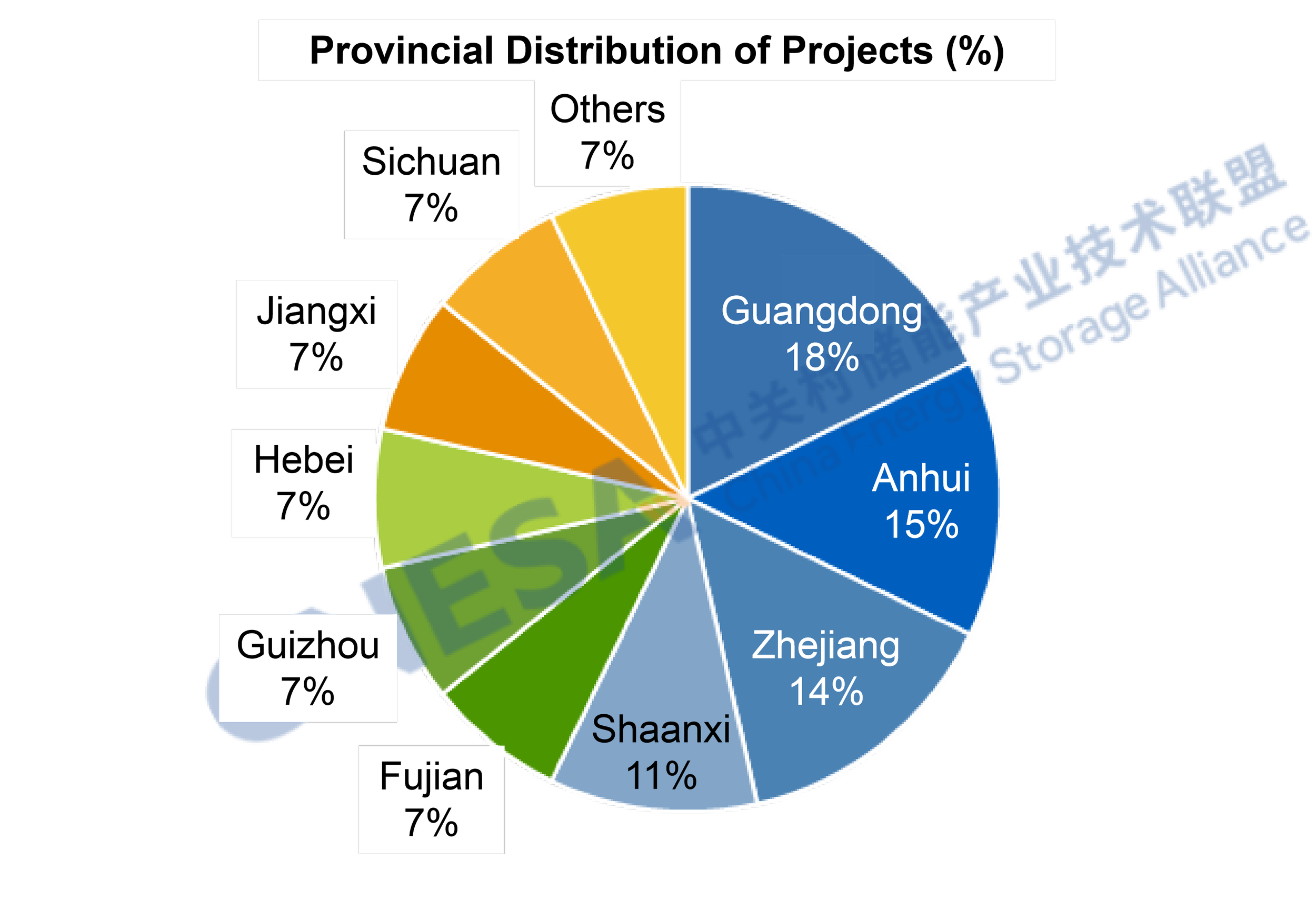
Figure 2: Provincial Distribution of Newly Operating User-Side New Energy Storage Projects in China, November 2025
Data Source: CNESA DataLink Global Energy Storage Database
https://www.esresearch.com.cn/
(3) Filed User-Side Energy Storage Projects
Based on project filings, national user-side market demand in November exceeded the level of the same period last year, with differentiated regional adjustments. Nationwide, both the total scale and number of newly filed user-side projects in November were higher year-on-year, up 8% and 5%, respectively. However, filing activity in traditional markets - Zhejiang, Guangdong, and Jiangsu - declined compared with last year.
Across these three provinces, a total of 497 new projects were filed, down 47% year-on-year, while energy capacity declined 7% year-on-year.
Guangdong recorded the highest number of newly filed projects, but project count fell 25% year-on-year, and scale declined 73%.
Zhejiang saw the largest drop in project count, down 65% year-on-year, with scale decreasing 34%.
Jiangsu recorded a 48% year-on-year decline in project count, but project scale increased 6%.
In November, Jiangsu ranked first nationwide in newly filed project scale. The average project size was approximately twice that of the same period last year, indicating a shift in user-side energy storage development from small-scale, distributed projects toward large-scale, centralized investments in high-quality application scenarios.
Meanwhile, Anhui, Henan, and Sichuan collectively added 440 newly filed projects, up 89% year-on-year and 47% month-on-month, accounting for about 38% of the national total, 5 percentage points higher than in October. Emerging user-side markets represented by Anhui, Henan, and Sichuan are rapidly releasing growth potential and are expected to become new engines driving nationwide user-side energy storage market growth.
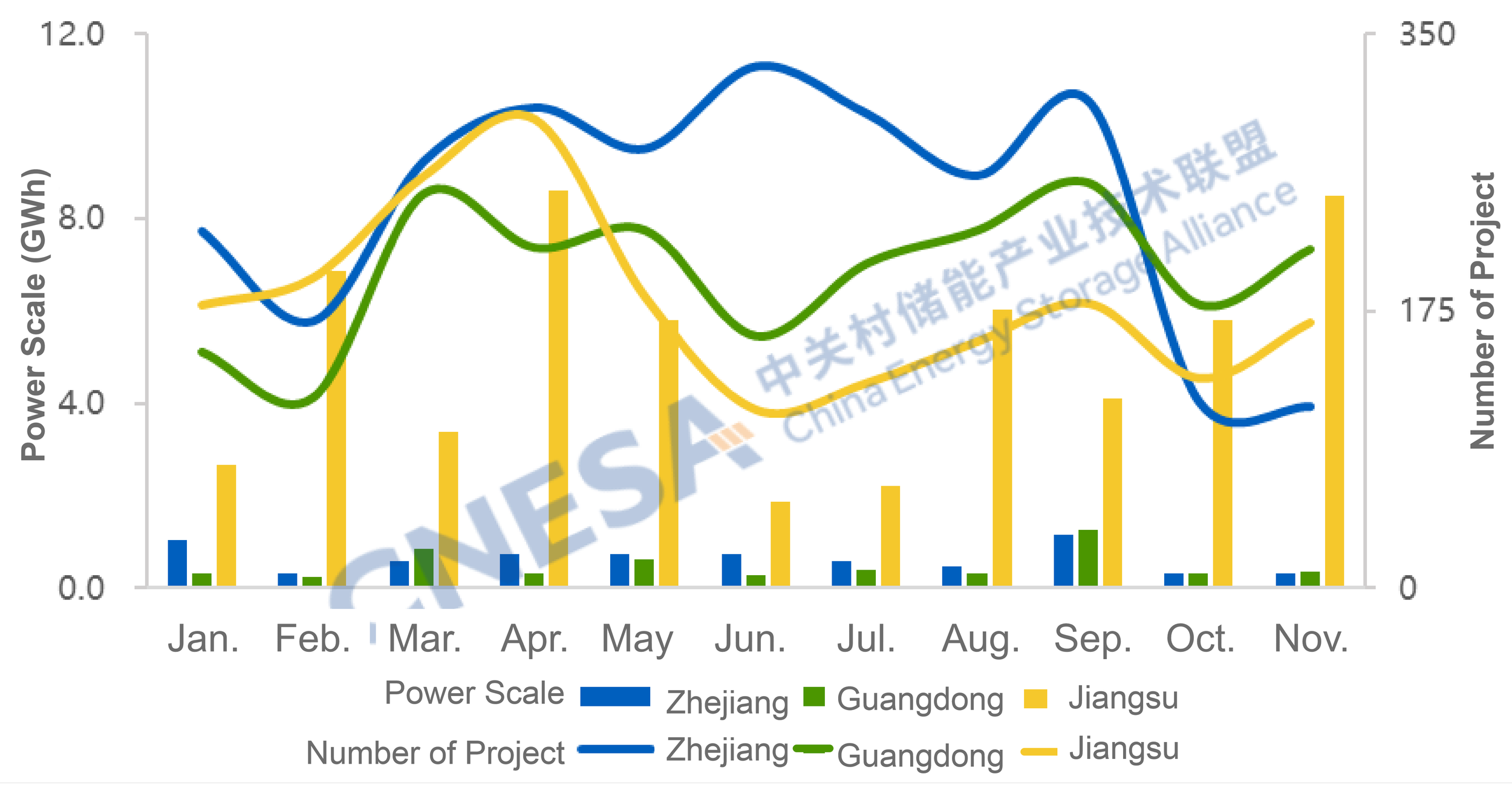
Figure 3: Monthly Distribution of Newly Filed Energy Storage Project Scale in Zhejiang, Guangdong, and Jiangsu (January - November 2025)
Data Source: CNESA DataLink Global Energy Storage Database
https://www.esresearch.com.cn/
Overall Analysis of New Energy Storage Projects in November
According to incomplete statistics from CNESA, in November 2025, newly commissioned new energy storage projects in China totaled 3.51 GW / 11.18 GWh, representing -22% / -7% year-on-year, and +81% / +180% month-on-month. While monthly additions continued to decline year-on-year, cumulative newly installed capacity in the first eleven months reached 39.5 GW, up 28% year-on-year. Considering the potential for concentrated grid connections ahead of the “12.30” commissioning deadline, total new installations for the year are expected to exceed last year's level.
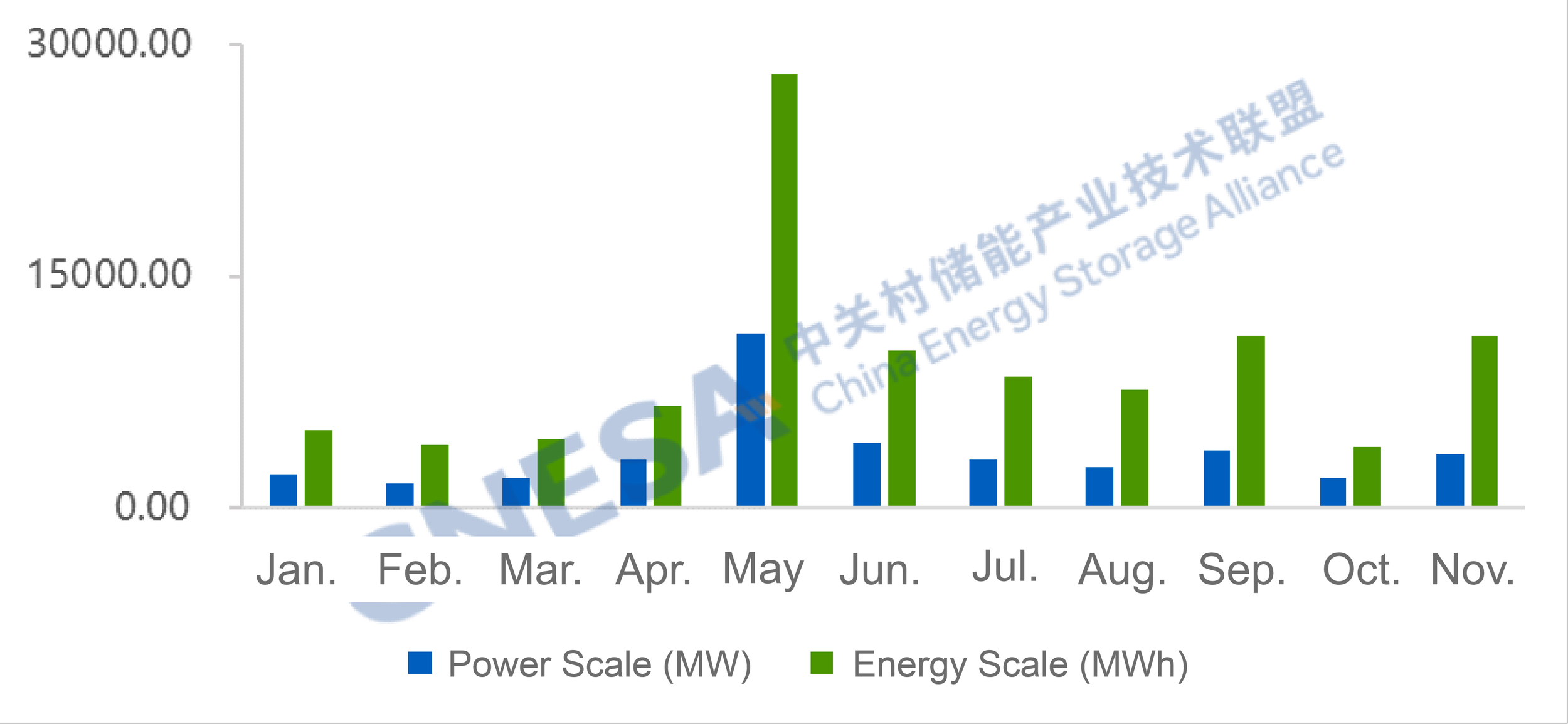
Figure 4: Installed Capacity of Newly Operating New Energy Storage Projects in China, January - November 2025
Data Source: CNESA DataLink Global Energy Storage Database
https://www.esresearch.com.cn/
Note: Year-on-year comparisons are based on the same period of the previous year; month-on-month comparisons are based on the immediately preceding statistical period.
The China Energy Storage Alliance (CNESA) has consistently adhered to standardized, timely, and comprehensive information collection practices to continuously track developments in energy storage projects. Leveraging its long-term data accumulation and in-depth professional analysis, CNESA regularly publishes objective market analyses on installed energy storage capacity, providing valuable references for industry decision-making. Since June 2025, the monthly energy storage project analysis has been divided into two sections: “Grid&Source-Side Market” and “User-Side Market”. This issue focuses on interpreting the user-side market in November.
CENSA Upcoming Events:
Apr. 1-3, 2026 | The 14th Energy Storage International Conference & Expo
Register Now to attend, free before Dec 31, 2025.

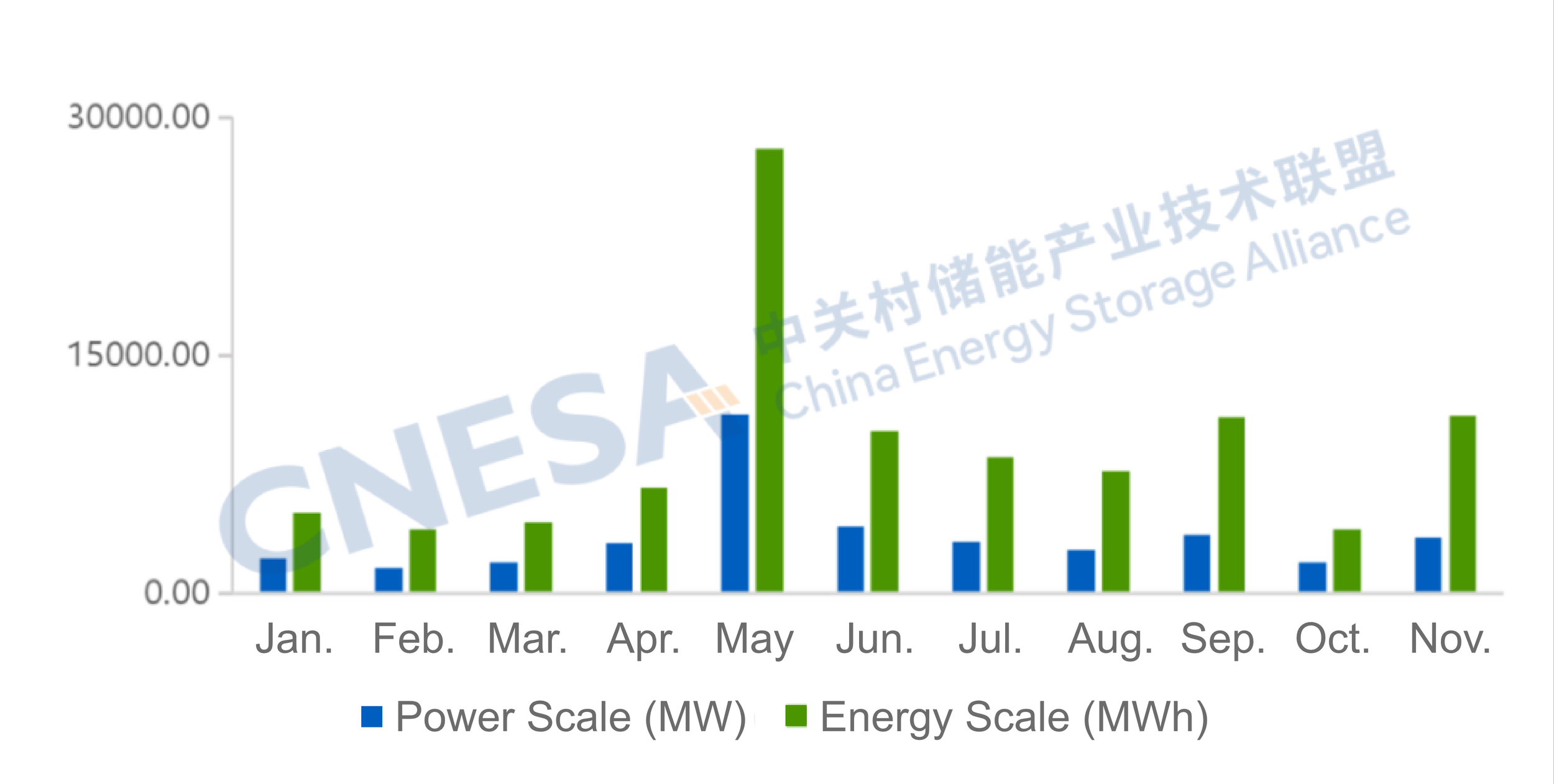
MoM Surge of 90%! Grid&Source-Side Energy Storage Rebounds Sharply in November, with Full-Year Scale Expected to Exceed Last Year
Source: CNESA
After a phase adjustment in China's new-type energy storage market in October 2025, the commissioning scale of new-type energy storage in November declined slightly year on year but rebounded markedly month on month. Meanwhile, the market's deeper structure adjusted compared with October:
Market recovery with a positive long-term outlook: Although installed capacity in November declined year on year, the month-on-month increase was significant. Newly added installations in the first 11 months reached nearly 40 GW, up more than 25% year on year, and full-year additions are expected to exceed last year.
Accelerated deployment of independent storage: In November, independent energy storage accounted for over 70%, with month-on-month growth rates exceeding 80% in power capacity and 200% in energy capacity. Inner Mongolia recorded more than 1.1 GW of newly commissioned independent storage, ranking first nationwide in both power and energy capacity.
Rise of local energy groups: Newly added installations by local energy groups reached a 45% share, surpassing for the first time the “Five Major and Six Minor” power generation groups and the “third-party enterprises”, highlighting a further diversification of market investors.
Faster rollout of diversified technologies: Beyond mainstream lithium batteries, technologies such as compressed air, flow batteries, and flywheels are being deployed at an accelerated pace, supporting the industry's long-term development.
Overall Analysis of New-Type Energy Storage Projects in November
According to incomplete statistics from CNESA, in November 2025 China commissioned a total of 3.51 GW / 11.18 GWh of new-type energy storage projects, representing -22% / -7% year on year and +81% / +180% month on month. While monthly additions continued to decline year on year in November, cumulative additions in the first 11 months reached 39.5 GW, up 28% year on year. Considering potential concentrated grid connections ahead of the “12.30” commissioning deadline, total additions for the year are expected to exceed last year.
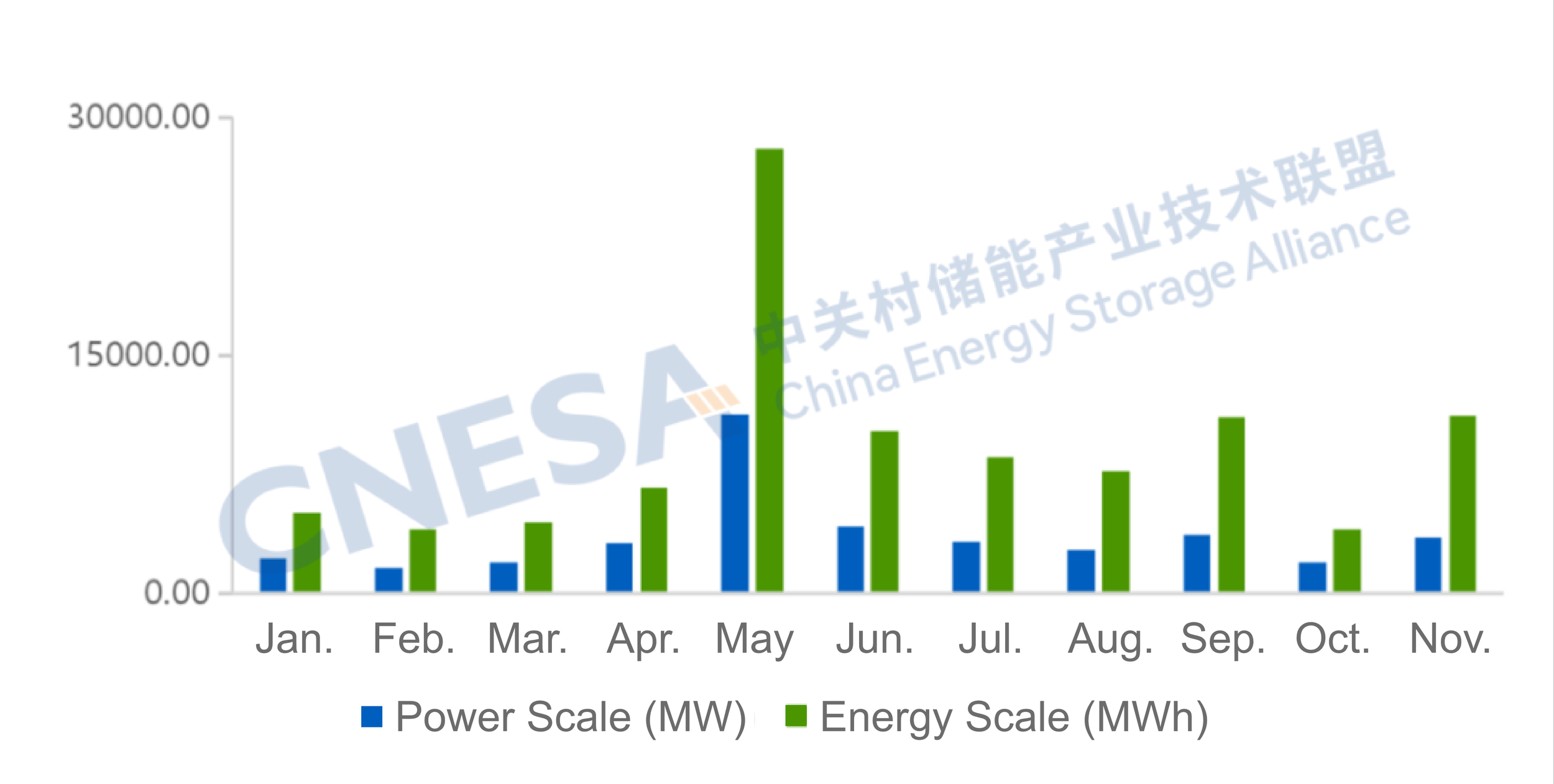
Figure 1. Installed Capacity of Newly Commissioned New-Type Energy Storage Projects in China, Jan-Nov 2025
Data source: CNESA DataLink Global Energy Storage Database
https://www.esresearch.com.cn/
Note: Year-on-year (YoY) compares the same period last year; month-on-month (MoM) compares the previous statistical period.
Analysis of Grid&Source-Side New-Type Energy Storage Projects in November
In November, newly added grid&source-side installations totaled 3.32 GW / 10.62 GWh, -15% / -1% year on year and +90% / +202% month on month.
Key characteristics include:
Newly added Independent storage accounted for 72%, down 6 percentage points from October.
Independent storage additions reached 2.41 GW / 8.19 GWh, -9% / +11% year on year and +82% / +217% month on month, with projects of 100 MW or above accounting for 79% by number.
Power-generation-side additions were 853.3 MW / 2,322.1 MWh, -33% / -31% year on year and +99% / +148% month on month. Renewable-plus-storage projects accounted for 98% of power capacity, covering multiple application scenarios such as UHV DC projects, agrivoltaics, and pastoral-solar hybrid systems.
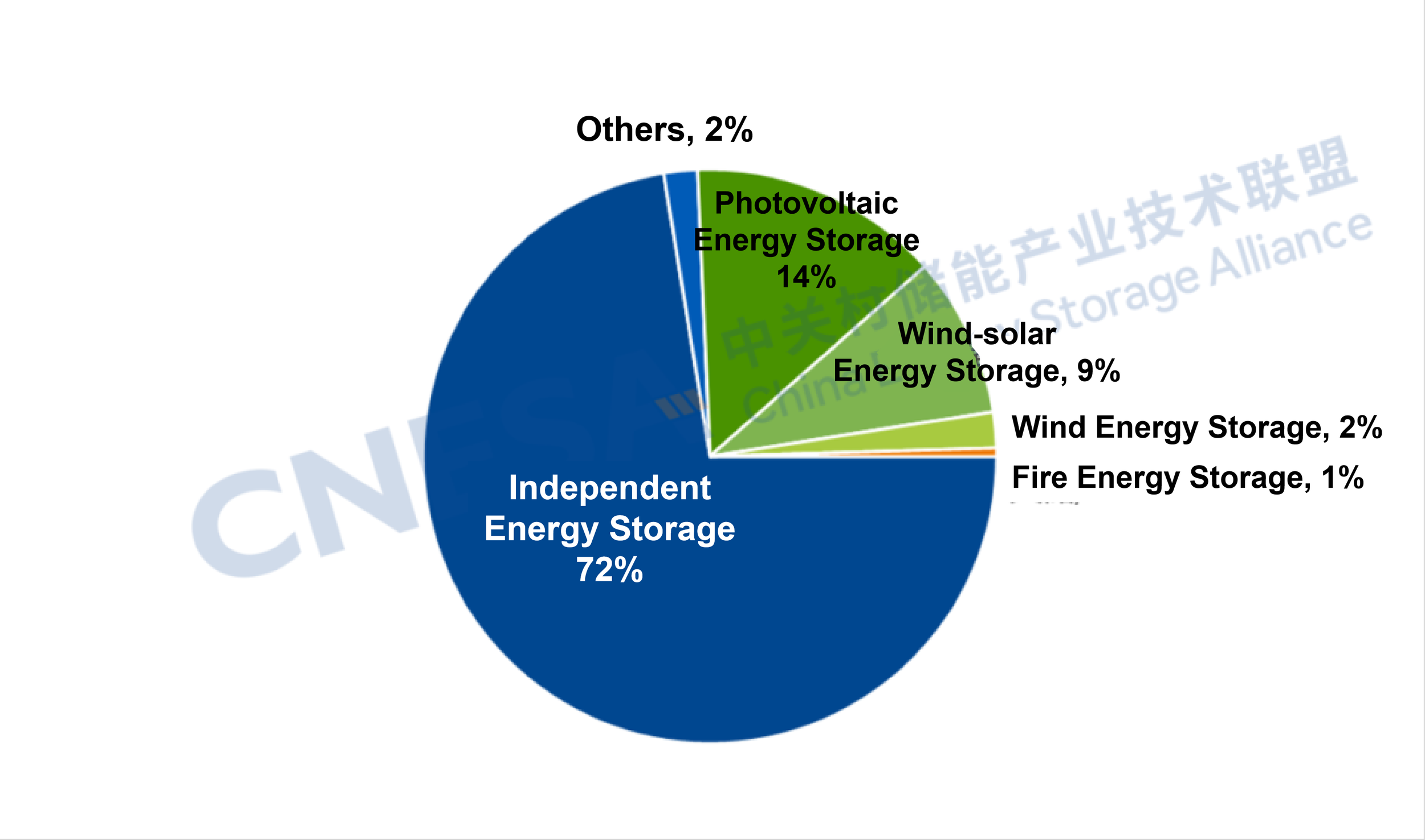
Figure 2. Application Breakdown of Newly Commissioned Grid&Source-Side Energy Storage Projects in Nov. 2025 (MW%)
Data source: CNESA DataLink Global Energy Storage Database
https://www.esresearch.com.cn/
Note: “Others” include substations, emergency power supply, etc.
Northwest Leads with Over 40% Share; Inner Mongolia Ranks First
In November, the Northwest region accounted for 43% of newly added capacity, ranking first nationwide. Combined additions in the Northwest and Southwest exceeded half of the national total.
By province, the Inner Mongolia Autonomous Region saw multiple Independent grid-side demonstration projects commissioned - such as those included in the 2025 New-Type Energy Storage Special Action Implementation Project List and the first batch of Independent storage construction projects - totaling over 1.1 GW with an average storage duration of 4 hours, ranking first nationwide in both power and energy capacity. Xinjiang, Gansu, and Ningxia followed closely.
As a key national energy and strategic resource base in China, Inner Mongolia had surpassed 150 GW of installed renewable capacity by the end of October 2025, ranking first nationwide. Wind and solar accounted for over 80% of new installed capacity, further solidifying their dominant role (data source: Inner Mongolia Autonomous Region Energy Bureau). From the perspective of consumption, approximately 80% of renewable generation is consumed locally, with around 20% exported. The combined pressure of local consumption and grid stabilization continues to drive demand for new-type energy storage.
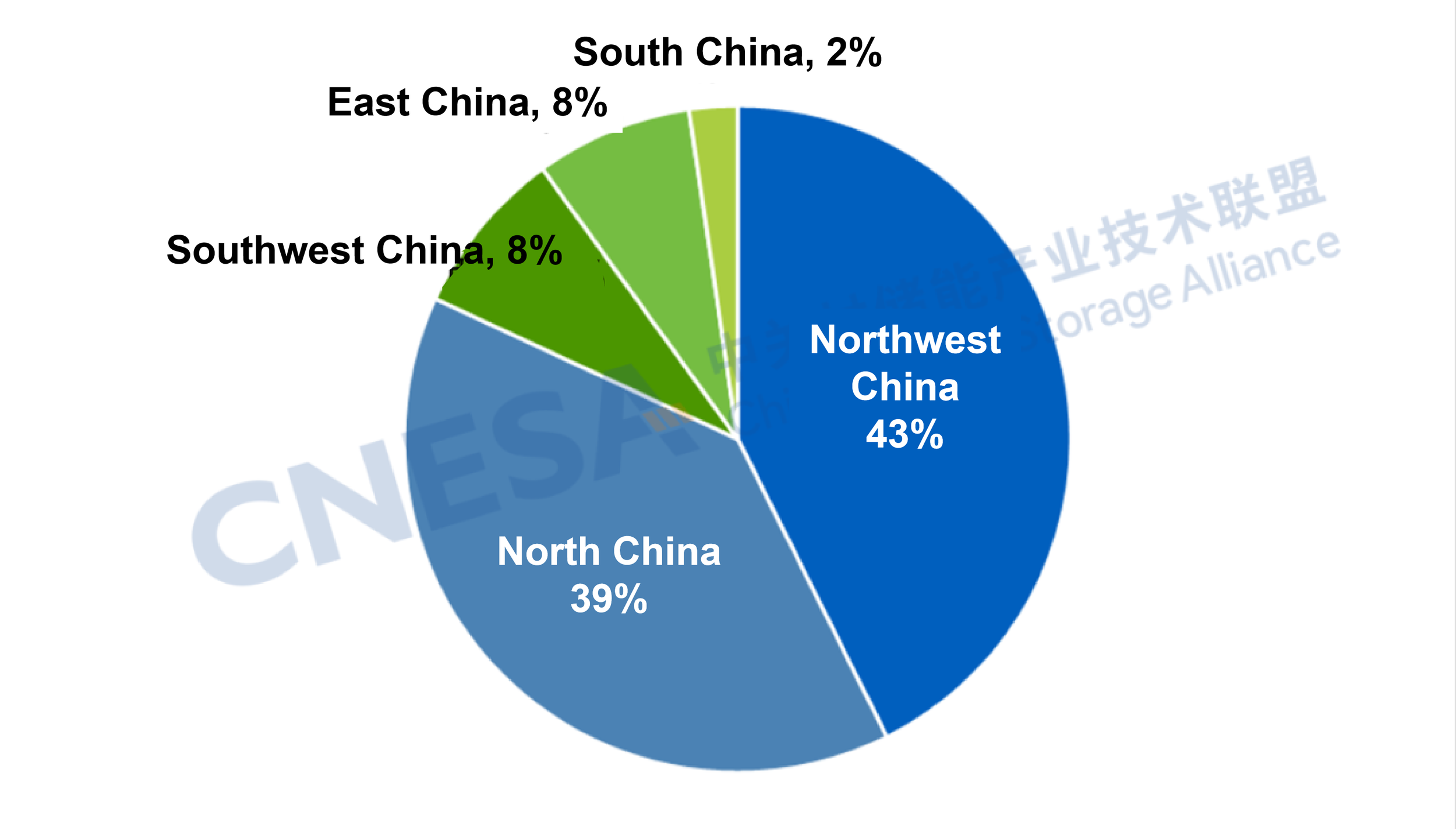
Figure 3. Regional Distribution of Newly Commissioned Grid&Source-Side Energy Storage Projects in China, November 2025 (MW%)
Source: CNESA Datalink Global Energy Storage Database
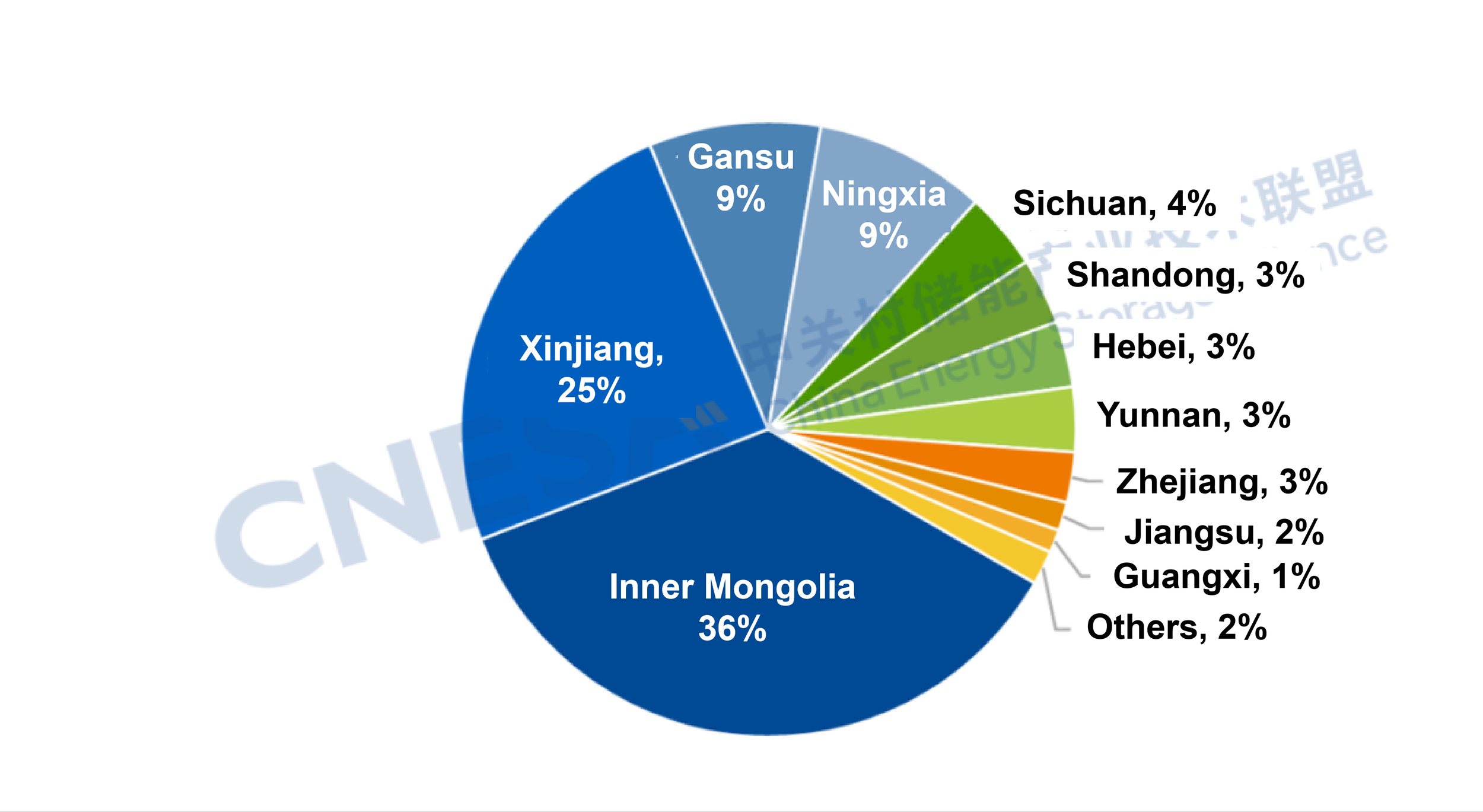
Figure 4. Provincial Distribution of Newly Commissioned Grid&Source-Side Energy Storage Projects in China, November 2025 (MW%)
Source: CNESA Datalink Global Energy Storage Database
https://www.esresearch.com.cn/
Faster Deployment by Local Energy Groups Highlights Investor Diversification
Driven by rising market demand, supportive national policies, diversified technology pathways, and declining costs, the market potential of energy storage is being fully released, with increasing investor diversification.
In November, projects invested in and built by local energy groups such as Xinjiang Energy Group, Xinjiang Zhongyuan Power Group, and Shenergy Group were commissioned in succession. Local energy groups accounted for 45% of newly added power capacity - the highest among all enterprise types - contrasting sharply with September and October, when third-party enterprises and the “Five Major and Six Minor” power generation groups dominated.
Leveraging advantages in policy coordination and approvals, resource integration and location, business linkage and industrial chain synergy, capital strength and decision-making efficiency, and operations, local energy groups have become a key pillar of the new-type energy storage market. Meanwhile, third-party enterprises - such as joint entities involving Conch New Energy and CATL, and Inner Mongolia Zhongdian Energy Storage - maintained a high level of participation, accounting for over 30% of monthly additions. The “Five Major and Six Minor” power generation groups (including China Huaneng, SPIC, and China Huadian) accounted for 22%, down 9 percentage points from October, continuing the decline seen since August.
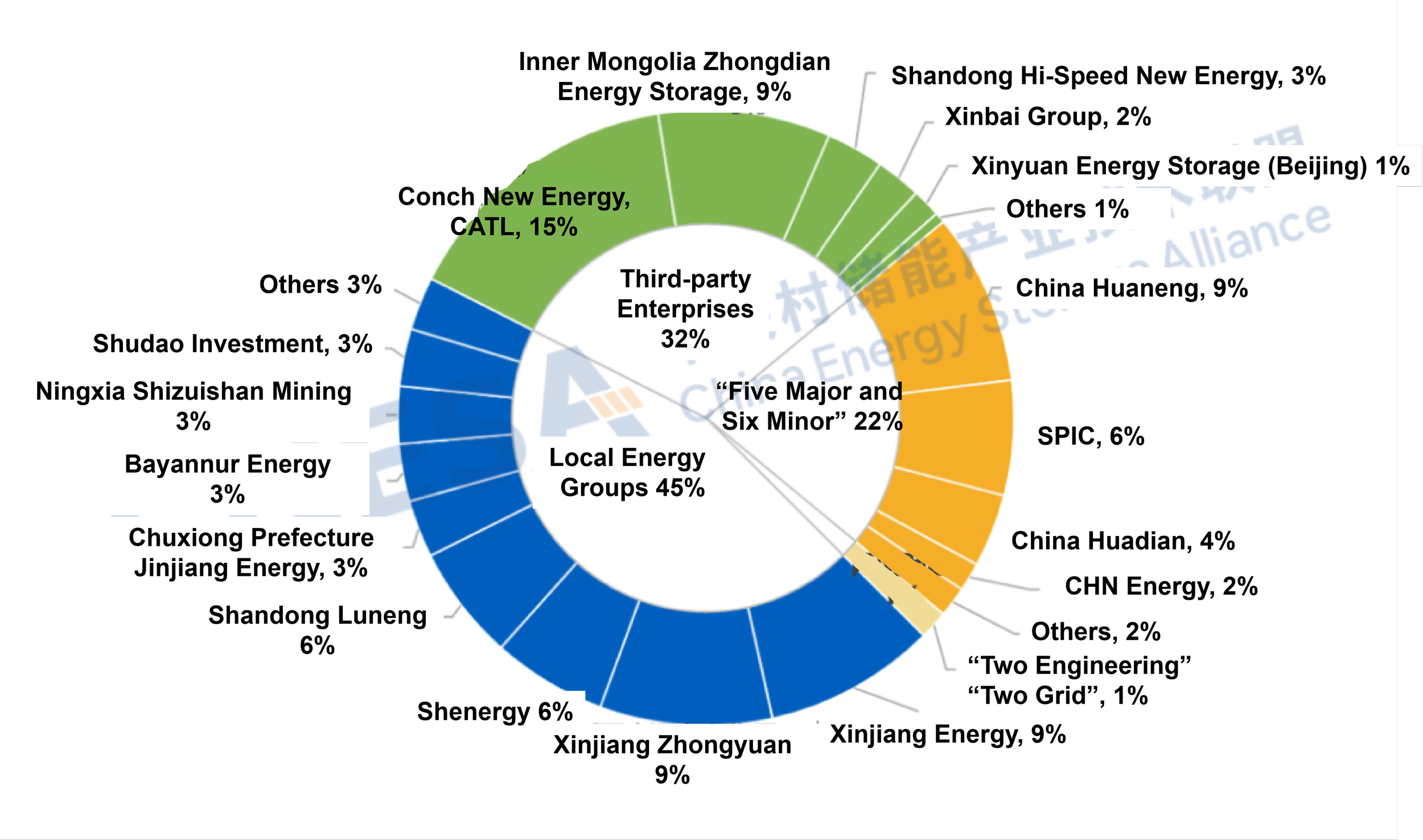
Figure 5. Owner Distribution of Newly Commissioned Grid&Source-Side Energy Storage Projects in China, November 2025 (MW%)
Data source: CNESA DataLink Global Energy Storage Database
https://www.esresearch.com.cn/
Note: “Third-party enterprises” refer to entities other than large state-owned generation groups, the two grid companies, two construction groups and local energy companies.
Accelerated Deployment of Non-Lithium Technologies
Technologically, newly commissioned grid&source-side projects were dominated by lithium iron phosphate (LFP) batteries, accounting for 91% of power capacity, followed by lead-carbon batteries (6%) and flow batteries (3%).
From a project development perspective, non-lithium technologies such as compressed air energy storage and hybrid systems are accelerating, highlighting a trend toward diversified technology pathways.
In compressed air storage, multiple 300 MW-class projects have completed filings and entered the planning stage; the Golmud 60 MW liquid air energy storage demonstration project and the Yumen 300 MW compressed air energy storage demonstration project have entered commissioning.
For hybrid storage, multiple 100 MW-class demonstration projects have launched or completed tenders, with some under construction or advancing, involving combinations such as lithium + sodium-ion batteries, lithium + flow batteries, lithium + flywheels, and lithium + nickel-metal hydride batteries.
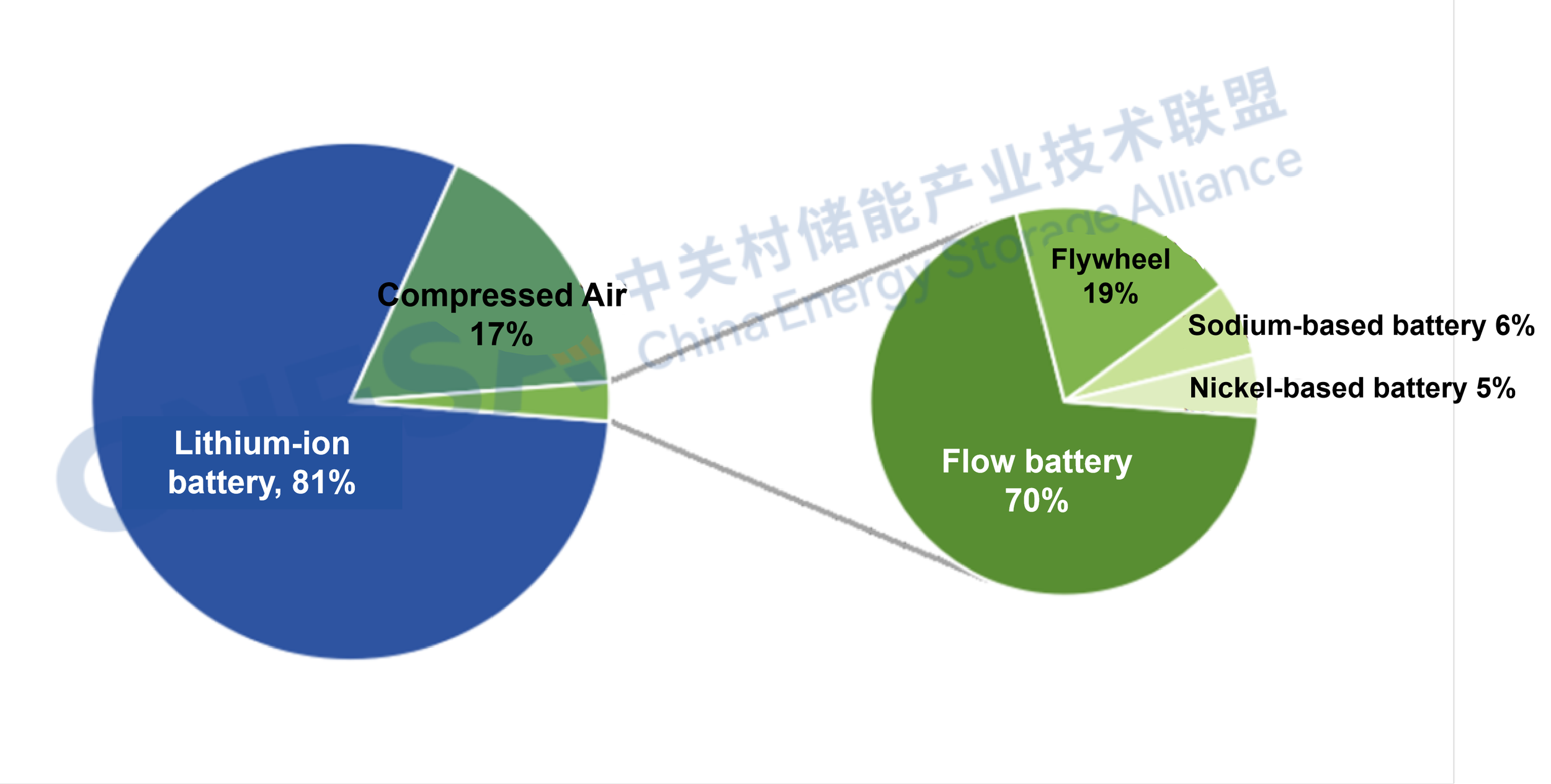
Figure 6. Technology Distribution of Newly Planned and Under-Construction Grid&Source-Side Energy Storage Projects in China, November 2025 (MW%)
Source: CNESA Datalink Global Energy Storage Database
https://www.esresearch.com.cn/
The China Energy Storage Alliance (CNESA) has consistently adhered to standardized, timely, and comprehensive information collection practices to continuously track developments in energy storage projects. Leveraging its long-term data accumulation and in-depth professional analysis, CNESA regularly publishes objective market analyses on installed energy storage capacity, providing valuable references for industry decision-making. Since June 2025, the monthly energy storage project analysis has been divided into two sections: “Grid&Source-Side Market” and “User-Side Market”. This issue focuses on interpreting the grid&source-side market in November.
CENSA Upcoming Events:
Apr. 1-3, 2026 | The 14th Energy Storage International Conference & Expo
Register Now to attend, free before Dec 31, 2025.

Energy Storage Leaders Converge in Xiamen: Executives from Ten Industry Giants Share Insights at the 2025 China Energy Storage CEO Summit
Source: CNESA
On December 4, 2025, the “2025 China Energy Storage CEO Summit & the 10th International Energy Storage Innovation Competition - Preliminary Round,” hosted by the China Energy Storage Alliance (CNESA) and co-hosted by Xiamen University, Kehua Digital Energy, and Cornex New Energy, was successfully held in Xiamen.
The summit brought together top leaders from the most influential companies in the energy storage sector - Kehua Data, Envision Energy, Cornex New Energy, Shuangdeng Group, XYZ Storage, Trina Storage, HyperStrong, Potisegde, and Phoenix Contact. Chairmen, presidents, and key executives gathered to explore breakthroughs in energy storage technology, global strategies, and the construction of a robust industrial ecosystem. Their insights not only represent the direction of their companies but also reflect the core trajectory and future momentum of China's energy storage industry.
Chen Chenghui
Chairman, Kehua Data
“Charting the course forward means not only seizing opportunities but anchoring growth in technological innovation and safeguarding it through coordinated standards. Going fast alone is not enough - only through openness, cooperation, and ecosystem-wide collaboration can we enhance the quality and sustainability of global energy transition.”
Tian Qingjun
Senior Vice President, Envision; President, Envision Energy
“Chinese energy storage enterprises are born global. Going overseas has shifted from being an option to a matter of survival. In the face of inevitable globalization and its risks, the industry must evolve from simply going out to truly integrating in. Deep local operations and international talent development are key to long-term presence. At the same time, companies should foster competitive collaboration across the value chain, avoid vicious price wars, and win global respect through long-term value and quality.”
Huang Feng
President, Cornex New Energy
“We respect technology, respect safety, and respect quality - technology is the key to improve performance and cost challenges, and quality is the foundation of market confidence. In a race defined by both speed and endurance, only continuous innovation and customer alignment can lead to shared value.”
Cui Jian
President, Kehua Digital Energy
“Grid-forming technology has become a fundamental necessity for energy storage. In the future, PCS will no longer distinguish between ‘grid-following’ and ‘grid-forming’; the technologies will converge. Through deep technical refinement and intelligent upgrades, we will support the stable operation of new power systems and enable diverse value creation.”
Yang Rui
Chairman, Shuangdeng Group
“Energy storage companies must be ‘born global’ and capable of ‘deep globalization’. In certain high-certainty tracks such as AIDC, the real challenge lies in whether an organization can truly capture and sustain explosive market opportunities. By prioritizing talent and building a ‘carrier-class architecture’, we aim to lead with products and efficiency, establishing a resilient moat for long-term survival in fast-paced cycles.”
Lian Zhanwei
Chairman, XYZ Storage
“Safety is the lifeline of the energy storage industry. Innovative technologies such as immersion liquid cooling represent proactive breakthroughs for high-safety application scenarios. We look forward to working with the industry to advance energy storage toward higher safety, efficiency, and reliability.”
Yang Bao
President, Trina Storage
“Global experience in solar has paved the way for storage going overseas. With global networks and localized teams, we are accelerating the deep integration of solar and storage, enabling technology and markets to evolve together, and delivering value across regions and cultures in the global energy transition.”
Yang Guang
Chief Technology Officer, HyperStrong
“Strong partnerships and complementary strengths are vital to ensuring stable industrial delivery. Facing diverse global application scenarios, we are advancing platform-based products and AI-driven strategies to deeply integrate ‘Energy Storage + X’ and provide customized solutions for different markets.”
Richard Wan
Vice President of Technology, Potisegde
“Full-stack independent development is the foundation of quality, and global-localized delivery is the guarantee of stability. We adopt EV-grade standards for energy storage and build a closed-loop technology chain with intelligent manufacturing, reinforcing safety and efficiency amid intensifying competition.”
Zhu Wei
Senior Vice President, Phoenix Contact China
“Rooted in China, serving the world. We combine a century of electrical engineering experience with local R&D and manufacturing, providing secure and efficient system-level support for complex, multi-scenario energy storage applications through advanced connectivity and industrial automation technologies.”
As a key prelude to the 14th Energy Storage International Conference and Expo (ESIE 2026), the 2025 China Energy Storage CEO Summit served not only as a platform for high-level intellectual exchange but also as a catalyst for deeper industry collaboration. Leading companies including Kehua Digital Energy, Envision Energy, Cornex New Energy, Shuangdeng Group, XYZ Storage, Trina Storage, HyperStrong, Potisegde, and Phoenix Contact have confirmed participation in ESIE 2026 and will showcase their latest technologies and solutions at this global energy storage event.
We sincerely invite industry colleagues to join us next year as we work together to advance the energy storage industry toward higher quality and greater sustainability.
CENSA Upcoming Events:
Apr. 1-3, 2026 | The 14th Energy Storage International Conference & Expo
Register Now to attend, free before Dec 31, 2025.

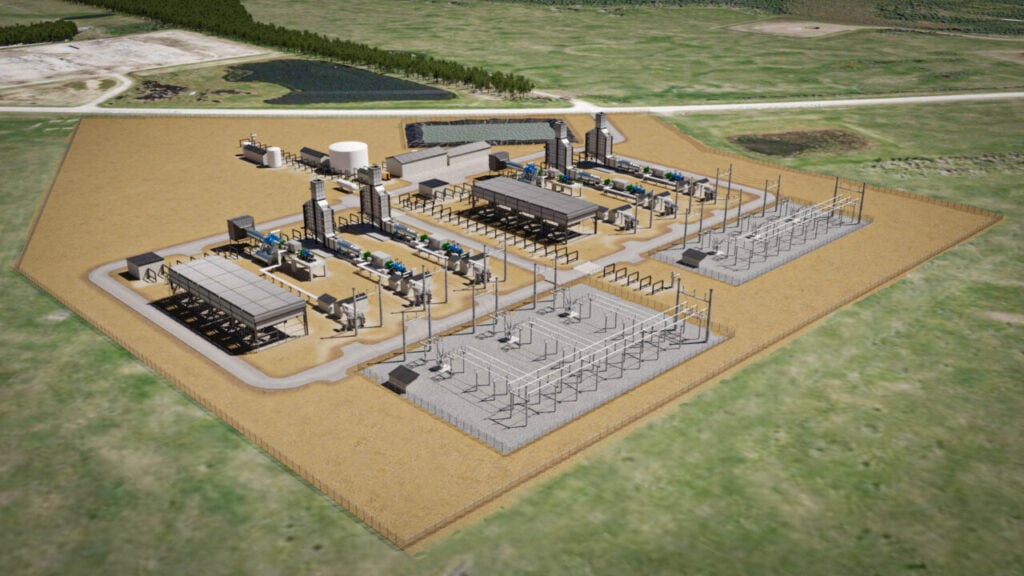
Cache Power Plans ‘Canada’s First’ Commercial-Scale Compressed Air Energy Storage Facility
Source: Energy Storage News
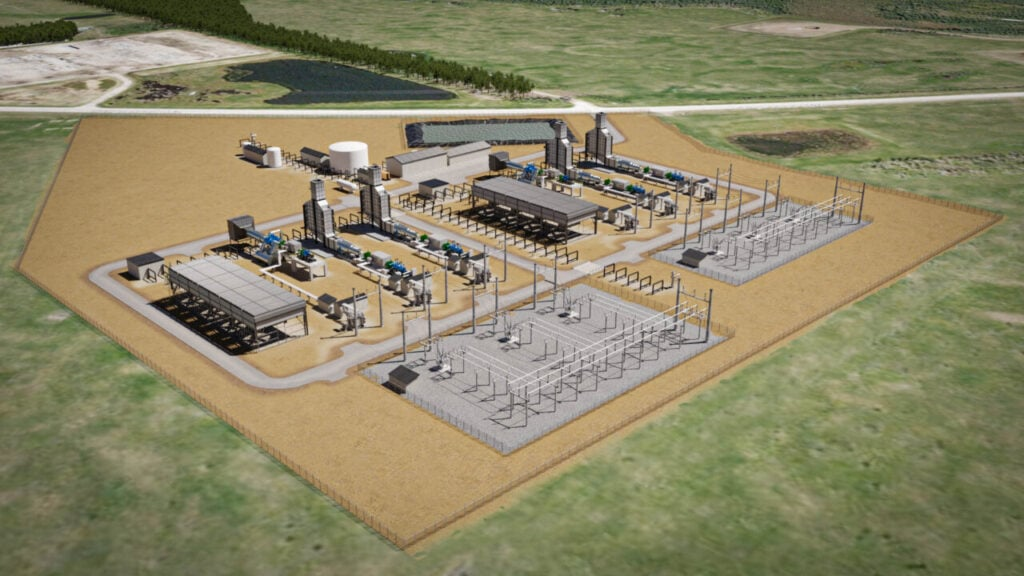
The facility will be constructed in two phases and located next to the Marguerite Lake substation to enhance efficiency and facilitate grid integration. Image: EllisDon
Compressed air energy storage (CAES) developer Cache Power is partnering with construction company EllisDon to deliver a CAES facility in Northeast Alberta, Canada.
The facility will be constructed in two phases and located next to the Marguerite Lake substation to enhance efficiency and facilitate grid integration.
Cache Power does not have any information on its website, but appears to be a special purpose vehicle (SPV) for Federation Engineering.
On Federation’s website, the company clarifies that the Marguerite Lake facility will have a 250MW load capacity and 640MW generation capacity. Energy storage capacity or planned duration were not referred to in publicly available materials.
The companies assert that the technology will be essential in stabilising Alberta’s grid and supporting both provincial and national efforts toward a net-zero electricity future. The project has secured all key regulatory approvals, with early construction scheduled to start soon.
CAES technology operates by pressurising and directing air into a storage medium to load the system. When discharging, the stored air is released through a heating system to expand, driving a turbine generator.
Notably, the companies claim the project will be the first commercial scale CAES facility in Canada.
Ontario-headquartered Hydrostor is known for its advanced compressed air energy storage (A-CAES) projects.
A-CAES operates similarly to traditional CAES but captures heat from the compressor and passes it through heat exchangers to store in pressurised water. This water is kept in a reservoir and then released into a cavern to displace air during discharging, a process known as hydrostatic compensation.
In conventional CAES, less than 50% of the energy can typically be recovered. The thermal energy produced during compression is often wasted, and the power output varies depending on the residual underground air pressure.
Hydrostor has two small operational projects in Canada, one a pilot and the other a commercial demonstrator, with the larger one being a 2.2MW/10MWh commercial system in Goderich, Ontario.
Hydrostor noted the Goderich Energy Storage Centre as the world’s first commercially contracted A-CAES facility. In addition to its role as technology provider, the A-CAES company is also developing large-scale projects around the world, including its 1.6GWh Silver City project in New South Wales, Australia, and 4GWh Willow Rock project in California, US. The company has secured some funding and offtake agreements for both, including a recent renegotiation of contracts for Willow Rock (ESN Premium article).
It has also proposed a 500MW/8,000MWh project in Ontario (ESN Premium), adjacent to Ontario Power Generation’s Lennox Generating Station in Greater Napanee.
Speaking with Energy-Storage.news, a representative from Federation clarified that the distinction between the CAES system titles for itself and Hydrostor came down to scale and usage.
Cache Power’s facility can store up to 48 hours of energy by compressing air with excess grid electricity and sequestering it in underground salt caverns formed through solution mining.
It can also blend up to 75% hydrogen with natural gas, with a future plan for complete hydrogen utilisation, aligning with Canada’s net-zero ambitions.
Power plant equipment supplier Babcock & Wilcox are collaborating on engineering the possible hydrogen facility expansion, employing the company’s BrightLoop technology.
Babcock & Wilcox claim that BrightLoop can produce hydrogen while isolating carbon dioxide for capture and storage.
Additionally, Cache Power states it will deliver economic and social advantages to the local community and Indigenous Partners. Cold Lake First Nations has actively engaged in the project’s development and is anticipated to collaborate as a partner with Cache Power in both the project and its operations.
Update: Jordan Costley, Director of Sustainability Projects at Federation Engineering, and President of Cache Power has clarified that the project will be 30.72GWh. Costley also added about CAES energy recovery:
“(The 50% recovery statistic) may have been true for the original D-CAES projects such as Huntorf (Germany 1978) and McIntosh (USA 1991) but our project is utilizing the latest D-CAES technology from Siemens Energy.“
“Today’s compression technology utilising multi-stage integrally geared and intercooled compressors is very efficient resulting in the heat of compression being low grade not valuable for thermal energy storage and reuse in the expansion process. The expander trains also include 90% effective dual-reheat recuperators again significantly increasing the overall efficiency. The technology we are utilizing is not “conventional CAES” as defined by Huntorf and McIntosh.
(By April Bonner)
CENSA Upcoming Events:
Apr. 1-3, 2026 | The 14th Energy Storage International Conference & Expo
Register Now to attend, free before Dec 31, 2025.

Puerto Rico Advances on Its Delayed Accelerated BESS Deployment Programme
Source: Energy Storage News
In Puerto Rico, the electric generation, transmission, and distribution facilities managed by PREPA are operated privately by Luma Energy. Both entities are overseen by the Puerto Rico Energy Bureau (PREB). Image: Trish Hartmann.
The Puerto Rico Energy Bureau (PREB) has issued a resolution and order requiring the Puerto Rico Electric Power Authority (PREPA) to complete the Accelerated Battery Energy Storage Addition Programme (ASAP).
The resolution and order require PREPA to finish the necessary review process with the Financial Oversight and Management Board (FOMB) concerning the four final agreements of the ASAP.
Implementation and delay of ASAP
In Puerto Rico, the electric generation, transmission, and distribution facilities managed by PREPA are operated privately by Luma Energy. Both entities are overseen by the Puerto Rico Energy Bureau (PREB).
ASAP aims to enhance grid reliability across the island by deploying utility-scale battery energy storage systems (BESS) alongside existing generation facilities.
Under the programme, independent power producers (IPPs) with existing power purchase and operating agreements (PPOAs) with PREPA will install BESS at their sites, “on an accelerated basis,” as stated in PREB documents available on the regulator’s website.
In 2024, PREB informed Luma Energy that its plan to contract with IPPs for BESS resources was consistent with public power policy.
In April 2024, Luma identified Phase 1 projects that could start immediately with minimal costs and no network upgrades, with some developers claiming they could be operational in less than 12 months and contracts expected to be executed by April 2025.
However, in August 2025, the projects remained stalled, with only one developer (Ecoeléctrica) responding to PREPA’s communications to say it was working to complete documentation by September, while three others (San Fermín, Horizon, and Oriana) did not respond at all.
PREB called the delays “extremely concerning” and required all four developers to provide detailed explanations for the lack of responsiveness, emphasising that these projects are crucial for addressing Puerto Rico’s electricity generation shortfall and warning that fines will be imposed if developers don’t comply with the information requests.
PREB issues resolution and order to PREPA
PREB concluded that Luma’s four final agreement terms for ASAP align with the island’s Energy Public Policy and the Integrated Resource Plan (IRP).
As a result, the Bureau approved the four drafts and directed Luma to finalise the contracts, submit them to PREPA’s Governing Board for approval, and demonstrate this process. Furthermore, PREPA was instructed to obtain approval from the FOMB.
On 20 November, Luma submitted final agreements to PREPA’s Board. The private operator asked for these documents to be confidential due to critical infrastructure, sensitive data, and personal information. PREB confirmed Luma’s compliance and granted confidentiality.
PREB clarified that the 1,500MW of battery storage listed in the IRP is a guideline, not a strict cap.
The resolution and order confirmed that this figure is not fixed and can be exceeded; battery projects in development will be assessed regardless of whether they propose more than 1,500MW of storage capacity. PREB also highlighted that any decision to increase or decrease this limit is solely at its discretion.
Because PREB has granted confidentiality to Luma, it is unclear for which participants the agreements have been submitted.
Developers Ecoeléctrica, San Fermín, Horizon, and Oriana have had ongoing communications with Luma. Though, as noted above, San Fermin, Horizon, and Oriana have previously failed to respond to PREPA’s communications.
Additionally, in August, Polaris Renewable Energy submitted a BESS standard offer (SO1) agreement on behalf of PREPA to PREB.
The SO1 agreement is included in the ASAP scheme. When submitted, Polaris appeared to distinguish itself from the other developers who had not delivered BESS projects on the island.
Included in the resolution and order, Commissioner Mateo Santos dissented in part and concurred in part, and stated:
“As I have previously expressed, I do not agree with the pass-through concepts included in the contracts under the ASAP programme, and therefore I dissent on that aspect. However, I concur with the Energy Bureau’s determination regarding the integration of battery energy storage resources.”
Santos continued, “Specifically, I agree with the Energy Bureau’s clarification that the approximately 1,500MW of Battery Energy Storage Resources identified in the Approved IRP’s Modified Action Plan constitutes a guideline rather than a fixed limit. Any final determination on the appropriate level of integration will be made by the Energy Bureau.”
(By April Bonner)
CENSA Upcoming Events:
Apr. 1-3, 2026 | The 14th Energy Storage International Conference & Expo
Register Now to attend, free before Oct 31, 2025.

Sign up for our free monthly newsletter to stay informed about the Chinese energy storage market.