Industry Analysis

NVIDIA's 800V Architecture Reshapes AI Data Centers: 31 Core Industry Chain Companies Unveiled

Source: CNESA


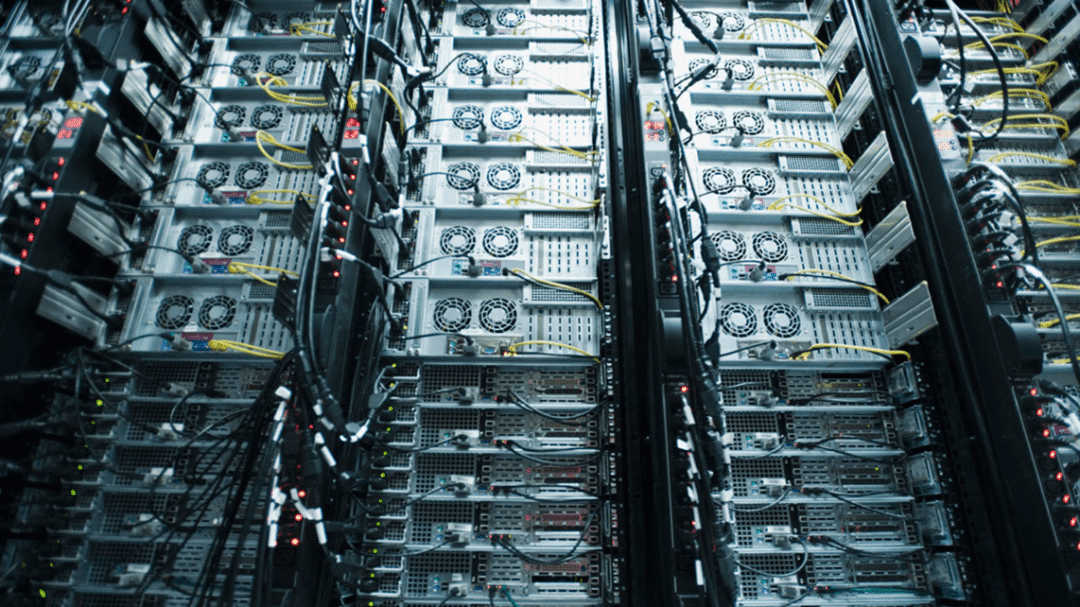
“How big is AI's appetite? The power consumption of a large AI data center is comparable to that of a small-to-medium-sized city. More challenging is its power usage pattern, which is like a ‘roller coaster’: one moment it computes at full capacity, and power spikes to its peak; the next moment it exchanges data, and power consumption drops sharply.” Such drastic fluctuations overwhelm traditional power grids and backup power sources represented by UPS (Uninterruptible Power Supply).
Against this backdrop, NVIDIA's recently released 800V DC architecture white paper has significance beyond a simple technical upgrade. It explicitly proposes a key requirement for future AI data centers: the integration of advanced energy storage systems capable of fast response, instantaneous charge/discharge, and intelligent scheduling. This forward-looking guidance signals that the energy storage industry is poised for an AI-driven explosive growth opportunity.


The Energy Bottleneck of Computing Power and Architectural

Breakthroughs

To address this challenge, industry leaders led by NVIDIA have laid out a clear vision, outlining a “three-step” evolution roadmap for the entire sector, aiming to steadily move toward the ultimate 800V DC architecture.

The first step is a transitional solution, innovatively adopting a “side-mounted power cabinet” to physically separate power modules from the core computing area.

The second step, the mid-term solution, promotes the architecture from “distributed” toward “centralized.”

The third step, the ultimate solution, uses SST to achieve a “one-step” conversion from the grid's 10kV medium-voltage AC to 800V DC.

Overview of the 800VDC MGX Cabinet

To enable this new architecture to effectively handle power fluctuations, “hybrid energy storage” becomes an inevitable technical core. By organically combining supercapacitors (responding to millisecond-level surges), high-rate batteries (addressing second-to-minute demands), and large-scale energy storage systems, it forms a multi-layered, fast-response backup power system.

However, the new architecture also raises the technical threshold comprehensively.

Traditional silicon-based power chips, like inefficient old engines, can no longer meet the stringent requirements of 800V high voltage. Consequently, third-generation semiconductors represented by silicon carbide (SiC) and gallium nitride (GaN) have emerged.

In this new architecture, SiC acts as the “strongman,” stabilizing high-voltage conversion of tens of thousands of volts in components such as solid-state transformers (SST), while GaN, like a “sprinter,” delivers precise low-voltage power to GPUs inside servers at extremely high speed. They are not just a performance upgrade but the cornerstone enabling the entire new architecture.

The ultimate form of this technological revolution is embodied in the disruptive product, the solid-state transformer (SST). It uses a “high-speed direct route” approach to efficiently convert medium-voltage grid power directly into 800V DC required by data centers, eliminating energy losses from multiple intermediate conversions, saving tens of millions of kWh annually for a large data center.
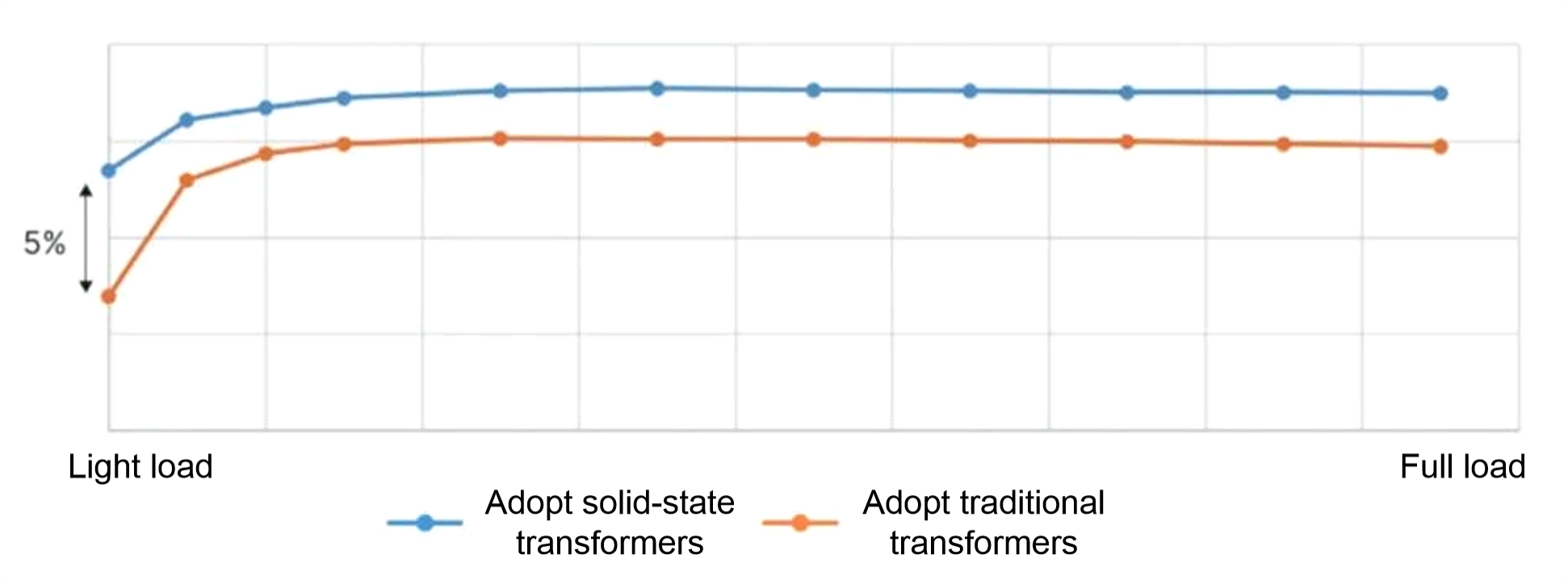
Under light load, SST efficiency is 5% higher than traditional transformers
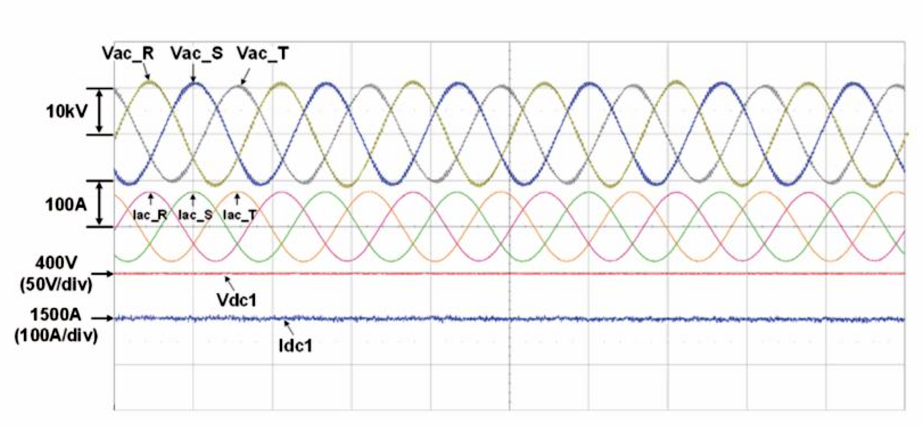
Improved Power Quality

Meanwhile, SST replaces heavy copper coils with advanced chips, achieving “silicon in, copper out,” reducing the power supply system footprint by more than half and freeing valuable space for core computing equipment. More importantly, it functions as an intelligent “energy router,” seamlessly integrating photovoltaics, energy storage, and other new energy sources, becoming an indispensable intelligent core for building future AI factories.

Technological and product transformation will ultimately lead to a reshaping of business models. Future competition will no longer be a battle of hardware parameters but a contest of “intelligence,” with suppliers required to evolve into solution providers “understanding computing power.”

This means energy systems must have predictive capabilities, anticipating computing load changes and proactively scheduling resources; simultaneously, they must coordinate intelligently, directing supercapacitors, batteries, and other energy storage units to work efficiently together.

In this transformation, true value is shifting from hardware itself to the control algorithms and software behind it. Future winners will no longer be mere equipment manufacturers but service providers capable of delivering integrated hardware-software intelligent energy solutions.

The Blue Ocean Emerges: “Consensus and Competition” in a

Trillion-Yuan Track

With the surge in computing power and data center energy demand, relevant companies in the energy storage industry chain have actively responded, and a strategic competition over technical routes and market positioning has fully unfolded. From UPS suppliers to thermal management solution providers to energy storage system integrators, numerous market participants are showcasing their core technologies and solutions, forming a vibrant competitive landscape. The following outlines the main market players in this field.

1. Sungrow Power: A leading new energy company entering the AI data center power foundation

As a global leader in PV inverters and energy storage, Sungrow is actively deploying AI data center power solutions. In May 2025, the company announced the establishment of the AIDC division, with related products expected in 2026. The team is positioned at a high starting point, focusing on overseas markets, planning comprehensive solutions including cabinet power, high-voltage side, and low-voltage side DC microgrid solutions.

2. Huawei: A system-level player building AI data centers with full-stack energy digital capabilities

Huawei places great emphasis on future data center trends. In January 2024, it released the Top 10 Trends of Data Center Facility 2024 White Paper, proposing that future data centers should achieve three features: “safe and reliable, ultra-simple integration, low-carbon and green.” Huawei, alongside Schneider and Emerson, is a leading domestic company in data center power distribution, emphasizing high integration and green transformation.

3. Kehua Data: Pioneer in self-built data centers and HVDC solutions
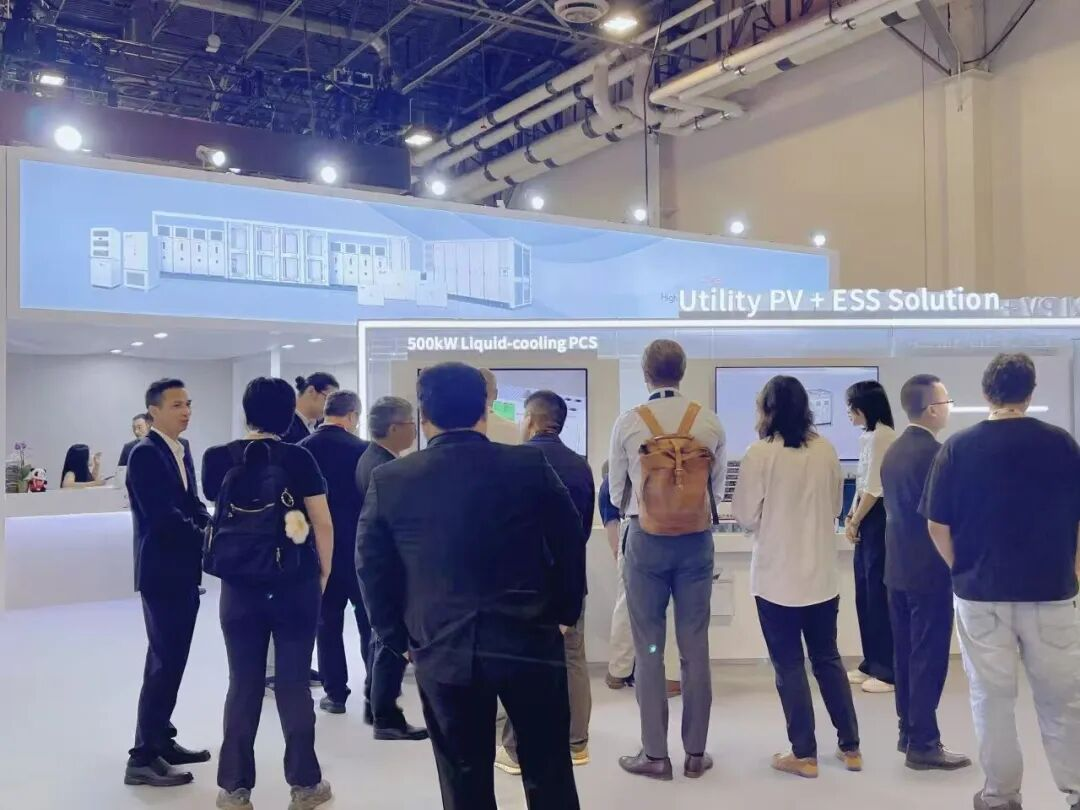
As a leading domestic and the world's fourth-largest modular UPS supplier, Kehua Data focuses on data centers. In China, it has independently built more than 20 data centers, and its efficient liquid cooling, UPS, and power distribution products are deeply adopted by top clients such as Tencent Yangtze River Delta data center, ByteDance data center, and Alibaba Cloud.

4. Shuangdeng Group: The “invisible champion” of data center energy storage

As one of China's earliest companies in communication and data center energy storage, Sundeng is hailed as an “invisible champion.” According to the China Energy Storage Alliance (CNESA) ranking, the company topped the 2024 global market for base station/data center battery shipments.

5. ZTT: Empowering AI data center infrastructure with “communication + power” dual engines

Focused on lithium battery energy storage systems, ZhongTian Energy Storage Technology Co., Ltd. aims to fully develop in communication and power energy storage. Its products are widely used in new energy vehicles, communication backends, and grid-side energy storage systems. Annual capacity has reached billions of ampere-hours, with investment in a top domestic lithium battery R&D center, laying the foundation for integrated product R&D and application.

6. Narada Power: Deep development in energy storage technology, winning overseas AI projects

   With over 30 years of energy storage expertise, Zhejiang Narada Power Source Co., Ltd. ranked second in the 2024 global base station/data center battery shipment ranking. In October 2025, it successfully won a lithium battery storage project for a massive AI data center campus in Texas, USA. Its self-developed high-voltage, high-power lithium-ion backup power system is containerized, high-rate, and capable of evolving to HVDC, gradually applied in global top data center projects.

7. Hithium Energy Storage: Dedicated energy storage solutions for AI data centers

Specializing in long-duration and high-density storage, Xiamen Hithium Energy Storage Technology  Co., Ltd. launched a comprehensive energy storage solution for AI data centers at the U.S. data center exhibition in September 2025.

8. Potisegde: Focused practitioner of AIDC intelligent energy solutions

In September 2025, iPotisEdge Co., Ltd. launched a new-generation data center solution overseas, including the PotisBank-L6.25-AC energy storage system and intelligent energy management system (EMS).

9. Ampace: Semi-solid batteries safeguarding data centers

Xiamen Ampace Technology Limited has integrated this battery of high rate and high safety into the latest “PU200” data center power supply and “PR-S4” UPS systems for financial, communication, and other critical backup scenarios, featuring multiple safety measures like liquid detection and cell-level fire prevention.

10. CLOU: Next-generation liquid-cooled storage systems empowering data centers

Shenzhen CLOU Electronics Co. Ltd launched the Aqua-C3.0 Pro liquid-cooled storage system globally in September 2025, providing integrated EMS for cloud-edge collaboration.

11. Hopewind: Core supplier in the 800V HVDC supply chain

As a supplier of power electronics and energy storage systems, Shenzhen Hopewind Electric Corporation Limited plays a significant role in the supply chain of NVIDIA's 800V DC architecture. The company is the key subcontractor for Vertiv's 800V HVDC system, providing cabinet-level power modules and dynamic load adapters.

12. Chint Electrics: “Source-Grid-Load-Storage-Charge” integrated solutions empowering green data centers

As a globally renowned comprehensive service provider in new energy and power intelligence, Zhejiang Chint Electrics Co., Ltd. actively promotes the integration of "source-grid-load-storage-charging" and microgrid technology, offering comprehensive energy solutions for scenarios such as industrial parks and data centers. Its "integrated" microgrid architecture can operate in coordination with DC bus technology to optimize energy from the source.

13. Kstar: Winning overseas national AI data center projects

Shenzhen Kstar Science & Technology Co.,Ltd is a leading domestic provider of UPS and energy storage overall solutions. Recently, it successfully won the bid for the National AI Data Center project in Malaysia with its independently developed high-power VRLA lead-acid battery system.

14. Vertiv: Global leader in critical data center infrastructure

As a leading global provider of critical infrastructure, Vertiv Group Corp. closely collaborates with industry partners such as NVIDIA to drive the upgrade of power architectures in AI data centers. The company announced in October 2025 the plan to launch a complete 800V DC (HVDC) product line in 2026 to support NVIDIA's Rubin Ultra platform.

15. Delta Electronics: Author of the 800V DC technical white paper
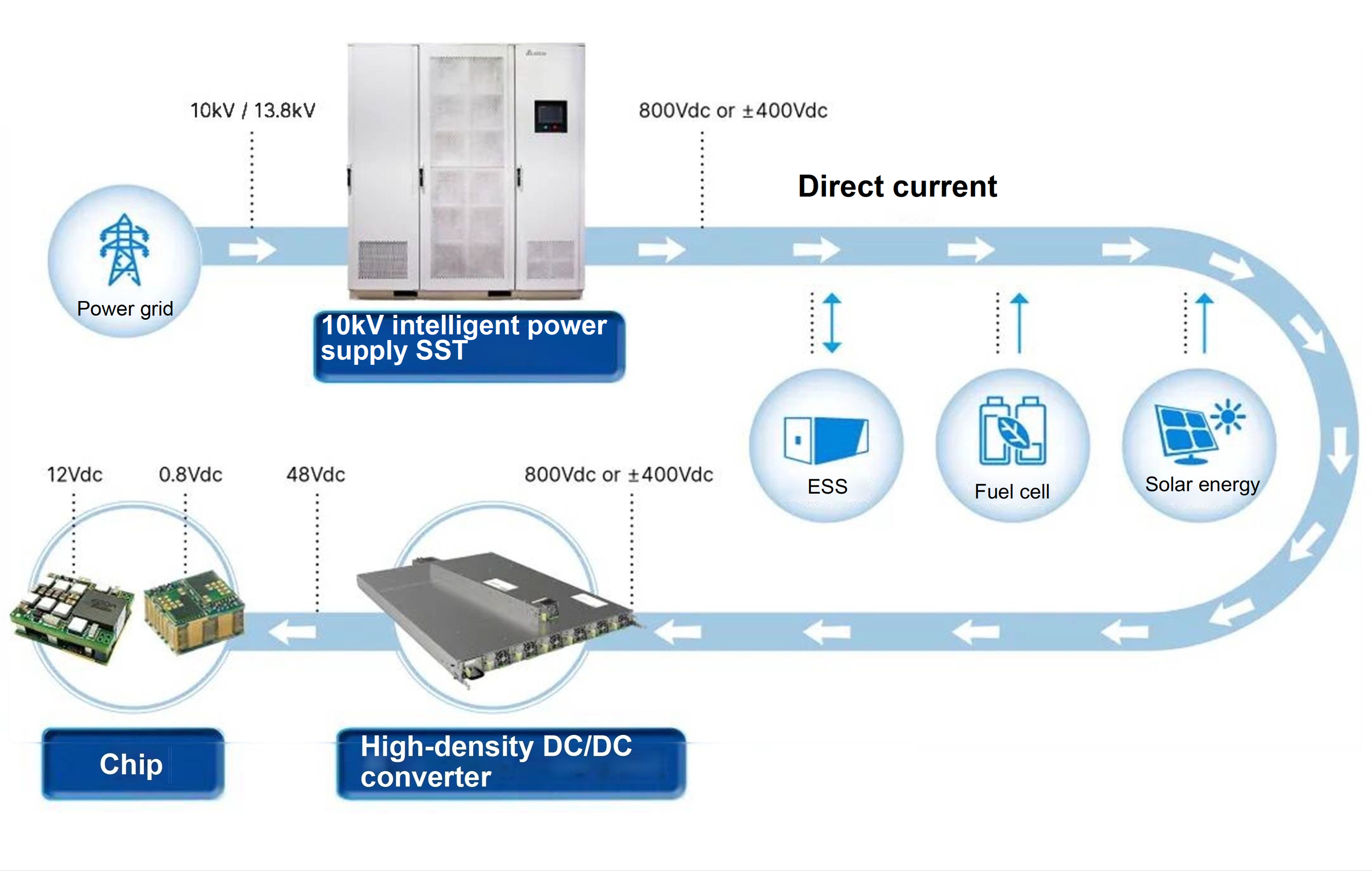
As a global leader in power supply and cooling solutions, Delta Electronics, Inc. is one of the key power module suppliers in NVIDIA's 800VDC ecosystem. Delta Electronics co-developed the “Panama” medium-voltage DC power solution with Alibaba and released China's first Data Center 800V DC Power Technology White Paper.

16. Eaton: New 800V DC reference architecture for AI data centers

As a global intelligent power management company, Eaton Corporation plc closely collaborated with NVIDIA to launch a brand-new 800V DC reference architecture for AI data centers in October 2025. This solution integrates innovative technologies such as supercapacitors as fast backup power and bus distribution supporting the Open Rack V3 standard.

17. Shenzhen Center Power Tech. Co., Ltd.: Full-range backup power solutions

Shenzhen Center Power Tech. Co., Ltd. has clearly identified data center UPS as its core strategic direction and launched the "REVO 3.0" AI computing center backup power solution that supports 5 to 60 minutes of backup power.

In March 2025, the company provided over 14,000 high-power VRLA lead-acid batteries (model HFS12-710WS) for the second phase of the Shanghai Songjiang Big Data Computing Center project, meeting the backup power demand of this ultra-large-scale autonomous computing infrastructure for up to tens of minutes.

18. Shenzhen Sinexcel Electric Co., Ltd.: Power quality expert for HVDC systems

Shenzhen Sinexcel Electric Co., Ltd. is a provider of core equipment for the energy Internet, specializing in power electronics and power quality management. In 800V DC and HVDC scenarios, its active power filter (APF) and static reactive power generator (SVG) can smooth out harmonics and voltage fluctuations. The company has reached a cooperation with Vertiv to provide a corresponding power quality solution for its HVDC power supply system.

19. JST: Leading SST exporter

As a global supplier of power equipment, JST Power Equipment not only has the delivery capacity for medium and low voltage switch cabinets, transformers and other products, but also has successfully independently developed a 10kV/2.4MW solid-state transformer (SST) prototype specially designed for 800V DC power supply architecture, and is actively promoting customer certification.

20. VNET: Nasdaq-listed IDC cornerstone and green computing pioneer

As the first third-party neutral data center operator in China to be listed on the Nasdaq in the United States, VNET Group is one of the pioneers of China's IDC industry. In 2023, the company will fully focus on the coordinated development of "green electricity + computing power". VNET Group operates over 50 data centers and more than 52,000 cabinets in over 30 cities across the country, and focuses on building projects such as the "10GW Green DC" ultra-large-scale intelligent computing base in Ulanqab and the AIDC node in Huailai, Hebei Province.

21. Sinnet: AWS core operator in China and cloud-network integration service provider

As a digital infrastructure integrated service provider listed on the Growth Enterprise Market of the Shenzhen Stock Exchange, Beijing Sinnet Technology Co., Ltd. has over 12 self-built data centers in core regions such as the Beijing-Tianjin-Hebei area and the Yangtze River Delta, with more than 70,000 operational cabinets. It also actively responds to the "East Data West Computing" strategy and is accelerating the layout of large-scale computing power bases in places like Hohhot and Ulanqab in Inner Mongolia.

22. Aofei Data: “PV + IDC” zero-carbon computing explorer

As an important computing power leasing provider for Alibaba Cloud in South China, Guangdong Aofei Data Technology Co., Ltd. promises to provide it with a cumulative total of tens of thousands of PFlops of AI computing power. The company has established over 13 large-scale data centers across the country and completed a private placement of 1.69 billion yuan in the first half of 2025, which was invested in the Langfang Smart Computing Park project.

 23. @hub: State-backed green IDC leader

Shanghai @hub Co.,Ltd. has been operating 35 data centers in seven core markets across the country, with a total installed power of 371.1MW. Dataport is renowned for its outstanding technological and operational capabilities. Not only has it provided security guarantees for Alibaba's "Double 11" promotion for 16 consecutive years, but its Heyuan Data center, in collaboration with Alibaba, has also been rated as a "National Green Data Center of 2025" with a PUE of 1.19.

24. Range Technology: Park-level ultra-large-scale AIDC operator

Range Technology Development Co., Ltd. has in-depth cooperation with operators such as China Telecom and China Unicom. We have completed the layout of seven AIDC computing power clusters across the country, with a planned number of 320,000 racks, covering core regions such as the Beijing-Tianjin-Hebei area, the Yangtze River Delta, the Greater Bay Area, the Chengdu-Chongqing region, Gansu and Hainan, and initially established an "integrated computing power center system".

25. Alibaba Cloud: Absolute leader in China's public cloud market

As a core business under Alibaba Group, Alibaba Cloud is not only the largest public cloud service provider in China in terms of market size, but also a leading global provider of cloud infrastructure. Its infrastructure covers 29 regions and 92 availability zones around the world.

26. Tencent Cloud: Global cloud service provider backed by top ecosystem

By the end of 2024, Tencent Cloud's infrastructure had covered 21 regions and 58 availability zones worldwide, and its international business had become a new growth engine. In February 2025, Tencent Cloud announced an investment of 150 million US dollars to build its first Middle East data center in Riyadh, Saudi Arabia, marking an important step in its global layout.

27. TONGFEI: Industrial temperature control crossing over to AIDC liquid cooling

Sanhe Tongfei Refrigeration Co., Ltd. has launched a complete set of solutions covering both plate and immersion liquid cooling, including core products such as CDU, Manifold, outdoor dry coolers, and immersion boxes. The company has successfully expanded its customer base to include Kehua Data and has products for CPU/GPU cooling scenarios. With the surging demand for efficient heat dissipation in AIDC, TONGFEI is expected to transform its advantages in industrial temperature control into a new growth point in the data center field.

28. Envicool: Leader in full-chain liquid cooling solutions

In 2021, Shenzhen Envicool Technology Co., Ltd. was the first to launch the "Coolinside" full-chain liquid cooling solution, covering the entire architecture from CPU/GPU cold plates to coolants. It has provided a large number of highly efficient and energy-saving cooling products for large-scale Internet data centers such as Tencent, Alibaba, and Chindata.

29. Goaland: “Special forces” in data center liquid cooling

In recent years, Guangzhou Goaland Energy Conservation Tech. Co., Ltd. has successfully extended its technological advantages to the data center field and has formed a complete liquid cooling solution covering cold plate and immersion types. Its immersion liquid cooling technology has reached the international advanced level. The company has established stable cooperative relationships with leading enterprises in the industry such as ByteDance, Alibaba, Tencent and GDS.

30. Shenling: “Tech faction” in energy-saving data center environment control

In 2024, the revenue of the company's data services segment increased by 75.4% year-on-year, and new orders from leading clients such as ByteDance, Tencent, and Alibaba nearly doubled. Since 2011, Guangdong Shenling Environmental Systems Co., Ltd. has been engaged in the research and development of liquid cooling technology and holds over 68 related patents. Its technology has been appraised by the Ministry of Industry and Information Technology as being at the "international leading level".

31. Haiwu: Digital energy and critical infrastructure solutions expert

Beijing Haiwu Technology Co., Ltd. is committed to presenting innovative achievements in thermal management across all scenarios, from air cooling to liquid cooling, and from equipment to systems, providing reliable and efficient intelligent temperature control solutions for data centers. Meanwhile, as a director unit of the China Association of Communication Enterprises and a vice chairman unit of the China Association for Engineering Construction Standardization, the company, relying on its profound technological accumulation, provides innovative products and services for the industry to respond to the global demand for low-carbon transformation.


The 2025 China Energy Storage CEO Summit, held on December 4 in Xiamen, Fujian, will set up a “Energy Storage + Data Center” forum, providing an in-depth discussion and precise matching platform for industry peers to seize new market opportunities. Details: 2025 China Energy Storage CEO Summit & The 10th “International Energy Storage Innovation Competition”

Additionally, the upcoming 14th Energy Storage International Conference and Expo (ESIE 2026) will focus on hot scenarios like data centers, with specialized forums, ecosystem salons, and featured matching events, exploring innovative applications and development trends of energy storage technology in data centers.

Looking forward to your attendance!


CENSA Upcoming Events:

1. Dec.4-5 | 2025 China Energy Storage CEO Summit | Xiamen, Fujian

Register Now to attend

Read more: http://en.cnesa.org/new-events-1/2025/12/4/dec4-5-2025-china-energy-storage-ceo-summit

2. Apr. 1-3, 2026 | The 14th Energy Storage International Conference & Expo

Register Now to attend, free before Oct 31, 2025.

Read more: https://en.cnesa.org/new-events-1/2026/4/1/apr-1-apr3-the-14th-energy-storage-international-exhibition-amp-expo

User-side Newly Commissioned Capacity Down 34% YoY, Henan Leads in New Additions — Analysis of User-side Energy Storage Projects in October

Source: CNESA


The China Energy Storage Alliance (CNESA) continues to adhere to standardized, timely, and comprehensive information collection criteria, tracking energy storage project developments on an ongoing basis. Leveraging its long-accumulated solid database and in-depth industry expertise, CNESA regularly publishes objective analytical reports on the energy storage installation market, providing valuable references for industry stakeholders. Given the distinct differences between grid-side and user-side energy storage markets, CNESA has, since June 2025, divided its monthly project analysis into two separate reports: grid-side market and user-side market. This edition focuses on the user-side market performance in October.

According to CNESA’s preliminary statistics, in October 2025, newly commissioned new-type energy storage capacity in China reached 1.70 GW / 3.52 GWh, representing a year-on-year decline of 35% and 49%, and a month-on-month decline of 51% and 66%, respectively.

Although new installations in the first month of Q4 decreased, cumulative new user-side installations from January to October have reached 35.8 GW, a year-on-year increase of 36%. Following a mini-peak of project commissioning in September, October saw a decline due mainly to project construction cycle constraints.

Figure 1: Installed Capacity of Newly Commissioned New-type Energy Storage Projects in China (January–October 2025)

Data Source: CNESA DataLink Global Energy Storage Database

Website: https://www.esresearch.com.cn/

Note: “Year-on-year (YoY)” compares with the same period last year; “month-on-month (MoM)” compares with the immediately preceding statistical period.

In October, user-side new installations reached 193.45 MW / 474.64 MWh, representing a year-on-year decline of 34% and 48%, and a month-on-month decline of 30% and 17%, respectively. User-side new-type energy storage installations in October demonstrated the following characteristics:

(1) C&I storage dominates; non-lithium technologies are accelerating their deployment.

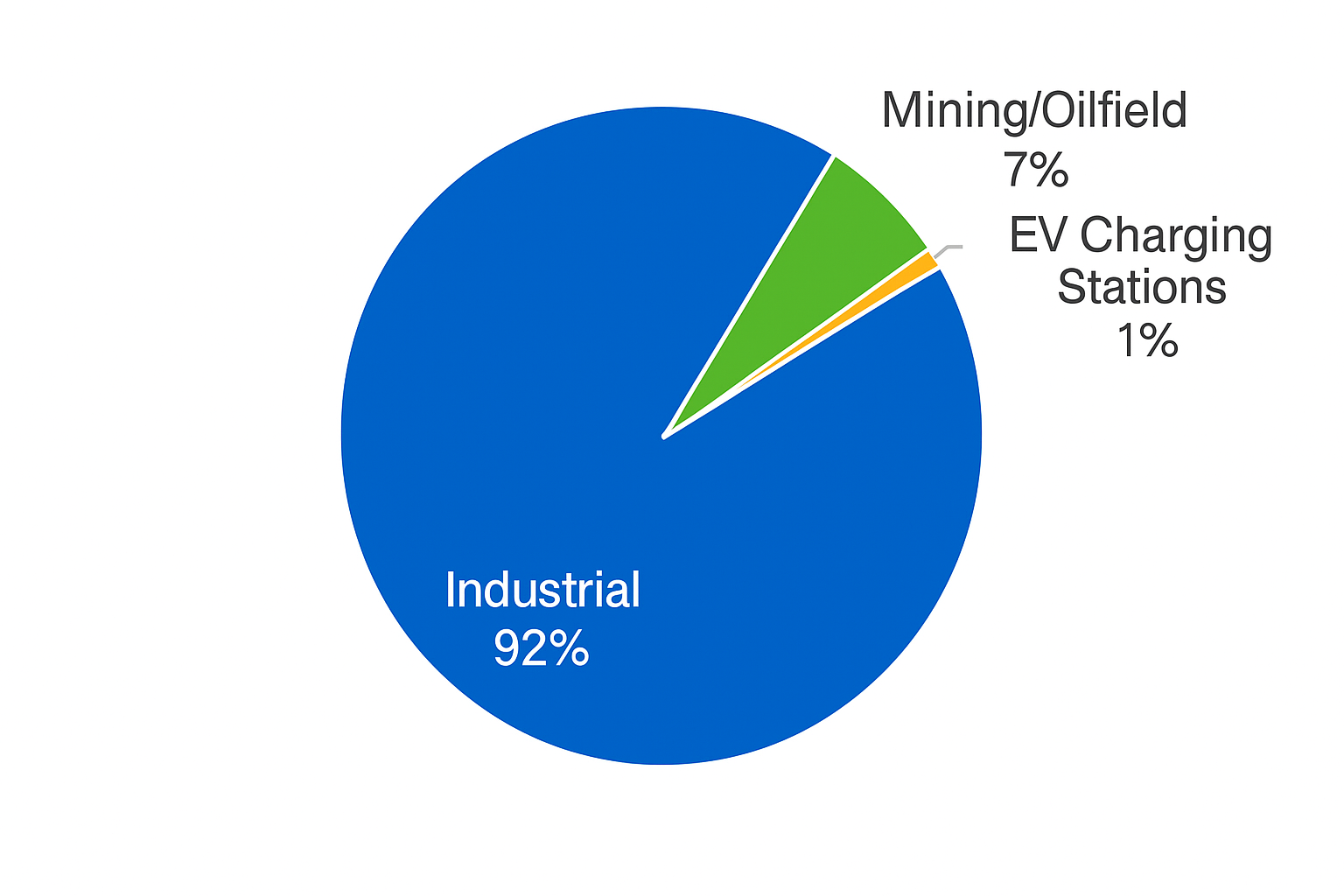
In October, the user-side storage market was dominated by commercial and industrial (C&I) applications, accounting for over 90% of total new installations.

C&I scenarios added 178.00 MW / 445.19 MWh, down 39% and 51% year-on-year.

From a technology perspective, all newly commissioned projects adopted electrochemical energy storage technologies. LFP (lithium iron phosphate) batteries accounted for 99% of the newly installed power capacity. In terms of non-lithium technologies, a 2 MW / 8 MWh C&I all-vanadium flow battery project was completed and commissioned, alongside a hybrid LFP + vanadium flow battery demonstration project that also came online.

Figure 2 : Application Breakdown of Newly Commissioned User-side New-type Energy Storage Projects in October 2025 (MW%)

Data Source: CNESA DataLink Global Energy Storage Database

Website: https://www.esresearch.com.cn/

(2) Central China accounts for over 50% of new installations, with Henan leading in total capacity.

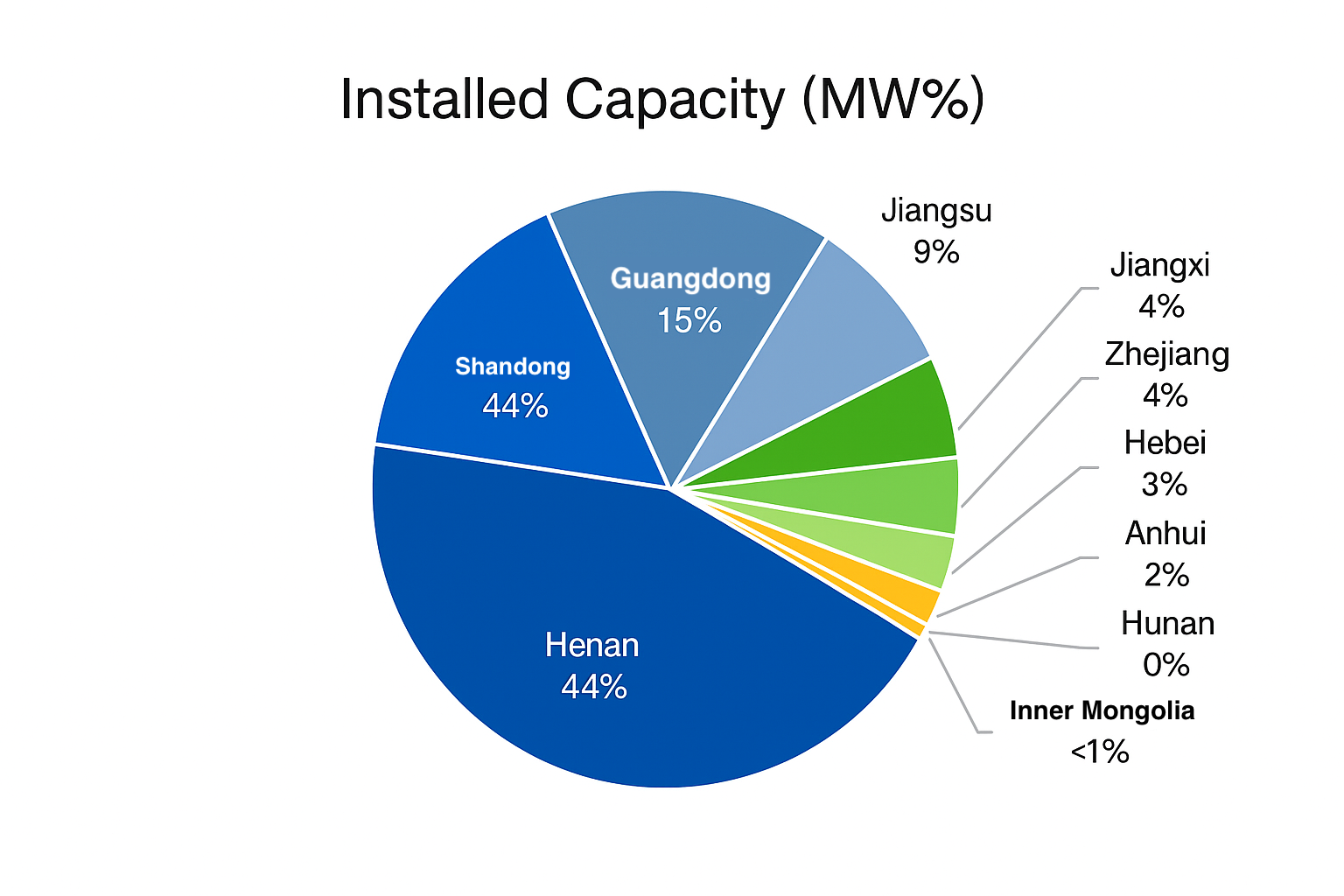
From a regional perspective, newly commissioned user-side projects in October were mainly distributed across 11 provinces, including Henan, Shandong, Guangdong, Jiangsu, and Jiangxi. Central China accounted for 50% of the newly added capacity, dominating the October installation market. East China recorded the largest number of newly commissioned projects, making up 38% of the national total. At the provincial level, Henan posted the largest new installed capacity, exceeding 40% of the national total, followed by Shandong. Guangdong ranked first nationwide in terms of the number of newly commissioned projects, contributing over 20%.

As a major industrial province, Henan has a strong presence of high-energy-consuming sectors such as steel, chemicals, and coal-fired power. The province also has a large electricity consumption base, with multiple energy-intensive industries—including steel and cement—facing increasing pressure related to renewable power consumption requirements. Driven by China’s push for green and low-carbon energy transition and industrial enterprises’ needs for carbon reduction, cost reduction, and supply security, user-side storage demand in Henan has expanded rapidly. At the same time, as a major agricultural province, Henan is tapping emerging application scenarios—especially in rural areas—under strong government support. The “green power + energy storage” model is accelerating demand growth in these new sectors, becoming an important new driver for user-side storage development in the province.

Moreover, Henan is one of the earliest provinces in China to advance integrated generation–grid–load–storage projects (source–grid–load–storage integration). As of October 2025, the province had released 14 batches of such projects, with over 650 projects included in the implementation scope. These projects span more than 10 application scenarios, including industrial facilities, rural areas, and data centers, providing broad opportunities for user-side C&I energy storage deployment.

In terms of energy storage revenue performance, following the adjustment of Henan’s C&I time-of-use electricity tariffs in 2024, the number of daily charge–discharge cycles decreased; however, the peak–valley price spread widened, and the duration of peak periods increased significantly—conditions that favor long-duration energy storage. Additionally, with strong demand for emergency support and peak shaving across various scenarios in Henan, C&I users aggregated through virtual power plants (VPPs) can participate in grid peak regulation and receive corresponding compensation.

Figure 3&4: Provincial Distribution of Newly Commissioned User-side New-type Energy Storage Projects in China, October 2025

Data Source: CNESA DataLink Global Energy Storage Database

Website: https://www.esresearch.com.cn/

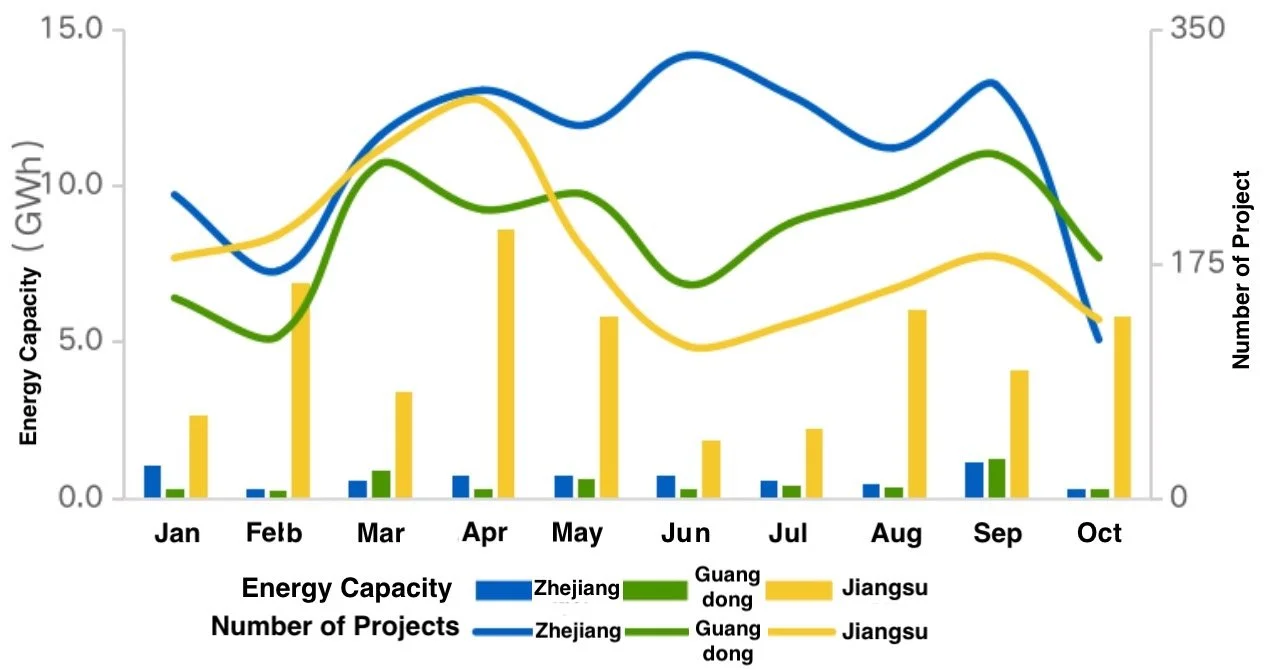
Based on project filings, national user-side market demand in October showed growth compared with the same period last year. Nationwide, both the scale and number of newly filed user-side projects in October exceeded last year’s levels, rising 91% and 4% year-on-year respectively. In traditional core markets, the number of newly filed projects in Zhejiang, Guangdong, and Jiangsu all fell compared with the same period last year. Together, the three provinces recorded 430 new filings, a 41% year-on-year decline, while total energy capacity increased by 37% year-on-year. In October, Guangdong had the highest number of newly filed projects nationwide, but still registered an 8% year-on-year decrease. Jiangsu recorded a 36% decline, while Zhejiang saw the steepest drop, down 64% year-on-year. From the perspective of project scale, Zhejiang’s newly filed energy capacity decreased 26% year-on-year, and Guangdong saw a 52% decline. Jiangsu, however, continued to lead the country in the scale of newly filed projects, with a 60% increase in energy capacity, reflecting a clear trend toward larger average project sizes. In October, Jiangsu’s market scale continued to expand, mainly driven by the rigid demand of C&I enterprises for energy storage to secure power supply and reduce operating costs. Nationwide, Anhui, Henan, and Sichuan collectively recorded 300 new filings, accounting for one-third of all newly filed user-side projects in October. These three provinces demonstrated strong market demand and significant growth potential for user-side energy storage, positioning them as emerging markets likely to drive national user-side storage expansion in the coming years.

Figure 4 : Monthly Trend of Newly Filed Energy Storage Projects in Zhejiang, Guangdong, and Jiangsu (January–October 2025)

Data Source: CNESA DataLink Global Energy Storage Database

Website: https://www.esresearch.com.cn/

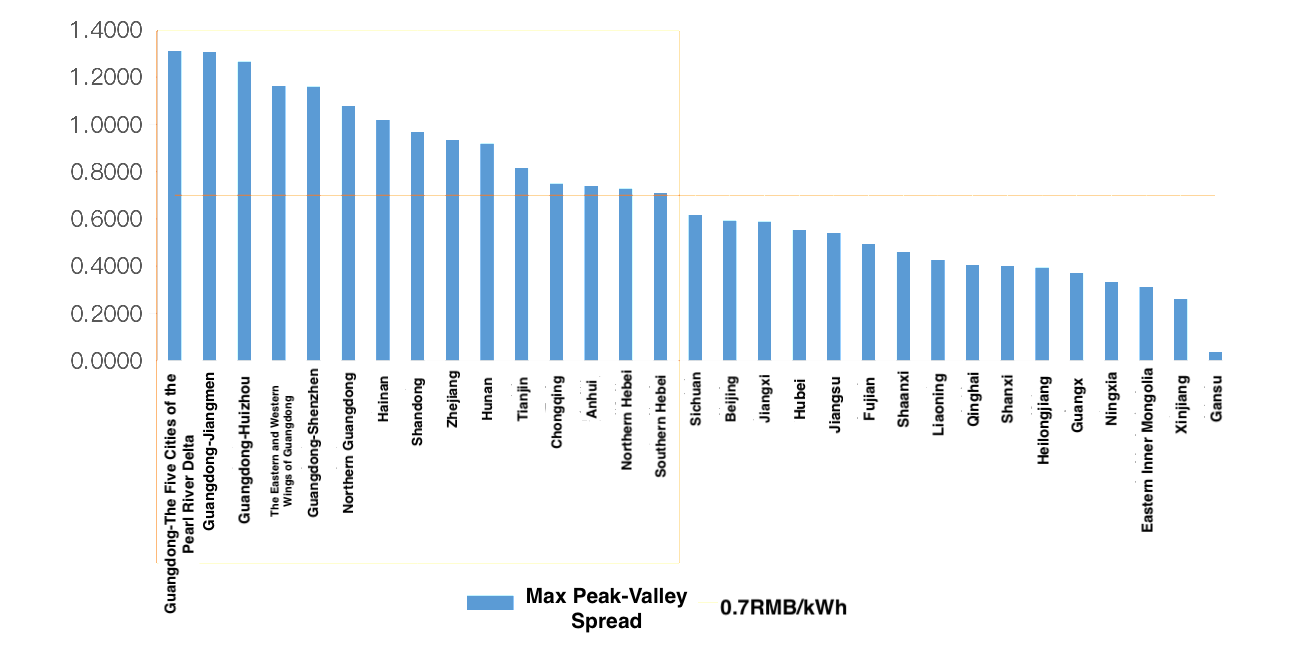
Based on the maximum peak–valley electricity price spread, 15 provinces and municipalities recorded spreads above 0.70 RMB/kWh, and 7 regions exceeded 1.0 RMB/kWh. Guangdong had the largest peak–valley price spread nationwide. In parts of the Greater Bay Area—including the five core cities of the Pearl River Delta, as well as Jiangmen and Huizhou—the maximum spread remained above 1.0 RMB/kWh, mainly due to the continued implementation of critical-peak pricing in the province. In October, many regions discontinued the critical-peak and deep-valley tariff mechanisms that were implemented during the summer peak period. Only five regions—Guangdong, Shandong, North Hebei (Jibei), South Hebei, and Hubei—continued to apply critical-peak pricing, while Shandong, Zhejiang, and Jiangxi maintained deep-valley tariffs. Considering both the maximum peak–valley price spread and the high achievable charge–discharge cycling frequency of user-side storage systems (which can exceed 600 cycles per year), the arbitrage potential in Guangdong remains substantial. Therefore, Guangdong is likely to remain one of the most important and active markets for user-side energy storage in the foreseeable future.

Figure 5: Distribution of Peak–Valley Electricity Price Spreads for Utility Power Purchases Across Regions, October 2025

Data Source: Provincial Grid Companies; compiled and analyzed by CNESA


CENSA Upcoming Events:

1.Dec.4-5 | 2025 China Energy Storage CEO Summit | Xiamen, Fujian

Register Now to attend

Read more: http://en.cnesa.org/new-events-1/2025/12/4/dec4-5-2025-china-energy-storage-ceo-summit

2.Apr. 1-3, 2026 | The 14th Energy Storage International Conference & Expo

Register Now to attend, free before Oct 31, 2025.
Read more: https://en.cnesa.org/new-events-1/2026/4/1/apr-1-apr3-the-14th-energy-storage-international-exhibition-amp-expo

Down 35% Year-on-Year! CNESA Analysis of Installed Capacity of the New Grid&Source-Side Energy Storage Projects in October

Source: CNESA


After a small installation peak in September, China's new energy storage market saw a temporary decline in October 2025. According to incomplete statistics from the CNESA Datalink Global Energy Storage Database, both the month-on-month and year-on-year growth of newly commissioned capacity declined in October, mainly due to project cycle factors. Meanwhile, profound structural changes are taking place in the market:

● Short-term decline while long-term growth:

Although October's installed capacity declined, the cumulative capacity in the first ten months of 2025 still maintained a robust 36% growth, and 7-9 GW of projects are expected to come online before year-end, suggesting a record-breaking annual installation.

● Independent storage takes the lead:

In October, independent energy storage projects accounted for more than three-quarters of total installations, becoming the absolute main force.

● Third-party enterprises surpass state-owned giants:

A landmark shift occurred - “third-party enterprises”, represented by equipment manufacturers, accounted for over half of the newly installed capacity for the first time, surpassing traditional large energy groups and highlighting a clear trend toward diversified investment.

● Diverse technologies and accelerated non-lithium deployment:

In addition to mainstream lithium-ion systems, technologies such as compressed air, flow batteries, and flywheels are being accelerated in planning and construction, injecting new momentum into the industry's long-term development.


Overall Analysis of New Energy Storage Projects in October


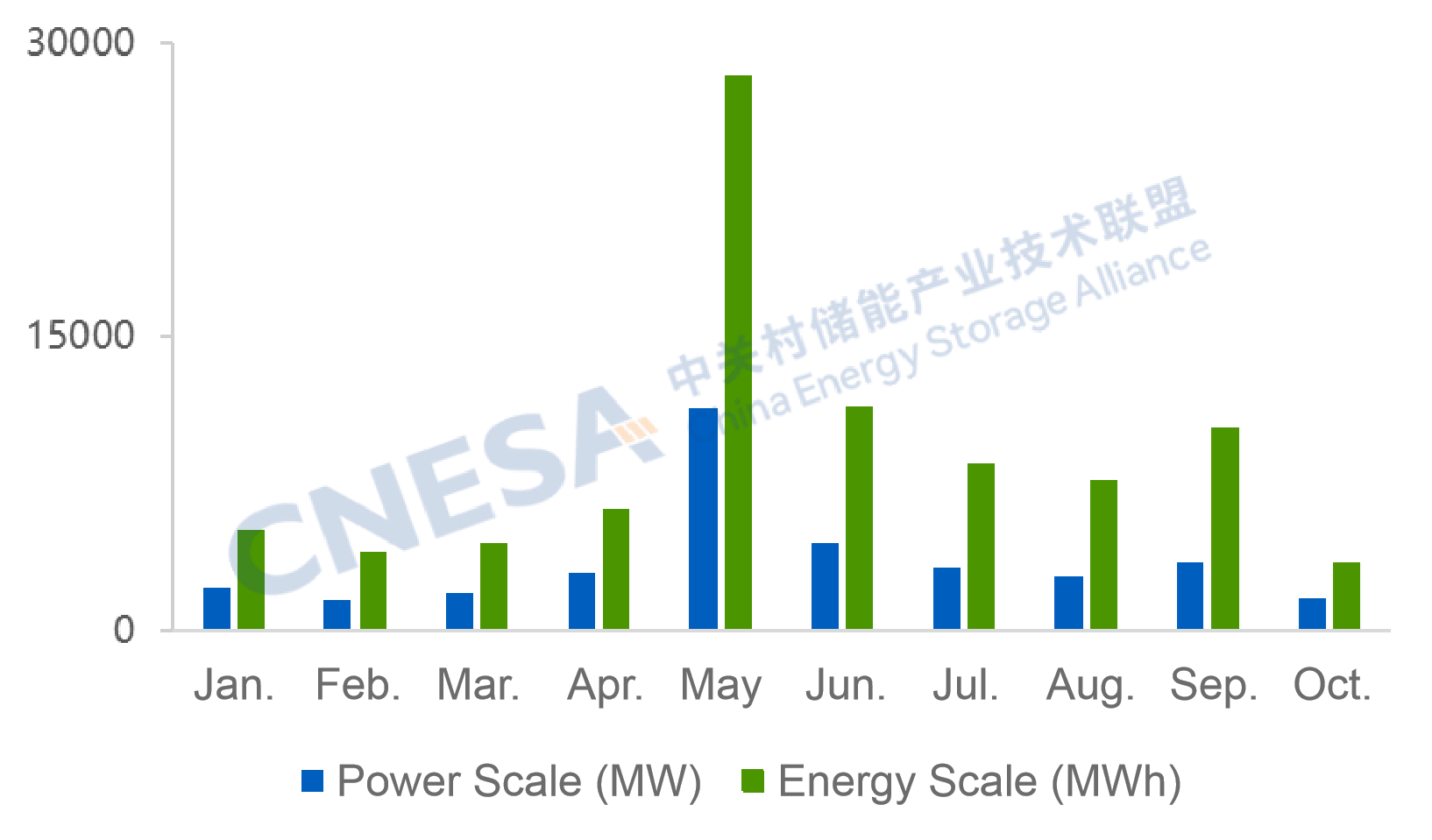
According to incomplete statistics from the CNESA Datalink Global Energy Storage Database, in October 2025, China added 1.70 GW / 3.52 GWh of newly commissioned new energy storage capacity - down 35% and 49% YoY, and 51% and 66% MoM, respectively. Although the first month of Q4 saw a decrease, total new capacity from January to October reached 35.8 GW, up 36% YoY. Following the September commissioning surge, the October decline mainly reflected the influence of construction cycles.

As of the end of October, about 7-9 GW of new energy storage projects were under commissioning or scheduled for grid connection by year-end. If these projects proceed as planned, China's new commissioned capacity in 2025 could reach 42-45 GW. This estimate is based solely on currently known under-construction/commissioned project data and does not represent a final forecast.

Figure 1. Installed Capacity of Newly Commissioned New Energy Storage Projects in China, Jan-Oct 2025

Source: CNESA Datalink Global Energy Storage Database

https://www.esresearch.com.cn/

Note: Year-on-year (YoY) compares the same period last year; month-on-month (MoM) compares the previous statistical period.

Analysis of Grid&Source-side New Energy Storage Projects in October


In October, newly commissioned grid&source-side new energy storage capacity totaled 1.51 GW / 3.04 GWh, representing year-on-year declines of 35% and 49%, and month-on-month declines of 53% and 69%. 


Key trends included:


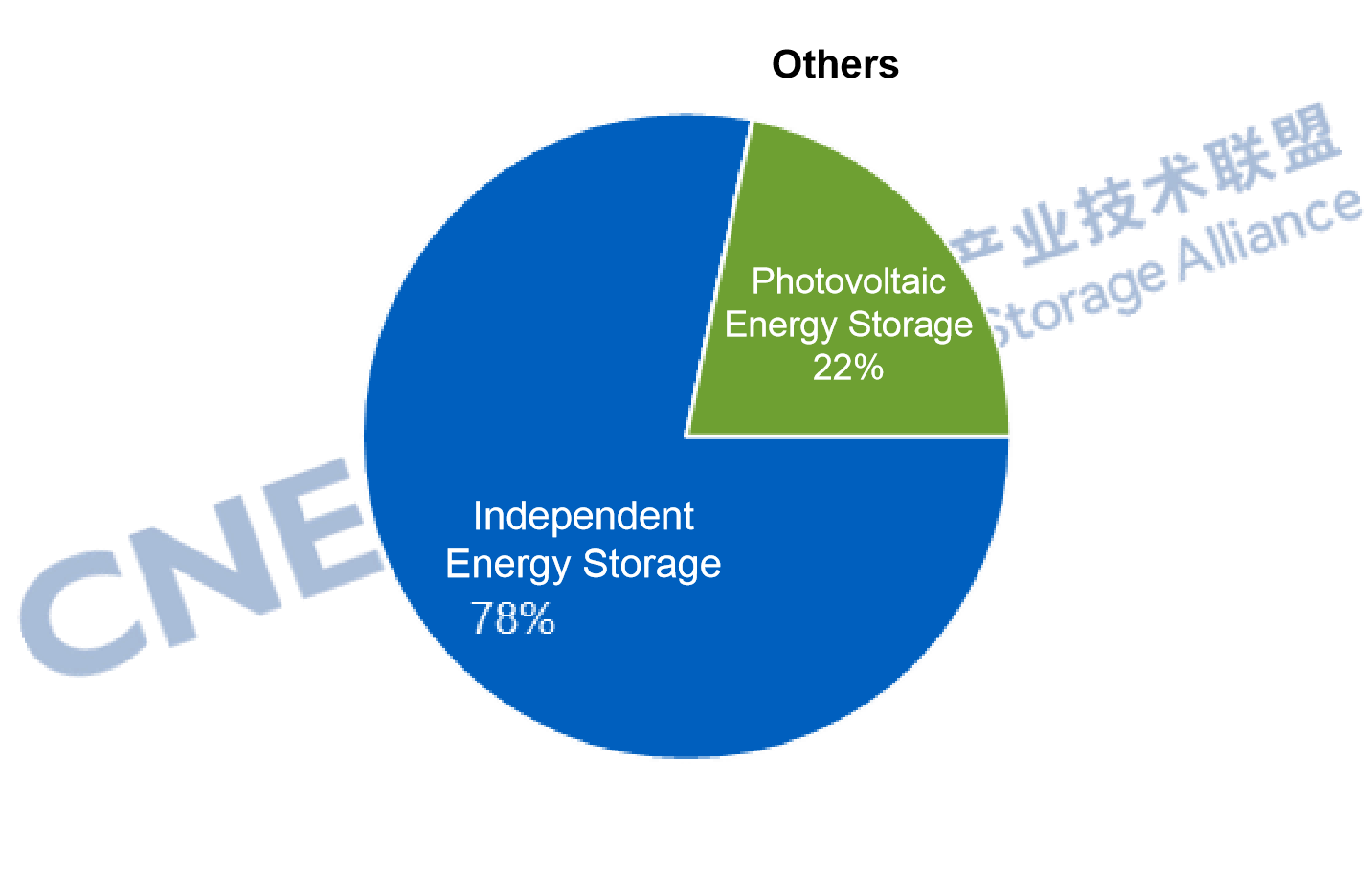
Independent storage accounts for over 75%, with capacity down 30% YoY


Independent energy storage added 1.18 GW / 2.31 GWh, down 30% and 48% YoY, with 78% of projects above 100 MW.

On the source side, new installations totaled 327.5 MW / 735 MWh, representing a YoY growth of -47%/-52%, all paired with renewable energy projects, involving various specific application scenarios including UHV DC transmission and solar-grazing hybrid application.

Figure 2. Application Distribution of Newly Commissioned Grid&Source-Side Energy Storage Projects in Oct. 2025 (MW%)

Source: CNESA Datalink Global Energy Storage Database

https://www.esresearch.com.cn/

Note: “Others” include substations and similar facilities.

Western China accounts for over 50% of new installations; Ningxia and

Shanxi lead in scale


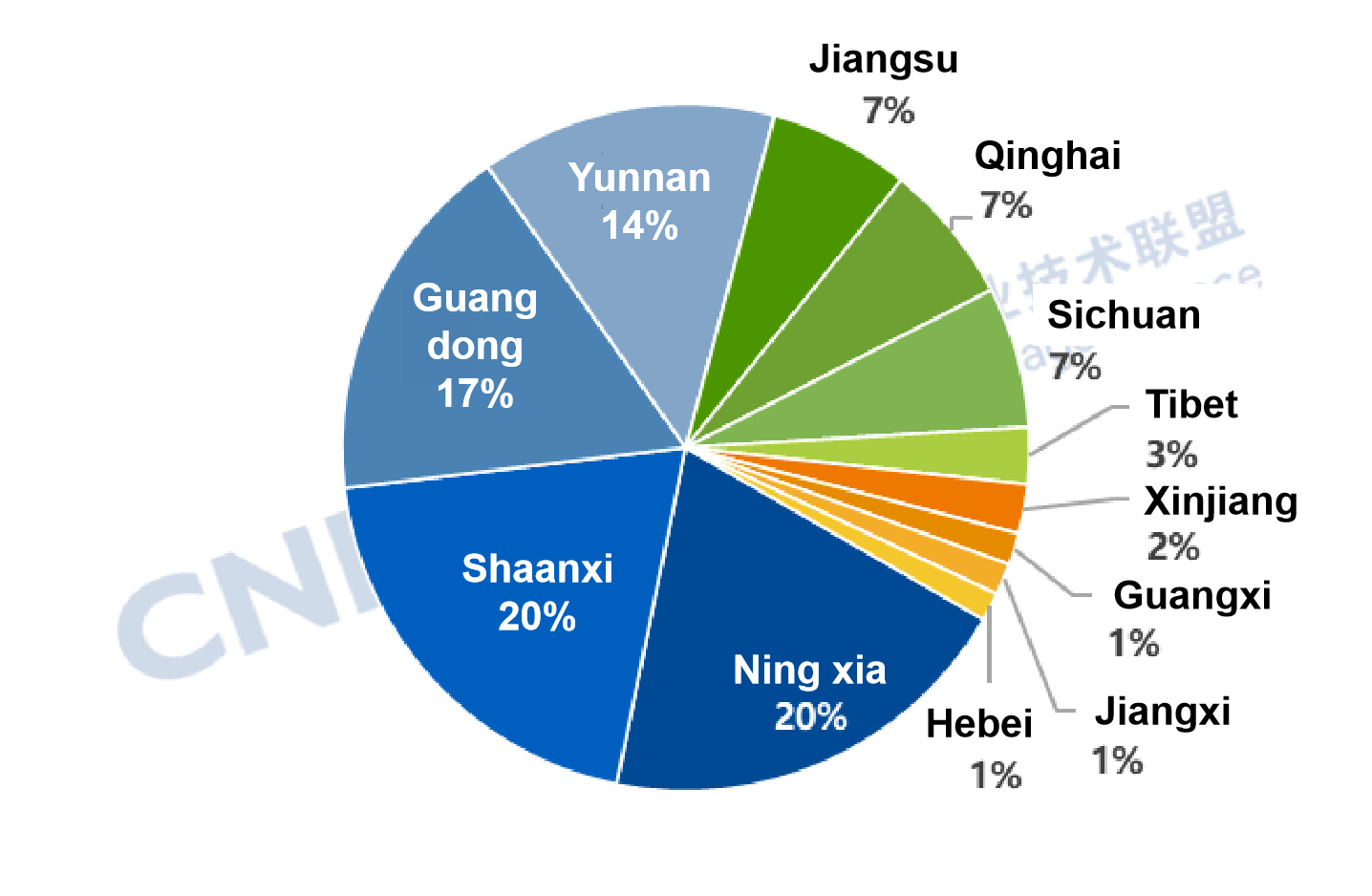
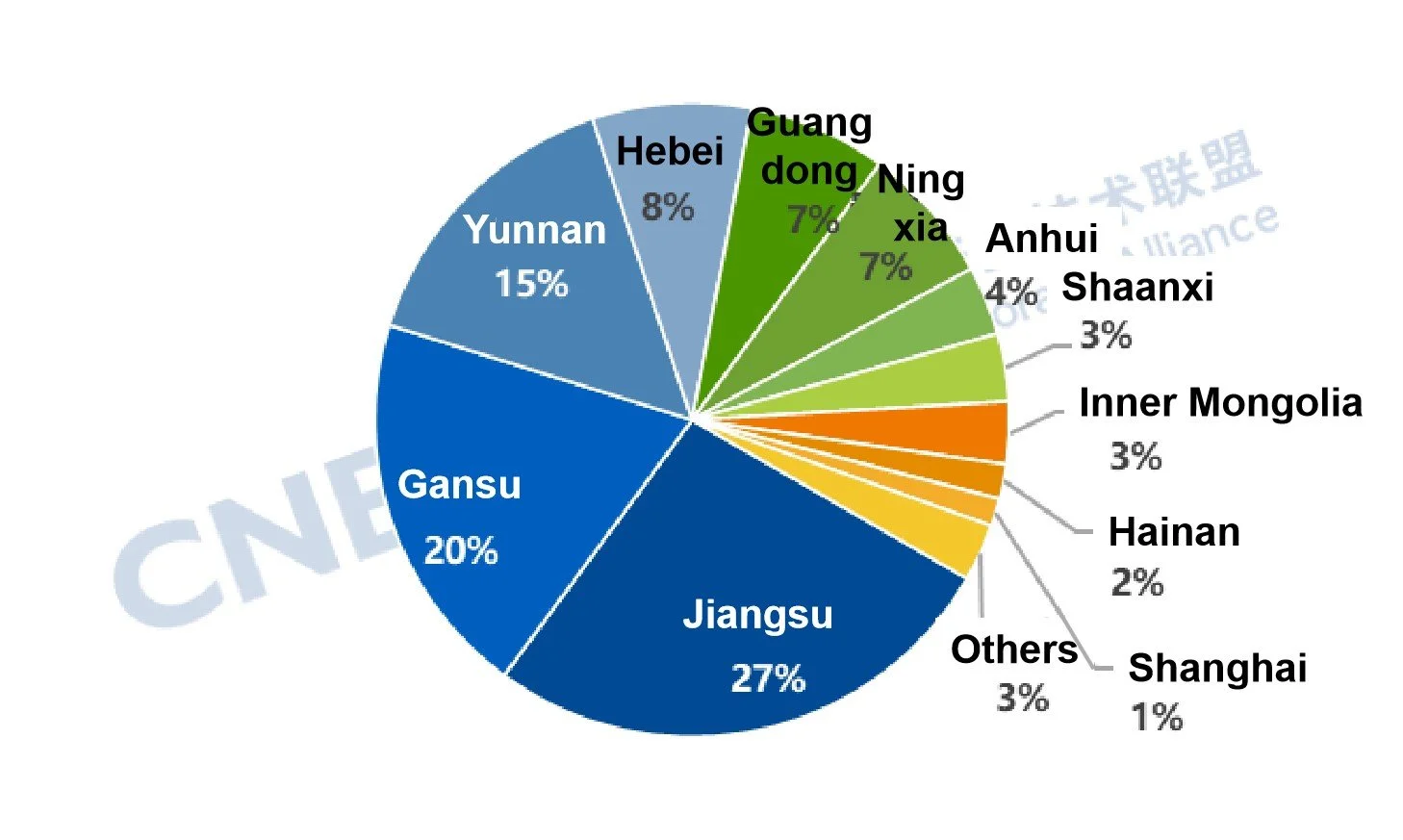
By region, western China contributed over half of October's new capacity, with the northwest region alone accounting for nearly 30%, the highest nationwide.


By province, Ningxia and Shanxi province ranked joint first in new power capacity, while Ningxia topped in new energy capacity.


As a key national new energy demonstration zone, Ningxia's renewable capacity had exceeded 50 GW by August 2025, representing 60% of total power installations - with solar surpassing coal to become the largest power source.

High proportions of wind and solar have created growing demand for storage to smooth grid fluctuations and enhance renewable integration. In addition, large-scale national initiatives such as the “Desert, Gobi and Wasteland” renewable base and UHV DC transmission projects have further expanded the application space for energy storage in Ningxia.

Figures 3. Regional Distribution of Newly Commissioned Grid&Source-Side New Energy Storage Projects in China, Oct. 2025 (MW%)

Source: CNESA Datalink Global Energy Storage Database

https://www.esresearch.com.cn/

Figures 4. Provincial Distribution of Newly Commissioned Grid&Source-Side New Energy Storage Projects in China, Oct. 2025 (MW%)

Source: CNESA Datalink Global Energy Storage Database

https://www.esresearch.com.cn/

Third-party enterprises drive growth, highlighting diversification of

investors


Driven by rising market demand, national policy incentives, technological diversification, and declining costs, the energy storage market's investment ecosystem is becoming increasingly diverse.

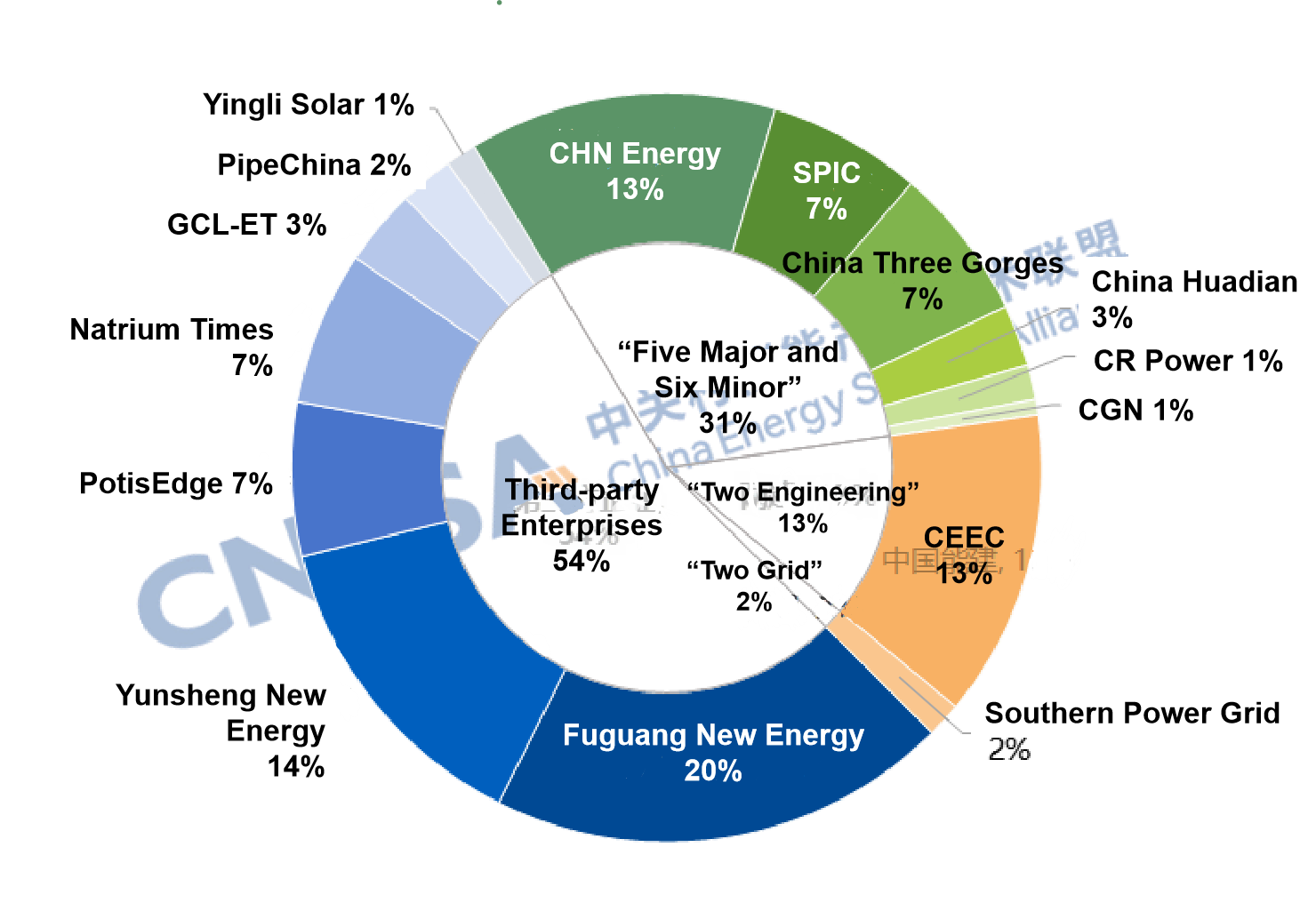
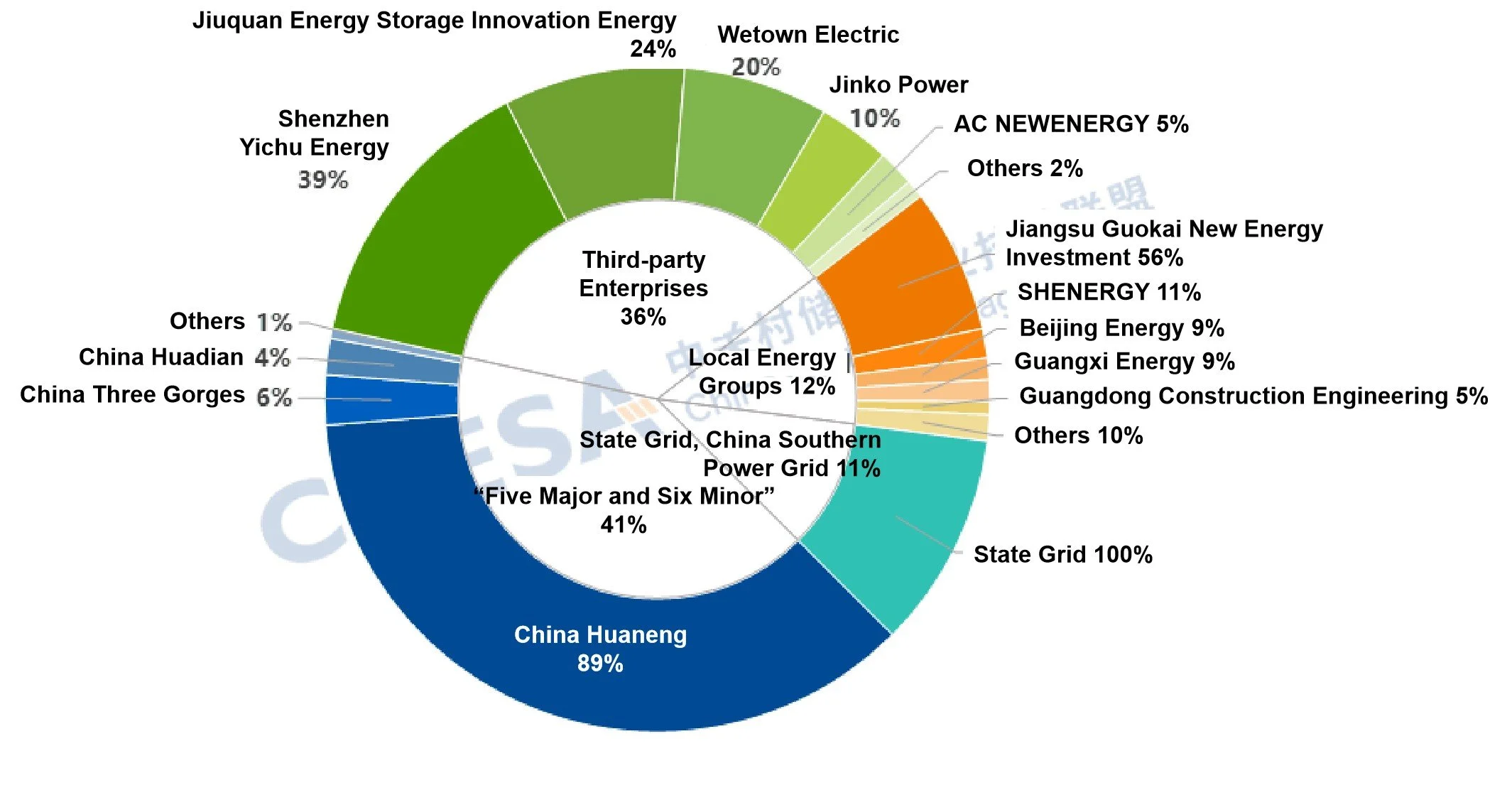
In October, projects invested by private power companies such as Fuguang New Energy and Yunsheng New Energy and energy storage/new energy manufacturers such as PotisEdge and Natrium Times (NTEL) accounted for over 50% of new installations - up 18 percentage points from September.

Nevertheless, large state-owned energy groups remain key players due to their advantages in project investment scale, construction coordination, and operational management.

In October, China's “Five Major and Six Minor” and “Two Grid and Two Engineering” state-owned power enterprises contributed 46% of newly installed capacity. Among them, “Five Major and Six Minor” and “Two Grid and Two Engineering” including CHN Energy, SPIC, and China Three Gorges Corporation accounted for 31%, down 10 percentage points from September, while the “Two Grid and Two Engineering” increased their share by 4 points.

Figure 5. Ownership Distribution of Newly Commissioned Grid&Source-side New Energy Storage Project in China, Oct. 2025 (MW%)

Source: CNESA Datalink Global Energy Storage Database

https://www.esresearch.com.cn/

Note: “Third-party enterprises” refer to entities other than large state-owned generation groups, the two grid companies, two construction groups and local energy companies.

Acceleration in non-lithium technology deployment


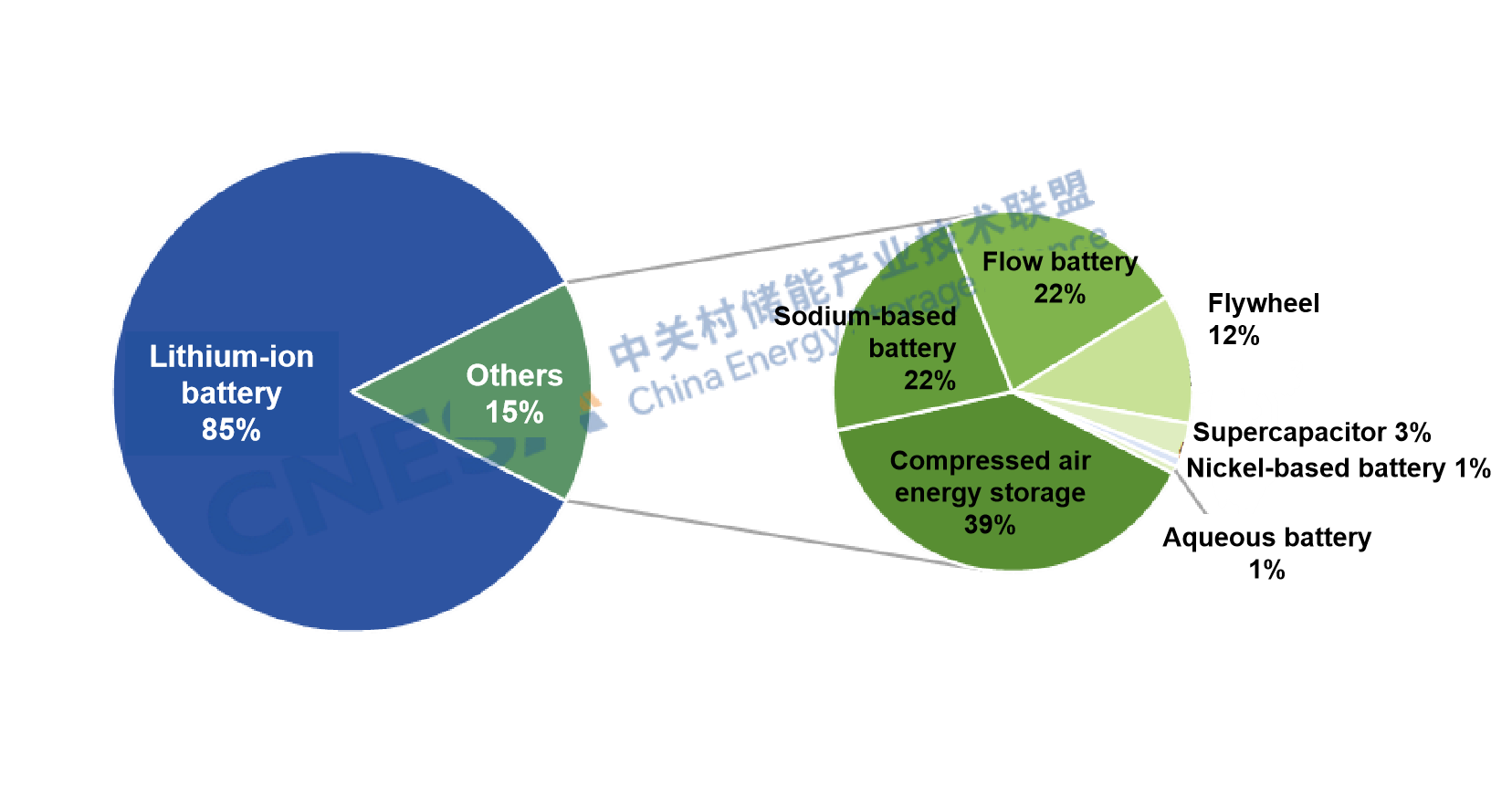
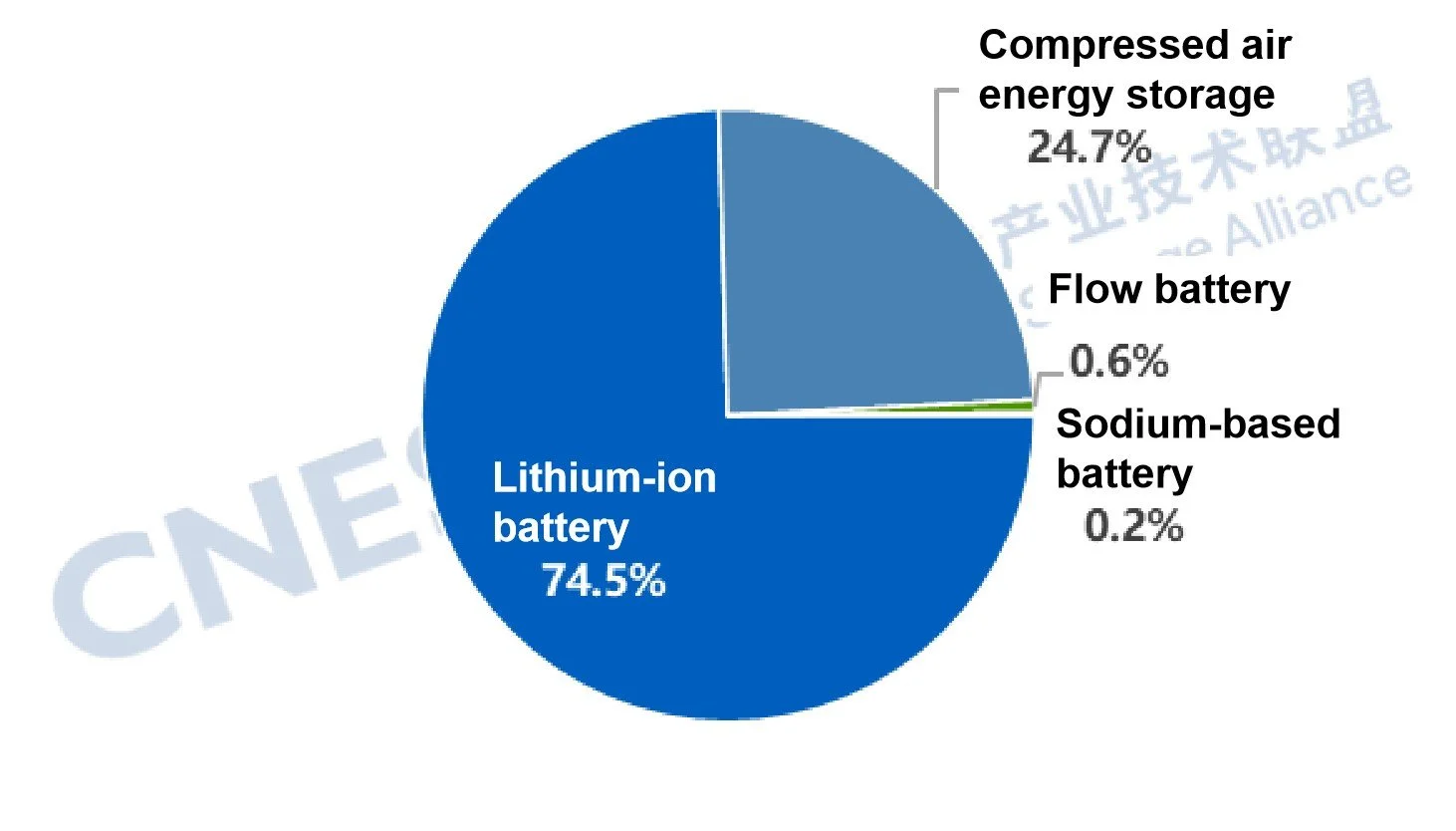
From a technical perspective, newly commissioned grid&source-side projects were dominated by lithium iron phosphate batteries, accounting for 98.5% of capacity, with sodium-ion batteries representing 1.5%.

In terms of planned and under-construction projects, deployment of non-lithium technologies such as compressed air and hybrid storage is accelerating, signaling faster diversification of technology pathways.


  • Compressed air: Multiple 100 MW-level compressed air projects have completed filing and entered the planning stage; the 350 MW Anning (Yunnan) compressed air project has begun construction.

  • Hybrid storage: Hebei Province announced a pilot list including 97 hybrid projects totaling 13.82 GW; construction of two 100 MW lithium + flow battery projects began in Weifang, Shandong; the 100 MW flywheel-lithium hybrid station is under construction in Heishan, Liaoning; the 300 MW / 1200 MWh independent power-side storage project using lithium + flow battery hybrid technology has entered the grid-commissioning stage at Gushanliang, Ordos, Inner Mongolia.

Figure 6: Technological Distribution of Newly Commissioned Grid&Source-Side New Energy Storage Projects in China, Oct. 2025 (MW%)

Source: CNESA Datalink Global Energy Storage Database

https://www.esresearch.com.cn/

The China Energy Storage Alliance (CNESA) has consistently adhered to standardized, timely, and comprehensive information collection practices to continuously track developments in energy storage projects. Leveraging its long-term data accumulation and in-depth professional analysis, CNESA regularly publishes objective market analyses on installed energy storage capacity, providing valuable references for industry decision-making. Since June 2025, the monthly energy storage project analysis has been divided into two sections: “Grid&Source-Side Market” and “User-Side Market”. This issue focuses on interpreting the grid&source-side market in October.


CENSA Upcoming Events:

1. Dec.4-5 | 2025 China Energy Storage CEO Summit | Xiamen, Fujian

Register Now to attend

Read more: http://en.cnesa.org/new-events-1/2025/12/4/dec4-5-2025-china-energy-storage-ceo-summit

2. Apr. 1-3, 2026 | The 14th Energy Storage International Conference & Expo

Register Now to attend, free before Oct 31, 2025.
Read more: https://en.cnesa.org/new-events-1/2026/4/1/apr-1-apr3-the-14th-energy-storage-international-exhibition-amp-expo

Thirtyfold Growth in Five Years! From China to the World, New Energy Storage Unlocks a Trillion-Yuan Market

Source: China Electric Power News


From China to the World

New Energy Storage Unlocks a Trillion-Yuan Market


As the “China International Import Expo 2025” unfolds, a green revolution driving the global energy transition is simultaneously taking shape.

On November 5, as a key session of the 8th Hongqiao International Economic Forum, the Parallel Forum on “Promoting High-Quality Development of New Energy Storage to Accelerate the Global Energy Transition” attracted global attention.

According to information shared at the forum, by the end of September 2025, China’s new energy storage installed capacity had reached 103 GW, over 30 times higher than at the end of the 13th Five-Year Plan, accounting for more than 40% of the global total, ranking first in the world.

As China’s new energy storage industry moves from initial commercialization to large-scale development, what opportunities and challenges lie ahead? And how will the acceleration of the “China Program” reshape the global energy storage ecosystem?

Balancing domestic demand with global expectations, this “Shanghai dialogue” on new energy storage is writing the next chapter of the world’s energy transition story.


China’s New Energy Storage Drives Trillion-Yuan Industrial Investment


New energy storage is a key technology in building a new energy system and a modern power system, and an essential driver of global green transformation. From being written into China’s 2024 Government Work Report to continuous new project commissioning in 2025, the industry’s growth has clearly accelerated.

“By the end of September this year, China’s new energy storage capacity exceeded 100 GW, becoming an integral part of the new power system.”

—— Song Hongkun

Member of the Party Leadership Group and Deputy Director of the NEA

By province, Inner Mongolia and Xinjiang both exceeded 10 GW, ranking first nationwide. By region, North China accounted for 31.18 GW, or 30.4% of the national total. In terms of scale, installations above 100 MW made up over two-thirds, showing a strong trend toward large-scale development.

As installed capacity rises, China’s energy storage dispatch and operational performance continues to improve. NEA data show that during the first three quarters of 2025, average utilization hours reached 770, up by 120 hours year-on-year, with strong performance in provinces such as Yunnan, Zhejiang, and Jiangsu.

During the peak summer months of July and August - when electricity demand repeatedly surpassed 1 trillion kWh - new energy storage played a vital role. In the State Grid operating area, the maximum dispatchable storage power exceeded 64 GW, with real-time discharge peaking at 44 GW, providing robust support for power supply security.

At the industrial level, China’s innovative practices in new energy storage have also driven significant upgrades across the supply chain. By September, lithium-ion batteries remained dominant, accounting for 96.1% (98 GW) of total capacity. Compared with 2022, EPC tender prices fell by 40% and cell prices by 60%, significantly reducing costs and accelerating exports.

In 2024, Chinese-made storage batteries accounted for over 93.5% of global shipments, with the world’s top eight suppliers all from China. Laureano Ortega Murillo, Adviser to the President of Nicaragua, revealed that the country had begun preliminary cooperation with Huawei in energy storage.

“China has become the world’s largest producer and exporter of lithium batteries. High-quality Chinese energy storage products are now exported to the Americas, Europe, the Middle East, and Oceania, earning widespread recognition from overseas users.”

—— Xiao Lu

Deputy Director-General of the Department of Foreign Trade, Ministry of Commerce

China is now using its technological innovation and manufacturing strength to provide high-performance products to the world - injecting “Eastern Contribution” into the global energy transition.


Unlocking the Full Value of New Energy Storage


With the rapid integration of renewable energy, balancing electricity supply and maintaining grid stability have become key challenges. Diverse storage technologies are now serving as flexible resources that can handle intraday, inter-day, seasonal, and regional energy transfers.

Since 2024, multiple 300 MW compressed air, 100 MW flow battery, and MW-class flywheel storage projects have entered operation. Several grid-forming energy storage projects have also been implemented, and innovative technologies such as gravity storage and CO2 compression storage are being rapidly deployed.

Lithium-ion storage continues to evolve toward high-capacity cells and large-scale integration. Flow battery installations have reached 1.15 GW, about 30 times higher than in 2020, while compressed-air storage achieved a “zero-to-one” breakthrough during the 14th Five-Year Plan, now reaching 830 MW. Solid-state and hydrogen storage technologies are also progressing rapidly, marking the rise of a diversified storage landscape.

In January 2025, China’s landmark Policy Document No. 136 (Notice on Deepening Market-Based Pricing Reform for Renewable Energy and Promoting High-Quality Development) provided a clearer market pathway for monetizing storage services such as peak shaving and frequency regulation.

By June, 194 new energy storage power stations (totaling 20.59 GW) in the State Grid area had participated in market transactions, accounting for 27% of total installations - mainly in peak regulation - showing steady growth in both scale and impact.

However, many experts at the forum noted that the full market value of new energy storage remains underdeveloped.

Currently, standalone storage only participates in the day-ahead market; access to the real-time market remains limited. Ancillary service markets lack diversity and sufficient compensation, which fails to reflect the full value of storage in fast frequency response, ramping, capacity, inertia, and black-start services.
— Meng Qingqiang, Chief Engineer of the State Grid Corporation of China
China has yet to introduce a capacity compensation mechanism for energy storage or policies allowing utilities to recover alternative storage costs through transmission and distribution tariffs. This reflects a lag in both understanding and technical capability amid the increasing complexity of the power system.
— Wang Shaowu, Deputy General Manager of China Southern Power Grid
When pricing systems can better reflect true value, market forces will play their proper role.
— Xia Qing, Professor at Tsinghua University

Meng Qingqiang also pointed out that China has yet to introduce a capacity compensation mechanism for energy storage or policies allowing utilities to recover alternative storage costs through transmission and distribution tariffs.

Strengthening Technological and Industrial Cooperation

How can China and the world further accelerate the high-quality development of new energy storage and achieve carbon-peak goals on schedule? Forum participants reached a common consensus: “Accelerate innovation and strengthen international cooperation.”

The recently released 15th Five-Year Plan Proposals emphasize the need to “build a new energy system, continuously increase renewable energy’s share, advance the safe and orderly replacement of fossil fuels, and vigorously develop new energy storage.”

“The next phase will involve coordinated planning for the 15th Five-Year period, accelerating the improvement of market mechanisms, advancing technology R&D, and deepening international collaboration. We will strengthen enterprises’ roles in innovation, improve lithium-ion storage quality and performance, and promote breakthroughs in promising emerging technologies. Meanwhile, following the principles of complementarity and mutual benefit, we will enhance bilateral and multilateral cooperation to jointly advance technological progress and industrial development.”

—— Bian Guangqi

Deputy Director of the Department of Energy Conservation and Technology Equipment, NEA

“Continuing institutional reforms to strengthen storage’s role as an independent market entity, enabling participation in energy, ancillary service, and cross-province trading markets, while fostering new business models such as leasing and capacity compensation.”

—— Wang Shaomin

Deputy General Manager of State Power Investment Corporation (SPIC)

“By 2030, China’s new energy storage capacity could reach 260 GW, continuing to lead global development.”

—— Steven Chu

Nobel Laureate in Physics and former U.S. Secretary of Energy

According to the China Energy Storage Industry White Paper 2025, under a conservative scenario, China’s cumulative new energy storage capacity will reach 236.1 GW by 2030, representing a 20.2% CAGR (2025–2030); under an optimistic scenario, it could reach 291.2 GW, with a 24.5% CAGR.

“After the rapid growth of the 14th Five-Year period, the new energy storage sector will accelerate again during the 15th Five-Year Plan, expanding applications, innovating business models, and unleashing new momentum.

China’s energy storage business model has shifted toward value-driven growth. Products with superior technical performance, higher safety, and optimized costs will gain stronger competitiveness, steering the industry toward high-quality development - from ‘price competition’ to ‘value competition.”

—— Yu Zhenhua

Founder and Executive Vice Chairman of the CNESA (China Energy Storage Alliance)

(By Yi Yuntong)


CENSA Upcoming Events:

1. Dec.4-5 | 2025 China Energy Storage CEO Summit | Xiamen, Fujian

Register Now to attend

Read more: http://en.cnesa.org/new-events-1/2025/12/4/dec4-5-2025-china-energy-storage-ceo-summit

2. Apr. 1-3, 2026 | The 14th Energy Storage International Conference & Expo

Register Now to attend, free before Oct 31, 2025.
Read more: https://en.cnesa.org/new-events-1/2026/4/1/apr-1-apr3-the-14th-energy-storage-international-exhibition-amp-expo

China’s Newly Installed Renewable Energy Capacity Up 47.7% Year-on-Year in First Three Quarters

Source: Xinhua News Agency


According to China’s National Energy Administration (NEA), in the first three quarters of 2025, China added 310 GW of newly installed renewable energy capacity, representing a year-on-year increase of 47.7% and accounting for 84.4% of the nation’s total new power installations. Specifically, new hydropower capacity reached 7.16 GW, wind power 61.09 GW, solar power (including solar thermal) 240 GW, and biomass power 1.05 GW.


At a regular press conference held by the NEA on the same day, Zhang Xing, Deputy Director-General of the NEA’s General Affairs Department, stated that in the first three quarters of 2025, the NEA remained focused on China’s carbon peaking and carbon neutrality goals, fully implemented the new energy security strategy, and made all-out efforts to advance larger-scale and higher-quality renewable energy development.


On one hand, the installed capacity of renewable energy continued to expand, driving the optimization of China’s energy structure. As of the end of September 2025, China’s total installed renewable energy capacity approached 2,200 GW, up 27.2% year-on-year, accounting for 59.1% of the nation’s total power generation capacity. The combined installed capacity of wind and solar power exceeded 1,700 GW.


On the other hand, renewable power generation maintained steady growth, providing strong support for the country’s overall electricity supply. The latest data show that in the first three quarters of 2025, China’s renewable power generation reached 2.89 million GWh, up 15.5% year-on-year, accounting for around 40% of total power generation and roughly 60% of total industrial power consumption during the same period.


At the press conference, Xing Yiteng, Deputy Director-General of the NEA’s Development and Planning Department, noted that since the beginning of this year, funding and resource guarantees for key energy projects have been continuously strengthened, with accelerated formation of tangible project progress. As a result, national energy investment has maintained rapid growth  - with 1.97 trillion yuan invested in key energy projects during the first eight months, marking an 18.2% year-on-year increase.


(Reported by Wang Xi and Dai Xiaohe)


CENSA Upcoming Events:

1. Dec.4-5 | 2025 China Energy Storage CEO Summit | Xiamen, Fujian

Register Now to attend

Read more: http://en.cnesa.org/new-events-1/2025/12/4/dec4-5-2025-china-energy-storage-ceo-summit

2. Apr. 1-3, 2026 | The 14th Energy Storage International Conference & Expo

Register Now to attend, free before Oct 31, 2025.

Read more: https://en.cnesa.org/new-events-1/2026/4/1/apr-1-apr3-the-14th-energy-storage-international-exhibition-amp-expo

Beyond the “Five Major and Six Minor”, Third-Party Enterprises Accelerate Their Entry into the Energy Storage Market -- Analysis of the New Grid&Source-Side Energy Storage Projects in September

Source: CNESA

The China Energy Storage Alliance (CNESA) has consistently adhered to standardized, timely, and comprehensive information collection practices to continuously track developments in energy storage projects. Leveraging its long-term data accumulation and in-depth professional analysis, CNESA regularly publishes objective market analyses on installed energy storage capacity, providing valuable references for industry decision-making. Since June 2025, the monthly energy storage project analysis has been divided into two sections: “Grid&Source-Side Market” and “User-Side Market”. This issue focuses on interpreting the grid&source-side market in September.

● Market Continues to Rise: In September, grid&source-side energy storage installations grew by over 180% year-on-year, with independent storage capacity increasing by nearly 340%.

● Regional Highlights: Jiangsu Province contributed the largest share of new installations, with an average duration of 3.84 hours.

● Changing Landscape: Beyond the “Five Major and Six Minor” power generation groups, third-party enterprises are accelerating their entry, capturing 40% of the market share.

● Technological Breakthroughs: Long-duration energy storage is being rapidly deployed, with compressed air energy storage projects accounting for one-fourth of the total.

Overall Analysis of New Energy Storage Projects in September

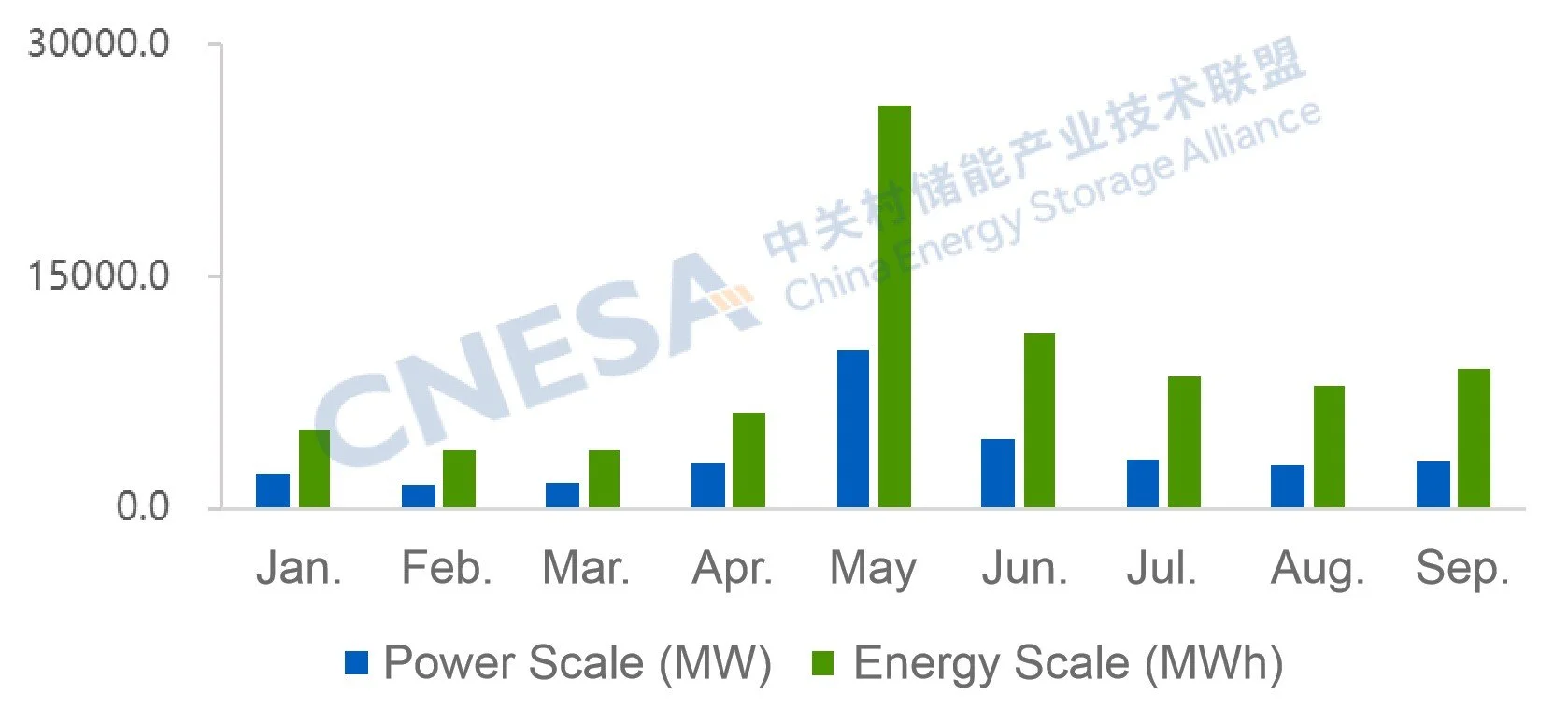
According to incomplete statistics from the CNESA Datalink Global Energy Storage Database, in Sep. 2025, newly commissioned new energy storage projects in China reached a total installed capacity of 3.08 GW / 9.08 GWh, representing a YoY increase of 166% and 200%, and a MoM growth of 7% and 15%, respectively. New installations totaled 9.16 GW / 25.52 GWh in the third quarter, marking a YoY increase of 10% and 24%. The cumulative new installed capacity for the first three quarters has already reached 74% of the total added capacity for the entire year of 2024, indicating that the total new installations in 2025 are likely to surpass last year’s level.

Figure 1: Installed Capacity of Newly Commissioned New Energy Storage Projects in China, Jan.-Sep. 2025

Data Source: Global Energy Storage Database  of the CNESA DataLink

https://www.esresearch.com.cn/

Note: YoY (year-on-year) increase compares with the same period last year; MoM (month-on-month) decrease compares with the previous reporting period

September Analysis of Grid&Source-Side Energy Storage Projects

In September, newly commissioned grid&source-side energy storage installations reached 2.84 GW / 8.50 GWh, representing a YoY increase of 189% and 226%, and a MoM growth of 15% and 21%, respectively. The new grid&source-side energy storage projects showed the following characteristics:

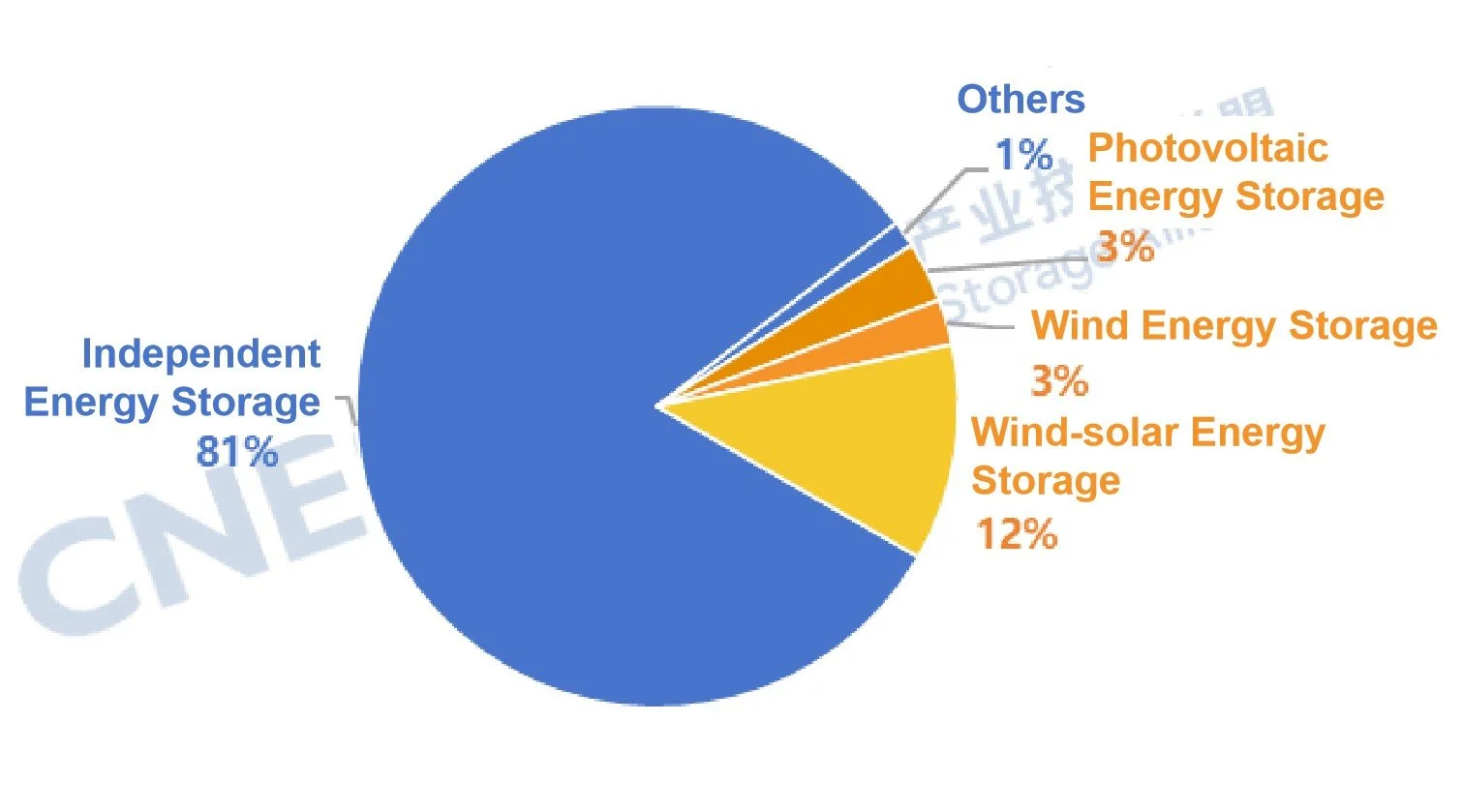
01. New Installations of Independent Energy Storage Accounts for Over 80%, with Capacity Up Nearly 340% YoY

In September, newly added independent energy storage installations totaled 2.31 GW / 6.73 GWh, marking a YoY increase of 340% and 576%. Projects of 100 MW and above accounted for 64% of the total. Newly added source-side installations reached 492.2 MW / 1,610.9 MWh, up 7.6% / down 0.3% YoY, covering a wide range of application scenarios such as supporting ultra-high-voltage (UHV) DC transmission projects, prevention and control of desertification, and integrated fishery-solar and agrivoltaic projects.

Figure 2: Application Distribution of Newly Commissioned Grid&Source-Side New Energy Storage Projects in Sep. 2025 (MW%)

Data Source: CNESA DataLink Global Energy Storage Database

https://www.esresearch.com.cn/

Note: “Others” include empirical research, etc.

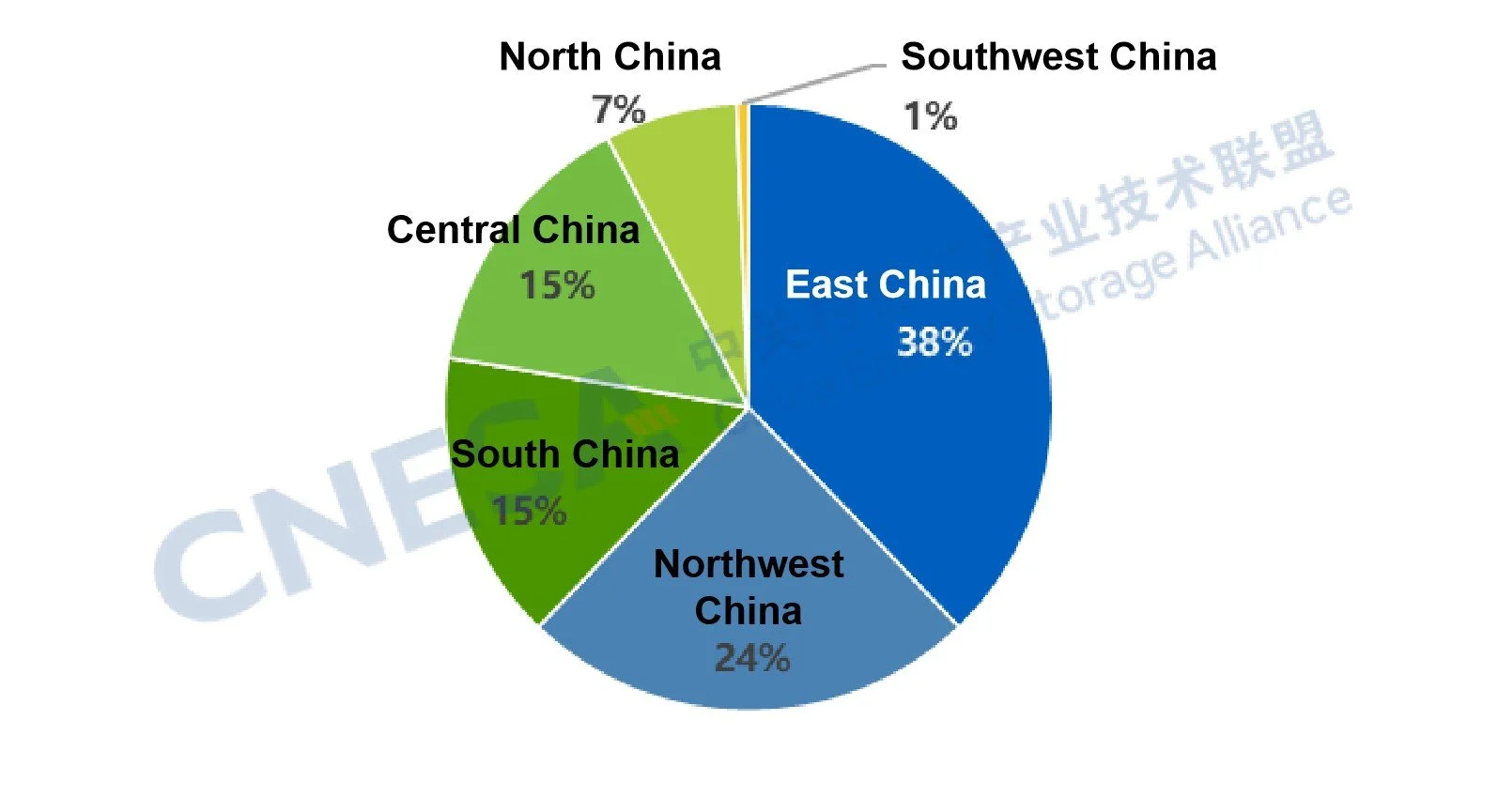
02. East China Accounts for Over 35% of New Installations, with Jiangsu Leading in Scale


In September, the East China region added more than 1 GW of grid&source-side energy storage capacity, accounting for 38% of the national total -- the highest among all regions. Among them, Jiangsu Province recorded the largest increase, with independent energy storage projects making up 99% of its new installations. As one of China’s major provinces in both economic output and energy consumption, Jiangsu faces growing challenges in power system regulation. According to State Grid data, the province’s maximum daily power load this summer exceeded 150 million kW (150 GW), and by the end of May, its installed wind and solar capacity had surpassed 100 million kW (100 GW).

On one hand, the high penetration of renewable energy has intensified grid load fluctuations, creating an urgent need to enhance system flexibility. On the other hand, Jiangsu’s power resources and demand are geographically mismatched -- wind and solar generation are concentrated in northern Jiangsu, while electricity consumption is mainly centered in the southern cities of Suzhou, Wuxi, and Changzhou. This regional imbalance between power supply and demand has further exacerbated pressure on power supply during peak demand periods.

In addition, Jiangsu’s average energy storage duration reached 3.84 hours, 0.85 hours longer than the national average for September, reflecting the province’s higher requirements for peak-shaving capability. Nationally, the average energy storage duration in September was 2.99 hours, up 13% YoY and 5% MoM, marking the highest level since 2025. The East China, Northwest China, and Southwest China regions all recorded average durations exceeding 3 hours.

Figure 3: Regional Distribution of Newly Commissioned Grid&Source-Side New Energy Storage Projects in China, Sep. 2025 (MW%)

Data Source: CNESA DataLink Global Energy Storage Database

https://www.esresearch.com.cn/

Figure 4: Provincial Distribution of Newly Commissioned Grid&Source-Side New Energy Storage Projects in China, Sep. 2025 (MW%)

Data Source: CNESA DataLink Global Energy Storage Database

https://www.esresearch.com.cn/

03. Increasingly Evident Diversification of Energy Storage Investors

From the perspective of project ownership, major power generation groups such as China Huaneng, China Three Gorges Corporation (CTG), and China Huadian -- collectively known among the “Five Major and Six Minor” state-owned power enterprises -- continued to maintain a leading position in the energy storage installation market. However, their combined market share declined by 10 percentage points compared with August. Among them, China Huaneng held the largest market share, with several projects such as the Huaneng Energy Base in Gansu Province’s Energy Storage Project Supporing for New Energy and the Huaneng Jintan Phase II Compressed Air Energy Storage Project succeeded in power transmission, contributing a total installed capacity exceeding 1 GW. These large energy groups possess comprehensive advantages in investment scale, project coordination, and operational management.

At the same time, the diversification of investment entities in the energy storage market has become increasingly apparent. In September, third-party enterprises including energy storage and new energy manufacturing companies such as Ganfeng Lithium, Weiteng Electric, and Jinko Power, along with private equity-controlled enterprises, accelerated the deployment of energy storage projects invested and constructed. Projects funded by third-party enterprises accounted for nearly 40% of new installations, an increase of 28 percentage points from August. This growth is mainly driven by the continued expansion of demand in the new energy storage market, government policies encouraging diversified participation in project investment and construction, the emergence of multiple technological pathways, and the decline in energy storage technology costs. With these favorable factors, the market potential of new energy storage has been fully unleashed, attracting a wider range of participants into the sector.

Figure 5: Ownership Distribution of Newly Commissioned Grid&Source-side New Energy Storage Project in China, Sep. 2025 (MW%)

Data Source: CNESA DataLink Global Energy Storage Database

https://www.esresearch.com.cn/

Note: Third-party enterprises refer to those other than large state-owned power generation groups, State Grid, China Southern Power Grid, Power China, Energy China, and local energy groups.

Statistic Analysis by CENSA

04. Long-Duration Energy Storage Technologies Accelerate Deployment

From a technological perspective, lithium iron phosphate (LFP) batteries remain the dominant technology, while long-duration storage technologies such as compressed air energy storage (CAES) are being deployed at an accelerating pace. The CAES Demonstration Project in Huade County, Three Gorges supported with leading technologies by the Tsinghua University (EEA) - Anhui USEM Technology Co., Ltd., and the Huaneng Jintan Phase II CAES Project supported by Tsinghua University and the Xi’an Thermal Power Research Institute, have both been succeeded in power transmission. Together, their installed power capacity accounted for nearly 25% of all new installations in September. In terms of hybrid energy storage, the first grid-side hybrid energy storage station in Fengxian District, Shanghai, integrating four technologies of flow batteries, sodium-ion batteries, semi-solid-state batteries, and lithium iron phosphate batteries was officially put into operation.

Figure 6: Technological Distribution of Newly Commissioned Grid&Source-Side New Energy Storage Projects in China, Sep. 2025 (MW%)

Data Source: CNESA DataLink Global Energy Storage Database

https://www.esresearch.com.cn/


CENSA Upcoming Events:

1. Dec.4-5 | 2025 China Energy Storage CEO Summit | Xiamen, Fujian

Register Now to attend

Read more: http://en.cnesa.org/new-events-1/2025/12/4/dec4-5-2025-china-energy-storage-ceo-summit

2. Apr. 1-3, 2026 | The 14th Energy Storage International Conference & Expo

Register Now to attend, free before Oct 31, 2025.
Read more: https://en.cnesa.org/new-events-1/2026/4/1/apr-1-apr3-the-14th-energy-storage-international-exhibition-amp-expo

Power Consumption Exceeds 1 Trillion kWh for Consecutive Periods -- What Does It Mean?

People’s Daily Overseas Edition

In July and August of this year, China’s total electricity consumption

reached 1,022.6 billion kWh and 1,015.4 billion kWh, respectively -- 

surpassing 1 trillion kWh for two consecutive months.

What does this indicate?

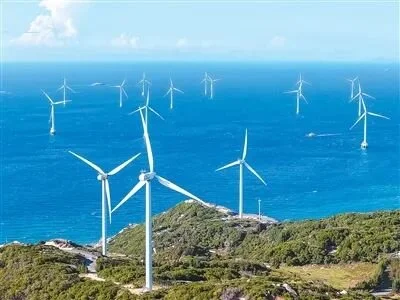
Wind turbines in the Beibu Gulf sea area of the Suping district within the Comprehensive Experimental Zone in Pingtan County, Fujian Province. Photo by Xie Guiming (People Visual)

The Pingtan Comprehensive Experimental Zone in Fujian Province is focusing on the development of the wind power industry, leveraging its abundant offshore wind resources to create a complementary model of “green energy + offshore farms”, delivering clean electricity and supporting carbon reduction efforts.

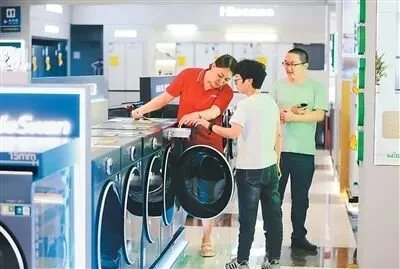
Recently, residents of Leshan City, Sichuan Province, were shopping for home appliances in a large shopping mall. Photo by Li Huashi (People Visual)

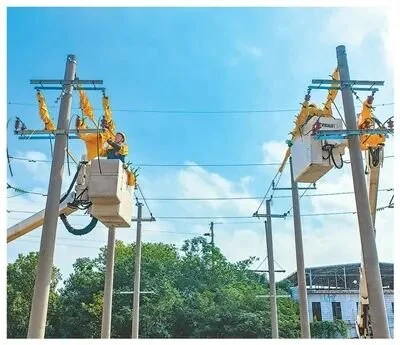
Contestants participating in the distribution network live-line operation competition. Photo by Lu Junyuan (People Visual)

Recently, Wuhu Electric Power Company in Anhui Province under the State Grid, together with the Wuhu Fanchang District Federation of Trade Unions, held the Fanchang District 2025 Power Emergency Supply and Service Skills Competition, supporting the development of local skilled talent and power emergency guarantee.

Total electricity consumption in China has consecutively exceeded 1 trillion kWh! Recently, the National Energy Administration released electricity consumption data for July and August. In July, total electricity consumption reached 1,022.6 billion kWh, up 8.6% year-on-year; in August, it reached 1,015.4 billion kWh, up 5% year-on-year.

What does it mean for a single month’s consumption to surpass 1 trillion kWh? What economic development trends does this reflect?

How should we understand 1 trillion kWh?

-- Horizontally, 1 trillion kWh is roughly equivalent to the total annual electricity consumption of Japan; Vertically, this figure has doubled over the past 10 years.

Electricity consumption is regarded as a “barometer” and “weathervane” of economic and social activity. By observing changes in this data, one can gain a relatively direct insight into the underlying momentum of economic development.

In July this year, China’s total electricity consumption reached 1,022.6 billion kWh, marking the first time monthly consumption exceeded 1 trillion kWh, a milestone also unprecedented globally. In August, total electricity consumption reached 1,015.4 billion kWh, crossing the 1 trillion kWh threshold once again.

What does 1 trillion kWh mean? Horizontally, 1 trillion kWh is roughly equivalent to the total annual electricity consumption of Japan or that of the ASEAN countries; Vertically, compared with July 2015, when electricity consumption first exceeded 500 billion kWh, this figure has doubled over the past 10 years.

By industry, in July, electricity consumption in the primary sector reached 17 billion kWh, up 20.2% year-on-year, with a growth rate 15.3 percentage points higher than the previous month. The secondary sector consumed 593.6 billion kWh, up 4.7% year-on-year, with a growth rate 1.5 percentage points higher than last month. electricity consumption in the the tertiary sector used 208.1 billion kWh, up 10.7% year-on-year, 1.7 percentage points higher than June. Urban and rural household electricity consumption reached 203.9 billion kWh, up 18.0% year-on-year.

It is evident that the secondary sector accounted for the largest share of total electricity consumption in July. As a fundamental factor of industrial production, the stable growth in electricity use indicates the steady development of industrial economy.

“In July, electricity consumption in the secondary sector continued to grow, with high-tech and equipment manufacturing leading the increase”, analyzed by Jiang Debin, Deputy Director of the Statistics and Digital Intelligence Department at the China Electricity Council (CEC). Specifically, in July, electricity consumption in the four high-energy-consuming industries grew 0.5% year-on-year, an increase of 1.2 percentage points compared to the previous month, turning positive after two months of decline. Additionally, most consumer goods manufacturing sectors saw rising electricity usage. In July, electricity consumption in food manufacturing, tobacco products, and agricultural and sideline food processing increased 7.3%, 5.3%, and 5.1% year-on-year, respectively.

In August, electricity consumption in the primary sector grew 9.7% year-on-year, 5.1 percentage points higher than the same period last year, with livestock and fisheries leading at 12.3% and 10.9%, respectively. Electricity consumption in the secondary sector increased 5% year-on-year, 0.3 percentage points higher than July and 1 percentage point higher than August 2024. Within this, the four high-energy-consuming industries grew 4.2% year-on-year, 3.7 percentage points higher than last month. Growth in the tertiary sector slightly declined month-on-month but remained robust at 7.2%. Meanwhile, urban and rural household electricity consumption reached 196.3 billion kWh, up 2.4% year-on-year.

What factors are driving electricity consumption?

-- Rapidly rising power loads under sustained high temperatures; Macroeconomic recovery supporting continued capacity release across industries

What explains the monthly electricity consumption exceeding 1 trillion kWh?

Firstly, sustained high temperatures have driven demand. Since the start of summer, many regions nationwide have experienced hot and humid weather, causing electricity loads to climb rapidly and boosting urban and rural household electricity consumption. On July 4, the national peak load reached 1.465 billion kW, approximately 200 million kW higher than the end of June, setting a historic record (compared with 1.451 billion kW in 2024) and nearly 150 million kW higher than the same period last year. Provinces including Jiangsu, Anhui, Shandong, Henan, and Hubei saw their grids load reach all-time highs. In Jiangsu, the grid load exceeded 150 million kW for the first time, with the peak load rising nearly 40 million kW above the spring average, about 90% of the incremental load used for air conditioning.

“According to the National Climate Center, many places across the country experienced multiple rounds of high temperatures in July, with the national average temperature reaching a historical high for the same period since 1961, driving urban and rural household electricity consumption up 18% year-on-year. Under the sustained hot and humid weather, multiple regions reached record loads. In July, household electricity consumption in Henan, Shaanxi, Shandong, Sichuan, Anhui, and Hubei all rose more than 30% year-on-year”, said Jiang Debin.

Secondly, macroeconomic recovery and industrial production expansion have boosted electricity demand. A series of policies promoting consumption through the “Two New” (large-scale equipment renewal and trade-in of consumer goods) and “Two Majors” (the implementation of major national strategies and the construction of security capabilities in key areas) measures, along with efforts to stabilize industrial growth and curb over-competition, have maintained a recovering economic trend, releasing industrial capacity and further driving total electricity consumption.

“In August, nationwide manufacturing electricity consumption grew 5.5% year-on-year, the highest monthly growth this year. Electricity use in raw material industries such as steel, building materials, non-ferrous metals, and chemicals showed clear recovery, with total consumption up 4.2% year-on-year, 3.7 percentage points higher than July. High-tech and equipment manufacturing demonstrated strong resilience, with total electricity consumption up 9.1% year-on-year, about 4.6 percentage points above the average manufacturing growth rate”, Jiang Debin said. Importantly, all sub-sectors of high-tech and equipment manufacturing saw positive growth, with new energy vehicle production and photovoltaic industry manufacturing maintaining rapid growth, reflecting the robust development of new-quality productivity, creating new economic growth points, and driving electricity consumption upward.

Rising consumption has also contributed to higher electricity use. The consumer market has maintained steady growth this year, and service consumption policies have taken effect, sustaining rapid growth in the service sector. For example, in Jiangsu Province, host of the popular “Jiangsu Football City League” summer events, electricity consumption in fitness and leisure venues increased 23% year-on-year in July. During the same month, catering industry electricity use rose 10.1% year-on-year, while tourist attractions and accommodation electricity consumption increased 10.3% and 5.3% year-on-year, respectively.

What Ensures Stable Power Supply Amid Soaring Electricity

Consumption?

-- Strong energy self-sufficiency, stable operational regulation, and robust emergency response capabilities are key

From the consumption side, China’s record-breaking monthly electricity use -- exceeding 1 trillion kWh -- not only highlights the vitality of economic and social development but also reflects the steady reliability of the power supply.

According to Wang Hongzhi, Director of the China’s National Energy Administration, during the summer peak period (from the second half of July to the first half of August), China experienced extensive high temperatures, heavy rainfall, floods, and typhoons. Meanwhile, the country’s steadily recovering economy posed even greater demands on energy security. Despite these challenges, China’s power supply remained stable and orderly throughout the summer. “Our energy system withstood the peak and safeguarded the bottom line”, said Wang. Overall, China’s energy supply security and resilience have reached a high level.

Stable electricity use is underpinned by a high degree of energy self-sufficiency. Since the start of the 14th Five-Year Plan, China has taken multiple measures to strengthen the stability and security of its energy supply chain. Over 90% of the increase in energy consumption has been met through domestic production. New energy sources have played a major role, achieving two “50%” milestones: The increase in renewable power generation accounts for nearly 50% of total new generation capacity nationwide; Non-fossil energy sources have contributed nearly 50% of the total increase in energy supply. As of the end of August, China’s total installed power generation capacity reached 3.69 billion kW, up 18.0% year-on-year, with wind and solar power combined totaling around 1.7 billion kW. This demonstrates that China’s energy self-sufficiency “base” has become more solid, while the share of green energy continues to rise.

Stable electricity use also relies on robust operational coordination. China has established a comprehensive energy production, supply, storage, and marketing system and a sound mechanism to ensure supply and stabilize prices. Energy storage capacity has been steadily enhanced, while the nationwide oil and gas pipeline network has been expanding rapidly. The large-scale power grid’s capacity to allocate and balance resources across regions has been fully utilized. Before this summer’s power demand peak, several cross-provincial transmission projects, including the Longdong-Shandong and Hami-Chongqing lines, were completed and put into operation. These channels have delivered stable power to many cities, ensuring smooth electricity use during high-demand periods.

Stable power supply also relies on strong emergency support capabilities. When electricity demand surges sharply, power grids face serious challenges, particularly amid increasingly frequent global extreme weather events and natural disasters. To address this, China has established a national-level emergency power support system, consisting of four regional emergency bases in Sichuan-Chongqing-Tibet, South China, North China, and East China. These facilities aim to strengthen the country’s emergency response capacity for coal, oil, and gas, ensuring the long-term stability and reliability of the national energy and power systems. Therefore, no large-scale blackouts have occurred nationwide.

Looking ahead, the National Energy Administration will take the 15th Five-Year Plan for the new-type power system as a guiding framework, adhering to the principle of moderately advanced power development. Efforts will focus on promoting rational and green energy consumption, supporting both economic and social development as well as the public’s growing demand for a better life, moving from “having access to electricity” toward “using electricity efficiently and intelligently.”

(By Liao Ruiling)

The 14th ESIE - largest energy storage event in China is coming on April 1-3, 2026, Beijing, China!

Register Now to attend, free before Oct 31, 2025.
Read more: https://en.cnesa.org/new-events-1/2026/4/1/apr-1-apr3-the-14th-energy-storage-international-exhibition-amp-expo

ESIE 2026 Registration

Fill in the information below to complete your registration.

Subscribe to Newsletter