

Latest News
New Installations Surge Over 120% YoY — February Analysis of China’s New Energy Storage Projects
In February 2026, China’s new energy storage market sustained its rapid growth momentum, with newly installed capacity increasing by over 120% year-on-year (YoY). Meanwhile, the application structure of the market has undergone adjustments compared with the same period last year.
In February 2026, China’s new energy storage market sustained its rapid growth momentum, with newly installed capacity increasing by over 120% year-on-year (YoY). Meanwhile, the application structure of the market has undergone adjustments compared with the same period last year.
Short-term fluctuations do not alter long-term growth trend: In February, newly installed capacity reached 3.6 GW, representing a YoY increase of over 120% and a month-on-month (MoM) decline of 31%. Despite the short-term slowdown, the long-term growth trajectory of the energy storage market remains strong.
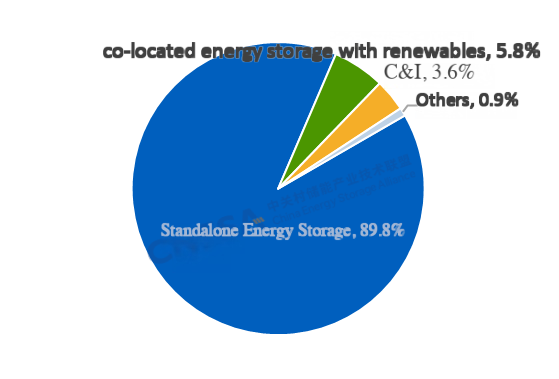
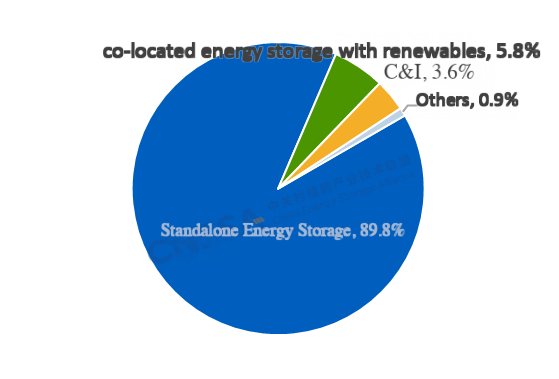
Front-of-the-meter standalone storage drives growth: Standalone energy storage on the generation and grid side became the primary growth driver. In February, standalone storage accounted for 90% of newly added capacity, up 42 percentage points YoY. Newly installed power and energy capacity of standalone storage increased by more than 310% and 270% YoY, respectively.
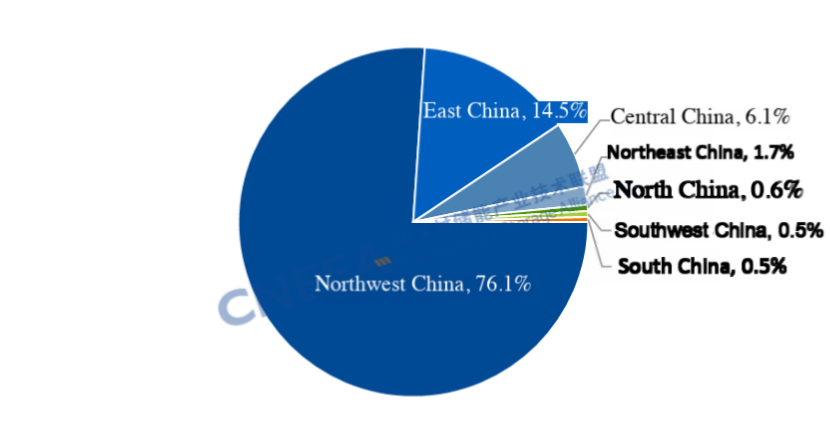
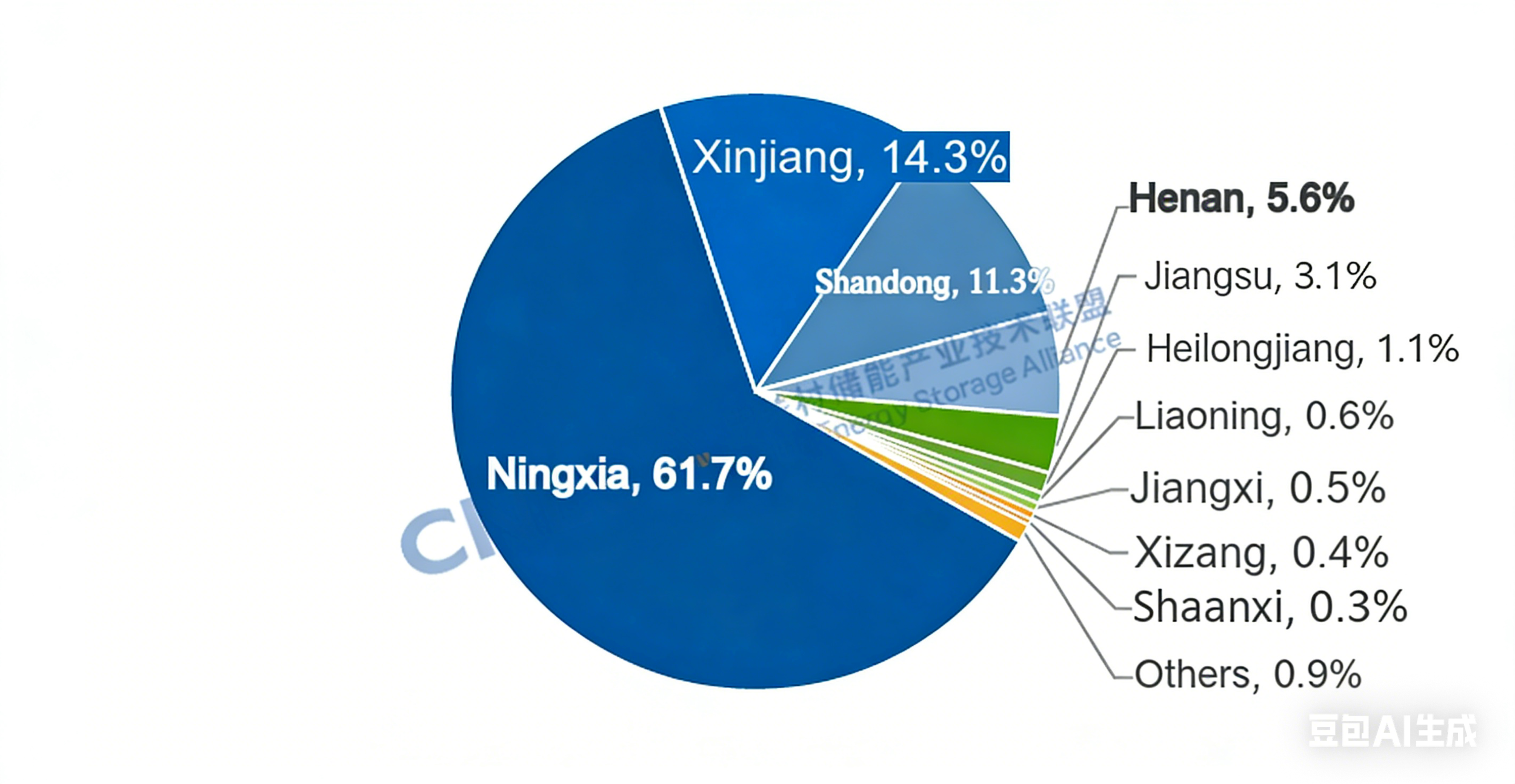
Highly concentrated regional deployment: The Northwest region accounted for over 75% of total additions, with Ningxia alone exceeding 2 GW, contributing more than 60% of the national total.
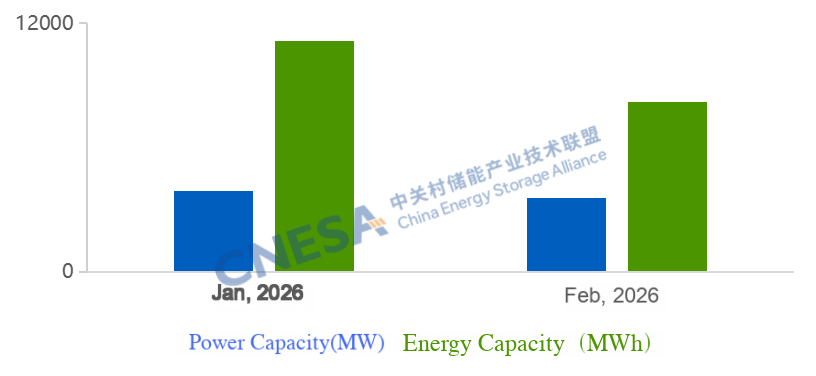
According to incomplete statistics from China Energy Storage Alliance(CNESA), China commissioned 3.56 GW / 8.19 GWh of new energy storage capacity in February 2026, representing YoY increases of +120% / +95% and MoM declines of -31% / -21%.
The MoM decline was mainly due to project construction cycles and the impact of the Spring Festival holiday. However, the YoY growth exceeding 120% indicates a fundamentally positive market outlook. Notably, front-of-the-meter (FTM) installations reached 3.4 GW, up 147% YoY, effectively doubling the total monthly additions.
Key Market Characteristics in February
1. Standalone Storage Surges Over 270%, Driving Market Expansion
In terms of application structure, standalone energy storage dominated the market. It accounted for 90% of total newly installed power capacity, up 42 percentage points YoY and 8 percentage points MoM. Newly added capacity reached 3.2 GW / 7.4 GWh, with YoY growth of +313% / +274%, becoming the main driving point of energy storage market. All newly commissioned standalone energy storage projects reached at least the 100 MW level, with the number of such projects rising by 29% year-on-year, alongside the commissioning of two gigawatt-scale projects.
Installations on the generation side and behind-the-meter (BTM) user side experienced a temporary decline. Newly installed capacity on the generation side reached 217.3 MW / 474.3 MWh, down 65% / 72% year-on-year and 41% / 36% month-on-month. Co-located storage with renewable energy remained the dominant model, covering a range of application scenarios such as aquaculture, solar hybrid projects and desertification control initiatives.
New user-side installations totaled 135.2 MW / 292.7 MWh, down 41% / 42% year-on-year and 51% / 58% month-on-month. The market was highly concentrated, with Jiangsu, Guangdong, and Zhejiang accounting for 90% of total user-side energy storage capacity, while Jiangsu ranked first nationwide in both installed capacity and project count.
On the technology front, lithium-ion batteries continued to scale rapidly, supporting the commissioning of gigawatt-level standalone storage plants. Meanwhile, hybrid systems combining lithium-ion and sodium-ion batteries at the 100 MW level were deployed, and aqueous organic flow batteries were implemented on the user side, providing more diversified technological pathways for long-term development.
2. Regional Concentration Intensifies, Northwest China Dominates
In February, regional concentration of new installations was pronounced. The Northwest region added 2.7 GW, accounting for 76% of the national total. The combined share of the Northwest and North China regions exceeded 90%. Ningxia added 2.2 GW / 4.4 GWh of new capacity, ranking first nationwide in both power and energy scale and setting a new monthly record for the region. This surge was driven by the grid connection of several gigawatt-scale shared energy storage projects and storage systems paired with large renewable energy bases.
By the end of 2025, Ningxia’s renewable energy capacity reached 57.32 GW, accounting for 65.5% of total grid capacity under centralized dispatch. Solar power has surpassed coal-fired generation to become the largest power source in the region. Due to the intermittency of renewables—characterized by surplus generation during the day and shortages at night—demand for grid services such as peak shaving and frequency regulation has surged. A coordinated development model integrating wind, solar, thermal power, and energy storage is rapidly taking shape. Looking ahead, energy storage is expected to generate revenue through multiple channels, including capacity compensation, spot market trading, frequency regulation services, ramp rate support and so on.
In addition, Ningxia has introduced policies encouraging private capital participation in energy storage investment. In February, a gigawatt-scale storage project developed by Jiayang Energy was commissioned, demonstrating strong investor confidence in the region. At the end of February, the region released its first batch of 2026 private investment promotion projects, including 22 energy storage projects with a total scale of 4.15 GW / 14.4 GWh, providing a solid pipeline for continued market growth.
Register now to attend Asia’s Largest Energy Storage Trade Show for free:
What: The 14th Energy Storage International Conference & Expo
When: Conferences: March 31 - April 2, 2026
Exhibitions: April 1-3, 2026
Where: CIECC Beijing, China
Address: No. 55 Yudong road, Shunyi District, Beijing China

2.1GW+7.75GWh! China Power Construction Group Signed One of the Largest Solar-Plus-Storage Projects in the UAE
Recently, China Power Construction Group officially signed the EPC contract for the 2.1GW + 7.75GWh RTC solar-plus-storage project in Abu Dhabi, United Arab Emirates (UAE), with a contract value of approximately RMB 13.962 billion. As one of the largest integrated solar-plus-storage projects in the Middle East and even the world, the signing of the contract marks the project’s transition into the full implementation phase, which is projected to be delivered in 2027.
Recently, China Power Construction Group officially signed the EPC contract for the 2.1GW + 7.75GWh RTC solar-plus-storage project in Abu Dhabi, United Arab Emirates (UAE), with a contract value of approximately RMB 13.962 billion. As one of the largest integrated solar-plus-storage projects in the Middle East and even the world, the signing of the contract marks the project’s transition into the full implementation phase, which is projected to be delivered in 2027.
Amid the accelerating global energy transition and the impact of geopolitical on energy supply, solar-plus-storage systems, as independent and controllable energy solutions, is witnessing an explosive growth in demand. Industry forecasts suggest that large-scale solar-plus-storage projects are being tendered in rapid succession worldwide, with the Middle East emerging as a key engine of market demand, providing significant growth opportunities for the energy storage sector.
Notably, the overseas business of China Power Construction Group has demonstrated strong performance this year. Data indicates a significant increase in the share of overseas operations. According to the company’s operational report of January-February 2026 released on March 12, China Power Construction Group signed RMB 147.893 billion in new contracts during the first two months of the year. Among them, overseas contracts reached RMB 40.888 billion, representing a year-on-year increase of 19.92%. Despite broader market pressures, overseas business continued to expand, with its share of newly signed contracts rising from around 21% in the same period last year to approximately 27%.
Register now to attend Asia’s Largest Energy Storage Trade Show for free:
What: The 14th Energy Storage International Conference & Expo
When: Conferences: March 31 - April 2, 2026
Exhibitions: April 1-3, 2026
Where: CIECC Beijing, China
Address: No. 55 Yudong road, Shunyi District, Beijing China

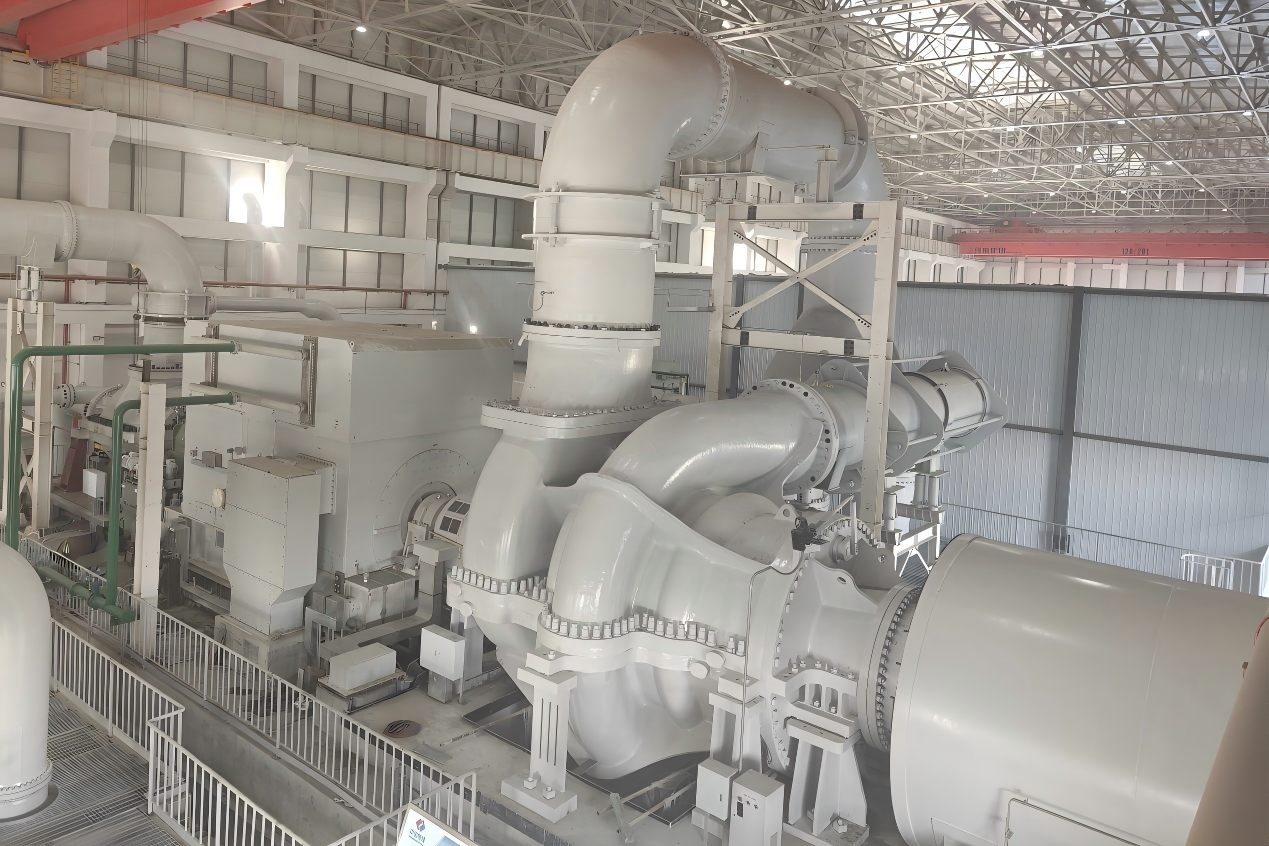
Major Breakthrough Achieved in the R&D of the World’s First and Most Powerful Single-Unit Compressed Air Energy Storage Compressor
Recently, China has achieved a major breakthrough in the research and development of compressed air energy storage(CAES) technology . Developed jointly by the Institute of Engineering Thermophysics, Chinese Academy of Sciences(IET, CAS) and ZHONG-CHU-GUO-NENG(BEIJING)TECHNOLOGY CO.,LTD., the world’s first CAES compressor with the largest single unit power has successfully passed the third-party testing accredited by CNAS. According to the test results, the compressor achieved maximum discharge pressure of 10.1MPa, a maximum power output of 101MW and an operating range of 38.7% to 118.4% under variable conditions and an efficiency of 88.1% at maximum discharge pressure, reaching an internationally leading level.
Recently, China has achieved a major breakthrough in the research and development of compressed air energy storage(CAES) technology . Developed jointly by the Institute of Engineering Thermophysics, Chinese Academy of Sciences(IET, CAS) and ZHONG-CHU-GUO-NENG(BEIJING)TECHNOLOGY CO.,LTD., the world’s first CAES compressor with the largest single unit power has successfully passed the third-party testing accredited by CNAS. According to the test results, the compressor achieved maximum discharge pressure of 10.1MPa, a maximum power output of 101MW and an operating range of 38.7% to 118.4% under variable conditions and an efficiency of 88.1% at maximum discharge pressure, reaching an internationally leading level.
The compressor is one of the most critical core components of a compressed air energy storage system. During the energy storage process, it will compress the atmospheric pressure air to high-pressure state and store it in gasometers, converting electric energy to pressure energy and thermal energy of the air. Through independent innovation, the research team overcame key technical challenges including overall system design and optimization, full 3-Dimensional flow optimization, long rotor complex shafting structure design and high-efficiency variable operating condition control, successfully developing the world’s first CAES compressor with a single unit power exceeding 100MW, featuring fully independent intellectual property rights. Compared with existing CAES compressors, its single-unit power has increased by more than 100%, unit costs have been significantly reduced and it offers advantages including high efficiency, high pressure and a wide operating range.
The Institute of Engineering Thermophysics, Chinese Academy of Sciences has been a pioneer in China’s CAES research since 2005. Through continuous efforts for over 20 years, it originally proposed new principles for advanced compressed air energy storage, developed several critical technologies including system design for full operating conditions system design, wide-load compressors, high-efficiency compact heat exchangers and high-load expanders; It has established a comprehensive R&D and design system covering “system design-key components-integrated control; it has also taken the lead in building national demonstration projects for 1.5MW-10MW-300MW advanced CAES. The successful development of the CAES marks an important milestone of world compressed air energy storage technology, which will drive the technology to a new level.
The above work was supported by projects including Chinese Academy of Sciences Strategic Priority Research Program (Category A), National Key Research and Development Program of China and National Natural Science Foundation of China (NSFC) Young Scientists Fund (Category A), among others .
Looking ahead, ZHONG-CHU-GUO-NENG will actively promote the application of this compressor and continue to enhance its capabilities in technological innovation, manufacturing, and engineering implementation. Through the transformation and wider application of major scientific and technological equipment achievements, the company aims to deliver high-end equipment with higher efficiency, better performance, and lower costs, thereby driving high-quality industrial development and supporting China’s energy transformation and sustainable development of regional economies.
Register now to attend Asia’s Largest Energy Storage Trade Show for free:
What: The 14th Energy Storage International Conference & Expo
When: Conferences: March 31 - April 2, 2026
Exhibitions: April 1-3, 2026
Where: CIECC Beijing, China
Address: No. 55 Yudong road, Shunyi District, Beijing China

Key Energy Storage Standards to Watch in 2026 Highly Recommended for Industry Reference
During the 14th Five-Year Plan period, China’s energy storage technology mix witnessed noticeable changes where pumped hydro storage accounted for less than 40% for the first time while the new-type energy storage represented by lithium batteries saw explosive growth.
During the 14th Five-Year Plan period, China’s energy storage technology mix witnessed noticeable changes where pumped hydro storage accounted for less than 40% for the first time while the new-type energy storage represented by lithium batteries saw explosive growth.
According to incomplete statistic from China Energy Storage Alliance (CNESA), by the end of 2025, China’s cumulative installed capacity of power storage reached 213.3GW among which pumped hydro storage shared 31.3% while the new-type cumulative energy installations represented by lithium battery accounted for over two thirds.
Against the backdrop of robust industry expansion, it is significant to improve energy storage standardization system especially enhancing safety standard.
Through the incomplete statistic, in 2025, China released over 40 national, industry and local standards on energy storage. These standards cover energy storage planning and designing, equipment testing, grid connection and operation, safety management and emergency response, providing important support to guide high-quality industry development, guarantee the safety of energy storage power stations, and promote the energy structure transformation and the green and low-carbon development across industrial value chain.
This article aims to clarify major energy storage standards released in 2025 and their influence. It will also list the key standards that have already come into force or will be implemented in 2026, helping industry stakeholder stay aligned with regulatory developments, mitigate compliance risks, and ensure the safe and efficient advancement of projects.
Strengthening the Energy Storage Safety Standards System From “Recommended” to “Mandatory”
Electrochemical Energy Storage represented by lithium battery has developed in a breakneck speed where installed capacity continued to expand, with safety being a core concern for the industry. In accordance with the incomplete statistic, 2025 alone saw about 30 energy storage safety accidents across the world. Two fires happened consecutively in American Moss Landing energy storage plant with huge loss, drawing widespread attention.
In order to ensure the safe and stable operation of lithium battery energy storage systems, cut down accident incidences and improve emergency response capabilities, the mandatory national standard GB 44240 Secondary lithium cells and batteries used in electrical energy storage systems—Safety requirements officially came into effect on August 1, 2025, which is recognized as the highest-level national standard on energy storage safety to date. It upgrades the safety requirements of energy storage lithium battery from “recommended” to “mandatory” for the first time, covering more than 20 rigorous testings from cell vibration, acceleration shock, shallow puncture, and compulsory discharge. Several leading companies’ battery products like those of CATL have passed third-party testings which is a sign that the standard’s entry into substantive implementation, setting a new benchmark for energy storage industry.
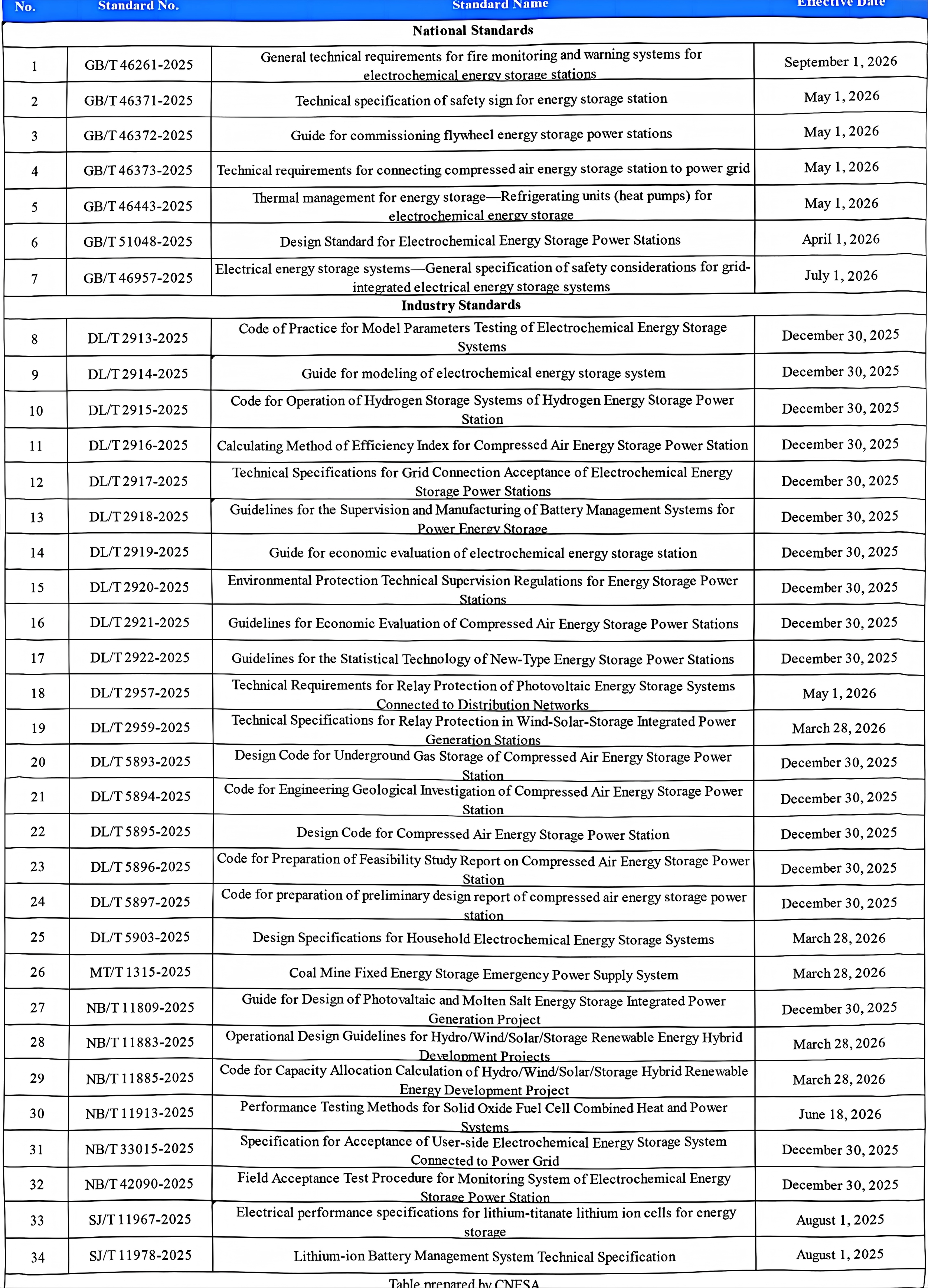
China’s Ministry of Housing and Urban-Rural Development released the revised national standard GB/T 51048- 2025 Design Standard for Electrochemical Energy Storage Power Station. Issued on December 31, 2025 and effective on April 1, 2026, this standard represents the first revision in a decade. Through revision across ten years, it introduces new technology pathways of sodium batteries, hydrogen fuel cells and so on. Based on practical challenges encountered during the application of electrochemical energy storage pathways over the past ten years, it established differentiated design requirements and addressing the potential safety risks serves as a core technical reference for the design of electrochemical energy storage power stations.
Shifting the Focus of Safety Protection from “Post-Incident Response” to “Pre-Incident Prevention”
With the continuous breakthroughs of safety protection technologies, shifting from “post-incident response” to “pre-incidence prevention” gradually become one of the major strategies.
China’s first national electrochemical energy storage fire warning standard GB/T 46261- 2025 General technical requirements for fire monitoring and warning systems for electrochemical energy storage stations was issued on August 29, 2025 and will take effect on September 1, 2026. This standard established a systematic and standardized framework for fire monitoring and early warning systems for the first time, covering several performances and technology requirements like multi-parameter monitoring, coordinated control and environmental adaptability and filling the long-standing gap in standards for early fire monitoring and warning product, which holds important reference for accident monitoring and safety warning system design in energy storage power stations.
CNESA standard Technical Specification for Liquid Nitrogen Fire Extinguishing Systems in Electrochemical Energy Storage Power Stations is currently under public consultation. Developed based on national key R&D program outcomes, the standard consolidates technical achievements in liquid nitrogen fire suppression systems and their application in protecting lithium-ion battery energy storage systems.
Internationally, the 2026 edition of NFPA 855 has also placed pre-incident prevention at the center of safety management. Systematic risk identification and mitigation analysis have been upgraded from conditional to routine requirements. It firstly introduced large-scale fire testings on the assessment of thermal runaway propagation. CSA/ANSI C800-2025 and the fifth edition of UL 9540A came as follows, which update large-scale fire testings requirements and significantly improve the proactive safety protection requirements of energy storage products.
Initial Progress Energy Storage Footprint Accounting Standards Supporting the “Dual Carbon” Goals
As the GB/T 24067- 2024 Greenhouse gases—Quantification methods and requirements for carbon footprint of product—Lithium-ion battery for electrical energy storage systems releases, China has built the foundational framework of carbon footprint accounting. Subsequently, the Ministry of Ecology and Environment together with National Development and Reform Commission and other authorities jointly issued the Guidelines for Developing Product Carbon Footprint Accounting Standards, encouraging broad participation in the design and amendment of product carbon footprint accounting standards. The guidelines target the formulation of 100 product carbon footprint standards by 2027 and 200 by 2030. Building on this framework, sector-specific carbon footprint standards are now gradually being developed.
In 2025, draft standards such as Greenhouse Gases—Product Carbon Footprint Quantification Requirements for Lithium-Ion Batteries Used in Electrical Energy Storage Systems, led by the China Electronics Standardization Institute, and Greenhouse Gases—Product Carbon Footprint Quantification Methods and Requirements for Lithium Battery Energy Storage Systems, jointly led by Shanghai Envision KES Technology Co., Ltd. and CNESA, entered the public consultation phase. Once released, these standards will provide clear and consistent methodologies for carbon footprint accounting for lithium-ion batteries and energy storage systems.
Conclusion
2025 marked an important year in the standardization of China’s energy storage sector with a set of critical safety standards releasing and implementing, providing essential guidance for the safe development of the industry. As energy storage technologies continue to develop and innovate, sustained collaboration among stakeholders and active participation in standardization efforts will remain critical to fostering a healthy energy ecosystem, supporting China;s energy transition, and advancing green and low-carbon development.
Appendix: Key Energy Storage Standards for 2026
Register now to attend Asia’s Largest Energy Storage Trade Show for free:
What: The 14th Energy Storage International Conference & Expo
When: Conferences: March 31 - April 2, 2026
Exhibitions: April 1-3, 2026
Where: CIECC Beijing, China
Address: No. 55 Yudong road, Shunyi District, Beijing China

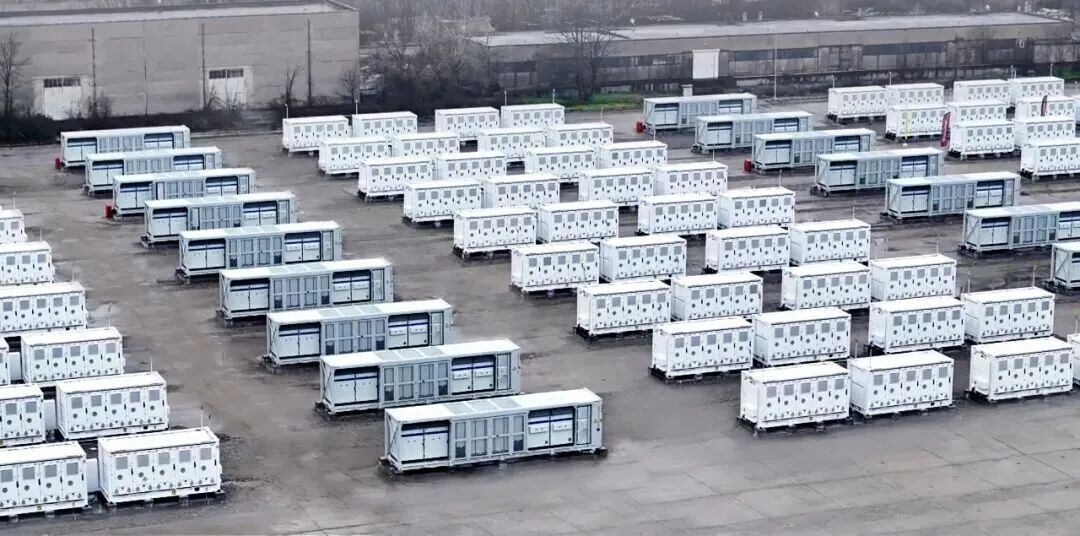
500MWh!BYD Energy Storage Has Commissioned Its Largest Energy Storage Project in East Europe
On January 8, 2026, a 500MWh standalone Battery Energy Storage System(BESS) project located at Maritsa East 3 in Bulgaria was officially commissioned. The project was the jointly developed by BYD Energy Storage and ContourGlobal under their strategic collaboration which is one of the largest standalone energy storage projects in East Europe.
On January 8, 2026, a 500MWh standalone Battery Energy Storage System(BESS) project located at Maritsa East 3 in Bulgaria was officially commissioned.
The project was the jointly developed by BYD Energy Storage and ContourGlobal under their strategic collaboration which is one of the largest standalone energy storage projects in East Europe. It is also BYD Energy Storage’s largest energy storage project in East Europe so far, fully demonstrating its technological capabilities and continued expansion of its global footprint. Since the cooperation agreement was signed in December, 2024, leveraging BYD Energy Storage’s own technological advantage together with CountourGlobal’s strong industry influence, the two parties have worked together to promote project deployment, laying solid foundation for long-term partnership, deeper penetration of the European market and enhanced brand presence in the Eastern European renewable energy sector.
BYD Energy Storage has confirmed its participation in the 14th Energy Storage International Conference and Expo(ESIE 2026), register now to attend Asia’s Largest Energy Storage Trade Show for free:
What: The 14th Energy Storage International Conference & Expo
When: Conferences: March 31 - April 2, 2026
Exhibitions: April 1-3, 2026
Where: CIECC Beijing, China
Address: No. 55 Yudong road, Shunyi District, Beijing China

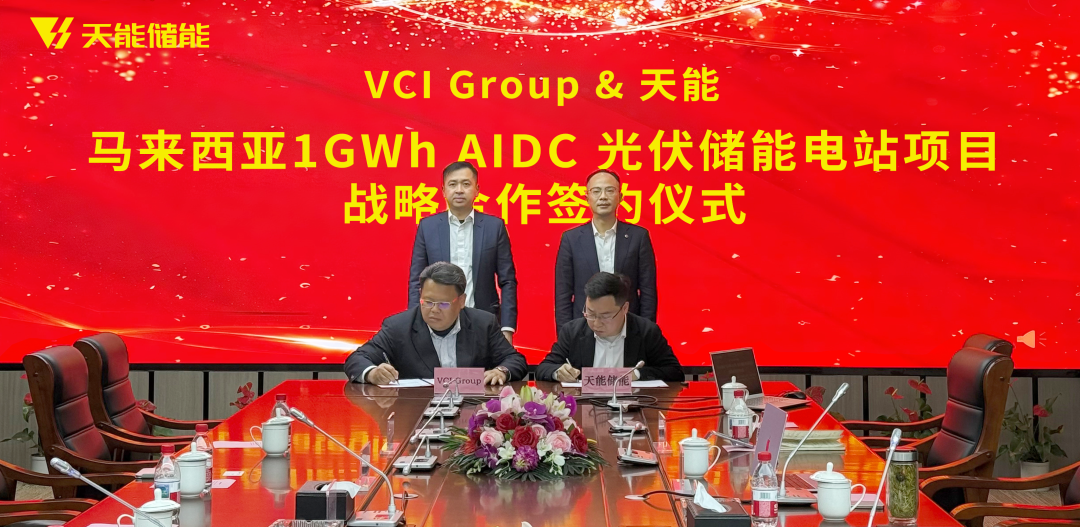
Tianneng Signs a 1GWh Project in Malaysia, Build a benchmark for Integrated “Solar- Storage- Computing”Solutions
Recently, Tianneng Group signed a strategic agreement with NASDAQ-listed company VCIG Group. The two parties will build a 1GWh AIDC solar energy storage power station in Malacca, Malaysia. The project aims to address the high-energy-consumption challenge of AIDC and will be developed under an “EPC+F” model.
Recently, Tianneng Group signed a strategic agreement with NASDAQ-listed company VCIG Group. The two parties will build a 1GWh AIDC solar energy storage power station in Malacca, Malaysia. The project aims to address the high-energy-consumption challenge of AIDC and will be developed under an “EPC+F” model.
It is said that phase I of the project plans to build a 250MW solar infrastructure together with Tianneng’s independently developed liquid cooing energy storage system. Leveraging Malaysia’s “CRESS” programme, the project will provide zero-carbon electricity to local AI computing infrastructure through signing direct power purchase agreement(PPA). The move marks an important breakthrough for Tianneng Group’s energy storage business in large-scale infrastructure development in Southeast Asia.
Register now to attend Asia’s Largest Energy Storage Trade Show for free:
What: The 14th Energy Storage International Conference & Expo
When: Conferences: March 31 - April 2, 2026
Exhibitions: April 1-3, 2026
Where: CIECC Beijing, China
Address: No. 55 Yudong road, Shunyi District, Beijing China

Amazon buys 1.2GW Sunstone solar-plus-storage project from bankrupt Pine Gate
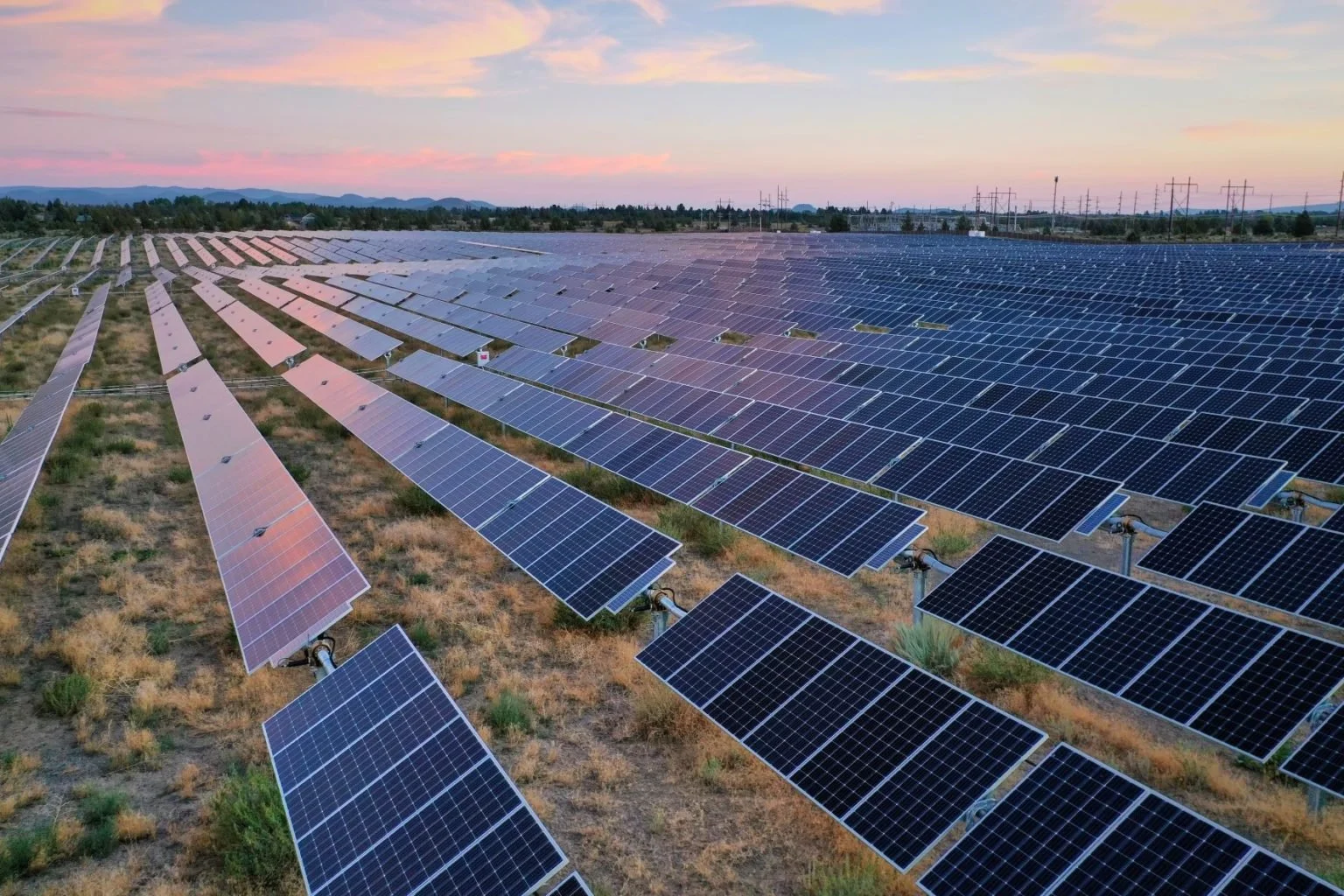
Global tech giant Amazon has been approved as the buyer of the 1.2GW Sunstone solar project in Oregon, one of the largest solar PV projects in the US.
Global tech giant Amazon has been approved as the buyer of the 1.2GW Sunstone solar project in Oregon, one of the largest solar PV projects in the US.
The Sunstone site was developed and previously owned by Pine Gate Renewables, the US independent power producer (IPP), which filed for bankruptcy in November 2025. It includes 1.2GW of solar PV and 1.2GW of battery energy storage system (BESS) capacity, which is ready to build, having received permitting and approvals from the Oregon Energy Facility Siting Council (EFSC).
Amazon’s acquisition was approved by the Bankruptcy Court for the Southern District of Texas, which granted its offer of US$83 million in cash via its specific project subsidiary, Oregon Solar I.
The move follows Amazon’s complaints back in November that an Oregon utility was not supplying sufficient power to its data centre projects in the state, where it has built numerous cloud computing data centres close to the banks of the Columbia River. Once fully operational, the Sunstone solar-plus-storage project will be one of the most significant renewable energy generation projects in the US.
To date, most of Amazon’s energy procurement has been via power purchase agreements (PPAs), and along with fellow Big Tech leviathans Meta and Google, Amazon led US solar power procurement deals in 2024. But the scale of Sunstone, and the fact that it is ready to be built with approvals and permits in place, makes it an attractive proposition for a company whose growing energy demand will be a significant story in the industry over the coming years.
As the power demands of these data centre hyperscalers continue to grow, owning their own power sources might become more common. Last month, Google’s parent company Alphabet announced the acquisition of Intersect Power, an energy project developer, with a view to developing more energy capacity “in lockstep with new data centre load”, Sundar Pichai, CEO of Google and Alphabet, said at the time.
Since declaring bankruptcy, Pine Gate’s roughly 10GW of project assets have been offered to the market, though the company says it has sufficient liquidity to continue operating in the meantime. Earlier this month, Israel-based project developer Nofar Energy bought 1GW worth of Pine Gate’s utility-scale solar assets across the Carolinas, Alabama and Texas for US$285 million.
Source: Energy Storage News
By Will Norman
______________________________________________
Register now to attend Asia’s Largest Energy Storage Trade Show for free:
What: The 14th Energy Storage International Conference & Expo
When: Conferences: March 31 - April 2, 2026
Exhibitions: April 1-3, 2026
Where: CIECC Beijing, China
Address: No. 55 Yudong road, Shunyi District, Beijing China

CORNEX Secures a 6GWh Energy Storage Order in Egypt, Successfully Expanding Into the North African Market
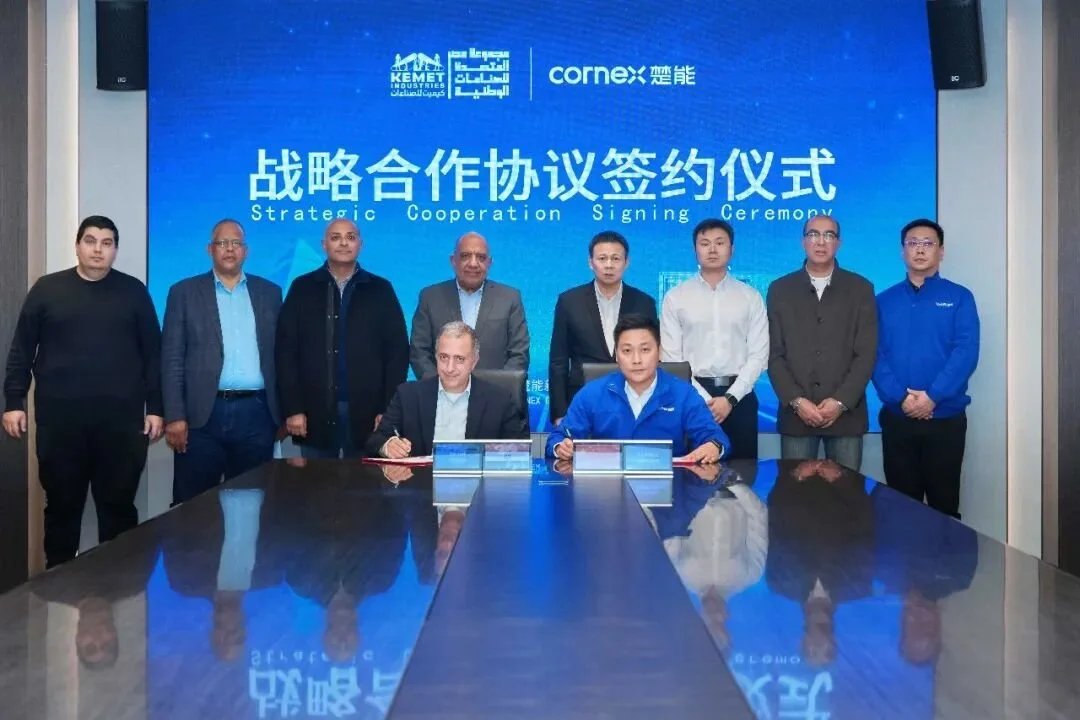
On January 16th, Cornex New Energy signed a strategic cooperation agreement with Egypt-based partners WeaCan and Kemet.
The agreement was signed by Dai Deming, chairman of Cornex New Energy and Ahmed Salaheldin Abdelwahab Elabd, Chiarman of the Board of Kemet. The signing ceremony was witnessed by Moustafa Kamal Esmat Mahmoud, minister of Egypt’s Ministry of Electricity and Renewable Energy, along with other government officials and senior executives from relevent enterprises.
On January 16th, Cornex New Energy signed a strategic cooperation agreement with Egypt-based partners WeaCan and Kemet.
The agreement was signed by Dai Deming, chairman of Cornex New Energy and Ahmed Salaheldin Abdelwahab Elabd, Chiarman of the Board of Kemet. The signing ceremony was witnessed by Moustafa Kamal Esmat Mahmoud, minister of Egypt’s Ministry of Electricity and Renewable Energy, along with other government officials and senior executives from relevent enterprises.
Under the agreement, Weacan and Kemet will serve as the core facilitator for project implementation. Leveraging their extensive local industrial resources and proven project execution experience in Egypt, the two partners will take full charge of services including scenario alignment, coordination of government approvals, grid connection support, and localized operation and service delivery, providing solid guarantee for the large-scale implementation of Cornex’s energy storage products. As the core technology and product supplier, Cornex will deliver high-quality energy storage systems in phases, with a total supply capacity of up to 6GWh, ensuring the safe and stable operation of its products in Egypt’s power system and providing full life-cycle technical support services.
Located on the eastern edge of the Sahara Desert, Egypt is endowed with abundant solar and wind resources, offering uniquely favourable conditions for the development of “solar power, wind power+energy storage” solutions. In recent years, Egypt has actively advanced its energy transition, setting a clear target to raise the share of renewable energy generation to 42% by 2030. The country has commissioned several hundred-megawatt-scale energy storage demonstration projects and plans to add over 10GWh energy storage capacity on the grid side to date. As market demand continues to accelerate, Egypt’s energy storage industry is entering a phase of rapid growth.
The 6GWh cooperation on energy storage procurement marks not only an important breakthrough for Cornex in the North African market but a concrete example of green energy cooperation between China and Egypt within the framework of the Belt and Road Initiative. Once commissioned, the project will effectively increase the local grid’s peak-shaving and frequency-regulation capability, facilitate the large-scale grid connection and integration of clean energy like solar power so as to help Egypt built a more flexible, reliable and low-carbon new-type power system.
At present, Cornex has built four major regional service centers with China, Europe, North America and Australia as a core, forming a globalized service network. This system enables full life-cycle services from product delivery to technical consulting, installment and operation and maintenance support. Backed by its independently developed core technologies, high-safety system designs and accurate response to diverse market demand, Cornex has achieved mass commission and landmark projects deployment in more than 60 countries and regions with its brand influence and customer recognition continuing to grow.
Looking ahead, Cornex will continue to uphold an open and win-win cooperation, deepen collaborations with international strategic partners across technology, channels, and ecosystem resources, and accelerate the expansion of its global business footprint through complementary strengths and localized integration.
Cornex New Energy has confirmed ins participation in the 14th Energy Storage International Conference and Expo (ESIE 2026), register now to attend Asia’s Largest Energy Storage Trade Show for free:
What: The 14th Energy Storage International Conference & Expo
When: Conferences: March 31 - April 2, 2026
Exhibitions: April 1-3, 2026
Where: CIECC Beijing, China
Address: No. 55 Yudong road, Shunyi District, Beijing China

Sign up for our free monthly newsletter to stay informed about the Chinese energy storage market.