

Latest News
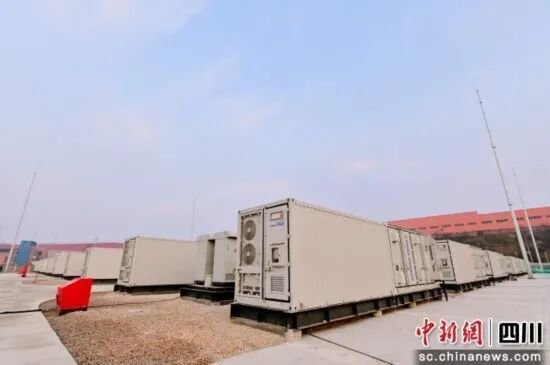
Annual Power Cost Savings Exceed RMB 60 Million ! Great Power’s 107MW/428MWh Hydropower-based Aluminium User-side Energy Storage Project is Commissioned
On January 16th, a 107.12MW/428.48MWh green hydropower-based aluminium user-side energy storage project jointly developed by Great Power and Henan Zhongfu Industry was officially commissioned in Guangyuan, Sichuan Province.
On January 16th, a 107.12MW/428.48MWh green hydropower-based aluminium user-side energy storage project jointly developed by Great Power and Henan Zhongfu Industry was officially commissioned in Guangyuan, Sichuan Province.
Designed and delivered under an EPC contract by Sichuan Zefeng Electric Power Design, the project achieved full-capacity grid connection by the end of 2025 after just five months of construction. It stands as a landmark project for green energy transformation in northern Sichuan and a benchmark case for energy-extensive industry implementing “source-grid-load-storage” integration.
Electricity stored at the facility is directly supplied to the electrolytic aluminium production system, primarily leveraging peak-valley electricity price arbitrage to reduce operating cost. According to estimates, the project is expected to lower electricity costs for electrolytic aluminum by approximately RMB 140 per tonne, delivering annual power cost savings of over RMB 60 million. Meanwhile, it will cut 52,000 tons carbon commission per year, providing a commercially viable solution to address high electricity costs and decarbonization pressures faced by energy-extensive industries.
Building on this project, the two partners will be committed to advance the development of a “zero-carbon aluminum industrial park” in Guangyuan. It plans to introduce advanced intelligent technology to build a virtual power plant (VPP) capable of engaging in power trading and grid dispatch. During the 15th Five-Year Plan period, the project developers will further expand the deployment of solar PV, wind power, green power direct supply and intelligent microgrids, ultimately establishing a safe and controllable regional intelligent micro-grid dominated by new energy, providing a practical model for developing a national new-type power system.
_______________________________________________
The Great Power has confirmed its participation in the 14th Energy Storage International Conference and Expo, register now to attend Asia’s Largest Energy Storage Trade Show for free:
What: The 14th Energy Storage International Conference & Expo
When: Conferences: March 31 - April 2, 2026
Exhibitions: April 1-3, 2026
Where: CIECC Beijing, China
Address: No. 55 Yudong road, Shunyi District, Beijing China

RMB 180 Billion! China Southern Power Grid Hit a New High for Investment in 2026
Expanding effective investment is a key lever for stabilizing growth and improving people’s livelihoods. According to China Southern Power Grid, the company has embarked RMB 180 billion for fixed-asset investment in 2026, marking a record high for fifth consecutive year, with an annual growth rate of 9.5%. Investment will be directed primarily toward the development of a new-type power system, the growth of strategic emerging industries and the enhancement of high-quality power supply services, providing solid support for a strong start to the 15th Five-Year Plan period.
Expanding effective investment is a key lever for stabilizing growth and improving people’s livelihoods. According to China Southern Power Grid, the company has embarked RMB 180 billion for fixed-asset investment in 2026, marking a record high for fifth consecutive year, with an annual growth rate of 9.5%. Investment will be directed primarily toward the development of a new-type power system, the growth of strategic emerging industries and the enhancement of high-quality power supply services, providing solid support for a strong start to the 15th Five-Year Plan period.
A strong start is decisive, and the opening moves sets the pace. China Southern Power Grid stays committed to the decisions and arrangements of the CPC Central Committee and the State Council, fully fulfilling its responsibilities as a centrally administered state-owned enterprise. Leveraging the power grid’s advantages-- large investment scale, long industrial chain, wide coverage, and strong spillover effects-- the company has expanded fixed-asset investment for five consecutive years. By appropriately advancing the deployment of energy and power infrastructure, it aims to better serve high-quality economic and social development.
Proactively serving the broader national agenda and fully advancing the implementation of major national strategies. China Southern Power Grid is actively supporting efforts to boost domestic consumption by using “two major” and “two new” projects to drive effective investment, and by advancing major projects under the “15th Five-Year Plan”. The company will intensify the renewal of grid infrastructure and digital and intelligent transformation with no less than RMB 50.6 billion to be invested in large-scale equipment renewal this year. To promote coordinated urban-rural regional development, the company will fully boost the construction of world-level bay area, advance power infrastructure development in Hainan ahead of demand and address weak links in grid facilities in Yunnan, Guizhou, and Guangxi. In Hainan, major projects including the 500kV offshore wind transmission are set to break ground this year, accelerating energy structure transformation and injecting strong momentum for Hainan Free Trade Port construction. In Guangxi, 220kV Weizhou Island cross-sea interconnection project has completed submarine cable laying and is scheduled to be commissioned in the first quarter of this year. In support of high-quality Belt and Road cooperation, thei China-Laos 500kV interconnection project is expected to be fully commissioned in the first half of the year.
Driving industrial upgrading and building a modern industrial system. China Southern Grid focuses on strengthening modern grid infrastructure, accelerate to built a backbone grid centered on flexible DC interconnections, intensify distribution network upgrades, and promote high-standard digital and intelligent grid planning and development. In Guangdong, the Guangzhou Tianhe Tangxia flexible DC project is scheduled to be commissioned by year-end. Using internationally leading multi-terminal flexible DC power interconnection control technology, the project will provide a new solution for reliable power supply to high-density load centers in mega-city grids. In Yunnan, the second interconnection project for Dulongjiang is planned to start construction in the first quarter, aiming to establish a demonstration zone for digital and intelligent microgrids. To foster and expand strategic emerging industries, China Southern Grid will accelerate the expansion and quality improvement of charging and battery-swapping infrastructure, strengthen the “Dianhong” ecosystem, and proactively deploy new frontiers such as marine energy and embodied intelligence. In Shenzhen, the largest vehicle-to-grid demonstration station in the Guangdong–Hong Kong–Macao Greater Bay Area will be commissioned in the first quarter, further accelerating the development of a “city of ultra-fast charging.” China Southern Grid will also promote high-quality and efficient power supply services by implementing a three-year action plan to improve power quality and launching targeted initiatives to enhance electricity services for people’s livelihoods. In Guizhou, power support projects for 610 clusters of rural wooden-house villages in the Qiandongnan Miao and Dong Autonomous Prefecture are scheduled to be fully completed and commissioned within the year.
Upholding dual-carbon goals and advancing “Two-Type” development. The company is supporting the high-quality development of renewable energy by coordinating large-scale development with high-level grid integration, enhancing the observability, controllability, and dispatchability of renewables, and improving intelligent dispatch and control capabilities. These efforts will support the addition of 40 million kilowatts of new renewable energy capacity this year. In Guangdong, the Yangjiang Sanshan Island offshore wind power flexible DC transmission project is more than halfway complete and is scheduled to be commissioned by year-end, delivering approximately 6 billion kWh of green electricity annually directly to the Guangdong–Hong Kong–Macao Greater Bay Area. To integrate into the national power productivity layout, construction of projects such as the Tibet–Guangdong DC transmission and Hunan–Guizhou flexible power interconnection is accelerating, facilitating the import of clean electricity from outside regions. CSG is also promoting the integrated development of electricity, carbon, and computing power, building new infrastructure that combines “power + computing,” upgrading the integrated operation platform, and advancing the development of a number of zero-carbon industrial parks and factories.
register now to attend Asia’s Largest Energy Storage Trade Show for free:
What: The 14th Energy Storage International Conference & Expo
When: Conferences: March 31 - April 2, 2026
Exhibitions: April 1-3, 2026
Where: CIECC Beijing, China
Adress: No. 55 Yudong road, Shunyi District, Beijing China

CORNEX Secures a 6GWh Energy Storage Order in Egypt, Successfully Expanding Into the North African Market
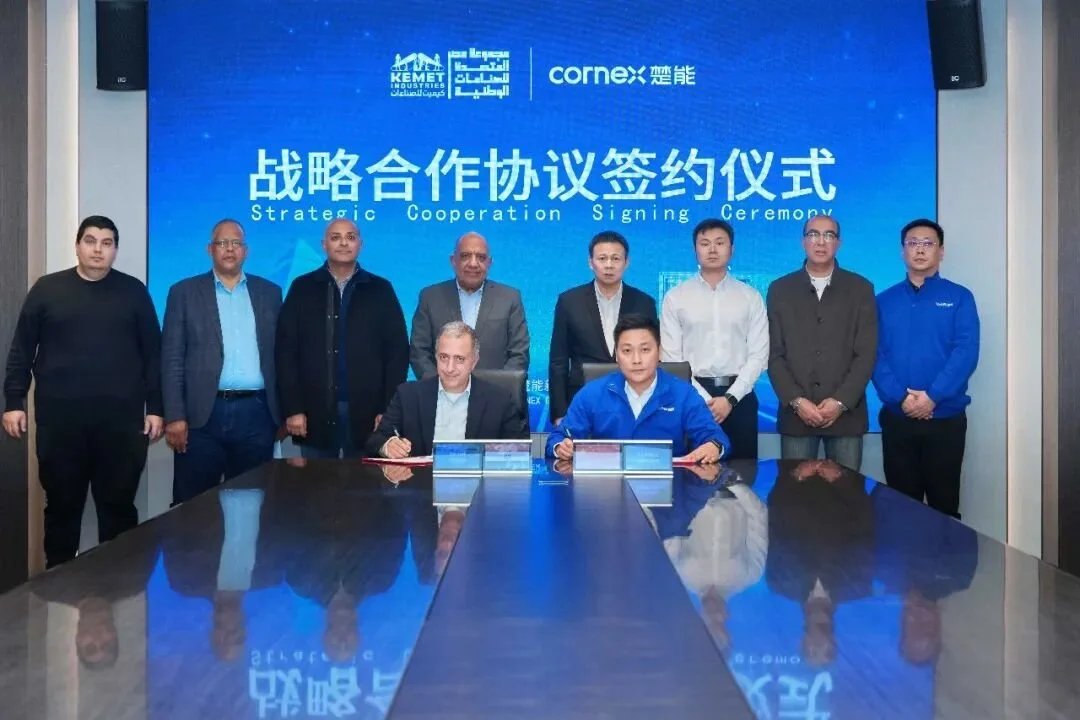
On January 16th, Cornex New Energy signed a strategic cooperation agreement with Egypt-based partners WeaCan and Kemet.
The agreement was signed by Dai Deming, chairman of Cornex New Energy and Ahmed Salaheldin Abdelwahab Elabd, Chiarman of the Board of Kemet. The signing ceremony was witnessed by Moustafa Kamal Esmat Mahmoud, minister of Egypt’s Ministry of Electricity and Renewable Energy, along with other government officials and senior executives from relevent enterprises.
On January 16th, Cornex New Energy signed a strategic cooperation agreement with Egypt-based partners WeaCan and Kemet.
The agreement was signed by Dai Deming, chairman of Cornex New Energy and Ahmed Salaheldin Abdelwahab Elabd, Chiarman of the Board of Kemet. The signing ceremony was witnessed by Moustafa Kamal Esmat Mahmoud, minister of Egypt’s Ministry of Electricity and Renewable Energy, along with other government officials and senior executives from relevent enterprises.
Under the agreement, Weacan and Kemet will serve as the core facilitator for project implementation. Leveraging their extensive local industrial resources and proven project execution experience in Egypt, the two partners will take full charge of services including scenario alignment, coordination of government approvals, grid connection support, and localized operation and service delivery, providing solid guarantee for the large-scale implementation of Cornex’s energy storage products. As the core technology and product supplier, Cornex will deliver high-quality energy storage systems in phases, with a total supply capacity of up to 6GWh, ensuring the safe and stable operation of its products in Egypt’s power system and providing full life-cycle technical support services.
Located on the eastern edge of the Sahara Desert, Egypt is endowed with abundant solar and wind resources, offering uniquely favourable conditions for the development of “solar power, wind power+energy storage” solutions. In recent years, Egypt has actively advanced its energy transition, setting a clear target to raise the share of renewable energy generation to 42% by 2030. The country has commissioned several hundred-megawatt-scale energy storage demonstration projects and plans to add over 10GWh energy storage capacity on the grid side to date. As market demand continues to accelerate, Egypt’s energy storage industry is entering a phase of rapid growth.
The 6GWh cooperation on energy storage procurement marks not only an important breakthrough for Cornex in the North African market but a concrete example of green energy cooperation between China and Egypt within the framework of the Belt and Road Initiative. Once commissioned, the project will effectively increase the local grid’s peak-shaving and frequency-regulation capability, facilitate the large-scale grid connection and integration of clean energy like solar power so as to help Egypt built a more flexible, reliable and low-carbon new-type power system.
At present, Cornex has built four major regional service centers with China, Europe, North America and Australia as a core, forming a globalized service network. This system enables full life-cycle services from product delivery to technical consulting, installment and operation and maintenance support. Backed by its independently developed core technologies, high-safety system designs and accurate response to diverse market demand, Cornex has achieved mass commission and landmark projects deployment in more than 60 countries and regions with its brand influence and customer recognition continuing to grow.
Looking ahead, Cornex will continue to uphold an open and win-win cooperation, deepen collaborations with international strategic partners across technology, channels, and ecosystem resources, and accelerate the expansion of its global business footprint through complementary strengths and localized integration.
Cornex New Energy has confirmed ins participation in the 14th Energy Storage International Conference and Expo (ESIE 2026), register now to attend Asia’s Largest Energy Storage Trade Show for free:
What: The 14th Energy Storage International Conference & Expo
When: Conferences: March 31 - April 2, 2026
Exhibitions: April 1-3, 2026
Where: CIECC Beijing, China
Address: No. 55 Yudong road, Shunyi District, Beijing China

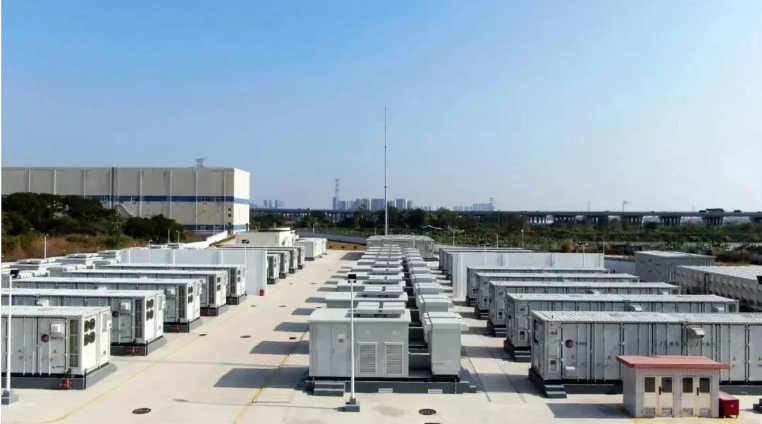
100MW/200MWh! Sineng Electric Supports Commissioning of Phase I of Nanlang Energy Storage Power Station
The Phase I 100MW/200MWh Nanlang energy storage power station, supplied by Sineng Electric, has now been successfully commissioned and put into operation. As the first large-scale standalone energy storage project on the grid side to be completed and commissioned in Zhongshan, China, the facility not only injects enhanced flexibility into the regional power grid, but establishes efficient and reliable revenue mechanism through an innovative frequency regulation service model.
The Phase I 100MW/200MWh Nanlang energy storage power station, supplied by Sineng Electric, has now been successfully commissioned and put into operation. As the first large-scale standalone energy storage project on the grid side to be completed and commissioned in Zhongshan, China, the facility not only injects enhanced flexibility into the regional power grid, but establishes efficient and reliable revenue mechanism through an innovative frequency regulation service model.
Grid-Forming Foundation, Intelligent Frequency Regulation
The project was invested in and developed by Shennan Dianxiwan (Zhongshan) Company, with Sineng Electric providing the core equipment, 1,250 kW centralized energy storage PCS units. The system is equipped with Sineng Electric’s second-generation enhanced hybrid grid-forming technology, incorporating globally leading IGBT drive technology and advanced intelligent control algorithms. As a result, the solution demonstrates significant advantages in three critical areas including response speed, command latency, and control accuracy, with its comprehensive frequency regulation performance index (K value) ranking among the best in the industry.
Since entering commercial operation six months ago, the power station has become an indispensable “gold-standard auxiliary service provider” for the regional grid. Supported by Sineng Electric’s energy storage PCS as the core equipment, the station has repeatedly delivered high-quality secondary frequency regulation services, effectively smoothing grid frequency fluctuations. The PCS offers flexible, on-demand adjustable ramp rates, reaching up to 50Pn/s, with a response time of ≤5 ms and a control accuracy error of no more than 0.5%. Much like a “speed stabilizer” for a high-speed power system, the solution significantly enhances the stability and reliability of electricity supply for thousands of households.
Sineng Electric has also confirmed its participation in the 14th Energy Storage International Conference and Expo (ESIE 2026), register now to attend Asia’s Largest Energy Storage Trade Show for free:
What: The 14th Energy Storage International Conference & Expo
When: Conferences: March 31 - April 2, 2026
Exhibitions: April 1-3, 2026
Where: CIECC Beijing, China
Address: No. 55 Yudong road, Shunyi District, Beijing China

500MW/200MWh! JD Energy’s First GWh-Level Project Successfully Grid-Connected
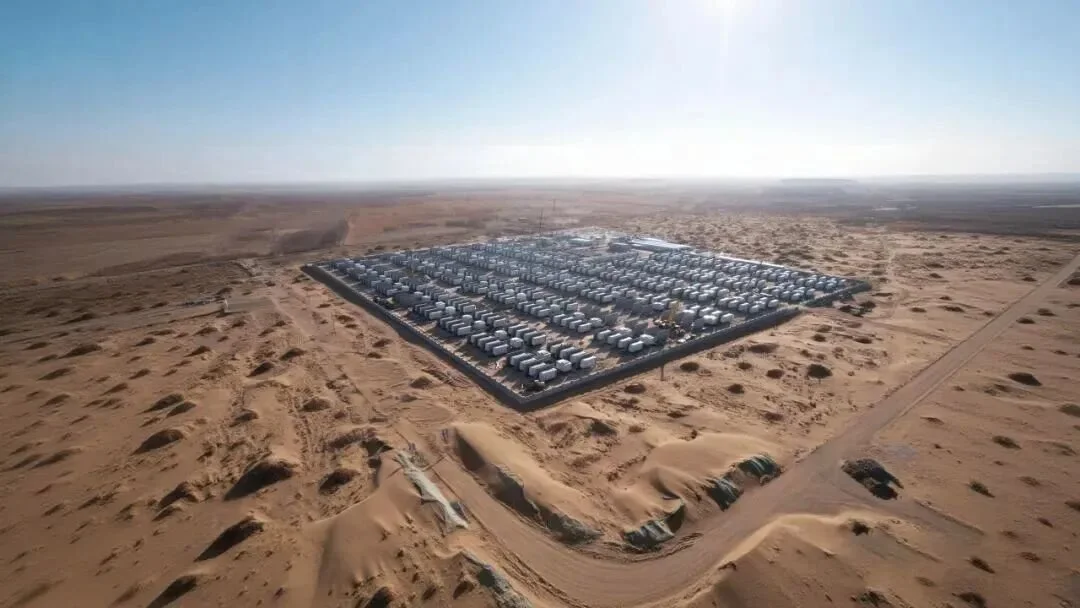
In December 2025, the 500MW/2000MWh energy storage project was successfully grid-connected in Dengkou, Inner Mongolia. The energy storage station, standing proudly under the winter sun, is the first GWh-level project delivered by JD Energy. It not only set a new record for the scale of a single project but marked a significant milestone in the company’s development with its outstanding construction achievements.
In December 2025, the 500MW/2000MWh energy storage project was successfully grid-connected in Dengkou, Inner Mongolia. The energy storage station, standing proudly under the winter sun, is the first GWh-level project delivered by JD Energy. It not only set a new record for the scale of a single project but marked a significant milestone in the company’s development with its outstanding construction achievements.
01. 500MW/2000MWh: JD Energy enters the GWh-level project delivery
The 500MW/2000MWh energy storage project in Dengkou, Inner Mongolia, the first GWh-level project of JD Energy, utilized the company’s newly developed string-type prefabricated cabin, Galaxy-1. The project has an installed capacity of 500MW/2000MWh, deploying 400 units of Galaxy-1-4G and 100 units of eLink-HV35, a combined inverter and transformer.
In the harsh environment of sandstorms and cold temperatures, Galaxy-1 was used for the first time in a large-scale application on the grid-side. Despite the swirling yellow sands and biting winds, Galaxy-1 has laid a solid foundation for the new energy paradigm of Inner Mongolia with its exceptional environmental adaptability and operational stability.
02. Innovation empowerment: String-type prefabricated cabin Galaxy-1’s successful debut
The successful implementation of the 500MW/2000MWh energy storage project in Dengkou is driven by the flagship new product of JD Energy, the string-type prefabricated cabin Galaxy-1. This product adopts “All In One” design concept, integrating systems including 314Ah lithium iron phosphate (LiFePO4) batteries, BMS, string-type PCS, fire protection system, thermal management system, power distribution and communication system into a standard 20-foot container. It boasts key advantages of high efficiency, high safety and high integration. Through the successful practice of Dengkou project, Galaxy-1 made its debut on the grid-side, verifying its reliability and excellency in large-scale application.
With eMind-Trader as its core software system, JD Energy played a central role in supporting Dengkou power station’s operations from grid connection, market entry to autonomous participation in power trading, realizing a full value chain from system integration and project delivery to smart operation. This comprehensive technological advantage covering both hardware and software can not only significantly enhances the regional integration of new energy but also maximizes the project’s full lifecycle returns, achieving both stability and economic benefits.
03. Energizing the desert: green power driving regional development
At the turn of the year, Inner Mongolia has witnessed a surge in the grid connection of energy storage projects with energy constantly flowing. The successful grid connection of the 500MW/2000MWh energy storage project in Dengkou can effectively mitigate the fluctuations of intermittent renewable energy power generation of wind and solar power and significantly improve the grid’s adjustment capabilities and operational safety, providing more stable and higher-quality green electricity for Inner Mongolia and the North China region.
Meanwhile, the project will greatly increase the region’s ability to absorb renewable energy, reducing wind and solar curtailment. It will reinforce the energy transformation in Inner Mongolia and advance the national strategic goals of carbon peaking and carbon neutrality.
The successful grid connection of the 500MW/2000MWh energy storage project in Dengkou, Inner Mongolia marks JD Energy’s successful breakthrough in delivering a GWh-level single-project. It embodies the power of JD Energy with the debut of its flagship new product Galaxy-1. Moving forward, JD Energy will continue to innovate and explore energy storage sector, leaving a solid mark on the vast energy landscape while accelerating the progress of China’s energy revolution.
_______________________________________________________________
JD Energy has confirmed its participation of the 14th Energy Storage International Conference And Expo(ESIE 2026), register now to attend Asia’s Largest Energy Storage Trade Show for free:
What: The 14th Energy Storage International Conference & Expo
When: Conferences: March 31 - April 2, 2026
Exhibitions: April 1-3, 2026
Where: CIECC Beijing, China
Address: No. 55 Yudong road, Shunyi District, Beijing China

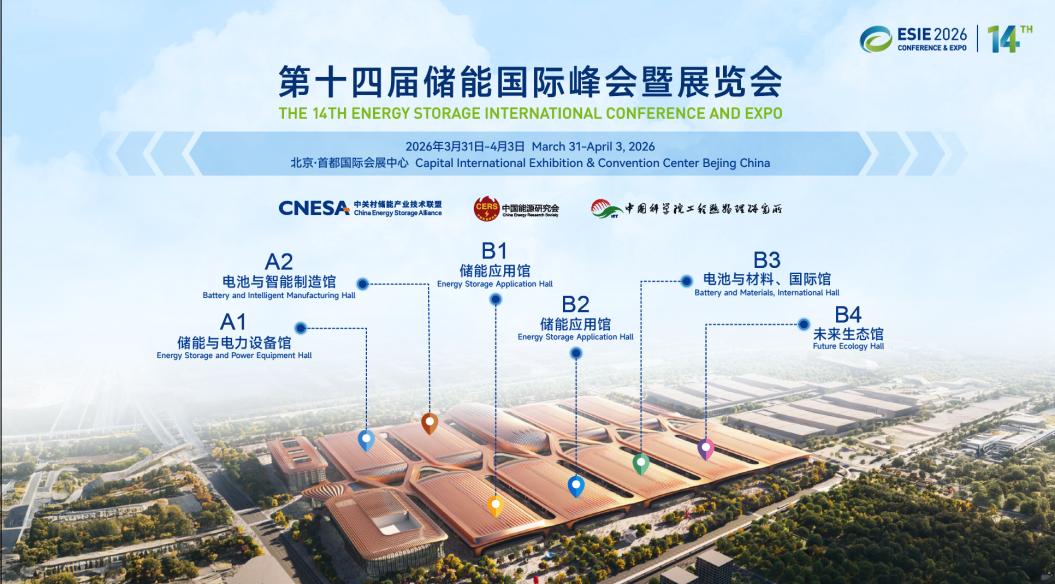
2025 Marks the First Year of Mass Production for Large Energy Storage Cells! 500Ah+ Mass Deliveries, ESIE 2026 Energy Storage Expo Invites Global Buyers to Explore New Opportunities
2025 marks a pivotal year for the energy storage industry. The large energy storage cells, which were once limited to “theoretical parameters”, will officially bid farewell to the technical competition phase and enter the practical testing stage of capacity release, yield improvement, and project implementation. Leading enterprises like CATL, EVE, Envision, HTHIUM, and SUNWODA have successively achieved mass production and delivery, and with the intensive landing of GWh-level strategic cooperation and accelerated expansion into overseas markets, this marks the transition of large-capacity cells from lab prototypes to commercial applications. The speed at which energy storage systems are evolving to higher energy density and lower cost has far exceeded industry expectations.
2025 marks a pivotal year for the energy storage industry. The large energy storage cells, which were once limited to “theoretical parameters”, will officially bid farewell to the technical competition phase and enter the practical testing stage of capacity release, yield improvement, and project implementation. Leading enterprises like CATL, EVE, Envision, HTHIUM, and SUNWODA have successively achieved mass production and delivery, and with the intensive landing of GWh-level strategic cooperation and accelerated expansion into overseas markets, this marks the transition of large-capacity cells from lab prototypes to commercial applications. The speed at which energy storage systems are evolving to higher energy density and lower cost has far exceeded industry expectations.
1. The Race for 500Ah+ Cell Mass Production Intensifies: Leading Enterprises Show Impressive Results
2025 is the “explosive year” for the mass production and delivery of large energy storage cells, with many battery companies accelerating capacity ramp-up, and products of 500Ah and above being extensively landed, demonstrating strong commercialization capabilities:
CATL: The 587Ah energy-specific storage cell began mass production in
June, with a daily output of over 220,000 units from its Jining base. By December, it had shipped 2GWh, with an expected annual output of 3GWh, taking the lead in entering into GWh-level commercial-scale applications;
EVE: The 628Ah cell, mass-produced at the end of 2024, achieved the production of 750,000 cells in 2025, and in September, it was successfully used in the world’s first 100MWh-level project--200MW/400MWh independent energy storage station in Ling Shou, Hebei with overseas shipments proceeding in parallel;
Envision: The 500+Ah cell, produced at its Cangzhou plant, has already been exported immediately after mass production, and next-generation 700Ah+ products are also in the mass production preparation phase;
HTHIUM: The world’s first 1,175Ah ∞Cell was launched and mass-produced, while the 587Ah cells were simultaneously delivered in Xiamen base. In October, a 6.25MWh energy storage system, equipped with the 1,175Ah cells, was successfully shipped to Europe;
SUNWODA: The 684Ah stacked cell began mass production in September, and by the end of December, 1 million cells had been produced, highlighting its fast mass production capability.
Additionally, companies such as cornex, GREAT POWER, CALB, RJE, Narada, GOTION HIGH-TECH, REPT BATTERO, and AC New Energy have announced mass production schedules for 500Ah+ and 600Ah+ products. The competition in the large energy storage cell market is expected to fully intensify in 2026.
2. GWh-level strategic partnerships become the mainstream, supply chain synchronization trend emerges
As cell technology gradually converges, supply chain stability and cost control have become the core of market competition. The collaboration model between system integrators and battery companies is evolving toward long-term, large-scale, and deep integration. By the end of 2025, heavy GWh-level orders have emerged, reshaping the industry’s collaboration landscape:
CATL and HYPER STRONG signed a procurement agreement for no less than 200GWh from 2026 to 2028, with the 587Ah cell already being used in the 400MW/2400MWh energy storage project in Baotou;
HTHIUM and CRRC Zhuzhou Institute reached collaboration for 120GWh of energy storage products supply during the 15th Five-Year Plan period, covering the full range products from 314Ah to 1,175Ah;
EVE and Rochenergy signed a three-year 20GWh collaboration agreement, with 10GWh dedicated to the 628Ah/588Ah large-capacity cells;
Sungrow and Sunwoda have deepened their collaboration, with their Powertitan 3.0 energy storage system set to apply the 684Ah large-capacity cell.
These long-term strategic partnerships not only ensure mutual capacity demand but also drive early-stage collaborative development between systems and cells, becoming an industry trend, deeply integrating product performance and safety systems to reduce costs and improve efficiency for energy storage projects.
3. Accelerating overseas expansion! China’s large energy storage cells lead the global long-duration storage market
Leveraging the advantage of complete industry chain, China’s large energy storage cells are rapidly expanding globally. The results of overseas market expansion in 2025 are significant, evolving from single-product exports to system solutions and standards:
CATL’s 530Ah cells, coupled with a 4GWh energy storage system, will supply Vena Energy in Singapore.
EVE Energy’s 628Ah cells successfully secured a 2.2GWh order from Australia’s EVO Power and signed a 1GWh energy storage system project with TSL Assembly.
The global expansion of China’s large energy storage cells not only opens up the long-duration storage market overseas but also enables Chinese energy storage technology standards and solutions to gain global recognition, showcasing China’s core competitiveness in global energy storage industry. Currently, while the 500Ah+ cells are still in a period of rapid development with diverse sizes and specifications, industry consensus is clear: 6MWh+ energy storage systems will accelerate the replacement of the previous 5MWh+ solutions, continuously driving down the cost per unit of energy storage. From mass production and deliveries and strategic partnerships to global project implementation, 2025 undoubtedly marks the “first practical year” for large energy storage cells transitioning from laboratory prototypes to station applications.
4. Focus on ESIE 2026! The vane of global energy storage industry , connecting professional buyers with core resources
As large-capacity cell technology rapidly evolves and global markets continues to expand, the industry urgently needs an efficient platform to connect cutting-edge technology, market dynamics, and supply chain resources. As a “vane” for the energy storage industry, the 14th Energy Storage International Conference & Expo (ESIE 2026) will be grandly held from March 31 to April 3, 2026, at the Capital International Exhibition & Convention Center Beijing China.
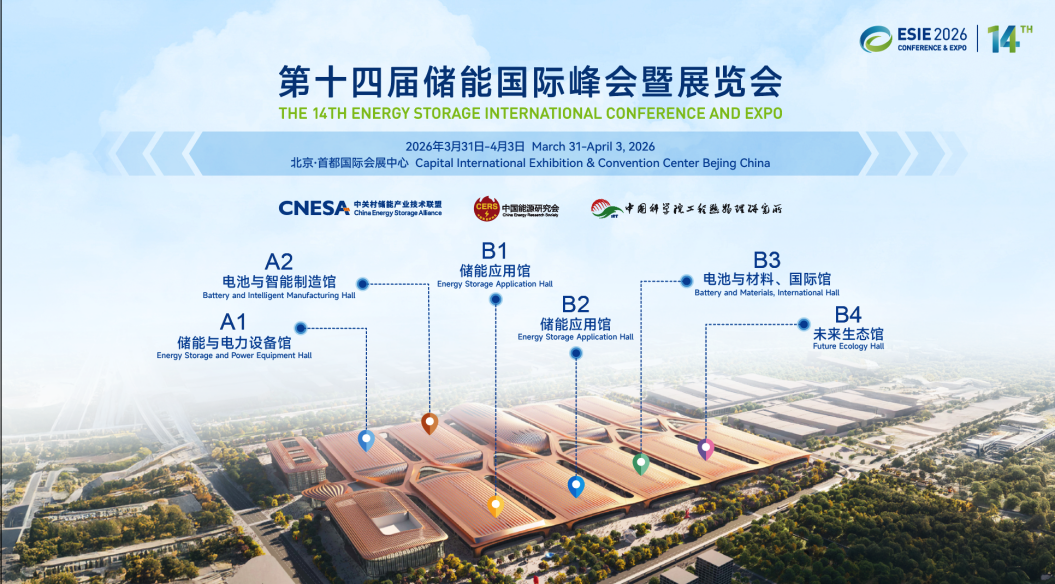
So far, leading industry enterprises including CATL, EVE, Envision, HTHIUM , SUNWODA, Cornex, GREAT POWER, CALB, RJE, Narada, GOTION HIGH-TECH, REPT BATTERO, and AC NewEnergy have confirmed their participation. This year’s exhibition will focus on key areas such as large energy storage cells, long-duration storage, energy storage system integration, and integrated solar+storage+charging solutions. It will serve as a high-end platform for new product launches, technical exchanges, and business negotiations, offering global energy storage professional buyers a precise matchmaking channel.
Whether seeking cutting-edge technology collaborations, exploring quality supply chain resources, or planning global energy storage projects, ESIE 2026 will be an unmissable annual event for industry professionals. We sincerely invite global energy storage professional buyers and upstream and downstream enterprises to gather in Beijing to explore new trends in the industry and seize new opportunities for industrial upgrading.
Address: Capital International Exhibition & ConventionCenter Beijing China
When: March 31 – April 3, 2026
Highlights: Leading enterprises gathering, new product launches, precise supply-demand matchmaking, authoritative trend interpretations
Exhibition and Visitor Inquiries: Mr. Cao: +86 135 5271 2189, Mr. Wang: +86 135 8188 5520, Mr. Li: +86 135 8174 1680, Mr. Zhao: +86 182 1018 8771, Ms. Bai: +86 180 3145 1007

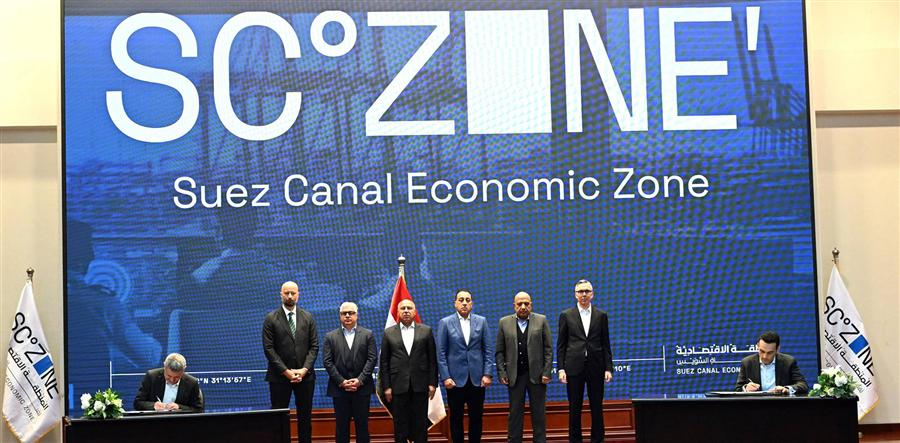
Sungrow’s First Energy Storage Plant in the Middle East Launched,with an Annual Capacity of 10 GWh
Egypt has taken a major step toward accelerating its clean energy transition, as Chinese energy storage leader Sungrow and Norwegian renewable developer Scatec partner with the Egyptian government to deliver large-scale solar+storage projects and establish the Middle East’s first battery energy storage manufacturing base, with a planned annual capacity of 10 GWh.
According to foreign media reports, the Egyptian government recently announced that it has signed a series of agreements worth over 1.8 billion USD with Norwegian renewable energy developer Scatec and Chinese energy storage company Sungrow. These agreements aim to build large-scale solar+storage projects and promote local manufacturing of battery energy storage systems. This series of agreements is a key initiative for Egypt to expand its clean energy installed capacity and improve its new energy industry chain.
Scatec will develop the “Energy Valley” project in Minya, which will include the construction of a large-scale integrated solar power and energy storage plant. Meanwhile, Sungrow will build a battery energy storage system manufacturing plant in the Suez Canal Economic Zone (SCZONE) to support energy storage equipment for the project and the regional market.
Both projects are being advanced with the coordination of Egyptian Ministry of Electricity and Renewable Energy and the Suez Canal Economic Zone Authority. Egyptian Prime Minister Mostafa Madbouly stated that these projects highly align with the country’s strategy of localizing new energy industries, and that localizing energy storage and renewable energy manufacturing will be key pillars for enhancing Egypt’s energy security and driving its green transformation.
As part of the project arrangements, the Egyptian Electricity Transmission Company (EETC) has signed a Power Purchase Agreement (PPA) with Scatec, while the New and Renewable Energy Authority (NREA) has signed a land use agreement for the Energy Valley project. Additionally, Sungrow has secured the land use rights for building the battery energy storage manufacturing plant in the TEDA Industrial Zone in SCZONE.
Furthermore, Scatec and Sungrow Energy have signed a battery supply contract, under which Sungrow Energy will provide the battery energy storage systems for the Energy Valley project in Minya.
According to the introduction, the Energy Valley project is positioned as one of the largest integrated clean energy projects in the world, and the first solar+storage project in the region capable of providing stable power supply around the clock. The project will build a 1.7 GW (AC) solar photovoltaic capacity, along with a total of 4 GWh of battery storage systems, distributed across Minya, Qena, and Alexandria. The project will also build new substations and dedicated transmission lines to provide clean electricity to the Wadi El-Sereiriya Industrial Zone in Minya.
On the manufacturing side, Sungrow Energy’s factory in Egypt will become the first battery energy storage system manufacturing base in the Middle East and Africa. Located in the TEDA-Egypt Industrial Zone in Ain Sokhna, the factory will cover an area of about 50,000 square meters and is expected to create around 150 direct jobs. Once operational, the factory will have an annual capacity of 10 GWh, with production expected to begin in April 2027.
Regarding financing, the Egyptian Prime Minister also witnessed the signing of preliminary financing agreements for the Energy Valley project between Scatec and the European Investment Bank (EIB), the European Bank for Reconstruction and Development (EBRD), and the African Development Bank (AfDB), marking the project’s support from multilateral development financial institutions.
__________________________________________________________________
Sungrow Energy has confirmed its sponsorship of the 14th Energy Storage International Conference and Expo (ESIE 2026), register now to attend Asia’s Largest Energy Storage Trade Show for free:
What: The 14th Energy Storage International Conference & Expo
When: Conferences: March 31 - April 2, 2026
Exhibitions: April 1-3, 2026
Where: CIECC Beijing, China
Address: No. 55 Yudong road, Shunyi District, Beijing China

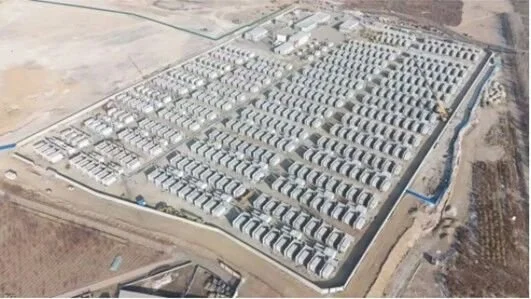
4.8 GWh Installed: Beijing KeRui Supports the Grid Connection of Two Major Grid-Side Energy Storage Projects in Inner Mongolia, Chi
In December 2025, two large-scale grid-side independent energy storage projects supported by Beijing KeRui were successfully connected to the grid in Inner Mongolia and put into operation: the 500 MW / 2,000 MWh Gushanliang project in Ordos and the 400 MW / 2,400 MWh Bu’erhantu project in Baotou.
In December 2025, two large-scale grid-side independent energy storage projects supported by Beijing KeRui were successfully connected to the grid in Inner Mongolia and put into operation: the 500 MW / 2,000 MWh Gushanliang project in Ordos and the 400 MW / 2,400 MWh Bu’erhantu project in Baotou.
Leveraging outstanding engineering execution capabilities, Beijing KeRui’s service team completed the entire process from installation to power delivery in just 50 days—an industry miracle that provided strong assurance for the high-quality and rapid commissioning of both projects. With a combined capacity of 4.8 GWh, the two projects set a new benchmark for the development of China’s independent energy storage sector in terms of large scale, high quality, and accelerated delivery. They inject strong momentum into regional energy structure transformation and provide critical support for building a stable and reliable new-type power system.
In these two flagship projects, Beijing KeRui’s integrated energy storage power conversion and step-up units served as the primary AC-side equipment and played a central role in successful commissioning. Several innovative technologies proved critical to project delivery:
Energy-Efficiency-Oriented Intelligent Thermal Management
The system adopts an innovative multi-tier thermal management strategy centered on “on-demand activation and load matching.” By dynamically aligning transformer cooling requirements with fan operating conditions, the design achieves optimal coordination between auxiliary power consumption and heat dissipation efficiency, significantly reducing unnecessary energy use. In addition, an intelligent heat-exchange buffering design adjusts fresh-air temperature seasonally—mitigating cold shock in winter to protect equipment and pre-cooling intake air in summer to enhance heat dissipation—thereby ensuring long-term stable operation while further refining overall energy efficiency.
Reinforced Structural Design with Integrated Drainage
Through optimization of the converter platform layout, the system enhances overall structural strength while naturally forming efficient drainage channels. This eliminates the need for additional drainage components, achieving dual functionality within a single structure and balancing structural safety with environmental adaptability. The design reflects a philosophy of simplicity, reliability, and efficiency.
Verified Transport Reliability
The equipment underwent rigorous transportation testing, including over 3,000 kilometers of highway transport and 450 kilometers of reinforced standard-condition road testing. These trials fully validated the system’s ability to withstand complex overland transportation challenges, ensuring structural integrity and stable performance throughout delivery and meeting the stringent requirements of real-world engineering logistics.
One notable highlight of the projects is the application of HyperStrong’s flagship large-capacity liquid-cooled energy storage system, representing the latest advancements in electrochemical energy storage technology. HyperStrong’s independently developed second-generation power conversion system (PCS) features advanced technology with fully independent and controllable core technologies. It can accurately respond to grid dispatch requirements and, through customized design, adapts effectively to complex operating conditions to ensure safe and stable year-round operation. This PCS has been successfully integrated into Beijing KeRui’s integrated unit solution.
Another key highlight is the adoption of CATL’s advanced 587 Ah energy storage cells, which achieve an energy density of 434 Wh/L, a cycle efficiency of up to 96.5%, and further optimized cycle life and degradation performance. This marks the first time Beijing KeRui’s integrated power conversion and step-up system has been deployed in combination with this cell model, demonstrating the company’s rapid response capability in adopting cutting-edge technologies and integrating high-performance components. Beijing KeRui’s integrated design deeply combines core modules—including the power conversion system, step-up transformer, power distribution switchgear, intelligent control, fire protection and security, and thermal management—into a single solution. Through optimized structural topology and layered spatial design, the capacity of a single box-type dry transformer can be increased to over 8,250 kVA, unlocking substantial energy output within limited space. This approach reduces land-use costs while enabling flexible deployment across diverse application scenarios.
The commissioning of the two energy storage power stations will significantly enhance the Inner Mongolia power grid’s ability to accommodate variable renewable energy sources such as wind and photovoltaic power. The projects will effectively smooth peak–valley load differences, improve grid flexibility, and strengthen overall system security and stability. Looking ahead, leveraging the comprehensive advantages of its integrated energy storage power conversion and step-up units—spanning energy efficiency, structural optimization, reliability, and adaptability—Beijing KeRui will continue to provide high-performance, high-reliability energy storage system solutions. The company aims to help customers achieve lower operating costs, higher full life-cycle discharge returns, and improved investment performance.
As an active participant and key driver in the development of new-type power systems, Beijing KeRui remains committed to advancing clean and low-carbon energy transition through technological innovation and superior service, contributing to a safer, more efficient, and greener modern energy system.
Register now to attend Asia’s Largest Energy Storage Trade Show for free:
What: The 14th Energy Storage International Conference & Expo
When: Conferences: March 31 - April 2, 2026
Exhibitions: April 1-3, 2026
Where: CIECC Beijing, China
Address: No. 55 Yudong road, Shunyi District, Beijing China

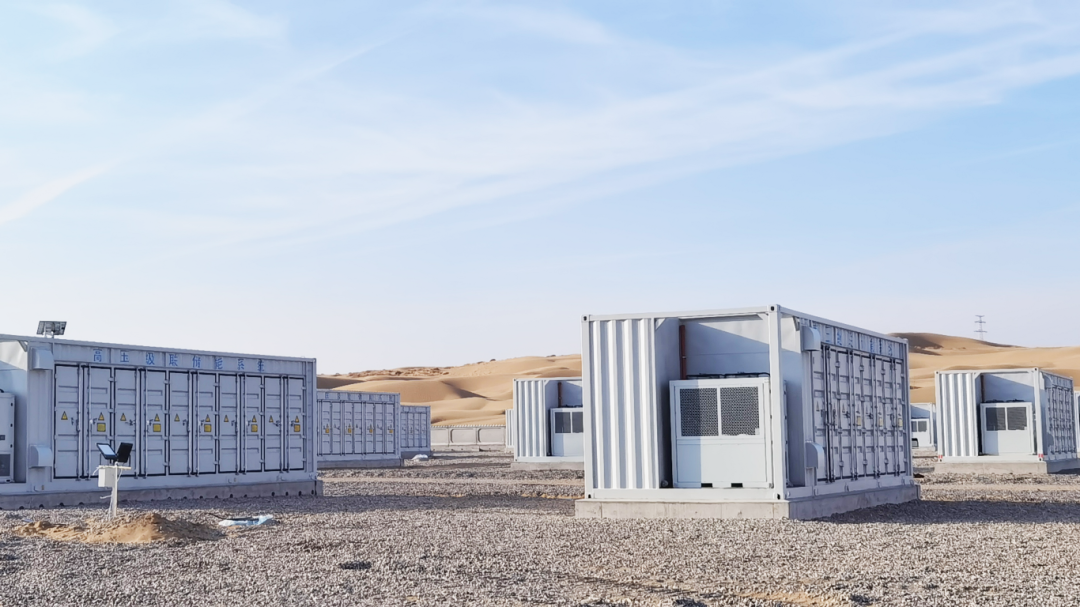
China Mingyang Longyuan’s First 100MW/400MWh High-Voltage Cascade Independent Energy Storage Project Achieves Full-Capacity Grid Connection
Mingyang Longyuan has built a major milestone in China’s energy storage sector with the successful full-capacity grid connection of its first 100MW/400MWh high-voltage cascade independent energy storage project in Ordos, Inner Mongolia. The project’s commissioning highlights the company’s technological strength in large-scale, high-efficiency, and highly reliable energy storage solutions, while reinforcing the critical role of advanced storage systems in supporting grid stability and renewable energy integration.
On December 28, Mingyang Longyuan’s first 100MW/400MWh high-voltage cascade independent energy storage project, the Yashitu Power Station, successfully achieved full-capacity grid connection at the Gushanliang site in Ordos, China. The project also passed the “three charge and three discharge” test of the West Inner Mongolia Power Grid and has officially entered commercial operation.
As an optimal solution for large-scale energy storage power stations, Mingyang Longyuan’s high-voltage cascade energy storage system demonstrates significant advantages, including large unit capacity, high energy conversion efficiency, enhanced safety performance, lower overall system cost, simplified coordinated control, and extended battery lifespan. The system also provides strong grid-support capabilities, enabling reliable performance under complex conditions such as extreme temperature variations and high humidity, while effectively supporting peak shaving, frequency regulation, and large-scale integration of renewable energy.
The project has achieved a long-duration cycle efficiency exceeding 90 percent, marking a substantial breakthrough in key performance indicators. This achievement reflects the sustained efforts of Mingyang Longyuan’s R&D and service teams. Despite harsh construction conditions characterized by strong winds, heavy snowfall, and extremely low temperatures in Ordos, the team overcame multiple technical challenges through continuous on-site work, ensuring the project’s timely commissioning. The experience gained has further strengthened the company’s capabilities in operating energy storage systems under extreme environmental conditions, laying a solid foundation for long-term stable and reliable performance.
The successful commissioning of the Gushanliang energy storage power station in Ordos underscores Mingyang Longyuan’s technical strength and product reliability, representing an important milestone in the company’s continued expansion in the energy storage sector. Looking ahead, Mingyang Longyuan will remain driven by technological innovation, advancing the upgrading of the energy storage industry and contributing to the development of a clean, low-carbon, safe, and efficient energy system.
——————————————————————————————————————————————————
Register now to attend Asia's Largest Energy Storage Trade Show for free:
What: The 14th Energy Storage International Conference & Expo
When: Conferences: March 31 - April 2, 2026
Exhibitions: April 1-3, 2026
Where: CIECC Beijing, China
Address: No. 55 Yudong road, Shunyi District, Beijing China

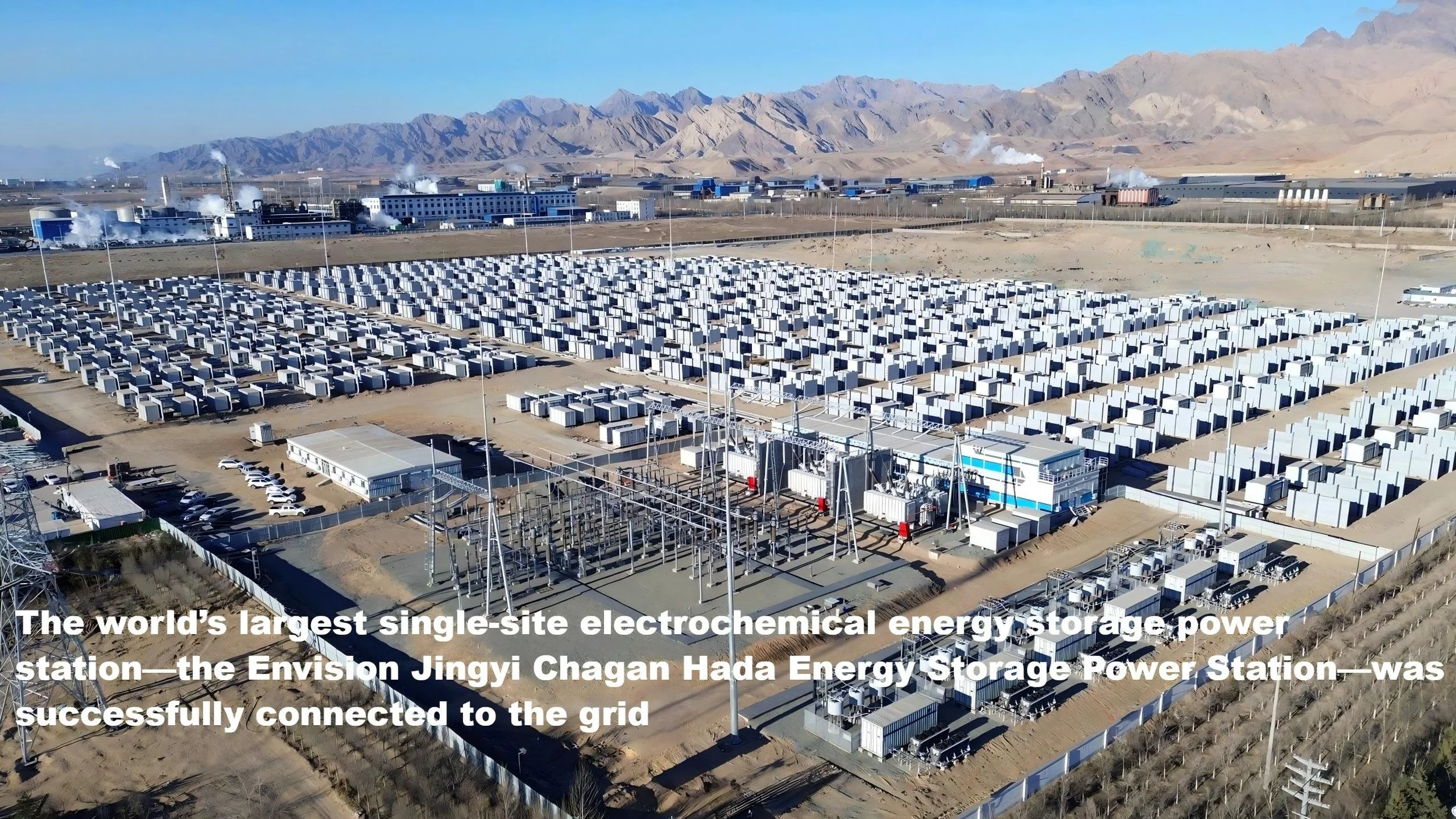
12.8 GWh Energy Storage Cluster Connected to the Grid AI-Powered Energy Storage Reshapes the Future of New Power Systems
The world’s largest single-site electrochemical energy storage power station—the Envision Jingyi Chagan Hada Energy Storage Power Station—was successfully connected to the grid, completing a 12.8 GWh AI-powered energy storage cluster in Inner Mongolia. The project sets new global benchmarks for scale, grid-connection speed, and system reliability, while demonstrating advanced grid-forming capabilities that enable rapid commissioning, deep grid interaction, and large-scale renewable integration.
Recently, the world’s largest single-site electrochemical energy storage power station—the Envision Jingyi Chagan Hada Energy Storage Power Station—was successfully connected to the grid. With a total capacity of 4 GWh, the project is fully equipped with Envision’s AI-powered energy storage system. This milestone marks the completion and grid connection of Envision’s 12.8 GWh energy storage cluster deployed across Bayannur, Ordos, Hohhot, Ulanqab, Xilingol League, and Alxa League. To date, Envision-led energy storage projects in Inner Mongolia exceed 14 GWh in total capacity.
The project passed grid verification at rated power through “three charge and three discharge” and a 72-hour continuous trial operation at one time, becoming the largest energy storage project in China to complete such testing. This achievement not only sets new global records for energy storage cluster scale and grid-connection speed, but also demonstrates Envision’s capabilities in ultra-large-scale system integration, extreme-environment adaptability, deep grid interaction, and large-scale project delivery.
Notably, the project’s grid connection coincided with the release of China’s Guidelines on Promoting High-Quality Power Grid Development by the National Development and Reform Commission (NDRC) and the National Energy Administration (NEA), highlighting strong alignment between national policy direction and industrial practice. Together, they signal that AI-centered energy storage technologies are reshaping the future of new power system from technological, market, and application perspectives.
Technology: From “Optional” to “Essential”
The Guidelines clearly state that power system regulation capabilities should be upgraded toward greater diversity and massive-scale coordination. They call for accelerated development of regulation capabilities for new grid-connected entities, including distributed renewable energy and new-type energy storage, to enable the coordinated and optimized dispatch of diverse and large-scale resources. The Guidelines also emphasize strengthening R&D in critical power grid technologies, targeting application scenarios such as deserts, Gobi and barren regions, integrated wind–solar–hydro systems, high-altitude areas, and deep and far-offshore environments. They propose piloting long-distance transmission from large-scale 100% renewable energy bases, and accelerating the engineering validation and deployment of grid-forming technologies.
It is said that Envision’s AI energy storage system deployed in Inner Mongolia integrates advanced capabilities from “grid-following” to “grid-forming”, enabled by a full-time-scale simulation platform and a three-layer grid-forming architecture spanning equipment, system, and site levels. This allows GW-scale stations to connect to the grid immediately upon energization, significantly reducing commissioning time, mitigating oscillation risks, and enhancing system support strength. As a result, energy storage evolves from a “grid follower” to a “grid builder,” providing a solid technical foundation for power systems with high shares of renewable energy.
Market: From Grid Connection to Market Participation
The Guidelines emphasize deep integration between market mechanisms and dispatch systems, and encourage exploration of new pricing mechanisms. This creates clear and predictable revenue pathways for AI-powered energy storage through participation in electricity spot markets, provision of ancillary services such as frequency and peak regulation, and access to capacity compensation and price arbitrage.
The 12.8 GWh energy storage cluster will be fully integrated into the electricity spot market. Leveraging Envision’s AI system—where trading agents and grid-forming agents operate in coordination—the project enables a closed-loop lifecycle operation covering forecasting, dispatch, trading, and self-learning. This approach not only enhances the intelligence, efficiency, and execution of power trading decisions, but also provides a replicable and scalable model for the large-scale participation of new-type energy storage in electricity markets. At the same time, it significantly improves regional renewable energy consumption and strengthens the operational resilience of the power grid. In previous deployments, Envision’s AI energy storage system has ranked first in trading forecast accuracy at several sites in Inner Mongolia for consecutive months. Based on measured operational data, the project is expected to increase total lifecycle returns by more than 20%.
Applications: From Single Use to Broad Scenarios
The Guidelines elevate smart microgrids as a key component of new-type power systems, unlocking vast opportunities for AI energy storage in industrial parks, zero-carbon parks, and remote areas. In these scenarios, AI-powered energy storage functions as a local energy brain, optimizing the coordination of generation, grid, load, and storage to maximize renewable self-consumption, enhance supply reliability, and enable higher-level grid interaction.
As power systems become increasingly clean and market-oriented, simple equipment aggregation is no longer sufficient. In high-renewable scenarios, AI-driven energy storage that balances grid stability with revenue optimization has become indispensable. The successful grid connection of the Inner Mongolia cluster underscores Envision’s leadership in physical AI and AI-enabled renewable energy solutions.
Envision has established a full industrial chain in Inner Mongolia, from battery cells and system integration to project delivery and intelligent operation. Leveraging its integrated capabilities, the project drives industrial clustering, injects new momentum into the local economy, supports the development of a new-type power system, and underpins the region’s efforts to accelerate the construction of a nationally important energy and strategic resources base.
This milestone delivery marks a successful conclusion to Envision’s energy storage business expansion in 2025. Empowered by physical artificial intelligence, Envision has secured a series of major contracts both at home and abroad this year. Building on its established global footprint, the company has successfully expanded into ten strategic overseas markets, including Australia, Chile, Italy, and Poland. Looking ahead, Envision will continue to strengthen the foundational support for next-generation power systems through innovative products and world-class project execution, accelerating the global transition toward zero-carbon and driving a new era of shared prosperity powered by Chinese renewable energy technologies.
____________________________________________________________________
Envision Energy Storage has confirmed its participation in the 14th Energy Storage International Conference and Expo (ESIE 2026). Register now to attend Asia's Largest Energy Storage Trade Show for free:
What: The 14th Energy Storage International Conference & Expo
When: Conferences: March 31 - April 2, 2026
Exhibitions: April 1-3, 2026
Where: CIECC Beijing, China
Address: No. 55 Yudong road, Shunyi District, Beijing China

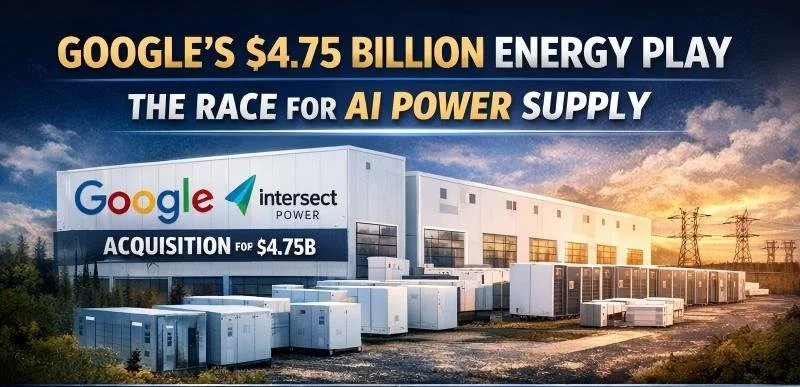
Google Acquires U.S. Energy Storage Giant for $4.75 Billion
As the global tech giants engage in a frenzied race for AI computing power, a more fundamental battle over “energy supply” is unveiling. Google’s multi-billion dollar power play procured not just an energy storage company but the the “electricity passport” towards the AI-driven future.
I. Blockbuster Acquisition: Acquisition of U.S. Energy Storage Giant for $4.75 Billion
On December 22, Alphabet, Google's parent company, announced that it will acquire Intersect Power, a leading U.S. battery energy storage system developer and operator, for $4.75 billion in cash plus the assumption of debt.
What to watch:
Targeted Assets: The acquisition does not cover the already operational assets but targets its future clean energy power generation projects, data center and energy storage system, totaling 10GWh.
Strategic intention: directly circumvent the crowded traditional grid and build an exclusive “power generation + energy storage” closed loop for AI data center.
The Alphabet CEO said: “ Intersect will help us synchronize the creation of power generation and energy storage system so as to match the added data center load and reshape energy solutions of AI data center.
II. Urgency: The high energy consumption “black hole” of AI data center
It is the tremendous energy pressure alongside generative AI behind the acquisition.
Surge in electricity consumption: the electricity demand is estimated to grow manyfold of data center hubs including State of Texas and California in 2030.
Stringent Reliability requirement: The AI data center requires 99.999% power supply reliability, which is hard to satisfy for traditional grid.
Solutions: Battery Energy Storage System emerges as the key infrastructure to balance the intermittency of renewable energy and achieve 24/7 uninterrupted power supply.
III. Ecological Synergy: Tesla makes an indirect play and broaden the collaboration zone
It is noteworthy that Intersect and Tesla are long-term collaboration partners. Google’s move means Tesla will step into the collaboration zone.
Current collaboration: Many operational energy storage projects of Intersect have employed the Megapack energy storage system of Tesla (like the Oberon 1 GWh project of California)
A huge order: Intersect also signed the 15.3GWh supply contract with Tesla, becoming one of the world’s largest purchasers and operators of this model of energy storage equipment.
IV. Chinese Companies: A head start in the Global data center energy storage arena
In fact, China’s top-tier energy storage companies have identified the opportunities early on, actively expanding their presence in the global “data center + energy storage” sector:
Companies like SUNGROW, SHUANGDENG, HUAWEI, KWLONG, ZTT, NARADA, HTHIUM, ROBESTEC, Potis Edge, Ampace, CLOU, Hopewind, CHNT, KSTAR, Vertiv, DELTA, EATON, VISION, SINEXCEL, JST(JINPAN TECHNOLOGY), TONGFEI, Envicool, Goaland, Shenling, HAIWU and so on has played their respective roles engaging in data center energy construction.
The market demonstrates that China’s supply chain ranging from power sources, battery to management system is becoming an important power to underpin the global AI data center energy transformation.
V. Industry Barometer: the summit forum focuses on “data center + energy storage” future
Google’s acquisition does not stand alone and it points to a global trend: energy storage combined with data center has become the central arena where global technology and energy industry converge.
This trend will be fully represented in the upcoming industry grand.
_____________________________________________________________________________________________
Register now to attend Asia's Largest Energy Storage Trade Show for free:
What: The 14th Energy Storage International Conference & Expo
When: Conferences: March 31 - April 2, 2026
Exhibitions: April 1-3, 2026
Where: CIECC Beijing, China
Address: No. 55 Yudong road, Shunyi District, Beijing China

Breaking Through the Waves and Going Global! Hear the New Expectations from Overseas Markets for China’s Energy Storage
Source: CNESA
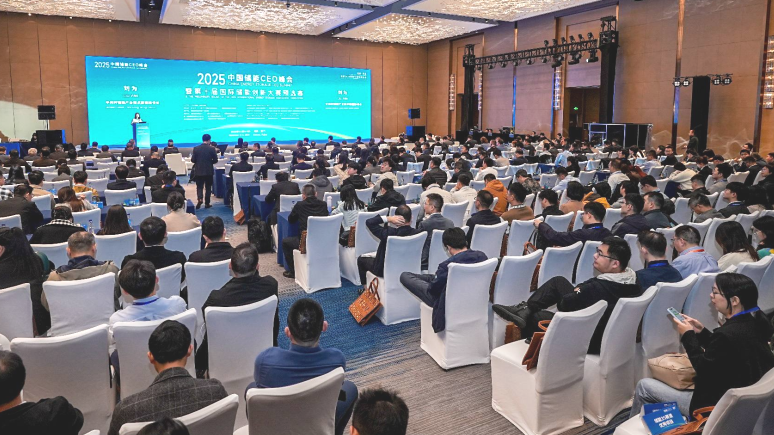
On December 3-5, 2025, the 2025 China Energy Storage CEO Summit and the Preliminary Round of the 10th International Energy Storage Innovation Competition, hosted by the China Energy Storage Alliance (CNESA) and co-hosted by Xiamen University, Kehua Digital Energy, and Cornex New Energy, was successfully held in Xiamen.
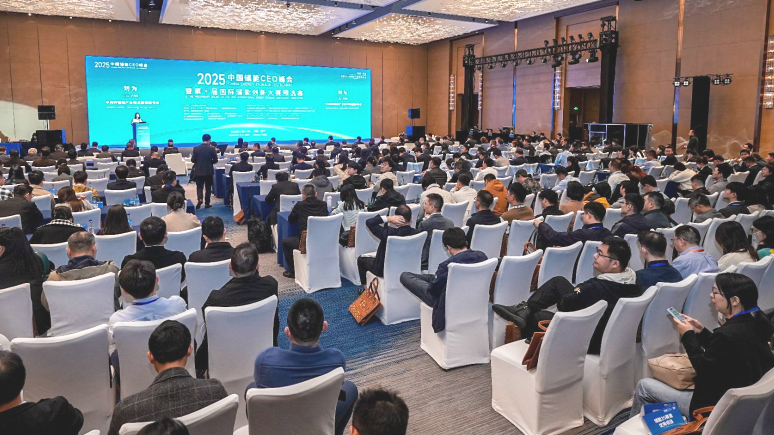
As CNESA’s flagship concluding event of the year, this summit was anchored in the southeastern coastal region - a strategic hub linking global markets - and was themed “Breaking Waves · Coexisting - Shaping a New Global Energy Storage Ecosystem for 2026.” It brings together senior representatives from energy investment institutions, project developers, asset owners, and EPC companies from Saudi Arabia, Australia, Denmark, Austria, Bulgaria, India, and other countries for in-depth engagement.
International guests focused on topics including project implementation, cooperation models with Chinese companies, grid connection and interconnection standards, and industrial chain collaboration, collectively presenting the global market's genuine expectations of - and directions for cooperation with - China's energy storage industry.
Europe:
Focusing on building long-term partnerships rather than
engaging in short-term transactions.
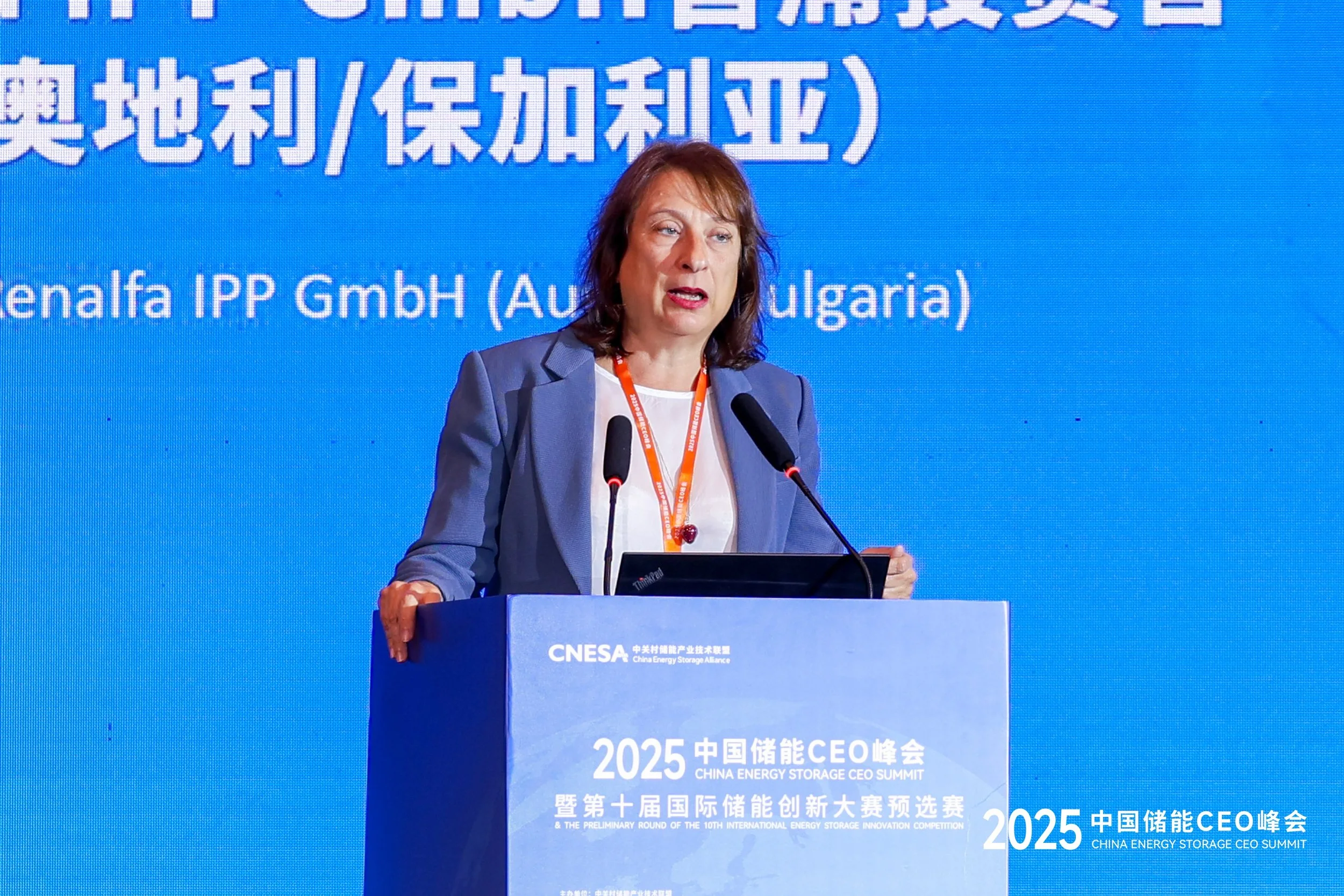
Renalfa IPP - Chief Investment Officer (Austria / Bulgaria)
Kalina Pelovska
Renalfa IPP is a leading independent power producer in Europe, with more than 5.6 GW of renewable energy assets deployed across Central and Eastern Europe.
“Investment decision-making has evolved from a singular focus on levelized cost of energy to a comprehensive evaluation of system reliability and revenue stability. The strengths of Chinese energy storage companies are expanding from pricing advantages to delivery efficiency, technical responsiveness, and long-term stability. We look forward to jointly cultivating the Central and Eastern European (CEE) energy storage asset market with Chinese companies through joint ventures and co-investment models, building long-term partnerships.”
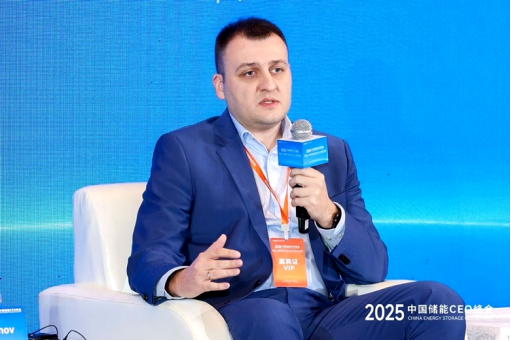
Solarpro Technology AD - Head of Energy Storage Division (Bulgaria)
Gabriel Nenov
Solarpro is a major EPC contractor and energy storage project developer in Southeast Europe, with extensive experience in PV+BESS projects across Bulgaria, Romania, Greece, and other countries.
“The energy storage market in Eastern Europe is rapidly taking off, but complex grid-connection rules and diverse approval processes place very high demands on information transparency and depth of technical communication. Large-scale projects of 200 MWh and above are becoming mainstream. The Eastern European energy storage market is optimistic about deep collaboration with Chinese partners at the inverter, battery cell, and EMS integration levels. Through standards alignment and early-stage design coordination, project bankability and execution certainty can be significantly improved.”
Australia:
Not Just Batteries, but “Plug-and-Play” System Solutions
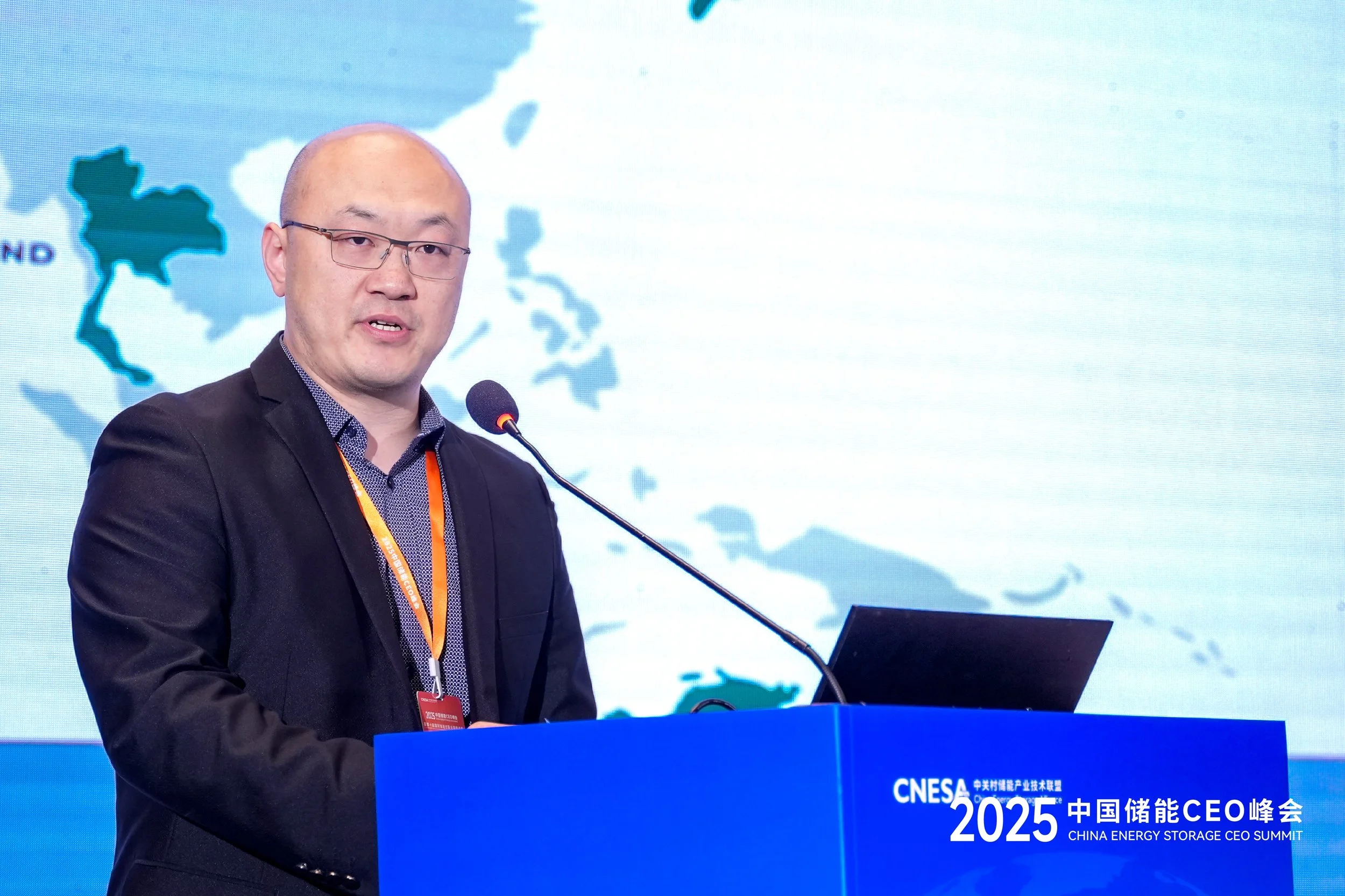
Green Gold Energy - Head of Energy Engineering Department (Australia)
Alessandro Wei
Green Gold Energy is a leading renewable energy developer and EPC contractor in Australia, with extensive experience in developing large-scale photovoltaic and battery energy storage projects across South Australia, New South Wales, Victoria, and other regions.
“In the Australian market, the Chinese energy storage supply chain has already built a high level of trust. Looking ahead, there is a stronger expectation for entry through system-level solutions rather than standalone equipment - integrated coordination across PCS, BMS, EMS, and grid-connection models. Australia’s energy storage business model is shifting from frequency regulation-led applications to a parallel model combining medium- to long-duration energy storage arbitrage and capacity assurance, placing higher demands on overall system compliance, long-term O&M capabilities, and localized services. Grid-forming technologies, validation of grid-connection models, and technical confirmation prior to tendering will become key levers for China-Australia collaboration.”
Middle East:
Focusing on long-duration energy storage and system integration
capabilities
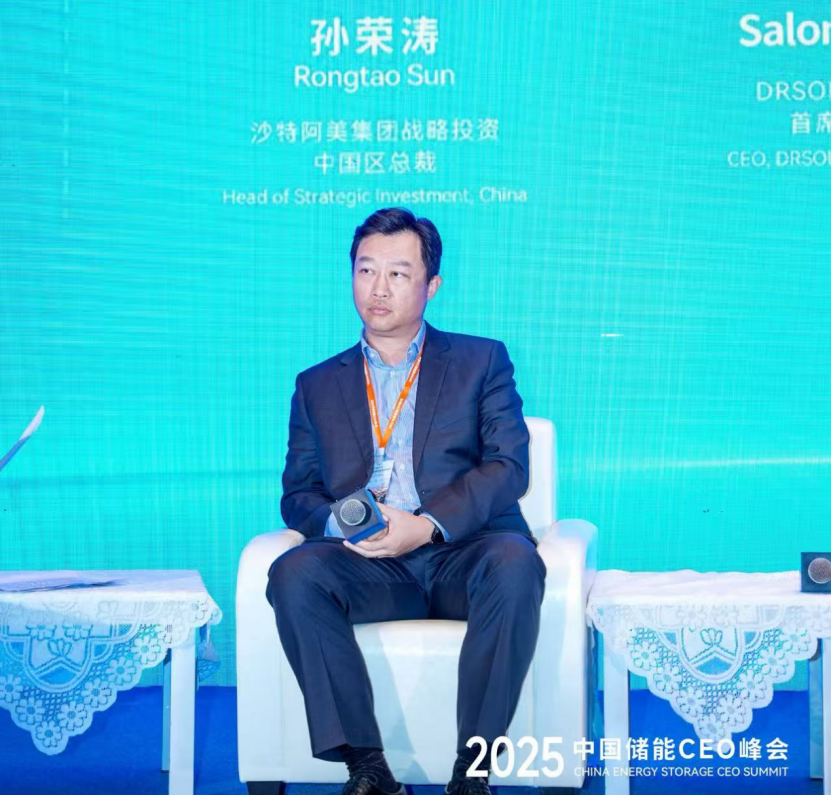
Aramco Ventures - President of China Strategic Investments (Saudi Arabia)
Rongtao Sun
Aramco Ventures, the strategic investment arm of Saudi Aramco - the world's largest energy company - is accelerating its global investments in renewable energy, hydrogen, energy storage, and advanced materials.
“The global energy system is rapidly evolving toward a more diversified structure, with energy storage becoming a critical foundational asset. Large-scale energy base projects in the Middle East and North Africa impose higher thresholds for long-duration energy storage, system integration capabilities, and project-level reliability. China holds significant advantages in energy storage manufacturing capacity, industrial clustering, and supply chain completeness. Going forward, we will pay closer attention to the maturity of Chinese energy storage companies in safety standards, long-term operations and maintenance, project documentation systems, and global delivery capabilities. Through joint investments, demonstration projects, and localized deployment, we aim to promote deeper levels of cooperation.”
Nordic Region:
Strong emphasis on full life-cycle services and close coordination
with the power grid
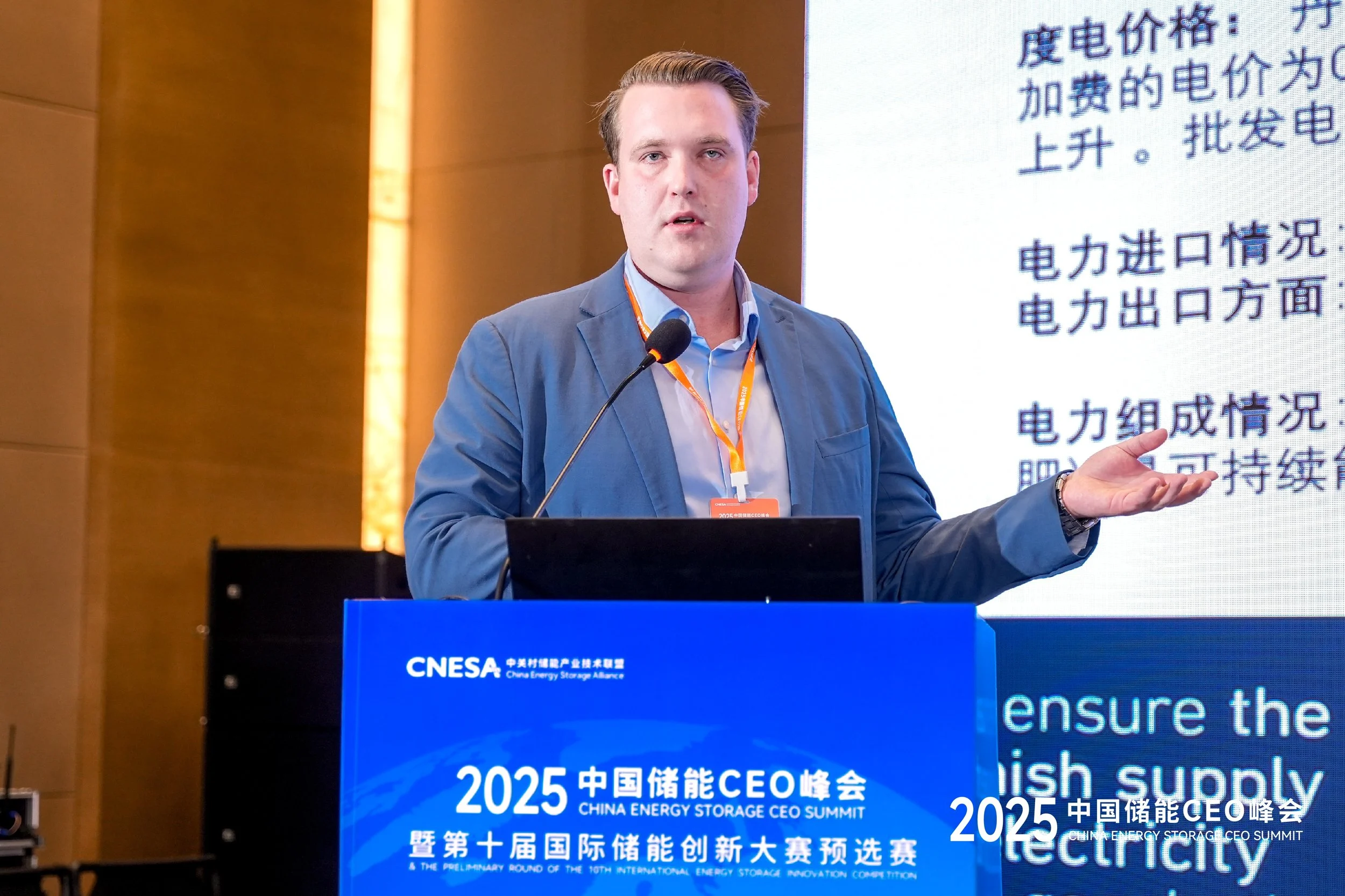
DRSOLAR Denmark ApS - Chief Executive Officer (Denmark)
Salomon Martens
DRSOLAR is a Danish renewable energy system integrator and distributor, with long-term engagement in battery energy storage sales and system services across Nordic and European markets.
“In Denmark and the broader Nordic region, demand for energy storage is shifting from simple grid-connection support to system services and flexibility resources. The market increasingly emphasizes system safety, full life-cycle services, and the ability to collaborate with grid operators. Chinese energy storage products are competitive in performance and delivery. If further alignment can be achieved in certification standards, after-sales systems, and localized technical support, their market penetration will be significantly strengthened.”
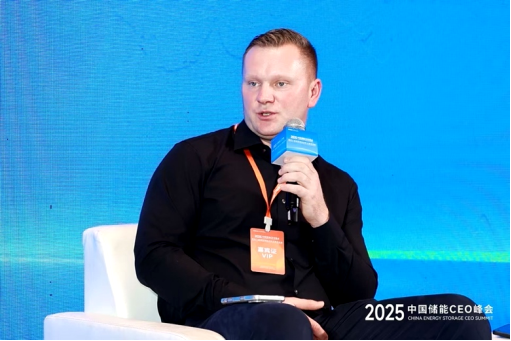
RJS Construction ApS - Chief Operating Officer (Denmark)
Robert Kraszewski
RJS Construction is a Danish engineering and EPC service provider involved in the construction and delivery of multiple renewable energy and energy storage projects across Europe.
“From an EPC perspective, European projects place greater emphasis on engineering feasibility and on-site adaptability. Energy storage systems must fully consider construction, commissioning, and O&M conditions during the design phase. Chinese companies perform strongly in modular design and manufacturing efficiency. If closer coordination can be established with local EPC teams, project delivery efficiency can be significantly improved while risks are better controlled.”
India:
Seeking Partners to Scale from Pilot Projects to Full Deployment
At the Energy Storage CEO Summit, representatives of Coca-Cola’s Indian bottling operations expressed clear interest in collaboration. Their purpose for attending was highly practical: “In India, energy storage is booming, so we want to explore this for our company.”
Their demand stems directly from the company’s energy transition efforts. They have already built dedicated solar power plants for their own operations, and their current focus is to use battery energy storage systems to replace grid electricity during peak hours, achieving a better balance between solar generation and energy storage.
Regarding cooperation, they outlined a clear roadmap: “Maybe we can start the pilot project in India. And once if we will find it good, we would scale it up in India and do a business over there with the help of China.” They also explicitly noted that they regard the China Energy Storage Alliance (CNESA) as an important support platform in this field and attended the summit specifically to seek connections through CNESA.
As a key prelude to the 14th Energy Storage International Conference & Expo (ESIE 2026), this year’s China Energy Storage CEO Summit delivered a clear message through its high level of international participation and practice-oriented agenda: the global market not only recognizes China’s manufacturing strength in energy storage, but also expects deeper collaboration across technology standards, ecosystem development, and long-term value creation.
As Chinese energy storage companies further integrate into the global energy system, a new ecosystem built on co-creation, co-development, and shared growth is taking shape. This is no longer merely about exporting products, but a collective journey of technologies, standards, and cooperative models going global together.
CENSA Upcoming Events:
Apr. 1-3, 2026 | The 14th Energy Storage International Conference & Expo
Register Now to attend, free before Dec 31, 2025.

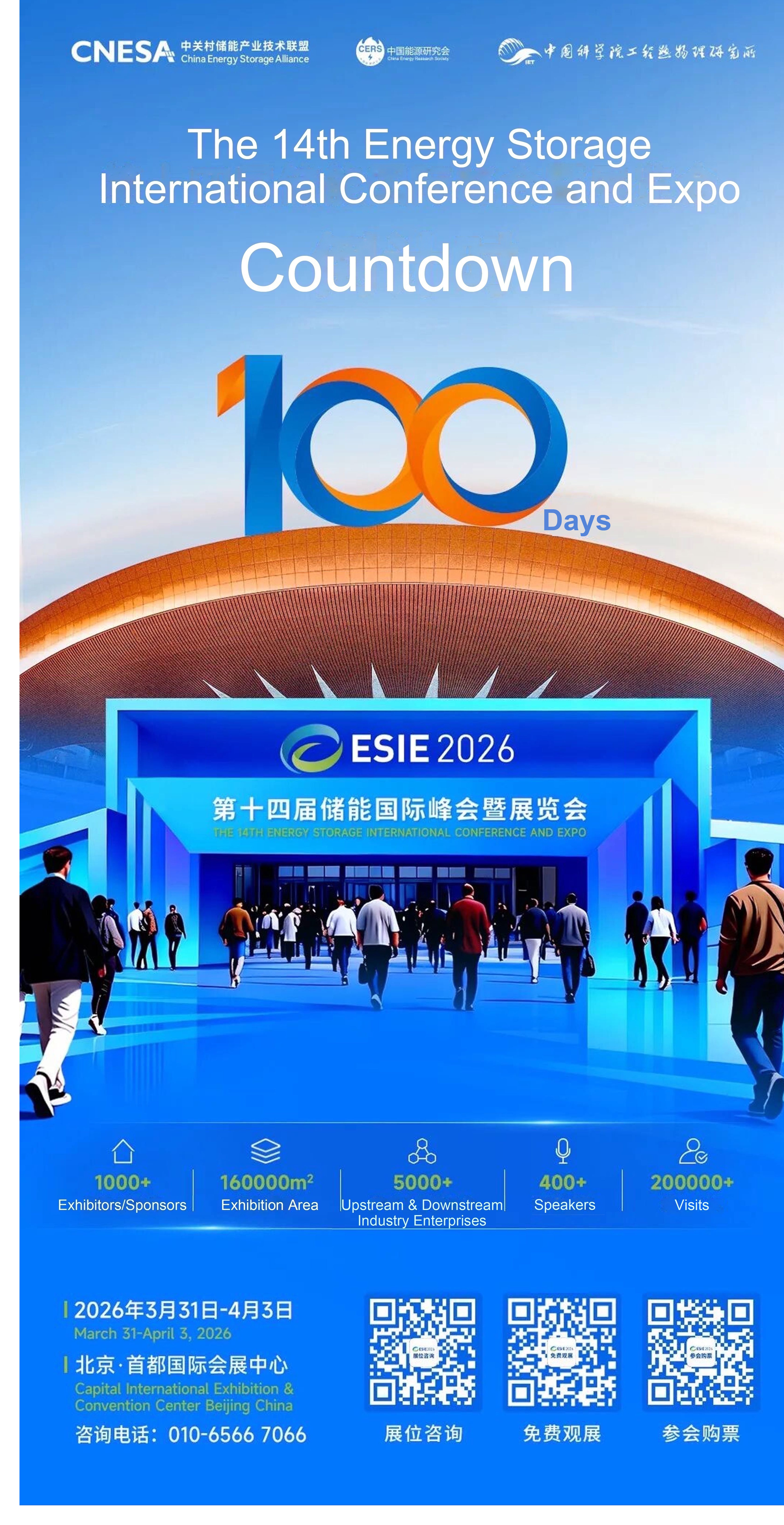
Countdown: 100 Days to Go! - ESIE 2026 Energy Storage Expo Announces First Batch of Exhibitors
Source: CNESA
The 14th Energy Storage International Conference & Expo (ESIE 2026)
March 31 - April 3, 2026
Capital International Exhibition & Convention Center, Beijing, China
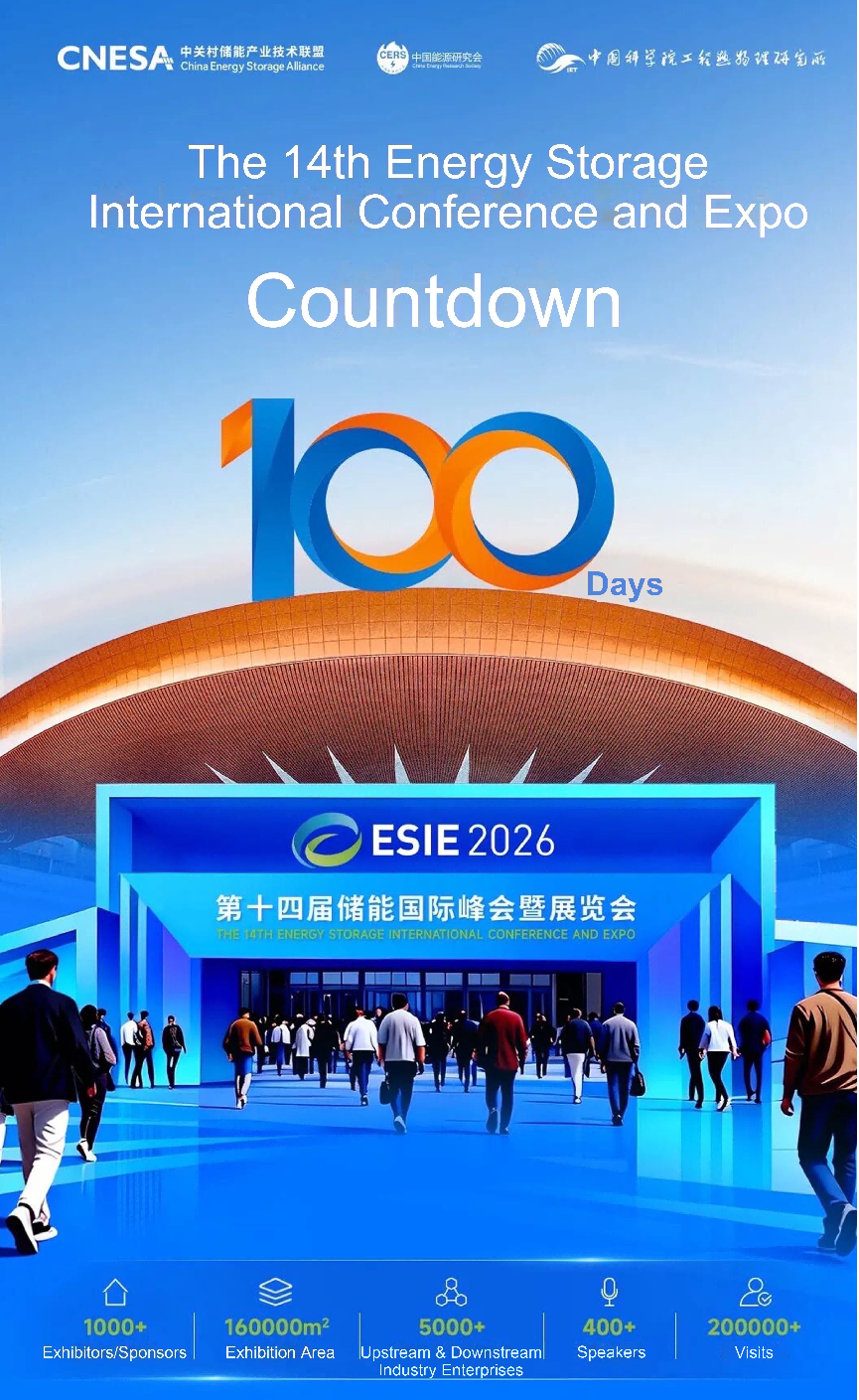
With just 100 days remaining until the opening of the 14th Energy Storage International Conference & Expo (ESIE 2026), anticipation across the industry continues to build. Momentum is accelerating, and companies are actively registering to exhibit.
As exhibitor recruitment enters its final countdown, this landmark event - designed to build industry consensus, drive technological innovation, and foster global exchange - warmly invites energy storage professionals worldwide to gather in Beijing.
Exhibition Overview
ESIE 2026 will feature 6 themed exhibition halls:
Energy Storage & Power Equipment Hall
Battery & Intelligent Manufacturing Hall
2 Energy Storage Application Halls
Battery & Materials, International Hall
Future Ecology Hall
In addition, 9 specialized zones will be set up, covering:
power equipment, zero-carbon industrial parks, data centers, EV charging infrastructure, fire safety, intelligent manufacturing, hydrogen energy, materials, and testing & certification.
Together, the exhibition comprehensively covers enterprises across the entire upstream and downstream energy storage industry chain.
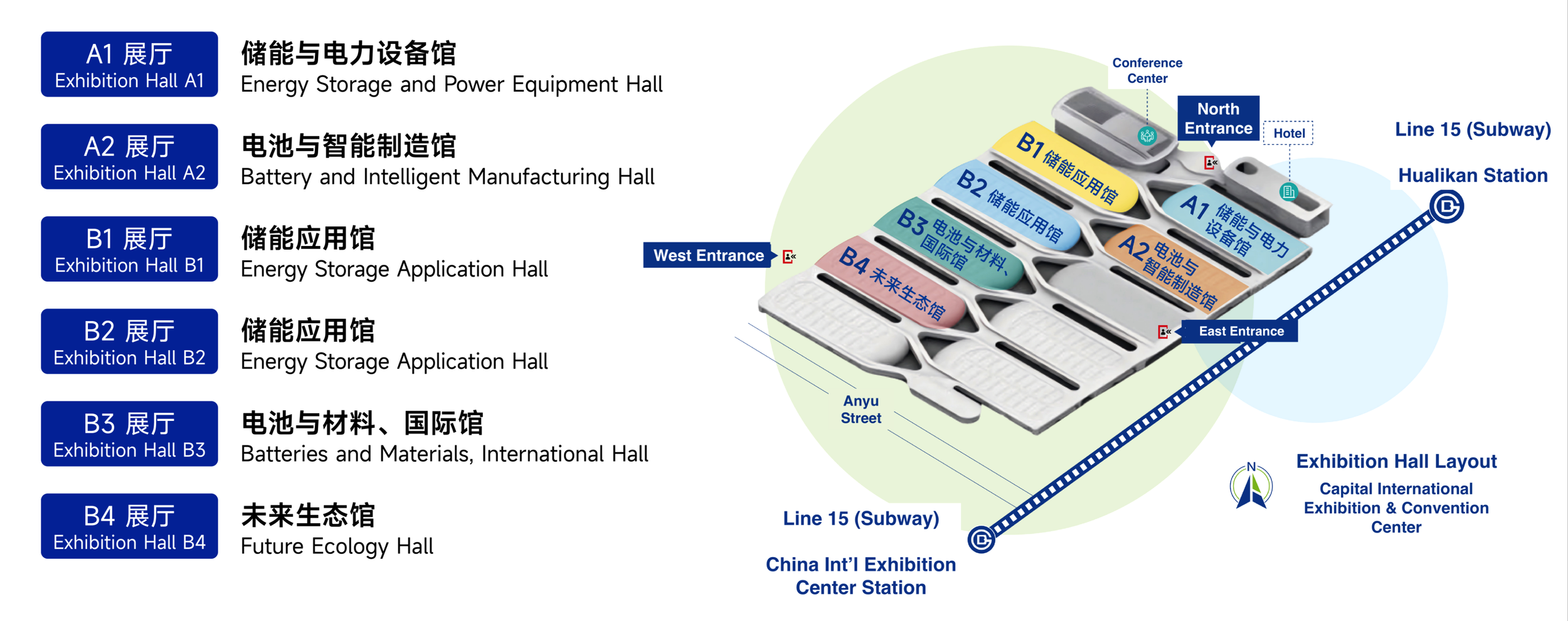
Figure | Layout Plan of the 14th Energy Storage International Conference & Expo
A1 - Energy Storage & Power Equipment Hall
Well-known brands exhibiting include: HyperStrong, EVE Energy, Zhongqi New Energy, Pengcheng Infinite, CLOU, Zhongchu Guoneng, Great Power, Inpai Battery, Huadian Heavy Industries, Hongzheng Energy Storage, Chint Electrics, Guodian Nanjing Automation, Elecnova, Envicool, Qianye Technology, Tiansu, Futronics, Dafu Integrated Equipment Technology, UTL Electrical, Winsure Communication, Sanwo Liyuan, Fans-tech Electrical, Kait, Qingyuan HeYi, YNTECH, Regal Rexnord, and more.
A2 - Battery & Intelligent Manufacturing Hall
Exhibitors include: CATL, Soaring Electric, XYZ Storage, Kehua Digital Energy, Cornex, Sineng Electric, NR Electric, AlphaESS, Hopewind, Ampace, Nebula Electronics, Autowell, Gaodengsai Energy, RelyEZ, Phoenix Contact, Youxing Shark, Lead Technology, Iron Man Fire Fighting, RePower Technology, Kelvin New Energy, Huasi Systems, Ligoo New Energy, Zonzsin, Tangent, Xenbo Heat Sink, Ubetter, Yaliqu, Heidun Cloud, Luoweite, National Center for Advanced Energy Storage Product Quality Inspection & Testing, Balance Intelligent Fire, and others.
B1 - Energy Storage Application Hall
Participating companies include: CRRC Zhuzhou Institute, Gotion High-Tech, Goldwind, Huawei, Sunwoda, Hoymiles, Hithium, Ganfeng, KE Electric & Hisense, Pylontech, Zhiguang Energy Storage, Liangxin Electrical, Ancheng New Energy, Xingchen New Energy, Gold Electronic, TCL, PULSST, Advantech, Chuancheng Energy Storage, SAV, SGS-CSTC Standards, TYT, Xinyuan Tech, Enerflow, Hysea, Stif, TIG Technology, Candera, TYES Energy Storage, among others.
B2 - Energy Storage Application Hall
Exhibitors include: Sungrow, CALB, Narada, REPT BATTERO Energy, Robestec, Windey Energy, iPotisEdge, TONGFEI, Siyuan Electric, Dongfang Electric, InfyPower, Xiqing, HYXiPOWER, Kgooer, Xiamen Hongfa, Qualtech, REsource Electric, HIGEE, State Energy XinControl, Beijing Micro Control Industrial Gateway Technology, Rongke Power, BMSER, Sinofuse, Southern CIMC, EMKA (Tianjin), Lanrui Electric, Hecheng Smart Electric, ZONZEN, Kefa Electronics, and more.
B3 - Battery & Materials, International Hall
Exhibitors include: Shuangdeng Group, Megarevo, Concord New Energy, Kstar, GoodWe, ZTT, Wocheng, Sigenergy, German Pavilion, Suqian Times, CVC Testing, SHENG YANG Electric, Heyuan Magnetics, Shentong Mechanical & Electrical, TOPOS, Honghaisheng, Dianwei, Carbon Energy Technology, WILO SE, Cergen New Energy, Longxiang Rubber, Onpow Push Button, Hefei Zhiyou Electric, WSF, CHEVRON Electronic, and others.
B4 - Future Ecology Hall
Exhibitors include: Envision Storage, BYD, Trina Storage, Singularity Energy, Longking, CSG Energy Storage, Jinko, State Power Rixin Technology, Contemporary Nebula Energy Technology, iBatteryCloud, Gresgying, CSG Technology, Wincell, ESF Technology, Sino Group, and more.
One-Stop Access to Cross-Sector Energy Storage Innovations
Visitors can explore a wide range of integrated application scenarios, including:
Energy Storage + Industry: Steel, cement, chemicals, petroleum, aluminum, coal, oilfields, and more - discover how energy-intensive enterprises reduce costs and improve efficiency with storage solutions.
Energy Storage + Wind & Solar: BIPV storage, CIPV storage, source-grid-load-storage integration, PV-storage-DC-flexible systems - all solutions for coordinated renewable and storage development.
Energy Storage + Desert & Gobi Mega Bases: Wind-solar-storage bundled transmission, grid-forming storage, multi-energy complementarity (wind + solar + storage + coal/solar thermal), and ecological desert control - unlock efficient desert energy utilization.
Energy Storage + Zero-Carbon Parks / Green Power Direct Supply: Microgrids, distributed PV-storage consumption, dedicated green power lines, peak-valley arbitrage, emergency backup, and green power traceability - ensuring stable green electricity supply.
Energy Storage + Data Centers / Telecom Base Stations: Backup power, peak-valley arbitrage, off-grid power supply, and green power integration - supporting stable and cost-efficient digital infrastructure.
Smart Energy: Smart grids, microgrids, virtual power plants, distributed energy management systems, and energy IoT platforms - key tools for future energy management.
Energy Storage + Transportation: Vehicle-to-grid interaction, charging and swapping facilities, PV-storage-charging stations, EVs, electric heavy trucks, low-altitude economy, and new energy solutions for ports and airports.
Innovative Energy Storage Technologies: Hydrogen energy; chemical storage (sodium-ion, solid-state, aqueous, all-vanadium flow, etc.); physical storage (compressed air, flywheel, gravity, molten salt, etc.).
Preparations for ESIE 2026 have entered the full-scale sprint phase. The organizing committee is advancing all work in a coordinated and efficient manner to deliver a high-level professional exchange platform for the industry.
Exhibition booths are now in short supply, with only a limited number of premium locations remaining. Energy storage enterprises across the entire value chain are warmly invited to join ESIE 2026 - uniting around technological innovation, advancing industrial upgrading, and jointly shaping a high-quality future for the new energy storage industry.
Register Now to attend, free before Dec 31, 2025:
https://mailchi.mp/2a7b423a7efb/esie-2026-registration-socialmedia
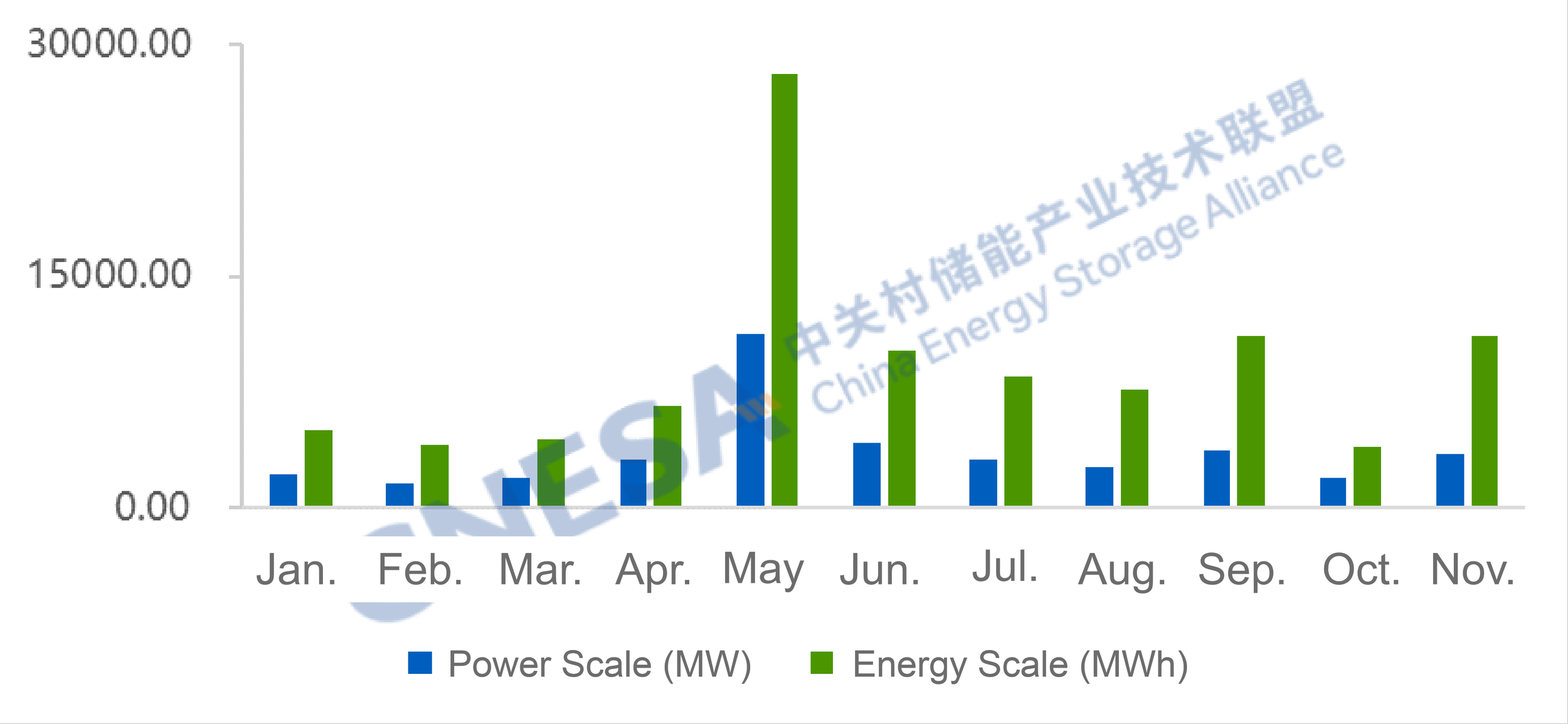
New Installations Down 67% YoY: Analysis of China's User-Side New Energy Storage Projects in November
Source: CNESA
In November 2025, newly installed user-side new energy storage capacity in China recorded a year-on-year decline of over 65%.
Compared with October, the market structure showed notable adjustments:
Commercial and industrial (C&I) energy storage accounted for nearly 90%, while long-duration energy storage technologies accelerated deployment.
East China contributed more than half of newly commissioned capacity, with Fujian leading in installed capacity.
Although filing activity in traditional user-side markets (Zhejiang, Guangdong, Jiangsu) declined compared with the same period last year, overall demand remained higher year-on-year. Emerging markets such as Anhui, Henan, and Sichuan are becoming new growth engines driving the national user-side energy storage market.
Analysis of User-Side New Energy Storage Projects in November
In November, newly installed user-side capacity reached 185.27 MW / 555.83 MWh, representing -67% / -57% year-on-year, and -5% / +16% month-on-month. User-side new energy storage projects exhibited the following characteristics:
(1) Installed Capacity by Application
In November, the user-side energy storage market continued to be dominated by C&I applications, accounting for nearly 90% of total installations. Newly installed C&I capacity reached 163.9 MW / 541.3 MWh, -68% / -58% year-on-year, and -9% / +15% month-on-month.
The largest data center user-side energy storage project in Zhejiang was officially commissioned. Rapid development of AI data centers (AIDC) and intelligent computing centers is driving growth in user-side energy storage demand.
From a technology perspective, all newly commissioned projects adopted electrochemical energy storage technologies. Lithium iron phosphate (LFP) batteries accounted for over 99% of installed power capacity. In terms of long-duration storage, one 8-hour, 202 MWh lithium-based C&I energy storage project and one 8-hour, 2 MWh all-vanadium redox flow battery project were completed and put into operation.
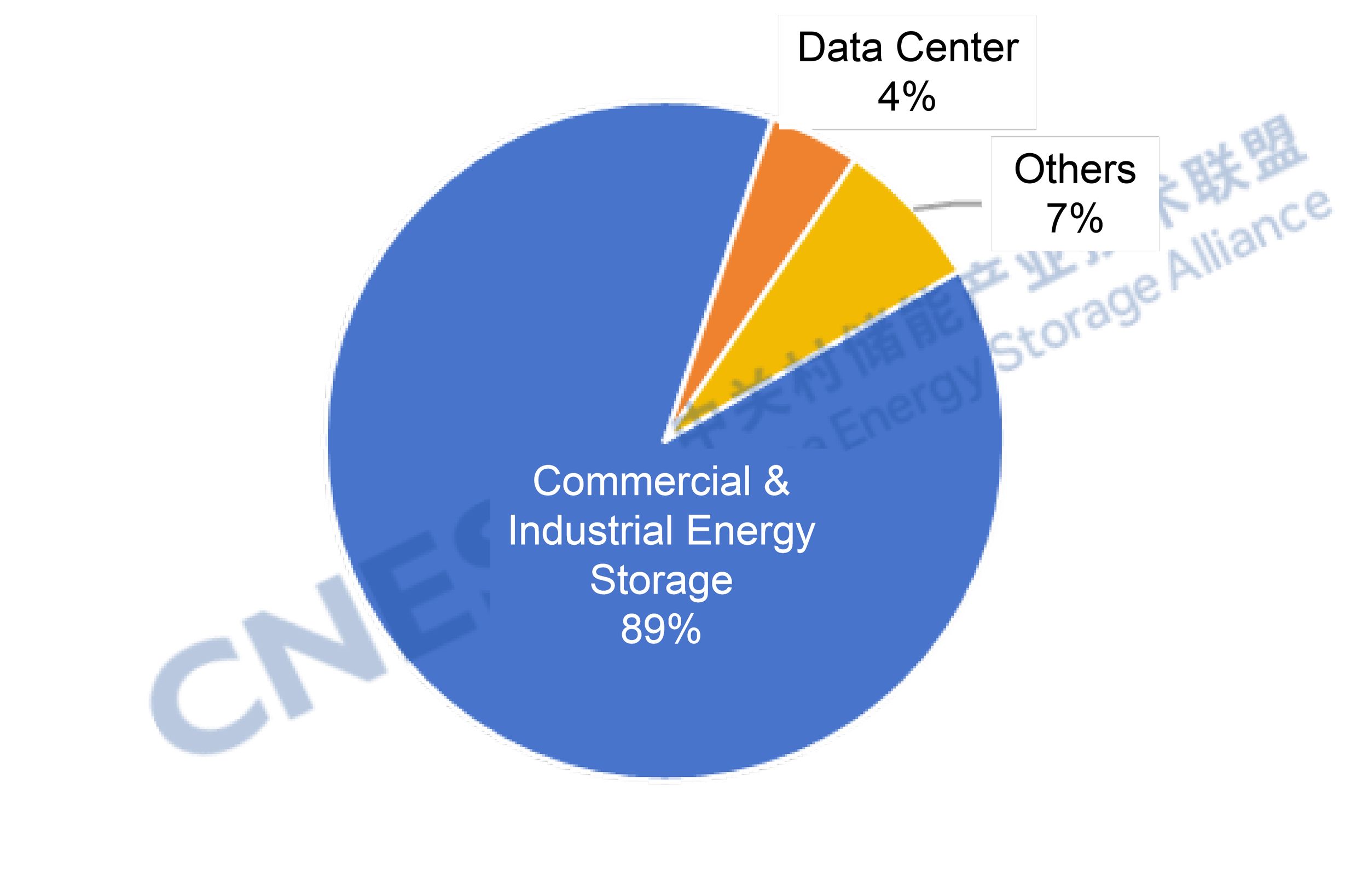
Figure 1: Application Distribution of Newly Commissioned User-Side New Energy Storage Projects in November 2025 (MW%)
Data Source: CNESA DataLink Global Energy Storage Database
https://www.esresearch.com.cn/
Note: “C&I” includes industrial facilities, industrial parks, and commercial buildings. “Others” include mining areas, oilfields, remote regions, and municipal institutions, etc.
(2) Regional Distribution of User-Side Energy Storage
By region, newly commissioned projects were mainly distributed across 11 provinces, including Fujian, Guangdong, Hebei, Anhui, and Zhejiang. East China led the market in November, accounting for 52% of newly installed capacity and 39% of total projects, ranking first nationwide in both installed scale and number of commissioned projects.
At the provincial level, Fujian recorded the largest share of newly installed power capacity, exceeding 25%, while Hebei led in newly installed energy capacity, accounting for 40%. Guangdong had the highest number of newly commissioned projects, representing over 18%, ranking first nationwide.
Fujian hosts a high concentration of energy-intensive industries such as steel and chemicals, where demand for peak shaving, valley filling, and backup power is strong. In addition, diversified application scenarios - including integrated PV-storage-charging systems and virtual power plant aggregation - are being increasingly developed, leaving substantial growth potential for the user-side energy storage market.
From an industrial and supply chain perspective, Fujian is home to the country's largest lithium battery R&D and manufacturing base, with lithium battery production capacity ranking among the national leaders. Driven by leading energy storage companies, a complete local supply chain has been established for core components such as cells, PCS, BMS, and EMS, effectively reducing overall system costs. Moreover, Fujian supports energy storage project financing through green credit and industrial funds, covering multiple project types including pumped hydro storage and new energy storage.
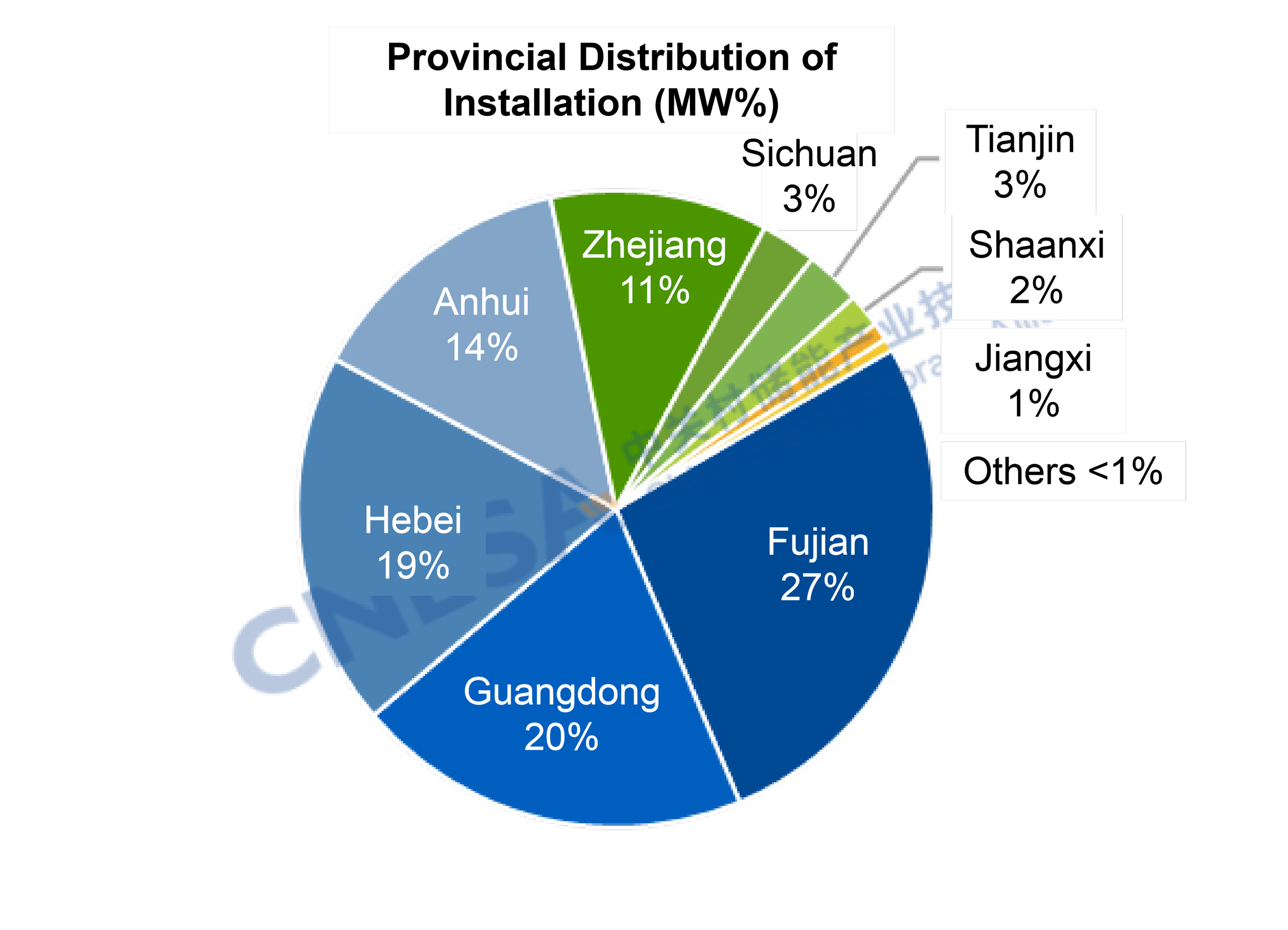
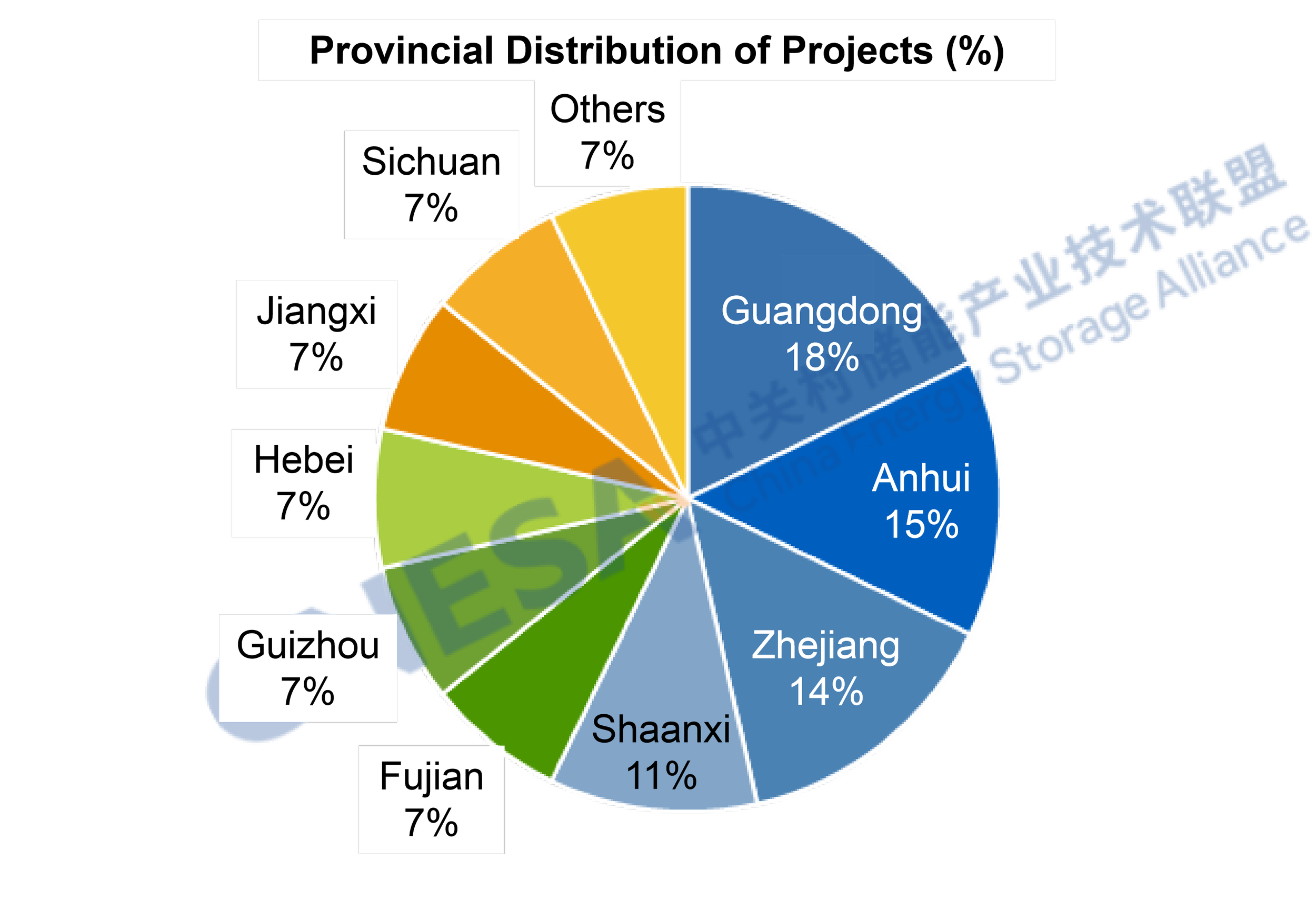
Figure 2: Provincial Distribution of Newly Operating User-Side New Energy Storage Projects in China, November 2025
Data Source: CNESA DataLink Global Energy Storage Database
https://www.esresearch.com.cn/
(3) Filed User-Side Energy Storage Projects
Based on project filings, national user-side market demand in November exceeded the level of the same period last year, with differentiated regional adjustments. Nationwide, both the total scale and number of newly filed user-side projects in November were higher year-on-year, up 8% and 5%, respectively. However, filing activity in traditional markets - Zhejiang, Guangdong, and Jiangsu - declined compared with last year.
Across these three provinces, a total of 497 new projects were filed, down 47% year-on-year, while energy capacity declined 7% year-on-year.
Guangdong recorded the highest number of newly filed projects, but project count fell 25% year-on-year, and scale declined 73%.
Zhejiang saw the largest drop in project count, down 65% year-on-year, with scale decreasing 34%.
Jiangsu recorded a 48% year-on-year decline in project count, but project scale increased 6%.
In November, Jiangsu ranked first nationwide in newly filed project scale. The average project size was approximately twice that of the same period last year, indicating a shift in user-side energy storage development from small-scale, distributed projects toward large-scale, centralized investments in high-quality application scenarios.
Meanwhile, Anhui, Henan, and Sichuan collectively added 440 newly filed projects, up 89% year-on-year and 47% month-on-month, accounting for about 38% of the national total, 5 percentage points higher than in October. Emerging user-side markets represented by Anhui, Henan, and Sichuan are rapidly releasing growth potential and are expected to become new engines driving nationwide user-side energy storage market growth.
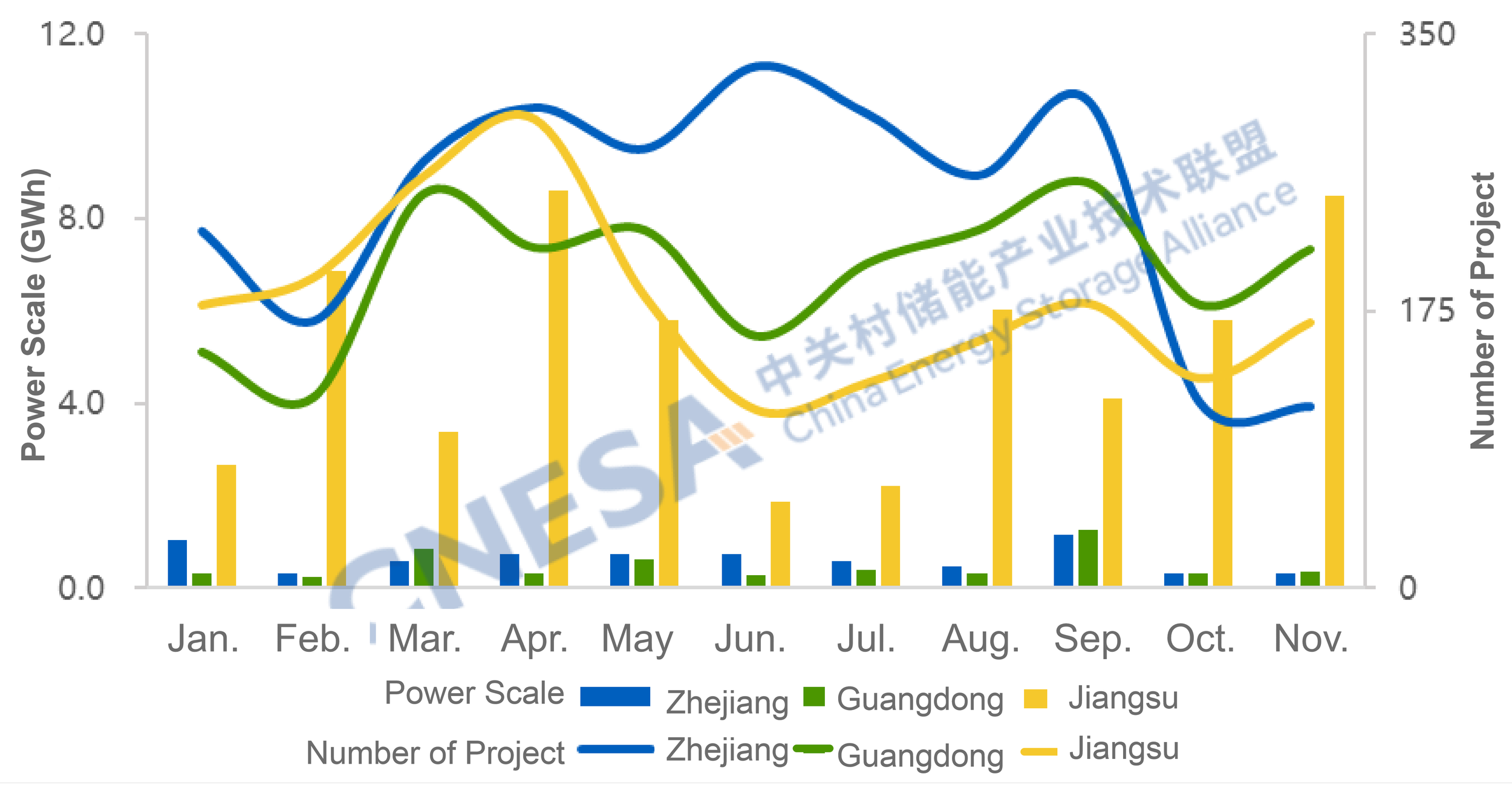
Figure 3: Monthly Distribution of Newly Filed Energy Storage Project Scale in Zhejiang, Guangdong, and Jiangsu (January - November 2025)
Data Source: CNESA DataLink Global Energy Storage Database
https://www.esresearch.com.cn/
Overall Analysis of New Energy Storage Projects in November
According to incomplete statistics from CNESA, in November 2025, newly commissioned new energy storage projects in China totaled 3.51 GW / 11.18 GWh, representing -22% / -7% year-on-year, and +81% / +180% month-on-month. While monthly additions continued to decline year-on-year, cumulative newly installed capacity in the first eleven months reached 39.5 GW, up 28% year-on-year. Considering the potential for concentrated grid connections ahead of the “12.30” commissioning deadline, total new installations for the year are expected to exceed last year's level.
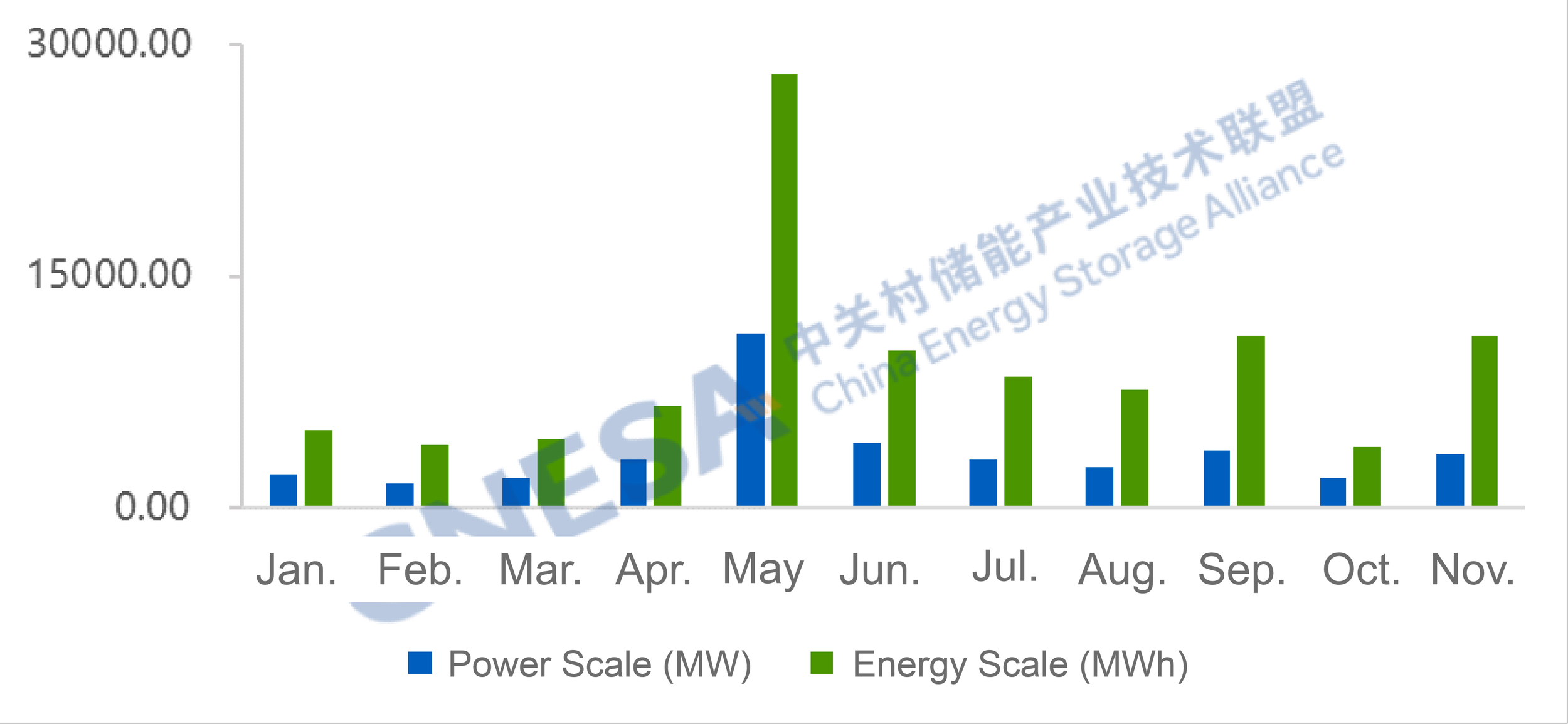
Figure 4: Installed Capacity of Newly Operating New Energy Storage Projects in China, January - November 2025
Data Source: CNESA DataLink Global Energy Storage Database
https://www.esresearch.com.cn/
Note: Year-on-year comparisons are based on the same period of the previous year; month-on-month comparisons are based on the immediately preceding statistical period.
The China Energy Storage Alliance (CNESA) has consistently adhered to standardized, timely, and comprehensive information collection practices to continuously track developments in energy storage projects. Leveraging its long-term data accumulation and in-depth professional analysis, CNESA regularly publishes objective market analyses on installed energy storage capacity, providing valuable references for industry decision-making. Since June 2025, the monthly energy storage project analysis has been divided into two sections: “Grid&Source-Side Market” and “User-Side Market”. This issue focuses on interpreting the user-side market in November.
CENSA Upcoming Events:
Apr. 1-3, 2026 | The 14th Energy Storage International Conference & Expo
Register Now to attend, free before Dec 31, 2025.

Major Report Released: Research on Business Models for the Development of Distributed Energy Storage
On December 16, the Natural Resources Defense Council (NRDC) and the China Energy Storage Alliance (CNESA) jointly held a seminar in Beijing and officially released the report “Research on Business Models for the Development of Distributed Energy Storage.”
Experts participating in the seminar included Wang Shuyang, Deputy Director of the Supply–Demand Interaction Division of the Energy Consumption Research Institute at the China Electric Power Research Institute; Peng Kuankuan, Deputy General Manager of Domestic Marketing at Shanghai Pylon Technology Co., Ltd.; Gao Zhiyuan, Marketing Director of XYZ Storage (Beijing) Co., Ltd.; and Zhang Mingjun, Project Manager and Deputy Dean of the Virtual Power Plant Research Institute at Shanxi Fengxing Measurement & Control Co., Ltd., among others.
Distributed energy storage refers to small-scale energy storage systems deployed on the user side (such as households, factories, and shopping malls), on the distribution network side, or near distributed renewable energy sources. Compared with centralized energy storage, individual distributed storage projects are relatively small in scale, and overall growth has been slower than that of centralized storage.
However, as China further strengthens requirements for the local consumption of renewable energy, distributed energy storage is gradually becoming a key solution to addressing challenges related to nearby renewable energy absorption. Distributed energy storage can store surplus electricity locally, smooth output fluctuations, and significantly improve local renewable energy self-consumption rates and distribution network hosting capacity.
The report “Research on Business Models for the Development of Distributed Energy Storage” analyzes the current business models and major challenges facing distributed energy storage in China. Drawing on international experience and China’s power market development status, the report explores potential directions for business model innovation and proposes recommendations for improving supporting mechanisms.
📎 Report access link:
https://www.esresearch.com.cn/pdf/get_watermark/?id=418&type=report&file=remark_file
In recent years, driven by the declining construction and operating costs of new-type energy storage, the large-scale development and utilization of distributed energy resources, and a series of supportive policy measures, the development of distributed energy storage in China has accelerated significantly. From 2019 to the first three quarters of 2025, China’s cumulative installed capacity of distributed energy storage increased by more than fivefold, rising from 570 MW to 3,638 MW. Six major application scenarios have taken shape, including commercial and industrial (C&I) energy storage, distributed photovoltaic (PV) plus storage, green power direct supply, distribution transformer area energy storage , virtual power plants (VPPs), and energy storage paired with EV charging and battery swapping stations.
Among these, C&I energy storage is the most mature application scenario, primarily relying on time-of-use (TOU) electricity price arbitrage. However, its economic performance is highly sensitive to provincial peak–valley price spread policies. Distributed PV plus storage can be divided into source-side and load-side configurations: source-side projects are typically full-grid-connection projects that mainly participate in market-based electricity trading, while load-side systems are primarily used to improve self-consumption rates and capture TOU price arbitrage opportunities. Green power direct supply projects include both grid-connected and off-grid models. In grid-connected projects, energy storage serves dual functions by reducing renewable energy curtailment and enabling TOU price arbitrage, whereas in off-grid projects, storage plays a combined role in minimizing curtailment and ensuring power supply reliability. distribution transformer area energy storage focuses on dynamic capacity expansion and is mostly implemented as grid-led demonstration projects. Virtual power plants enhance system flexibility by aggregating distributed energy storage resources and participating in demand response, energy markets, and ancillary service markets. Energy storage deployed at EV charging and battery swapping stations primarily targets transformer capacity expansion and peak–valley price arbitrage. Overall, however, distributed energy storage business models in China remain at an exploratory stage and face multiple challenges, including insufficient policy continuity, limited and single revenue streams, incomplete safety standards and operation & maintenance systems, and the absence of effective cost recovery mechanisms.
To enhance the utilization rate and economic performance of distributed energy storage, and to promote its diversified and market-oriented development, the report recommends that during the period 2025–2027, priority should be given to reasonably widening time-of-use (TOU) electricity price peak–valley spreads, improving demand response mechanisms, strengthening safety standards, and enhancing fiscal and tax support, so as to ensure basic project revenues and safe operation of distributed energy storage systems. During the period 2028–2030, efforts should focus on deepening power market reforms, including improving dynamic TOU pricing adjustment mechanisms, promoting the participation of distributed energy storage in spot electricity markets, and exploring the monetization of capacity value and ancillary service value of distributed energy storage. At the same time, greater emphasis should be placed on unlocking the environmental value potential of distributed energy storage in areas such as green electricity, green certificates, and carbon markets, with the ultimate goal of establishing diversified revenue streams and comprehensively enhancing the economic viability and market competitiveness of distributed energy storage.
Liu Wei, Secretary General of the China Energy Storage Alliance (CNESA), stated that distributed energy storage, as a critical link connecting power generation, the grid, and end users, is gradually transitioning from pilot demonstrations to large-scale deployment, and has become an important driving force for energy transition, enhancing grid flexibility, and improving user-side power resilience. However, distributed energy storage still faces challenges such as limited application scenarios, imperfect market mechanisms, and immature business models. CNESA will continue to leverage its platform advantages to promote the integration of policy, technology, and markets, and work together with all stakeholders to build a sound industrial ecosystem for the development of distributed energy storage, thereby supporting the achievement of China’s dual-carbon goals.
Experts from the IEEE PES International Subcommittee on Electrical Energy Storage Markets and Planning noted that, with continued improvements in technology, economics, and safety, distributed energy storage will see widespread deployment during the 15th Five-Year Plan period, and will play a key supporting role in the development of China’s new power system and the enhancement of overall national competitiveness.Looking ahead, the future development of distributed energy storage will increasingly focus on its core value attributes, fully leveraging its technical advantages and value potential to support the safe and stable construction of localized power grids, and gradually evolving from the traditional single arbitrage-based model toward source–load interaction models.
According to the expert, the evolution of distributed energy storage will exhibit five major characteristics:
First, market-oriented development.
Future investments in distributed energy storage will be increasingly market-driven and more diversified. Market participants will include renewable energy investors, load-side enterprises, as well as financial institutions such as securities firms, funds, and trusts.
Second, diversification of technology pathways.
Driven by requirements related to economic viability and safety, technologies such as sodium-ion batteries and vanadium redox flow batteries are expected to develop in parallel, resulting in a diversified technological landscape.
Third, microgrid integration.
Following the introduction of policies supporting green power direct supply, localized distribution networks are being deployed more extensively. In the future, local wind and solar resources will be integrated into comprehensive energy microgrid systems, with distributed energy storage playing a smoothing role to enhance system safety and stability.
Fourth, enhanced convenience.
Distributed energy storage systems are typically smaller in capacity and are often deployed using temporary building structures, featuring modular designs that enable faster installation, easier maintenance, and advantages in mobility and scalability.
Fifth, AI-driven operation.
By integrating local energy balance data into control platforms and enabling interaction with energy storage systems, combined with weather and load variations, AI-based deployment can be used to forecast future loads, achieve localized microgrid balancing and regulation, and continuously optimize system performance.
When discussing how to address the development challenges of distribution transformer area energy storage, the expert emphasized that the first priority should be to enhance the safety of energy storage systems and establish corresponding standards and operational guidelines, enabling grid operators to carry out operation and maintenance in a regulated and standardized manner, while also mobilizing investment enthusiasm across society. In addition, the overall beneficiaries of Taqu energy storage deployment include local users, local governments, and society as a whole. Users benefit from high-quality, stable, and sufficient electricity supply; local governments enhance their ability to attract investment by strengthening power supply security; and society benefits from the clean, low-carbon, and secure development of the power system. Therefore, it is recommended that grid companies be encouraged to regularly publish demand for Taqu energy storage, and, under the premise of government-backed public welfare investment mechanisms (such as capacity payments or subsidies), promote diversified investment. Ultimately, this approach would form socialized assets maintained and operated by grid companies or their professional entities, achieving a shared investment and benefit distribution mechanism that benefits the state, government, enterprises, and individuals alike.
Wang Shuyang, Deputy Director of the Supply–Demand Interaction Division at the Energy Consumption Research Institute of the China Electric Power Research Institute, pointed out that the proportion of distributed energy storage participating in system operation through virtual power plants (VPPs) remains relatively low at present. There are two main reasons for this situation. First, the volume of energy storage resources aggregated by virtual power plants is still limited. Second, user-side energy storage systems are typically located within user premises and often lack independent metering devices. As a result, during statistical accounting, these systems are frequently classified as either generation sources or loads, making it difficult to separately identify and account for them as distributed energy storage.
In terms of market participation, Wang Shuyang explained that virtual power plants currently mainly participate in the energy market, peak-shaving market, and demand response programs, while Hubei Province has also explored participation in secondary frequency regulation. In the spot electricity market, provinces such as Shanxi, Shandong, Ningxia, and Fujian have already carried out pilot practices. For example, Shanxi has enabled virtual power plants to earn revenue from their regulation activities by relaxing medium- and long-term contract constraints. Regarding peak-shaving ancillary services, the North China region has launched regional peak-shaving ancillary services since November, with the Jibei Integrated Energy Virtual Power Plant demonstrating strong participation performance. Meanwhile, Zhejiang Province conducted normalized response regulation for new market entities during this year’s summer peak period.
Wang Shuyang emphasized that, as a high-quality flexibility resource, distributed energy storage inevitably needs to participate in the power market through aggregation mechanisms such as virtual power plants. This approach not only reduces decision-making costs for individual resources, but also enables numerous small-scale distributed energy storage units to collectively meet market access thresholds, thereby generating economies of scale and enhancing bargaining power in the electricity market.
He further noted that distributed energy storage could continue to explore participation in additional ancillary services, such as frequency regulation and voltage regulation, in the future. Compared with standalone energy storage, distributed energy storage may face cost pressures in the application of grid-forming technologies, which calls for technological breakthroughs to enable lightweight, standardized mass production, so as to better realize its regulation capabilities. At the policy and regulatory level, Wang Shuyang highlighted the need to promote the installation of independent metering for distributed energy storage systems, facilitating accurate measurement and settlement in a market-based environment. In addition, due to the highly decentralized nature of distributed energy storage, achieving effective coordination with grid operations requires the application of AI technologies to optimize decision-making and fully leverage the regulation potential of distributed energy storage resources.
Peng Kuankuan, Deputy General Manager of Domestic Marketing at Shanghai Pylon Technology Co., Ltd., pointed out that the business models of distributed energy storage mainly include time-of-use (TOU) price arbitrage, virtual power plants (VPPs), and demand-side response. Among these, the TOU peak–valley arbitrage model is relatively stable, while revenue streams from other models still face significant uncertainty. From the perspective of the current overall market environment, distributed energy storage on the user side exhibits a high degree of decentralization, a characteristic that determines the diversity of its application scenarios. He emphasized that across different scenarios, the most important missions of distributed energy storage are to reduce costs for customers, ensure the reliability and security of electricity supply, and achieve effective coordination with green power.
Peng Kuankuan noted that in recent years, data centers have become a key area of focus for the energy storage industry. Although data center energy storage has been deployed in China for many years, practical operation still faces challenges related to policy frameworks, electricity pricing, and safety, with safety concerns being particularly prominent among data center owners and tenants.
In the past, data center energy storage largely followed the logic of commercial and industrial energy storage. However, current application scenarios are gradually expanding to support multiple functions, including:
reducing data center carbon emissions through the use of green electricity;
lowering electricity costs through peak shaving and valley filling, while paying close attention to capacity charges and safety issues;
serving as backup power; and
smoothing short-term peak load fluctuations, especially as AI data centers become more widespread.
Peng Kuankuan also highlighted telecom base station energy storage as a highly promising application scenario. China has a vast number of telecom base stations—over ten million nationwide—with relatively concentrated customers, mainly the three major telecom operators and China Tower, making the business model easier to implement. This year, his company has supplied power to base stations through “distributed PV + energy storage” solutions and carried out peak shaving and valley filling practices. From an economic perspective, this model has demonstrated relatively stable returns. More importantly, given the large number of base stations, effective coordination between energy storage systems and base stations could unlock substantial dispatchable resources and achieve considerable aggregate scale.
Peng Kuankuan further pointed out that whether distributed energy storage business models can achieve breakthroughs in the short term depends on two key factors: policy and technology. From a policy perspective, the framework of market mechanisms is expected to become clearer over the next three years, although overall maturity will remain limited; over a longer time horizon, the outlook is more optimistic. From a technology perspective, the continued decline in energy storage costs will accelerate the maturation of business models, which has also been a key driver behind the industry’s rapid growth in the past. Regarding safety considerations, he noted that grid companies are more concerned with the reliability of response rather than the intrinsic safety of individual devices. As distributed energy storage consists of decentralized terminal resources that typically participate in dispatch through virtual aggregators, grid operators do not directly control these devices. Therefore, safety concerns do not undermine grid confidence in dispatch, and the safety performance of mainstream battery technologies is already sufficient to meet current application requirements.
Gao Zhiyuan, Marketing Director of XYZ Storage (Beijing) Co., Ltd., stated that following the release of the basic operating rules for the power market, the most significant change has been the formal recognition of energy storage as a distinct market entity. Previously, energy storage mainly played a supporting role within the power system; going forward, its more important role will be that of a flexible regulation resource. With the identity of energy storage clarified, various regions have introduced corresponding pilot and demonstration policies. For example, Guangdong Province released the Implementation Rules for the Operation and Management of Virtual Power Plants in Guangdong (Trial), under which virtual power plants aggregating distributed energy storage have begun participating in frequency regulation and peak-shaving ancillary services of the Guangdong power grid. In August this year, Zhejiang Province issued the Implementation Rules for Market-Oriented Response of New Market Entities in the Power Sector of Zhejiang (Trial), enabling energy storage systems deployed in certain projects to participate in virtual power plant bidding, fully demonstrating the flexibility of energy storage and its capability to participate in electricity markets. Shandong Province has also introduced relevant policies supporting the participation of distributed energy storage in capacity compensation mechanisms and power trading. Under the encouragement of national and local policies, as well as support from state-owned capital and private investment, distributed energy storage has begun to participate in the power market as an independent entity. Its revenue structure has evolved from a single electricity price spread model to a diversified combination of market-based trading, ancillary services, and targeted local subsidies, with these cases serving as effective demonstrations for broader replication. However, Gao Zhiyuan emphasized that transforming these pilot projects into widespread market practices will still require joint efforts from both government and industry, as well as full utilization of market-based adjustment mechanisms. For instance, policy adjustments have created certain challenges for photovoltaic projects, and many commissioned distributed PV systems are facing returns below expectations. By retrofitting these projects with an appropriate proportion of energy storage, it is possible to optimize the overall electricity price structure and improve project returns.
Drawing on the company’s practical project experience, Gao Zhiyuan introduced the application of distributed energy storage across different scenarios. He pointed out that distributed energy storage can effectively address “source–load interaction”, and that future development should focus on the load side, with in-depth analysis of specific scenarios. Beyond electricity price-related revenues, it is necessary to explore additional value streams and marginal benefits. In the data center scenario, this involves not only understanding electricity consumption characteristics and distribution system structures, but also addressing safety and space constraints. Data centers have a rigid demand for backup power as well as for energy storage. By leveraging electricity price differentials and regulation-induced fluctuations to capture marginal arbitrage value, energy storage can achieve an integrated “backup-plus-storage” model. In the telecom base station sector, base stations require backup power and consume large amounts of electricity, while communication reliability is particularly critical during extreme weather events. Energy storage can enhance power supply reliability while also enabling energy storage and dispatch functions. This model is expected to create new application scenarios that meet essential operational needs while generating additional marginal value, thereby stimulating investment enthusiasm across the industry.
Zhang Mingjun, Project Manager and Deputy Dean of the Virtual Power Plant Research Institute at Shanxi Fengxing Measurement & Control Co., Ltd., explained that at present, distributed energy storage participates in electricity trading mainly through aggregation by virtual power plants (VPPs), involving medium- and long-term transactions and spot markets in the wholesale market, as well as demand response and peak-shaving ancillary services. However, in many regions, regulations stipulate that a virtual power plant can obtain only one source of revenue for the same regulation capability during the same time period. For example, in Shanxi Province, a VPP’s regulation capacity during a given time period can participate in only one market—either conventional electricity retail combined with demand response, or the electricity spot market.
Zhang Mingjun expects that distributed energy storage will experience significant development in terms of technology, markets, and business models in the future. At the technological level, progress will primarily rely on “AI+” applications to achieve more accurate load forecasting and electricity price forecasting, enabling distributed energy storage charging and discharging strategies to better align with price signals. From a market perspective, the profit potential of distributed energy storage is expected to expand further. In addition to participating in wholesale market transactions through VPPs to capture price spreads between medium- and long-term contracts and the spot market, distributed energy storage will also be able to generate revenue by participating in deep peak-shaving or reserve ancillary services. In addition, capacity markets are currently being piloted. Shanxi Province is exploring mechanisms whereby virtual power plants aggregate the total capacity of distributed energy storage to participate in capacity market transactions, providing long-term capacity support to the power system and thereby obtaining capacity compensation or leasing revenues. In terms of business models, Zhang Mingjun emphasized that traditional calculation models based solely on peak–valley price arbitrage will be completely phased out, and that distributed energy storage business models will evolve toward becoming true carriers of energy value. From a long-term perspective, this transformation will promote the healthy and sustainable development of the industry, as the real value of energy storage lies not merely in behind-the-meter peak–valley arbitrage, but in its ability—through virtual power plant aggregation—to provide flexibility and reliability support to the power system on the grid side. Under previous mechanisms, such flexibility was difficult to price and trade in a rational and effective manner.
Huang Hui, Senior Program Manager of the Energy Transition Program at the Natural Resources Defense Council (NRDC), stated that with the development of distributed renewable energy and diversified loads, the value of distributed energy storage is becoming increasingly multidimensional. At present, driven by policies promoting market access for distributed resources, local consumption of renewable energy, and the expanded use of green electricity across industries, distributed energy storage is transitioning from a simple commercial and industrial peak–valley arbitrage model toward serving as a supporting unit for distributed renewable energy integration—including smoothing output fluctuations and improving self-consumption rates—as well as a grid-supporting micro-regulation unit. From a technical perspective, distributed energy storage systems are required to evolve toward grid-forming capabilities and intelligent operation, with further improvements needed in response speed and control accuracy. At the same time, operational logic is gradually shifting from simple charging and discharging strategies to dynamic optimization across multiple markets.
Huang Hui noted that in terms of specific application scenarios, recent developments in green power direct supply, zero-carbon industrial parks, and data centers have significantly driven the rapid growth of distributed energy storage. This is primarily because these new policies set explicit requirements for on-site consumption of green electricity. For example, policies for zero-carbon industrial parks stipulate that electricity demand within such parks should be met primarily through direct supply of green power, with the direct supply ratio generally required to be no less than 50%. These application scenarios also impose high requirements for power supply reliability, and the rigid demand for stable and green electricity has become a key driver of distributed energy storage deployment. In addition, as market mechanisms gradually open up on the user side, revenue diversification has become another critical factor promoting the development of distributed energy storage. For instance, by aggregating distributed energy storage resources into virtual power plants, projects can participate in spot markets, frequency regulation, and reserve services, thereby increasing the revenues of individual projects. Meanwhile, the logic of power supply and consumption is shifting from a focus on electricity volume to an emphasis on power quality. In the future, different customers will have differentiated requirements for supply reliability and power quality levels. Distributed energy storage—particularly distribution transformer area (Taqu) energy storage—can achieve cost recovery by providing more reliable electricity and charging differentiated power quality service fees.
Huang Hui further emphasized that grid-side standalone energy storage and distributed energy storage each have their own advantages. For example, in frequency regulation, standalone energy storage features fast response, stable capacity, and more precise and controllable single-point regulation, resulting in higher suitability. Distributed energy storage, when aggregated into virtual power plants, is affected by factors such as communication constraints of dispersed resources and limited adjustable margins, leading to relatively lower adaptability and requiring technological upgrades to participate efficiently. However, distributed energy storage demonstrates greater advantages in managing distribution network congestion. Through the coordination of distributed energy storage and flexible loads across multiple nodes, virtual power plants can provide targeted solutions to distribution network congestion, highlighting a key system-level value that complements standalone energy storage.
CENSA Upcoming Events:
Apr. 1-3, 2026 | The 14th Energy Storage International Conference & Expo
Register Now to attend, free before Dec 31, 2025.

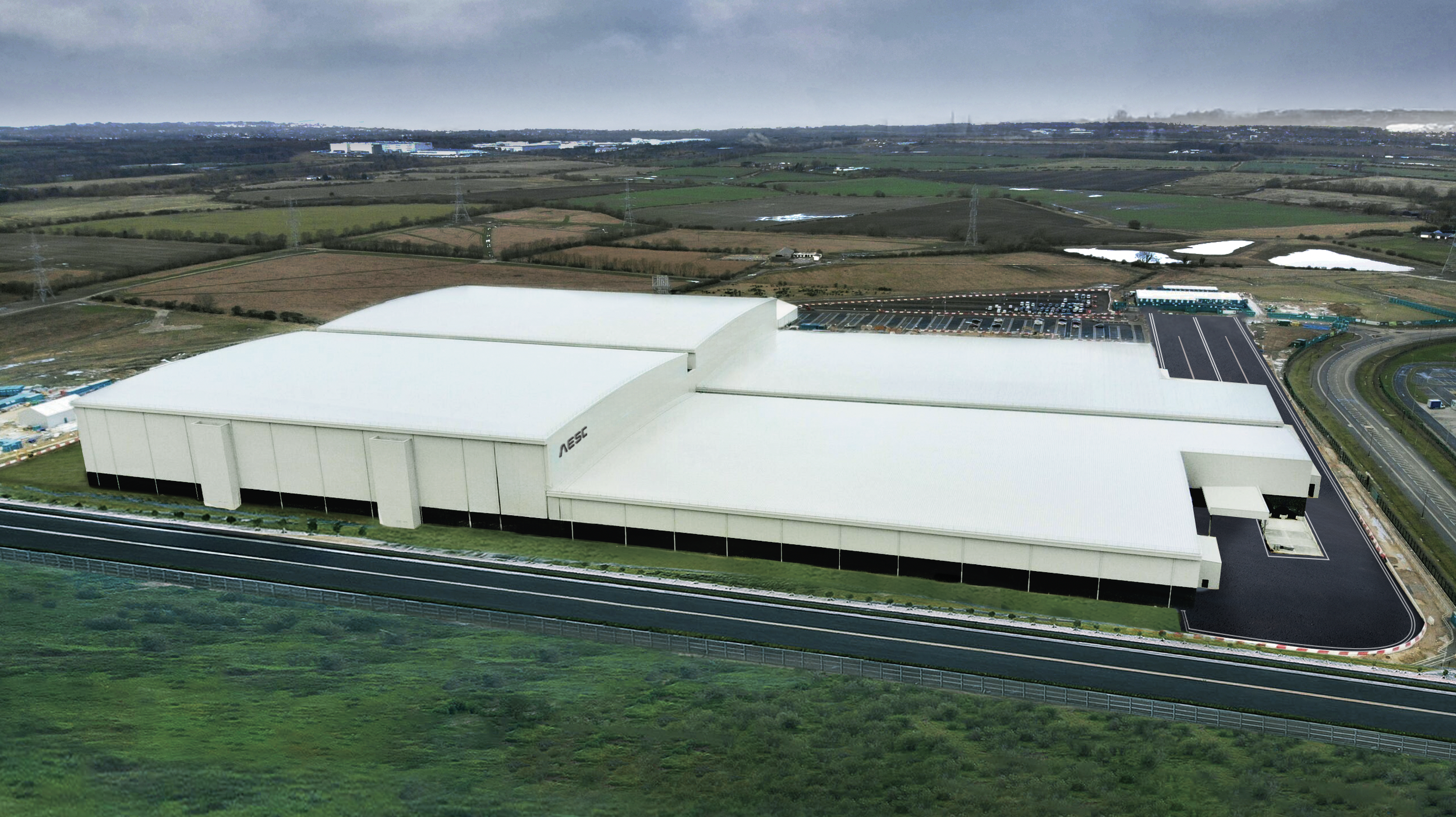
Envision AESC’s Sunderland Gigafactory Commences Operations, Accelerating Europe’s Green Energy Transition
On December 16 (local time), Envision AESC, a global leader in battery technology, announced the commencement of operations at its Sunderland battery gigafactory in the United Kingdom.
With an initial planned capacity of 15.8 GWh, the facility is expected to supply high-quality battery products for over 200,000 electric vehicles annually, serving leading automakers such as Nissan. The plant is now the largest operational battery manufacturing facility in the UK.
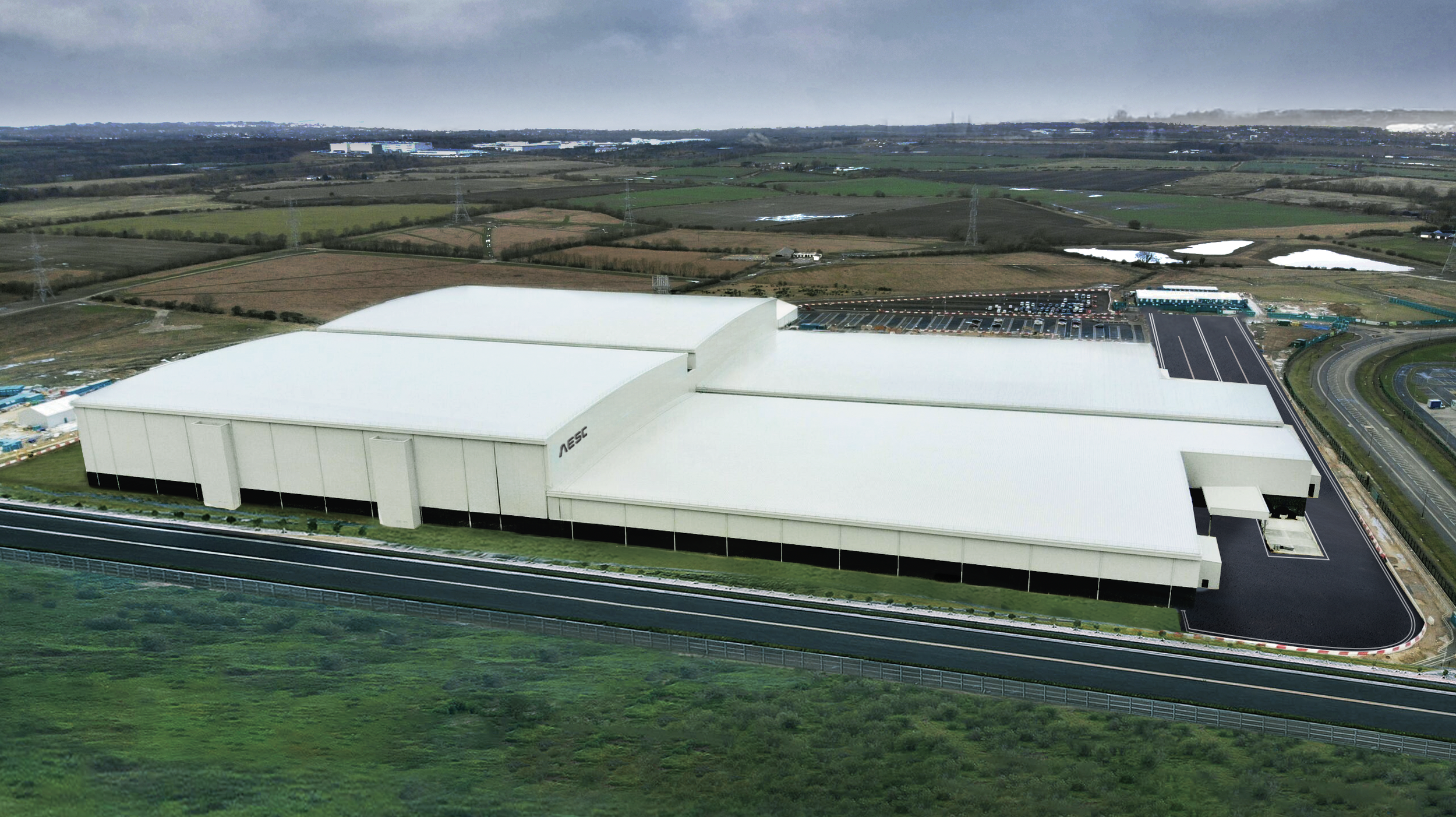
Public information shows that Envision AESC has been operating in the UK for more than a decade. In 2012, the company’s first Sunderland battery plant began production, becoming one of the earliest large-scale power battery manufacturing facilities in Europe.
The launch of the new gigafactory marks a further deepening of Envision AESC’s strategic presence in the UK. It will not only strongly support the rapidly growing demand for electric vehicles in the UK and across Europe, but also provide a solid foundation for the localized expansion and market leadership of Envision’s energy storage business, injecting strong momentum into the UK’s 2030 Clean Power Action Plan.
As one of the leading players in the UK energy storage market in terms of both order volume and project delivery, Envision has successfully deployed multiple energy storage projects locally. Leveraging its strengths in AI-driven power system solutions, AI-enabled energy storage systems, and deep insight into the UK electricity market, the company has secured several major energy storage contracts this year.
Among them, the Carrington Energy Storage Project, developed in partnership with Statera Energy, with a capacity of 680 MW / 1,360 MWh, is the largest single energy storage project in the UK and is widely regarded as a cornerstone of the country’s next-generation power system.
In addition, Envision has partnered with UK clean energy company Field to supply energy storage systems for two projects in Scotland. Its Welkin Road energy storage project has also successfully passed the UK’s stringent G99 grid connection tests, achieving full grid connection and delivery—further demonstrating Envision’s strong grid-integration capabilities and technological leadership.
As one of the earliest and most globally integrated battery technology companies, Envision AESC has established 14 battery manufacturing facilities across six countries worldwide.
In 2025 alone, the company has brought into operation three overseas facilities: the Douai plant in France, an energy storage production line in Tennessee, USA, and the new Sunderland gigafactory in the UK. These milestones highlight Envision AESC’s exceptional global operations and large-scale delivery capabilities, contributing significantly to the global transition toward a zero-carbon future.
CENSA Upcoming Events:
Apr. 1-3, 2026 | The 14th Energy Storage International Conference & Expo
Register Now to attend, free before Dec 31, 2025.

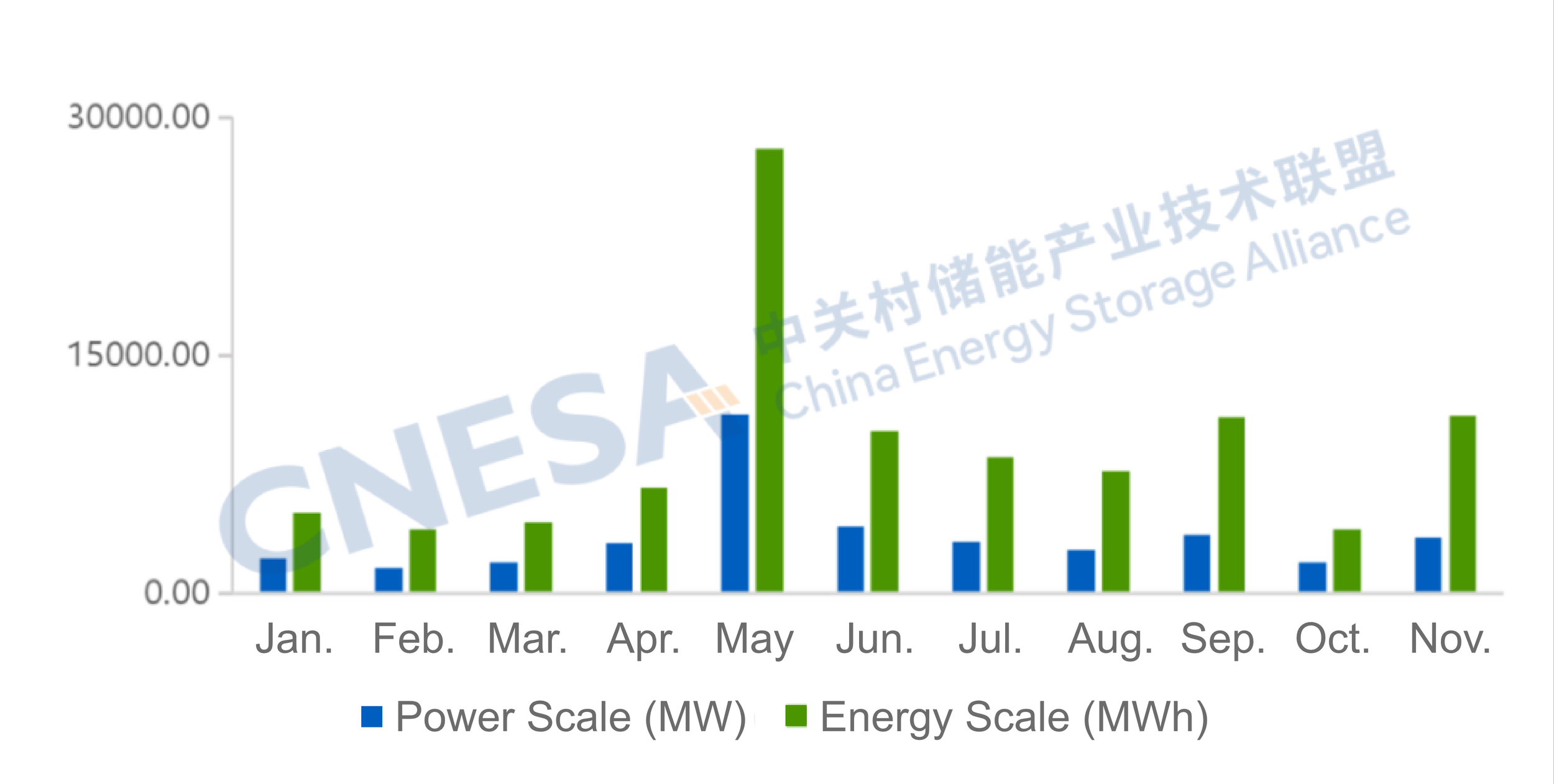
MoM Surge of 90%! Grid&Source-Side Energy Storage Rebounds Sharply in November, with Full-Year Scale Expected to Exceed Last Year
Source: CNESA
After a phase adjustment in China's new-type energy storage market in October 2025, the commissioning scale of new-type energy storage in November declined slightly year on year but rebounded markedly month on month. Meanwhile, the market's deeper structure adjusted compared with October:
Market recovery with a positive long-term outlook: Although installed capacity in November declined year on year, the month-on-month increase was significant. Newly added installations in the first 11 months reached nearly 40 GW, up more than 25% year on year, and full-year additions are expected to exceed last year.
Accelerated deployment of independent storage: In November, independent energy storage accounted for over 70%, with month-on-month growth rates exceeding 80% in power capacity and 200% in energy capacity. Inner Mongolia recorded more than 1.1 GW of newly commissioned independent storage, ranking first nationwide in both power and energy capacity.
Rise of local energy groups: Newly added installations by local energy groups reached a 45% share, surpassing for the first time the “Five Major and Six Minor” power generation groups and the “third-party enterprises”, highlighting a further diversification of market investors.
Faster rollout of diversified technologies: Beyond mainstream lithium batteries, technologies such as compressed air, flow batteries, and flywheels are being deployed at an accelerated pace, supporting the industry's long-term development.
Overall Analysis of New-Type Energy Storage Projects in November
According to incomplete statistics from CNESA, in November 2025 China commissioned a total of 3.51 GW / 11.18 GWh of new-type energy storage projects, representing -22% / -7% year on year and +81% / +180% month on month. While monthly additions continued to decline year on year in November, cumulative additions in the first 11 months reached 39.5 GW, up 28% year on year. Considering potential concentrated grid connections ahead of the “12.30” commissioning deadline, total additions for the year are expected to exceed last year.
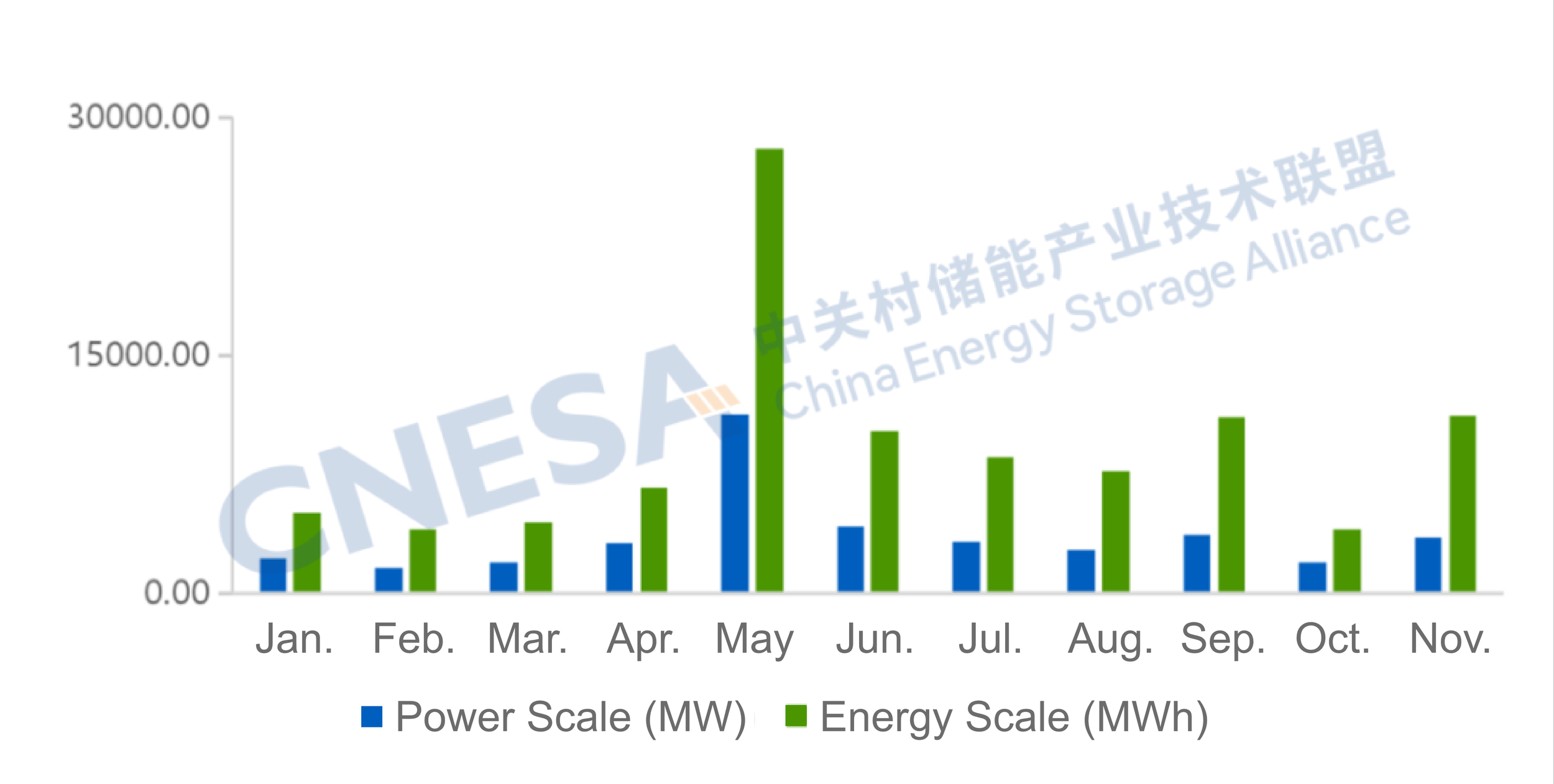
Figure 1. Installed Capacity of Newly Commissioned New-Type Energy Storage Projects in China, Jan-Nov 2025
Data source: CNESA DataLink Global Energy Storage Database
https://www.esresearch.com.cn/
Note: Year-on-year (YoY) compares the same period last year; month-on-month (MoM) compares the previous statistical period.
Analysis of Grid&Source-Side New-Type Energy Storage Projects in November
In November, newly added grid&source-side installations totaled 3.32 GW / 10.62 GWh, -15% / -1% year on year and +90% / +202% month on month.
Key characteristics include:
Newly added Independent storage accounted for 72%, down 6 percentage points from October.
Independent storage additions reached 2.41 GW / 8.19 GWh, -9% / +11% year on year and +82% / +217% month on month, with projects of 100 MW or above accounting for 79% by number.
Power-generation-side additions were 853.3 MW / 2,322.1 MWh, -33% / -31% year on year and +99% / +148% month on month. Renewable-plus-storage projects accounted for 98% of power capacity, covering multiple application scenarios such as UHV DC projects, agrivoltaics, and pastoral-solar hybrid systems.
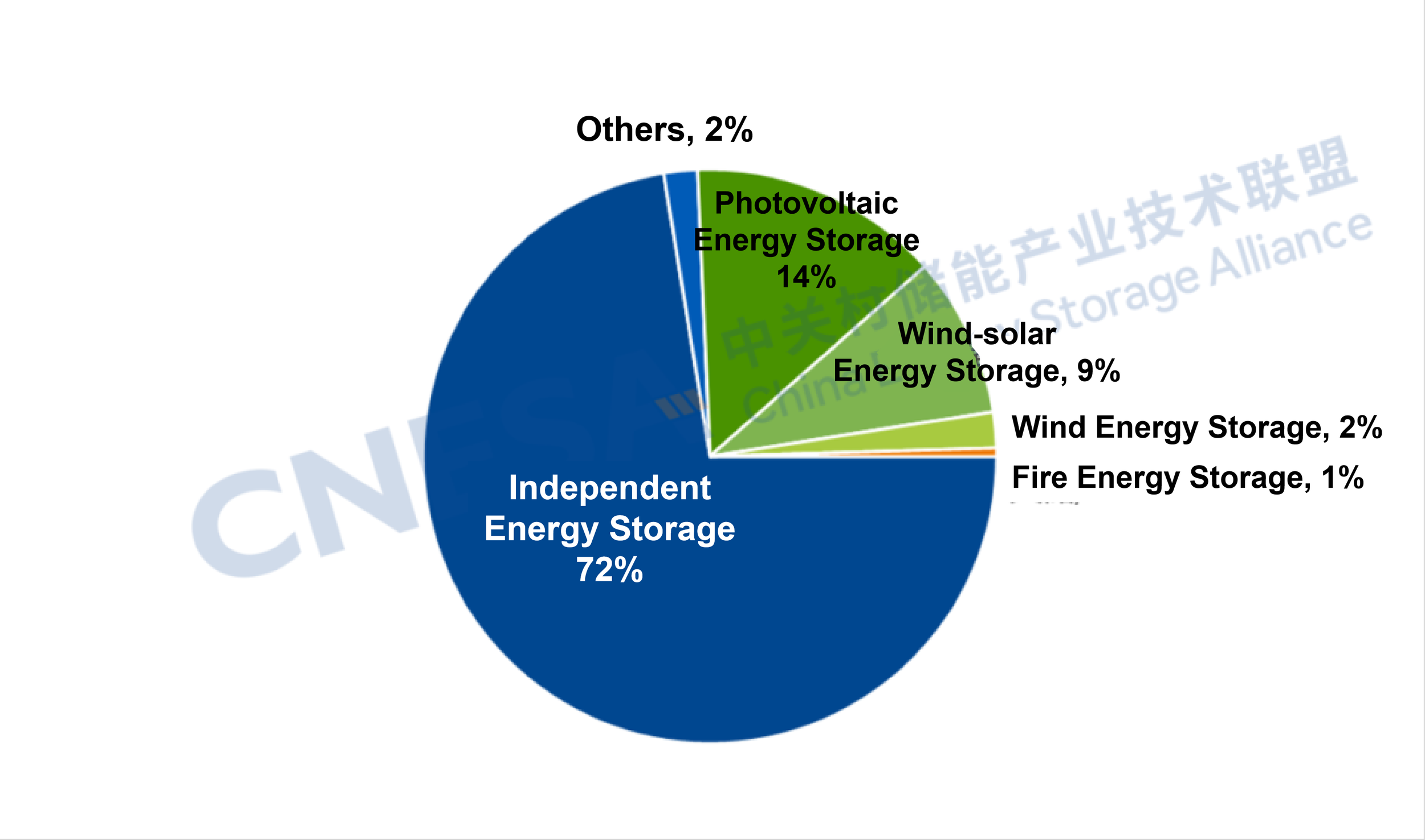
Figure 2. Application Breakdown of Newly Commissioned Grid&Source-Side Energy Storage Projects in Nov. 2025 (MW%)
Data source: CNESA DataLink Global Energy Storage Database
https://www.esresearch.com.cn/
Note: “Others” include substations, emergency power supply, etc.
Northwest Leads with Over 40% Share; Inner Mongolia Ranks First
In November, the Northwest region accounted for 43% of newly added capacity, ranking first nationwide. Combined additions in the Northwest and Southwest exceeded half of the national total.
By province, the Inner Mongolia Autonomous Region saw multiple Independent grid-side demonstration projects commissioned - such as those included in the 2025 New-Type Energy Storage Special Action Implementation Project List and the first batch of Independent storage construction projects - totaling over 1.1 GW with an average storage duration of 4 hours, ranking first nationwide in both power and energy capacity. Xinjiang, Gansu, and Ningxia followed closely.
As a key national energy and strategic resource base in China, Inner Mongolia had surpassed 150 GW of installed renewable capacity by the end of October 2025, ranking first nationwide. Wind and solar accounted for over 80% of new installed capacity, further solidifying their dominant role (data source: Inner Mongolia Autonomous Region Energy Bureau). From the perspective of consumption, approximately 80% of renewable generation is consumed locally, with around 20% exported. The combined pressure of local consumption and grid stabilization continues to drive demand for new-type energy storage.
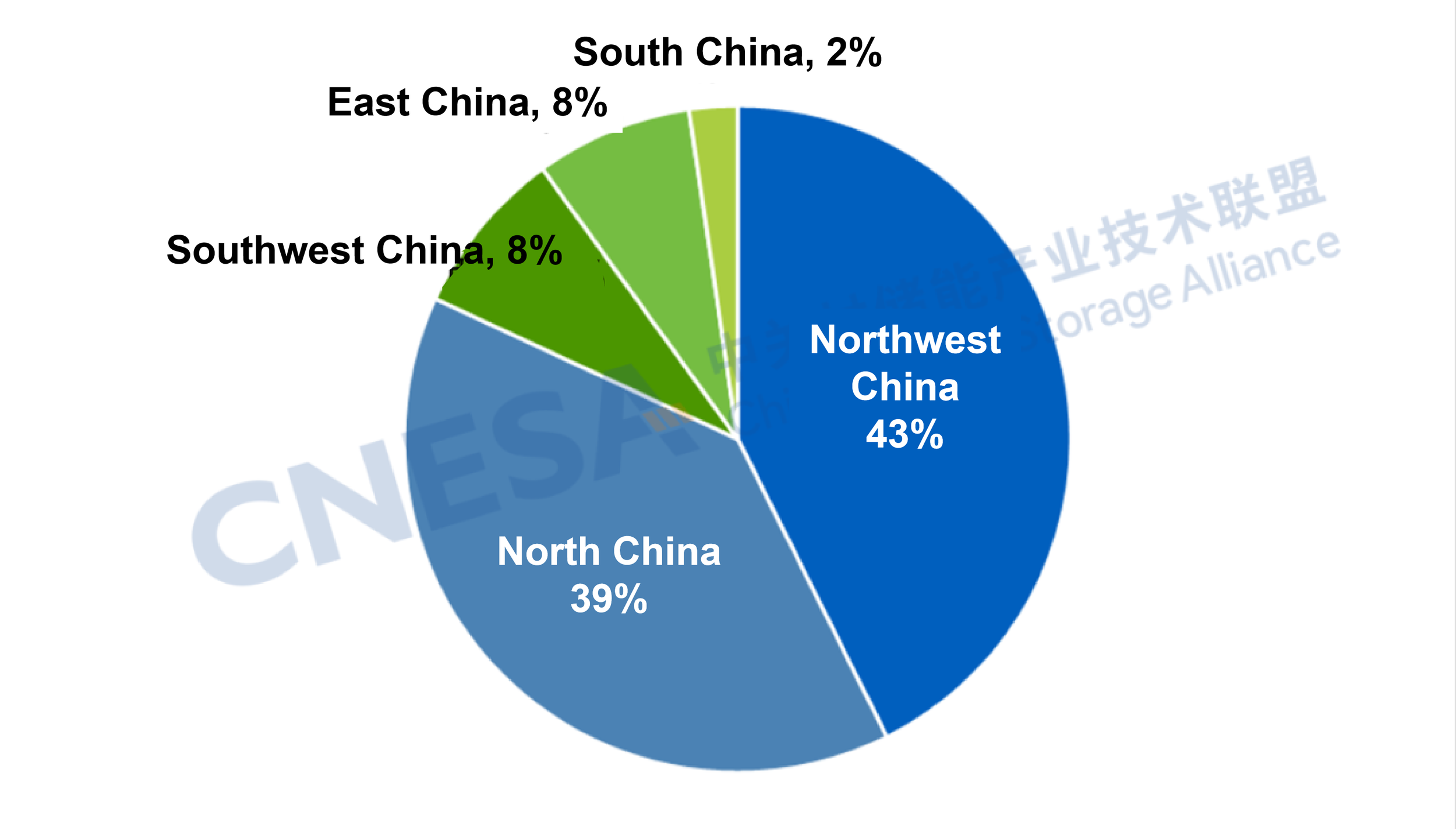
Figure 3. Regional Distribution of Newly Commissioned Grid&Source-Side Energy Storage Projects in China, November 2025 (MW%)
Source: CNESA Datalink Global Energy Storage Database
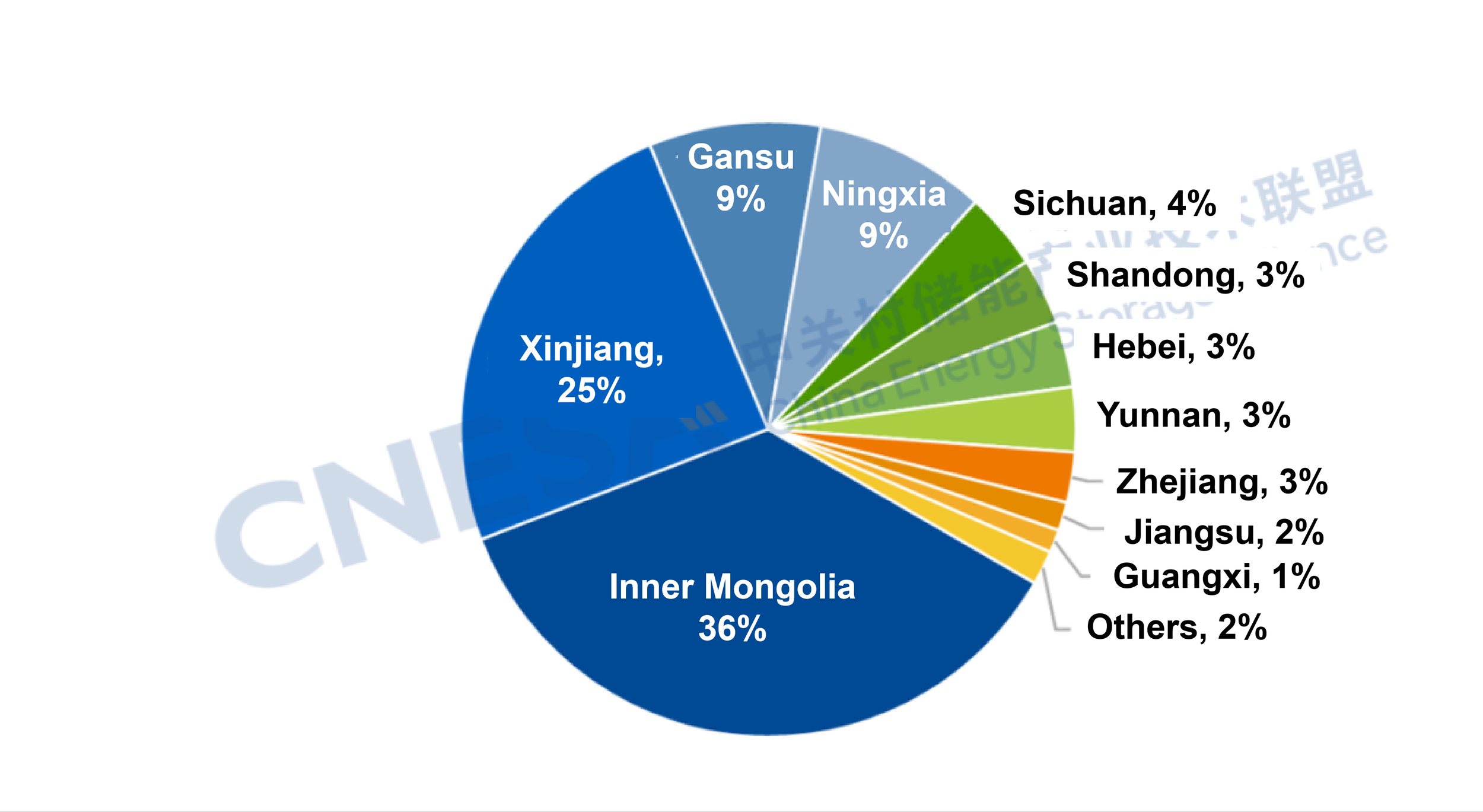
Figure 4. Provincial Distribution of Newly Commissioned Grid&Source-Side Energy Storage Projects in China, November 2025 (MW%)
Source: CNESA Datalink Global Energy Storage Database
https://www.esresearch.com.cn/
Faster Deployment by Local Energy Groups Highlights Investor Diversification
Driven by rising market demand, supportive national policies, diversified technology pathways, and declining costs, the market potential of energy storage is being fully released, with increasing investor diversification.
In November, projects invested in and built by local energy groups such as Xinjiang Energy Group, Xinjiang Zhongyuan Power Group, and Shenergy Group were commissioned in succession. Local energy groups accounted for 45% of newly added power capacity - the highest among all enterprise types - contrasting sharply with September and October, when third-party enterprises and the “Five Major and Six Minor” power generation groups dominated.
Leveraging advantages in policy coordination and approvals, resource integration and location, business linkage and industrial chain synergy, capital strength and decision-making efficiency, and operations, local energy groups have become a key pillar of the new-type energy storage market. Meanwhile, third-party enterprises - such as joint entities involving Conch New Energy and CATL, and Inner Mongolia Zhongdian Energy Storage - maintained a high level of participation, accounting for over 30% of monthly additions. The “Five Major and Six Minor” power generation groups (including China Huaneng, SPIC, and China Huadian) accounted for 22%, down 9 percentage points from October, continuing the decline seen since August.
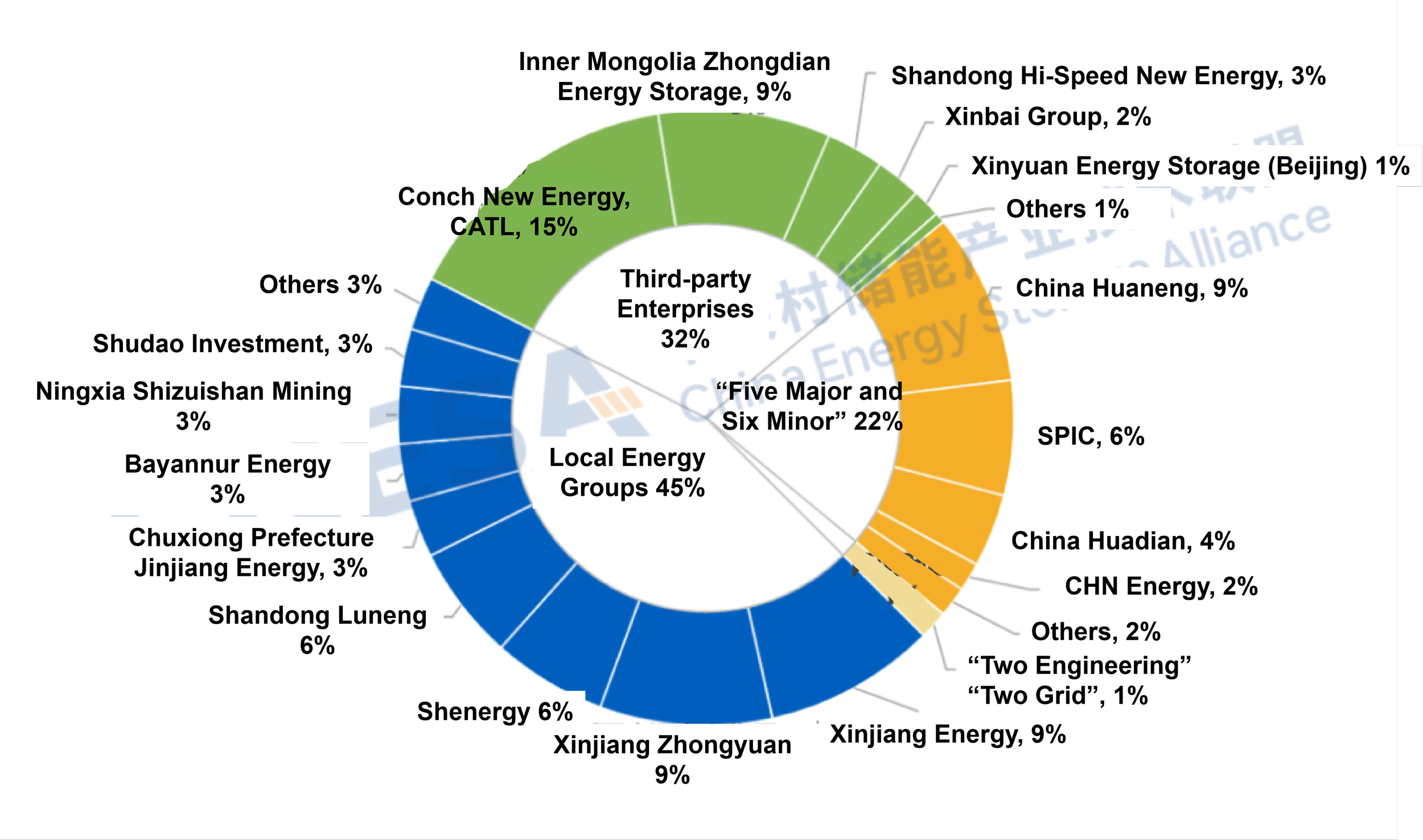
Figure 5. Owner Distribution of Newly Commissioned Grid&Source-Side Energy Storage Projects in China, November 2025 (MW%)
Data source: CNESA DataLink Global Energy Storage Database
https://www.esresearch.com.cn/
Note: “Third-party enterprises” refer to entities other than large state-owned generation groups, the two grid companies, two construction groups and local energy companies.
Accelerated Deployment of Non-Lithium Technologies
Technologically, newly commissioned grid&source-side projects were dominated by lithium iron phosphate (LFP) batteries, accounting for 91% of power capacity, followed by lead-carbon batteries (6%) and flow batteries (3%).
From a project development perspective, non-lithium technologies such as compressed air energy storage and hybrid systems are accelerating, highlighting a trend toward diversified technology pathways.
In compressed air storage, multiple 300 MW-class projects have completed filings and entered the planning stage; the Golmud 60 MW liquid air energy storage demonstration project and the Yumen 300 MW compressed air energy storage demonstration project have entered commissioning.
For hybrid storage, multiple 100 MW-class demonstration projects have launched or completed tenders, with some under construction or advancing, involving combinations such as lithium + sodium-ion batteries, lithium + flow batteries, lithium + flywheels, and lithium + nickel-metal hydride batteries.
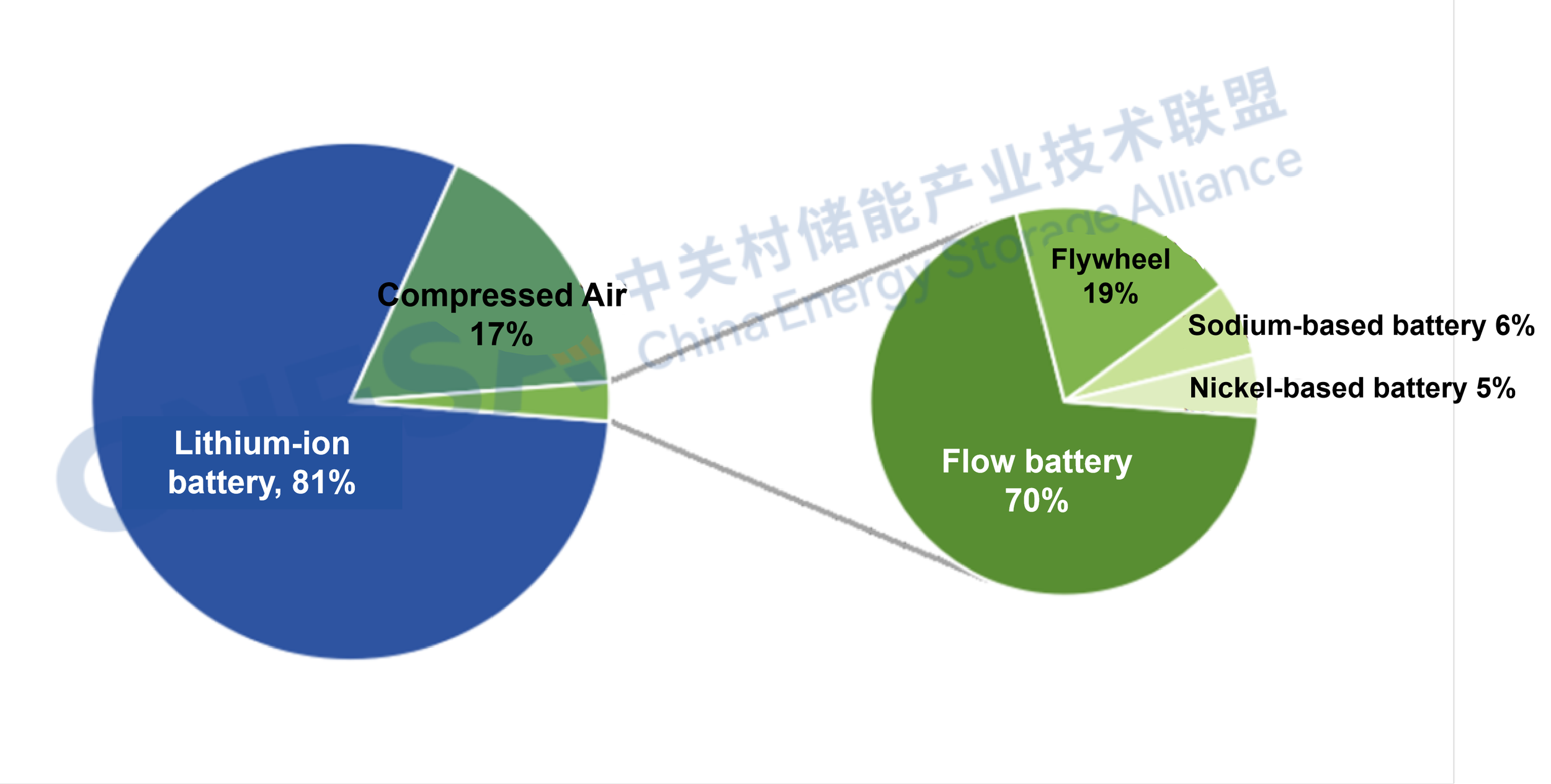
Figure 6. Technology Distribution of Newly Planned and Under-Construction Grid&Source-Side Energy Storage Projects in China, November 2025 (MW%)
Source: CNESA Datalink Global Energy Storage Database
https://www.esresearch.com.cn/
The China Energy Storage Alliance (CNESA) has consistently adhered to standardized, timely, and comprehensive information collection practices to continuously track developments in energy storage projects. Leveraging its long-term data accumulation and in-depth professional analysis, CNESA regularly publishes objective market analyses on installed energy storage capacity, providing valuable references for industry decision-making. Since June 2025, the monthly energy storage project analysis has been divided into two sections: “Grid&Source-Side Market” and “User-Side Market”. This issue focuses on interpreting the grid&source-side market in November.
CENSA Upcoming Events:
Apr. 1-3, 2026 | The 14th Energy Storage International Conference & Expo
Register Now to attend, free before Dec 31, 2025.


Year-End Review 2025 | Chen Haisheng: China's New-Type Energy Storage Installed Capacity Surpasses 100 GW - How to Move from “Scale Expansion” to “High-Quality Development”?
Source: Economic View

Chen Haisheng
Director, Energy Storage Specialized Committee, China Energy Research Society
Chairman, China Energy Storage Alliance (CNESA)
Director, Institute of Engineering Thermophysics, Chinese Academy of Sciences
According to data from the National Development and Reform Commission (NDRC), China's nationwide installed capacity of new-type energy storage has exceeded 100 GW, more than 30 times the level at the end of the 13th Five-Year Plan period.
Driven by Three Forces, the Energy Storage Market Reaches
a New Milestone
This development is the result of the combined effects of multiple key factors, including market demand, technological breakthroughs, and policy support.
First, rigid demand from the energy transition. Driven by China's “dual carbon” goals, installed capacity of renewable energy such as wind and solar has grown rapidly. Due to the intermittency and instability of renewables, their high penetration has significantly increased pressure on grid integration. As a key solution for renewable energy grid connection, energy storage has therefore seen a sharp rise in market demand.
Second, continuous breakthroughs in energy storage technologies. After a long period of accumulation, decisive breakthroughs have been achieved over the past five years. Lithium-ion battery technologies have continued to advance, enabling large-scale production of storage batteries. System performance has improved significantly while costs have continued to decline. At the same time, other technology pathways such as compressed air energy storage and flow batteries are gradually being commercialized, laying a solid foundation for large-scale deployment.
Third, strong support from the policy framework. At the national level, a series of major policies have been introduced to support industry development. These include the Guiding Opinions on Accelerating the Development of New Energy Storage issued by the NDRC and the National Energy Administration, and the Opinions on Improving the Price Governance Mechanism issued by the General Office of the CPC Central Committee and the State Council. By advancing and refining pricing mechanisms and market rules, these policies provide a clearer market environment for energy storage projects. Local governments have also introduced specific market and pricing policies tailored to their development characteristics, greatly stimulating the enthusiasm of market participants.
Based on current trends, the author believes that over the next three to five years, both the pace and scale of development of the new-type energy storage market will continue to increase significantly.
First, demand for energy storage will continue to rise. As renewable energy installations keep expanding, the role of energy storage will become increasingly prominent, driving rapid growth in demand.
Second, policy support will remain strong. A series of national policies have been introduced to promote the development of the energy storage industry. The Action Plan for the Large-Scale Construction of New-Type Energy Storage (2025-2027) proposes that by 2027, China's installed capacity of new-type energy storage will exceed 180 GW, driving approximately RMB 250 billion in direct project investment. This has effectively boosted market expectations. In addition, in September this year, China announced a new round of Nationally Determined Contribution (NDC) targets, clearly stating that by 2035, total installed capacity of wind and solar power will exceed six times the 2020 level, with a target of reaching 3.6 TW. To meet these goals, strong national support for energy storage is expected to continue.
Third, technological progress and cost reductions will continue. With ongoing innovation and scaling-up of energy storage technologies, new technologies and products will continue to emerge, while there remains room for further cost reductions at the system level.
Fourth, business models will gradually mature, with diversified revenue streams including capacity payments, spot market arbitrage, and ancillary services.
Fifth, overseas market demand remains strong. As the share of renewable energy generation continues to increase globally and supportive policies are introduced in many regions, further improvements in the economics of energy storage are expected to drive continued expansion of overseas markets.
According to forecasts by the Zhongguancun Energy Storage Industry Technology Alliance, new-type energy storage will reach the next “100 GW” milestone in 2027-2028, with China's installed capacity reaching 200 GW. Around 2030, China is expected to reach the third “100 GW” milestone, with cumulative installed capacity reaching 300 GW.
How to Shift from “Scaled Deployment” to “High-Quality Operation”?
However, to achieve a transition to high-quality operation over the next one to two years, concentrated breakthroughs are still needed in key areas such as market mechanisms, technological optimization, safety risk prevention, and full life-cycle management.
In terms of market mechanisms, it is necessary to gradually improve market and pricing mechanisms for new-type energy storage, promote the business model of “capacity payments + energy arbitrage + ancillary services,” appropriately expand spot price spreads, incorporate new types of ancillary services-such as ramping, inertia, reserves, and black start-into the pricing mechanism, and promote linkage between green power trading and energy storage discharge volumes to realize explicit monetization of environmental attributes.
In terms of safety risk prevention, a solid safety defense must be built from three aspects: monitoring and early warning, protection mechanisms, and standards and regulations. A unified system of safety technical standards should be established rapidly, clearly defining safety indicators for equipment selection, installation and commissioning, operation, and maintenance of energy storage power stations. Research should also be conducted on implementing a battery traceability system to ensure accountability for safety responsibilities.
In terms of technological R&D, first, continued strong development of lithium batteries is needed, with further optimization of the operation and application of existing lithium-based energy storage systems. Second, priority should be given to promoting demonstration and application of long-duration energy storage technologies such as variable-speed pumped storage, compressed air energy storage, and flow batteries. Greater efforts should also be made to advance R&D and validation of new technologies such as solid-state batteries, sodium-ion batteries, and grid-forming energy storage, fostering a development pattern in which multiple storage technologies progress in coordination.
In terms of industrial coordination, efforts should be made to enhance self-sufficiency in key materials. Targeting weak links such as core materials for energy storage cells and key equipment for long-duration storage, breakthroughs should be pursued through industry-university-research innovation consortia. Industrial development order should be standardized by curbing inefficient and repetitive construction through dynamic monitoring of project filings, and guiding capital toward projects with high utilization rates and high safety performance.
To promote the healthy and sustainable development of the industry, the author believes that further policy efforts are needed. First, market-based revenue policies should be improved by further refining energy storage pricing mechanisms, clarifying pricing calculation rules for different regions and application scenarios, expanding revenue channels from ancillary services, and smoothing cost-sharing mechanisms for such services, while continuing to promote business models involving capacity prices, energy prices, and ancillary services.
Second, full-chain safety policies should be strengthened by improving safety standards and regulations, refining safety supervision processes, implementing regular safety inspection systems, and clearly defining safety acceptance standards for all stages of energy storage power stations, from design and construction to operation and maintenance.
Third, research on energy storage pricing should be conducted by promoting cost tracking for major mainstream energy storage technologies, studying cost structures across key segments of energy storage systems, and guiding the industry toward rational assessments of energy storage costs.
Finally, industry self-regulation should be promoted by strengthening dynamic monitoring of data such as energy storage output, continuously paying attention to industry development issues, advancing technological iteration and safety performance upgrades of energy storage products, supporting industry-led self-regulatory initiatives, and guiding the sector toward a virtuous development path that emphasizes safety performance and value creation.
CENSA Upcoming Events:
Apr. 1-3, 2026 | The 14th Energy Storage International Conference & Expo
Register Now to attend, free before Dec 31, 2025.

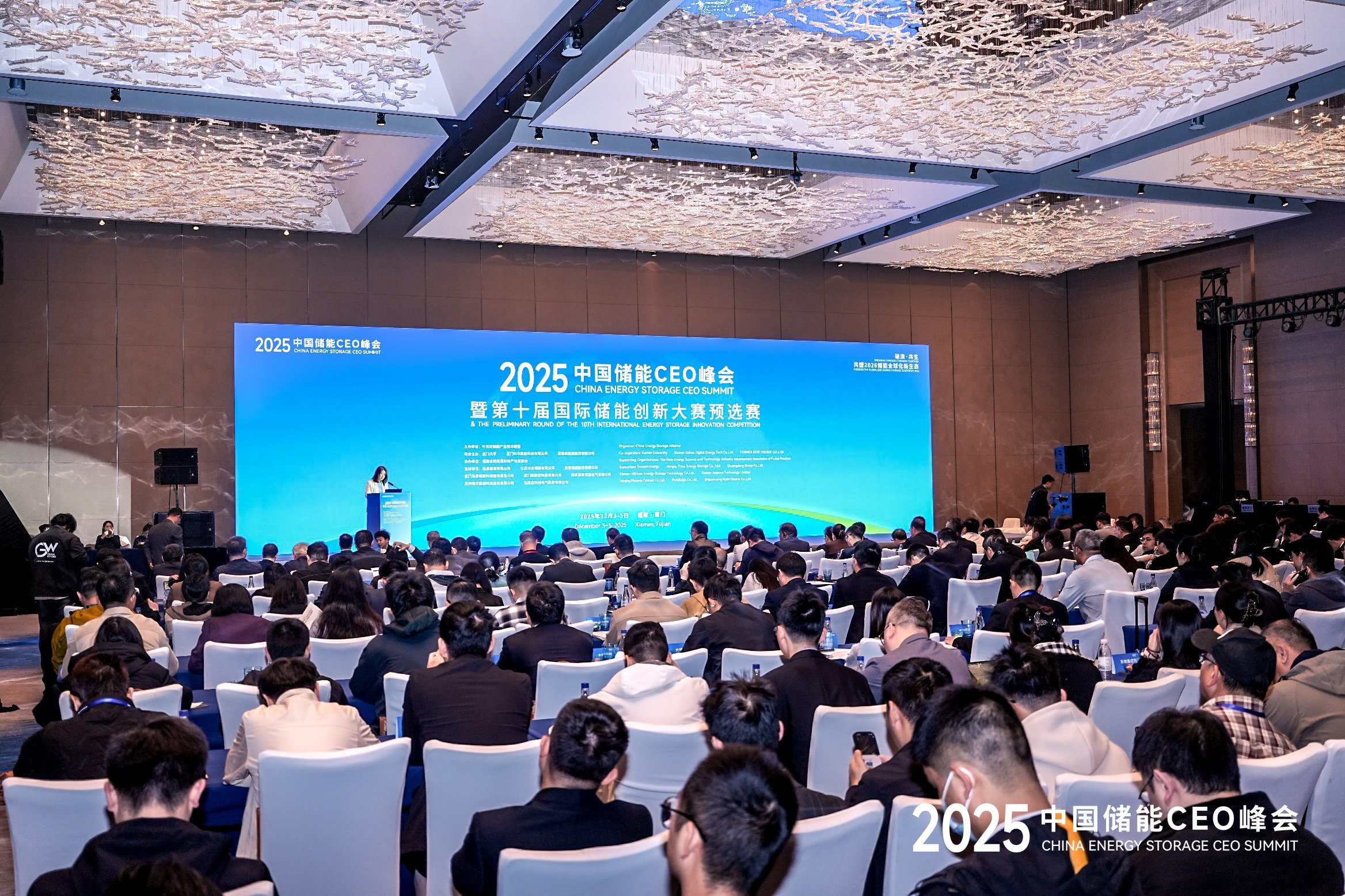
2025 China Energy Storage CEO Summit & Preliminary Round of the 10th International Energy Storage Innovation Competition Successfully Held in Xiamen
Source: CNESA
On December 4, 2025, the 2025 China Energy Storage CEO Summit & Preliminary Round of the 10th International Energy Storage Innovation Competition, hosted by the China Energy Storage Alliance (CNESA) and co-organized by Xiamen University, Kehua Digital Energy, and Cornex New Energy, was successfully held in Xiamen, China.
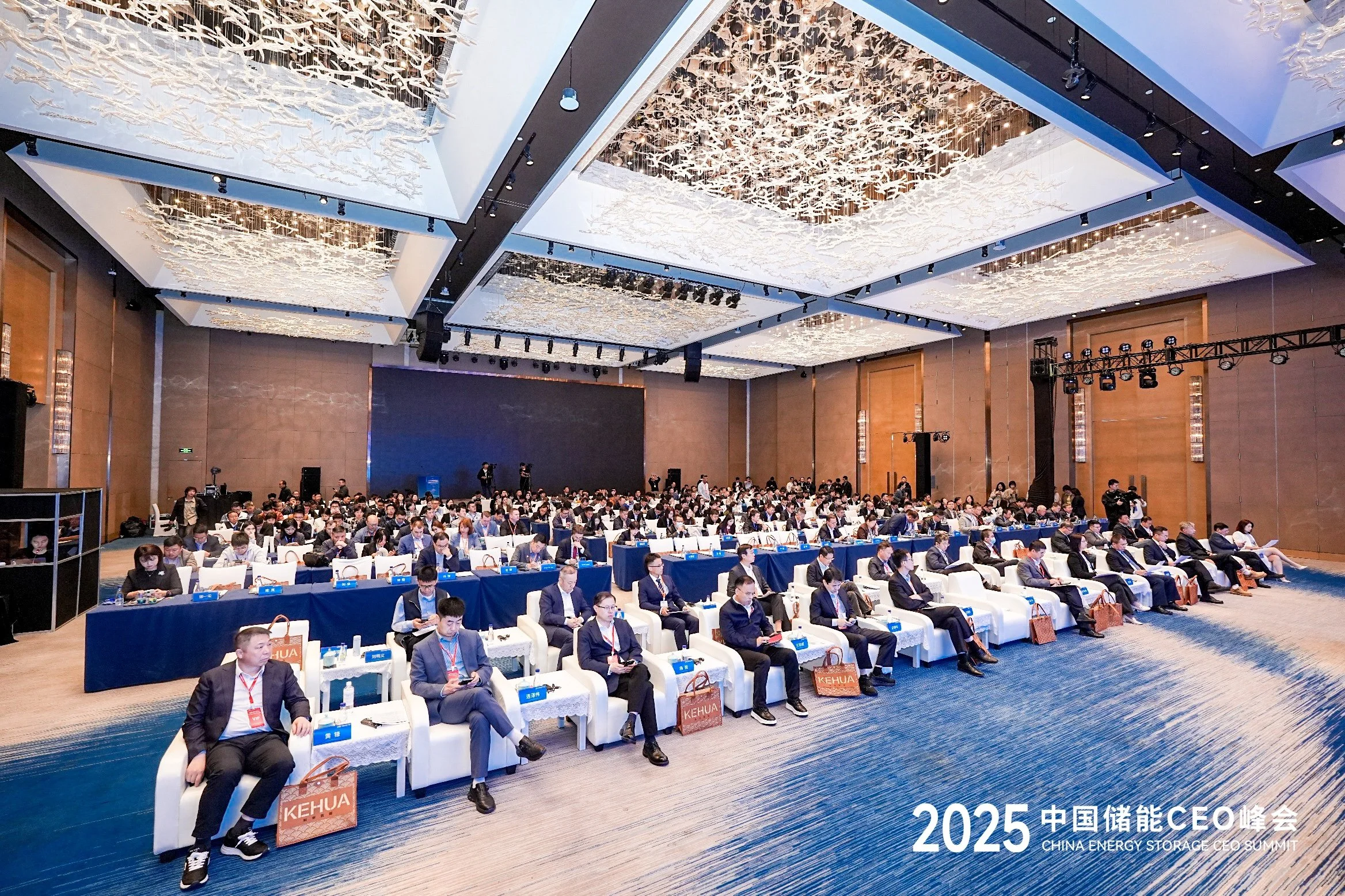
As CNESA's final flagship event of the year, the Summit took Southeast China - an important strategic gateway to global markets - as its anchor and adopted the theme “Breaking Waves · Coexistence - Co-Creating a New Globalized Ecosystem for Energy Storage 2026.” The event gathered government officials, academicians, industry leaders, and corporate executives to review China's industry landscape in 2025, explore the development path toward 2026 and the longer-term 15th Five-Year Plan period, and jointly seek new pathways for the high-quality and global advancement of energy storage.
The opening ceremony was hosted by Liu Wei, Secretary-General of CNESA.
Distinguished speakers and guests included:
Prof. Zheng Nanfeng of Xiamen University; leaders from Xiamen Municipal Bureau of Commerce, Xiamen Municipal Bureau of Science and Technology, and Xiamen Municipal Development and Reform Commission; Chen Haisheng, Chairman of CNESA and Director of the Institute of Engineering Thermophysics, Chinese Academy of Sciences; Chen Chenghui, Chairman of Kehua Data; Huang Feng, President of Cornex New Energy; Wang Shunchao, Deputy Director of the International Consulting & Design Institute of the China Electric Power Planning and Engineering Institute; Zheng Yaodong, Honorary Chairman of the Energy Storage Team of China Southern Power Grid; Wen Zhaoyin, Researcher of the Shanghai Institute of Ceramics, Chinese Academy of Sciences; Prof. Yang Yong of Xiamen University; Huang Junhui, former Deputy Director of the Jiangsu Institute of Economic Research, State Grid, and senior technical expert, among others.
Also present were CNESA Vice Chairs and representatives: Yu Zhenhua, Executive Vice Chairman of CNESA; Yang Bao, President of Trina Storage; Gao Xinhua, Chief Engineer of China Southern Power Grid Technology; Yang Rui, Chairman of Shuangdeng Group; Cui Jian, President of Kehua Digital Energy; Tian Qingjun, Senior VP of Envision Energy & President of Envision Storage; Lian Zanwei, Chairman of XYZ Storage; Liu Mingyi, Director of Energy Storage Technology, Huaneng Clean Energy Research Institute; Yu Jianhua, VP of Narada; Lv Lin, GM of TBEA Xi'an, and many other industry leaders.
The Summit also received strong support from co-organizer Fujian New Energy Technology Industry Promotion Association and supporting partners including Envision Energy, Trina Storage, Shuangdeng, HyperStrong, Ampace, Phoenix Contact, Potisegde, and KE Electric, jointly presenting a high-level industry event.
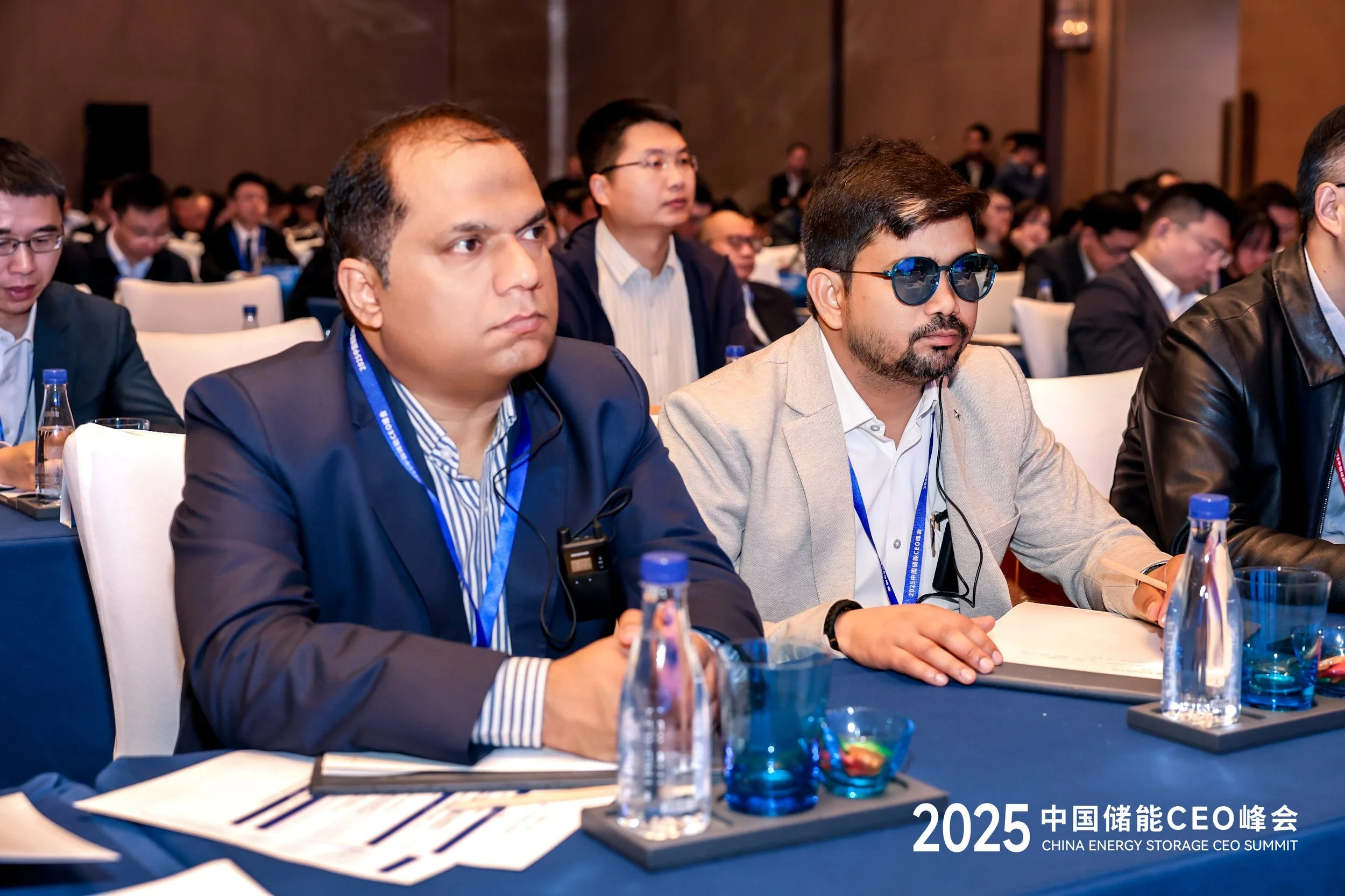
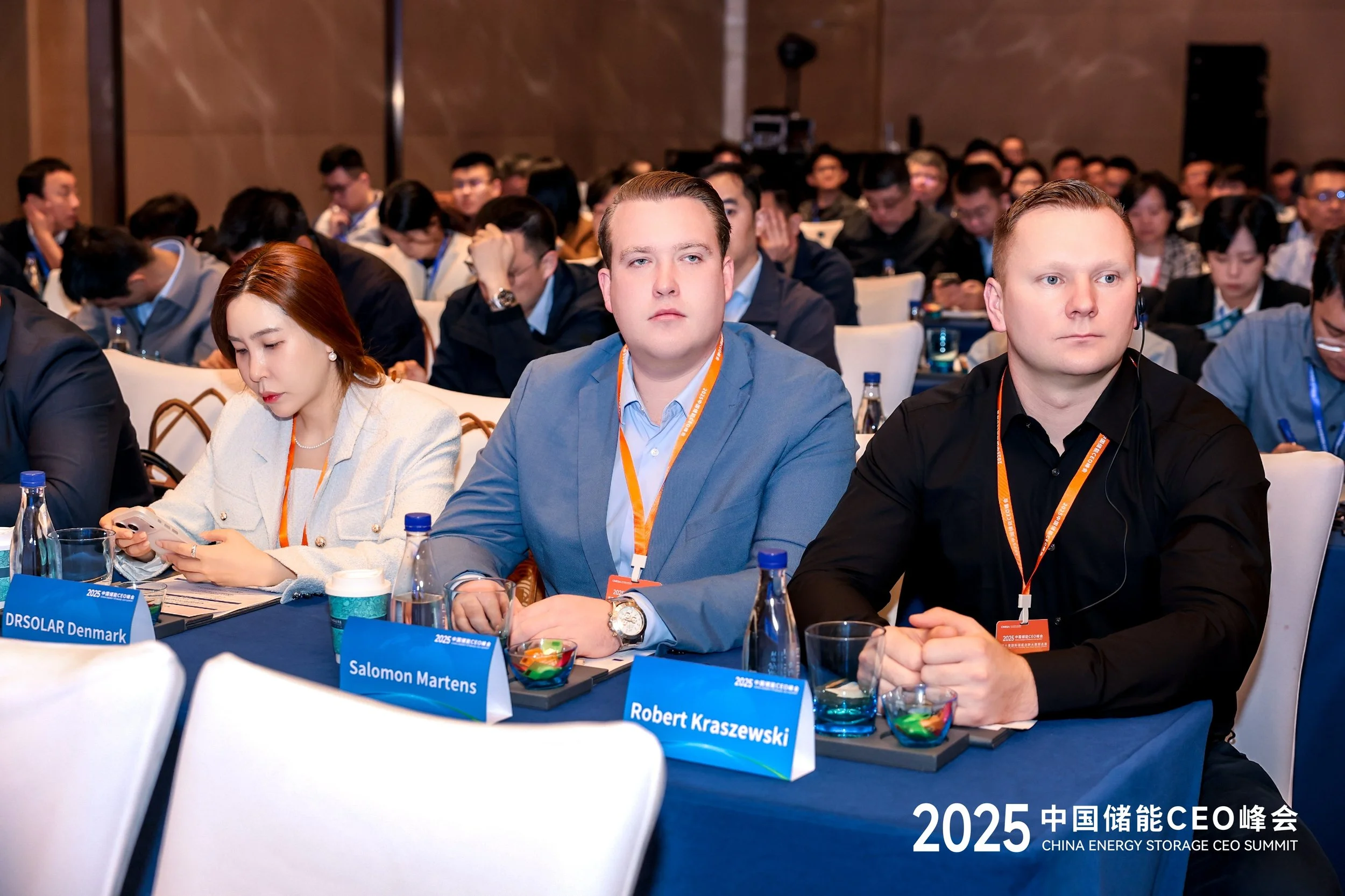
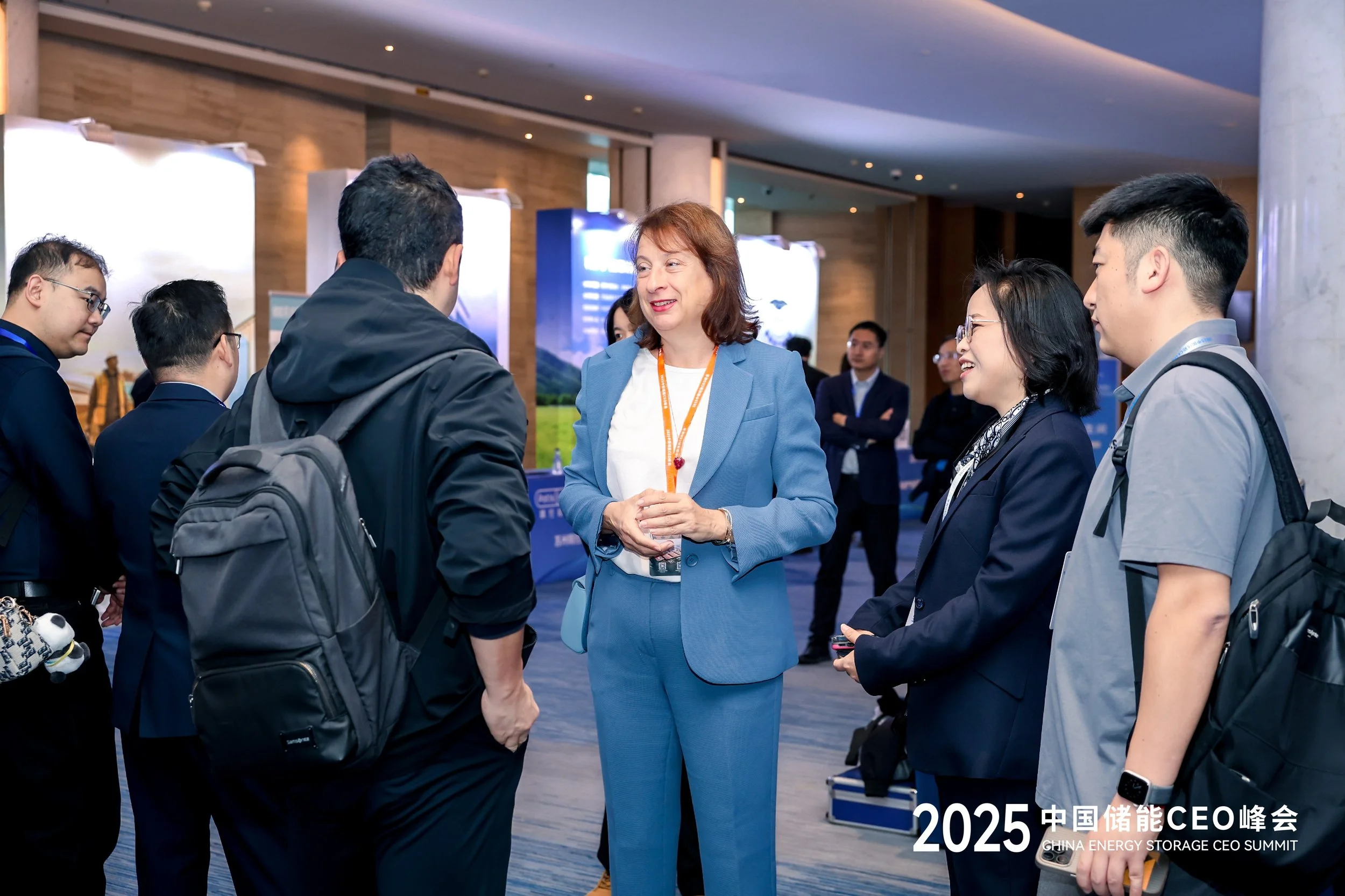
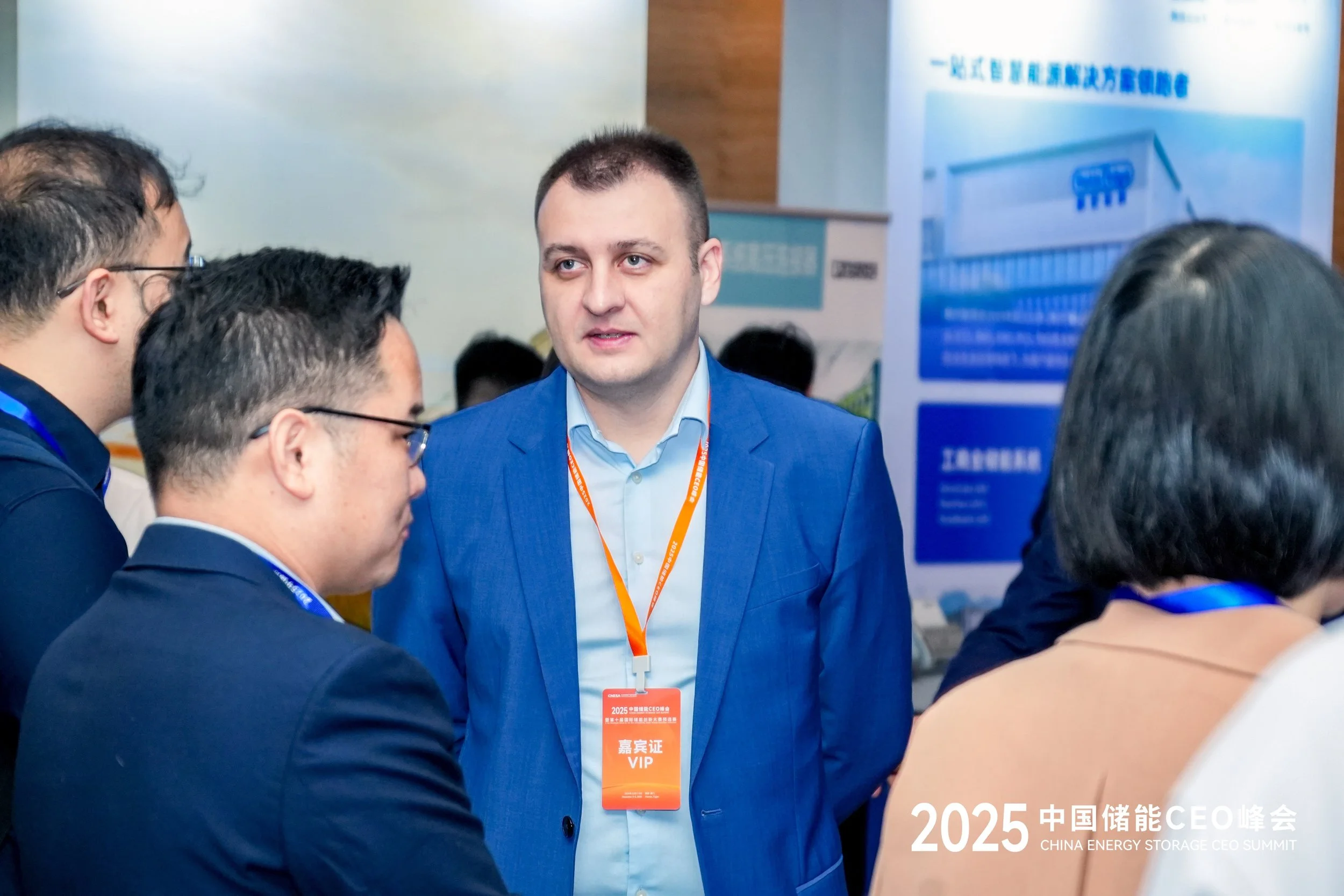
This year's Summit featured an impressive international lineup, gathering energy asset owners and project developers from key global regions including Denmark, Austria, Bulgaria, India, Saudi Arabia, Singapore, Australia, Malaysia, and France. Special invited foreign guests included Li Yilin, Deputy Director of Enterprise Singapore (South China), and Victor Gout, Deputy Representative for Alternative Energy, French Atomic Energy and Alternative Energies Commission (CEA)-Representative Office in China.
This strong participation across the entire value chain created an efficient and pragmatic bridge connecting Chinese and international enterprises.
High-Level Speeches
Driving High-Quality Development and Co-Shaping a New
Global Energy Storage Ecosystem
Zheng Nanfeng - Professor, Xiamen University
Prof. Zheng Nanfeng, Dean of the School of Energy, Xiamen University, and Director of the Jiageng Innovation Laboratory, emphasized China's remarkable progress in renewable energy, with total installed capacity exceeding 1,700 GW. Despite challenges such as higher curtailment rates in western regions, the new 2035 targets indicate vast application opportunities for energy storage.
He stressed that Xiamen University, as a “Double First-Class” institution, is committed to breaking barriers between scientific research and industrial innovation, exploring new models for integrating education, research, and industry. The university will continue working with all sectors to focus on technological breakthroughs, talent development, and solutions for scaling up and commercializing energy storage, strengthening the foundation for global energy transition.
Chen Haisheng - Chairman, CNESA
Chairman Chen Haisheng noted that China's energy storage industry is undergoing a profound shift from rapid expansion to high-quality development. This is reflected in China's global leadership in installed capacity, significant improvement in application performance, diversified technological pathways, and a shift in market mechanisms from mandatory allocation to market-driven deployment.
He highlighted globalization as a key agenda, with Chinese companies accelerating their overseas strategy based on strong technological and supply chain advantages. CNESA will continue building platforms to support global deployment, promote technological ecosystem restructuring, and strengthen China's high-quality “going global” process.
Chen Chenghui - Chairman, Kehua Data
Chairman Chen Chenghui emphasized that energy storage is the “accelerator” of the new power system and a key enabler of the global low-carbon transition, with China increasingly providing “Chinese approach” to the world.
He introduced Kehua's innovation-driven approach, focusing on grid-forming energy storage and full-scenario solutions, and noted the company's collaboration with central SOEs on world-first projects. Internationally, Kehua follows a strong localization strategy, with business presence in over 100 countries. He called for building resilient global supply chains and advancing open collaboration to accelerate global energy transformation.
Keynote Reports
Deepening Industry-Research Integration and Jointly Planing
Global Deployment
Zheng Nanfeng - Professor, Xiamen University
In his keynote “From Free Exploration to Dual Empowerment: Integrating Basic Research with Industrial Innovation,” Prof. Zheng outlined the two-way empowerment mechanism of “research serving industry” and “industry boosting research”: Relying on the Jiageng Innovation Laboratory, actively explore a new system of "combination of allocation and investment" and "fiscal funds + market-oriented operation", and achieve the deep integration of technology and industry by breaking the single academic evaluation orientation.
The Jiageng Lab focuses on low-carbon energy, high-efficiency storage, and next-generation displays, establishing public validation platforms to accelerate commercialization. He advocated integrated development of university campuses, science parks, and industrial parks to transform the high-failure-rate path of innovation into a new norm of high-quality industrial growth.
Wang Shunchao - Deputy Director, International Energy Consulting Institute, EPPEI
Dr. Wang Shunchao delivered a keynote titled “Green Power Planning for Overseas Markets.”
He emphasized the rapid growth of clean energy demand along the Belt and Road, contrasted with weaker power system foundations, making power system planning increasingly critical. He introduced EPPEI's modeling and simulation experience as well as insights from international power system planning projects.
Tian Qingjun - Senior VP, Envision Energy
Tian Qingjun highlighted that Chinese energy storage companies are “born global,” and internationalization has become an imperative.
He stressed the need to move from simply “going out” to deeply “integrating in,” with local operations, local talent, and long-term value creation. He called for ecosystem collaboration, avoidance of harmful price competition, and positioning Chinese companies as global enablers and ecosystem co-builders.
Huang Feng - President, Cornex New Energy
President Huang Feng noted that the industry faces both fierce competition and supply shortfalls, yet remains in a golden period of rapid growth. He forecasted global energy storage installations reaching 550-600 GWh in 2025, with overseas markets surpassing China for the first time.
He explained the company's “four-circle growth model,” evolving from market entry to customer trust, and then to domestic-global parallel expansion, positioning Cornex as a rising force shaping future industry ecosystems.
10th International Energy Storage Innovation Competition
A Decade of Excellence: Recognizing Industry Benchmarks
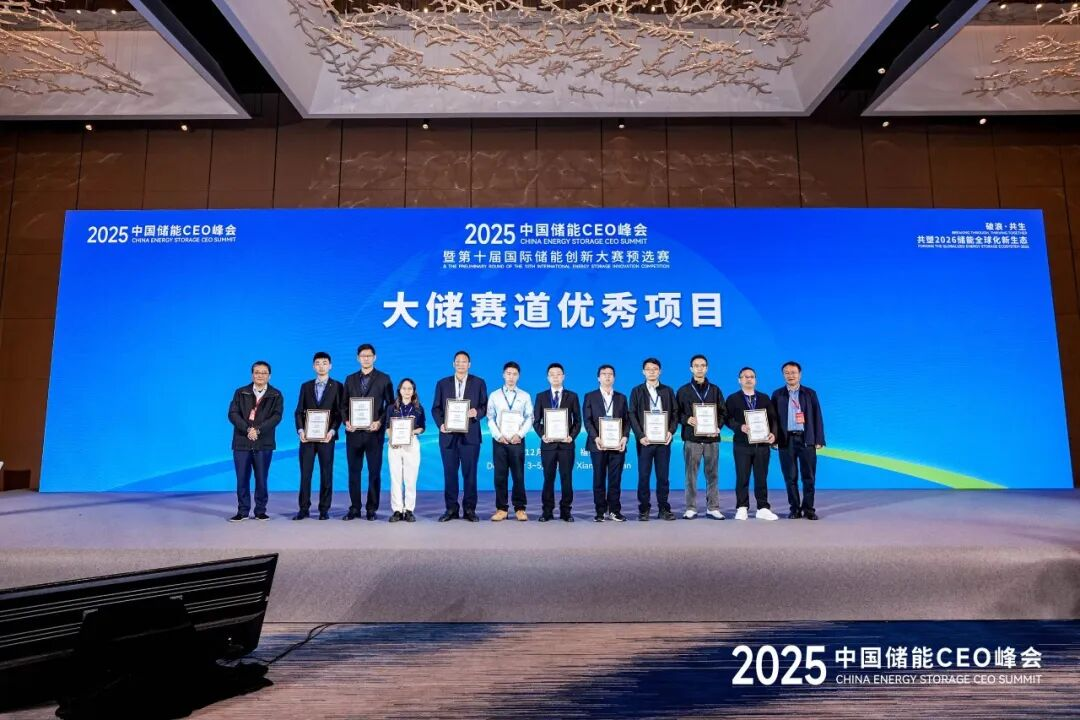
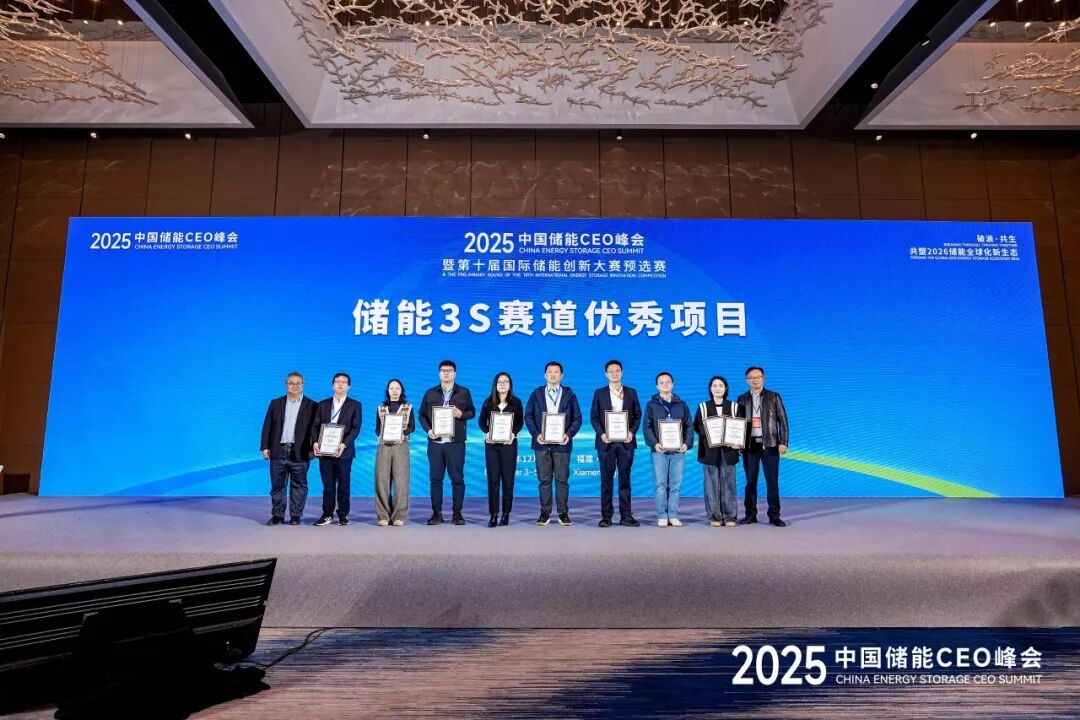
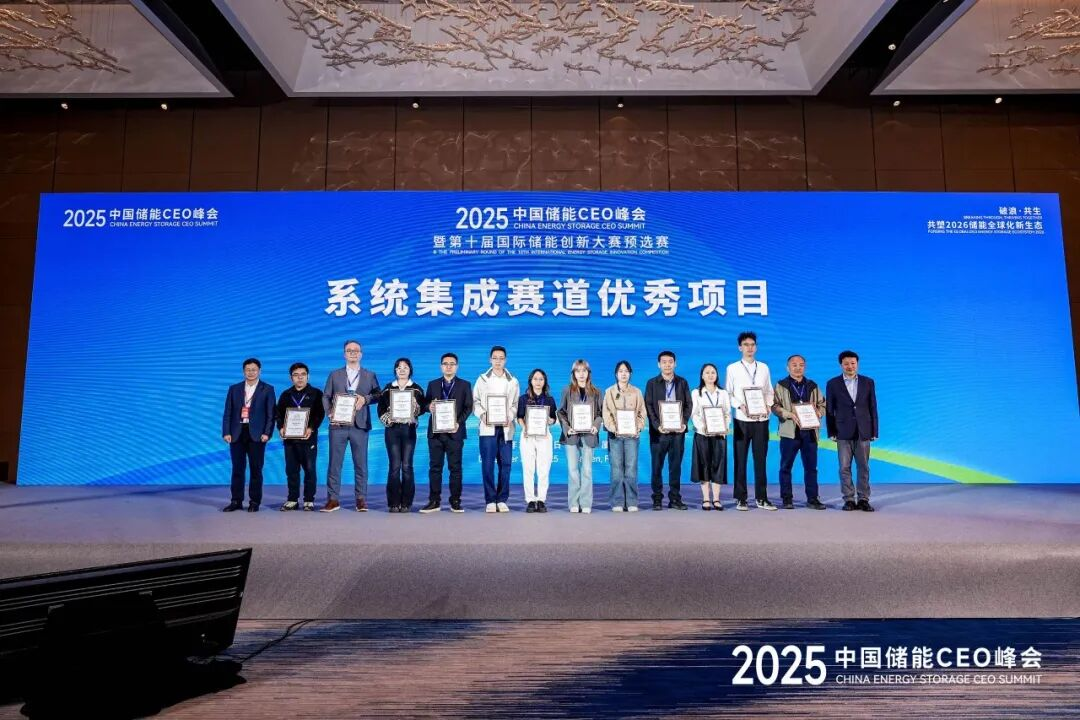
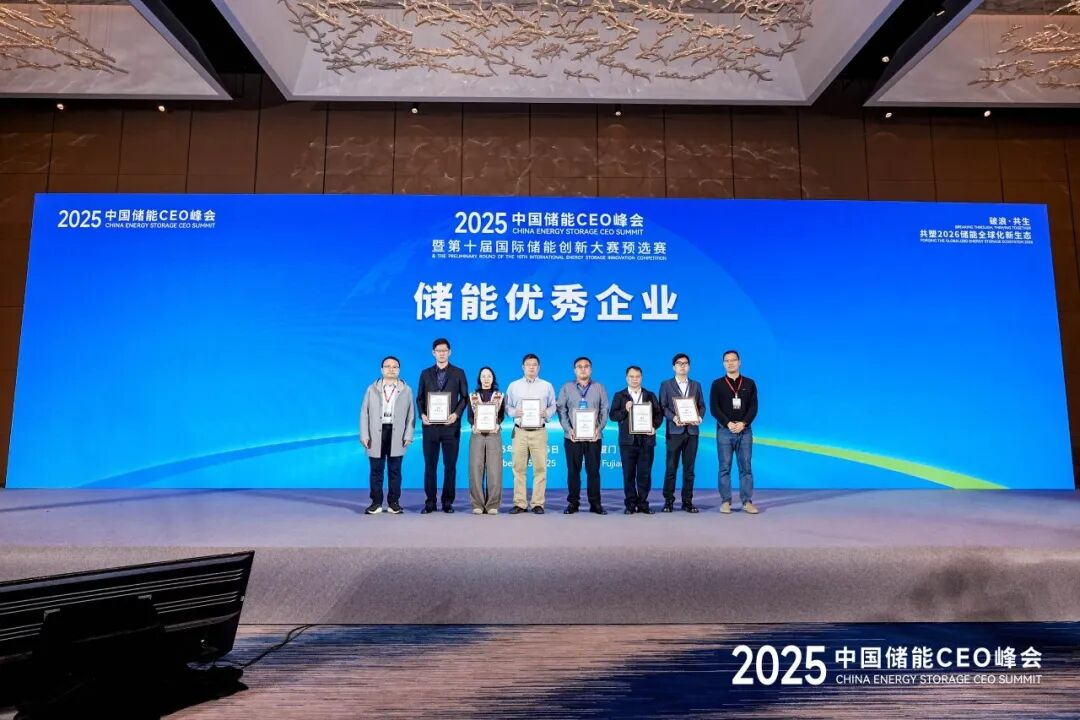
The preliminary awards ceremony of the 10th International Energy Storage Innovation Competition was held during the opening ceremony. Out of 183 project applications, 129 advanced to the preliminary round, and after rigorous review, 77 projects won the Outstanding Project Award.
Over the past decade, the competition has witnessed every major technological iteration and set recognized benchmarks for the industry. The winning projects will advance to the annual finals to compete for the highest honors.
CEO Roundtable
Toward 2030: Reshaping the Global Energy Storage Ecosystem
In 2025, industry reshuffling intensified amid complex global trade dynamics. The CEO roundtable - “Toward 2030: Synergy & Prospect Between China's Energy Storage and the Global Industrial Ecosystem” - became a highlight of the Summit.
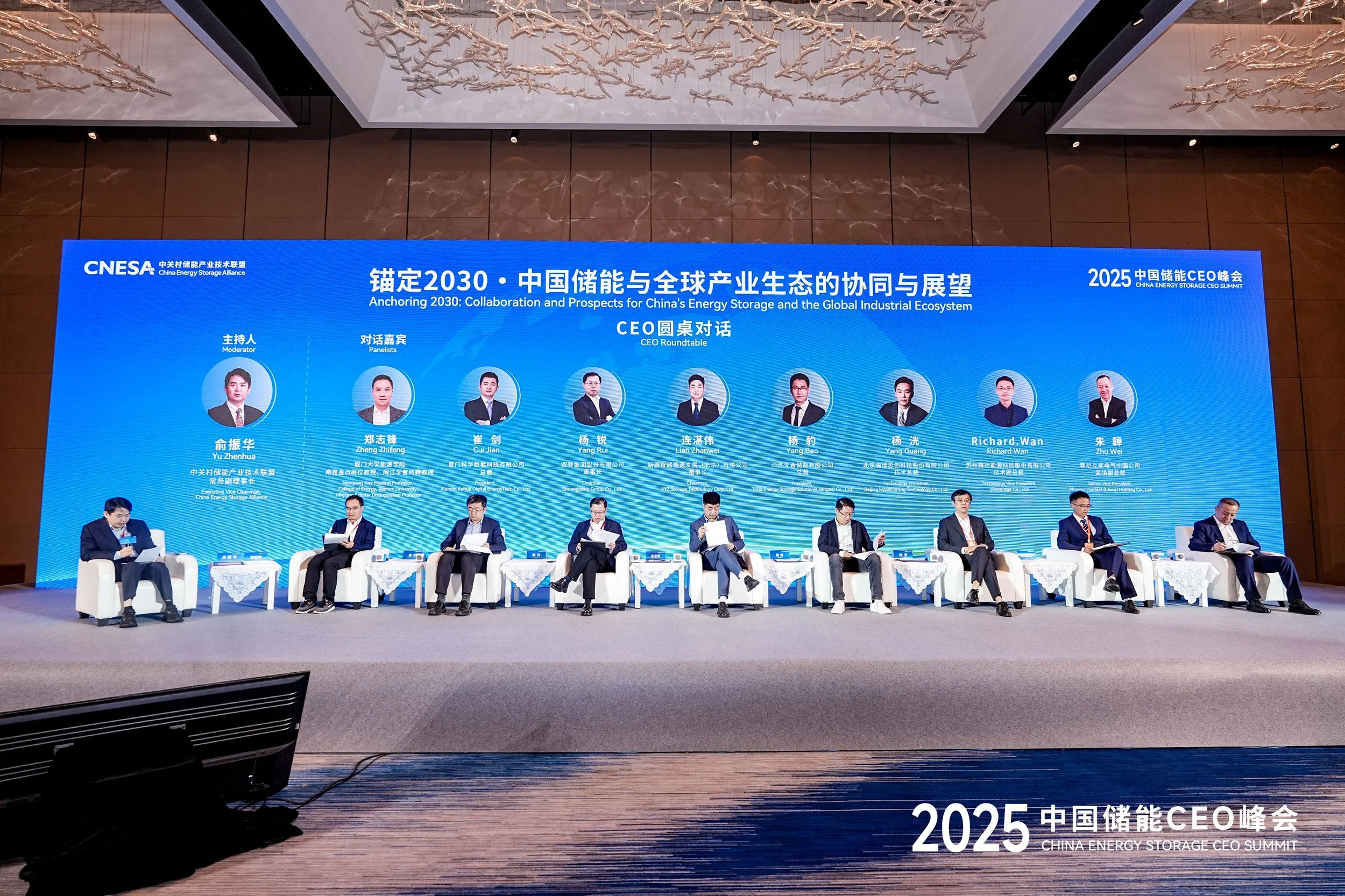
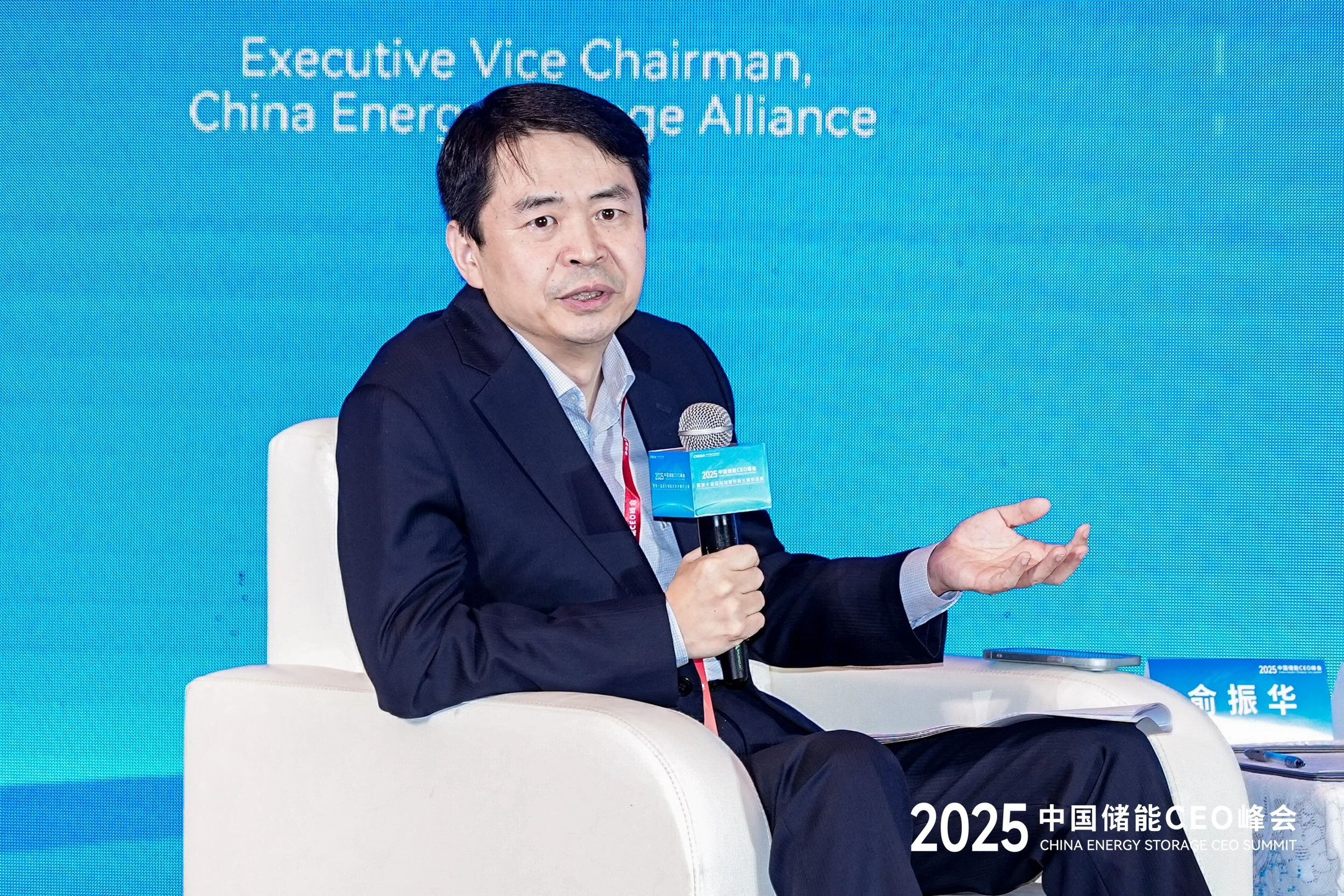
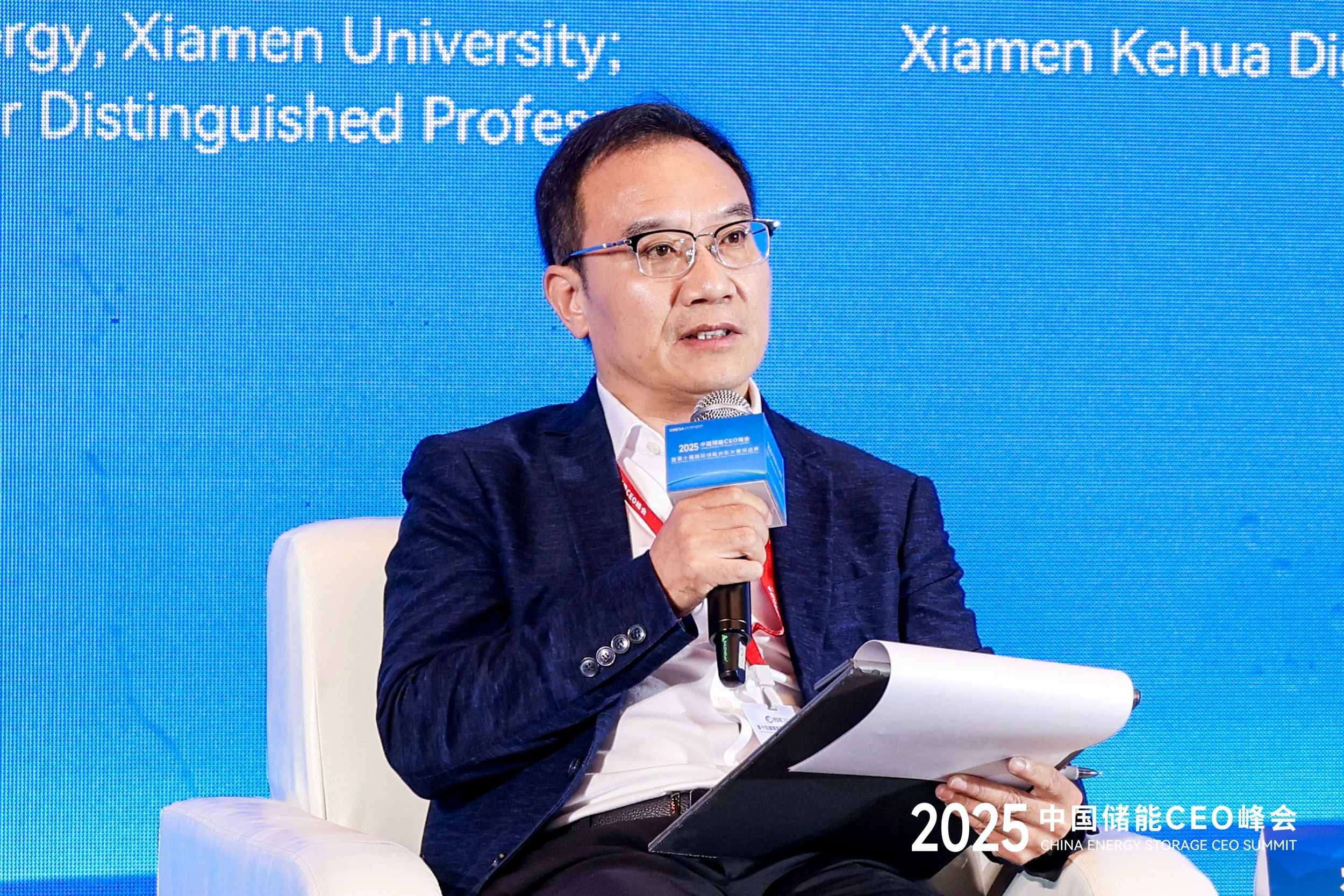
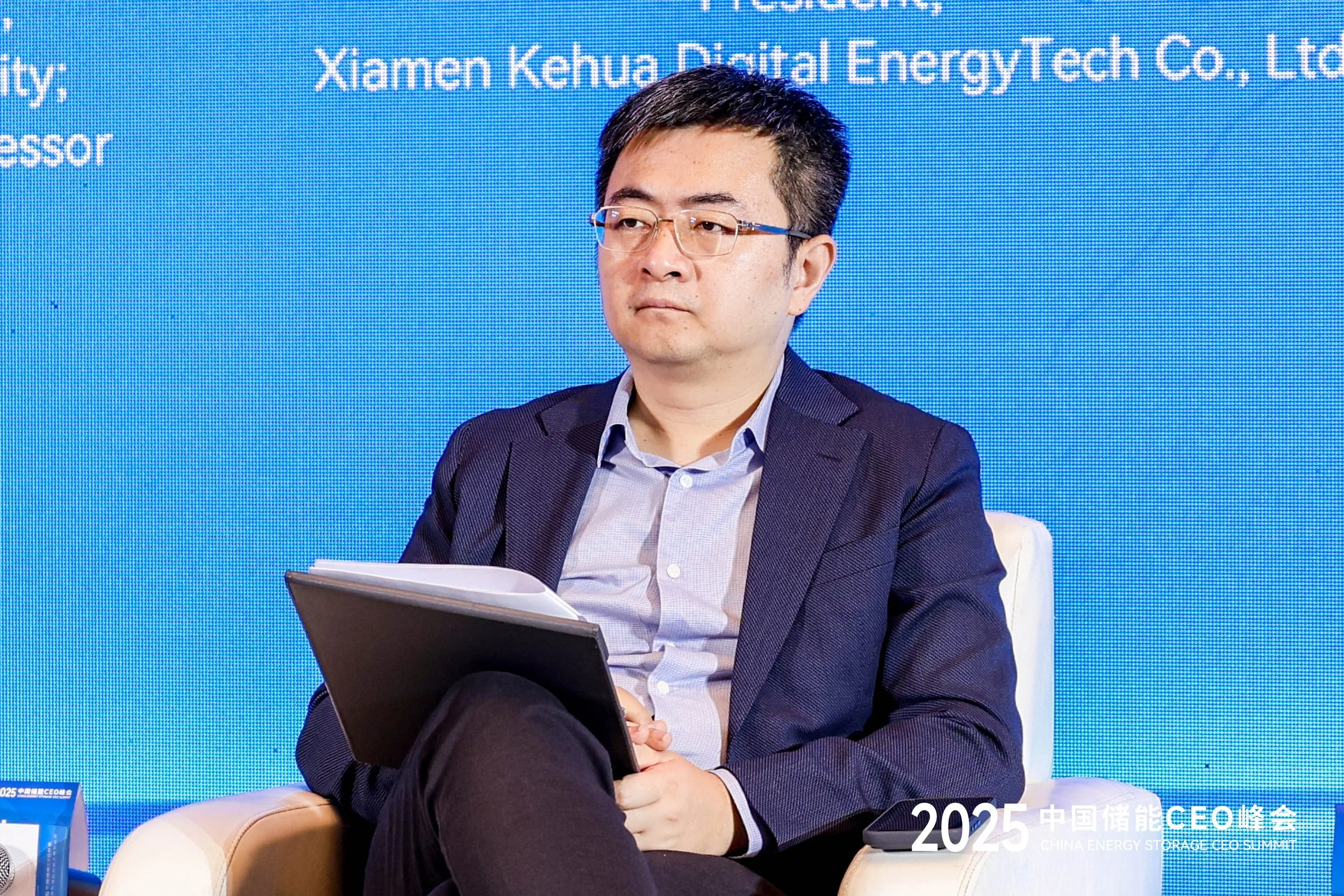
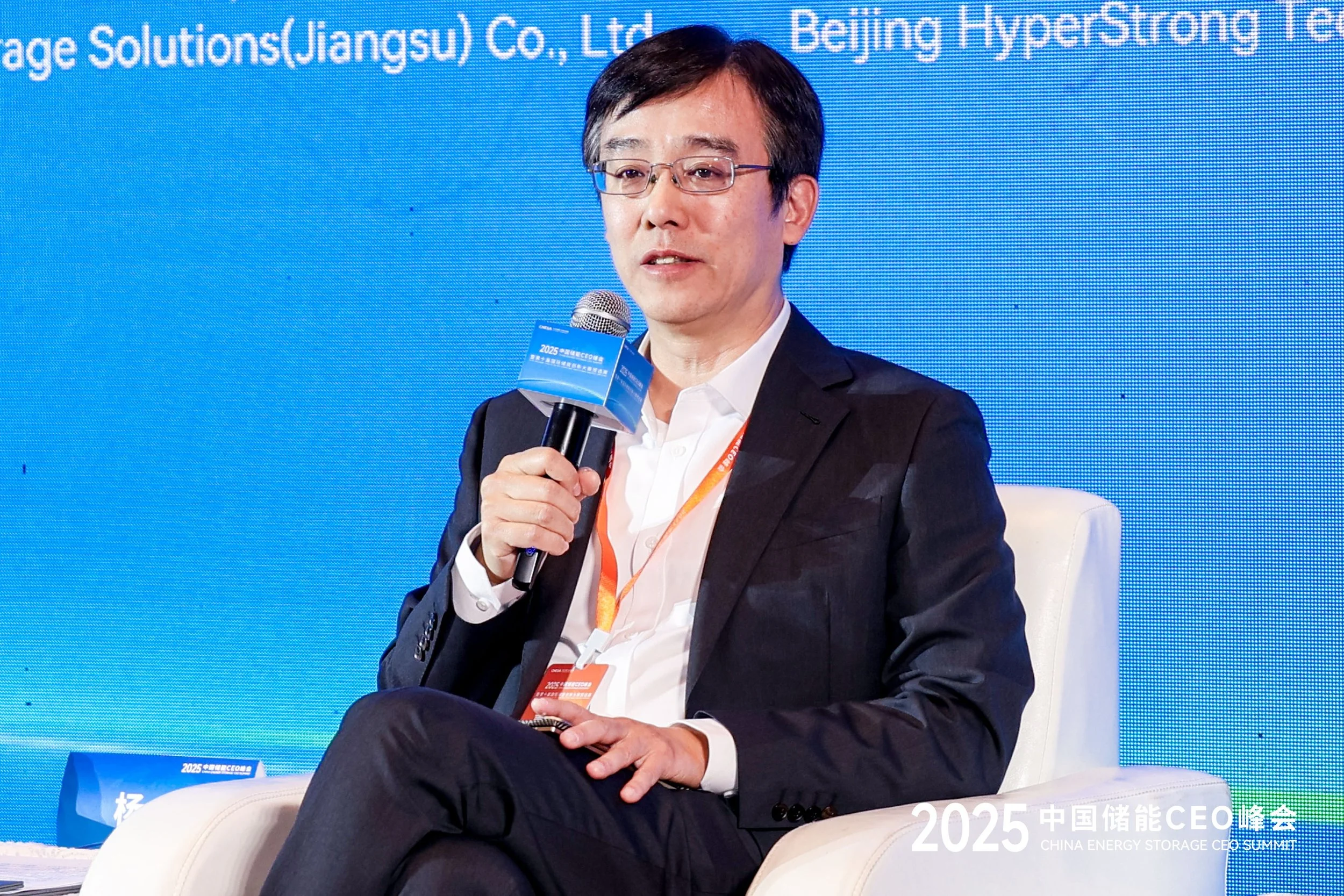
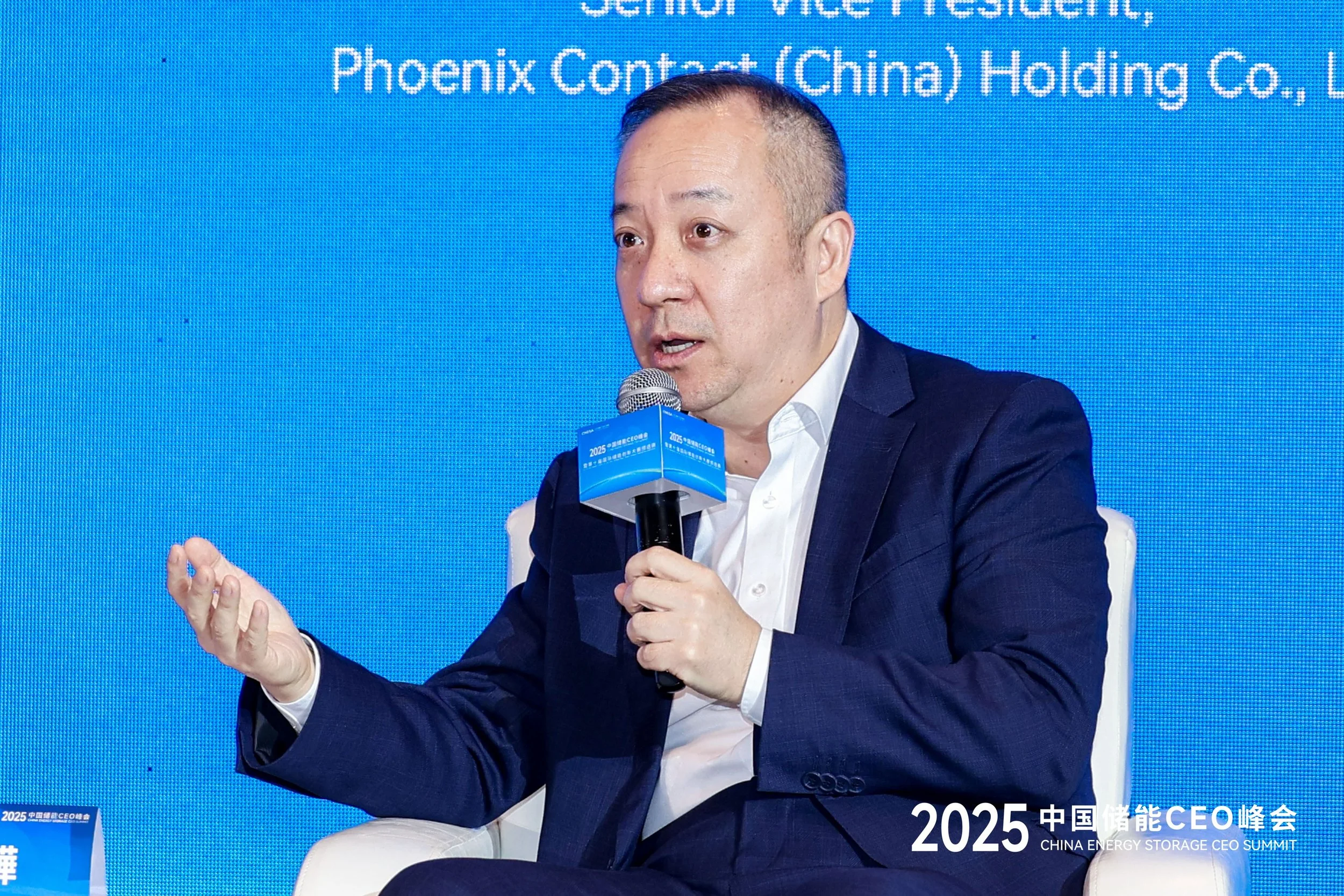
The CEO roundtable was hosted by Yu Zhenhua, Executive Vice Chairman of CNESA, participants included: Prof. Zheng Zhifeng (College of Energy, Xiamen University), Cui Jian (President of Kehua Digital Energy), Yang Guang (CTO, HyperStrong), Yang Rui (Chairman, Shuangdeng Group), Lian Zhanwei (Chairman, XYZ Storage), Yang Bao (President, Trina Storage), Richard Wan (VP, Potisegde), Zhu Wei (SVP, Phoenix Contact China), etc.
Discussions centered on global strategy, supply-chain collaboration, ecosystem development, and technology innovation as the core driving engine for 2030 competitiveness.
Three Parallel Sessions
Overseas Markets • Technology Innovation • Computing Power
+ Energy Storage
Session 1: Overseas Energy Storage Opportunities & Business Models
Hosted by Richard Wan (VP, Potisegde), experts from academia and industry - including Prof. Chen Haoyong (South China University of Technology), Liu Yudong (Senior Solutions Director, Kehua Digital Energy Overseas), Li Zhongli (VP, HyperStrong Europe),Richard Wan (VP, Potisegde), Alessandro Wei (Engineering Director, Green Gold Energy), Salomon Martens (CEO, DRSOLAR Denmark ApS) and others - shared insights on grid-forming storage, battery intelligence, grid-structured energy storage technology, ultra-safety systems, and commercial opportunities across Europe and Australia.
The International Roundtable 1 focused on “Overseas Energy Storage Opportunities and Ecosystem Collaboration.” Under the moderation of Prof. Chen Haoyong, South China University of Technology (part-time professor, Universiti Tunku Abdul Rahman), the discussion brought together Sun Rongtao, President of Strategic Investments, China, Saudi Aramco; Salomon Martens, CEO of DRSOLAR Denmark; Alessandro Wei (Wei Xiaowei), Engineering Director of Green Gold Energy; Wang Yichao, Deputy General Manager of XYZ Storage; and Shi Wenbo, President of the Hisense Network Energy and Vice Chairman of KE Electric. They engaged in an in-depth exchange on strategies for overseas market expansion and ecosystem collaboration.
Session 2: Advanced Energy Storage Technology & Solutions
Hosted by Huang Junhui, former Deputy Director of SGCC Jiangsu Institute of Economic Research, Lin Jinshui, senior expert in energy storage solutions of Kehua Digital Energy; Li Ming, global product management head of Trina Storage; Yang Xinyu, market development manager of Ampace; Li Bingzhang, director of energy storage technology of Zhuzhou CRRC Times Electric; Tan Cheng, industry manager of Phoenix Contact; Wu Junjie, marketing manager of Prima Power Sheet Metal Equipment (Suzhou); Kalina Pelovska, chief investment officer of Renalfa IPP; Robert Kraszewski, CEO of RJS Construction; and Fu Chungui, industry director of Hymson Laser Technology shared insights on grid-forming storage, AIDC applications, full life cycle safety protection and intelligent upgrade of production lines under Document 136, and BESS commercial applications in Eastern Europe.
The International Roundtable 2 focused on “the demand distribution and potential of emerging energy storage markets”. Under the moderation of Wendy Wen (Wen Mingyuan), the discussion brought together Kalina Pelovska, chief investment officer of Renalfa IPP GmbH (Austria/Bulgaria); Gabriel Nenov, head of the energy storage division (eastern Europe) of Solarpro Technology AD; Robert Kraszewski, COO (Denmark) of RJS construction ApS; andLi Fengzhi, general manager of overseas marketing team of SAV Digital Power. They engaged in an in-depth exchange on opportunities and challenges in the global energy storage market.
Session 3: Energy Storage + Data Centers (AIDC)
Hosted by Zhang Jianing, senior policy research manager of CNESA, Zhong Yihua, VP of Shuangdeng Group; Li Yusheng, deputy director of the information energy innovation center of China Mobile Group Design Institute; Peng Huana, deputy chief engineer of Fujian Yongfu Power Engineering; Li Xu, technical expert of the power solutions department of Vertiv; Luo Guirong, former technical director of Kehua Data; Lu Zongshuo, product marketing manager of Ampace; Ding Changfu, senior product manager of Hithium Energy Storage; Zhang Wenjian, director of TAOS Data; Yang Qian, senior solution expert in the energy industry of Inspur KaiwuDB. They engaged in an in-depth exchange on the deep integration of "energy storage + computing power", high-rate and high-safety lithium battery solution empowering AIDC and green construction practice under the synergy of computing and electricity, and further explored how time series data and multimodal AI unlock the value of data assets in the energy industry.
The 2025 CEO Summit brought together the core strengths of the energy storage ecosystem to envision new scenarios, new landscapes, and new growth paths. Standing at the year's end and looking toward the future, we firmly believe that energy storage is not only a support technology for power systems but also a key engine driving global green transformation.
Toward 2030, let us take this Summit as a new starting point - strengthening collaboration, embracing open innovation, accelerating global supply-chain development, and co-building a win-win ecosystem.
With joint efforts across domestic and international markets, the industry will shift from rapid expansion to high-quality growth and inject strong, certain “Chinese contribution” into global energy security and a net-zero future.
A new journey begins - let us advance together, break the waves, and co-create a zero-carbon future.
CENSA Upcoming Events:
Apr. 1-3, 2026 | The 14th Energy Storage International Conference & Expo
Register Now to attend, free before Dec 31, 2025.

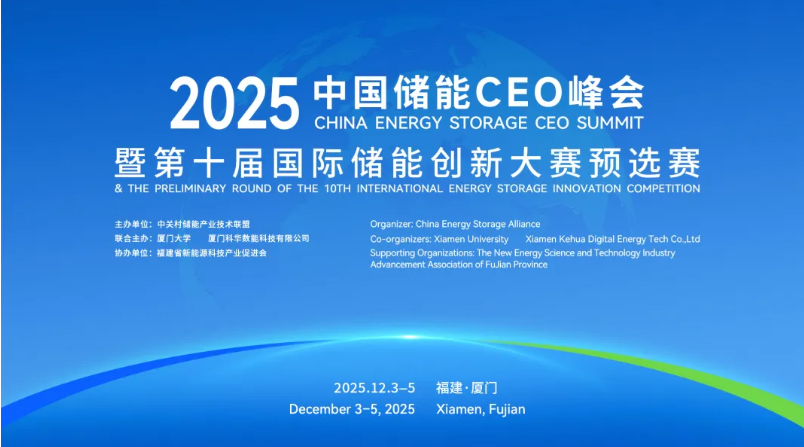
Energy Storage Leaders Converge in Xiamen: Executives from Ten Industry Giants Share Insights at the 2025 China Energy Storage CEO Summit
Source: CNESA
On December 4, 2025, the “2025 China Energy Storage CEO Summit & the 10th International Energy Storage Innovation Competition - Preliminary Round,” hosted by the China Energy Storage Alliance (CNESA) and co-hosted by Xiamen University, Kehua Digital Energy, and Cornex New Energy, was successfully held in Xiamen.
The summit brought together top leaders from the most influential companies in the energy storage sector - Kehua Data, Envision Energy, Cornex New Energy, Shuangdeng Group, XYZ Storage, Trina Storage, HyperStrong, Potisegde, and Phoenix Contact. Chairmen, presidents, and key executives gathered to explore breakthroughs in energy storage technology, global strategies, and the construction of a robust industrial ecosystem. Their insights not only represent the direction of their companies but also reflect the core trajectory and future momentum of China's energy storage industry.
Chen Chenghui
Chairman, Kehua Data
“Charting the course forward means not only seizing opportunities but anchoring growth in technological innovation and safeguarding it through coordinated standards. Going fast alone is not enough - only through openness, cooperation, and ecosystem-wide collaboration can we enhance the quality and sustainability of global energy transition.”
Tian Qingjun
Senior Vice President, Envision; President, Envision Energy
“Chinese energy storage enterprises are born global. Going overseas has shifted from being an option to a matter of survival. In the face of inevitable globalization and its risks, the industry must evolve from simply going out to truly integrating in. Deep local operations and international talent development are key to long-term presence. At the same time, companies should foster competitive collaboration across the value chain, avoid vicious price wars, and win global respect through long-term value and quality.”
Huang Feng
President, Cornex New Energy
“We respect technology, respect safety, and respect quality - technology is the key to improve performance and cost challenges, and quality is the foundation of market confidence. In a race defined by both speed and endurance, only continuous innovation and customer alignment can lead to shared value.”
Cui Jian
President, Kehua Digital Energy
“Grid-forming technology has become a fundamental necessity for energy storage. In the future, PCS will no longer distinguish between ‘grid-following’ and ‘grid-forming’; the technologies will converge. Through deep technical refinement and intelligent upgrades, we will support the stable operation of new power systems and enable diverse value creation.”
Yang Rui
Chairman, Shuangdeng Group
“Energy storage companies must be ‘born global’ and capable of ‘deep globalization’. In certain high-certainty tracks such as AIDC, the real challenge lies in whether an organization can truly capture and sustain explosive market opportunities. By prioritizing talent and building a ‘carrier-class architecture’, we aim to lead with products and efficiency, establishing a resilient moat for long-term survival in fast-paced cycles.”
Lian Zhanwei
Chairman, XYZ Storage
“Safety is the lifeline of the energy storage industry. Innovative technologies such as immersion liquid cooling represent proactive breakthroughs for high-safety application scenarios. We look forward to working with the industry to advance energy storage toward higher safety, efficiency, and reliability.”
Yang Bao
President, Trina Storage
“Global experience in solar has paved the way for storage going overseas. With global networks and localized teams, we are accelerating the deep integration of solar and storage, enabling technology and markets to evolve together, and delivering value across regions and cultures in the global energy transition.”
Yang Guang
Chief Technology Officer, HyperStrong
“Strong partnerships and complementary strengths are vital to ensuring stable industrial delivery. Facing diverse global application scenarios, we are advancing platform-based products and AI-driven strategies to deeply integrate ‘Energy Storage + X’ and provide customized solutions for different markets.”
Richard Wan
Vice President of Technology, Potisegde
“Full-stack independent development is the foundation of quality, and global-localized delivery is the guarantee of stability. We adopt EV-grade standards for energy storage and build a closed-loop technology chain with intelligent manufacturing, reinforcing safety and efficiency amid intensifying competition.”
Zhu Wei
Senior Vice President, Phoenix Contact China
“Rooted in China, serving the world. We combine a century of electrical engineering experience with local R&D and manufacturing, providing secure and efficient system-level support for complex, multi-scenario energy storage applications through advanced connectivity and industrial automation technologies.”
As a key prelude to the 14th Energy Storage International Conference and Expo (ESIE 2026), the 2025 China Energy Storage CEO Summit served not only as a platform for high-level intellectual exchange but also as a catalyst for deeper industry collaboration. Leading companies including Kehua Digital Energy, Envision Energy, Cornex New Energy, Shuangdeng Group, XYZ Storage, Trina Storage, HyperStrong, Potisegde, and Phoenix Contact have confirmed participation in ESIE 2026 and will showcase their latest technologies and solutions at this global energy storage event.
We sincerely invite industry colleagues to join us next year as we work together to advance the energy storage industry toward higher quality and greater sustainability.
CENSA Upcoming Events:
Apr. 1-3, 2026 | The 14th Energy Storage International Conference & Expo
Register Now to attend, free before Dec 31, 2025.

Sign up for our free monthly newsletter to stay informed about the Chinese energy storage market.