

Latest News
New Installations Down 67% YoY: Analysis of China's User-Side New Energy Storage Projects in November
Source: CNESA
In November 2025, newly installed user-side new energy storage capacity in China recorded a year-on-year decline of over 65%.
Compared with October, the market structure showed notable adjustments:
Commercial and industrial (C&I) energy storage accounted for nearly 90%, while long-duration energy storage technologies accelerated deployment.
East China contributed more than half of newly commissioned capacity, with Fujian leading in installed capacity.
Although filing activity in traditional user-side markets (Zhejiang, Guangdong, Jiangsu) declined compared with the same period last year, overall demand remained higher year-on-year. Emerging markets such as Anhui, Henan, and Sichuan are becoming new growth engines driving the national user-side energy storage market.
Analysis of User-Side New Energy Storage Projects in November
In November, newly installed user-side capacity reached 185.27 MW / 555.83 MWh, representing -67% / -57% year-on-year, and -5% / +16% month-on-month. User-side new energy storage projects exhibited the following characteristics:
(1) Installed Capacity by Application
In November, the user-side energy storage market continued to be dominated by C&I applications, accounting for nearly 90% of total installations. Newly installed C&I capacity reached 163.9 MW / 541.3 MWh, -68% / -58% year-on-year, and -9% / +15% month-on-month.
The largest data center user-side energy storage project in Zhejiang was officially commissioned. Rapid development of AI data centers (AIDC) and intelligent computing centers is driving growth in user-side energy storage demand.
From a technology perspective, all newly commissioned projects adopted electrochemical energy storage technologies. Lithium iron phosphate (LFP) batteries accounted for over 99% of installed power capacity. In terms of long-duration storage, one 8-hour, 202 MWh lithium-based C&I energy storage project and one 8-hour, 2 MWh all-vanadium redox flow battery project were completed and put into operation.
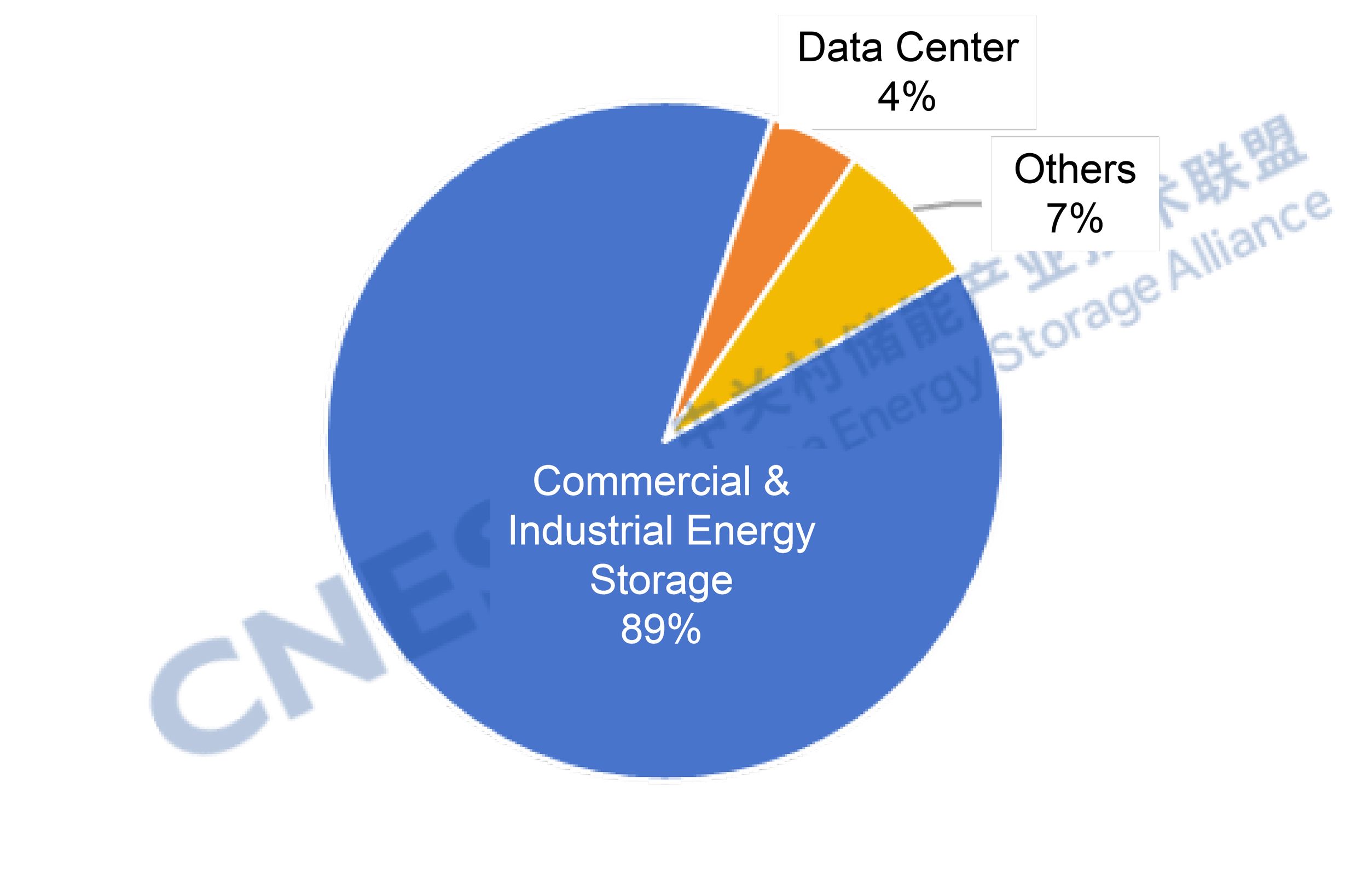
Figure 1: Application Distribution of Newly Commissioned User-Side New Energy Storage Projects in November 2025 (MW%)
Data Source: CNESA DataLink Global Energy Storage Database
https://www.esresearch.com.cn/
Note: “C&I” includes industrial facilities, industrial parks, and commercial buildings. “Others” include mining areas, oilfields, remote regions, and municipal institutions, etc.
(2) Regional Distribution of User-Side Energy Storage
By region, newly commissioned projects were mainly distributed across 11 provinces, including Fujian, Guangdong, Hebei, Anhui, and Zhejiang. East China led the market in November, accounting for 52% of newly installed capacity and 39% of total projects, ranking first nationwide in both installed scale and number of commissioned projects.
At the provincial level, Fujian recorded the largest share of newly installed power capacity, exceeding 25%, while Hebei led in newly installed energy capacity, accounting for 40%. Guangdong had the highest number of newly commissioned projects, representing over 18%, ranking first nationwide.
Fujian hosts a high concentration of energy-intensive industries such as steel and chemicals, where demand for peak shaving, valley filling, and backup power is strong. In addition, diversified application scenarios - including integrated PV-storage-charging systems and virtual power plant aggregation - are being increasingly developed, leaving substantial growth potential for the user-side energy storage market.
From an industrial and supply chain perspective, Fujian is home to the country's largest lithium battery R&D and manufacturing base, with lithium battery production capacity ranking among the national leaders. Driven by leading energy storage companies, a complete local supply chain has been established for core components such as cells, PCS, BMS, and EMS, effectively reducing overall system costs. Moreover, Fujian supports energy storage project financing through green credit and industrial funds, covering multiple project types including pumped hydro storage and new energy storage.
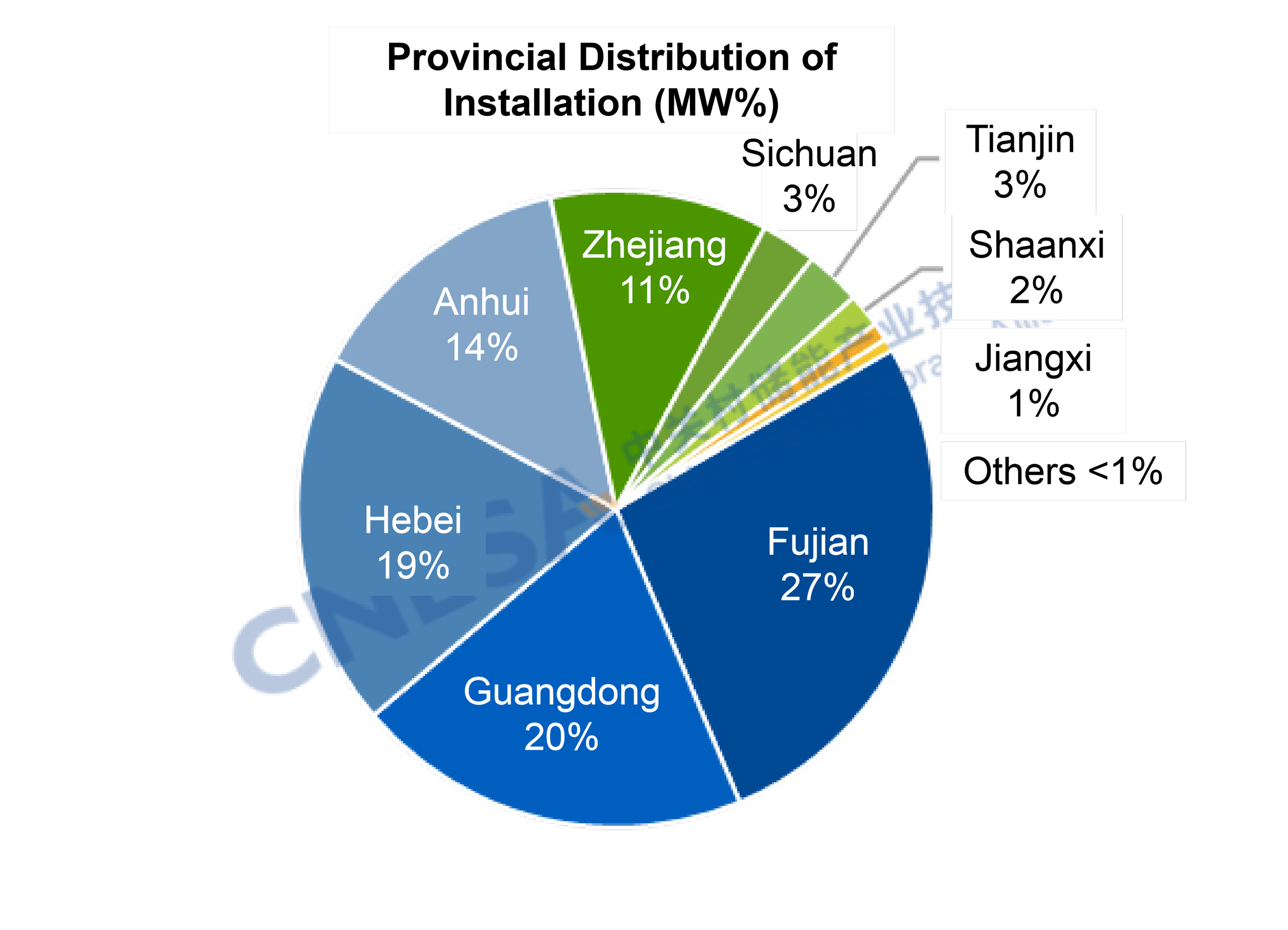
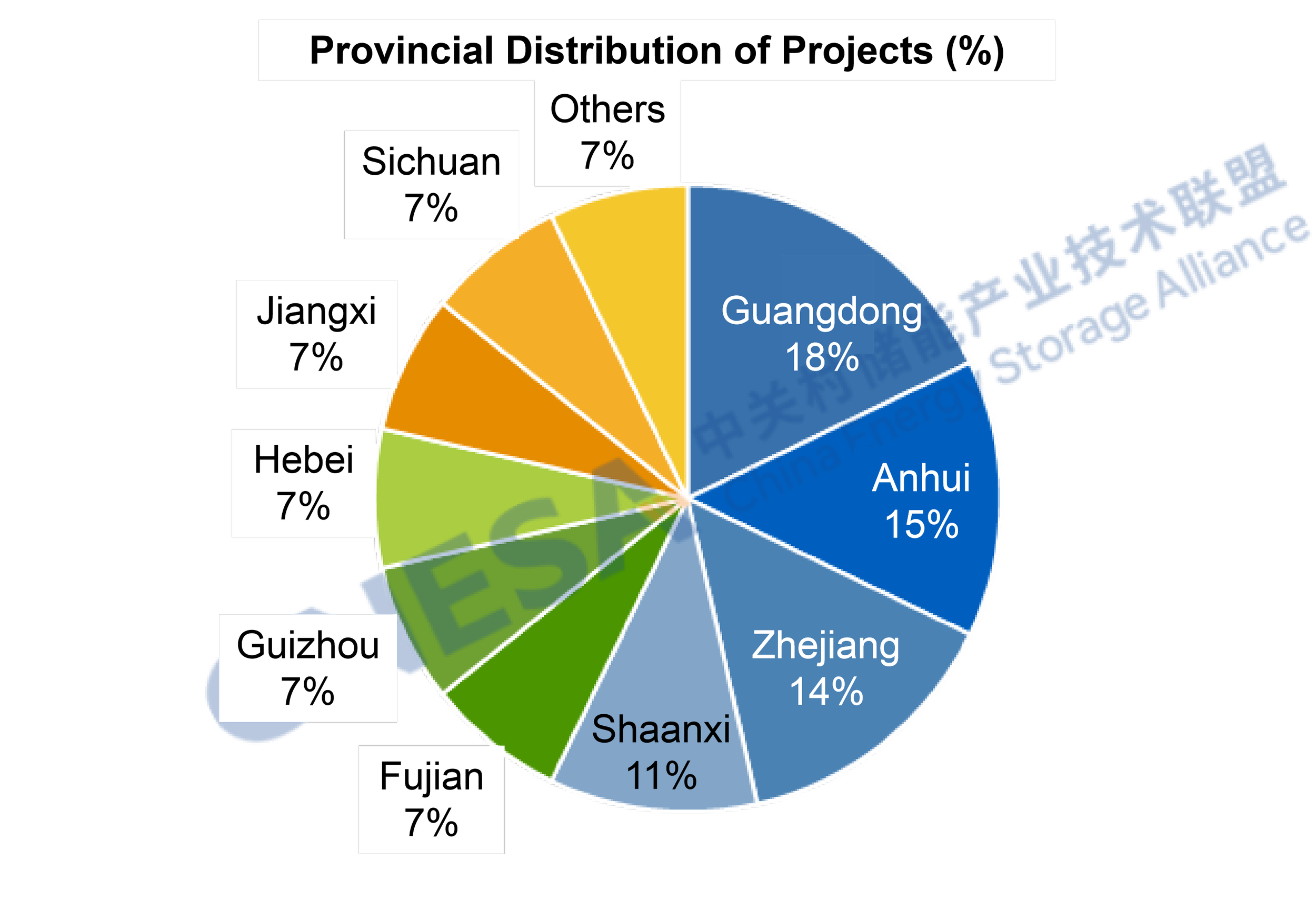
Figure 2: Provincial Distribution of Newly Operating User-Side New Energy Storage Projects in China, November 2025
Data Source: CNESA DataLink Global Energy Storage Database
https://www.esresearch.com.cn/
(3) Filed User-Side Energy Storage Projects
Based on project filings, national user-side market demand in November exceeded the level of the same period last year, with differentiated regional adjustments. Nationwide, both the total scale and number of newly filed user-side projects in November were higher year-on-year, up 8% and 5%, respectively. However, filing activity in traditional markets - Zhejiang, Guangdong, and Jiangsu - declined compared with last year.
Across these three provinces, a total of 497 new projects were filed, down 47% year-on-year, while energy capacity declined 7% year-on-year.
Guangdong recorded the highest number of newly filed projects, but project count fell 25% year-on-year, and scale declined 73%.
Zhejiang saw the largest drop in project count, down 65% year-on-year, with scale decreasing 34%.
Jiangsu recorded a 48% year-on-year decline in project count, but project scale increased 6%.
In November, Jiangsu ranked first nationwide in newly filed project scale. The average project size was approximately twice that of the same period last year, indicating a shift in user-side energy storage development from small-scale, distributed projects toward large-scale, centralized investments in high-quality application scenarios.
Meanwhile, Anhui, Henan, and Sichuan collectively added 440 newly filed projects, up 89% year-on-year and 47% month-on-month, accounting for about 38% of the national total, 5 percentage points higher than in October. Emerging user-side markets represented by Anhui, Henan, and Sichuan are rapidly releasing growth potential and are expected to become new engines driving nationwide user-side energy storage market growth.
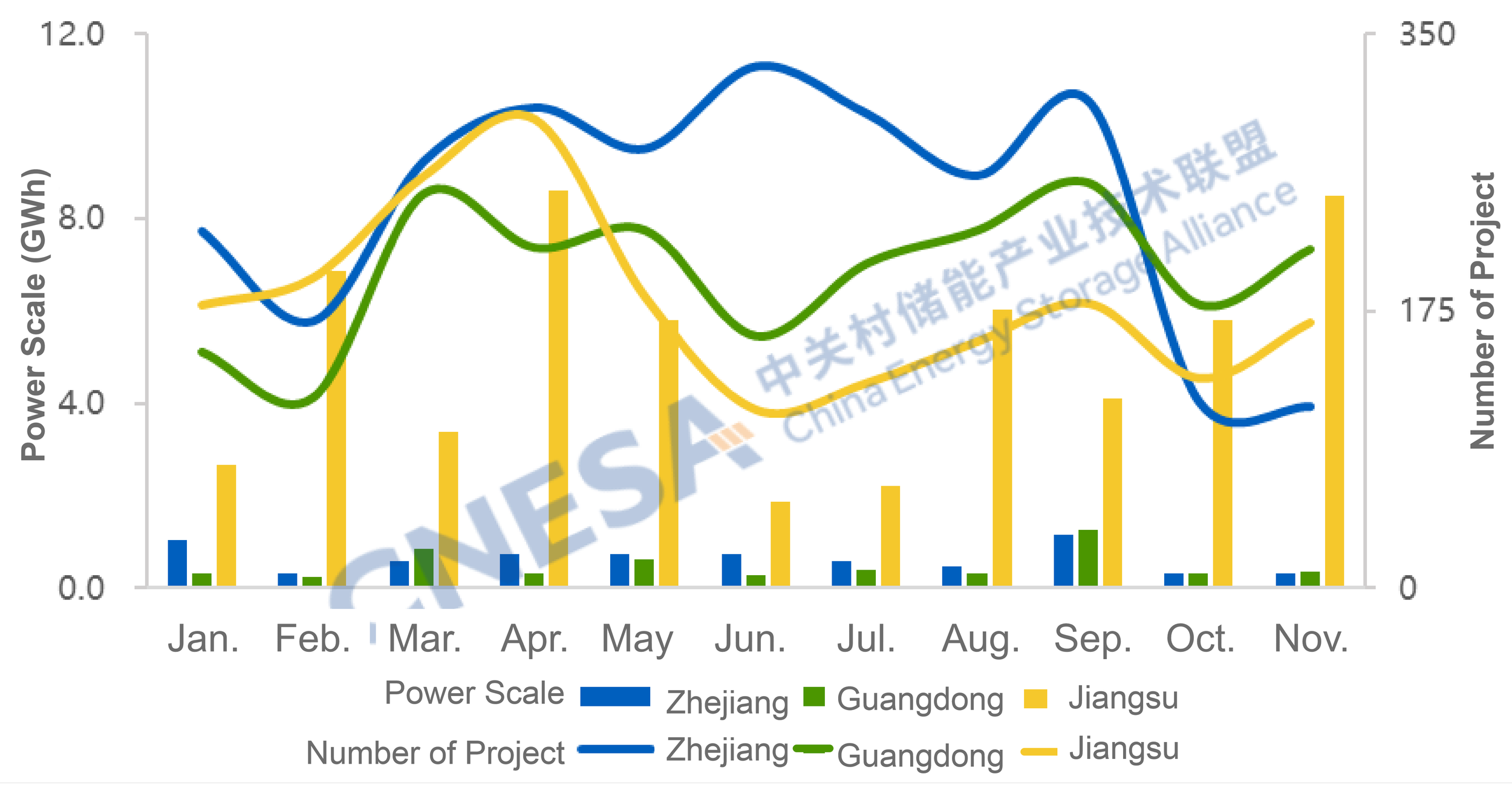
Figure 3: Monthly Distribution of Newly Filed Energy Storage Project Scale in Zhejiang, Guangdong, and Jiangsu (January - November 2025)
Data Source: CNESA DataLink Global Energy Storage Database
https://www.esresearch.com.cn/
Overall Analysis of New Energy Storage Projects in November
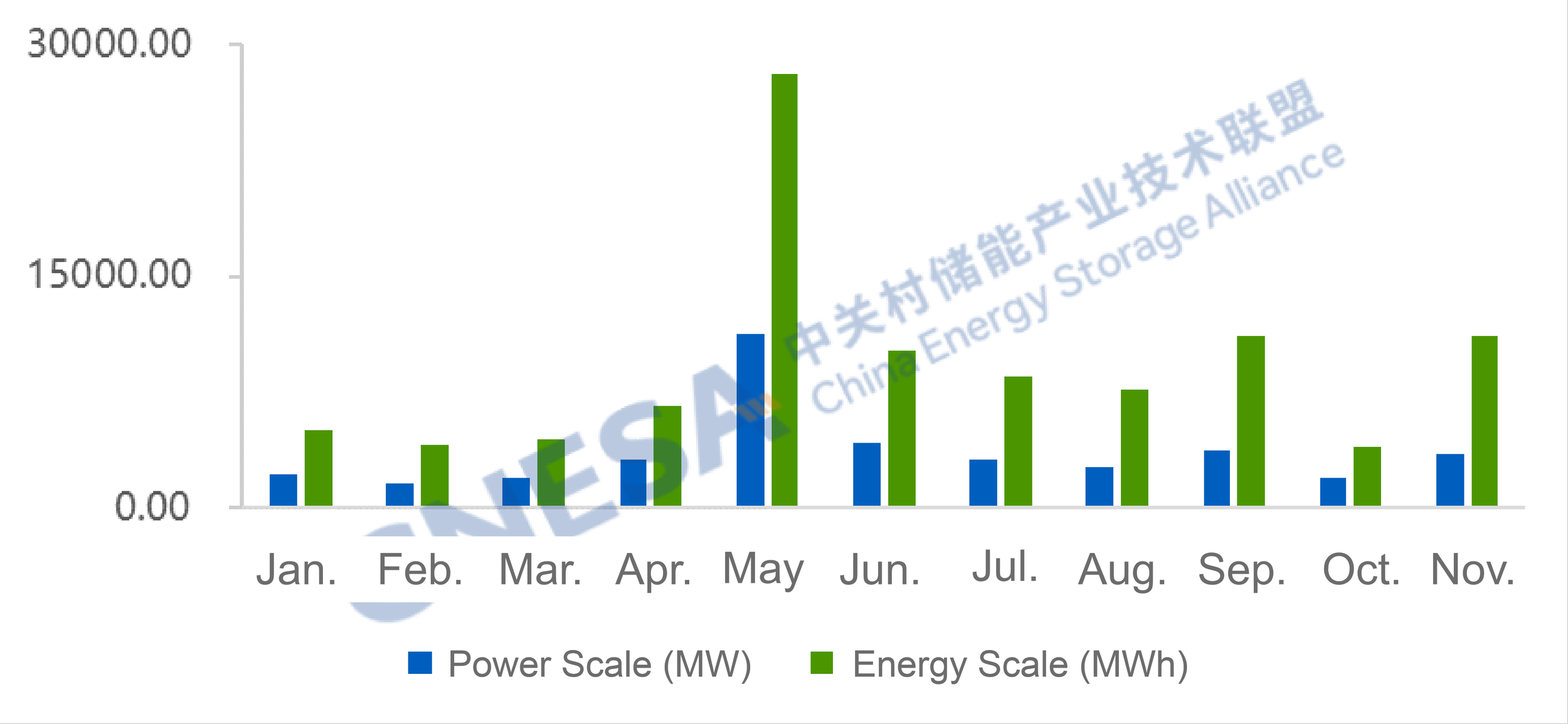
According to incomplete statistics from CNESA, in November 2025, newly commissioned new energy storage projects in China totaled 3.51 GW / 11.18 GWh, representing -22% / -7% year-on-year, and +81% / +180% month-on-month. While monthly additions continued to decline year-on-year, cumulative newly installed capacity in the first eleven months reached 39.5 GW, up 28% year-on-year. Considering the potential for concentrated grid connections ahead of the “12.30” commissioning deadline, total new installations for the year are expected to exceed last year's level.
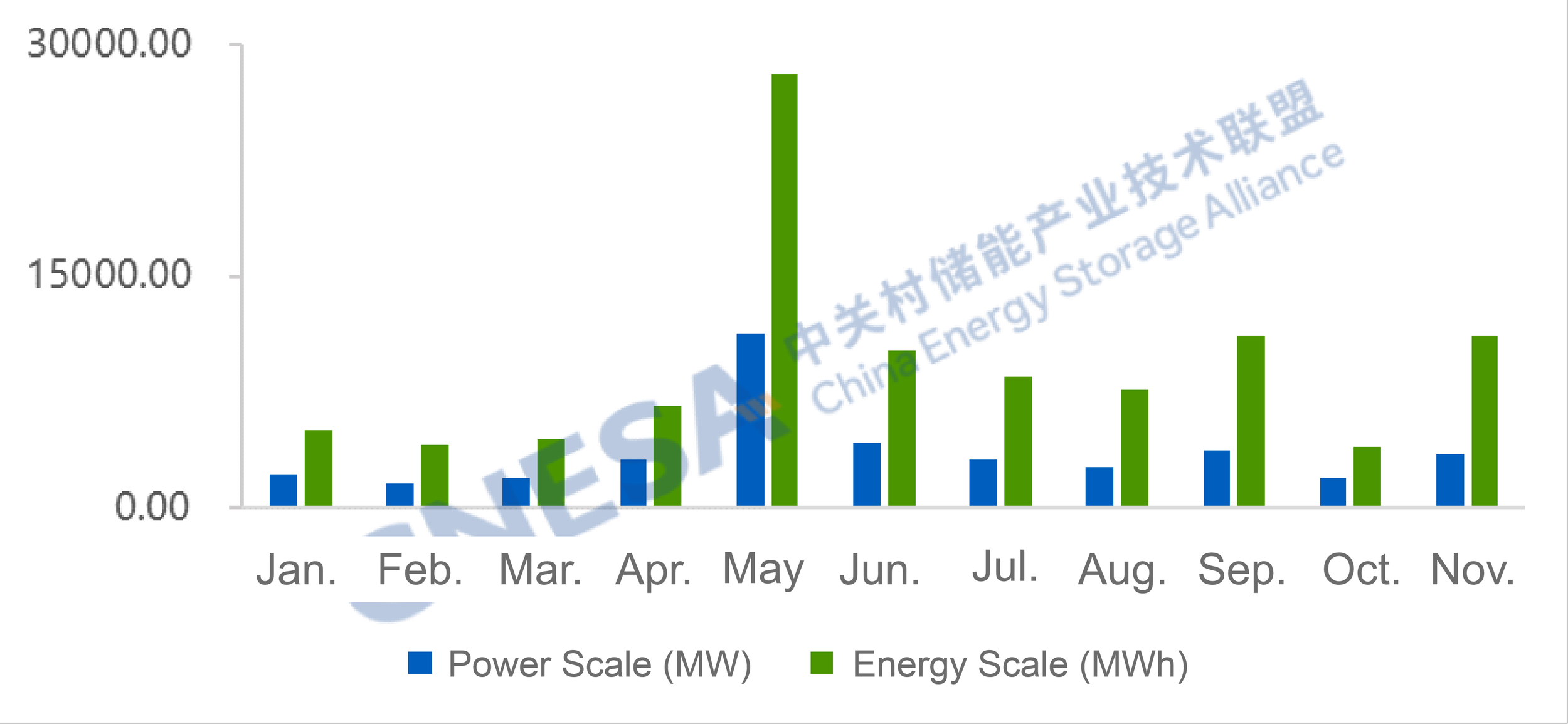
Figure 4: Installed Capacity of Newly Operating New Energy Storage Projects in China, January - November 2025
Data Source: CNESA DataLink Global Energy Storage Database
https://www.esresearch.com.cn/
Note: Year-on-year comparisons are based on the same period of the previous year; month-on-month comparisons are based on the immediately preceding statistical period.
The China Energy Storage Alliance (CNESA) has consistently adhered to standardized, timely, and comprehensive information collection practices to continuously track developments in energy storage projects. Leveraging its long-term data accumulation and in-depth professional analysis, CNESA regularly publishes objective market analyses on installed energy storage capacity, providing valuable references for industry decision-making. Since June 2025, the monthly energy storage project analysis has been divided into two sections: “Grid&Source-Side Market” and “User-Side Market”. This issue focuses on interpreting the user-side market in November.
CENSA Upcoming Events:
Apr. 1-3, 2026 | The 14th Energy Storage International Conference & Expo
Register Now to attend, free before Dec 31, 2025.

User-side Newly Commissioned Capacity Down 34% YoY, Henan Leads in New Additions — Analysis of User-side Energy Storage Projects in October
Source: CNESA
The China Energy Storage Alliance (CNESA) continues to adhere to standardized, timely, and comprehensive information collection criteria, tracking energy storage project developments on an ongoing basis. Leveraging its long-accumulated solid database and in-depth industry expertise, CNESA regularly publishes objective analytical reports on the energy storage installation market, providing valuable references for industry stakeholders. Given the distinct differences between grid-side and user-side energy storage markets, CNESA has, since June 2025, divided its monthly project analysis into two separate reports: grid-side market and user-side market. This edition focuses on the user-side market performance in October.
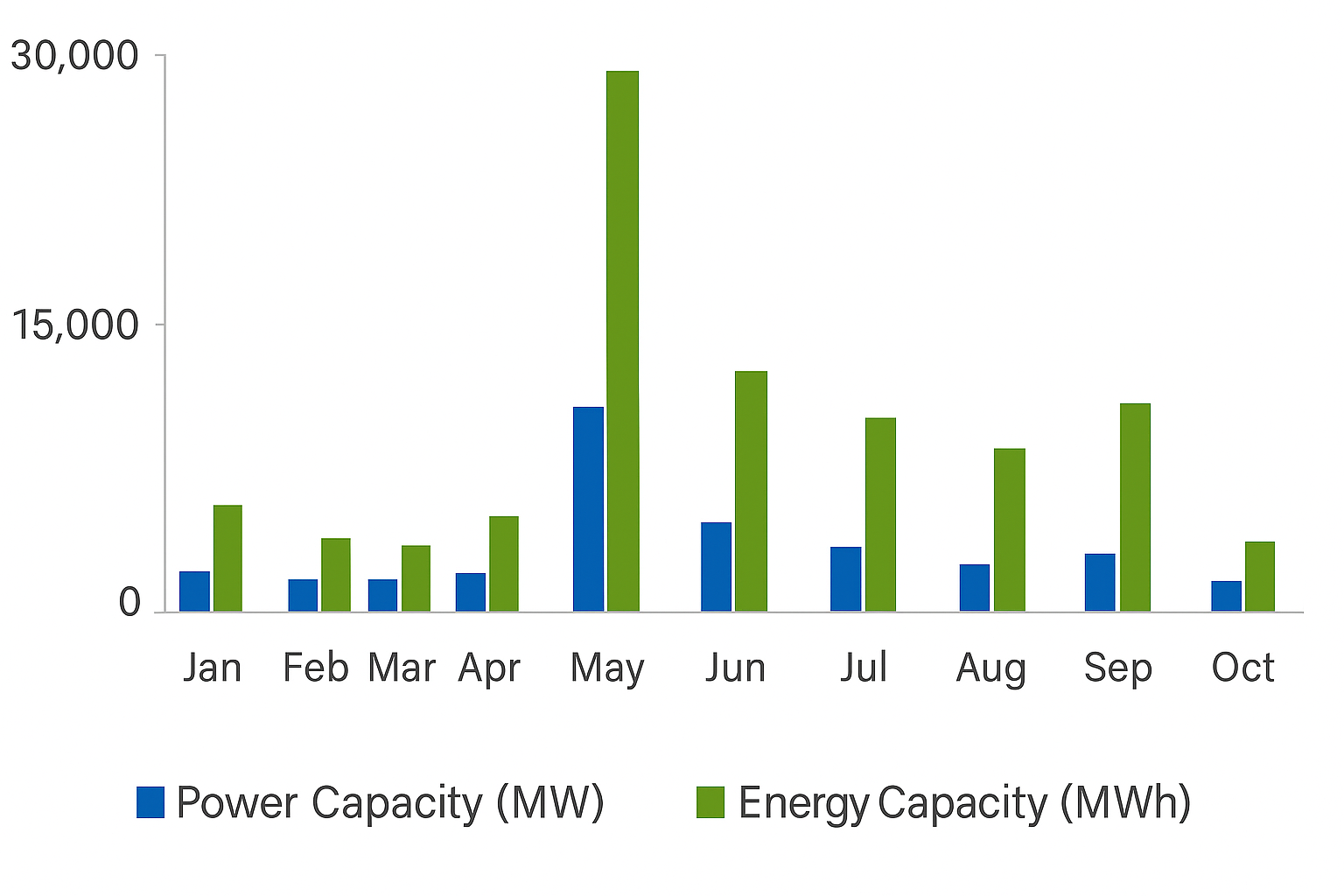
According to CNESA’s preliminary statistics, in October 2025, newly commissioned new-type energy storage capacity in China reached 1.70 GW / 3.52 GWh, representing a year-on-year decline of 35% and 49%, and a month-on-month decline of 51% and 66%, respectively.
Although new installations in the first month of Q4 decreased, cumulative new user-side installations from January to October have reached 35.8 GW, a year-on-year increase of 36%. Following a mini-peak of project commissioning in September, October saw a decline due mainly to project construction cycle constraints.
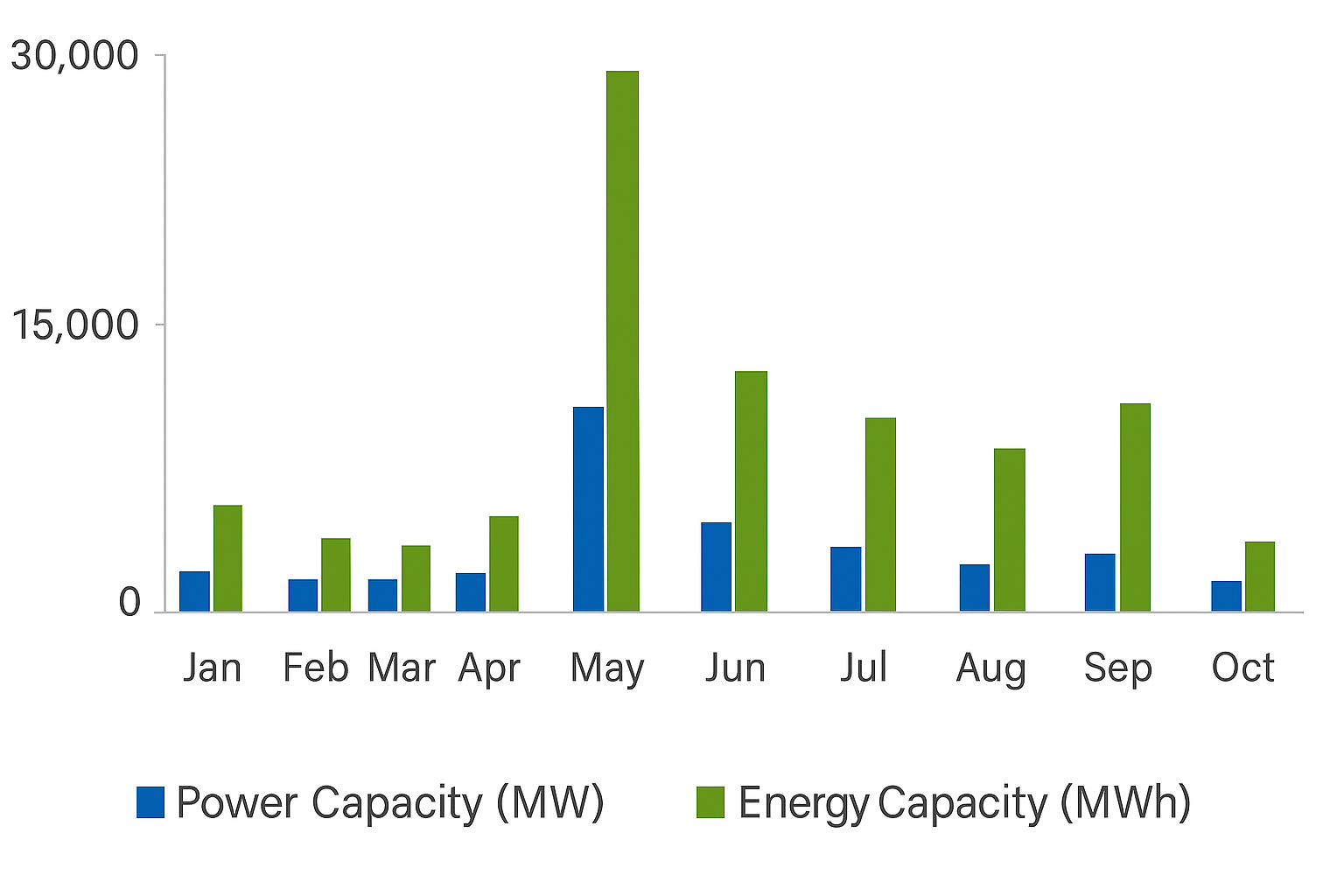
Figure 1: Installed Capacity of Newly Commissioned New-type Energy Storage Projects in China (January–October 2025)
Data Source: CNESA DataLink Global Energy Storage Database
Website: https://www.esresearch.com.cn/
Note: “Year-on-year (YoY)” compares with the same period last year; “month-on-month (MoM)” compares with the immediately preceding statistical period.
In October, user-side new installations reached 193.45 MW / 474.64 MWh, representing a year-on-year decline of 34% and 48%, and a month-on-month decline of 30% and 17%, respectively. User-side new-type energy storage installations in October demonstrated the following characteristics:
(1) C&I storage dominates; non-lithium technologies are accelerating their deployment.
In October, the user-side storage market was dominated by commercial and industrial (C&I) applications, accounting for over 90% of total new installations.
C&I scenarios added 178.00 MW / 445.19 MWh, down 39% and 51% year-on-year.
From a technology perspective, all newly commissioned projects adopted electrochemical energy storage technologies. LFP (lithium iron phosphate) batteries accounted for 99% of the newly installed power capacity. In terms of non-lithium technologies, a 2 MW / 8 MWh C&I all-vanadium flow battery project was completed and commissioned, alongside a hybrid LFP + vanadium flow battery demonstration project that also came online.
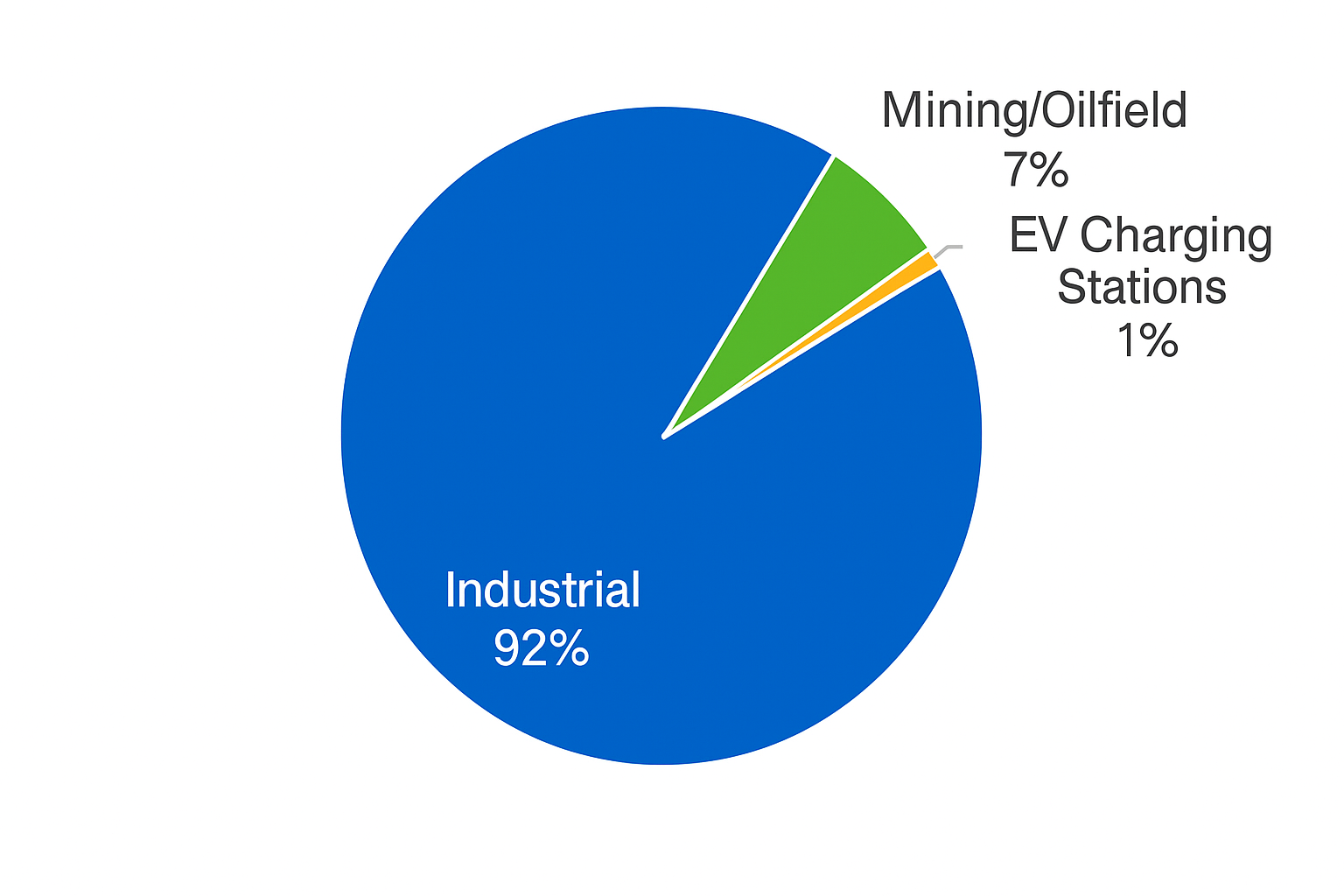
Figure 2 : Application Breakdown of Newly Commissioned User-side New-type Energy Storage Projects in October 2025 (MW%)
Data Source: CNESA DataLink Global Energy Storage Database
Website: https://www.esresearch.com.cn/
(2) Central China accounts for over 50% of new installations, with Henan leading in total capacity.
From a regional perspective, newly commissioned user-side projects in October were mainly distributed across 11 provinces, including Henan, Shandong, Guangdong, Jiangsu, and Jiangxi. Central China accounted for 50% of the newly added capacity, dominating the October installation market. East China recorded the largest number of newly commissioned projects, making up 38% of the national total. At the provincial level, Henan posted the largest new installed capacity, exceeding 40% of the national total, followed by Shandong. Guangdong ranked first nationwide in terms of the number of newly commissioned projects, contributing over 20%.
As a major industrial province, Henan has a strong presence of high-energy-consuming sectors such as steel, chemicals, and coal-fired power. The province also has a large electricity consumption base, with multiple energy-intensive industries—including steel and cement—facing increasing pressure related to renewable power consumption requirements. Driven by China’s push for green and low-carbon energy transition and industrial enterprises’ needs for carbon reduction, cost reduction, and supply security, user-side storage demand in Henan has expanded rapidly. At the same time, as a major agricultural province, Henan is tapping emerging application scenarios—especially in rural areas—under strong government support. The “green power + energy storage” model is accelerating demand growth in these new sectors, becoming an important new driver for user-side storage development in the province.
Moreover, Henan is one of the earliest provinces in China to advance integrated generation–grid–load–storage projects (source–grid–load–storage integration). As of October 2025, the province had released 14 batches of such projects, with over 650 projects included in the implementation scope. These projects span more than 10 application scenarios, including industrial facilities, rural areas, and data centers, providing broad opportunities for user-side C&I energy storage deployment.
In terms of energy storage revenue performance, following the adjustment of Henan’s C&I time-of-use electricity tariffs in 2024, the number of daily charge–discharge cycles decreased; however, the peak–valley price spread widened, and the duration of peak periods increased significantly—conditions that favor long-duration energy storage. Additionally, with strong demand for emergency support and peak shaving across various scenarios in Henan, C&I users aggregated through virtual power plants (VPPs) can participate in grid peak regulation and receive corresponding compensation.
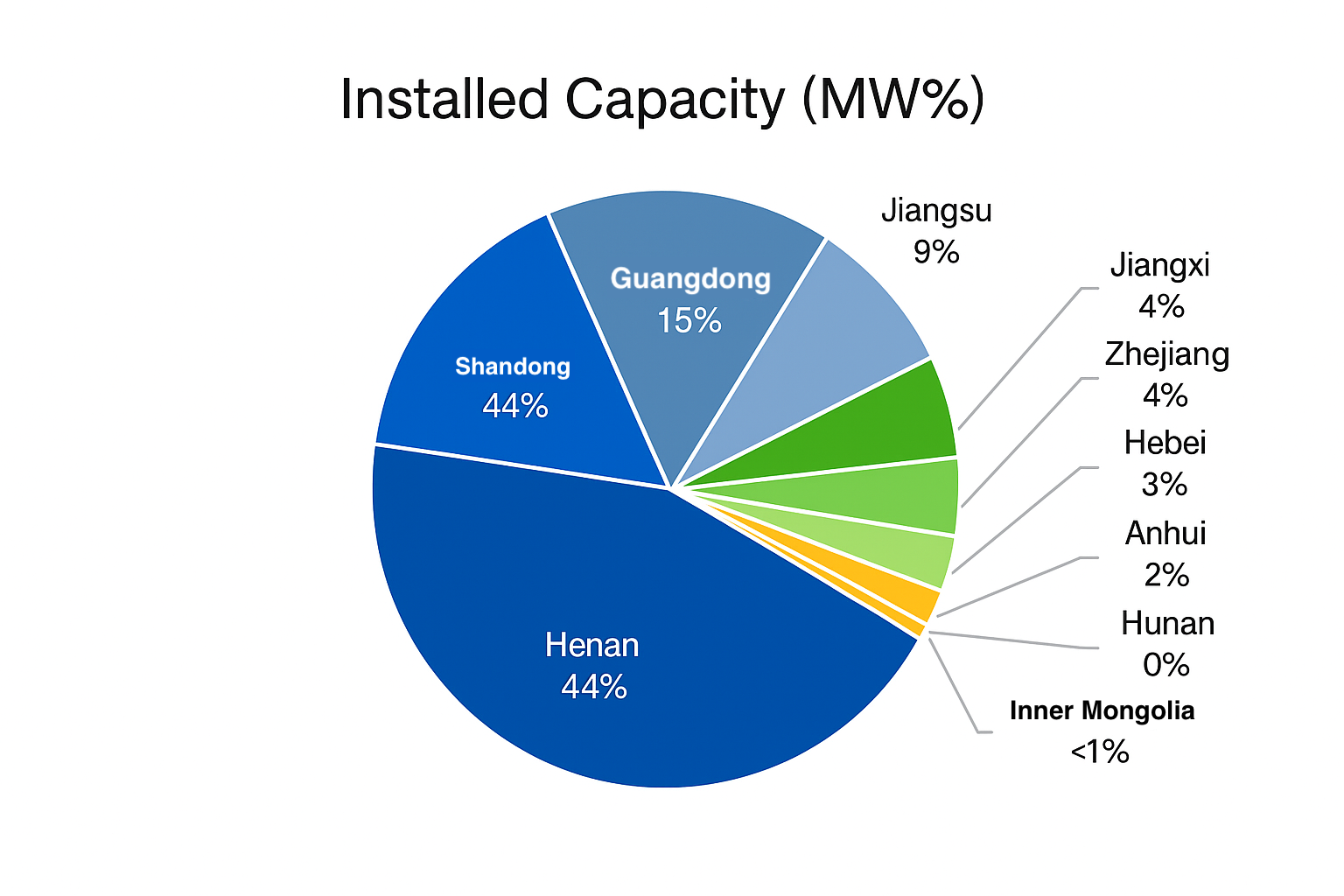

Figure 3&4: Provincial Distribution of Newly Commissioned User-side New-type Energy Storage Projects in China, October 2025
Data Source: CNESA DataLink Global Energy Storage Database
Website: https://www.esresearch.com.cn/
Based on project filings, national user-side market demand in October showed growth compared with the same period last year. Nationwide, both the scale and number of newly filed user-side projects in October exceeded last year’s levels, rising 91% and 4% year-on-year respectively. In traditional core markets, the number of newly filed projects in Zhejiang, Guangdong, and Jiangsu all fell compared with the same period last year. Together, the three provinces recorded 430 new filings, a 41% year-on-year decline, while total energy capacity increased by 37% year-on-year. In October, Guangdong had the highest number of newly filed projects nationwide, but still registered an 8% year-on-year decrease. Jiangsu recorded a 36% decline, while Zhejiang saw the steepest drop, down 64% year-on-year. From the perspective of project scale, Zhejiang’s newly filed energy capacity decreased 26% year-on-year, and Guangdong saw a 52% decline. Jiangsu, however, continued to lead the country in the scale of newly filed projects, with a 60% increase in energy capacity, reflecting a clear trend toward larger average project sizes. In October, Jiangsu’s market scale continued to expand, mainly driven by the rigid demand of C&I enterprises for energy storage to secure power supply and reduce operating costs. Nationwide, Anhui, Henan, and Sichuan collectively recorded 300 new filings, accounting for one-third of all newly filed user-side projects in October. These three provinces demonstrated strong market demand and significant growth potential for user-side energy storage, positioning them as emerging markets likely to drive national user-side storage expansion in the coming years.
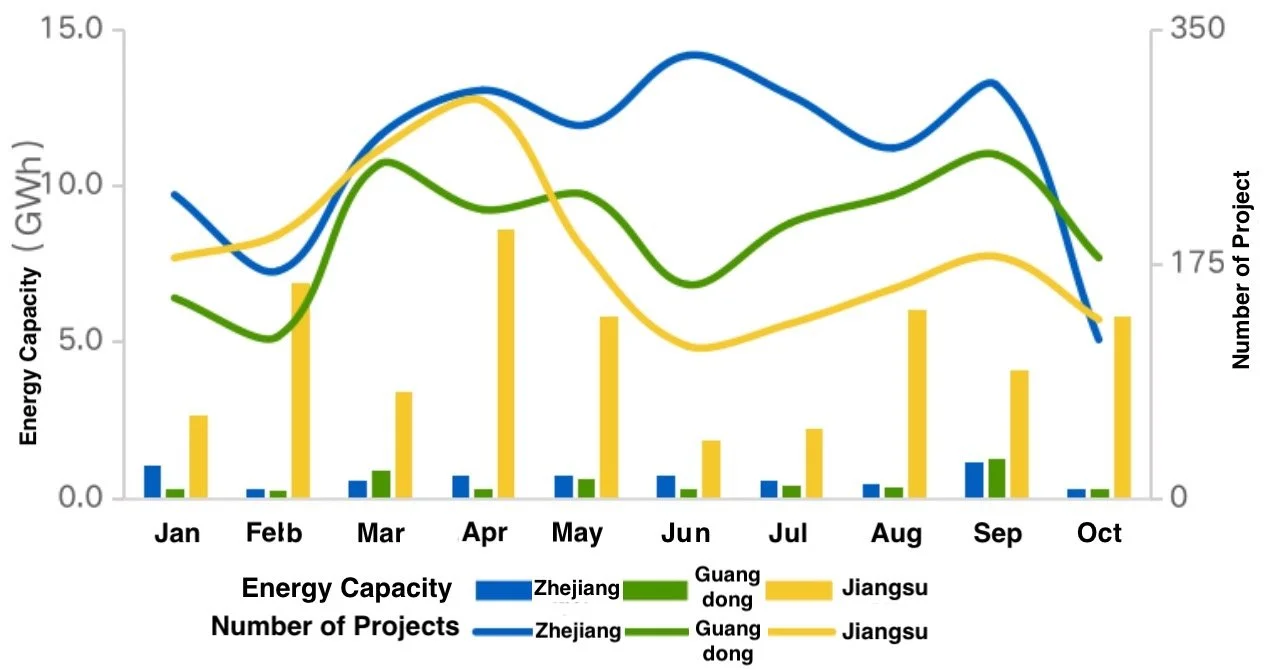
Figure 4 : Monthly Trend of Newly Filed Energy Storage Projects in Zhejiang, Guangdong, and Jiangsu (January–October 2025)
Data Source: CNESA DataLink Global Energy Storage Database
Website: https://www.esresearch.com.cn/
Based on the maximum peak–valley electricity price spread, 15 provinces and municipalities recorded spreads above 0.70 RMB/kWh, and 7 regions exceeded 1.0 RMB/kWh. Guangdong had the largest peak–valley price spread nationwide. In parts of the Greater Bay Area—including the five core cities of the Pearl River Delta, as well as Jiangmen and Huizhou—the maximum spread remained above 1.0 RMB/kWh, mainly due to the continued implementation of critical-peak pricing in the province. In October, many regions discontinued the critical-peak and deep-valley tariff mechanisms that were implemented during the summer peak period. Only five regions—Guangdong, Shandong, North Hebei (Jibei), South Hebei, and Hubei—continued to apply critical-peak pricing, while Shandong, Zhejiang, and Jiangxi maintained deep-valley tariffs. Considering both the maximum peak–valley price spread and the high achievable charge–discharge cycling frequency of user-side storage systems (which can exceed 600 cycles per year), the arbitrage potential in Guangdong remains substantial. Therefore, Guangdong is likely to remain one of the most important and active markets for user-side energy storage in the foreseeable future.
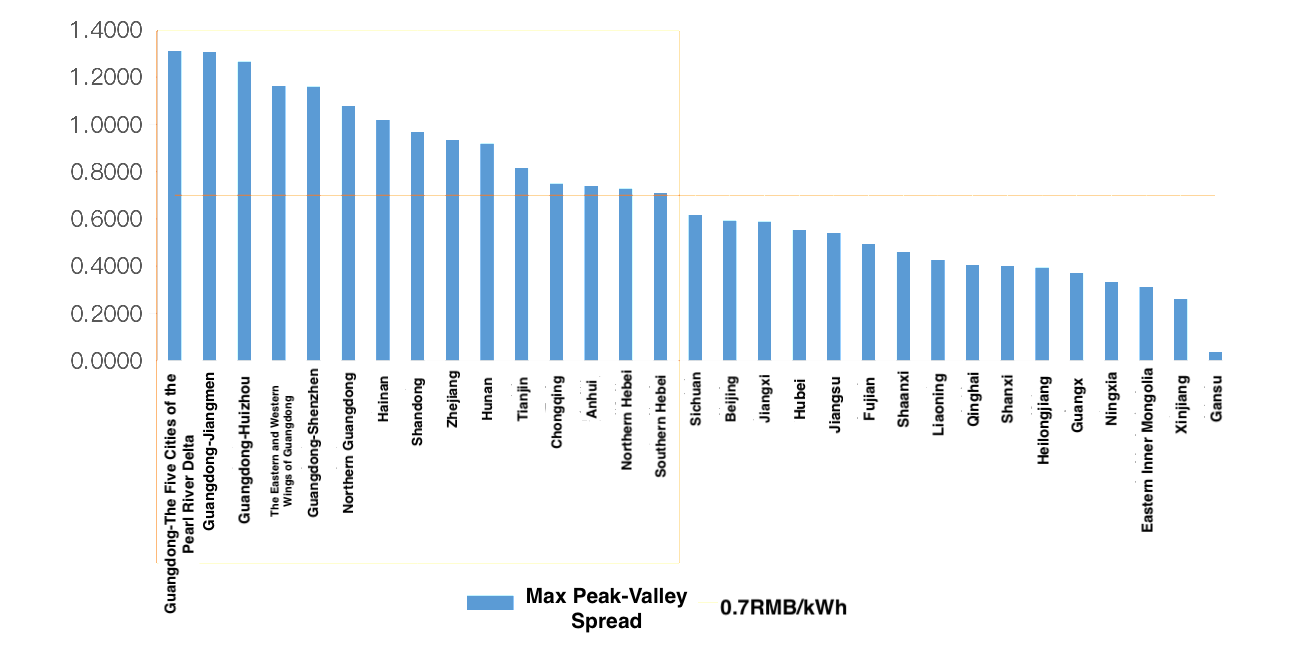
Figure 5: Distribution of Peak–Valley Electricity Price Spreads for Utility Power Purchases Across Regions, October 2025
Data Source: Provincial Grid Companies; compiled and analyzed by CNESA
CENSA Upcoming Events:
1.Dec.4-5 | 2025 China Energy Storage CEO Summit | Xiamen, Fujian
Register Now to attend
Read more: http://en.cnesa.org/new-events-1/2025/12/4/dec4-5-2025-china-energy-storage-ceo-summit

2.Apr. 1-3, 2026 | The 14th Energy Storage International Conference & Expo
Register Now to attend, free before Oct 31, 2025.

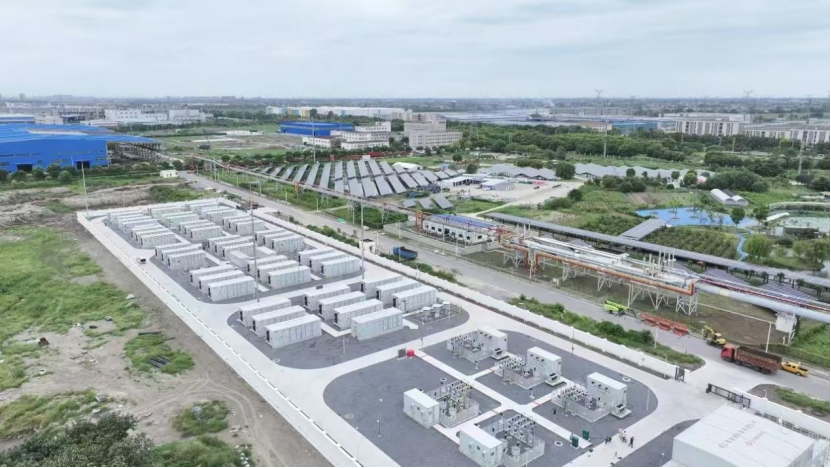
CRRC Zhuzhou Institute Helps the Nationwide Largest User-Side Grid-Forming Energy Storage Connect to the Grid!
Source: CRRC Zhuzhou Institute
Recently, the “Wind-PV-Storage” Green Low-Carbon Energy Supply Project of Jingjiang Special Steel Co., Ltd., a National Low-Carbon Metallurgy Technology Research Pilot Project invested by Xinli Era under the CITIC Pacific Energy Co., Ltd., was successfully connected to the grid.
As the general contractor for the 120 MW / 240 MWh grid-forming high-voltage direct-connected energy storage system, CRRC Zhuzhou Institute Co., Ltd. applied high-speed rail-grade grid-forming converter technology and system integration expertise to successfully help Jingjiang Special Steel Co., Ltd. create China’s first near-zero-carbon steelmaking demonstration plant, providing an effective model for intelligent, green, and low-carbon transformation in the steel industry.
The project’s completion marks the beginning of a strong partnership between CITIC Pacific Energy and CRRC Zhuzhou Institute in the industrial and commercial energy storage sector.
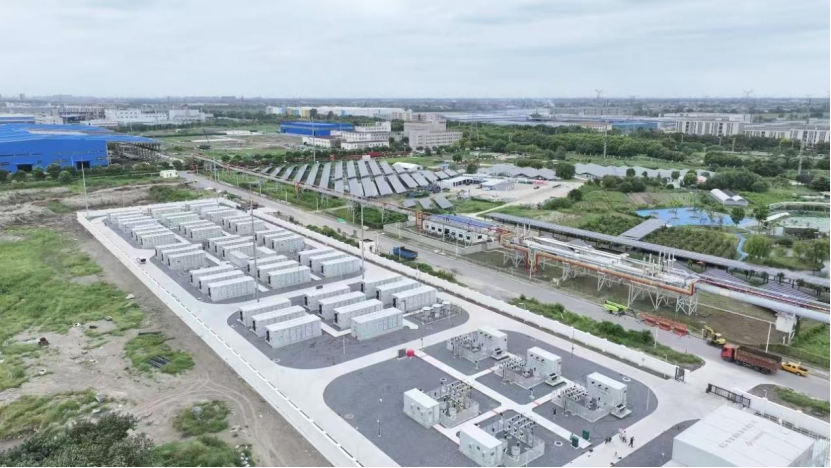
To meet the project’s fast grid connection requirements, CRRC Zhuzhou, after confirming the technical specifications, completed the full delivery of the 120 MW / 240 MWh grid-forming high-voltage direct-connected energy storage system within 45 days. Working with China Energy Engineering Group Jiangsu Power Design Institute Co., Ltd., they integrated a 36 MW distributed PV system and a 16.8 MW onshore wind power system to provide a comprehensive energy supply. Through the system’s grid-forming energy storage stability and fast-response capability, the project overcame challenges from high-impact steelmaking loads and the strong intermittency of renewable energy, optimizing energy matching in time and space, improving energy coordination efficiency, reducing carbon emissions, and achieving both high-efficiency stable production and green low-carbon goals.
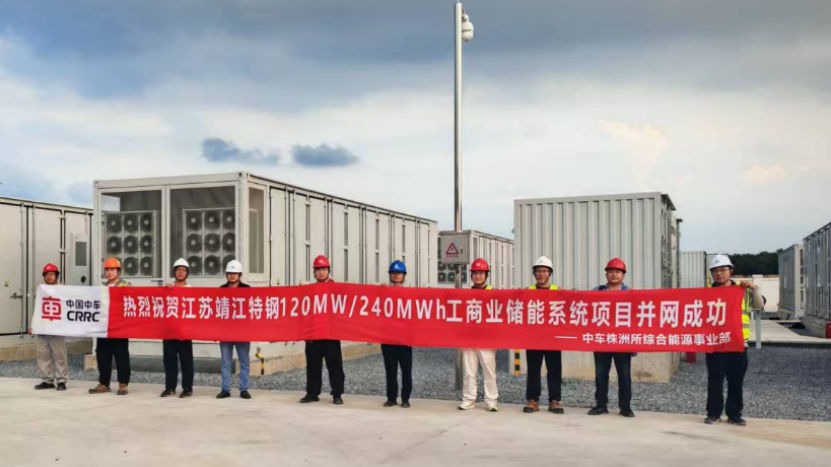
01 Establish a zero-carbon industrial park
Building a resilient microgrid to ensure stable renewable energy supply
Upon completion, it will become China’s first grid-forming wind-PV-storage integrated microgrid demonstration project in the steel industry, expected to provide 75 million kWh of green electricity annually, reducing carbon emissions by 62,400 tons. By coordinating wind, solar, and storage with electric furnace loads, the project offers a full-process energy solution, helping Jingjiang Special Steel build a new green and low-carbon brand.
Focusing on continuous short-process electric furnace production, the project deploys grid-forming energy storage at the park level with three main objectives: stabilize power quality, increase the share of green electricity, and ensure continuous production. The park’s grid is structured to be autonomous, grid-connected, and switchable, transforming green electricity from “uncertain supply” to “stable, controllable, and high-quality supply”.
02 Technical Highlights
Power quality and renewable energy utilization have become key
challenges for zero-carbon industrial parks
teelmaking, as a typical high-load and high-impact process, demands high grid stability and reliability. Addressing the intermittency and fluctuations of renewable energy is key to achieving high-proportion green power supply. The mismatch between PV, wind power, and load limits renewable utilization, while the energy storage’s power and energy regulation capabilities effectively solve this problem. Grid-forming energy storage becomes an indispensable part of high-quality, high-utilization renewable microgrids.
High-voltage direct-connection architecture: breaking the “shackles” of efficiency and cost
The high-voltage direct-connected architecture developed independently by CRRC Zhuzhou uses H-bridge module cascades to synthesize 35 kV on the AC side, eliminating transformers, shortening energy paths, reducing system current and line losses, and enabling system cycle efficiency to exceed 92%, which is 6% higher than conventional low-voltage storage. This also reduces civil and equipment investment, adding about RMB 48 million in revenue over the 240 MWh storage system lifecycle.
Grid-forming energy storage: microgrid stabilizer
Grid-forming energy storage actively generates stable voltage and frequency, effectively combining “stabilizer + independent power supply”. The system provides 3×10-second grid-forming capability, and under high-impact steelmaking load conditions, its direct connection to the grid allows rapid response within 20 ms, providing instantaneous power support and bus voltage stability, ensuring power quality and production continuity.
Performance leap: millisecond-level grid connection/disconnection and 10-second black start
High-voltage cascaded direct-connected grid: shorter electrical distances and greater overload capacity. The system’s single-unit capacity reaches up to 45 MW. In the event of an external grid outage, it can achieve millisecond-level smooth grid connection / disconnection within 100 ms, forming an independent and stable high-voltage microgrid. It also features a 10-second rapid black start, requiring no external grid support, allowing the system to autonomously establish a stable high-voltage microgrid and restore power within seconds, ensuring uninterrupted, loss-free operation of high-load steel production lines.
Integrated source-grid-load-storage platform, unlocking 100% potential of grid-forming energy storage
The integrated source-grid-load-storage platform provides a framework that is observable, measurable, adjustable, and controllable, optimizing charging and discharging strategies based on weather and output forecasts. Local green electricity utilization is increased from below 70% to over 95%, with annual additional green power benefits exceeding RMB 10 million. In abnormal conditions, the platform triggers safety mode for rapid grid-forming switching. Full-state awareness and strategic dispatch of the storage system reduce manual intervention by over 90%, simplifying operations and maintenance.
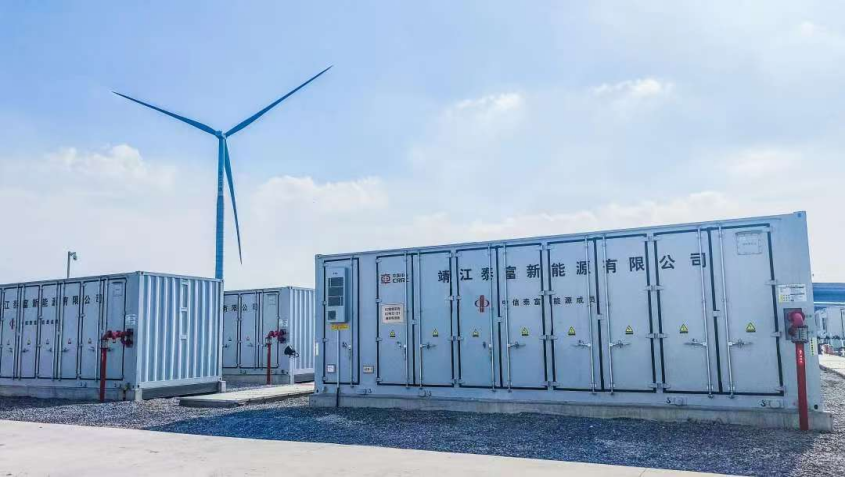
03 Multiple Benefits and Industry Breakthroughs
Grid-forming energy storage releases multiple values including capacity,
regulation, and power quality
The revenue structure is clear: it can increase green power utilization by 168 million kWh annually, reduce downtime and equipment wear, and generate additional benefits through green power trading and certificates, turning electricity from a cost center into an asset operation.
The next step is to integrate the park into virtual power plants for power market participation, releasing value in capacity, regulation, and power quality in a new-type power system that emphasizes system stability.
The Jingjiang Special Steel model: grid-forming energy storage empowers high-energy-consumption parks for zero-carbon transformation
In the near future, the Jingjiang Special Steel experience will be replicated across more industrial parks to strengthen capabilities in “park autonomy + multi-energy coordination + carbon accounting”. High-energy-consumption parks will be efficiently and reliably served through the “three-piece delivery suite” of standardized hardware combinations, scenario-based control strategies, and park-level dispatch interfaces. With more advanced energy storage system architectures and technologies, power quality and system resilience will be developed into tradable resources. Grid-forming energy storage helps microgrids reduce dependence on the main grid and, through the source–grid–load–storage–carbon coordination, enables dynamic capacity expansion, local autonomy, and high renewable energy utilization, becoming key infrastructure for industrial zero-carbon transformation and power grid modernization.
Pioneer of Grid-Forming Energy Storage: CRRC Zhuzhou Institute’s Experience and Vision
CRRC Zhuzhou Institute has successfully leveraged its extensive expertise in high-voltage converter design, multi-level converter topology development, and over 20 years of engineering experience with high-voltage conversion equipment in the rail transit sector to the energy storage field. This led to the launch of the grid-forming high-voltage direct-connected energy storage system, achieving seamless technological integration from the “heart of rail transit” to the “backbone of energy storage”.
As of September 2025, CRRC Zhuzhou’s grid-forming energy storage systems have reached a cumulative grid-connected capacity of 3 GWh and a contracted capacity of 5 GWh. Landmark projects such as the world’s first high-altitude grid-forming storage station in Ali, Tibet, and China’s first user-side high-voltage cascaded grid-forming storage station in Jingjiang, Jiangsu, have successfully demonstrated the company’s ability to provide highly reliable grid-forming energy storage solutions in extreme environments and complex industrial scenarios.
Looking ahead, CRRC Zhuzhou Institute will continue to advance innovation and application of grid-forming energy storage technologies, contributing more key technologies to drive the energy transition and industrial zero-carbon development.
CENSA Upcoming Events:
1. Dec.4-5 | 2025 China Energy Storage CEO Summit | Xiamen, Fujian
Register Now to attend
Read more: http://en.cnesa.org/new-events-1/2025/12/4/dec4-5-2025-china-energy-storage-ceo-summit

2. Apr. 1-3, 2026 | The 14th Energy Storage International Conference & Expo
Register Now to attend, free before Oct 31, 2025.

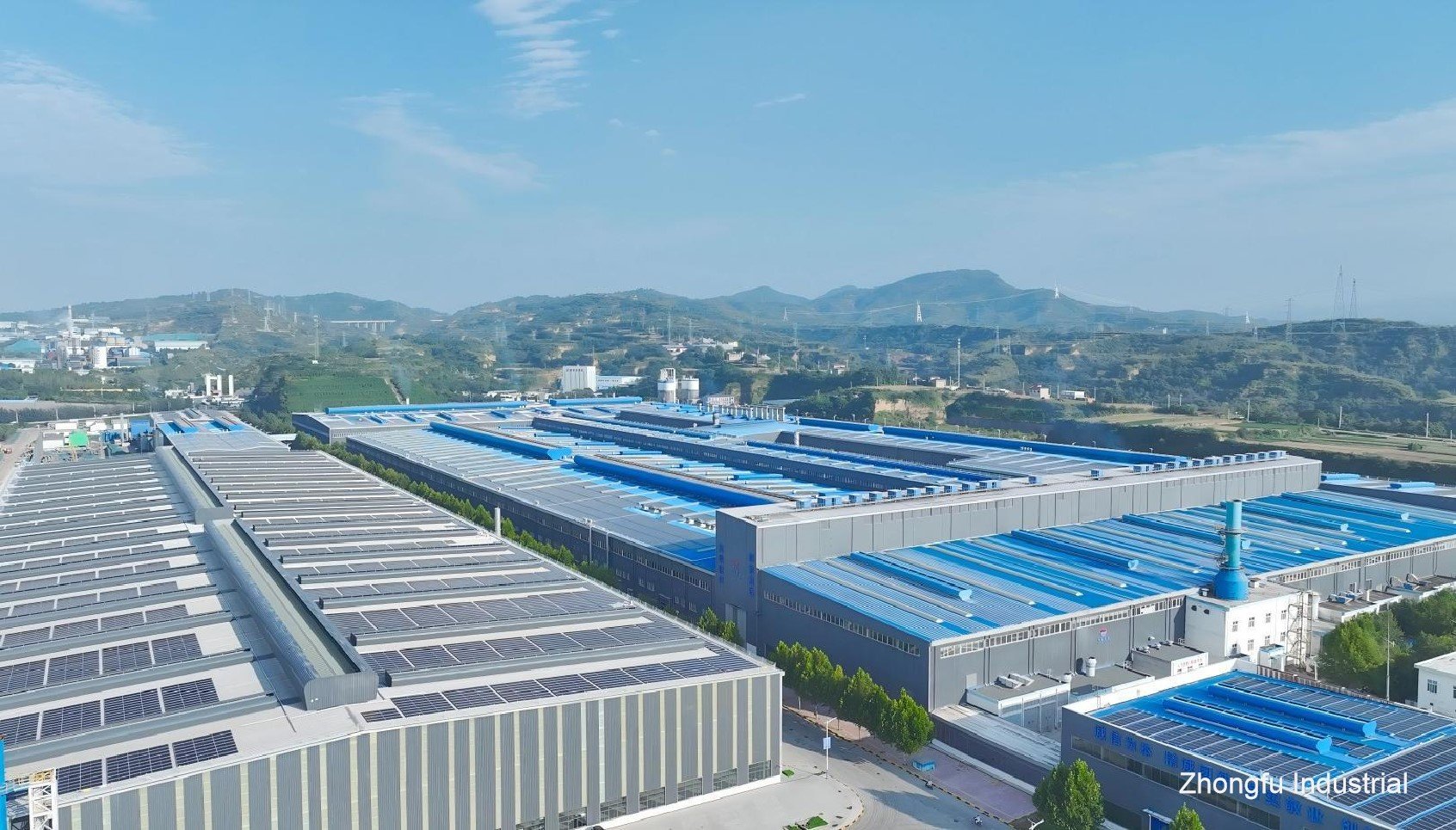
107.12 MW / 428.48 MWh! China’s Largest User-Side Energy Storage Project Expected to Be Completed by Late November
Source: Guangyuan Economic and Technological Development Zone
Recently, construction of China’s largest user-side energy storage project - the 107.12 MW / 428.48 MWh Guangyuan Zhongfu & Guangyuan Linfeng User-Side Lithium Battery Energy Storage Project in Sichuan Province - has entered its final phase. Since construction began on July 30, 2025, all work has proceeded steadily according to plan, with full efforts now focused on achieving the completion target of November 30.
The project is jointly developed by Great Power, a leading company in the energy storage industry, and Henan Zhongfu High Precision Aluminum Co., Ltd (Zhongfu Aluminum), a top enterprise in the aluminum sector. Located only 210 meters from Zhongfu Aluminum’s plant, the project directly connects to the 10 kV power distribution system, significantly reducing transmission losses and improving energy efficiency. It is linked via cables to two 220 kV substations in the industrial park and operates on a “charging during off-peak, discharging during peak” model, with a maximum charge/discharge power of 107 MW and a total capacity of 428.48 MWh, allowing for 4 hours of full charge and discharge per cycle.
Once operational, the project will not only reduce electricity costs and enhance power reliability for Zhongfu Aluminum, but also help the power grid with peak shaving and load balancing. According to plans, Phase II of the project construction will expand the system to 400 MW / 1,000 MWh, along with the construction of a new 220 kV substation, wind and solar power facilities, and EV charging stations. Ultimately, the project aims to establish an integrated “generation - grid - load - storage - charging” regional microgrid in Guangyuan, Sichuan province, providing a practical model for China’s power market reform and carbon neutrality goals, while injecting green momentum into the city’s economic and social development.
CENSA Upcoming Events:
1. Dec.4-5 | 2025 China Energy Storage CEO Summit | Xiamen, Fujian
Register Now to attend
Read more: http://en.cnesa.org/new-events-1/2025/12/4/dec4-5-2025-china-energy-storage-ceo-summit

2. Apr. 1-3, 2026 | The 14th Energy Storage International Conference & Expo
Register Now to attend, free before Oct 31, 2025.

Sign up for our free monthly newsletter to stay informed about the Chinese energy storage market.