Events

2025 China Energy Storage CEO Summit & Preliminary Round of the 10th International Energy Storage Innovation Competition Successfully Held in Xiamen

Source: CNESA


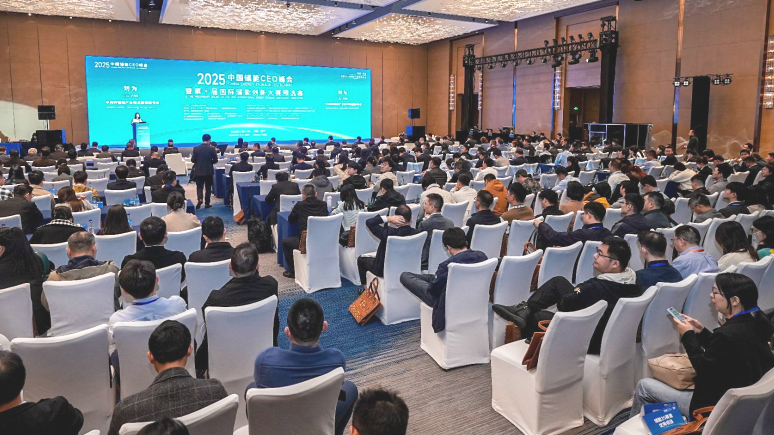
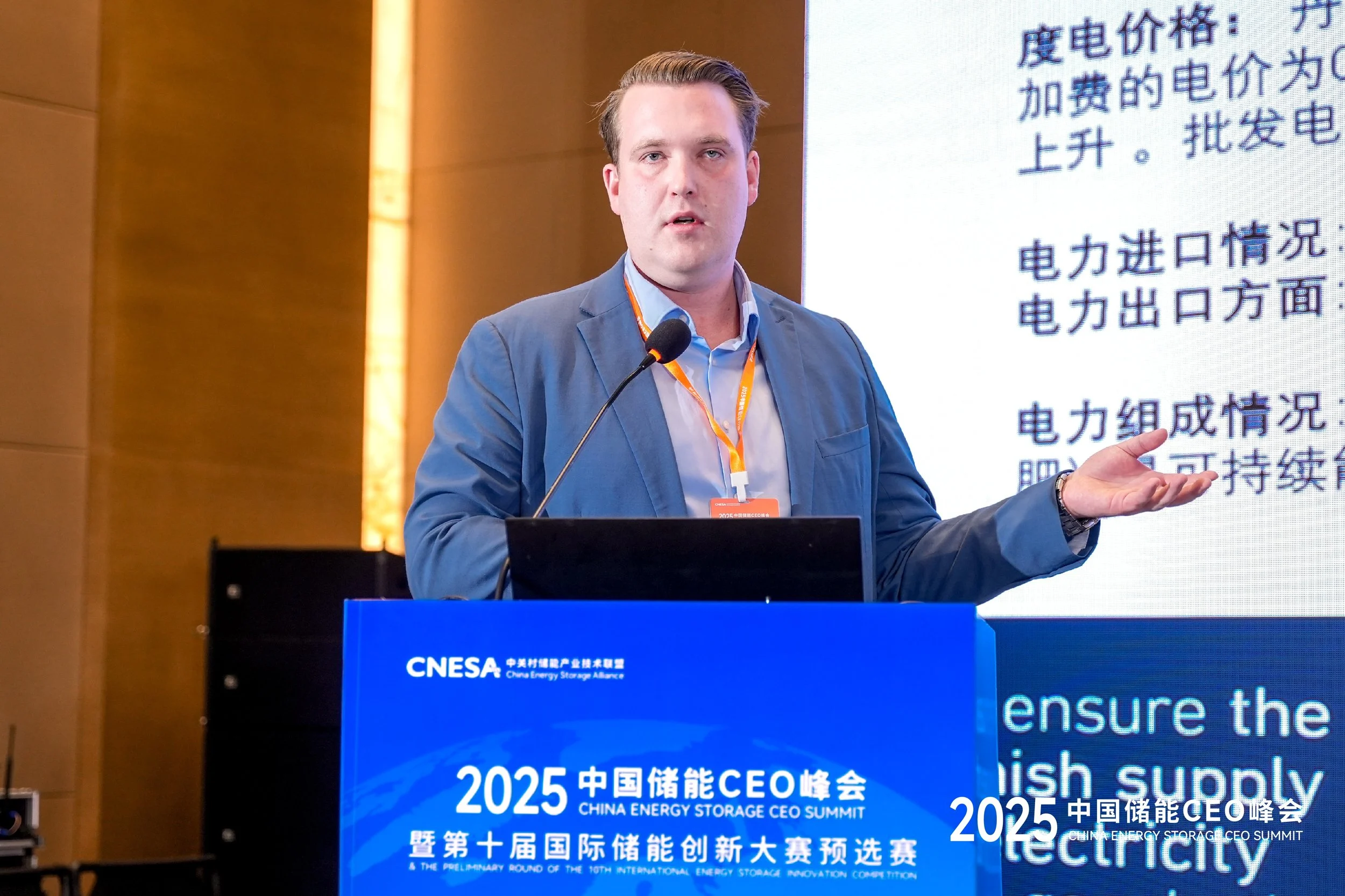
On December 4, 2025, the 2025 China Energy Storage CEO Summit & Preliminary Round of the 10th International Energy Storage Innovation Competition, hosted by the China Energy Storage Alliance (CNESA) and co-organized by Xiamen University, Kehua Digital Energy, and Cornex New Energy, was successfully held in Xiamen, China.

As CNESA's final flagship event of the year, the Summit took Southeast China - an important strategic gateway to global markets - as its anchor and adopted the theme “Breaking Waves · Coexistence - Co-Creating a New Globalized Ecosystem for Energy Storage 2026.” The event gathered government officials, academicians, industry leaders, and corporate executives to review China's industry landscape in 2025, explore the development path toward 2026 and the longer-term 15th Five-Year Plan period, and jointly seek new pathways for the high-quality and global advancement of energy storage.

The opening ceremony was hosted by Liu Wei, Secretary-General of CNESA.

Distinguished speakers and guests included:

Prof. Zheng Nanfeng of Xiamen University; leaders from Xiamen Municipal Bureau of Commerce, Xiamen Municipal Bureau of Science and Technology, and Xiamen Municipal Development and Reform Commission; Chen Haisheng, Chairman of CNESA and Director of the Institute of Engineering Thermophysics, Chinese Academy of Sciences; Chen Chenghui, Chairman of Kehua Data; Huang Feng, President of Cornex New Energy; Wang Shunchao, Deputy Director of the International Consulting & Design Institute of the China Electric Power Planning and Engineering Institute; Zheng Yaodong, Honorary Chairman of the Energy Storage Team of China Southern Power Grid; Wen Zhaoyin, Researcher of the Shanghai Institute of Ceramics, Chinese Academy of Sciences; Prof. Yang Yong of Xiamen University; Huang Junhui, former Deputy Director of the Jiangsu Institute of Economic Research, State Grid, and senior technical expert, among others.

Also present were CNESA Vice Chairs and representatives: Yu Zhenhua, Executive Vice Chairman of CNESA; Yang Bao, President of Trina Storage; Gao Xinhua, Chief Engineer of China Southern Power Grid Technology; Yang Rui, Chairman of Shuangdeng Group; Cui Jian, President of Kehua Digital Energy; Tian Qingjun, Senior VP of Envision Energy & President of Envision Storage; Lian Zanwei, Chairman of XYZ Storage; Liu Mingyi, Director of Energy Storage Technology, Huaneng Clean Energy Research Institute; Yu Jianhua, VP of Narada; Lv Lin, GM of TBEA Xi'an, and many other industry leaders.

The Summit also received strong support from co-organizer Fujian New Energy Technology Industry Promotion Association and supporting partners including Envision Energy, Trina Storage, Shuangdeng, HyperStrong, Ampace, Phoenix Contact, Potisegde, and KE Electric, jointly presenting a high-level industry event.

This year's Summit featured an impressive international lineup, gathering energy asset owners and project developers from key global regions including Denmark, Austria, Bulgaria, India, Saudi Arabia, Singapore, Australia, Malaysia, and France. Special invited foreign guests included Li Yilin, Deputy Director of Enterprise Singapore (South China), and Victor Goutte, Deputy Head of the Renewable Energy Sector, Embassy of the French Republic in China.

This strong participation across the entire value chain created an efficient and pragmatic bridge connecting Chinese and international enterprises.

High-Level Speeches

Driving High-Quality Development and Co-Shaping a New

Global Energy Storage Ecosystem

Zheng Nanfeng - Professor, Xiamen University

Prof. Zheng Nanfeng, Dean of the School of Energy, Xiamen University, and Director of the Jiageng Innovation Laboratory, emphasized China's remarkable progress in renewable energy, with total installed capacity exceeding 1,700 GW. Despite challenges such as higher curtailment rates in western regions, the new 2035 targets indicate vast application opportunities for energy storage.

He stressed that Xiamen University, as a “Double First-Class” institution, is committed to breaking barriers between scientific research and industrial innovation, exploring new models for integrating education, research, and industry. The university will continue working with all sectors to focus on technological breakthroughs, talent development, and solutions for scaling up and commercializing energy storage, strengthening the foundation for global energy transition.

Chen Haisheng - Chairman, CNESA

Chairman Chen Haisheng noted that China's energy storage industry is undergoing a profound shift from rapid expansion to high-quality development. This is reflected in China's global leadership in installed capacity, significant improvement in application performance, diversified technological pathways, and a shift in market mechanisms from mandatory allocation to market-driven deployment.

He highlighted globalization as a key agenda, with Chinese companies accelerating their overseas strategy based on strong technological and supply chain advantages. CNESA will continue building platforms to support global deployment, promote technological ecosystem restructuring, and strengthen China's high-quality “going global” process.

Chen Chenghui - Chairman, Kehua Data

Chairman Chen Chenghui emphasized that energy storage is the “accelerator” of the new power system and a key enabler of the global low-carbon transition, with China increasingly providing “Chinese approach” to the world.

He introduced Kehua's innovation-driven approach, focusing on grid-forming energy storage and full-scenario solutions, and noted the company's collaboration with central SOEs on world-first projects. Internationally, Kehua follows a strong localization strategy, with business presence in over 100 countries. He called for building resilient global supply chains and advancing open collaboration to accelerate global energy transformation.


Keynote Reports

Deepening Industry-Research Integration and Jointly Planing

Global Deployment

Zheng Nanfeng - Professor, Xiamen University

In his keynote “From Free Exploration to Dual Empowerment: Integrating Basic Research with Industrial Innovation,” Prof. Zheng outlined the two-way empowerment mechanism of “research serving industry” and “industry boosting research”: Relying on the Jiageng Innovation Laboratory, actively explore a new system of "combination of allocation and investment" and "fiscal funds + market-oriented operation", and achieve the deep integration of technology and industry by breaking the single academic evaluation orientation.

The Jiageng Lab focuses on low-carbon energy, high-efficiency storage, and next-generation displays, establishing public validation platforms to accelerate commercialization. He advocated integrated development of university campuses, science parks, and industrial parks to transform the high-failure-rate path of innovation into a new norm of high-quality industrial growth.

Wang Shunchao - Deputy Director, International Energy Consulting Institute, EPPEI

Dr. Wang Shunchao delivered a keynote titled “Green Power Planning for Overseas Markets.”

He emphasized the rapid growth of clean energy demand along the Belt and Road, contrasted with weaker power system foundations, making power system planning increasingly critical. He introduced EPPEI's modeling and simulation experience as well as insights from international power system planning projects.

Tian Qingjun - Senior VP, Envision Energy

Tian Qingjun highlighted that Chinese energy storage companies are “born global,” and internationalization has become an imperative.

He stressed the need to move from simply “going out” to deeply “integrating in,” with local operations, local talent, and long-term value creation. He called for ecosystem collaboration, avoidance of harmful price competition, and positioning Chinese companies as global enablers and ecosystem co-builders.

Huang Feng - President, Cornex New Energy

President Huang Feng noted that the industry faces both fierce competition and supply shortfalls, yet remains in a golden period of rapid growth. He forecasted global energy storage installations reaching 550-600 GWh in 2025, with overseas markets surpassing China for the first time.

He explained the company's “four-circle growth model,” evolving from market entry to customer trust, and then to domestic-global parallel expansion, positioning Cornex as a rising force shaping future industry ecosystems.

10th International Energy Storage Innovation Competition

A Decade of Excellence: Recognizing Industry Benchmarks

The preliminary awards ceremony of the 10th International Energy Storage Innovation Competition was held during the opening ceremony. Out of 183 project applications, 129 advanced to the preliminary round, and after rigorous review, 77 projects won the Outstanding Project Award.

Over the past decade, the competition has witnessed every major technological iteration and set recognized benchmarks for the industry. The winning projects will advance to the annual finals to compete for the highest honors.

CEO Roundtable

Toward 2030: Reshaping the Global Energy Storage Ecosystem

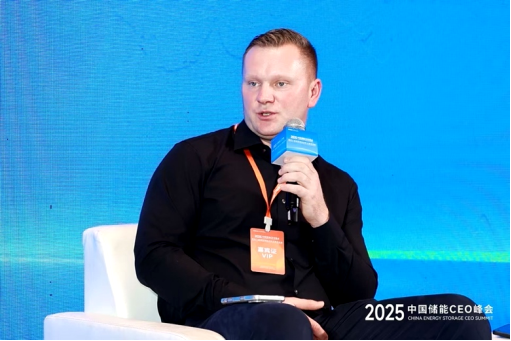
In 2025, industry reshuffling intensified amid complex global trade dynamics. The CEO roundtable - “Toward 2030: Synergy & Prospect Between China's Energy Storage and the Global Industrial Ecosystem” - became a highlight of the Summit.

The CEO roundtable was hosted by Yu Zhenhua, Executive Vice Chairman of CNESA, participants included: Prof. Zheng Zhifeng (College of Energy, Xiamen University), Cui Jian (President of Kehua Digital Energy), Yang Guang (CTO, HyperStrong), Yang Rui (Chairman, Shuangdeng Group), Lian Zhanwei (Chairman, XYZ Storage), Yang Bao (President, Trina Storage), Richard Wan (VP, Potisegde), Zhu Wei (SVP, Phoenix Contact China), etc.

Discussions centered on global strategy, supply-chain collaboration, ecosystem development, and technology innovation as the core driving engine for 2030 competitiveness.

Three Parallel Sessions

Overseas Markets • Technology Innovation • Computing Power

+ Energy Storage

Session 1: Overseas Energy Storage Opportunities & Business Models

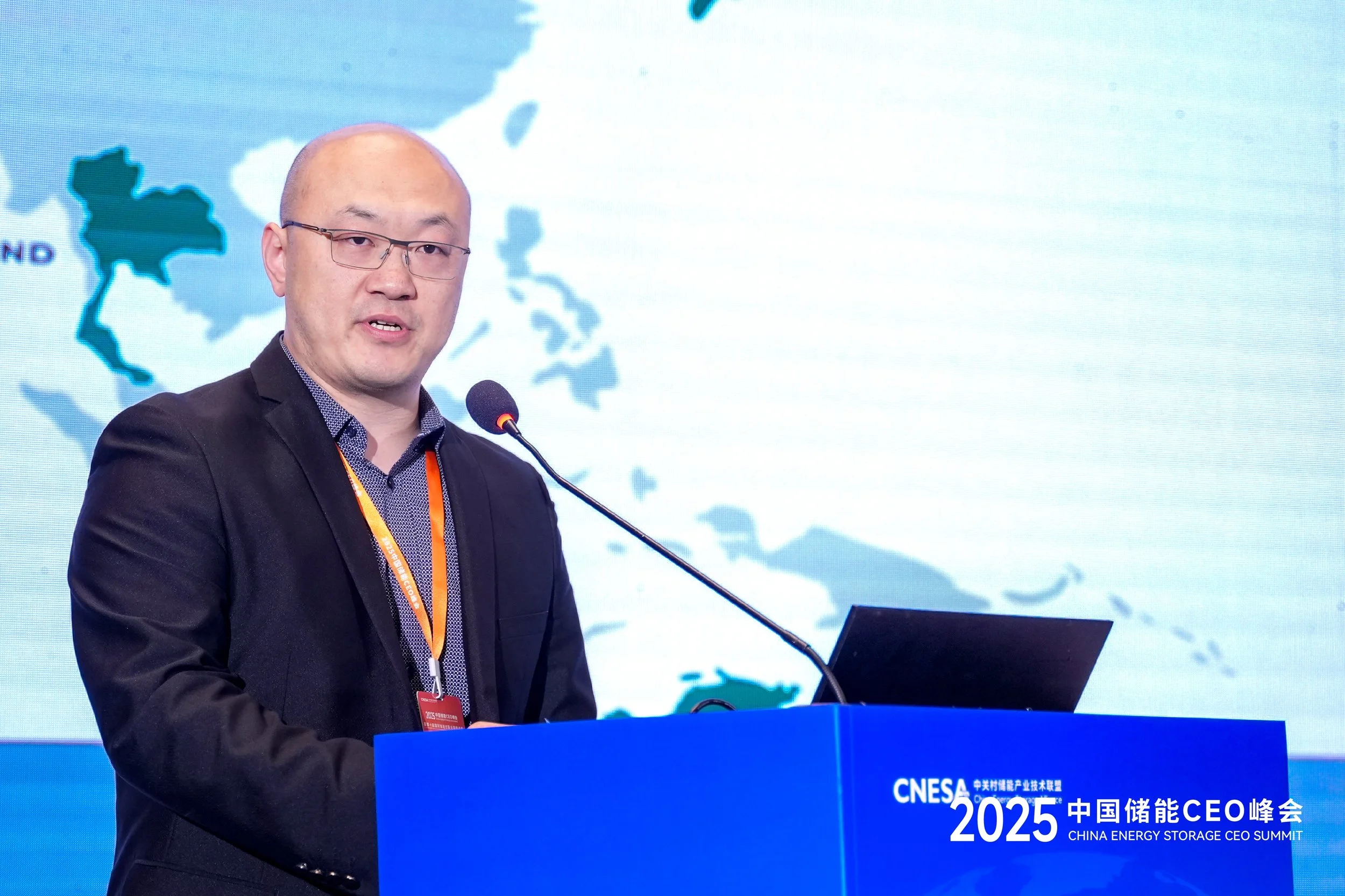
Hosted by Richard Wan (VP, Potisegde), experts from academia and industry - including Prof. Chen Haoyong (South China University of Technology), Liu Yudong (Senior Solutions Director, Kehua Digital Energy Overseas), Li Zhongli (VP, HyperStrong Europe),Richard Wan (VP, Potisegde),  Alessandro Wei (Engineering Director, Green Gold Energy), Salomon Martens (CEO, DRSOLAR Denmark ApS) and others - shared insights on grid-forming storage, battery intelligence, grid-structured energy storage technology, ultra-safety systems, and commercial opportunities across Europe and Australia.

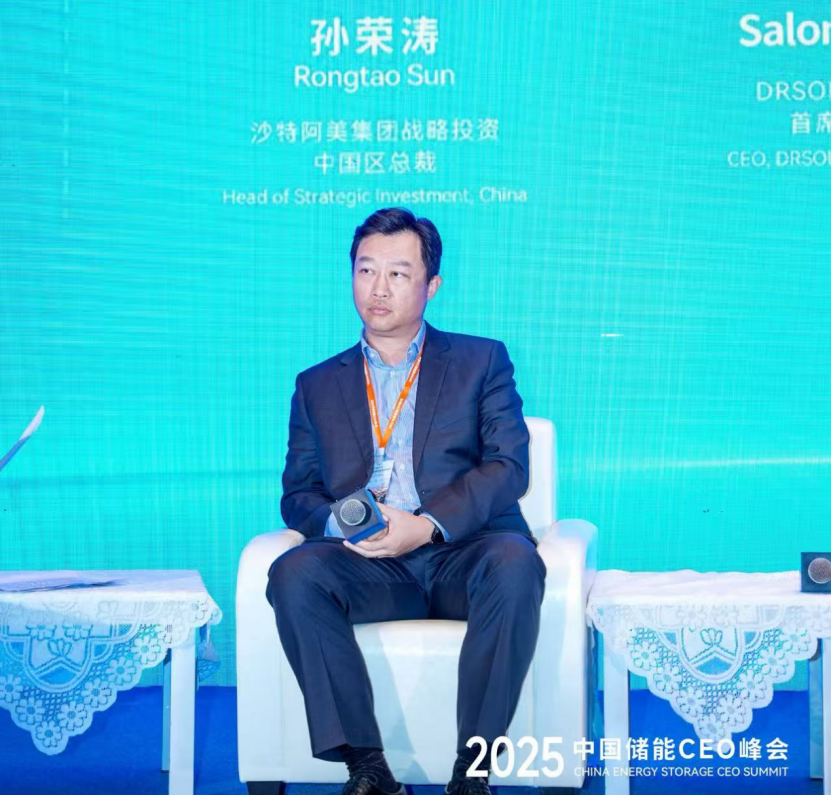
The International Roundtable 1 focused on “Overseas Energy Storage Opportunities and Ecosystem Collaboration.” Under the moderation of Prof. Chen Haoyong, South China University of Technology (part-time professor, Universiti Tunku Abdul Rahman), the discussion brought together Sun Rongtao, President of Strategic Investments, China, Saudi Aramco; Salomon Martens, CEO of DRSOLAR Denmark; Alessandro Wei (Wei Xiaowei), Engineering Director of Green Gold Energy; Wang Yichao, Deputy General Manager of XYZ Storage; and Shi Wenbo, President of the Hisense Network Energy and Vice Chairman of KE Electric. They engaged in an in-depth exchange on strategies for overseas market expansion and ecosystem collaboration.

Session 2: Advanced Energy Storage Technology & Solutions

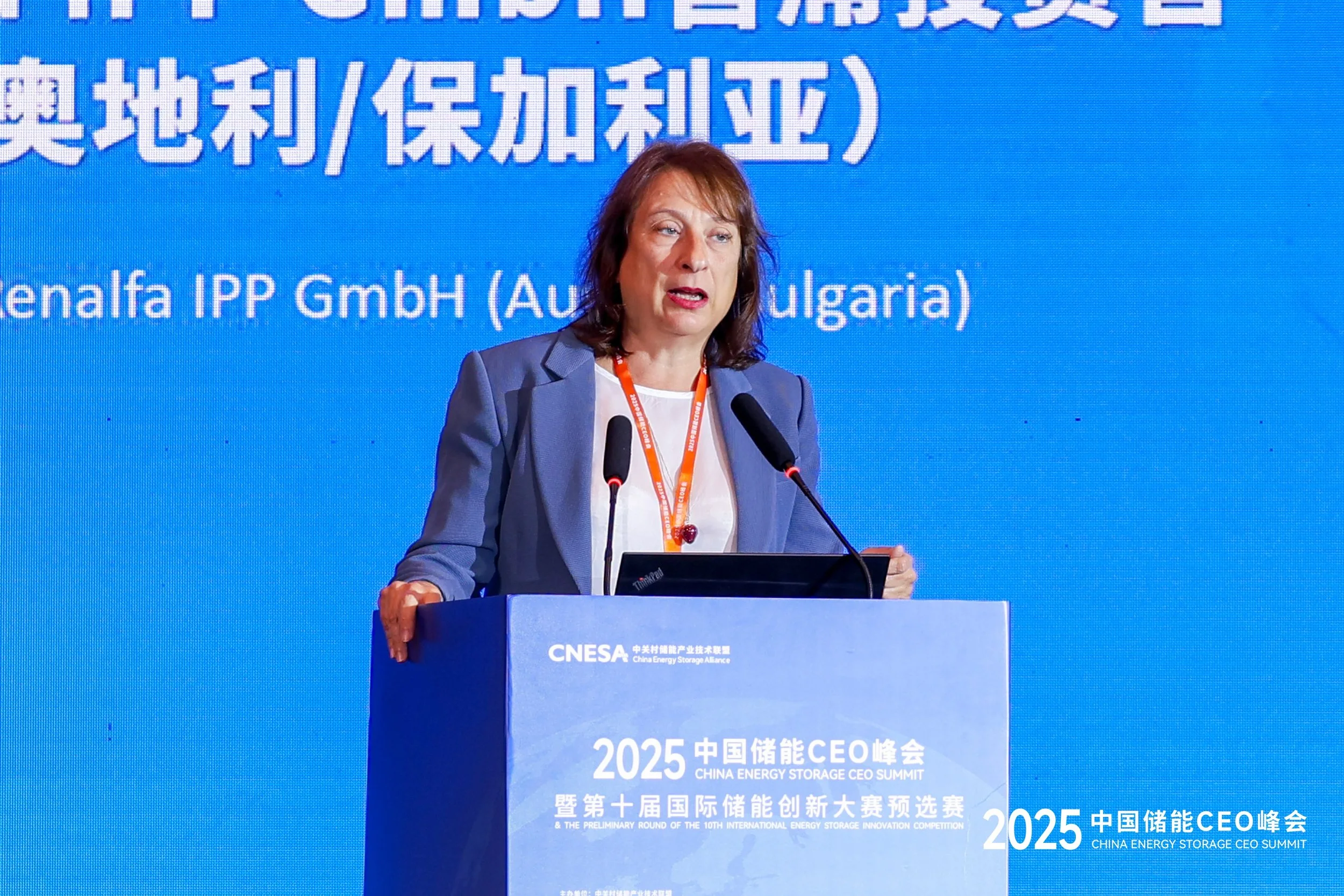
Hosted by Huang Junhui, former Deputy Director of SGCC Jiangsu Institute of Economic Research, Lin Jinshui, senior expert in energy storage solutions of Kehua Digital Energy; Li Ming, global product management head of Trina Storage; Yang Xinyu, market development manager of Ampace; Li Bingzhang, director of energy storage technology of Zhuzhou CRRC Times Electric; Tan Cheng, industry manager of Phoenix Contact; Wu Junjie, marketing manager of Prima Power Sheet Metal Equipment (Suzhou); Kalina Pelovska, chief investment officer of Renalfa IPP; Robert Kraszewski, CEO of RJS Construction; and Fu Chungui, industry director of Hymson Laser Technology shared insights on grid-forming storage, AIDC applications, full life cycle safety protection and intelligent upgrade of production lines under Document 136, and BESS commercial applications in Eastern Europe.

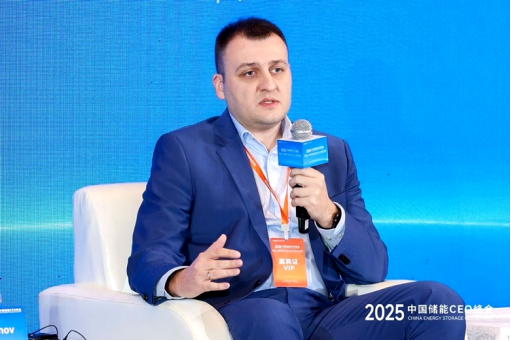
The International Roundtable 2 focused on “the demand distribution and potential of emerging energy storage markets”. Under the moderation of Wendy Wen (Wen Mingyuan), the discussion brought together Kalina Pelovska, chief investment officer of Renalfa IPP GmbH (Austria/Bulgaria); Gabriel Nenov, head of the energy storage division (eastern Europe) of Solarpro Technology AD; Robert Kraszewski, COO (Denmark) of RJS construction ApS; andLi Fengzhi, general manager of overseas marketing team of SAV Digital Power. They engaged in an in-depth exchange on opportunities and challenges in the global energy storage market.

Session 3: Energy Storage + Data Centers (AIDC)

Hosted by Zhang Jianing, senior policy research manager of CNESA, Zhong Yihua, VP of Shuangdeng Group; Li Yusheng, deputy director of the information energy innovation center of China Mobile Group Design Institute; Peng Huana, deputy chief engineer of Fujian Yongfu Power Engineering; Li Xu, technical expert of the power solutions department of Vertiv; Luo Guirong, former technical director of Kehua Data; Lu Zongshuo, product marketing manager of Ampace; Ding Changfu, senior product manager of Hithium Energy Storage; Zhang Wenjian, director of TAOS Data; Yang Qian, senior solution expert in the energy industry of Inspur KaiwuDB. They engaged in an in-depth exchange on the deep integration of "energy storage + computing power", high-rate and high-safety lithium battery solution empowering AIDC and green construction practice under the synergy of computing and electricity, and further explored how time series data and multimodal AI unlock the value of data assets in the energy industry.

The 2025 CEO Summit brought together the core strengths of the energy storage ecosystem to envision new scenarios, new landscapes, and new growth paths. Standing at the year's end and looking toward the future, we firmly believe that energy storage is not only a support technology for power systems but also a key engine driving global green transformation.

Toward 2030, let us take this Summit as a new starting point - strengthening collaboration, embracing open innovation, accelerating global supply-chain development, and co-building a win-win ecosystem.

With joint efforts across domestic and international markets, the industry will shift from rapid expansion to high-quality growth and inject strong, certain “Chinese contribution” into global energy security and a net-zero future.

A new journey begins - let us advance together, break the waves, and co-create a zero-carbon future.


CENSA Upcoming Events:

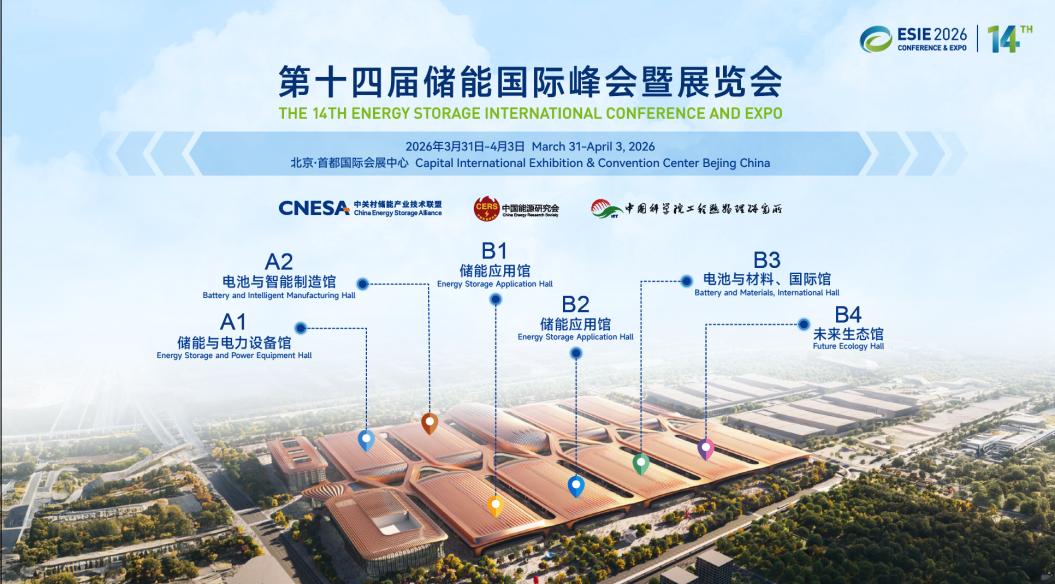
Apr. 1-3, 2026 | The 14th Energy Storage International Conference & Expo

Register Now to attend, free before Oct 31, 2025.

Read more: https://en.cnesa.org/new-events-1/2026/4/1/apr-1-apr3-the-14th-energy-storage-international-exhibition-amp-expo

Energy Storage Leaders Converge in Xiamen: Executives from Ten Industry Giants Share Insights at the 2025 China Energy Storage CEO Summit

Source: CNESA


On December 4, 2025, the “2025 China Energy Storage CEO Summit & the 10th International Energy Storage Innovation Competition - Preliminary Round,” hosted by the China Energy Storage Alliance (CNESA) and co-hosted by Xiamen University, Kehua Digital Energy, and Cornex New Energy, was successfully held in Xiamen.

The summit brought together top leaders from the most influential companies in the energy storage sector - Kehua Data, Envision Energy, Cornex New Energy, Shuangdeng Group, XYZ Storage, Trina Storage, HyperStrong, Potisegde, and Phoenix Contact. Chairmen, presidents, and key executives gathered to explore breakthroughs in energy storage technology, global strategies, and the construction of a robust industrial ecosystem. Their insights not only represent the direction of their companies but also reflect the core trajectory and future momentum of China's energy storage industry.

Chen Chenghui

Chairman, Kehua Data

“Charting the course forward means not only seizing opportunities but anchoring growth in technological innovation and safeguarding it through coordinated standards. Going fast alone is not enough - only through openness, cooperation, and ecosystem-wide collaboration can we enhance the quality and sustainability of global energy transition.”

Tian Qingjun

Senior Vice President, Envision; President, Envision Energy

“Chinese energy storage enterprises are born global. Going overseas has shifted from being an option to a matter of survival. In the face of inevitable globalization and its risks, the industry must evolve from simply going out to truly integrating in. Deep local operations and international talent development are key to long-term presence. At the same time, companies should foster competitive collaboration across the value chain, avoid vicious price wars, and win global respect through long-term value and quality.”

Huang Feng

President, Cornex New Energy

“We respect technology, respect safety, and respect quality - technology is the key to improve performance and cost challenges, and quality is the foundation of market confidence. In a race defined by both speed and endurance, only continuous innovation and customer alignment can lead to shared value.”

Cui Jian

President, Kehua Digital Energy

“Grid-forming technology has become a fundamental necessity for energy storage. In the future, PCS will no longer distinguish between ‘grid-following’ and ‘grid-forming’; the technologies will converge. Through deep technical refinement and intelligent upgrades, we will support the stable operation of new power systems and enable diverse value creation.”

Yang Rui

Chairman, Shuangdeng Group

“Energy storage companies must be ‘born global’ and capable of ‘deep globalization’. In certain high-certainty tracks such as AIDC, the real challenge lies in whether an organization can truly capture and sustain explosive market opportunities. By prioritizing talent and building a ‘carrier-class architecture’, we aim to lead with products and efficiency, establishing a resilient moat for long-term survival in fast-paced cycles.”

Lian Zhanwei

Chairman, XYZ Storage

“Safety is the lifeline of the energy storage industry. Innovative technologies such as immersion liquid cooling represent proactive breakthroughs for high-safety application scenarios. We look forward to working with the industry to advance energy storage toward higher safety, efficiency, and reliability.”

Yang Bao

President, Trina Storage

“Global experience in solar has paved the way for storage going overseas. With global networks and localized teams, we are accelerating the deep integration of solar and storage, enabling technology and markets to evolve together, and delivering value across regions and cultures in the global energy transition.”

Yang Guang

Chief Technology Officer, HyperStrong

“Strong partnerships and complementary strengths are vital to ensuring stable industrial delivery. Facing diverse global application scenarios, we are advancing platform-based products and AI-driven strategies to deeply integrate ‘Energy Storage + X’ and provide customized solutions for different markets.”

Richard Wan

Vice President of Technology, Potisegde

“Full-stack independent development is the foundation of quality, and global-localized delivery is the guarantee of stability. We adopt EV-grade standards for energy storage and build a closed-loop technology chain with intelligent manufacturing, reinforcing safety and efficiency amid intensifying competition.”

Zhu Wei

Senior Vice President, Phoenix Contact China

“Rooted in China, serving the world. We combine a century of electrical engineering experience with local R&D and manufacturing, providing secure and efficient system-level support for complex, multi-scenario energy storage applications through advanced connectivity and industrial automation technologies.”

As a key prelude to the 14th Energy Storage International Conference and Expo (ESIE 2026), the 2025 China Energy Storage CEO Summit served not only as a platform for high-level intellectual exchange but also as a catalyst for deeper industry collaboration. Leading companies including Kehua Digital Energy, Envision Energy, Cornex New Energy, Shuangdeng Group, XYZ Storage, Trina Storage, HyperStrong, Potisegde, and Phoenix Contact have confirmed participation in ESIE 2026 and will showcase their latest technologies and solutions at this global energy storage event.

We sincerely invite industry colleagues to join us next year as we work together to advance the energy storage industry toward higher quality and greater sustainability.


CENSA Upcoming Events:

Apr. 1-3, 2026 | The 14th Energy Storage International Conference & Expo

Register Now to attend, free before Oct 31, 2025.

Read more: https://en.cnesa.org/new-events-1/2026/4/1/apr-1-apr3-the-14th-energy-storage-international-exhibition-amp-expo

COP30 Sends a Strong Signal: Trillions of Dollars Flowing In, Marking the “Acceleration Moment” for Global Energy Storage Deployment

Source: CNESA


The 30th UN Climate Change Conference (COP30), formally the 30th Conference of the Parties to the UN Framework Convention on Climate Change (UNFCCC), was held from November 10-21, 2025, in Belém, the capital of Pará in Brazil’s Amazon rainforest region. It is also the first multilateral climate governance conference since the signing of the Paris Agreement ten years ago.

Against the backdrop of an increasingly severe global climate crisis, COP30 clearly established the strategic importance of energy storage technologies in the global energy transition. The conference not only reaffirmed emissions-reduction goals but also provided institutional and financial recommendations to support the large-scale deployment of energy storage, strengthen international cooperation, and address key development barriers.


Bottlenecks in the Clean Energy Transition and the Urgent Need for

Energy Storage

At the “World Climate Action Leaders Summit,” held on November 6-7, UN Secretary-General António Guterres emphasized that achieving the core mission of “accelerating the phase-out of fossil fuels” requires implementing five priority actions. Among them, “expanding investments in grids, storage, and efficiency to ensure infrastructure keeps pace with the rapid growth of renewable energy” was identified as a critical component. This elevated energy storage from a mere technological option to an indispensable prerequisite for achieving global climate goals.

This strategic consensus was quickly reinforced with concrete technical elaboration in subsequent sessions. On Friday, November 14, Brazil's Secretary of State for Energy Transition and Planning, Gustavo Ataíde, stressed that expanding grid and energy storage capacity is essential for global electrification: “The growth in demand is outpacing grid expansion. Without transmission, there is no transition.”

From the Secretary-General's macro-level call to the host country minister's technical articulation, COP30 formed a high-level consensus early in its first week: Energy storage is the key solution to the biggest bottleneck in integrating renewable energy and unlocking the global energy transition.


Breakthrough Mechanisms: Paving the Way for Global Energy Storage

Deployment

November 14 (Friday), the fifth day of COP30, became a pivotal moment for the energy storage agenda. During the High-Level Ministerial Meeting on Grids and Storage, participants reached several major agreements:

(1) Grids and Storage Implementation Coordination Council

COP30 formally announced the launch of the Grids and Storage Implementation Coordination Council, a new international mechanism aimed at accelerating global action on power grids and energy storage, and advancing the “COP30 Action Plan on Accelerating Grid Expansion and Resilience,” led by the Green Grids Initiative (GGI).

For years, countries have pursued storage deployment independently, lacking unified technical standards, interoperability rules, and cross-border coordination mechanisms. This has hindered seamless integration of storage systems with large-scale grids and limited the potential for regional power balancing and optimization.

The new Council is expected to provide a high-level international platform to coordinate policies, technical standards, market mechanisms, and cross-regional energy storage projects, ultimately helping build more resilient, intelligent, and efficient global energy systems - making energy storage a true “core enabler” of large-scale renewable integration.


(2) Investable Project Framework

To address financing challenges in developing countries, COP30 released the Investable Project Framework, designed to translate national climate goals into investment-ready projects, especially in emerging markets.

Energy storage - particularly large grid-scale storage, pumped hydro, and long-duration systems - generally requires high capital investment and sophisticated commercial and risk assessment models. Many developing countries have strong demand and ambition for storage deployment but lack the ability to design “bankable” storage projects that meet international financing standards.

The Framework is expected to significantly enhance the bankability of storage projects, channeling trillions of climate-related dollars into the “last mile” of the global storage market, enabling large-scale storage infrastructure in emerging economies, and making storage a key destination for global climate finance flows.


Trillions in Investment Commitments: Strong Momentum for Energy

Storage

On November 18, 2025, COP30 delivered its strongest financial signal yet as governments, development banks, and industry representatives announced tens of billions of dollars in new commitments for grids and storage.

The Utilities for Net Zero Alliance (UNEZA) confirmed an annual expenditure plan of USD 148 billion, opening a USD 1 trillion investment pathway for grid and storage expansion. By 2030, members aim to more than triple their renewable power capacity compared to 2023 levels, while undertaking major grid expansion, upgrades, and storage deployment.

Other significant commitments included:

— The Asian Development Bank, World Bank Group, and ASEAN jointly pledged over USD 12 billion under the ASEAN Power Grid Financing Initiative.

— Germany committed EUR 15 million through the Inter-American Development Bank Group to establish a new Transmission Acceleration Platform for Latin America and the Caribbean.

— UK utility SSE plc announced a fully funded GBP 33 billion, five-year investment plan to modernize national power infrastructure.

— The Global Grids Catalyst initiative, launched this year, secured USD 50 million in initial funding plus USD 2 million for an innovation incubation fund.

These commitments underscore that global financial institutions and governments have shifted their investment focus squarely toward energy storage and grid modernization - removing bottlenecks that impede the clean energy transition.


Industry Voice at Side Events: Chinese Companies Showcase

Technologies and Cooperation

Beyond the main agenda, numerous side events highlighted the dynamism of the energy storage industry and China's technological contributions.

On November 13, CATL (Contemporary Amperex Technology) held a side event titled “Driving System Transformation: Co-Creating a Zero-Carbon Future” at the COP30 China Pavilion. Gustavo Ataíde, Brazil's Secretary of State for Energy Transition and Planning, noted in his remarks: “Energy storage is strategic infrastructure for today's energy transition - critical for enhancing flexibility, stability, efficiency, and enabling large-scale renewable integration.”

During the event, CATL and IRENA released their report Solar PV and Storage for Energy Transition, which identified lithium-ion battery storage as the most cost-effective storage technology and “solar + storage” as the most economical clean energy combination.

On the same day, the China Investment Association and several partners hosted a side event titled “Driving Global Low-Carbon Development through Renewable Energy under Climate Change.” In a roundtable session, Hithium Energy Storage delivered a speech titled Innovation and Local Practice for Joint Global Green Transition, reaffirming its commitment to innovation, localization, open collaboration, and global partnership in advancing energy transition.


Diverse Technology Pathways and Global Cooperation Outlook

Throughout COP30, various technological routes and international cooperation models were also showcased.

FTXT Energy Technology Co.,Ltd. under the China Great Wall AMC (International) Holdings Co., Ltd. presented its “Explorer H1” hydrogen-powered research vessel - the first deployment of China's hydrogen fuel cell technology in marine applications in Latin America.

Thiago Prado, President of Brazil's Energy Research Office (EPE), told Sina Finance that as wind and solar continue to grow, pumped hydro and battery storage have become critical issues for Brazil's power system. He expressed hope to learn from China's leading experience in both technologies to accelerate storage integration into Brazil's grid.

In addition, State Grid Corporation of China, Trina Solar, LONGi Green Energy, and others held exhibitions showcasing renewable energy and storage technologies.


Energy Storage: The “Engine of Acceleration and Implementation” at

COP30

The clearest message emerging from COP30 is that global climate governance has shifted from abstract commitments to concrete actions focused on “acceleration and implementation.” At this turning point, energy storage has become the key element enabling the rapid rollout of renewables and the realization of climate goals.

The Grids and Storage Implementation Coordination Council and the Investable Project Framework together provide the institutional and financial foundation needed for global storage deployment.

After COP30, energy storage will no longer be a supporting component of the energy system - it will become the core strategic engine of the global energy transition, driving humanity toward a cleaner, more stable, and more sustainable future.


CENSA Upcoming Events:

1. Dec.4-5 | 2025 China Energy Storage CEO Summit | Xiamen, Fujian

Register Now to attend

Read more: http://en.cnesa.org/new-events-1/2025/12/4/dec4-5-2025-china-energy-storage-ceo-summit

2. Apr. 1-3, 2026 | The 14th Energy Storage International Conference & Expo

Register Now to attend, free before Oct 31, 2025.

Read more: https://en.cnesa.org/new-events-1/2026/4/1/apr-1-apr3-the-14th-energy-storage-international-exhibition-amp-expo

The 8th Hongqiao International Economic Forum’s Parallel Forum on New Energy Storage Held in Shanghai

"Those who share the same aspirations will not be kept apart by mountains and seas."


On November 5, 2025, the 8th China International Import Expo (CIIE) opened as scheduled. As one of its key supporting events, the Hongqiao International Economic Forum focuses on major global economic issues. This year, a Parallel Forum on New Energy Storage was held, reflecting the world’s shared attention to energy transition and sustainable development.

On the afternoon of November 5, the Parallel Forum on “Promoting High-Quality Development of New Energy Storage to Accelerate the Global Energy Transition”, jointly hosted by the National Energy Administration (NEA) and the Ministry of Commerce (MOFCOM), was successfully held at the National Exhibition and Convention Center (Shanghai). The event was co-organized by the Institute of Science and Development, Chinese Academy of Sciences (CASISD), the Institute of Engineering Thermophysics, CAS, The Paper, and the China Energy Storage Alliance (CNESA).

The forum brought together high-level guests from across China and abroad. Notable participants included Mr. Song Hongkun, Member of the Party Leadership Group and Deputy Director of the NEA; Ms. Xiao Lu, Deputy Director-General of the Department of Foreign Trade, MOFCOM; Mr. Zheng Deyan, Deputy Secretary of the Party Leadership Group and Deputy Director of the Shandong Provincial Development and Reform Commission, and Director of the Provincial Energy Bureau; Mr. Yang Yang, Director of the Xinjiang Uygur Autonomous Region Energy Bureau; Mr. Meng Qingqiang, Chief Engineer of the State Grid Corporation of China; Mr. Wang Shaowu, Deputy General Manager of China Southern Power Grid; Mr. Wang Shaomin, Deputy General Manager of State Power Investment Corporation (SPIC); Prof. Xia Qing from Tsinghua University; Mr. Pan Jiaofeng, President of CASISD; Mr. Yu Zhenhua, Executive Vice Chairman of CNESA; and Mr. Chen Xiang, Senior Vice President of EVE Energy and Head of EVE Energy Storage.

International guests included Mr. Laureano Ortega Murillo, Advisor to the President of the Republic of Nicaragua for Investments, Trade and International Cooperation, and Mr. Adam Bralczyk, Consul General of the Republic of Poland in Shanghai.
Dr. Steven Chu, Nobel Laureate in Physics and former U.S. Secretary of Energy, joined the event via video link.

The forum attracted extensive participation across the energy storage ecosystem, highlighting a shared commitment to high-quality development and open collaboration.
Leaders from the National Development and Reform Commission, the Ministry of Industry and Information Technology, and provincial energy authorities from Liaoning, Hebei, Jiangxi, Guangdong, Sichuan, Yunnan, Inner Mongolia, Hunan, Guangxi, and Gansu attended.
Executives from major state-owned enterprises such as State Grid, China Southern Power Grid, Huaneng, Datang, Huadian, SPIC, China Three Gorges Corporation, China Energy, POWERCHINA, Energy China, CGN, Inner Mongolia Energy Group, and Guangxi Energy Group were also present.
Representatives from leading enterprises, research institutes, and financial institutions participated, alongside international delegates from the Embassy of the French Republic, the Consulate General of the Republic of Finland in Shanghai, and the German Chamber of Commerce Abroad – Greater China (AHK), reflecting strong global consensus and cooperation toward energy transition.

The session was moderated by Mr. Liu Deshun, Director-General of the Department of Energy Conservation and Science & Technology Equipment at the NEA.


In his opening address, Deputy Director Song Hongkun emphasized that, marking the 10th anniversary of the Paris Agreement, the NEA continues to implement the “Four Revolutions, One Cooperation” energy security strategy, building the world’s largest and fastest-growing renewable energy system and a complete new energy industry chain.
As a key enabler of China’s new power system, new energy storage has achieved remarkable progress — reaching over 100 GW of installed capacity by September 2025 — and has become essential for renewable integration and energy security.

Since the start of the 14th Five-Year Plan, China’s new energy storage has directly driven over 200 billion yuan in project investment and over 1 trillion yuan across the industrial chain, supplying high-performance products globally and contributing to the energy transition. Looking ahead to the 15th Five-Year Plan, the NEA will continue promoting innovation, improving market mechanisms, and fostering new productivity in the energy sector to ensure the carbon peak goal is met on schedule.


Mr. Laureano Ortega Murillo stated that Nicaragua is accelerating industrialization and energy diversification to meet growing power demand.
With abundant solar, wind, and geothermal resources, Nicaragua has already partnered with CCCC, POWERCHINA, and Huawei in renewable and storage projects. He welcomed further Chinese investment and cooperation to jointly advance global energy transition.


Ms. Xiao Lu, Deputy Director-General of MOFCOM’s Department of Foreign Trade, noted that Chinese energy storage enterprises are rapidly expanding abroad, leveraging technological and supply chain advantages to power the global green transition.
She highlighted three major trends:

  1. Continuous expansion of trade volume;

  2. Strengthened role as a global supply chain hub;

  3. Steady growth in outbound investment.
    Looking ahead, China will further support two-way openness — encouraging foreign enterprises to establish R&D centers in China and supporting domestic companies to “go global” — while enhancing international standards cooperation and alignment.


Mr. Bian Guangqi, Deputy Director-General of NEA’s Department of Energy Conservation and Science & Technology Equipment, delivered a keynote titled “Vigorously Developing New Energy Storage to Support New Power Systems.”
He highlighted that NEA continues to advance innovation and comprehensive policy measures, creating favorable conditions for technology progress, industrial growth, and improved commercial models in the new energy storage sector.


Dr. Steven Chu, Nobel Laureate and former U.S. Secretary of Energy, stressed via video that the world faces an urgent decarbonization challenge. While renewable energy costs have fallen sharply, he noted that achieving deep decarbonization requires multiple complementary technologies.
He praised China’s global leadership in large-scale wind turbines, battery storage, and nuclear cost control, and emphasized that efficient, affordable energy storage, next-generation nuclear, and carbon capture and storage (CCUS) will be crucial to achieving climate goals.


Mr. Meng Qingqiang, Chief Engineer of State Grid, analyzed challenges such as planning mismatches, insufficient market value recognition, and incomplete safety standards. He proposed coordinated planning, diversified market mechanisms, and accelerated innovation to support new power system construction.


Mr. Wang Shaowu of China Southern Power Grid emphasized that energy storage, as a strategic technology for new power systems, faces both opportunities and challenges in achieving high-quality development. He outlined the company’s strategy to strengthen value creation, system integration, and platform-based innovation.


Mr. Wang Shaomin of SPIC reported that China’s cumulative new energy storage capacity reached 114 GW by October 2025, marking a shift from policy-driven to market-driven growth. SPIC now operates 279 projects totaling 8.74 GW (20.94 GWh), ranking first nationwide, and will continue promoting global collaboration and innovation.


Mr. Zheng Deyan from Shandong Energy Bureau shared Shandong’s leadership in energy storage, noting 9.74 GW of operational capacity, ranking among the top three provinces in China for three consecutive years. The province aims to establish a “predictable, sustainable, and scalable” market mechanism to ensure reasonable returns and reduce investment risk.


Prof. Xia Qing from Tsinghua University analyzed China’s policy evolution from early mandatory installation to market-based incentives such as capacity compensation and spot trading, enabling rapid capacity growth and cost reductions exceeding 50% since 2022.


Mr. Pan Jiaofeng, President of CASISD, reviewed China’s progress in wind, solar, EVs, and hydrogen, and called for faster development of a non-fossil energy–dominated, innovation-driven power system to balance energy security and low-carbon transition.


Mr. Yu Zhenhua, Executive Vice Chairman of CNESA, outlined trends in technology and industrial development — from pumped storage to battery-dominated systems — and highlighted growing diversification (e.g., sodium-ion and flow batteries) and enhanced safety standards.


Mr. Chen Xiang, Senior VP of EVE Energy, noted that global markets show significant diversity in development stages and demand structures. He emphasized localization, long-duration storage innovation, and multi-technology approaches (solid-state, sodium-ion, etc.) to support a clean, resilient global energy system.

The Parallel Forum on New Energy Storage at the 8th Hongqiao International Economic Forum served as a vital platform for global dialogue and collaboration.
Participants exchanged insights on technological innovation, market mechanisms, and international cooperation, forming broad consensus on the future of the energy storage industry.
As one of the key achievements of this year’s Hongqiao Forum, the event will inject strong momentum into optimizing the global energy structure and advancing sustainable development and carbon neutrality worldwide.


CENSA Upcoming Events:

1. Dec.4-5 | 2025 China Energy Storage CEO Summit | Xiamen, Fujian

Register Now to attend

Read more: http://en.cnesa.org/new-events-1/2025/12/4/dec4-5-2025-china-energy-storage-ceo-summit

2. Apr. 1-3, 2026 | The 14th Energy Storage International Conference & Expo

Register Now to attend, free before Oct 31, 2025.

Read more: https://en.cnesa.org/new-events-1/2026/4/1/apr-1-apr3-the-14th-energy-storage-international-exhibition-amp-expo

The 8th Hongqiao International Economic Forum - “High-quality Development of New Types of Energy Storage Accelerates Global Energy Transition”

Source: CNESA


Date: November 5, 2025, 14:30-17:30

Venue: Room D1, Hall 4.2, National Exhibition and Convention Center

(Shanghai)

Hosts: National Energy Administration

Ministry of Commerce of the People's Republic of China

Organizers: Institutes of Science and Development, Chinese Academy of

Sciences

Institute of Engineering Thermophysics, Chinese Academy of

Sciences

The Paper

China Energy Storage Alliance

Introduction:

The parallel session on "High-quality Development of New Types of Energy Storage Accelerates Global Energy Transition" will bring together distinguished representatives from government, industry, academia, research institutions, and finance to build a global high-end energy storage ecosystem. Participants will explore major topics such as technological breakthroughs, innovative business models, policy incentive mechanisms, and domestic and international industrial cooperation, sharing experience and contributing collective wisdom to the world.

Program:

Honored Guests:

Meng Qingqiang

Chief Engineer, State Grid Corporation of China

Chief Engineer of State Grid Corporation of China, Chairman and Party Committee Secretary of SG Electric Power Research Institute. Born in July 1966 in Tianjin, of Han ethnicity, he holds a bachelor's degree and is a professor-level senior engineer. As a member of the Communist Party of China, he began working in July 1987. His previous roles include General Manager of Tianjin Binhai Company, Deputy General Manager and Party Committee Member of Tianjin Electric Power Company, Deputy General Manager and Party Committee Member of Jiangsu Electric Power Company, General Manager and Deputy Party Committee Secretary of Chongqing Electric Power Company, Director of the SG AC Construction Department, and Chairman and Party Committee Secretary of State Grid Hunan Electric Power Company. He previously served as Chief Engineer of State Grid Corporation of China and assumed his current position in March 2023.

Wang Shaowu

Party Leadership Group Member & Vice President, China Southern Power Grid Co., Ltd.

Dr. WANG Shaowu, Vice President of China Southern Power Grid Co., Ltd., has long been engaged in research on high-voltage insulation, advanced UHV/EHV transmission, localization and development of power equipment, and management of innovative large-scale complex engineering systems. He is well-versed in the design, construction and operation of large power grids and has made systematic contributions to China's international leading position in UHVAC, UHVDC, and VSC-DC transmission technologies.

He has received National Award for Science and Technology Progress (Special Prize), China Electric Power Science and Technology Award (First Prize), and China Machinery Industry Science and Technology Progress Award (Special Prize), among others.

Wang Shaomin

Party Leadership Group Member & Vice President, State Power Investment Corporation Limited

Wang Shaomin, male, born in 1972, holds a master's degree with a Master of Engineering. He is a senior engineer (professorial level).

His previous roles include President of China Huaneng Group's Clean Energy Technology Research Institute, General Manager of Huaneng Fujian Branch, Party Committee Secretary and General Manager of Huaneng Xiong'an Branch, Executive Director and Party Committee Secretary of Huaneng Xiong'an Branch, Executive Director and General Manager of Huaneng (Xiong'an) Urban Integrated Energy Services Co., Ltd., and Executive Director and Party Committee Secretary of Huaneng Hebei Branch. He has long been engaged in management work in the power and energy sector. In December 2024, he was appointed as Vice President and Party Leadership Group Member of the State Power Investment Corporation Limited.

Xia Qing

Professor, Tsinghua University

Qing Xia received the B.E. and M.E. degree from Harbin Institute of Technology, in 1982 and 1986, respectively, and Ph.D. degree from Tsinghua University, in 1989, all in electrical engineering. He is now a Professor and Chair of the Academic Degree Committee in the Department of Electrical Engineering at Tsinghua University.

He has extensive academic and industrial experiences in electricity market and power system economic operations. His research team has designed and implemented load forecasting, generation scheduling, security assessment and market trading software for over ten provincial power grid companies in China. He has also been directing electricity market mechanism design and implementation towards China's electricity deregulation. Moreover, he has served as a consulting expert for both the State Grid Corporation and China Southern Power Grid Corporation for many years.

His research interests include power economics and electricity market, power system load forecasting, power system economic operation, generation & transmission expansion planning, optimization application in power systems, low-carbon electricity smart grid, etc.

He is a senior member of IEEE and a senior member of CSEE (Chinese Society for Electrical Engineering). He was awarded the title of national excellent science and technology workers.

Pan Jiaofeng

President of the Institutes of Science and Development, Chinese Academy of Sciences (CASISD)

Pan Jiaofeng, Professor, Doctoral Supervisor. He is a deputy to the 14th National People's Congress. He is currently President of the Institutes of Science and Development, Chinese Academy of Sciences (CASISD), Dean of the School of Public Policy and Management, University of Chinese Academy of Sciences (UCAS), Director of China Innovation Strategy and Policy Research Center funded by Research Office of the State Council and CAS, and Chairman of the Chinese Association of Development Strategy Studies. He is also a member of the governing board of the International Research and Training Center for Science and Technology Strategy (CISTRAT), UNESCO. His research focuses on S&T strategies, innovation policies, and think-tank science and engineering. He has presided over more than 60 national major and key decision-making consultation, policy research and strategic research projects, and has achieved a number of influential results in decision-making consultation and theoretical research. He has innovated think-tank theories and methods, and published series of academic monographs including DIIS Theory and Methodology in Think Tanks, Double Helix Methodology in Think Tanks and Introduction of Think Tank Science and Engineering.

Yu Zhenhua

Founder and Executive Vice Chairman, China Energy Storage Alliance (CNESA)

Deputy Director and Secretary-General, Energy Storage Expert Committee under China Energy Research Society

Yu Zhenhua, Founder and Executive Vice Chairman of China Energy Storage Alliance (CNESA), and Deputy Director and Secretary-General of the Energy Storage Expert Committee under China Energy Research Society. In 2011, Mr. Yu led the establishment of CNESA, China's first and only social organization dedicated to the energy storage field. It is committed to promoting the development of the energy storage industry by influencing the formulation of government policies and the promotion of energy storage applications. In the same period, he founded Beijing ReneSola Century Technology Co., Ltd. and serves as Chairman, focusing on promoting the development and application of energy storage in the power application field and constructing China's first commercial power station project where energy storage participates in power auxiliary services. Leading the alliance team, Yu Zhenhua undertook 3 national key R&D programs. He has won awards including the Third Prize of Excellent Achievements in Energy Soft Science Research by the National Energy Administration in 2016 and the Second Prize of Energy Innovation Award by China Energy Research Society in 2022.

Jianhui Zhang

Chairman & CEO, BEIJING HYPERSTRONG TECHNOLOGY CO., LTD.

Dr. Jianhui Zhang is the founder, chairman, and CEO of Beijing HyperStrong Technology Co., Ltd. He is a professor-level senior engineer and has extensive experience in the product development and technical management of power electronics and large-scale integration. He holds a Ph.D. degree in Electrical Engineering from the University of California, Berkeley, as well as a M.S. degree and a B.S. degree in Electrical Engineering from Tsinghua University.

Dr. Zhang spent 10 years studying and working in the United States, during which he obtained more than 20 technology invention patents and published more than 10 academic papers. Prior to founding HyperStrong, he served as the Chief Technology Officer of the Smart Grid Group of Siemens China Co., Ltd., where he presided over the R&D and technical management of smart grid products.

Steven Chen

SVP of EVE Energy, CEO of EVE Energy Storage

Mr. Steven Chen, a master's degree from Huazhong University of Science and Technology, is currently the senior vice president of EVE Energy Co., Ltd. and the president of EVE Energy Storage Co., Ltd.. He has more than 20 years of working experience in the eld of network energy and energy storage. Mr. Steven Chen joined Emerson Network Power Co., Ltd. in 2004 as the Director of Business Development for Asia Pacfic; Since March 2016, he has worked for EVE Energy Co., Ltd. as vice president, and has concurrently served as president of EVE Energy Storage Co., Ltd. since May 2018.

Mr. Steven Chen is good at integrating computer information processing, network energy applications and energy storage systems based on lithium battery technology for system application design.Have a deeper understanding of the development of the energy storage industry, integrate marketing, management and market analysis capabilities, go deep into the front line, and continue to operate the production, marketing and research of the electrochemical energy storage business in corporate operations.


CENSA Upcoming Events:

1. Dec.4-5 | 2025 China Energy Storage CEO Summit | Xiamen, Fujian

Register Now to attend

Read more: http://en.cnesa.org/new-events-1/2025/12/4/dec4-5-2025-china-energy-storage-ceo-summit

2. Apr. 1-3, 2026 | The 14th Energy Storage International Conference & Expo

Register Now to attend, free before Oct 31, 2025.

Read more: https://en.cnesa.org/new-events-1/2026/4/1/apr-1-apr3-the-14th-energy-storage-international-exhibition-amp-expo

China-UK Hydrogen and Energy Storage Cooperation Forum Successfully Held

Source: CNESA


On October 23, 2025, during the International Forum on Energy Transition, the China-UK Hydrogen and Energy Storage Cooperation Forum was held in Suzhou. The event brought together representatives from energy authorities of both countries, the British Embassy in Beijing, and institutions such as the China Energy Storage Alliance (CNESA) and the China Hydrogen Alliance, along with experts, scholars, and business leaders from the hydrogen and energy storage industries. Participants engaged in in-depth discussions on technological innovation and industrial collaboration in promoting the global energy transition.

Liu Deshun, Director-General of the Department of Energy Conservation and Science & Technology Equipment of China’s National Energy Administration, and Rachel Kyte, the UK Special Representative for Climate, attended the forum and delivered remarks. Other distinguished guests included Greg Dyke, Deputy Director for International Affairs at the UK Department for Energy Security and Net Zero, and Jonathan Bacon, Minister Counsellor (Economic) at the British Embassy in Beijing. They shared insights into the UK’s energy sector development and international cooperation strategies under its net-zero goals.

Experts and representatives from University College London (UCL), the Faraday Institution, CNESA, and the China Hydrogen Alliance, as well as leading companies such as GoodWe, HyperStrong, Trina Solar, bp China, and Johnson Matthey, participated in the forum. Through open dialogue, they contributed professional expertise and practical perspectives to strengthen bilateral cooperation in the energy sector.

In his speech, Liu Deshun emphasized that the global energy landscape is undergoing profound transformation, and developing clean energy and tackling climate change have become a shared international priority. As strategic emerging industries, hydrogen and energy storage play crucial roles in driving energy transition and achieving carbon neutrality. He noted that China’s National Energy Administration remains committed to high-level opening-up. In March 2025, China and the UK signed a Memorandum of Understanding on the Clean Energy Partnership, identifying clean hydrogen and battery energy storage as key cooperation areas. Moving forward, both sides will deepen practical collaboration in hydrogen and energy storage, enhance policy dialogue, advance joint technology innovation and standards development, and promote project implementation and investment - jointly contributing to global energy transition and climate governance.

Rachel Kyte, the UK Special Representative for Climate, stressed that hydrogen and energy storage are strategic enablers of clean, secure, and affordable energy. The UK looks forward to deepening cooperation with China under the Clean Energy Partnership framework to promote the global deployment of hydrogen and energy storage technologies, advancing the global shift toward green, low-carbon development.

Representing Chinese institution, Nina Ning, Senior Research Manager of the CNESA, delivered a keynote speech titled “Latest Developments and Prospects of China’s Energy Storage Market”. Her presentation provided an in-depth overview of China’s energy storage progress, technological breakthroughs, and future trends, offering valuable insights for UK participants.

Aurore Mallon, Head of Battery Market and Investment at the UK Department for Energy Security and Net Zero, introduced the UK’s policy and regulatory framework for battery energy storage. Lu Huan, Dean of GoodWe Solar Academy, shared project experiences of Chinese storage companies entering the UK market. Professor Michael Grubb from University College London discussed the UK’s policy roadmap for commercializing energy storage. Their perspectives offered practical guidance for deepening bilateral industrial cooperation.

A panel discussion moderated by Alex Way, Counsellor for Net Zero and Sustainable Development at the British Embassy in Beijing, explored key topics such as the complementarity of China-UK technology roadmaps, compliance and localization challenges for overseas operations, and market mechanism design. Chinese participants - including Dr. Wang Jinsong, Chief Scientist at the Big Data Center of HyperStrong, and Ge Yufang, Director of Strategy and Operations at Trina Solar’s Overseas Power Plant Division - shared practical insights, while representatives from UK firms such as Arup and Wood Mackenzie provided professional recommendations to enhance China-UK industrial collaboration and support Chinese energy storage enterprises going global.

After the forum, the China-UK Hydrogen and Energy Storage Cooperation Reception was held as scheduled, providing a relaxed business networking platform for guests from both sides. The reception helped participants further connect resources and discuss cooperation in an informal setting, continuing the collaborative momentum of the forum.

The successful convening of the China-UK Hydrogen and Energy Storage Cooperation Forum marks a new stage of deepened collaboration between the two countries in the hydrogen and energy storage fields. As a leading industry service platform, CNESA remains committed to promoting the international development of China’s energy storage industry. Going forward, CNESA will continue to leverage international cooperation mechanisms, integrate industry resources, and provide diversified platforms for policy dialogue, technology exchange, and project collaboration - helping Chinese energy storage companies seize global market opportunities, manage compliance risks, and strengthen localization efforts, while contributing Chinese expertise and strength to the global energy transition.


CENSA Upcoming Events:

1. Dec.4-5 | 2025 China Energy Storage CEO Summit | Xiamen, Fujian

Register Now to attend

Read more: http://en.cnesa.org/new-events-1/2025/12/4/dec4-5-2025-china-energy-storage-ceo-summit

2. Apr. 1-3, 2026 | The 14th Energy Storage International Conference & Expo

Register Now to attend, free before Oct 31, 2025.

Read more: https://en.cnesa.org/new-events-1/2026/4/1/apr-1-apr3-the-14th-energy-storage-international-exhibition-amp-expo

China-UK Electricity Market Reform Seminar Held in Suzhou

Source: National Energy Administration


On October 22, 2025, the China-UK Electricity Market Reform Seminar was held in Suzhou. Representatives from energy authorities of both countries, the British Embassy in Beijing, and relevant research institutions attended the meeting. The participants engaged in in-depth discussions on topics such as power system and market reform and innovation.

During the seminar, the two sides signed a Memorandum of Understanding on the China-UK Electricity Market Reform Advisory Group, officially launching the joint advisory group established by China’s National Energy Administration (NEA) and the UK’s Department for Energy Security and Net Zero (DESNZ). The group will bring together leading research institutions from both countries to conduct collaborative studies and exchanges, providing professional consultation and policy recommendations on electricity market reform for the two governments.


CENSA Upcoming Events:

1. Dec.4-5 | 2025 China Energy Storage CEO Summit | Xiamen, Fujian

Register Now to attend

Read more: http://en.cnesa.org/new-events-1/2025/12/4/dec4-5-2025-china-energy-storage-ceo-summit

2. Apr. 1-3, 2026 | The 14th Energy Storage International Conference & Expo

Register Now to attend, free before Oct 31, 2025.

Read more: https://en.cnesa.org/new-events-1/2026/4/1/apr-1-apr3-the-14th-energy-storage-international-exhibition-amp-expo

2025 5th International Conference on Energy Storage Safety Technology and National Key R&D Program Workshop Successfully Held

Source: CNESA


On October 16, 2025, the 2025 5th International Conference on Energy Storage Safety Technology and the workshop on the National Key R&D Program project “Collaborative Research on Key Technologies for International Lithium-Ion Battery Energy Storage Safety Evaluation” was opened at the Crowne Plaza Tianjin Meijiangnan by IHG.

The forum was co-organized by the China Energy Storage Alliance (CNESA), the Tianjin Fire Science and Technology Research Institute of MEM, and the National Industry-Education Platform for Energy Storage (Tianjin University). Coinciding with the 130th anniversary of Tianjin University and the 60th anniversary of the Tianjin Fire Science and Technology Research Institute of MEM, the event carried special significance in bridging past achievements and future developments. It brought together more than 600 participants on-site from government, industry, academia, and research, with over 40,000 online viewers, collectively contributing ideas for the safety and sustainable development of the energy storage industry.

The successful convening of the seminar was also strongly supported by Kehua Digital Energy, Envision Energy, Trina Storage, Pylontech, Syi Tsing Energy Tech, Robestec Energy, Sermatec, Shell China, Potisedge, Risen Energy, CSA Group, and UL Solutions.


Opening:

Gathering Industry Leaders to Outline a Safety Blueprint

The opening ceremony brought together senior officials from regulatory authorities, distinguished experts, and industry elites. Attendees included leaders from the Safety Department of the National Energy Administration and the Electronics Information Department of the Ministry of Industry and Information Technology, as well as Zhang Laibin, academician of Chinese Academy of Engineering and professor of China University of Petroleum (Beijing) and Sun Jinhua, academician of European Academy of Sciences and professor of University of Science and Technology of China, alongside representatives of the organizing institutions.

Sun Zhengyun

Vice Chairman and Secretary-General, China Energy Research Society

The opening ceremony was hosted by Sun Zhengyun, Vice Chairman and Secretary-General of the China Energy Research Society.

Li Bin

Member of the CPC Party Committee, Vice President, and Professor, Tianjin University

Professor Li Bin, member of the Party Committee and Vice President of Tianjin University, delivered the opening remarks. He noted that electrochemical energy storage is a core element for ensuring the stable operation of new power systems, but recent frequent safety incidents involving lithium-ion battery storage have posed systemic risks. He emphasized that energy storage safety is a critical issue for national energy security, and it is essential to develop a scientifically grounded, internationally recognized safety evaluation standard system through multidisciplinary collaboration and coordination among industry, academia, research, and application. By doing so, the “key variable” of energy storage safety can be transformed into the “greatest driver” for advancing the construction of new power systems.

Chen Haisheng

Chairman, China Energy Storage Alliance (CNESA); Director, Institute of Engineering Thermophysics, Chinese Academy of Sciences

In his speech, Chen Haisheng, Chairman of CNESA and Director of the Institute of Engineering Thermophysics at the Chinese Academy of Sciences, stated that while the energy storage industry is thriving, safety remains its lifeline for sustainable development. He noted that frequent global energy storage incidents in recent years have sounded an alarm for the industry. To meet these challenges, the entire sector is systematically building safety defenses:

● Policy level: The government has introduced top-level designs to strengthen energy storage safety management.

● Standards: The industry is entering a new phase of mandatory safety regulations, with the first compulsory national standard implemented domestically, while both domestic and international regulations are tightening.

● Technology level: Full-scale combustion testing has become a crucial method to verify safety and gain market trust.


Frontline Insights:

Academicians and Experts Discuss Key Technological Challenges

The main forum reports focused on safety technologies across the entire chain, from materials and batteries to systems and evaluation standards.

Zhang Laibin

Academician, Chinese Academy of Engineering; Professor, China University of Petroleum (Beijing)

In his report, “Safety and Emergency Assurance Technologies for Deep Underground Energy Storage”, Professor Laibin Zhang, Academician of the Chinese Academy of Engineering and Professor at China University of Petroleum (Beijing), discussed the advantages and challenges of using deep underground spaces for physical energy storage. He systematically presented the five key technologies - deep gas storage, hydrogen storage, carbon sequestration, compressed air energy storage, and helium storage - along with their associated risks and challenges, emphasizing that only by effectively addressing safety issues can the application of deep energy storage spaces achieve sustainable development.

Sun Jinhua

Academician, European Academy of Sciences; Professor, University of Science and Technology of China

Professor Sun Jinhua, Academician of the European Academy of Sciences and Professor at the University of Science and Technology of China, systematically presented his report on “Fundamentals and Technological Advances in Fire Prevention and Control for Electrochemical Energy Storage”. He pointed out that fire safety is a core challenge amid the rapid development of electrochemical energy storage, and proposed a systematic solution based on three lines of defense: intrinsic safety, process safety, and fire protection safety. This approach includes developing high-safety materials to enhance intrinsic battery safety, using intelligent monitoring and hazard mitigation to suppress faults at an early stage, and developing precise firefighting technologies to prevent small fires from escalating. Finally, Professor Sun emphasized the need to strengthen industry self-discipline and eliminate irrational price competition, warning that such competition inevitably leads to declining product quality, increased safety incidents, and a damaged industry ecosystem. He called for standards and innovation to jointly safeguard the safe and high-quality development of the industry.

Xie Jia

Professor, Huazhong University of Science and Technology

In his report, “Thermal Runaway Mitigation Strategies and Key Materials for Lithium Batteries”, Professor Xie Jia from Huazhong University of Science and Technology revealed the safety risks of electrochemical energy storage through quantitative analysis. Using a 20-foot 314Ah energy storage container as an example, he noted that it contains up to 100 GJ of energy, equivalent to 24 tons of TNT. He emphasized that energy storage safety must start from the battery itself: preventing thermal runaway, minimizing energy release if it occurs, avoiding chain-fire incidents, and combining these measures with emergency response to enhance overall safety. Based on a deep understanding of the three key stages of the thermal runaway chain reaction, he proposed constructing “three lines of defense” within the battery itself and highlighted that developing intrinsic thermal runaway mitigation strategies and key materials is the core approach to achieving stage-wise precise intervention and fundamentally improving safety.

Chen Haosen

Professor, Beijing Institute of Technology

In his report, “Intelligent Battery Technologies for Intrinsic Safety”, Professor Chen Haosen from Beijing Institute of Technology highlighted that achieving intrinsic battery safety requires leveraging AI technologies to overcome the traditional sensing and management limitations of battery cells. Currently, his team focuses on AI for Service, using intelligent methods to enable precise battery state prediction and efficient management. To this end, they developed embedded chip sensors capable of real-time, multidimensional monitoring of temperature, strain, pressure, and five types of characteristic gases. This technology transforms the battery’s internal state from a ‘black box” into a “white box”, creating a unique “battery fingerprint” that provides essential data for early prediction, early warning, and early intervention. The approach has already facilitated the large-scale industrial application of domestically developed intelligent sensing technologies through industry collaborations.

Li Jin

Deputy Director and Researcher, Tianjin Fire Science and Technology Research Institute of MEM

In his report, “Safety Evaluation Technologies for Lithium-Ion Battery Energy Storage Systems”, Researcher Li Jin, Deputy Director of the Tianjin Fire Research Institute, highlighted that in response to the serious challenge of frequent fires at energy storage facilities worldwide, the institute is leading the National Key R&D Program project “Collaborative Research on Key Technologies for International Lithium-Ion Battery Energy Storage Safety Evaluation”. The project has developed a comprehensive safety evaluation system covering all levels from cell, module, cluster, system, to entire power station. This system introduces a composite evaluation method integrating dynamic and static indicators, establishing quantitative safety performance grading techniques. The project outcomes have been applied in domestic and international energy storage safety assessments, and have supported the development of multiple national and international standards, providing a key “China approach” and technological support to improve energy storage safety and promote high-quality industry development.

Wang Fang

Chief Scientist, China Automotive Technology & Research Center Co., Ltd.

In her report, “Research and Evaluation of Energy Storage Battery Safety Technologies”, Wang Fang, Chief Scientist at the China Automotive Technology & Research Center, emphasized that energy storage battery safety is a systemic engineering challenge, requiring a comprehensive safety evaluation system covering all application scenarios, the full life-cycle, and all product levels. She noted that safety is the fundamental “veto line” in both energy storage and new energy vehicle sectors. Based on extensive accident analysis, Wang highlighted that battery safety must extend beyond the individual cell to a full-chain, system-level approach, closely integrated with specific application scenarios and real-world operating conditions. By implementing a full-chain framework encompassing design, application, usage, and management, the industry can continuously advance safety technologies.


Major Release:

“Self-Regulation Practice Guidelines” for the Energy Storage Industry

At the event, the “Self-Regulation Practice Guidelines for Containerized Lithium-Ion Battery Energy Storage Systems” was unveiled, which is a milestone achievement critical to the healthy development of the energy storage industry. Led by the China Energy Storage Alliance (CNESA) and jointly initiated by 25 leading industry enterprises from the CNESA Executive Council, this document is the industry’s first normative guidance specifically for containerized lithium-ion battery energy storage systems. It also marks the first time the industry has translated collective consensus into a systematic set of practical standards.

Representatives from 16 leading companies including HyperStrong, CATL (Contemporary Amperex Technology), Sungrow, CERI (Huaneng Clean Energy Institute), CRRC Zhuzhou Institute, Envision Energy, Soaring Electric Technology, XYZ Storage, Sineng Electric, Kehua Digital Energy, ZTT Storage, Trina Storage, Sunwoda, Gotion High-Tech, TBEA (formerly Tebian Electric Apparatus), and EVE Energy jointly took the stage to sign and witness this important moment.


In-Depth Discussions:

Three Parallel Sub-Forums Spark Innovative Ideas

In the afternoon, three parallel sub-forums were held, with topics of greater depth and specificity:


Sub-Forum 1: “Energy Storage Safety Technologies and Application Innovation” focused on the cutting-edge safety technology practices and challenges in the industry. It was chaired by Kong Depeng, Associate Dean and Professor at the School of Mechanical and Electrical Engineering, China University of Petroleum (East China). Experts from University of Science and Technology of China, Kehua Digital Energy, Pylon Technologies, Shell China, and CSA Group shared frontline results on topics including large-scale energy storage fire testing methods and innovations, full-stack safety technology solutions, industrial and commercial energy storage safety practices, and applications of immersion cooling fluids.

Following this, the “Large-Scale Fire Test” roundtable discussion, chaired by Researcher Wang Qingsong from the University of Science and Technology of China, brought together experts and leaders from Institute of Building Fire Research of China Academy of Building Research, Sungrow, Trina Storage, Envision Energy, and UL Solutions’ Energy & Industrial Automation Division. They engaged in in-depth debates on the necessity of extreme testing, differences in standards, certification costs, and how these factors translate into market competitiveness, providing the industry with practical technical pathways and market insights.


Sub-Forum 2: “Energy Storage Fault Diagnosis and Safe Operation & Maintenance” focused on how to prevent risks through refined management and advanced technologies.

The session was chaired by Professor Zhu Li, Deputy Director of the National Industry-Education Platform for Energy Storage (Tianjin University). Experts from Tianjin University, Southern Electric Power Research Institute, Robestec Energy, Pinggao Group, and AlphaESS shared cutting-edge solutions to enhance the reliability of energy storage systems, covering topics such as core protection technologies for lithium systems, full life-cycle battery management, immersion cooling technology, online early-warning systems, and digital twin applications.

The subsequent roundtable discussion, themed “Reliability Assessment of Energy Storage Systems and Cross-Industry Insights”, was chaired by Associate Professor Li Chao from Tianjin University. Experts from the Tianjin Fire Science and Technology Research Institute of MEM, CATARC Certification, CALB, Kehua Tech Data Center, and Huawei Digital Power explored how reliability practices from data center UPS and automotive-grade BMS systems could be applied to the energy storage sector. They also systematically analyzed the key role of advanced assessment methods such as FMEA and FTA in building a comprehensive life-cycle safety evaluation framework for energy storage systems.


Sub-Forum 3: “AI Empowering Energy Storage Safety” showcased the immense potential of cutting-edge technology in enhancing the intrinsic safety of energy storage.

The session was chaired by Associate Researcher Chu Yuxi from the Tianjin Fire Science and Technology Research Institute of MEM. Experts from Huazhong University of Science and Technology, Shenyang Fire Science and Technology Research Institute of MEM, Syi Tsing Energy Tech, Potisedge, Sermatec, and TEPDI (China Energy Engineering Group Tianjin Electric Power Design Institute Co., Ltd.) shared innovative AI-based practices in battery state sensing, intelligent early warning, health assessment, and thermal management.

The following roundtable discussion, themed “Responding to Energy Storage Incidents: Design + Fire Protection + Emergency Management”, was moderated by Tang Liang, Deputy Secretary-General of the China Energy Storage Alliance (CNESA). Experts and leaders from State Grid Jiangsu Electric Power, Huaneng Clean Energy Institute, China University of Mining and Technology (Beijing), and HyperStrong conducted in-depth discussions on the necessity and controversies surrounding fire suppression system configurations in energy storage systems, concepts of emergency response, and forward-looking goals for energy storage safety. The discussion provided a systematic framework for building a safety defense line covering the entire chain - from design and early warning to emergency handling.

In addition, on October 15, the conference hosted a closed-door seminar on the National Key R&D Program “International Cooperative R&D on Key Technologies for Lithium-Ion Battery Energy Storage Safety Assessment”, as well as a CNESA Energy Storage Safety Committee working meeting. On October 17, participants visited the TEDA Power 20.1 MW / 40.2 MWh grid-side energy storage project, achieving a close integration of theory and practice.


Summary and Outlook:

Building Consensus to Safeguard Steady and Sustainable

Industry Growth

2025 5th International Conference on Energy Storage Safety Technology was a high-standard, high-level, and high-impact industry event. It not only showcased China’s latest research achievements and technological advancements in the field of energy storage safety but also, through the release of the Self-Regulation Practice Guidelines, demonstrated the sector’s firm commitment to self-regulation and healthy development.

The forum forged a strong consensus that “safety is the cornerstone and lifeline of large-scale energy storage development”. It emphasized that only by reinforcing the safety bottom line can the energy storage industry unlock its full potential and play a greater role in driving the energy transition.


CENSA Upcoming Events:

1. Dec.4-5 | 2025 China Energy Storage CEO Summit | Xiamen, Fujian

Register Now to attend

Read more: http://en.cnesa.org/new-events-1/2025/12/4/dec4-5-2025-china-energy-storage-ceo-summit

2. Apr. 1-3, 2026 | The 14th Energy Storage International Conference & Expo

Register Now to attend, free before Oct 31, 2025.

Read more: https://en.cnesa.org/new-events-1/2026/4/1/apr-1-apr3-the-14th-energy-storage-international-exhibition-amp-expo

📝
🛫
👤